
Au Gamin de Tokio sits in Ebisu’s French dining circuit, where classical technique is filtered through Tokyo’s appetite for compact, chef-led rooms and contemporary pacing. Chef Takemasa Kinoshita’s restaurant carries a 2026 Opinionated About Dining Recommended citation, a useful signal in a city where French cooking ranges from grand dégustation rooms to smaller, more personal counters.
Pearl is the En Primeur Club membership app — saves, bookings, and concierge access live there. Same editors, same standards.
- Address
- カーサ ピアット, Japan, 〒150-0013 Tokyo, Shibuya City, Ebisu, 3 Chome−28−3 カーサピアット 2F, Tokyo, Kantō, Japan
- Phone
- +81 3-3444-4991
- Website
- gamin2008.com
 Saves & bookings on Pearl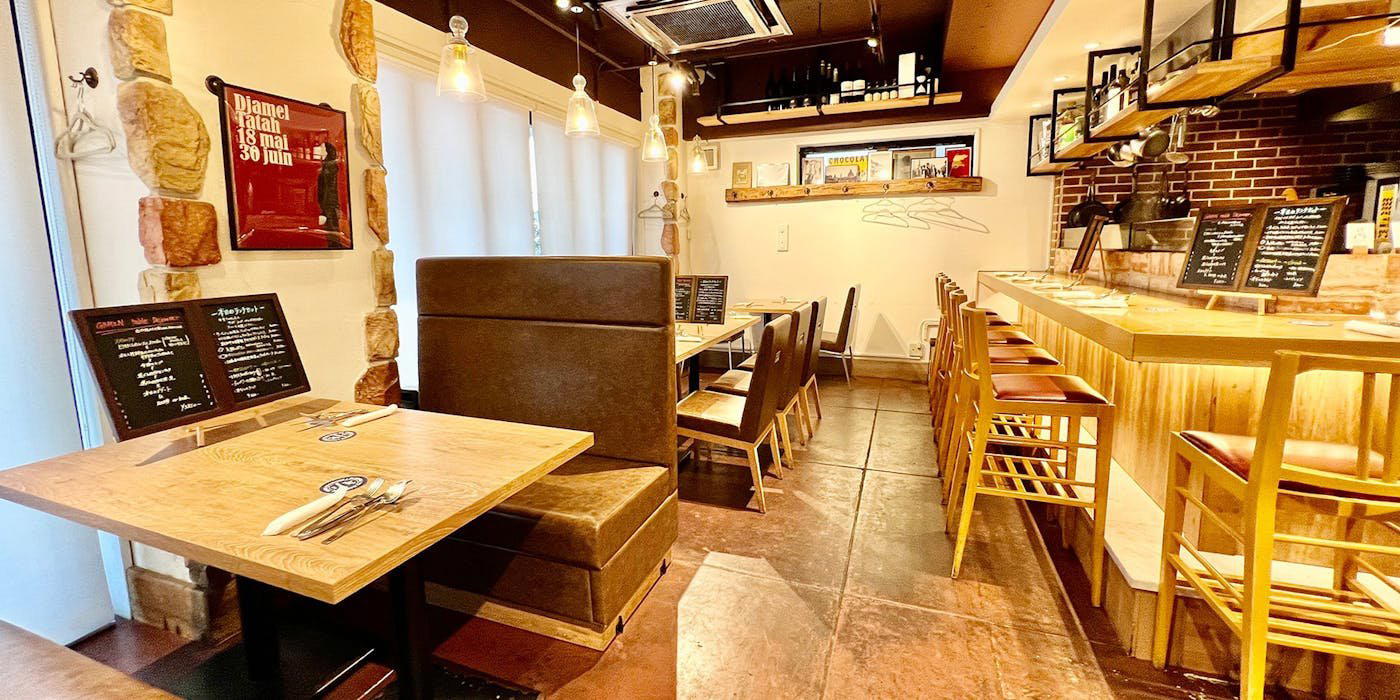
Ebisu changes register quickly: a station-area rush of bars and late dinners gives way to quieter upper-floor restaurants where Tokyo’s French cooking often feels less formal than Ginza and less theatrical than hotel dining. Au Gamin de Tokio belongs to that smaller-scale strain of the city’s French scene, the kind built around proximity, precision, and the tension between bistro pleasure and trained technique.
Tokyo has long treated French cuisine as a serious language rather than an imported costume. The city’s stronger French kitchens tend to understand sauce, heat, pastry discipline, and seasonality, but they also edit the formality that can make classical dining feel static. That is the useful frame here: not old France reproduced in Japan, but French method pushed through Tokyo’s compact rooms, sharper pacing, and high expectation for ingredient clarity.
French technique in Ebisu, without the grand-room script
The restaurant’s signal is its category as much as its name. In Tokyo, French dining now splits across several lanes: destination tasting-menu rooms, wine-led neo-bistros, hotel restaurants, and intimate chef-driven addresses that use French structure without leaning on ceremony. Au Gamin de Tokio sits in the last of those lanes. Its 2026 Recommended recognition from Opinionated About Dining places it on the radar for diners who follow international restaurant lists, but the more interesting point is what that recognition says about the format: this is French cooking judged within Japan’s dense, competitive field, not a novelty entry.
Chef Takemasa Kinoshita gives the restaurant an identifiable culinary anchor, but the broader story is Tokyo’s comfort with French technique as a working grammar. Butter, reduction, offal, seafood, roasting, and layered sauces have all been absorbed into the city’s dining culture over decades; what separates better modern French rooms in Tokyo is restraint. The cooking has to carry enough classical backbone to satisfy diners who know the canon, while moving with the lighter tempo expected in contemporary Tokyo restaurants.
That balance matters in Ebisu. The neighbourhood has a different dining psychology from Marunouchi or Aoyama: less corporate polish, more evening energy, and a stronger after-work rhythm. French restaurants here can afford to feel sociable without losing seriousness. The useful comparison is not with named peers, but with formats: diners choosing this lane are usually looking for French technique with a closer view of the kitchen’s decisions, rather than a long-form ceremonial meal structured around prestige cues.
The modern Tokyo-French question: how much classicism is enough?
New French cooking in Tokyo is not defined by rejecting the old repertoire. It is defined by editing it. Classical technique remains the authority, but the meal has to avoid becoming a museum piece. That tension is the reason restaurants in this category appeal to experienced diners: the interest lies in how a kitchen handles richness, acid, temperature, and pacing when the room is smaller and the city’s broader dining culture rewards precision over display.
Au Gamin de Tokio’s OAD Recommended status in 2026 is a practical trust marker rather than a decorative badge. Opinionated About Dining tends to surface restaurants followed by committed diners, including addresses that may not fit neatly into Michelin-style luxury expectations. For Tokyo, that matters. The city already has a deep hierarchy of high-end French restaurants; a recommendation here suggests the restaurant belongs in the conversation for diners tracking serious French cooking beyond the obvious hotel and trophy-table circuit.
The absence of a published price range also shapes the reader decision. In Tokyo’s French category, cost can vary widely between casual bistro formats and tasting-menu rooms, and a restaurant’s external recognition can raise demand even when the format is not overtly formal. The sensible approach is to treat this as a planned dinner rather than an improvised stop, especially for travellers building a short Tokyo itinerary around a limited number of meals.
How it fits into a Tokyo dining itinerary
For visitors, Ebisu works well as a restaurant neighbourhood because it supports a full evening without requiring the rigid pacing of a destination-only district. That makes the restaurant a strong fit for travellers who want a French dinner within Tokyo’s local dining rhythm, then bars or a second stop nearby, rather than a sealed luxury experience. It also suits diners who have already spent time with sushi, tempura, yakitori, or kaiseki and want to see how Tokyo applies the same discipline to a European culinary framework.
The booking question is simple: plan ahead if the restaurant is a priority. Tokyo’s better small-format restaurants can fill early, and international recognition adds another layer of demand. Without relying on a published seat count or set booking window, the safe editorial read is that advance planning belongs in the same category as transport and hotel choice, not as an afterthought.
Readers building a broader food map can place this address alongside other Tokyo restaurant research in Our full Tokyo restaurants guide. For adjacent planning, EP Club’s city coverage also includes Our full Tokyo hotels guide, Our full Tokyo bars guide, Our full Tokyo wineries guide, and Our full Tokyo experiences guide.
For readers tracing French and contemporary dining across Japan and beyond, useful follow-up pages include ABBESSES, abysse, Alchimiste, Alternative, and amarantos. Wider regional browsing can extend to -Grilled beef Sukiyaki- KAMAKURA TANUKIAN 鎌倉 たぬき庵 in Kamakura.cafe in Osaka.know in Kumamoto, (Shoku) Vietnam in Kawasaki, [Curry Senmon Ten] Maruyama Kyoju. in Sapporo, and [ki:] in Kyoto. For a cross-border view of French cooking outside Japan, see 3 Fils Counter, French in Dubai and 3G Trois Gourmands, French in Ho Chi Minh City.
Comparable venues nearby, for context on price, style, and recognition.
| Venue | Cuisine | Price | Notes |
|---|---|---|---|
| Au Gamin de TokioThis venue — the venue you are viewing | French Bistro | $$$ | Not listed |
| A New Trulve V | French Fine Dining | $$$ | Shibuya |
| ルミエルネ | French Bistro & Natural Wine Bar | $$$ | Setagaya |
| マチュリテ | Modern French Bistro | $$$ | Chūō |
| Libertable Akasaka ten | Creative French Patisserie Restaurant | $$$ | Minato |
| レザンファン ギャテ | Modern French Terrine Specialist | $$$ | Shibuya |
Recognition history
Dated appearances from independent guides and award organizations, with the underlying list record or original source where available.
Opinionated About Dining Top Restaurants in Japan Recommended
Opinionated About Dining







At a Glance
- Romantic
- Intimate
- Sophisticated
- Modern
- Elegant
- Date Night
- Celebration
- Special Occasion
- Group Dining
- Chefs Counter
- Open Kitchen
- Private Dining
- Terrace
- Standalone
- Extensive Wine List
- Craft Cocktails
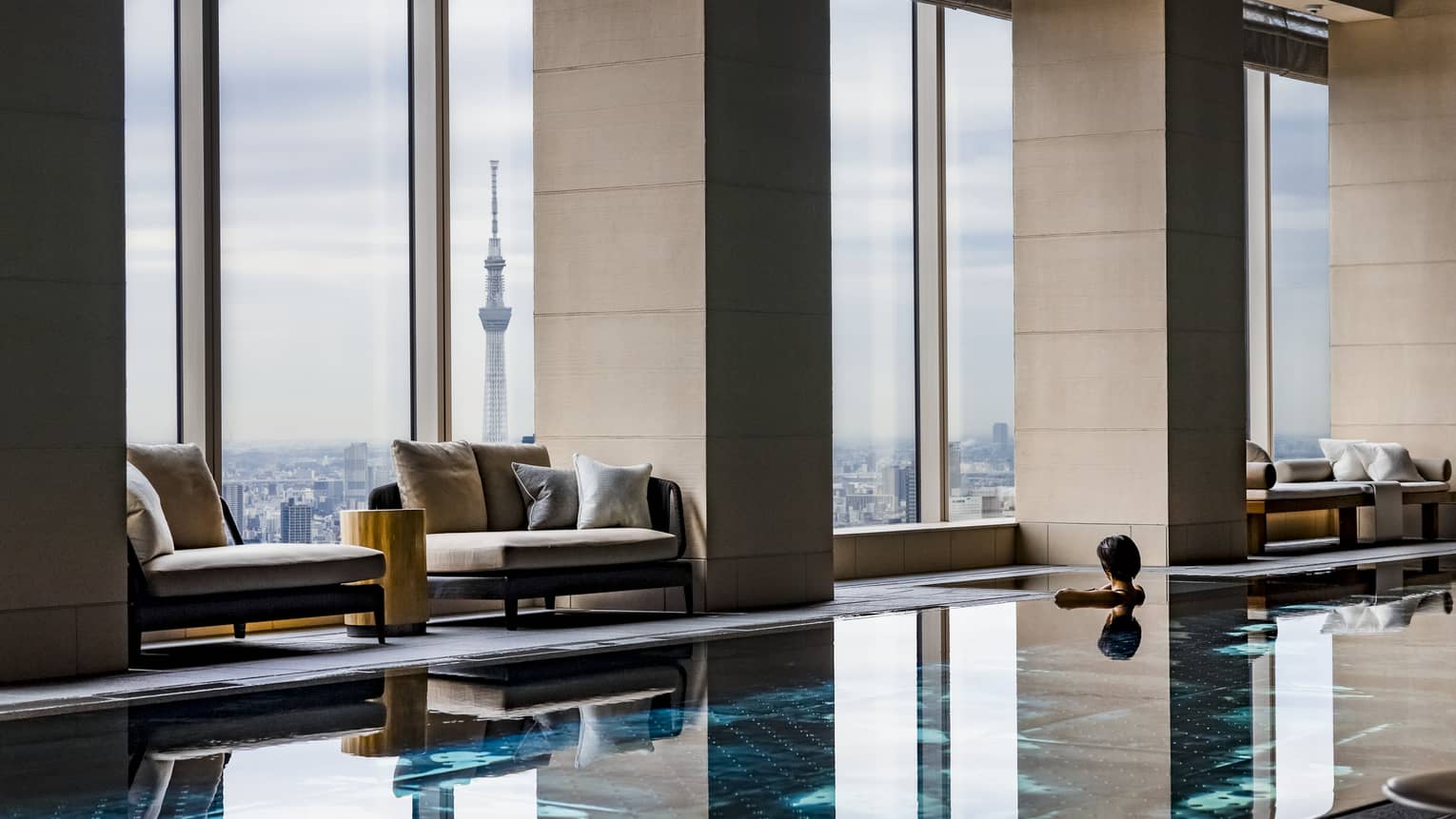
Lively but polished, with a theatre-like open kitchen, counter seating, and a relaxed lounge feel on the first and second floors; the terrace adds a more open, casual dimension.