
In Setagaya's residential quiet, Naturam translates its Latin name into practice: a French-trained kitchen built on direct relationships with Japanese farmers and a production philosophy that treats sourcing as the central act of cooking. Chef Kazuya Sugiura spent a decade cooking in Paris before returning to Tokyo, and the restaurant reflects that dual formation, French technique applied with the ingredient reverence more common to kaiseki.
Pearl is the En Primeur Club membership app — saves, bookings, and concierge access live there. Same editors, same standards.
- Address
- 1 Chome-17-16 Tamagawa, Setagaya City, Tokyo 158-0094, Japan
- Phone
- +81 3-3708-7723
- Website
- naturam.tokyo.jp
- Directions
- Get directions
 Saves & bookings on Pearl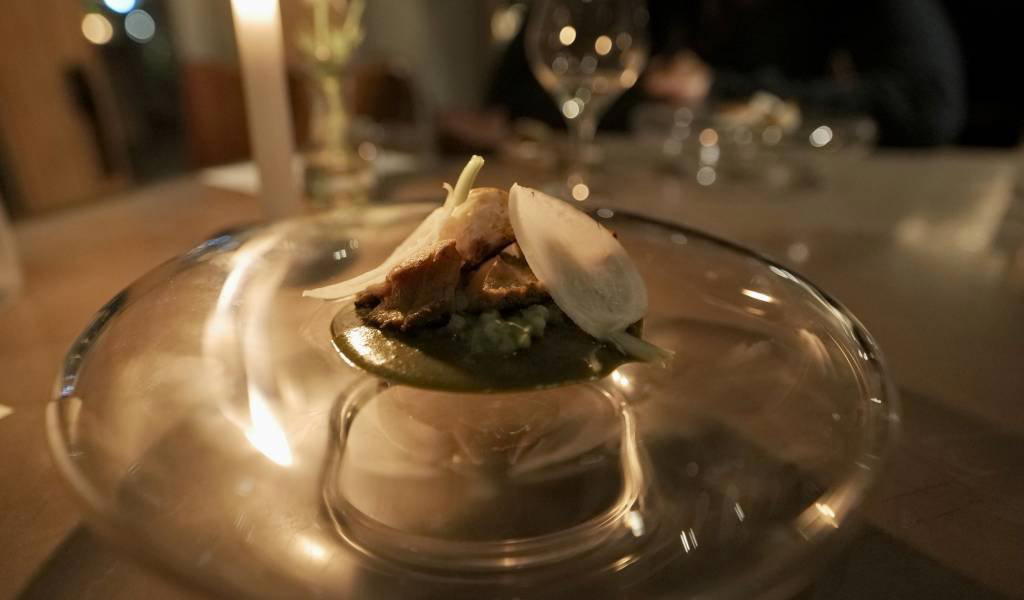
Naturam is a French restaurant in Setagaya, Tokyo, with a price point of about US$95 per person. Setagaya is not where most visitors to Tokyo expect to find serious French cooking. The ward sits southwest of the city's dense restaurant corridors, its streets lined with low-rise housing and independent shops rather than the hotel lobbies and neon signage of Ginza or Shinjuku. That geographic remove is part of the point. Restaurants that locate here are making a statement about where their priorities lie, closer to a neighbourhood than to a scene, closer to a supplier network than to foot traffic.
Naturam, at its address in Tamagawa, operates within that logic. The name comes from the Latin for "natural" and "simple," and the kitchen uses both words as operational principles rather than marketing language. In a Tokyo dining culture where French-inflected fine dining tends to announce itself through architectural drama and city-centre addresses, this restaurant is deliberately quieter about its presence.
Where Tokyo's French Kitchens and the Farm-to-Table Argument Meet
Tokyo has developed among the more concentrated clusters of serious French restaurants outside France itself. L'Effervescence and Sézanne represent the high-end of that cohort, with Michelin recognition and city-centre positioning. Crony operates in a more informal register, testing the boundaries between French technique and contemporary Tokyo sensibility. Each of these kitchens has staked its identity on a particular interpretation of what French cooking means in a Japanese context.
Naturam's argument is a different one. Where many French-trained Tokyo kitchens foreground technique or concept, this restaurant foregrounds the supply chain. The owners describe a direct respect for farmers and producers, not as a footnote in the menu's introduction, but as the organising principle of every dish. That positions Naturam in a smaller, more specific cohort: French restaurants where the sourcing relationship is structurally prior to the cooking decision. The chef decides what to cook based on what the farmer has, not the other way around. This approach mirrors what has been happening across Japan's best-regarded regional kitchens, from HAJIME in Osaka to Gion Sasaki in Kyoto, where the sourcing relationship carries the same weight as technique.
The Formation Behind the Kitchen
Chef Kazuya Sugiura's trajectory matters here as credential rather than narrative. His first exposure to French cooking came through work in Brittany, a region where the ingredient itself, the oyster, the artichoke, the lamb from salt-marsh pasture, has always been the story. He then spent ten years cooking in Paris before returning to Tokyo, where he became head chef at a restaurant called Markt in 2014. In 2018, he bought that restaurant and transformed it into Naturam.
That arc, Brittany, Paris, then a deliberate pivot toward a sourcing-led identity in a Tokyo suburb, reflects a particular kind of career logic. A chef trained in places where producers are named on menus as a matter of course brings that vocabulary back to a city where the same practice is less automatic. The Brittany formation is especially relevant: coastal French cooking at its most serious has long treated the fishing boat or the small-scale farm as co-author of the dish. Sugiura's decade in Paris refined the technical grammar; the Brittany period established the values that Naturam now expresses.
This chef-training lineage places Naturam in a comparable peer bracket to other Tokyo restaurants with deep French formation, including Harutaka and the kaiseki discipline of RyuGin, where the sourcing conversation is equally central, even if the cuisine language differs.
Sustainability as Structure, Not Story
The sustainability conversation in fine dining has split into two camps. In one, environmental consciousness functions as marketing layer, language added to describe a kitchen that sources conventionally but wishes to present otherwise. In the other, sustainability is structural: it changes how the kitchen is organised, what suppliers it works with, what appears on the menu, and when. Naturam's framing suggests the latter camp.
Treating farmers' passion and work with respect, as the restaurant explicitly articulates, is a specific kind of commitment. It means building direct relationships rather than ordering through distributors. It means menu flexibility determined by what the land and season produce rather than by what the chef has planned. It means, practically, that the kitchen absorbs the unpredictability of agricultural reality rather than insulating itself from it. For diners, this shows up as a menu that shifts with genuine seasonal pressure, the kind of change that reflects a cold spring or a wet summer rather than a scheduled quarterly rotation.
Across Japan, this approach has found expression in different regional registers. akordu in Nara works with local producers in a similar spirit. giueme in Akita and Bleston Court Yukawatan in Nagano draw from their respective regional agricultural communities with comparable intentionality. Goh in Fukuoka applies a similar logic to Kyushu's produce. Naturam belongs to this national conversation, bringing it into a French-language kitchen in Tokyo's residential southwest.
The contrast with French-trained restaurants that source conventionally is not merely ethical. It changes the sensory result. When a kitchen is working with a farmer who grew a specific variety of carrot for a specific texture and sugar profile, and when that relationship is direct and ongoing, the ingredient arrives at the kitchen in a different condition, harvested closer to service, selected for flavour rather than shelf life. The cooking benefits materially from the sourcing discipline.
Planning Your Visit
Naturam is located at 1 Chome-17-16 Tamagawa, Setagaya City, which places it in a residential pocket of southwest Tokyo best reached by train on the Tokyu Den-en-toshi or Oimachi lines. The neighbourhood lacks the restaurant density of central Tokyo, which means planning ahead is practical rather than optional. Booking in advance is advisable given the restaurant's small-format positioning in a city where sourcing-led French restaurants at this level operate on limited covers. The restaurant is open daily from 12:30 to 3 PM, and reservations are essential.
For those building an itinerary around restaurants with genuine sourcing credentials and French-trained kitchens, Naturam fits a specific gap in Tokyo's dining map. It is quieter and more argued: a kitchen that has organised itself around a set of values and found an audience willing to travel to Setagaya to experience them. It is something quieter and more argued: a kitchen that has organised itself around a set of values and found an audience willing to travel to Setagaya to experience them.
Recognition Snapshot
Comparable venues nearby, for context on price, style, and recognition.
| Venue | Cuisine | Price | Notes |
|---|---|---|---|
| NaturamThis venue — the venue you are viewing | Seasonal French with Japanese Ingredients | $$$ | Not listed |
| 野田 | Contemporary French Fine Dining | $$$ | Shibuya |
| 茶禅華 | Classical French Cuisine | $$$ | Minato |
| Anis | Modern French Bistro | $$$ | Hatsudai |
| モナリザ 恵比寿店 | Modern French Bistro | $$$ | Shibuya |
| ランタンポレル | Modern French | $$$ | Minato |
Recognition history
Dated appearances from independent guides and award organizations, with the underlying list record or original source where available.
We're Smart World 3 Radishes
We're Smart World













At a Glance
- Cozy
- Elegant
- Intimate
- Quiet
- Date Night
- Celebration
- Special Occasion
- Standalone
- Open Kitchen
- Chefs Counter
- Sommelier Led
- Sake Program
- Farm To Table
- Local Sourcing
Current opening hours
- Monday
- 12:30–3 PM
- Tuesday
- 12:30–3 PM
- Wednesday
- 12:30–3 PM
- Thursday
- 12:30–3 PM
- Friday
- 12:30–3 PM
- Saturday
- 12:30–3 PM
- Sunday
- 12:30–3 PM
Hours can change for holidays and private events. Last verified .
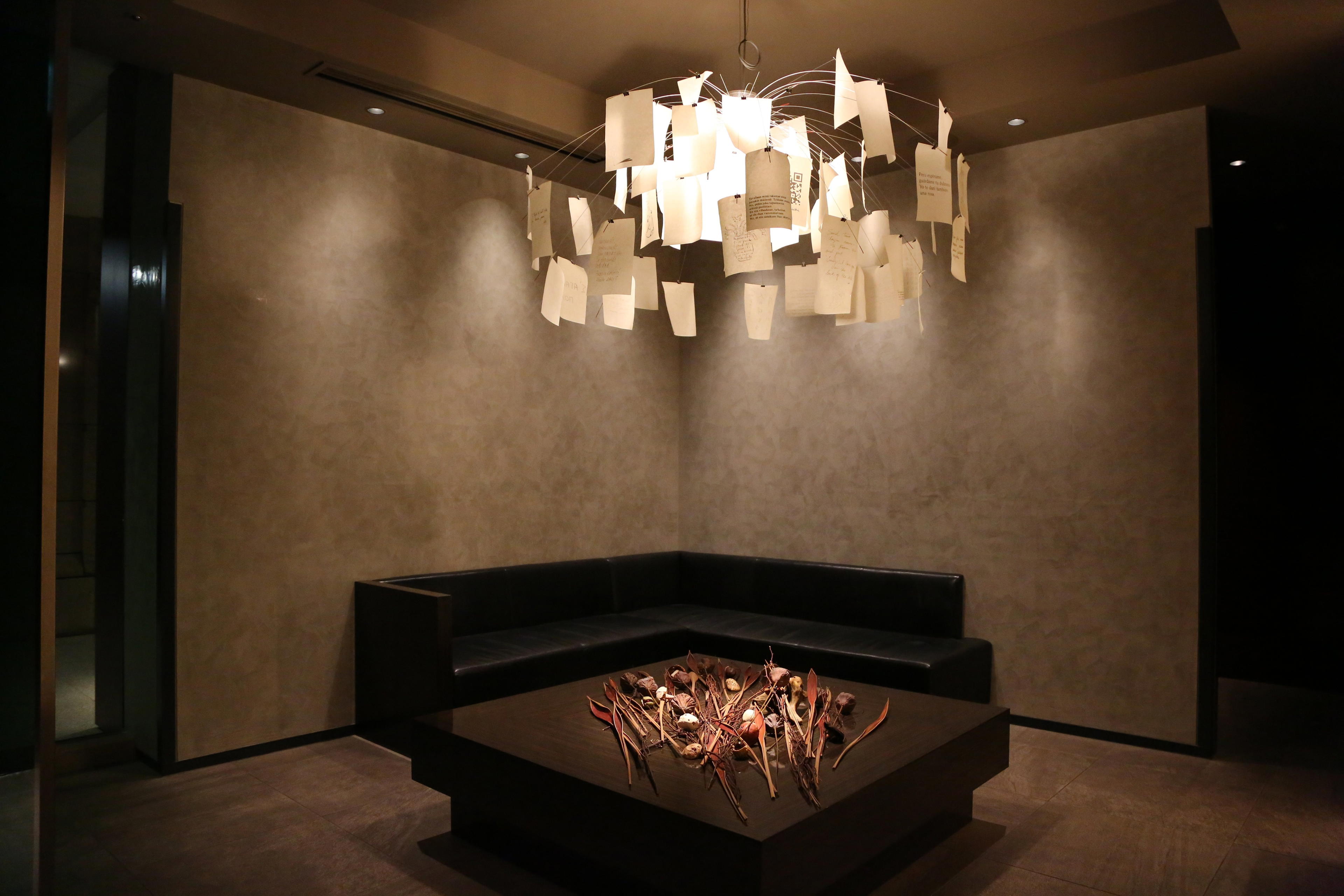
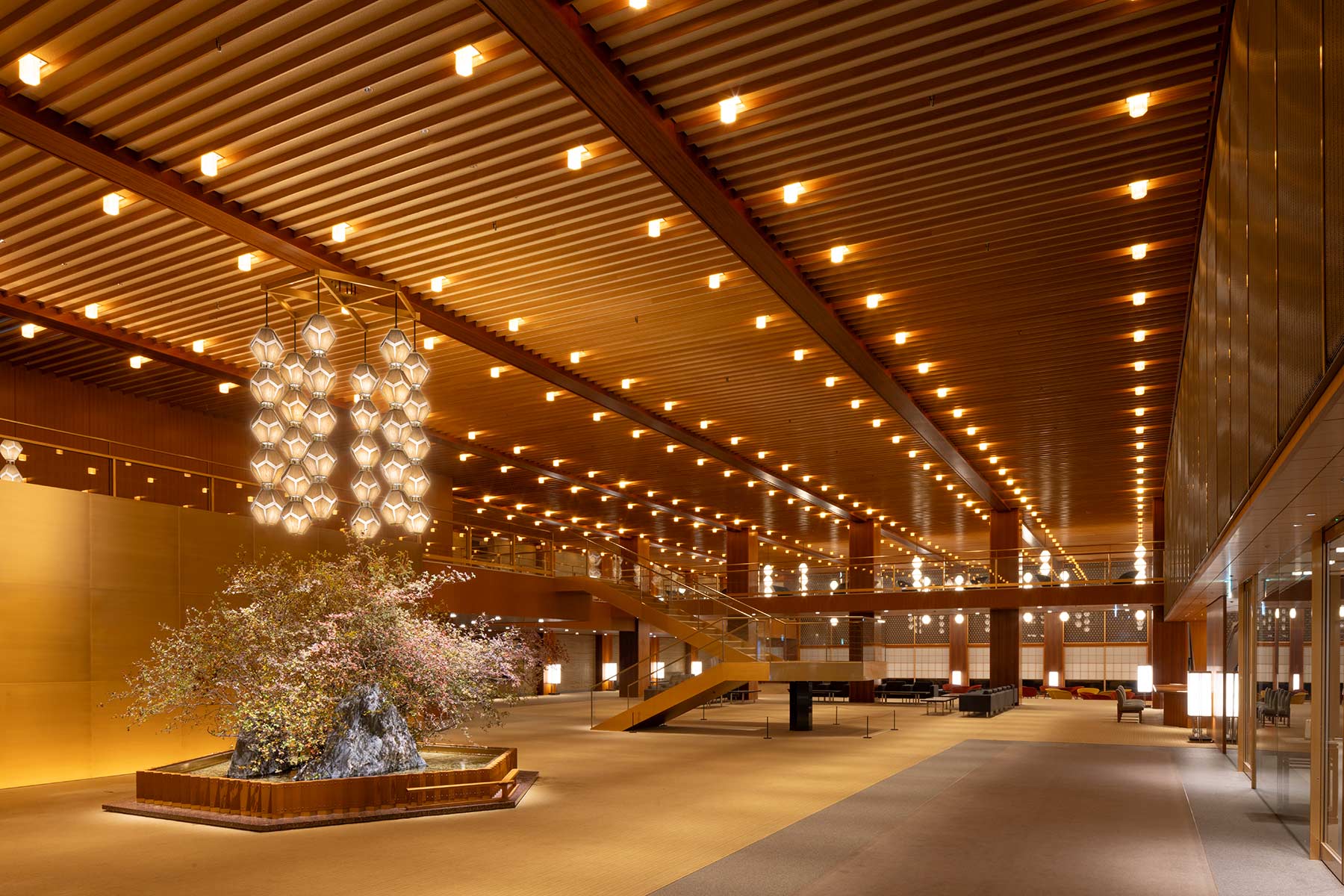
Warm, relaxing space filled with natural wood elements and antique brick architecture; intimate and cozy with a refined yet unpretentious atmosphere.