
Preferred Hotels Member
At 490 rooms, The Royal Park Hotel Iconic Tokyo Shiodome occupies a distinct position in the Shiodome district — large enough to serve corporate and leisure travel at scale, yet positioned within a neighbourhood defined by refined transit connectivity and proximity to Ginza, Tsukiji, and the Hamarikyu Gardens. For travellers anchoring in central Tokyo with efficient access to the city's southern arc, Shiodome offers a practical and considered base.

Pearl is the En Primeur Club membership app — saves, bookings, and concierge access live there. Same editors, same standards.
- Address
- 1-chōme-6-3 Higashishinbashi, Minato City, Tokyo 105-8333
- Phone
- +81 3-6253-1111
- Website
- royalparkhotels.co.jp
- Directions
- Get directions
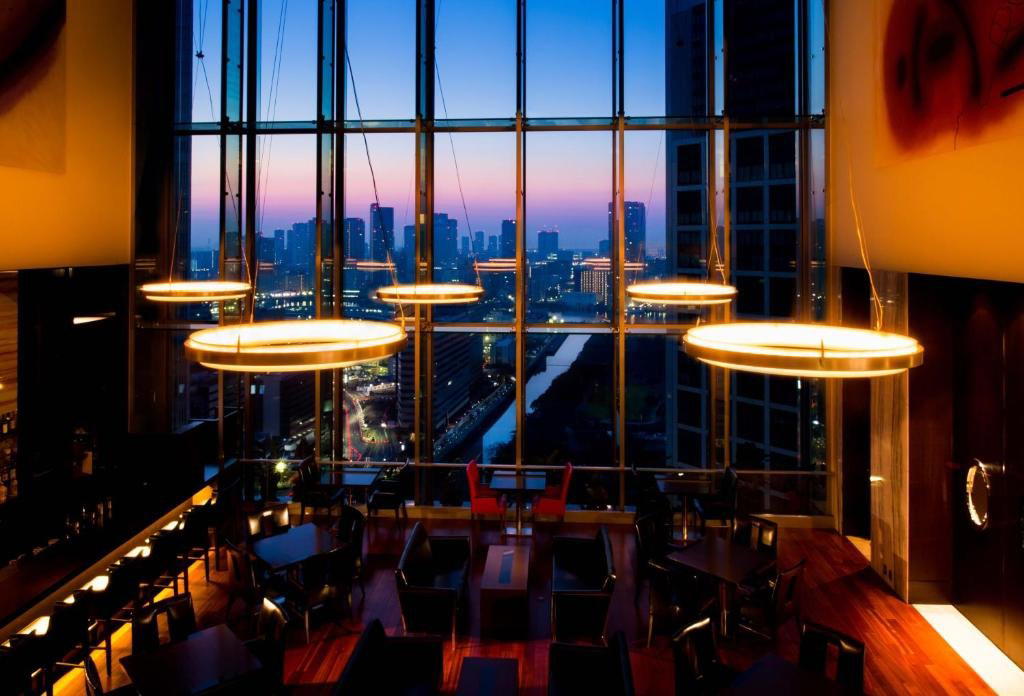
Shiodome and the Logic of Staying South of the Centre
Tokyo's hotel geography has consolidated around a handful of districts, each with its own trade-offs. The northern arc — Shinjuku, Akihabara, Ueno — draws transit convenience. The central tier, Chiyoda, Marunouchi, Nihonbashi, rewards business travellers and those prioritising palace-adjacent calm. The southern arc, anchored by Shiodome and Shinbashi, occupies a different logic: dense rail connectivity, immediate proximity to the Shinkansen and Haneda access routes, and a walkable radius that reaches Ginza in under ten minutes on foot, Tsukiji Market in roughly the same, and the Hamarikyu Gardens within a short stroll along the waterfront.
The Royal Park Hotel Iconic Tokyo Shiodome sits inside that southern arc. At 490 rooms, it belongs to the category of large-format urban hotels that Tokyo does particularly well: properties with enough scale to absorb varied demand, corporate, leisure, group, without losing the operational precision that Japanese hospitality standards require. In a city where service execution is itself a form of architecture, scale and quality are not mutually exclusive, and properties in this tier are judged as much on consistency as on spectacle.
What 490 Rooms Means in Practice
Tokyo's hotel market has split in recent years between two dominant modes. On one side sit the trophy properties, the Bvlgari Hotel Tokyo, Aman Tokyo, and Four Seasons Hotel Tokyo at Otemachi, each with limited key counts and pricing that reflects their position as destination experiences in themselves. On the other sit the larger, functionally excellent hotels that serve the majority of premium business and leisure travel in the city: properties where the 490-room figure signals capacity designed to absorb demand across seasons, corporate peaks, and the international conference calendar.
The Royal Park Hotel Iconic Tokyo Shiodome operates in that second mode. This is not a drawback. Tokyo's most operationally sophisticated large hotels maintain service standards that smaller design-led properties in other cities would envy. The question for a traveller is whether they want a hotel as an object of attention in itself, or a hotel as a well-executed base from which the city becomes the primary experience. Shiodome positions the latter case clearly.
For comparison, properties like JANU Tokyo, Andaz Tokyo, and The Capitol Hotel Tokyu each occupy distinct positions in the city's hotel hierarchy, different neighbourhoods, different design registers, different price brackets. The Royal Park Hotel Iconic Tokyo Shiodome's address in Higashishinbashi, Minato City, places it inside one of Tokyo's most transit-rich corridors, where the Yurikamome line connects directly to Odaiba and the Oedo and Asakusa subway lines open the city's broader grid.
The Shiodome District: A Base with a Specific Character
Shiodome is a reclaimed business district built on the site of the former Shiodome freight terminal. Its towers are modern and its streets deliberately wide, which gives the area a slightly different register from the older, denser texture of Ginza or the quiet formality of Marunouchi. What it trades in neighbourhood character it recovers in function: the district connects efficiently in every direction, and its position at the edge of the Hamarikyu Gardens means that within a few minutes of leaving the hotel, the Tokyo skyline reflects in tidal ponds originally designed for Tokugawa-era falcon hunting.
That proximity to the Hamarikyu Gardens matters more than it might initially seem. Tokyo's ability to shift registers abruptly, from glass corridor to centuries-old landscape, is one of the city's defining qualities, and the Shiodome address puts that contrast within easy reach. Tsukiji Outer Market, where the tuna auction's departure has done little to diminish the early-morning theatre of the remaining stalls, is walkable. Ginza's concentration of department stores, galleries, and both casual and serious dining sits immediately to the north.
Placing the Hotel in the Broader Japan Travel Context
Travellers who use Tokyo as one anchor in a broader Japan itinerary will find Shiodome's Shinkansen adjacency, Shinbashi station connects to the JR network, useful for day trips or onward routing. Japan's hotel options outside Tokyo now include properties at very different registers: the intimate ryokan tradition at places like Gora Kadan in Hakone, Asaba in Izu, and Nishimuraya Honkan in Kinosaki-cho; the design-forward properties like Benesse House in Naoshima and Zaborin in Hokkaido; and the resort tier at Halekulani Okinawa and Amanemu in Mie. Against that full spectrum, a large urban hotel in central Tokyo functions as a practical hub rather than a destination in itself, which is exactly what Shiodome is designed to be.
For those extending to Kyoto, HOTEL THE MITSUI KYOTO represents the kind of capital-city complement that rewards planning across the full itinerary, while more remote options like ENOWA Yufu in Yufu, Fufu Kawaguchiko, and Fufu Nikko offer contrast for those who want to alternate urban and rural registers. For island-focused travel, Jusandi in Ishigaki and Sekitei in Hatsukaichi-shi fill specific niches in Japan's southern arc.
Planning a Stay
The Shiodome address is most efficiently approached via the Yurikamome line from Shimbashi, or directly via the Oedo and Asakusa subway lines at Shiodome station. For Haneda arrivals, the Keikyu line connects to Shinbashi with no transfer, making the southern Tokyo position particularly convenient for travellers routing through Haneda rather than Narita. Tokyo's peak hotel demand periods, Golden Week in late April through early May, and the autumn foliage season in November, apply across the city, and properties at this scale see consistent demand from both corporate and leisure segments throughout those windows. Planning three to four weeks ahead during peak periods is reasonable; major conference weeks can compress availability further. Our full Tokyo restaurants and hotels guide maps the broader city context for those building a longer itinerary.
For travellers whose primary interest is hotel-as-experience, the comparison set shifts to Palace Hotel Tokyo and Bellustar Tokyo, A Pan Pacific Hotel at different price points and design registers. For those comparing across international destinations, the operational philosophy here has more in common with large-format urban hotels like The Fifth Avenue Hotel in New York City than with intimate properties like Aman New York or Aman Venice.
Cuisine and Credentials
Comparable venues nearby, for context on price, style, and recognition.
| Venue | Cuisine | Price | Awards | Notes |
|---|---|---|---|---|
| The Royal Park Hotel Iconic Tokyo ShiodomeThis venue — the venue you are viewing | Modern high-rise urban hotel with executive floors | Not listed | Preferred Hotels Member | Not listed |
| Royal Park Hotel | Modern high-rise urban hotel with executive floors | Not listed | Preferred Hotels Member | Chūō |
| Futakotamagawa Excel Hotel Tokyu | Contemporary luxury urban hotel blending modern design with natural landscape views and Japanese hospitality traditions. | $100–200 | Preferred Hotels Member | Setagaya |
| HOTEL GROOVE SHINJUKU, A PARKROYAL Hotel | Tokyo lifestyle hotel blending art, music, and urban energy | $100–200 | World Luxury Hotel Awards WLHA Global Winner | Shinjuku |
| Haneda Excel Hotel Tokyu | Airport hotel blending modern design and functionality | Not listed | Preferred Hotels Member | Ōta |
| Muji Hotel Ginza | Anti-gorgeous, anti-cheap minimalist design philosophy emphasizing simplicity, restraint, and high-quality craftsmanship; functions as flagship retail experience integrated with hospitality. | $100–200 | Michelin Selected | Chūō |
Recognition history
Dated appearances from independent guides and award organizations, with the underlying list record or original source where available.
Preferred Hotels Member
Preferred Hotels
Continue exploring
More in Tokyo
Hotels in Tokyo
Browse all →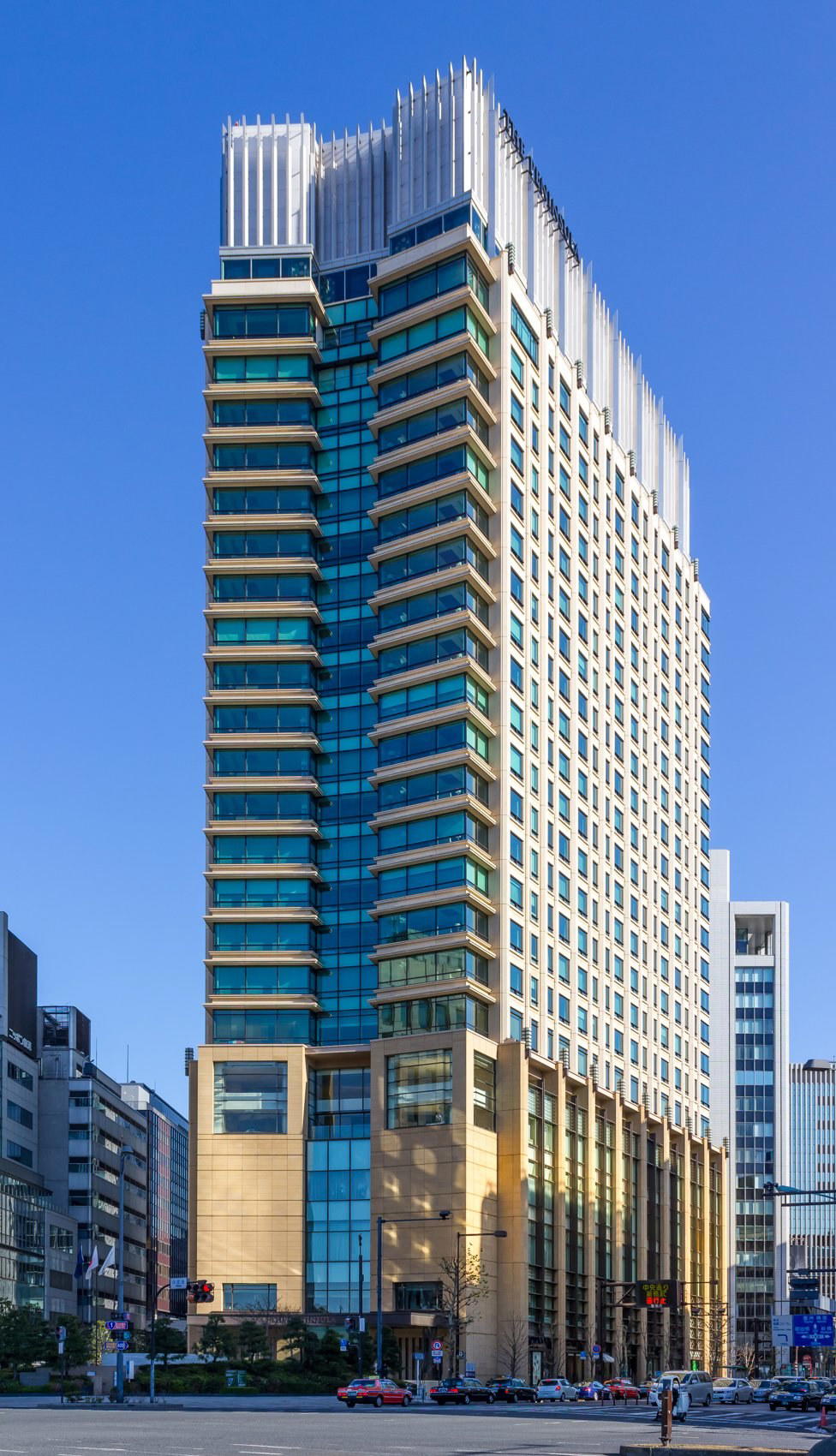
Bars in Tokyo
Browse all →

Restaurants in Tokyo
Browse all →


Details
- Modern
- Elegant
- Sophisticated
- Well Known
- Business Trip
- Weekend Escape
- Panoramic View
- Historic Building
- Wi Fi
- Fitness Center
- Room Service
- Concierge
- Business Center
- Restaurant
- Skyline
- Wheelchair Accessible
- Elevator
- Step Free Entrance
- Accessible Parking
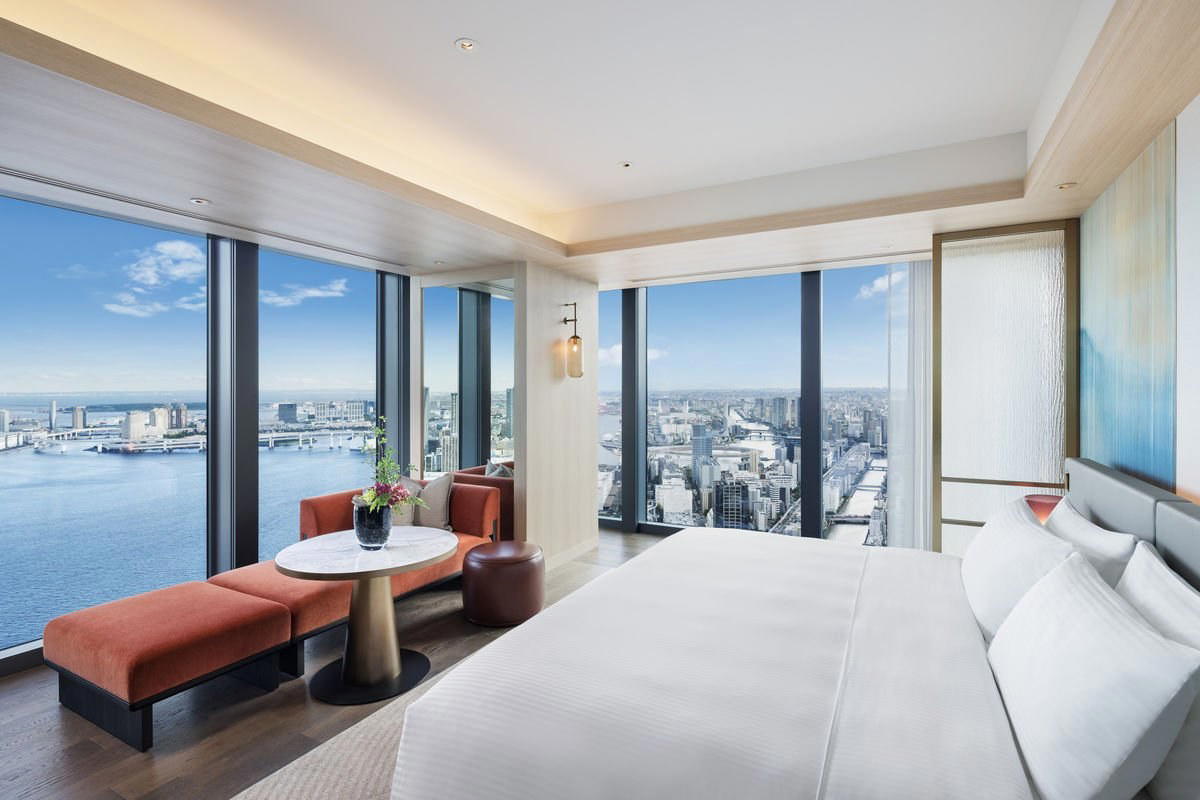
Sophisticated and serene atmosphere with dramatic city skyline views from high floors and executive lounge.