
Relais Chateaux Award
In Chiyoda's government-district quiet, The Kitano Hotel Tokyo positions itself as a considered alternative to the marquee towers that define central Tokyo luxury. Rates from US$290 per night place it accessibly within the premium tier, while a rooftop with open city views and a design sensibility built for longevity rather than novelty give it a distinct character among midrange-to-premium options in the capital.

Pearl is the En Primeur Club membership app, where members save venues, book tables and use the concierge.
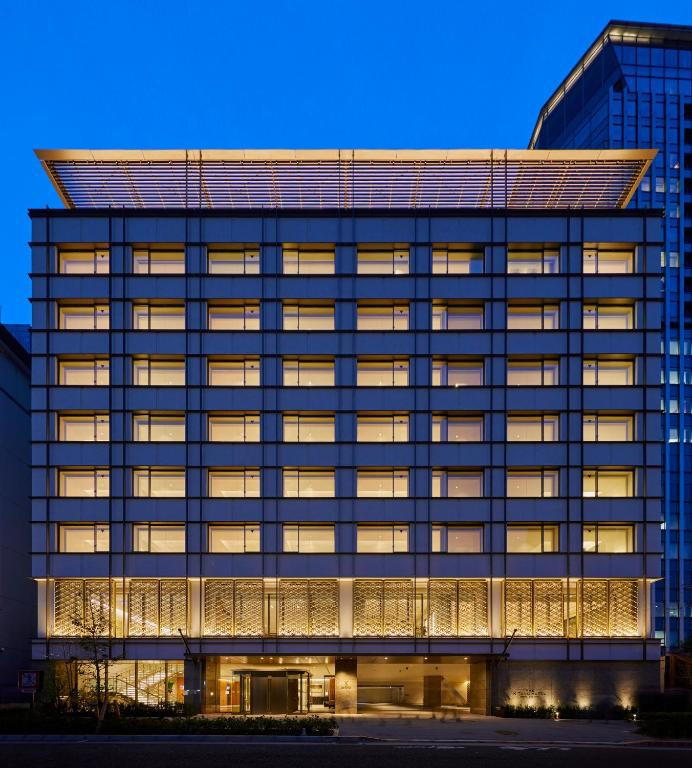
Chiyoda's Quieter Register of Hospitality
Tokyo's hotel market has separated into two broad camps: the flagship towers with 400-plus rooms and global-brand loyalty programs, and the smaller, district-rooted properties where the surrounding neighbourhood does meaningful work in shaping the guest experience. The Kitano Hotel Tokyo belongs to the second cohort. Positioned in Hirakawachō, a stretch of Chiyoda City where government ministries and law offices define the street-level rhythm, the hotel occupies a part of central Tokyo that most leisure visitors pass through without stopping. That matters, because the guest who does stop finds a version of the city that operates at a different pace than Shinjuku or Shibuya, formal without being cold, central without the overstimulation.
Chiyoda is, by character, a district of institutions. The Imperial Palace East Garden is walkable. Nagatacho station, the nearest rail access point, connects directly to the Ginza and Hanzomon lines. That combination, institutional calm at street level, strong rail connectivity beneath it, makes the address practical in a way that some of Tokyo's more atmospheric neighbourhoods are not. For guests whose itineraries extend beyond the hotel, the position acts as a quiet hub rather than a destination in itself.
Design as Posture, Not Performance
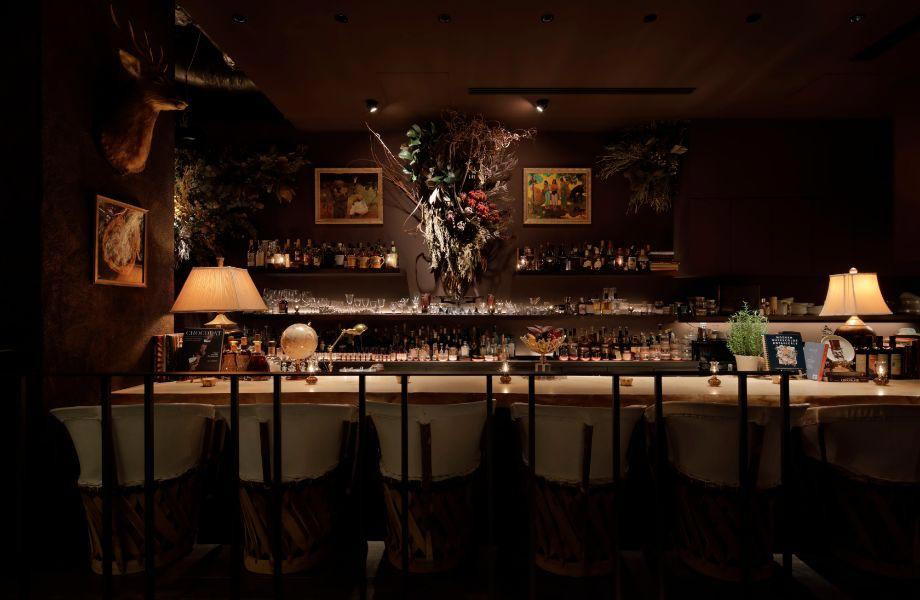
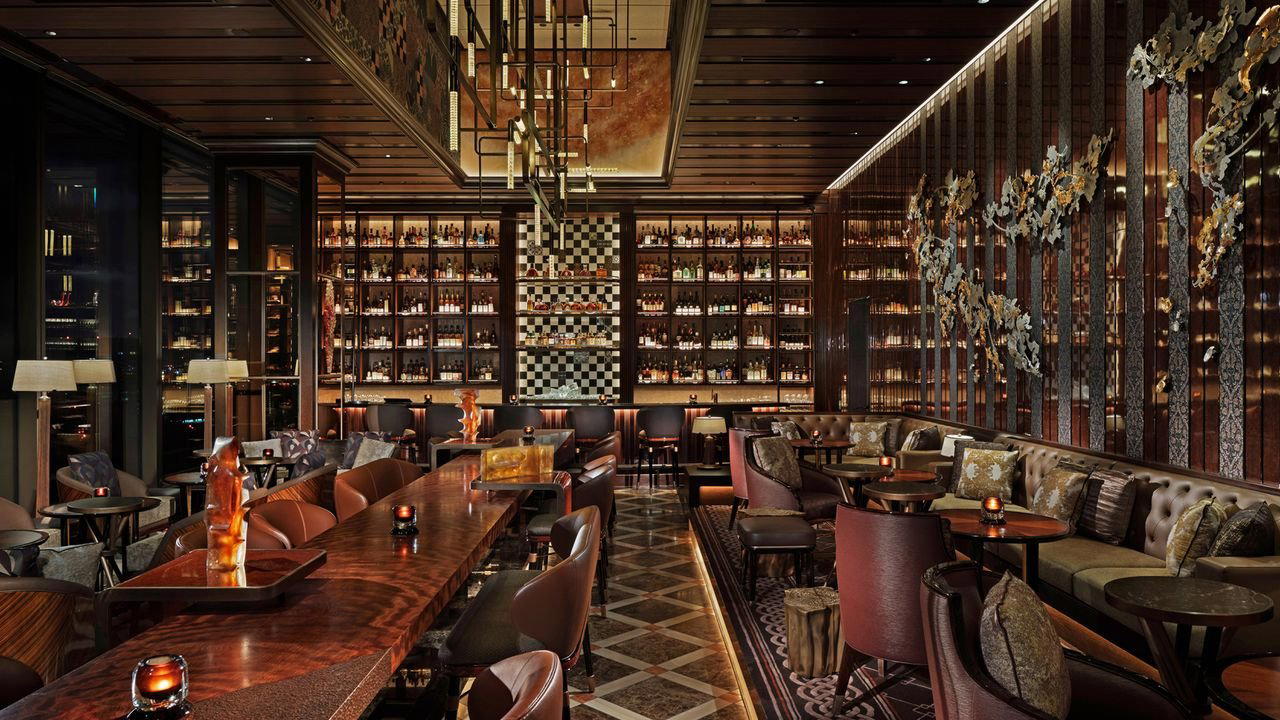
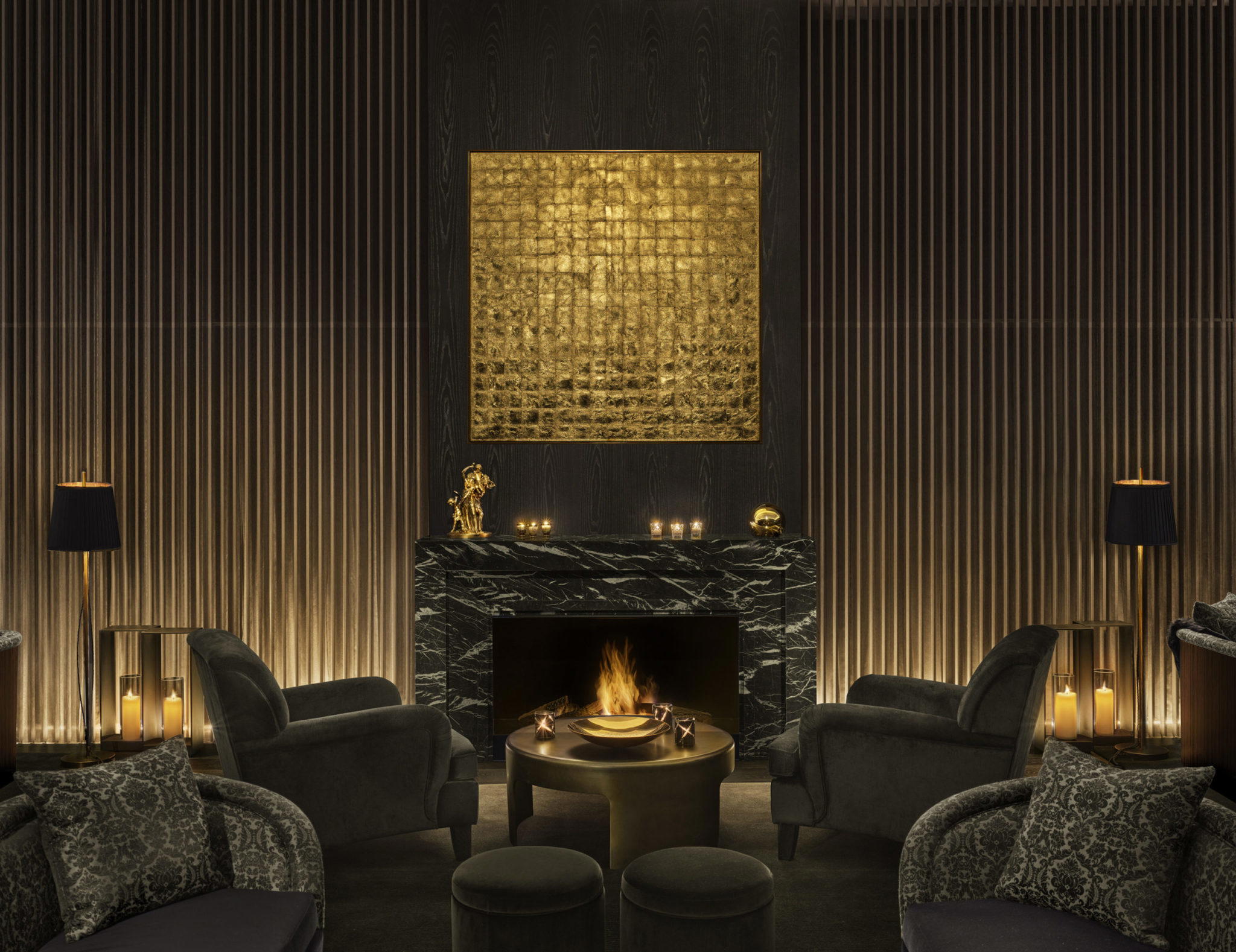
Among Tokyo's premium properties, interior design tends to signal positioning clearly. At the Bvlgari Hotel Tokyo or Aman Tokyo, the design language announces itself at volume, materials sourced for maximum effect, spatial drama as a core brand value. The Kitano's approach is different in kind: the property describes its aesthetic as refined and timeless, a phrase that, when applied honestly, points toward restraint over statement. That restraint is itself a positioning choice in a city where several of the most visible luxury hotels, including Four Seasons Hotel Tokyo at Otemachi and Andaz Tokyo, operate with considerable spatial and visual ambition.
The practical consequence is a property that ages well rather than one that reads as aggressively current. For some guests, that is exactly the point. Hotel design that avoids trend cycles tends to suit repeat visitors and longer stays, where an interior that performs loudly on arrival begins to fatigue by day three.
Service as the Primary Differentiator
In mid-scale-to-premium Tokyo hotels, the guest experience is often calibrated around efficiency: check-in that moves quickly, breakfast that runs on schedule, requests that resolve without friction. The Kitano's positioning under the banner of modern hospitality suggests an orientation toward that kind of operational competence. But the more interesting service question in a Chiyoda property is what happens when guests need contextual help, recommendations that go beyond the hotel's own dining outlets, navigation assistance that accounts for the district's particular rhythm, support for guests who are visiting Tokyo on business rather than leisure and whose needs differ accordingly.
Tokyo's strongest hotel service cultures, across properties like Palace Hotel Tokyo and The Capitol Hotel Tokyu, tend to be built around anticipatory attention rather than transactional response. The standard isn't whether the front desk can answer a question, but whether they anticipated the question before it was asked. That is the benchmark against which any premium Chiyoda property is implicitly measured, regardless of price point.
That is a reasonable summary of what the property delivers: consistent, attentive service in a calm setting, without the ceremony or the cost structure of the capital's landmark addresses.
The Rooftop as Urban Anchor
Tokyo rooftops operate as their own category of amenity. The city's vertical density means that a rooftop with genuine views functions as a meaningful differentiator, particularly for properties that lack the floor-count of a Bellustar or the refined-floor starting points of Aman. The Kitano's rooftop, offering views across the city, is one of its more concrete assets, a space where the surrounding Chiyoda terrain, defined more by low government buildings than by competing towers, works in the hotel's favour. The sightlines are not obstructed in the way they would be from a property surrounded by commercial highrises.
For guests who want to read the city's geography rather than simply occupy it, a clear rooftop view in a district this calm gives the stay a grounding quality that the more spectacular hotel terraces in Minato or Shinjuku, surrounded by competing towers, do not always provide.
Planning a Stay
Rates start from US$290 per night, which positions The Kitano accessibly within Tokyo's premium tier. At that entry price, the hotel competes against a range of business-oriented properties in Marunouchi and Nihonbashi, while sitting clearly below the US$700-plus night rates of Tokyo's marquee luxury addresses. Access from the airports is direct: Haneda is approximately 15 kilometres and 40 minutes by car; Narita is around 60 kilometres and 70 minutes. By train, Nagatacho station provides the closest rail access, with the hotel a short distance from the exit. For guests arriving by car, the Metropolitan Expressway Kasumigaseki exit places the hotel three minutes away.
The Kitano is a practical fit for business travellers working in the government and financial district corridors of Chiyoda, and for leisure visitors who want a central, quiet base from which to access the rest of the city without the ambient noise of a tourist-heavy neighbourhood. It does not compete on scale or spectacle with properties like JANU Tokyo or Bellustar Tokyo, and it does not try to. Its competition is quieter: hotels in the same district and price band where consistency, location, and a rooftop with actual views represent the core value proposition.
For guests building a broader Japan itinerary, the Kitano's Chiyoda base connects logically to day trips or extensions across the country. Properties such as Gora Kadan in Hakone, Fufu Kawaguchiko in Fujikawaguchiko, or HOTEL THE MITSUI KYOTO in Kyoto represent the kind of second-leg accommodations that pair naturally with a quieter first base in the capital. For those extending further, options like Amanemu in Mie, Asaba in Izu, Benesse House in Naoshima, ENOWA Yufu in Yufu, Fufu Nikko in Nikko, Halekulani Okinawa, Jusandi in Ishigaki, Nishimuraya Honkan in Kinosaki-cho, Sekitei in Hatsukaichi-shi, and Zaborin in Hokkaido span a range of settings and price points. See our full Tokyo restaurants guide for dining context around the hotel.
Comparison Snapshot
Comparable venues nearby, for context on price, style, and recognition.
| Venue | Cuisine | Price | Awards | Notes |
|---|---|---|---|---|
| The Kitano Hotel TokyoThis venue (the venue you are viewing) | Relais & Chateaux service apartment-style boutique hotel | Not listed | Relais Chateaux Award | Not listed |
| mesm Tokyo, Autograph Collection | Artistic luxury hotel blending music, performing arts, and Japanese culture in a waterfront setting. | Not listed | Michelin Selected · Star Wine List | Minato |
| Keio Plaza Hotel Tokyo Premier Grand | Modern luxury high-rise tower with club-level exclusivity | $100–200 | Star Wine List · Forbes Recommended | Shinjuku |
| Hyatt Regency Tokyo (ハイアットリージェンシー東京) | Contemporary urban luxury with Shinjuku-inspired reinvention | $300–500 | Not listed | Nishi-Shinjuku |
| Park Hyatt Tokyo | timeless luxury residence atop Shinjuku skyscraper | Not listed | 1 Michelin Key · World's 50 Best #53 | Shinjuku |
| Azabudai Hills | contemporary urban village luxury | $1,000–1,500 | Not listed | Minato |
Recognition history
Dated appearances from independent guides and award organizations, with the underlying list record or original source where available.
Relais Chateaux Award
Relais Chateaux
Full recognition history (2 entries)
Relais Chateaux Award
Relais Chateaux
Continue exploring
More in Tokyo
Hotels in Tokyo
All hotels in Tokyo →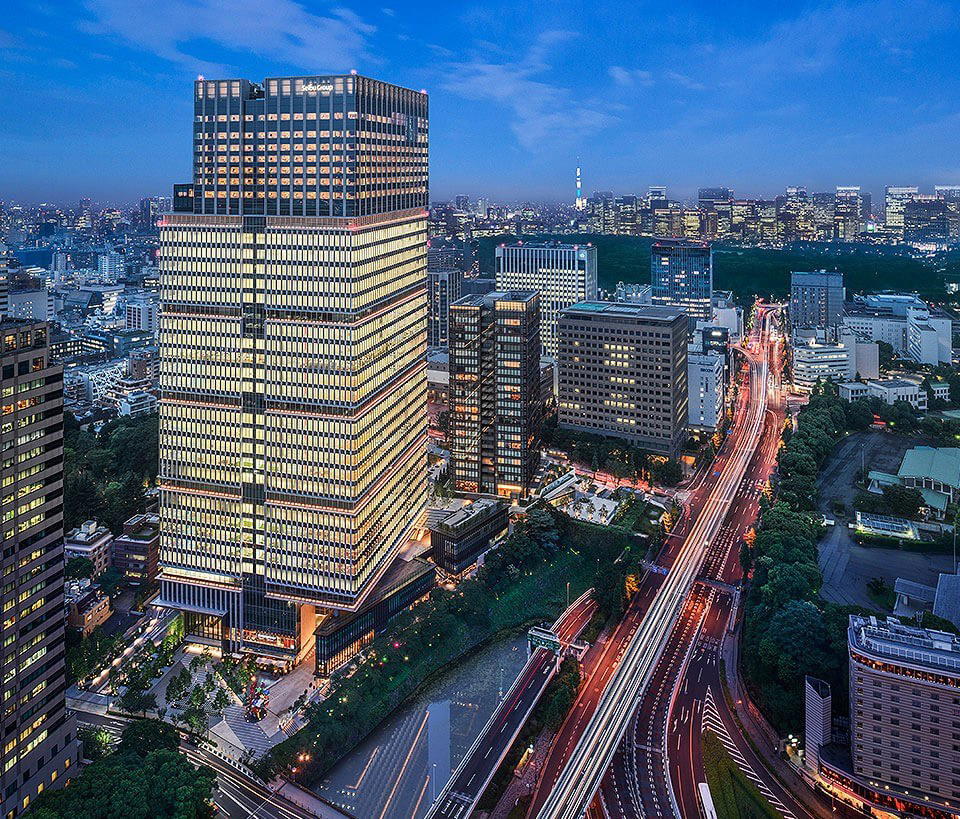



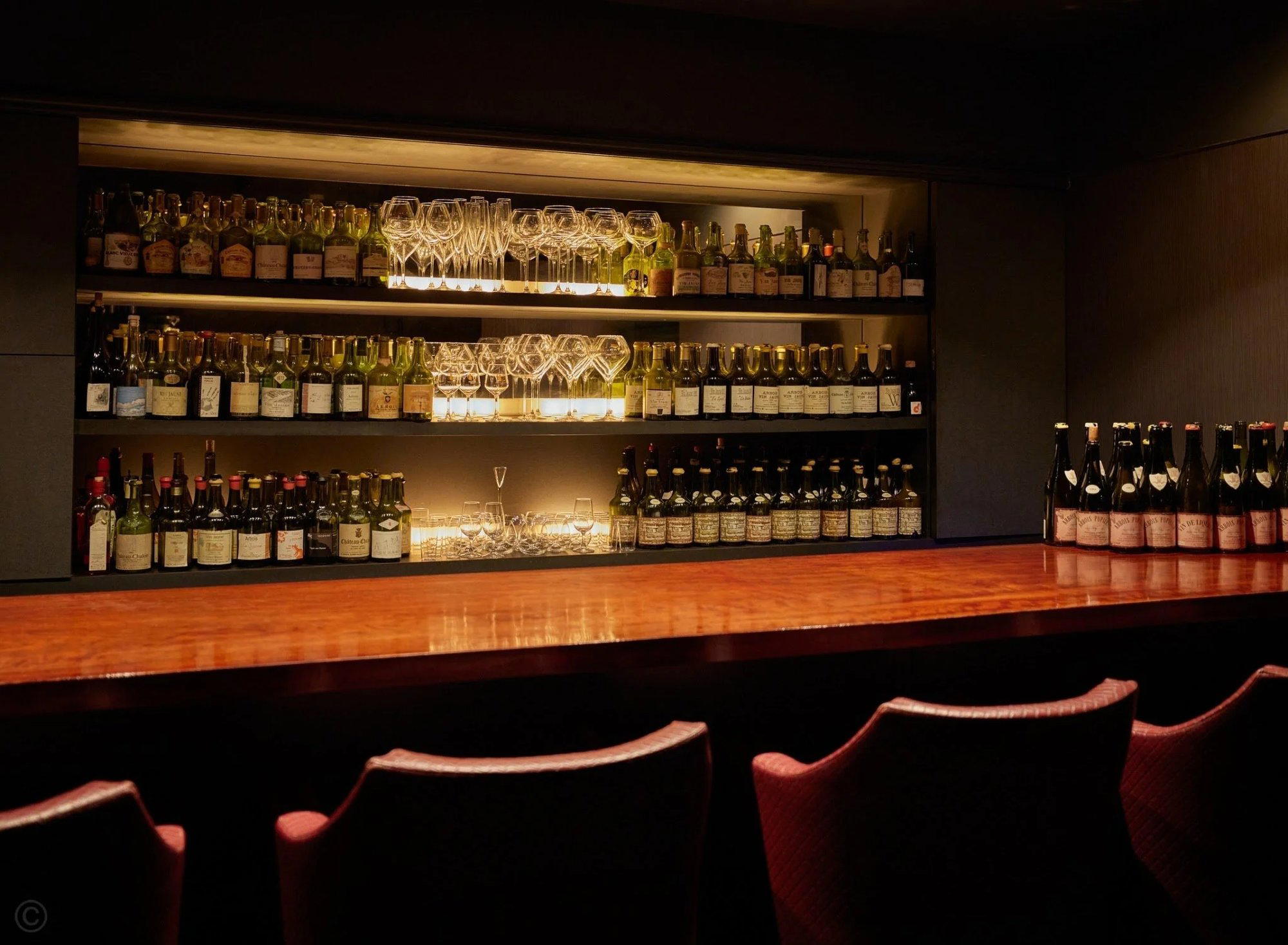
Bars in Tokyo
All bars in Tokyo →


Details
- Elegant
- Sophisticated
- Quiet
- Modern
- Business Trip
- Romantic Getaway
- Weekend Escape
- Historic Building
- Panoramic View
- Rooftop Pool
- Wi Fi
- Fitness Center
- Room Service
- Concierge
- Restaurant
- Spa
- Skyline
- Elevator
- Wheelchair Accessible
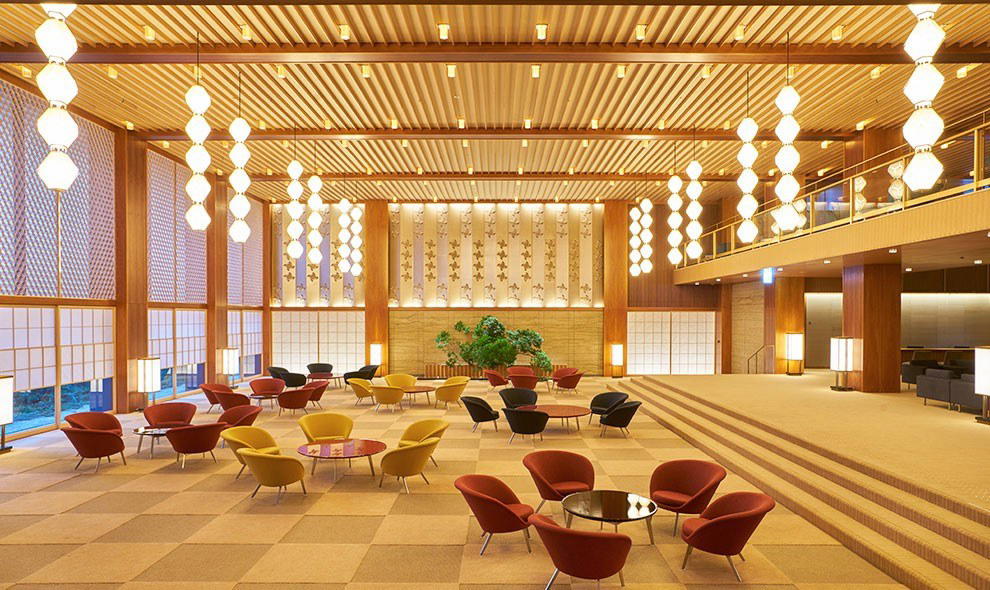
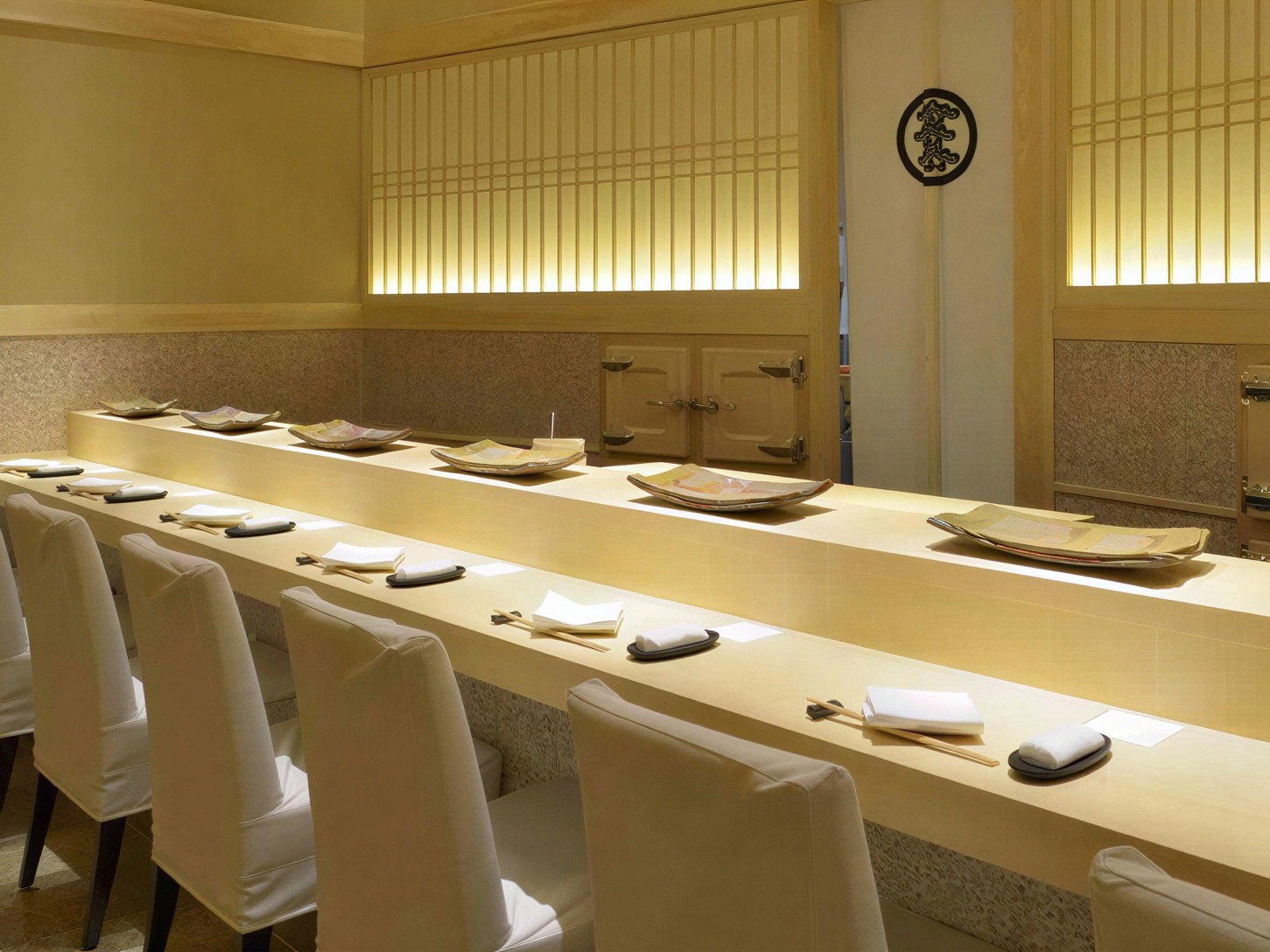
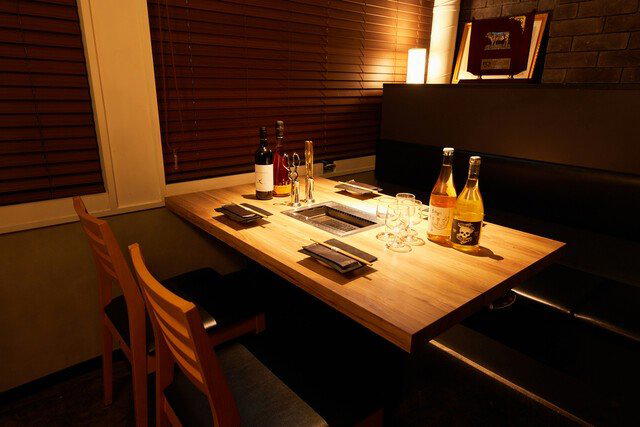
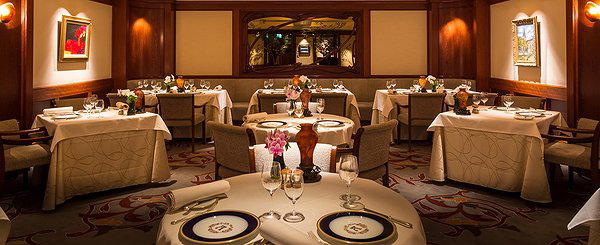
Sophisticated and relaxing with neutral natural interiors inspired by Japan's seasons, excellent soundproofing, and serene lighting in spacious, clean rooms.