TAYUTA amakusa
On Hiai Island within Unzen Amakusa National Park, TAYUTA amakusa operates 12 suites with private open-air onsen baths and panoramic views across the Amakusa seascape. Pricing is available on request, placing it firmly in Japan's small-inventory, high-privacy tier of island retreats. The restaurant draws from the surrounding waters and islands, with the setting doing as much work as the kitchen.
Pearl is the En Primeur Club membership app — saves, bookings, and concierge access live there. Same editors, same standards.
- Address
- 7488-1 Matsushimamachi Aitsu, Kamiamakusa, Kumamoto 861-6102
- Phone
- +81 50-1706-5284
- Website
- amakusa-tayuta.com
- Directions
- Get directions
 Saves & bookings on Pearl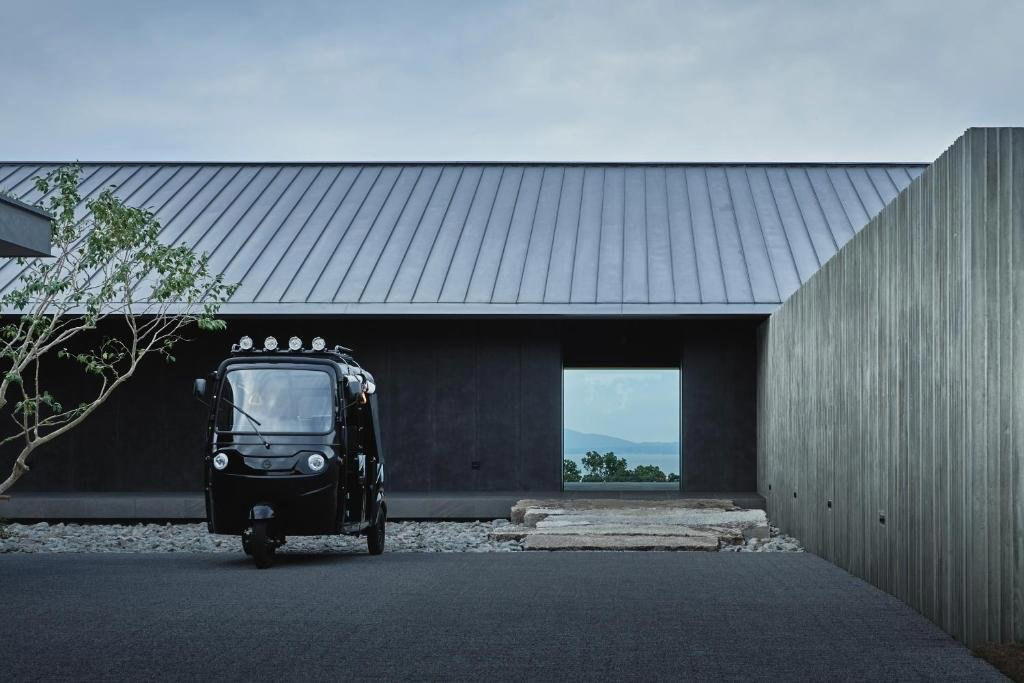
An Island at the Edge of Japan's Western Archipelago
The Amakusa Islands sit at the southwestern tip of Kumamoto Prefecture, where the Ariake and Yatsushiro Seas converge into a fractured, low-lying chain that most domestic travelers treat as a detour rather than a destination. That geographic marginality is precisely what makes the area worth considering. The islands fall within Unzen Amakusa National Park, one of Japan's oldest designated park zones, and the coastline retains a scale and quietness that the more trafficked onsen circuits of Kyushu, Beppu, Yufuin, Unzen itself, have largely traded away. It is into this particular geography that TAYUTA amakusa positions itself: not as a gateway to somewhere else, but as a terminus, a place where the point is arrival itself.
Properties like Amanemu in Mie and Zaborin in Kutchan have established a template for nature-immersive luxury in Japan: low key counts, serious landscape integration, and pricing that reflects access to a specific natural setting rather than amenity volume. TAYUTA operates within that same logic, occupying Hiai Island with just 12 suites. You can compare that restraint with Gora Kadan in Hakone or Asaba in Izu, both of which work with a similar philosophy of limited inventory and deep site specificity, though within more established tourism corridors. TAYUTA's geography is its strongest differentiator: Hiai Island is not incidental to the product, it is the product.
The Architecture of Restraint
Japan's premium small-hotel sector has divided, over the past decade, into two broad design camps. The first continues a refined traditionalism, tatami, fusuma, timber joinery carried forward with contemporary precision. The second moves toward what might be called minimalist-luxe: pared-back interiors that use negative space, natural materials, and framed views to do the work that ornamentation once did. TAYUTA amakusa belongs to the latter school. The 12 suites employ modern-classic interiors where the dominant design element is not the room itself but what the room frames: the Amakusa seascape, visible through carefully positioned openings that convert the external environment into a living architectural feature.
This approach has precedent in Japan's most thoughtful island and coastal properties. Benesse House on Naoshima made art-and-landscape integration central to its identity decades before the concept became a branding exercise. Azumi Setoda in Onomichi applies a similar sensitivity to the Seto Inland Sea. TAYUTA's design logic follows this lineage: the architecture is designed to recede, allowing the specific character of the Amakusa coast, its light, its water, its scale, to function as the primary aesthetic experience. The private open-air onsen baths in each suite extend this principle to particularly intimate moments of a stay, replacing the communal bath circuit of a traditional ryokan with a direct, solitary encounter with the outdoors.
Twelve suites is a deliberate operational choice that has cascading effects. It sets the noise threshold, determines the ratio of staff to guests, and controls the degree to which the property can maintain privacy as a genuine rather than aspirational quality. Properties at this scale, from ENOWA Yufu in Yufu to Bettei Otozure in Nagato, treat limited capacity not as a constraint but as a service specification. TAYUTA fits that model precisely.
The Table and the Seascape
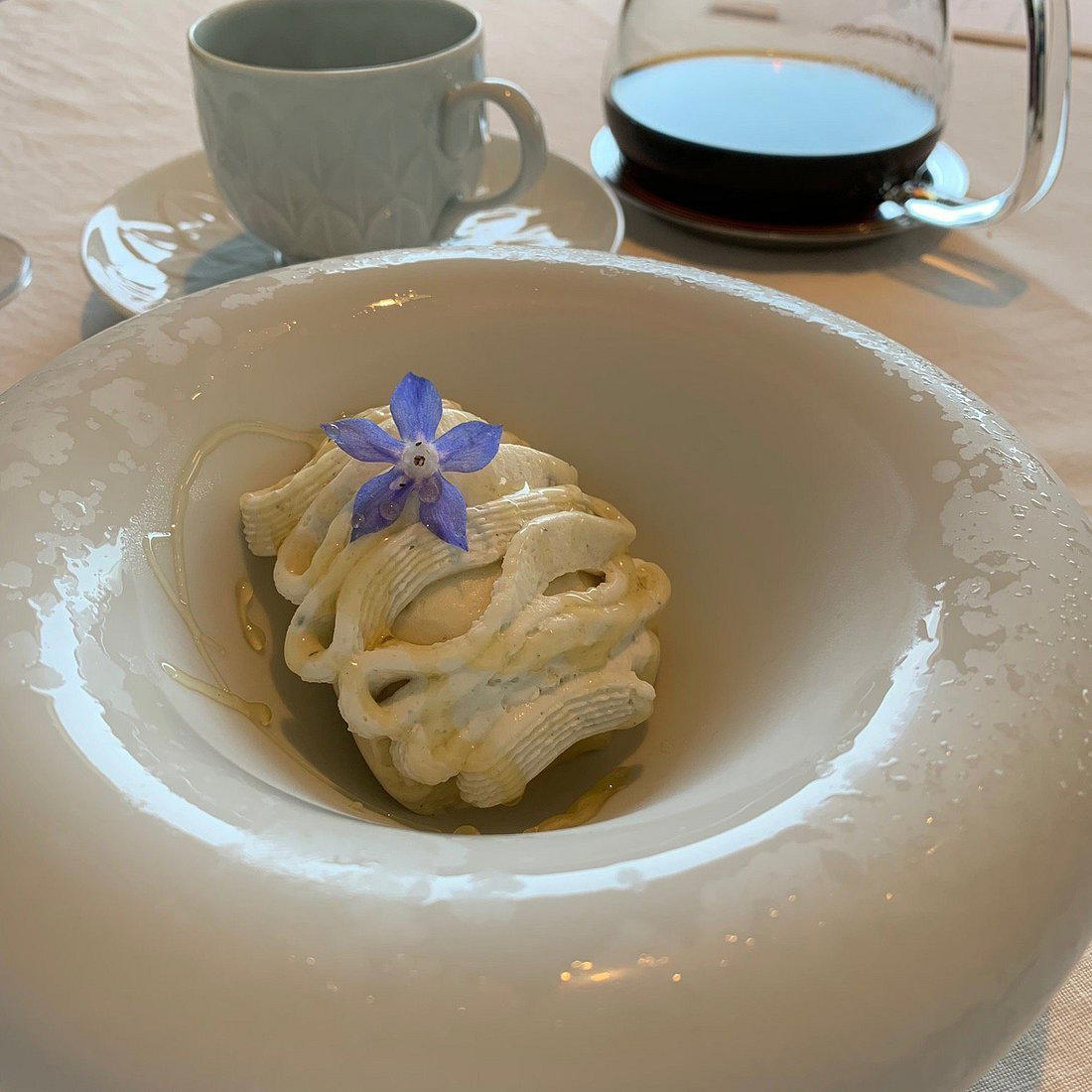
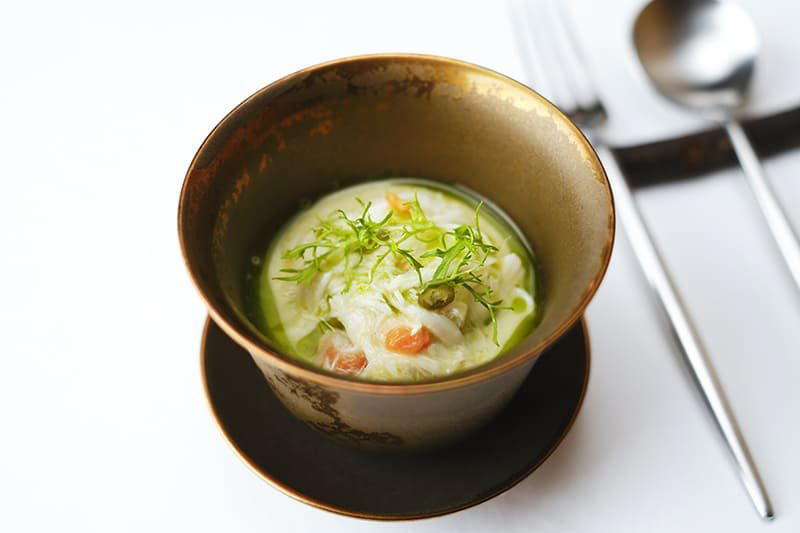
Coastal Japan's premium dining tradition has long rested on a clear supply logic: proximity to specific fishing grounds, seasonal availability, and the discipline to let ingredient quality carry the plate. The Amakusa Islands have their own well-regarded marine identity within Kyushu, the surrounding waters support a range of shellfish, fish, and seafood that feeds the region's broader food culture. TAYUTA's restaurant draws directly from this local supply chain, with dishes sourced from Amakusa's islands and waters and served against panoramic views of the seascape that produced them. The dining room functions as a meeting point for the property's otherwise private experience, guests who have spent their day in the particular solitude of a 12-suite island hotel come together here, with the view as a shared reference point rather than a disruption of the retreat's atmosphere.
This model, where the restaurant serves as both a social hinge and an extension of the landscape experience, is common to particularly considered properties in Japan's nature-immersive tier. It differs from the urban model of, say, Bvlgari Hotel Tokyo or HOTEL THE MITSUI KYOTO, where the restaurant operates as a destination in its own right and draws non-resident guests. At TAYUTA, the dining is not a separate attraction but a continuation of the same experience the architecture delivers: a mediated encounter with a specific natural environment.
Placing TAYUTA in the Broader Field
Japan's small luxury hotel sector has expanded significantly over the past decade, with new properties entering across Kyushu and the western archipelago. Halekulani Okinawa and Jusandi in Ishigaki address the southern island market with different architectural registers and price tiers. ANA InterContinental Beppu brings international-brand infrastructure to Kyushu's most visited onsen city. TAYUTA's position is distinct from all of these: it is not a resort in the conventional sense, not a ryokan in the traditional sense, and not a brand property in the international-chain sense. It occupies a niche defined by site specificity, low capacity, and a design approach that treats the surrounding national park as an architectural partner rather than a backdrop.
That comparable set, in Japan, includes Araya Totoan in Kaga, Nishimuraya Honkan in Kinosaki-cho, and Bettei Senjuan in Minakami, each of which commands rates calibrated to exclusivity of access rather than room count or facility breadth.
Planning a Stay
Kami Amakusa is reached from Kumamoto city, from which road access to the islands crosses a series of five bridges known collectively as the Amakusa Gokyo. Kumamoto is itself connected to Fukuoka by Shinkansen in under 40 minutes, making the property accessible as part of a broader Kyushu itinerary without requiring domestic air. The mild climate the Amakusa Islands are known for means the shoulder seasons carry genuine appeal, spring and autumn both offer favorable conditions without the peak-season pressure that affects more prominent ryokan destinations. Given the 12-suite capacity, advance planning is advisable regardless of season. Pricing is confirmed on direct inquiry, and the property does not appear to list through standard online travel platforms.
Comparison Snapshot
Comparable venues nearby, for context on price, style, and recognition.
| Venue | Cuisine | Price | Awards | Notes |
|---|---|---|---|---|
| TAYUTA amakusaThis venue — the venue you are viewing | Modern luxury ryokan blending minimalist design with traditional onsen elements | $$$$ | Michelin 1 Key | Not listed |
| seven x seven Ishigaki | Self-hospitality luxury resort with low-touch service and high-end comforts. | $$$$ | 4-Star | Maezato |
| The Green Leaf Hotel Niseko Village (ザ・グリーンリーフホテル ニセコビレッジ) | Contemporary mountain resort blending Japanese cultural aesthetics with international luxury hospitality standards. | $$$$ | 4-Star | Niseko Village, Higashiyama Onsen |
| 俵屋旅館 | Traditional Japanese ryokan with modern comforts and historical integrity. | $$$$ | 5-Star | Nakagyo-ku |
| Azumaen | Authentic Japanese ryokan with spacious tatami rooms and private dining. | $$$$ | 4-Star | Unzen |
| Gosoku no Kutsu | Traditional Japanese ryokan with detached villas | $$$$ | 4-Star | Asakusa-machi |
Continue exploring
More in Kami Amakusa
Hotels in Kami Amakusa
Browse all →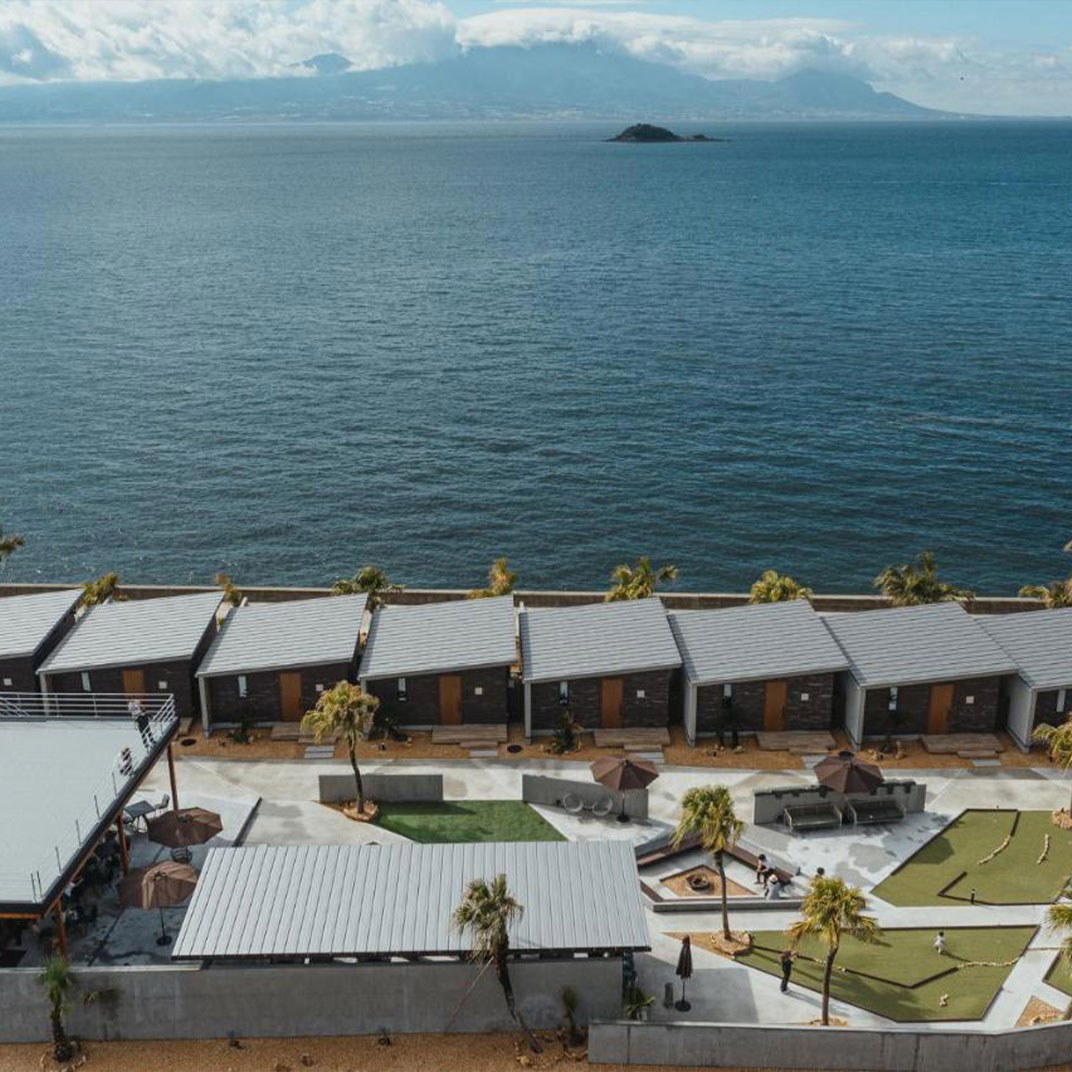
Bars in Kami Amakusa
Browse all →
Restaurants in Kami Amakusa
Browse all →

At a Glance
- Quiet
- Scenic
- Elegant
- Minimalist
- Intimate
- Romantic Getaway
- Wellness Retreat
- Honeymoon
- Anniversary
- Panoramic View
- Infinity Pool
- Wi Fi
- Sauna
- Room Service
- Waterfront
- Wi Fi
- Sauna
- Room Service
Tranquil and private with soft natural light, warm wood tones, and serene sea views promoting deep relaxation.