


Tabelog Bronze #506
Our verdict
Villa del nido puts rural Nagasaki into an Italian frame rather than treating the cuisine as imported theater. The appeal is scale and sourcing: a small house-restaurant format in Unzen, chef Takafumi Yoshida’s Italy-informed cooking, Tabelog Bronze recognition from 2022 through 2026, and a price tier that places it in Japan’s serious destination-dining category.

Pearl is the En Primeur Club membership app — saves, bookings, and concierge access live there. Same editors, same standards.
- Address
- Ko-313-2 Kunimicho Taira, Unzen, Nagasaki 859-1321, Japan
- Phone
- +81 957-73-9713
- Hours
- Mon 12–3 PM, 7–10 PMTue–Wed ClosedThu–Sun 12–3 PM, 7–10 PM
- Website
- pocket-concierge.jp
- Directions
- Get directions
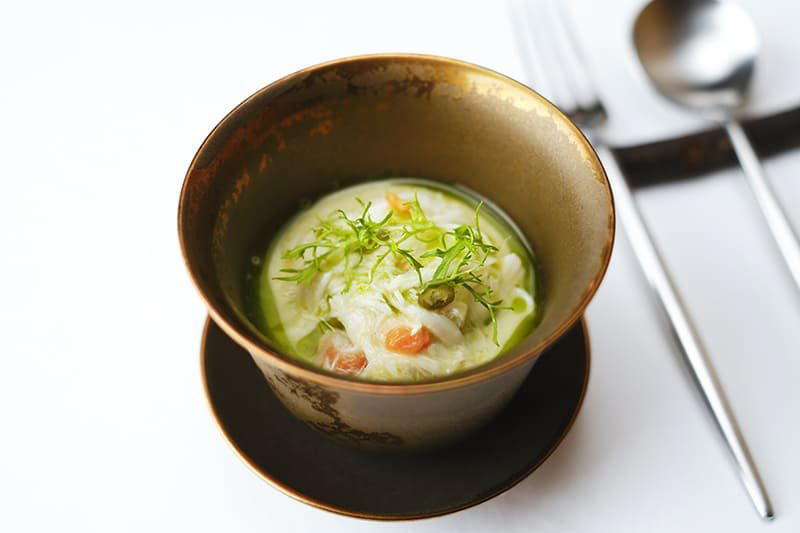
The menu
What to order
- Local vegetables and herbs
- Ariake Sea seafood
- Potato dishes
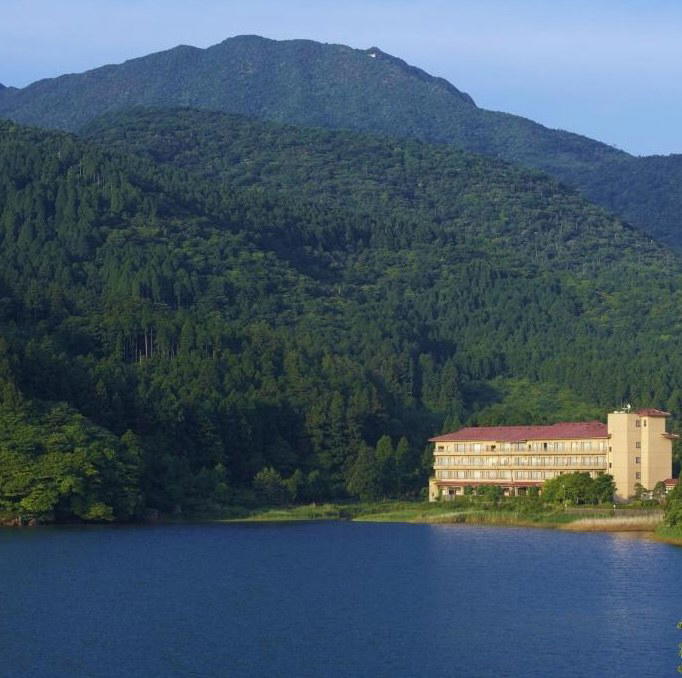
Approaching Unzen’s dining culture means leaving Nagasaki’s denser restaurant corridors for a quieter agricultural edge of the prefecture. The mood matters: the cooking is less about urban Italian polish than a question shaping many of Japan’s stronger regional restaurants: how far can a local pantry carry a European grammar before the meal stops feeling imported?
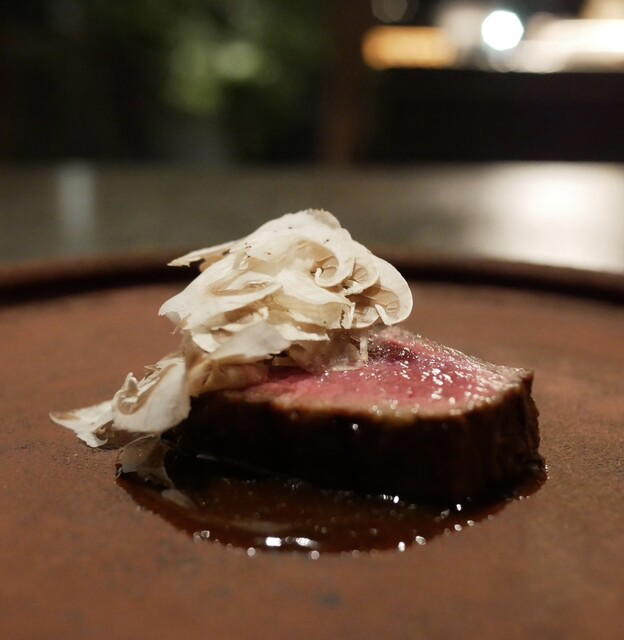
Villa del nido answers in an Italian and innovative category, but geography is the clearer reading. Kunimi Town gives the restaurant its frame, and chef Takafumi Yoshida’s Italy-informed approach gives that frame structure. In Japan, where Italian dining often splits between trattoria comfort, luxury hotel formality, and tasting-menu abstraction, this occupies the rural house-restaurant lane: small scale, fixed rhythm, and regional identity expressed through Italian technique rather than postcard Tuscan mimicry.
Kunimi produce through an Italian lens, not a city-restaurant template
Japan’s regional Italian cooking grows more interesting when it leaves replication behind. The strongest versions do not simply place local vegetables or seafood into familiar forms; they let climate, fishing ports, farms, and seasonality set the meal’s center of gravity. Nagasaki suits that logic. The prefecture has long absorbed outside culinary influences through trade, migration, and port culture, while its rural districts keep a tempo distinct from the city’s Chinatown dining rooms and tourist-facing counters.
That distinction helps when comparing a meal here with Nagasaki city addresses such as Chinese cuisine GUNRAIKEN or Chinese Saikan Kozanro Chuukagai shinkan, where the city’s Chinese-Japanese inheritance is more direct. Unzen needs another lens. Villa del nido is Italian in category, innovative in placement, and rural Nagasaki in argument: ingredients are the reason to travel, not decoration around a famous address.
The restaurant’s recognition supports that reading without overstatement. Tabelog lists it as a Bronze winner for 2022, 2023, 2024, 2025, and 2026, with a 2026 score of 4.37. It was selected for Tabelog Italian WEST 100 in 2021, 2023, and 2025, and appears as Recommended in the 2026 Opinionated About Dining Top Restaurants in Japan list. Those signals place it in a national conversation about Italian cooking in Japan, not only a local Nagasaki one.
A small house-restaurant format changes the stakes
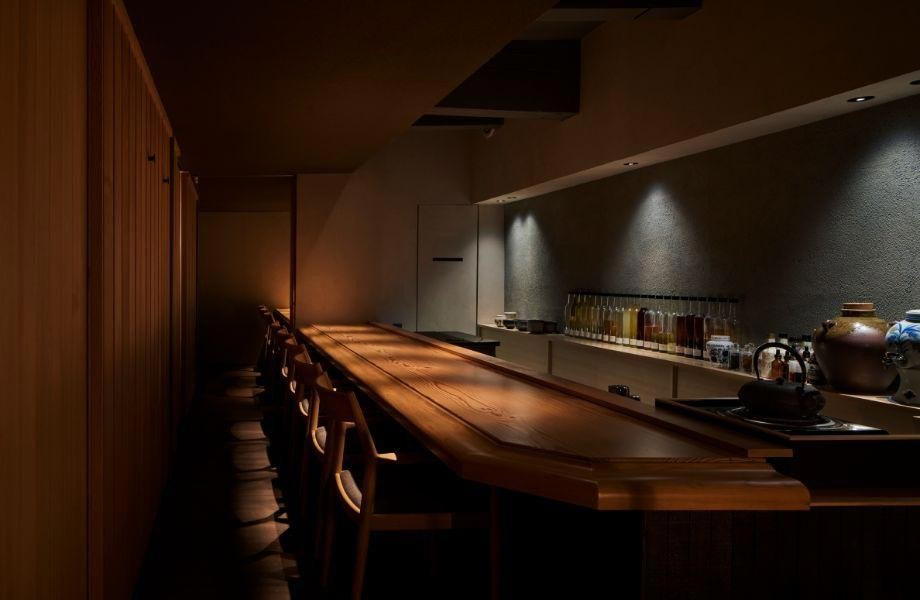
Room size is part of the critical picture. With seating listed at eight to ten, Villa del nido sits at the low-capacity end of Japanese destination dining, where timing, pacing, and concentration matter more than theatrical scale. This is not dropping into central Nagasaki between sightseeing stops. It is a meal built around a single start time and narrow service rhythm, giving the kitchen less room for casual improvisation but more control over progression.
That matters for travelers mapping Nagasaki through food. The prefecture rewards quick local meals and destination bookings, but they answer different needs. A broader itinerary might use Asa Honten, BEARD, or bread A espresso for other readings of the area, while Our full Nagasaki restaurants guide is the better place to compare dining styles across the prefecture. Villa del nido is the choice when the meal becomes the day’s anchor.
The price band reinforces that commitment. Lunch and dinner are both listed at JPY 20,000 to JPY 29,999, far from Nagasaki’s casual end and closer to Japan’s serious tasting-menu economy. It also separates the experience from simpler low-spend out-of-metro options such as Houraku or A Burgers Cafe, where listed spend is around JPY 1,000 to JPY 1,999. Pesceco, listed in Nagasaki as innovative, is a more relevant category reference, but the Unzen house-restaurant setting changes the travel calculus.
How to place it within a Nagasaki trip
The smartest use of Villa del nido is as a rural counterpoint to Nagasaki city, not a replacement. Nagasaki’s food identity is layered: Chinese-influenced city dining, port-shaped seafood, bakery and café culture, and small restaurants translating local produce through French, Italian, or borderless technique. The Unzen address belongs to that last group, where value lies in leaving the city and tasting the prefecture away from its better-known dining districts.
For that reason, the restaurant suits a slow Nagasaki itinerary better than a compressed city break. Food-led travelers can use Our full Nagasaki hotels guide to decide whether to sleep near the city or closer to Unzen, then add Our full Nagasaki bars guide, Our full Nagasaki wineries guide, and Our full Nagasaki experiences guide for the surrounding trip. This is not a restaurant to squeeze between transit legs; its scale and location reward a day planned around it.
Within Japan’s wider dining map, the address shows how regional restaurants compete without copying Tokyo. A traveler comparing categories across the country might move from beef-focused dining such as -Grilled beef Sukiyaki- KAMAKURA TANUKIAN 鎌倉 たぬき庵 in Kamakura, casual urban spots like. 鮪と炭火焼き うお炭 秋葉原店 in Tokyo, or café-led addresses such as.cafe in Osaka, and find a different argument here: Italian technique as a way to read a rural Nagasaki pantry.
That contrast extends beyond Japan’s major culinary circuits..know in Kumamoto, (Shoku) Vietnam in Kawasaki, and [Curry Senmon Ten] Maruyama Kyoju. in Sapporo each point to another specificity, from local city dining to focused genre cooking. Even outside Japan, compact formats such as Jōdo Saké Bar in Los Angeles or Onigiri Time in Pasadena show the same contemporary truth: scale is less persuasive than clarity.
The verdict is measured but firm. Villa del nido is for travelers who want Nagasaki to speak through ingredients, not those seeking a lively night out or flexible casual meal. Its awards, small capacity, and repeated Italian WEST recognition make it one of the prefecture’s more serious destination choices for Italian cooking, with the caveat that the reward depends on treating Unzen as part of the experience rather than an inconvenience.
Frequently asked questions
Is Villa del nido good for families?
It works better for older children than for young families: the room has 8 seats, there is no children's menu, and bookings are reservation only. The set start times at 12:00 and 19:00 also suit a planned meal rather than an impromptu family stop.
Is Villa del nido better for a quiet night or a lively one?
Quiet, by format alone. Villa del nido is a house restaurant with 8 seats, no private rooms, and all guests starting together, which keeps the room focused rather than lively.
Is Villa del nido open every day?
Hours at Villa del nido: ■Business hoursLunch starts at 12:00Dinner starts at 19:00■Closed onTuesdays and Wednesdays.
Where do I go for Villa del nido?
Villa del nido is located in Nagasaki.
What's the signature at Villa del nido?
No single signature dish is listed in the public record. The point here is the style: Italian and innovative cooking in Nagasaki’s Kunimicho area, backed by repeated Tabelog Bronze recognition in 2022, 2023, 2024, 2025, and 2026. Check the venue's official channels for the latest details.
Comparison Snapshot
Comparable venues by cuisine and price in the same metro.
| Venue | Cuisine | Price | Awards | Notes |
|---|---|---|---|---|
| Villa del nidoThis venue — the venue you are viewing | Regional Italian with Local Shimabara Ingredients | $100–150 | Tabelog Bronze #506 | Not listed |
| 竹彩 | 鉄板焼き | $50–100 | Not listed | 秋月町 |
| Osaka Ya Hamachou ten | Premium Kyushu Wagyu Yakiniku | $50–100 | Tabelog 100 #92 | Shianbashi / Hamanomachi |
| Hountei Honten Torifuku | Traditional Nagasaki gyoza & karaage izakaya | $10–20 | Tabelog 100 #35 | Dozamachi |
| Unryu Tei Honten | Traditional Nagasaki bite‑sized gyoza shop | $20–30 | Tabelog 100 #5 | Shianbashi |
| Doyama | Itamae-ya Japanese Fine Dining | $150–200 | Tabelog Bronze | Kajiyamachi |
Recognition history
Dated appearances from independent guides and award organizations, with the underlying list record or original source where available.
Opinionated About Dining Top Restaurants in Japan Recommended
Opinionated About Dining
Tabelog Bronze #506
Tabelog
The Japan Times Destination Restaurants Destination Restaurants Selection #10
The Japan Times Destination Restaurants
Full recognition history (5 entries)
Tabelog 100 #14 · No. 14
Tabelog · Tabelog 100 - Italian - WEST - 2025
Tabelog Bronze
Tabelog
Details
- Intimate
- Elegant
- Sophisticated
- Special Occasion
- Date Night
- Standalone
- Garden
- Open Kitchen
- Farm To Table
- Local Sourcing
- Organic
- Prix Fixe
- Tasting Menu
- Vegetarian Friendly
- Organic Focus
Current opening hours
- Monday
- 12–3 PM, 7–10 PM
- Tuesday
- Closed
- Wednesday
- Closed
- Thursday
- 12–3 PM, 7–10 PM
- Friday
- 12–3 PM, 7–10 PM
- Saturday
- 12–3 PM, 7–10 PM
- Sunday
- 12–3 PM, 7–10 PM
Hours can change for holidays and private events. Last verified .
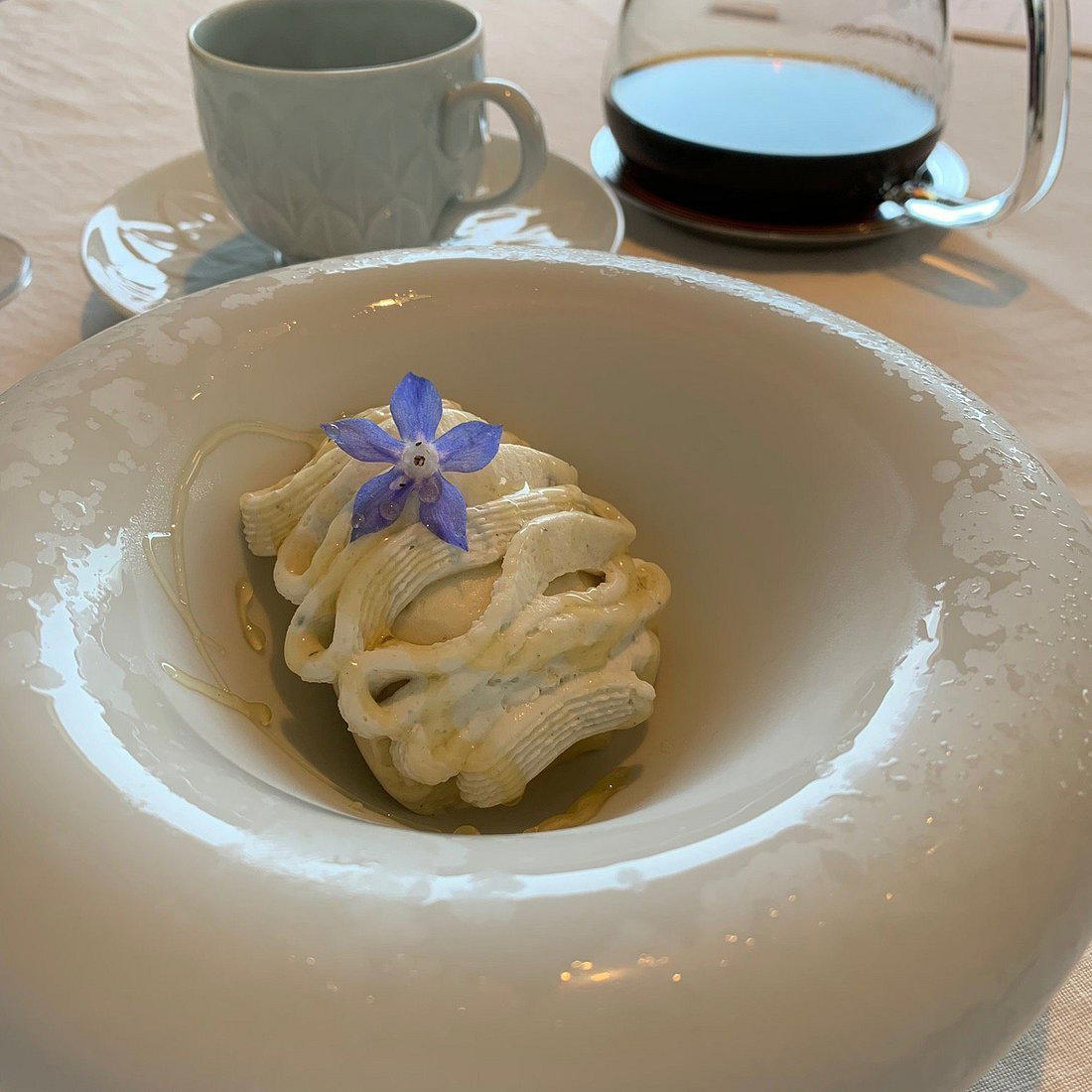
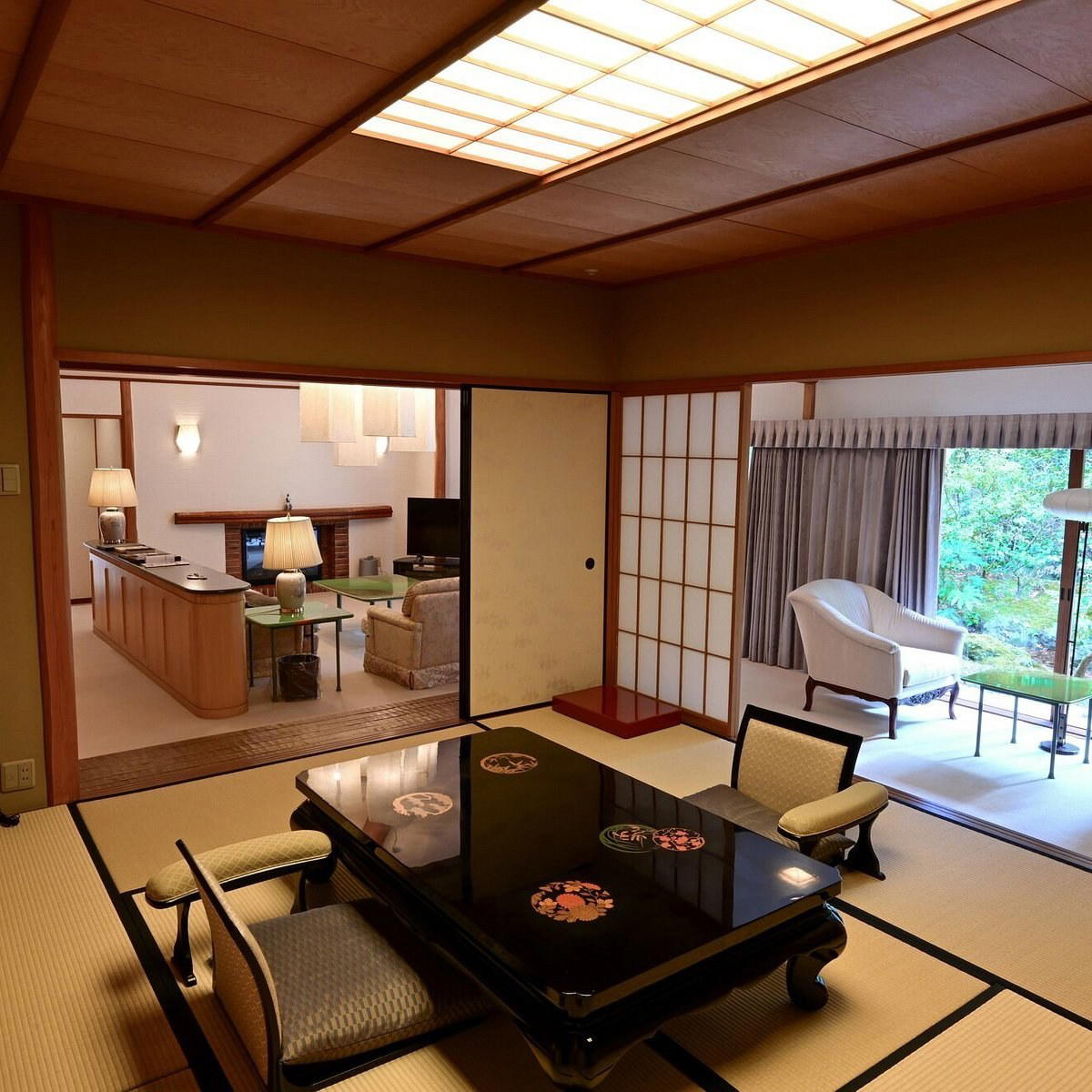
Warm, relaxing space filled with natural wood elements inside the chef's residence; pure, delicate presentation with garden views reflecting the natural bounty of the region.