
Michelin Selected
Selected by the Michelin Guide Hotels 2025, OMO5 Kumamoto by Hoshino Resorts sits at the intersection of urban accessibility and curated local experience in Kumamoto's Chuo-ku district. The property belongs to Hoshino Resorts' city-focused OMO brand, which frames neighbourhood exploration as the core of the stay rather than an afterthought. For travellers using Kumamoto as a base for Kyushu's broader circuit, it offers a structured point of entry.

Pearl is the En Primeur Club membership app — saves, bookings, and concierge access live there. Same editors, same standards.
- Address
- Japan, 〒860-0808 Kumamoto, Chuo Ward, Tetorihoncho, 5−1 HAB@ 3F
- Phone
- +81 50-3134-8095
- Website
- hoshinoresorts.com
- Directions
- Get directions
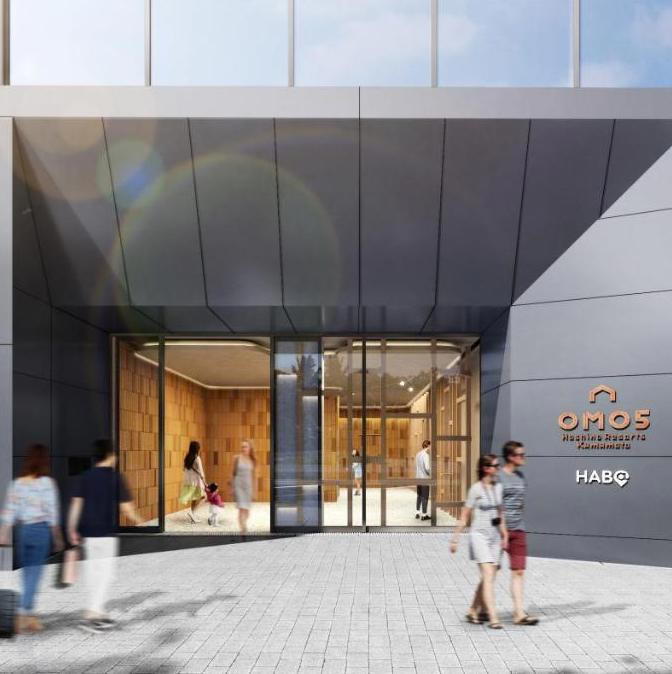
City Hotels as Urban Frameworks: Where OMO5 Kumamoto Sits
Japan's mid-market urban hotel category has undergone a quiet reorganisation over the past decade. Where business-oriented chains once dominated city-centre addresses, a newer tier has emerged that treats the hotel less as a place to sleep between appointments and more as a curatorial lens on the surrounding neighbourhood. Hoshino Resorts' OMO brand operates explicitly within this framework, and OMO5 Kumamoto, at 5-1 Tetorihoncho in Chuo-ku, is the brand's foothold in one of Kyushu's most historically layered cities.
The OMO brand's numeric suffix carries meaning: OMO5 sits in the middle tier of Hoshino's urban range, pitched at travellers who want neighbourhood access and programmatic engagement over the full-service formality of a resort. That positioning is deliberate and increasingly relevant in a city like Kumamoto, where the draw is distributed across castle grounds, covered shopping arcades, artisan workshops, and local izakayas rather than concentrated in a single landmark district. A hotel that functions as a neighbourhood guide, rather than a self-contained destination, fits that geography well.
The Design Logic of the OMO Framework
Across the OMO brand, the physical environment is organised to push guests outward rather than keep them in. Common areas are designed as departure lounges for neighbourhood exploration: maps, local recommendations, and staff-led programming are woven into the spatial experience rather than confined to a concierge desk. In an urban hotel category that frequently defaults to generic corporate interiors, this spatial philosophy gives OMO properties a legibility that reads differently to guests arriving for cultural depth rather than business convenience.
In Kumamoto specifically, that outward orientation connects to a city in active reconstruction. The 2016 Kumamoto earthquakes caused significant damage to Kumamoto Castle and surrounding infrastructure, and the city's recovery has been gradual and publicly visible. By 2025, restoration work on the castle's main keep had reached a stage where visitors could observe the process directly, which adds a layer of temporal specificity to any Kumamoto stay that a static luxury enclave cannot easily replicate. A hotel designed to engage with the city rather than insulate guests from it is structurally better suited to that context.
The Tetorihoncho address places the property within walking range of the Shimotori and Kamitori covered arcades, the central commercial arteries of Kumamoto's downtown. These arcades concentrate a dense mix of local food producers, craft retailers, and the kind of persistent neighbourhood businesses that have survived the city's seismic and economic disruptions. For guests using OMO5 as a base, the arcade system functions as an extended amenity, one that no hotel's internal programming could replicate. The Michelin selection acknowledges this kind of locational intelligence alongside the physical property.
Kumamoto in the Kyushu Hotel Context
Kyushu's accommodation market divides broadly between the onsen-ryokan tradition concentrated in areas like Yufu and Beppu, and the urban hotel formats clustered around Fukuoka and, increasingly, Kumamoto and Nagasaki. Properties like Kamenoi Besso in Yufu and GOTO RETREAT by Onko Chishin in Goto anchor the ryokan and retreat end of the spectrum. OMO5 Kumamoto occupies a different register entirely: it is an urban hotel that draws on Hoshino Resorts' hospitality infrastructure without replicating the immersive nature-retreat format those properties offer.
Within Japan's broader Michelin-selected hotel cohort, the OMO brand shares recognition alongside properties with very different scale and price profiles. Bvlgari Hotel Tokyo, HOTEL THE MITSUI KYOTO, and Amanemu in Mie sit in a higher price tier and deliver a different kind of total experience. The Michelin selection criteria, however, assess hospitality coherence and execution rather than raw spend-per-night, which is why mid-scale city hotels with strong neighbourhood programming can earn recognition alongside ultra-luxury properties.
For travellers mapping a longer Kyushu or Japan itinerary, OMO5 Kumamoto functions as a useful pivot point. Kumamoto connects by shinkansen to Fukuoka to the north and to Kagoshima to the south, making it a logical stop on a southward Kyushu traverse rather than a detour requiring specific justification. The hotel's city-engagement format also pairs logically with adjacent overnight stops at more secluded properties: a sequence that includes Halekulani Okinawa or Jusandi in Ishigaki for island segments, or Benesse House in Naoshima for a cultural detour through the Seto Inland Sea, benefits from a grounded urban counterpoint. See our full Kumamoto restaurants guide for the food and drink context around the property.
For those building itineraries further afield, the OMO5 approach to city-engaged hospitality shares a philosophy with properties in other Hoshino markets. Comparable urban-access logic appears in stays like REF Kumamoto by VESSEL HOTELS, which offers an alternative reference point for Kumamoto's city-centre accommodation tier. Further afield, Satoyama-Jujo in Niigata, Nishimuraya Honkan in Kinosaki-cho, and Fufu Nikko each demonstrate how Japanese hospitality deploys a sense of place at different price points and in different geographic registers.
Planning a Stay: What the Logistics Require
Kumamoto Airport connects to Tokyo Haneda and Osaka Itami on frequent domestic services, with flights from Haneda running under ninety minutes. The shinkansen alternative via Hakata links Kumamoto to Fukuoka in roughly thirty-five minutes and to Shin-Osaka in around three hours and twenty minutes, making rail arrival practical for travellers already on a Kyushu or westward Japan circuit. The Tetorihoncho address sits within the city centre's tram network coverage, which remains the most practical way to move between the castle district, the shopping arcades, and the hotel without relying on taxis.
Booking lead time for OMO properties in Japan varies by season. The spring cherry blossom period, typically late March through mid-April, and the autumn colour season in November generate the highest demand across Kumamoto. Travellers targeting those windows should plan reservations at least two months ahead. Outside peak periods, shorter lead times are usually sufficient, though Kumamoto's growing profile as a post-earthquake recovery success story has lifted year-round visitor numbers. For broader Japan itinerary planning, comparators worth reviewing include Gora Kadan in Hakone, Zaborin in Kutchan, Fufu Kawaguchiko, and Asaba in Izu, which collectively bracket the spectrum from high-design ryokan to mountain-access resort. International travellers extending beyond Japan can assess how the OMO5 model compares to city-focused luxury elsewhere by looking at The Fifth Avenue Hotel in New York City or Badrutt's Palace Hotel in St. Moritz as reference points for how Michelin-recognised hotels anchor a city stay in different markets.
In Context: Similar Options
Comparable venues nearby, for context on price, style, and recognition.
| Venue | Cuisine | Price | Awards | Notes |
|---|---|---|---|---|
| OMO5 Kumamoto by Hoshino ResortsThis venue — the venue you are viewing | Contemporary urban design hotel positioned as a budget-conscious alternative for travelers seeking local cultural immersion and modern amenities. | Not listed | Michelin Selected | Not listed |
| REF Kumamoto by VESSEL HOTELS | New brand blending local Kumamoto culture with contemporary urban design | $1–100 | Michelin Selected | Chuo-ku |
| voco Osaka Central | Design-oriented IHG sub-brand emphasizing contemporary aesthetics with cultural heritage integration | $200–300 | Michelin Selected | Kyomachibori, Nishi-ku |
| Hotel Iya Onsen (ホテル祖谷温泉) | Traditional Japanese ryokan-style luxury hotel with modern amenities, blending heritage architecture with contemporary comfort in a remote mountain setting. | Not listed | 4-Star | Oboke Iya Onsen-kyo district, Miyoshi |
| Tendoso | Traditional Japanese ryokan with detached cottages | $500–750 | Michelin Selected | Tendo Onsen |
| The Shinra | Tower ryokan blending traditional onsen with modern resort design | Not listed | Michelin Selected | Tateyama Onsen-kyo |
Recognition history
Dated appearances from independent guides and award organizations, with the underlying list record or original source where available.
Michelin Selected
Michelin

Details
- Modern
- Lively
- Trendy
- Family Vacation
- Weekend Escape
- Terrace
- Panoramic View
- Design Destination
- Wi Fi
- Pool
- Spa
- Restaurant
- Bicycle Rental
- Bar
- Street Scene
- Elevator
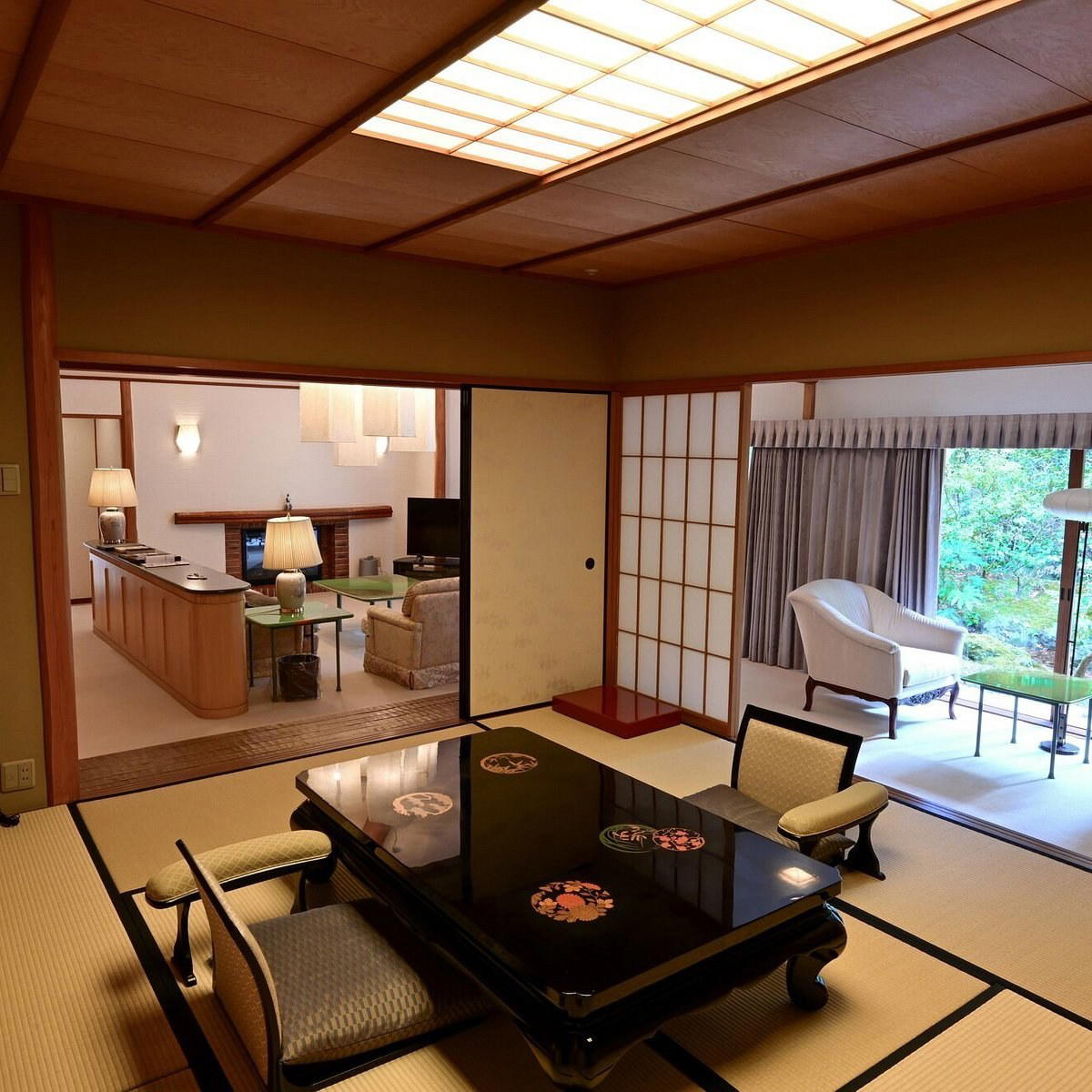
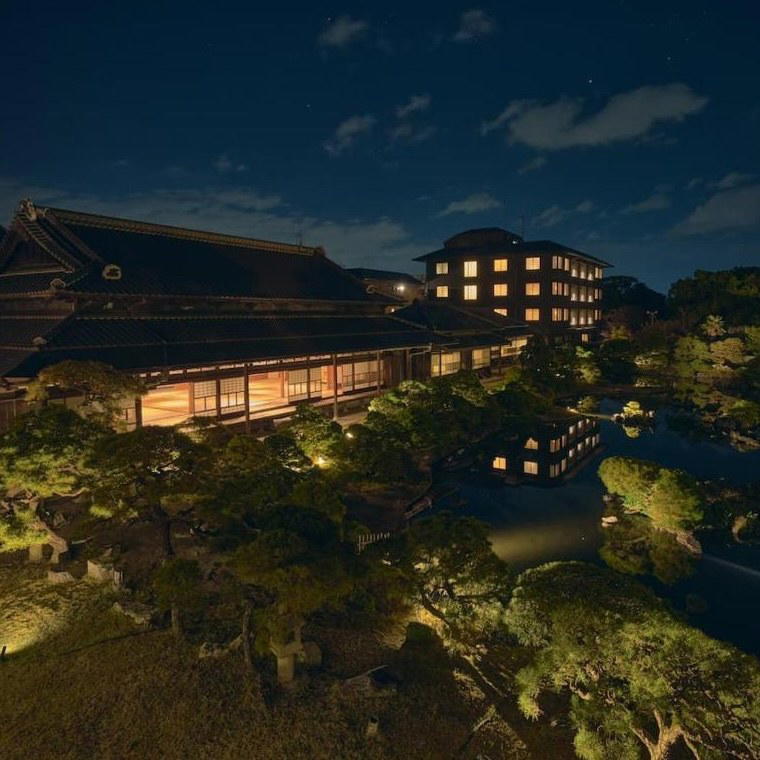
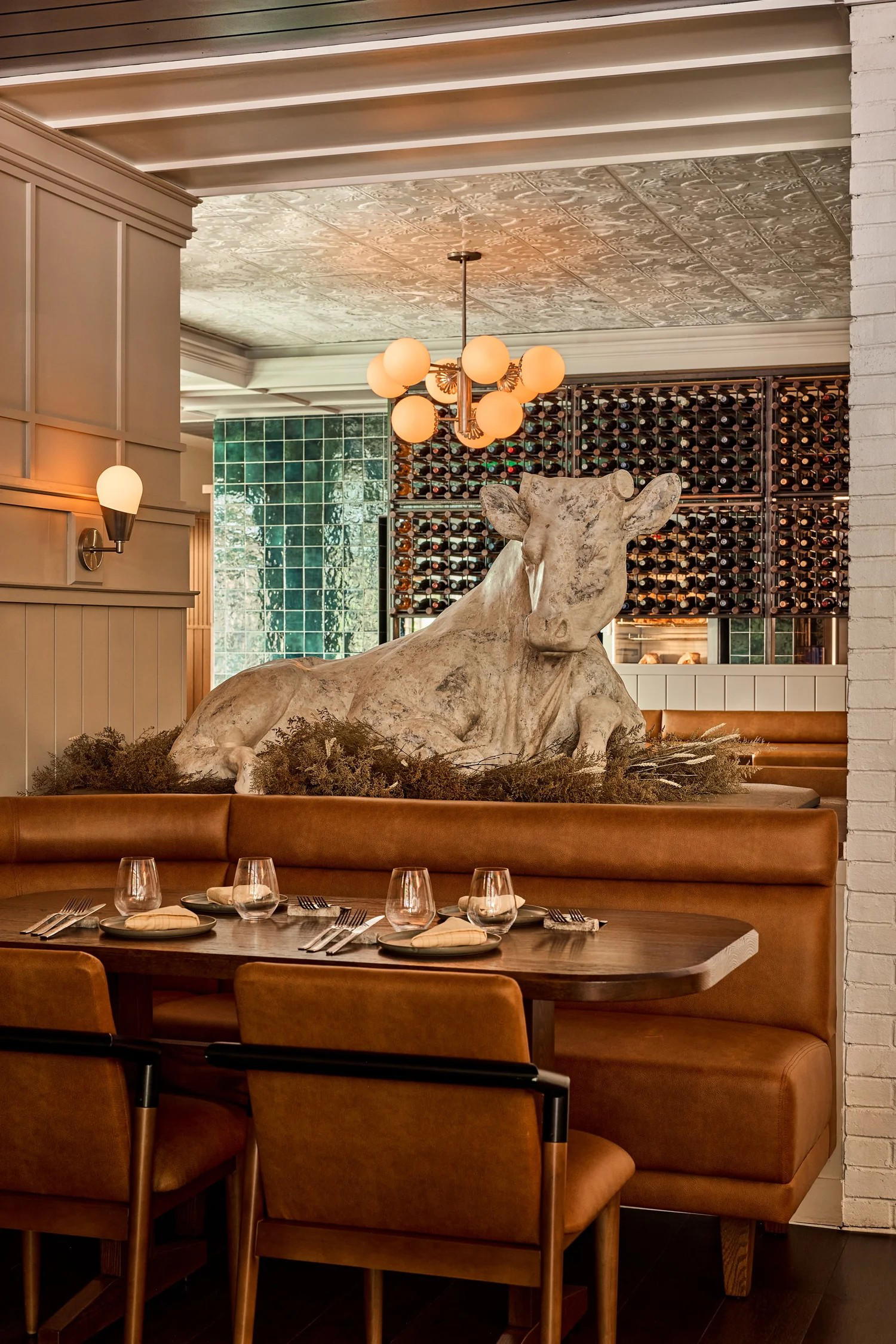
Contemporary minimalist design with colorful accents, bright natural lighting from castle views, casual social spaces encouraging guest interaction and local exploration.