


A six-seat counter in Shimabara, Nagasaki Prefecture, Pesceco holds consecutive Tabelog Silver Awards from 2021 through 2026 and a Tabelog score of 4.53. Chef Kouji Inoue's coastal tasting format draws exclusively on the seafood of Ariake Sea and Tachibana Bay, operating Tuesday to Saturday at lunch only. Reservations open two months ahead and fill accordingly.
Pearl is the En Primeur Club membership app — saves, bookings, and concierge access live there. Same editors, same standards.
- Address
- 223-1 Shinbabamachi, Shimabara, Nagasaki 855-0033, Japan
- Phone
- +81957739014
- Website
- pesceco.com
- Directions
- Get directions
 Saves & bookings on Pearl
Shimabara's Coastal Counter and What It Signals
Japan's innovative dining tier has two broad geographies: the metropolitan cluster of Tokyo, Osaka, and Kyoto, where competition for press and awards is dense, and a smaller scatter of regional restaurants that operate far from that circuit but hold their own by anchoring so completely to local ingredients that relocation would dissolve their entire premise. Pesceco is a restaurant in Shimabara, Nagasaki, serving Sato-hama Gastronomy at a six-seat counter. Its consecutive Tabelog Silver Awards from 2021 through 2026, a Tabelog score of 4.53, and inclusion in Tabelog's Innovative/Creative Cuisine "Tabelog 100" for 2025 place it inside a credentialed regional tier that is harder to sustain than a single award year suggests. For reference, Harutaka in Tokyo and HAJIME in Osaka operate in markets with far greater diner volume; holding Silver continuously from a small town on the Shimabara Peninsula is a different kind of achievement.
The Opinionated About Dining rankings tell a similar story across three successive years. That trajectory is not noise. It reflects a format that has tightened and sharpened over time rather than levelling off after early recognition.
Where the Food Comes From
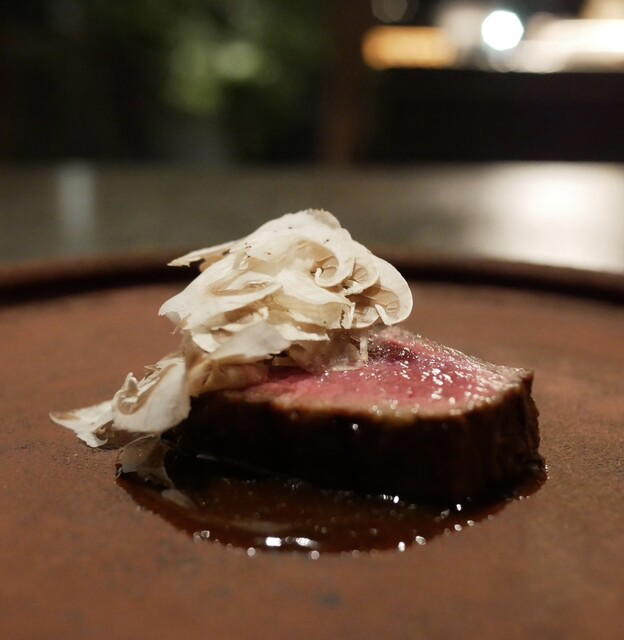
Shimabara sits between two bodies of water: Ariake Sea to the east and Tachibana Bay to the west. Both produce seafood of considerable quality and distinctiveness. Ariake Sea is a shallow, tidally active bay with one of the largest tidal ranges in Japan, generating a nutrient cycle that supports shellfish, eel, and a range of flatfish rarely found outside the region. Tachibana Bay adds depth variety and access to open-water species. The kitchen's stated emphasis on fish, and the allergy notice in the reservation policy that specifically mentions blue fish, shellfish, and oysters as ingredients that may appear depending on season, points to a sourcing logic that runs directly through what the surrounding water produces on any given week.
This is the defining structural choice at a restaurant of this type. Rather than building a stable menu that happens to use local ingredients, the format appears to move with the catch. The consequence for diners is that the same seat at a different time of year is effectively a different meal. It is also the reason the reservation policy flags allergy accommodations by season: the kitchen cannot simply substitute around a shellfish allergy when shellfish is the architectural centre of a particular month's sourcing.
Across Japan's innovative dining category, this kind of hyperlocal tidal sourcing shows up most clearly at coastal properties outside the major cities. Goh in Fukuoka and 6 in Okinawa operate with comparable regional-source logic, though their specific marine environments differ substantially. What they share with Pesceco is a format in which provenance is not decorative but operational.
The Format and What It Demands of Diners
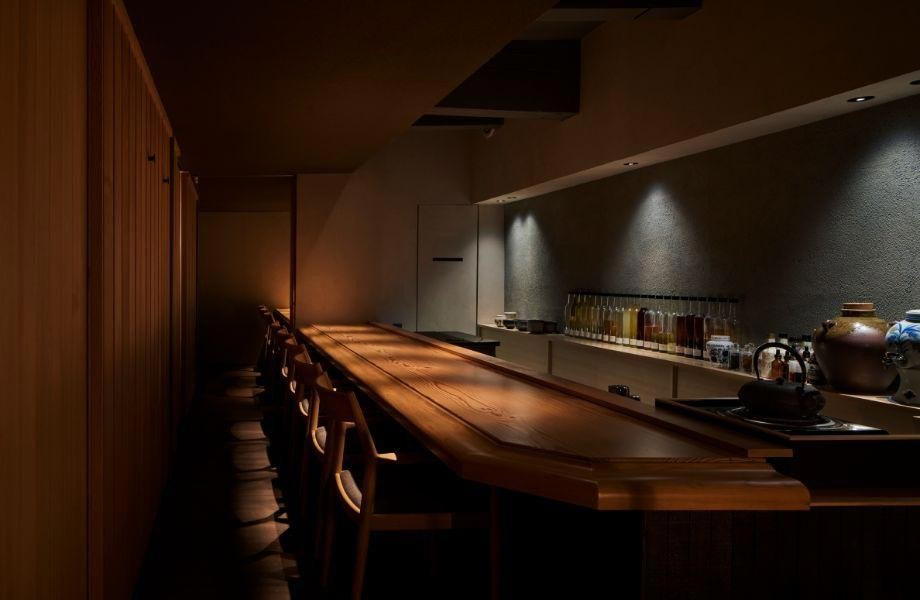
Six seats. Counter only. Lunch service, Tuesday through Saturday. No individual reservations. Groups of two to four only. Reservations accepted up to two months in advance, online only. No private rooms. No walk-ins. This is a deliberately narrow operating window with no accommodation for ad hoc visits.
That format has direct implications for how to approach a visit. The two-month booking window means planning a trip to Shimabara around a confirmed reservation, not the reverse. The online-only reservation system, combined with the absence of English phone support, places a premium on navigating Tabelog or the restaurant's own website early. Diners with specific dietary restrictions should contact the restaurant before booking, given the seasonal allergy caveat around blue fish, shellfish, and oysters.
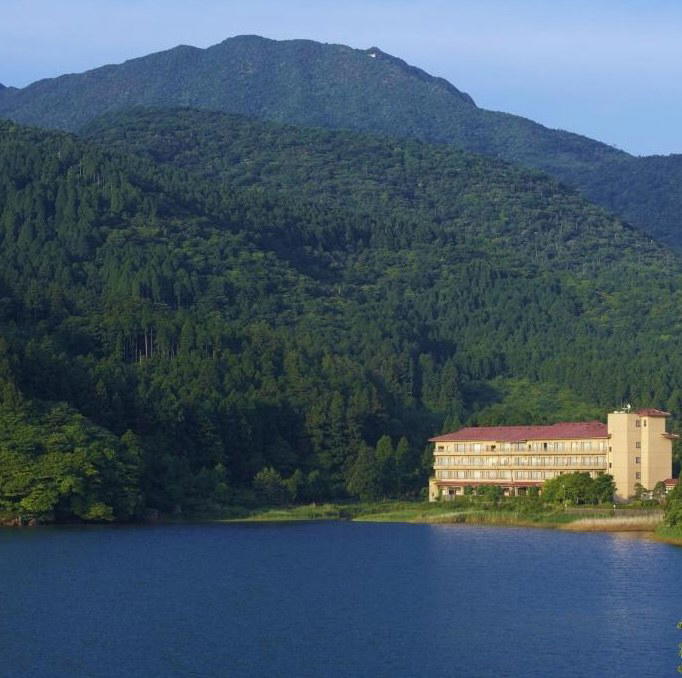
The lunch-only format also shapes how to build a day in Shimabara. The town itself sits on the peninsula beneath the active Unzen volcano, and the surrounding area offers onsen access at Unzen and ferry connections to Kumamoto Port, a 30-minute crossing. A visit to Pesceco works naturally as an anchor for a day that combines the ferry approach from Kumamoto, a noon reservation, and an afternoon in the surrounding landscape before returning to Nagasaki city or continuing to Kumamoto. Shimabara Station on the Shimabara Railway is a ten-minute walk from the restaurant. The address is 223-1 Shinbabamachi, Shimabara, Nagasaki 855-0033, Japan. Six parking spaces are available.
Pricing sits at about USD 250 per person. The 10% service charge is added separately. Major credit cards are accepted: Visa, Mastercard, JCB, and Amex. The dress code asks guests to avoid overly casual clothing and heavy perfume, a standard request at this tier of Japanese restaurant that reflects counter proximity rather than formality for its own sake.
Positioning Inside the Innovative Category
Japan's innovative restaurant category has widened considerably since the mid-2010s, partly because younger chefs trained in European kitchens began applying technique-led frameworks to Japanese ingredients rather than attempting fusion in the older, looser sense. The Tabelog Innovative 100 list, which included Pesceco in 2025, now spans a range from urban precision-cooking formats to coastal tasting menus anchored to specific geographies. Gion Sasaki in Kyoto and akordu in Nara represent different expressions of the same broad category. MAZ in Tokyo brings Peruvian sourcing logic into the same frame. alla prima in Seoul extends the comparison across borders. What distinguishes Pesceco from most of its category peers is the degree to which the sourcing geography is non-replicable. The specific tidal chemistry of Ariake Sea is not available in Tokyo or Osaka, and that specificity is the restaurant's core competitive position.
The wine program, which the listing describes as focused and particular about selection, is a secondary but notable element at this price point. Coastal tasting menus in Japan increasingly pair with European whites that have the acidity and salinity to hold against seafood-dominant courses, and a curated wine list signals that Pesceco is operating as a full-experience counter rather than a purely technique-focused room.
Within Nagasaki prefecture specifically, Pesceco occupies a different register from the dining options in Nagasaki city itself. Doyama and Villa del nido represent the city's more accessible end of the spectrum. Pesceco's position in Shimabara, its constraint format, and its awards record place it in a separate tier that requires dedicated travel rather than a casual dinner booking. That separation is part of the proposition.
For broader context on where to eat, stay, and drink across the prefecture, our full Nagasaki restaurants guide maps the range, and separate guides cover hotels, bars, wineries, and experiences across the region. Comparable regionally anchored innovative counters elsewhere in western Japan include 1000 in Yokohama, Abon in Ashiya, and affetto akita in Akita, each placing a different regional ingredient logic at the centre of an innovative tasting format.
Planning a Visit
Reservations are essential and accepted online only. The restaurant operates Tuesday through Saturday for lunch service. Groups must be between two and four people. Guests with allergies to blue fish, shellfish, or oysters should contact the kitchen before booking, as seasonal sourcing may not allow substitution. A 10% service charge applies on top of the course price. Cards accepted: Visa, Mastercard, JCB, Amex. The restaurant does not accept electronic money or QR code payments. Arriving by train, Shimabara Station on the Shimabara Railway is ten minutes on foot. Arriving by ferry from Kumamoto, the crossing to Shimabara Outer Port takes approximately 30 minutes, with a short taxi transfer to the restaurant. Six parking spaces are available for those driving.
Cost Snapshot
Comparable venues nearby, for context on price, style, and recognition.
| Venue | Cuisine | Price | Notes |
|---|---|---|---|
| PescecoThis venue — the venue you are viewing | Shimabara, Sato-hama Gastronomy | $$$$ | Not listed |
| Osaka Ya Hamachou ten | Not listed | $$$ | Shianbashi / Hamanomachi, Premium Kyushu Wagyu Yakiniku |
| 竹彩 | 秋月町, 鉄板焼き | $$$ | Not listed |
| Villa del nido | Not listed | $$$ | Kunimi Town, Unzen, Regional Italian with Local Shimabara Ingredients |
| Asa Honten | Not listed | $$ | Sakuramachi / Ebisucho, Izakaya / Creative Seafood |
| ペッパーランチ | 茂里町, Japanese Pepper Steak Rice | $$ | Not listed |
Recognition history
Dated appearances from independent guides and award organizations, with the underlying list record or original source where available.
Opinionated About Dining Top Restaurants in Japan Ranked #36
Opinionated About Dining
Tabelog Silver #104
Tabelog
Opinionated About Dining Top Restaurants in Japan Ranked #65
Opinionated About Dining
Tabelog Silver
Tabelog
Tabelog 100 #82 · No. 82
Tabelog · Tabelog 100 - Innovative / Creative cuisine - 2025
Opinionated About Dining Top Restaurants in Japan Ranked #106
Opinionated About Dining
Opinionated About Dining Top Restaurants in Japan Ranked #145
Opinionated About Dining
The Japan Times Destination Restaurants Destination Restaurants Selection #9
The Japan Times Destination Restaurants
At a Glance
- Elegant
- Scenic
- Intimate
- Sophisticated
- Special Occasion
- Date Night
- Sake Program
- Local Sourcing
- Sustainable Seafood
- Waterfront
Current opening hours
- Monday
- Closed
- Tuesday
- 12–3:30 PM
- Wednesday
- 12–3:30 PM
- Thursday
- 12–3:30 PM
- Friday
- 12–3:30 PM
- Saturday
- 12–3:30 PM
- Sunday
- Closed
Hours can change for holidays and private events. Last verified .
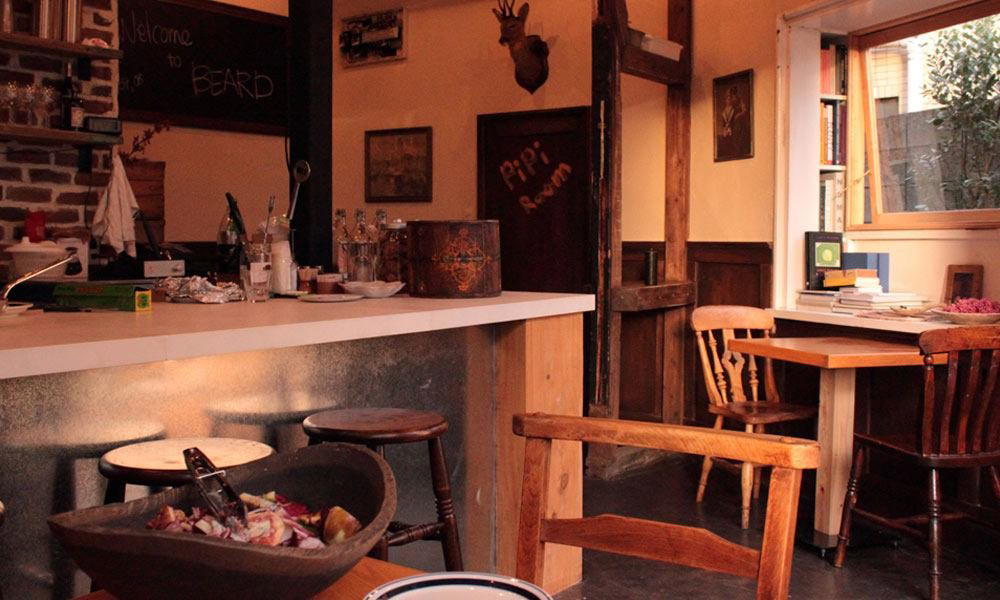
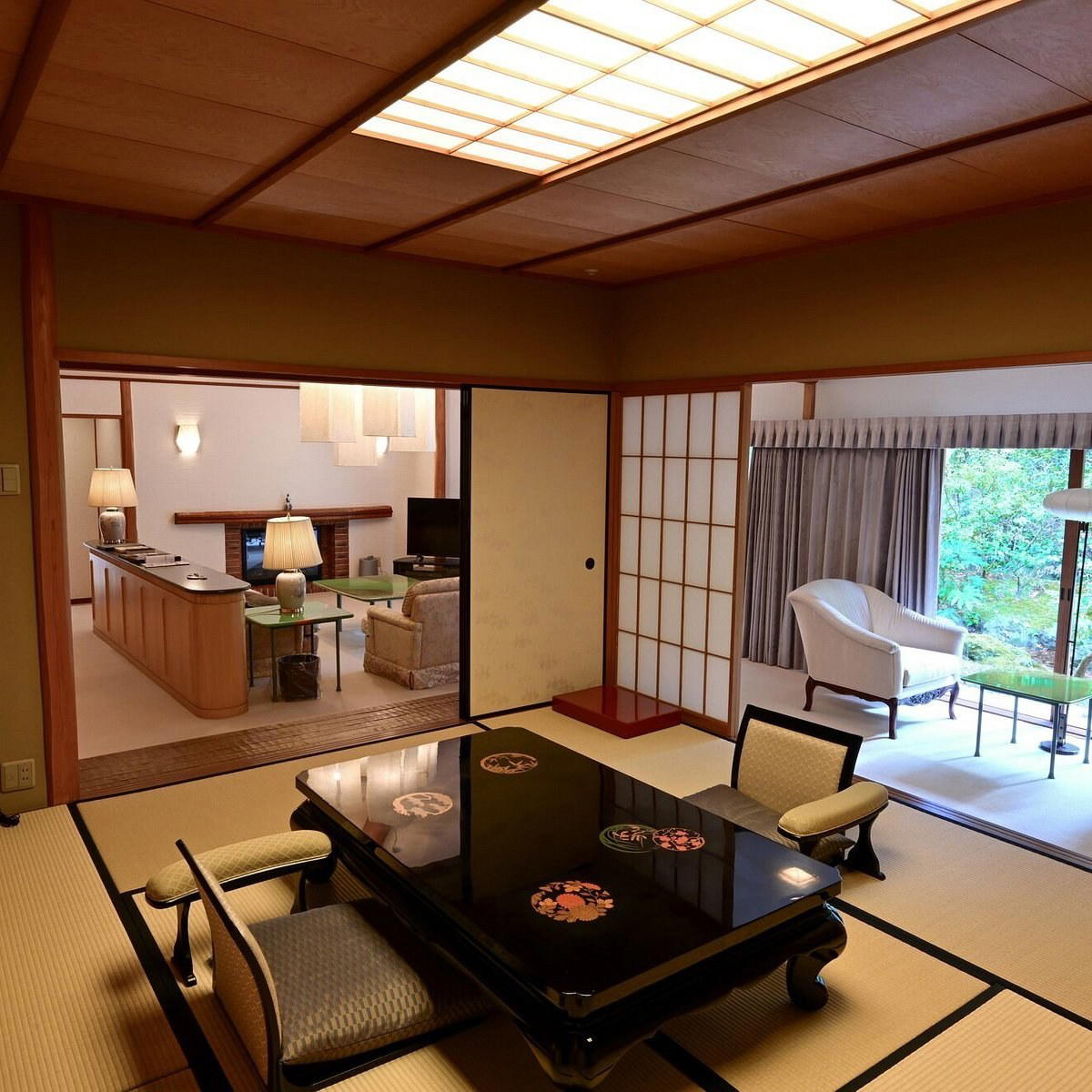
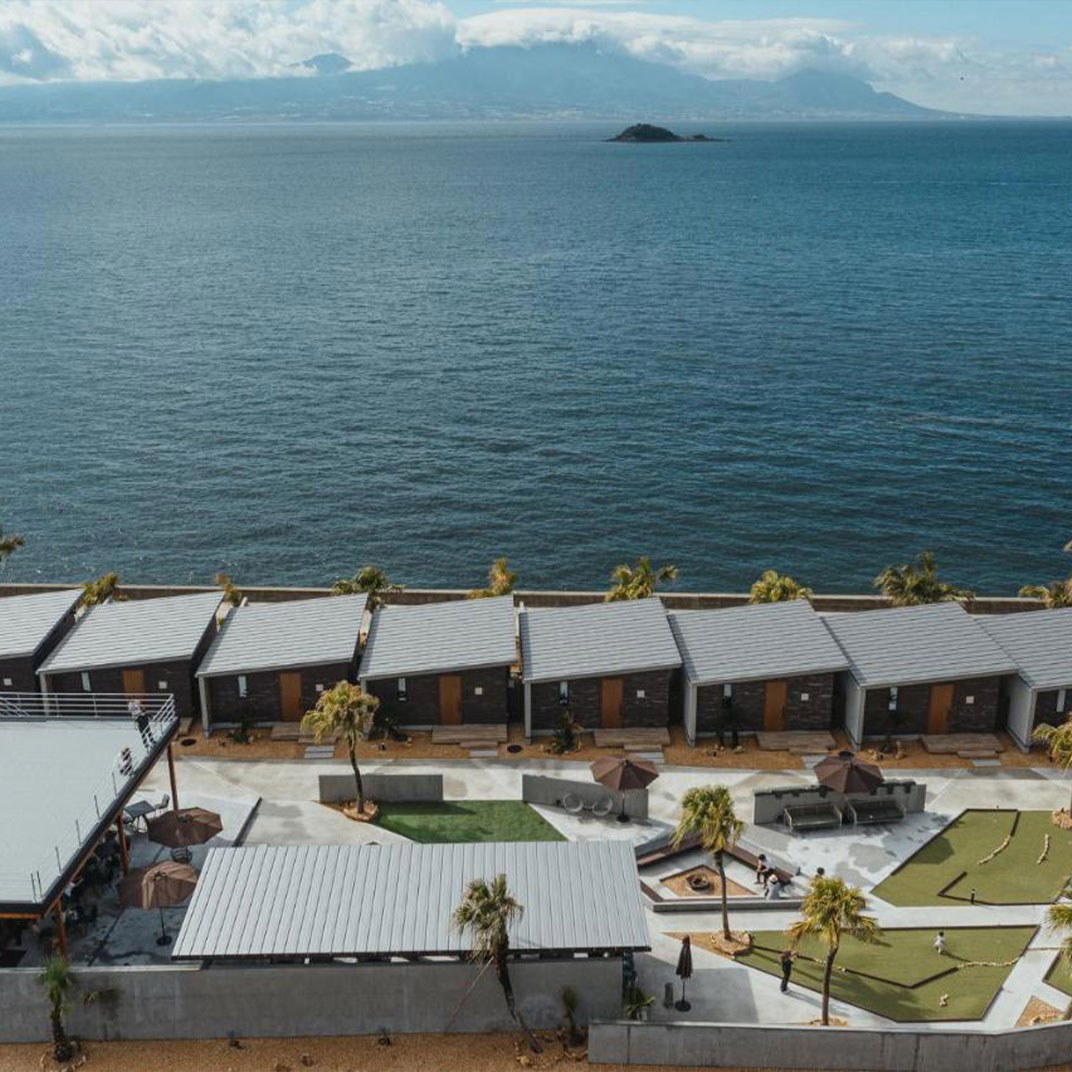
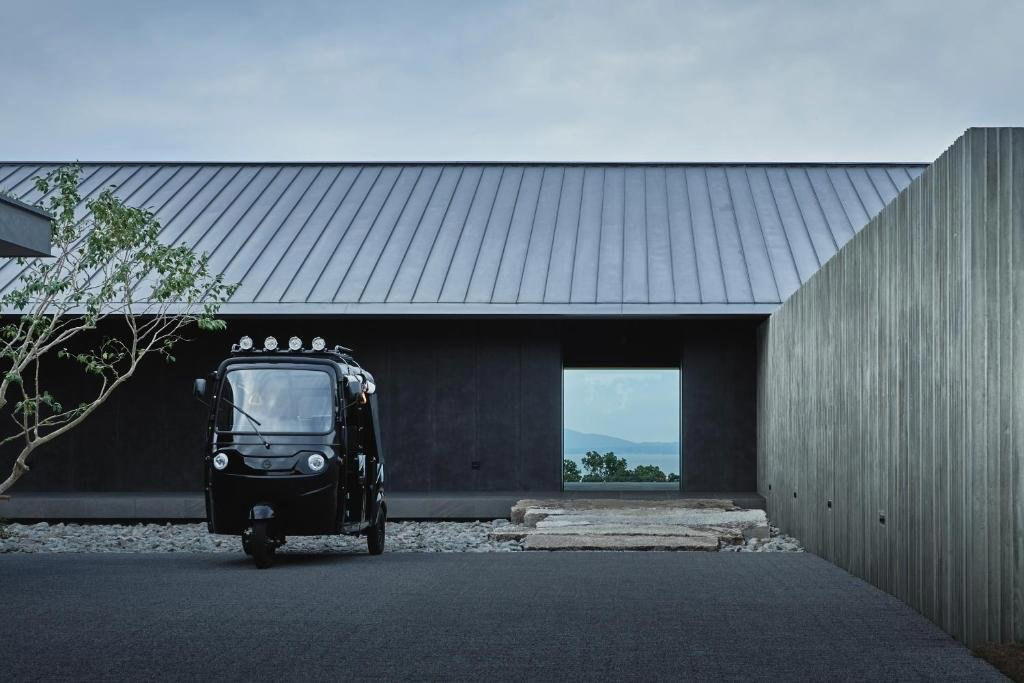
Long horizontal dining room with natural light, warm evening lighting, unfinished wood, and uninterrupted ocean views fostering an intimate, serene coastal atmosphere.