
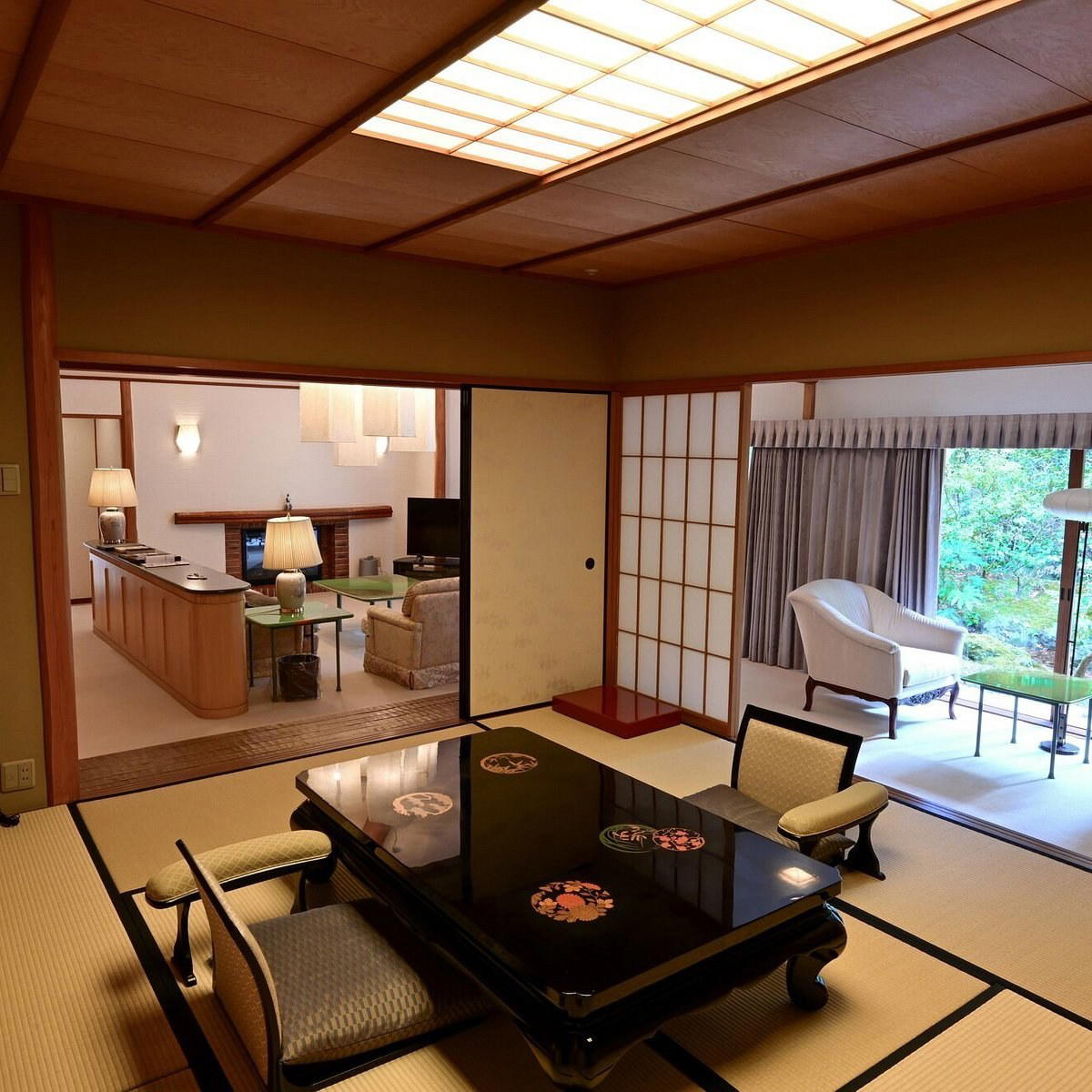
Unzen's Azumaen draws on layers of history few Japanese resorts can match. The mountain was sacred to Shingon Buddhists from 701, then became a cosmopolitan summer escape during the Meiji era: Europeans and Shanghai expats gathered here for dance parties and rounds on Japan's first public golf course, opened 1913. The 27-room ryokan maintains gender-separated spa facilities across multiple floors, with meals served privately in rooms or dedicated dining spaces. Beyond the property lie Christian martyrdom sites and trails through the country's inaugural quasi-national park, declared in 1911, where volcanic vents still steam through ancient rock.
Pearl is the En Primeur Club membership app — saves, bookings, and concierge access live there. Same editors, same standards.
- Address
- 181 Obamacho Unzen, Unzen, Nagasaki 854-0621, Japan
- Phone
- +81 957-73-2588
- Website
- azumaen.com
- Directions
- Get directions
 Saves & bookings on Pearl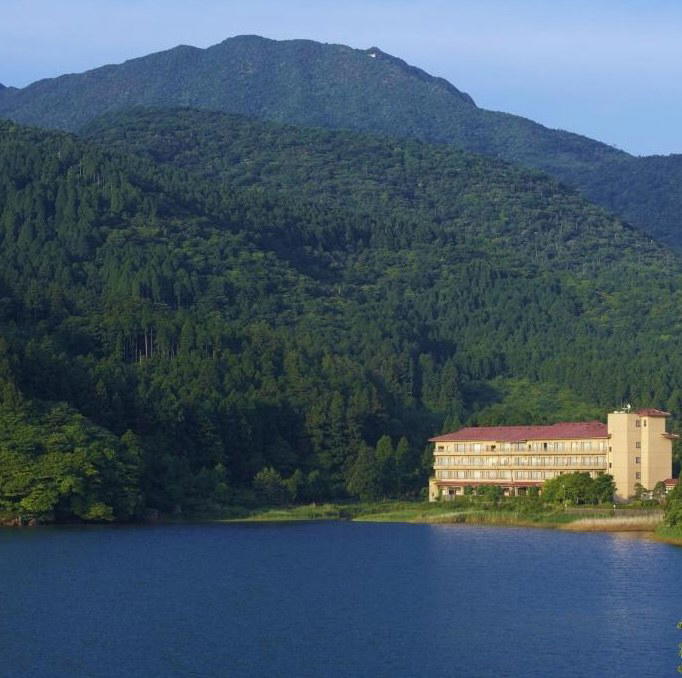
Where Unzen's Thermal Character Meets Traditional Ryokan Architecture
Unzen occupies a particular position in Japan's onsen geography. Set on the Shimabara Peninsula in Nagasaki Prefecture, it is one of the country's oldest designated national parks, a landscape shaped by active volcanic vents and sulphur-laced hot springs that have drawn visitors since the Edo period. The town sits at roughly 700 metres above sea level, and the combination of altitude, steam, and relative remoteness gives it a character distinct from the more crowded onsen circuits of Hakone or Beppu. Azumaen, at Obamacho Unzen 181, is positioned within this geothermal environment, and that setting is inseparable from what the property offers.
The Physical Environment: Architecture in a Volcanic Frame
Traditional Japanese inn architecture tends to work with its surroundings rather than against them, and Unzen's ryokan stock is no exception. The design logic of these properties reflects generations of adaptation to a mountain hot spring environment: low-profile structures, natural timber framing, interior spaces that open toward garden views, and the practical integration of onsen bathing into the guest experience at a structural level. Azumaen follows this tradition, occupying a site where the volcanic thermal infrastructure of the town is the context for the physical plant. In a destination where the built environment and the geothermal environment are this tightly linked, the architecture of a ryokan functions as mediation between the interior world of the guest room and the active, sulfurous terrain outside.
The Michelin Selected designation that Azumaen carries in the 2025 Michelin Hotels guide places it within a recognised tier of Japanese accommodation. Within Unzen, where the hotel stock is relatively small and the visitor base tends toward those seeking a specific therapeutic and cultural experience, that recognition positions Azumaen among the properties worth deliberate consideration rather than incidental choice.
Unzen as a Destination: What the Setting Demands
The decision to stay in Unzen rather than passing through is itself an editorial one. The town is not a transit hub, and reaching it requires commitment: Shimabara Peninsula is accessible by ferry from Kumamoto or by road from Nagasaki, and the final ascent to the onsen area adds time to any itinerary. That friction is part of the appeal for travellers who want distance from the Kyushu tourist belt. The Jigoku (literally, the hells), a series of active volcanic vents in the town centre, are not theatrical set dressing but a functioning geothermal system that has been part of daily life and visitor experience here for centuries. Properties like Azumaen derive their reason for being from proximity to these features.
For context on what this region of Kyushu offers relative to other ryokan destinations, RYOTEI HANZUIRYO represents another point of reference within Unzen itself.
Placing Azumaen in the Japanese Ryokan Hierarchy
Japan's traditional inn sector splits broadly between large-format resort ryokan, mid-scale town onsen properties, and a smaller tier of intimate, design-conscious retreats. Michelin Selected status, rather than a star or key distinction, signals solid competence and setting within a regional context. Selected properties earn their place through quality of experience and environmental character.
To understand where Azumaen sits relative to the wider field of Michelin-recognised Japanese inns, it helps to place it against properties in other tiers. Gora Kadan in Hakone, Asaba in Izu, and Amanemu in Mie operate in the segment where architectural ambition, culinary programme, and accommodation scale combine at a different price point. Zaborin in Kutchan and Nishimuraya Honkan in Kinosaki-cho occupy similarly specialist positions in their respective regions. Azumaen's value proposition is rooted in the specificity of the Unzen setting rather than competition on amenity breadth with these larger operations.
Other regional ryokan worth understanding as points of comparison include Kamenoi Besso in Yufu, Satoyama-Jujo in Niigata, Fufu Nikko in Nikko, and Sekitei in Hatsukaichi-shi, each anchored to a distinct regional character. GOTO RETREAT by Onko Chishin in Goto is the closest geographically, operating on the Goto Islands off Nagasaki's coast.
Planning a Stay: Logistics and Timing
Unzen's onsen season runs year-round, but the town takes on a different quality depending on the month. Spring brings azalea blooms across the Unzen Amakusa National Park terrain; autumn delivers the colour change that draws domestic tourists in volume. Winter is quieter and the thermal baths carry more appeal against cold mountain air, making it the season for those who want the place largely to themselves. The summer humidity at altitude is manageable compared to lowland Kyushu, which gives Unzen a modest edge as a retreat from coastal heat.
Given the remoteness and the small scale of Unzen's hotel offering, advance planning is more important here than in a city destination. Properties of this type in geothermal towns often operate with limited room counts, and arrival logistics from either Nagasaki (approximately 90 minutes by road) or Kumamoto via the Shimabara ferry require coordination with accommodation check-in times. Reaching Azumaen is best approached as part of a deliberate Kyushu itinerary rather than a spontaneous addition.
Comparable Spots, Quickly
Comparable venues nearby, for context on price, style, and recognition.
| Venue | Cuisine | Price | Awards | Notes |
|---|---|---|---|---|
| AzumaenThis venue — the venue you are viewing | Authentic Japanese ryokan with spacious tatami rooms and private dining. | $$$$ | 4-Star | Not listed |
| Hanzuiryo (半水盧) | Luxury heritage ryokan with contemporary service standards, positioned as a upper-tier wellness and culinary destination within a protected national park. | $$$$ | 4-Star | Unzen |
| RYOTEI HANZUIRYO | Traditional Japanese ryokan with detached villas and expansive gardens | $$$$ | Michelin 1 Key | Unzen |
| nol hakone myojindai | Hideaway resort hotel in a quiet villa area | $$$$ | 4-Star | Miyagino |
| The Shinra | Tower ryokan blending traditional onsen with modern resort design | $$$$ | 4-Star | Tateyama Onsen-kyo |
| Marriott Lake Biwa (琵琶湖マリオットホテル) | Lakeside resort | $$$ | 4-Star | Moriyama |
Recognition history
Dated appearances from independent guides and award organizations, with the underlying list record or original source where available.
Michelin Selected
Michelin

At a Glance
- Quiet
- Elegant
- Scenic
- Classic
- Sophisticated
- Romantic Getaway
- Wellness Retreat
- Family Vacation
- Anniversary
- Panoramic View
- Historic Building
- Garden
- Wi Fi
- Sauna
- Massage
- Parking
- Air Conditioning
- Restaurant
- Garden
- Mountain
- Wi Fi
- Sauna
- Massage
- Parking
- Air Conditioning
- Restaurant
Tranquil and luxurious with natural light overlooking serene lake and gardens, evoking timeless Japanese elegance.