
Tabelog Bronze #444
Our verdict
Sushi Taito places Amakusa’s sushi culture in a small-counter format shaped by the local fishing calendar rather than city spectacle. Recognition includes The Tabelog Award 2026 Bronze and selection for Tabelog Sushi WEST “Tabelog 100” in 2025 and 2022, with a format that suits diners tracking regional sushi beyond Tokyo and Fukuoka.

Pearl is the En Primeur Club membership app, where members save venues, book tables and use the concierge.
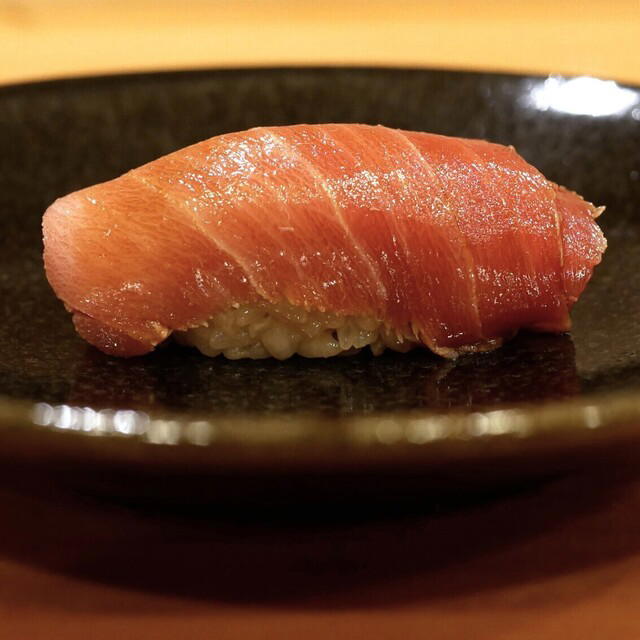
Amakusa sushi begins before the counter: low houses, sea air, and the sense that dinner is tied less to urban performance than to the day’s catch and the season’s rhythm. In Kumamoto, that matters. The prefecture’s sushi culture sits between Kyushu’s coastal abundance and the precision expected at serious Japanese counters, and Sushi Taito belongs to the side where scale is deliberately tight and the fish is the argument.
Read it not as a remote curiosity, but as part of a wider Japanese shift: diners travel farther for counters that express place with less theatre. Tokyo and Osaka still dominate international sushi itineraries, but recognised regional rooms now draw attention because they offer a different proposition. Here, Amakusa is not a backdrop. It is the meal’s logic.
Amakusa fish, a small counter, and the calendar as the real menu
Seasonality is often used loosely in sushi writing, but in coastal Kyushu it has practical force. The year changes what is worth serving, how lean or fatty a fish appears, and how much the chef needs to intervene. A counter in Amakusa can follow that movement without building a meal around imported prestige. The calendar supplies structure; the region supplies identity.
Sushi Taito’s public signals support that reading. It is listed as sushi, noted for attention to fish, and recognised by The Tabelog Award 2026 Bronze, with additional selection for Tabelog Sushi WEST “Tabelog 100” in 2025 and 2022. Those credentials place it in the serious regional tier rather than the casual local-sushi bracket. The score listed for the 2026 award is 4.05, meaningful on a platform where high sushi ratings outside major metro circuits tend to reflect committed repeat diners as much as passing traffic.
The physical format changes the experience. A five-seat counter creates different pressure from a larger dining room: pacing is visible, the sequence concentrated, and distraction minimal. Private rooms are listed as available, but the counter is the critical format for readers interested in sushi as craft rather than simply a meal category. This is not grand-hotel Japanese dining. It is closer to the house-restaurant tradition, where intimacy and restraint matter more than room design.
Within Kumamoto, comparison with Murakami is useful because both occupy a serious sushi price tier, yet the editorial question differs. Murakami frames Kumamoto city’s mature sushi demand; Sushi Taito pushes the map toward Amakusa, where coastal identity becomes part of the value calculation. For a broader Kumamoto table plan, the contrast with Amakusa Daiou Senmon Ten Tosaka is also instructive: one route reads the region through sushi, the other through its named chicken tradition.
Why regional sushi now competes on specificity, not size
Japan’s sushi hierarchy is no longer explained only by address. Ginza remains a luxury omakase benchmark, but the more interesting travel pattern is the rise of regional counters that reward diners willing to build a trip around locality. Kyushu, with its fisheries, shochu culture, and appetite for counter dining, suits that movement. Kumamoto’s dining scene also resists a single narrative: sushi, horse-meat traditions, chicken specialities, Italian-leaning dining, cocktail bars, and small contemporary rooms all sit within a compact regional field.
That field matters because a sushi reservation in Amakusa is rarely isolated. A Kumamoto itinerary might pair this counter with the modern dining language at .know, the Italian frame at antica locanda MIYAMOTO, or a later drink at BARON. They are not direct substitutes; they show how city and prefecture reward range rather than one prestige meal.
The award history is worth reading carefully. Tabelog’s Bronze tier and Sushi WEST “Tabelog 100” selections create public confidence without turning the restaurant into a trophy stop detached from its setting. For a traveller, that distinction matters. Awards can flatten regional restaurants into checklist items, but here the stronger interpretation is geographic: recognised sushi in Amakusa gives Kumamoto reason to be considered beyond its castle-city image and ramen associations.
Readers comparing Japanese sushi trips may also look at wider national references, from 3110, Sushi in Tokyo to AKA to SHIRO, Sushi in Osaka. Those city counters answer a different travel brief. Amakusa asks whether the diner values regional specificity enough to move outside the default urban circuit. That question is increasingly relevant as high-end sushi becomes more expensive, more reservation-driven, and more stylistically codified in major cities.
How to place it within a Kumamoto itinerary
The practical decision is less about formality than intent. This is a focused sushi meal in Amakusa, with cash-only payment listed and a small counter format that rewards diners who treat the booking as the centre of that day rather than a casual add-on. Sake and shochu fit Kyushu’s drinking culture, but the meal’s main logic remains fish and timing. Think season first, then build the route around it.
Kumamoto works well as a layered food trip rather than a single-restaurant dash. Use Our full Kumamoto restaurants guide for the dining map, then add sleep, drinks, and side trips through Our full Kumamoto hotels guide, Our full Kumamoto bars guide, Our full Kumamoto wineries guide, and Our full Kumamoto experiences guide. The strongest itinerary gives Amakusa enough time to feel like a purposeful coastal detour, not an errand attached to a city stay.
For readers scanning Japan more broadly, the comparison set can stretch beyond sushi without confusing the point. -Grilled beef Sukiyaki- KAMAKURA TANUKIAN 鎌倉 たぬき庵 in Kamakura. 鮪と炭火焼き うお炭 秋葉原店 in Tokyo.cafe in Osaka, (Shoku) Vietnam in Kawasaki, [Curry Senmon Ten] Maruyama Kyoju. in Sapporo, and [ki:] in Kyoto all answer different regional appetites. Sushi Taito’s role is narrower and clearer: it gives Kumamoto’s coastal sushi culture a recognised, low-capacity expression for travellers who plan by season as much as by city.
Frequently asked questions
Is Sushi Taito child-friendly?
Those details are not published. For families, that layout is more workable than a pure counter-only sushi bar in Kumamoto. Check the venue's official channels for the latest details.
Is Sushi Taito better for a quiet night or a lively one?
It suits a quiet night far more than a lively one. Sushi Taito is a house restaurant in Amakusa with only 5 counter seats, reservations available, and a cash-only setup, which points to a small, focused meal rather than a social scene.
What type of food is Sushi Taito known for?
Sushi Taito serves Sushi cuisine.
What should I budget for a meal at Sushi Taito?
Pricing at Sushi Taito is listed as JPY 20,000 - JPY 29,999 JPY 10,000 - JPY 14,999 View spending breakdown.
What days is Sushi Taito closed?
Hours at Sushi Taito: Mon: Closed; Tue: 12:30–8:30 PM; Wed: 12:30–8:30 PM; Thu: 12:30–8:30 PM; Fri: 12:30–8:30 PM; Sat: 12:30–8:30 PM; Sun: 12:30–8:30 PM.
Where do I go for Sushi Taito?
Sushi Taito is located in Kumamoto.
Budget and Context
Comparable venues by cuisine and price in the same metro.
| Venue | Cuisine | Price | Awards | Notes |
|---|---|---|---|---|
| Sushi TaitoThis venue (the venue you are viewing) | Traditional Amakusa Omakase Sushi | $150–200 | Tabelog Bronze #444 | Not listed |
| .know | Creative Japanese Fine Dining | $50–100 | Tabelog 100 #47 | Gionbashi, Creative Japanese Fine Dining |
| Tsuru Hachi | Traditional Tempura | $50–100 | Tabelog Bronze #489 | Karashimacho, Traditional Tempura |
| むら上 | High-end Sushi Omakase | $150–200 | Tabelog Bronze #295 | Chuo-ku, High-end Sushi Omakase |
| Sushi Nakamura | Traditional Japanese Sushi | $100–150 | Tabelog Bronze #307 | Chuo-Ku, Traditional Japanese Sushi |
| Yakiniku Sudou Kumamoto honten | Full-Service Japanese Yakiniku | $50–100 | Tabelog 100 #54 | Kamitori / Torichosuji, Full-attended Japanese Yakiniku with Kyushu Black Wagyu |
Recognition history
Dated appearances from independent guides and award organizations, with the underlying list record or original source where available.
Tabelog Bronze #444
Tabelog
Full recognition history (2 entries)
Tabelog 100 #56 · No. 56
Tabelog · Tabelog 100 - Sushi - WEST - 2025
Continue exploring
More in Kumamoto
Restaurants in Kumamoto
All restaurants in Kumamoto →
Details
- Intimate
- Classic
- Elegant
- Special Occasion
- Celebration
- Date Night
- Chefs Counter
- Private Dining
- Historic Building
- Sake Program
- Local Sourcing
- Sustainable Seafood
- Omakase
- Counter Dining
- Sake
- Shochu
Current opening hours
- Monday
- Closed
- Tuesday
- 12:30–8:30 PM
- Wednesday
- 12:30–8:30 PM
- Thursday
- 12:30–8:30 PM
- Friday
- 12:30–8:30 PM
- Saturday
- 12:30–8:30 PM
- Sunday
- 12:30–8:30 PM
Hours can change for holidays and private events. Hours as of .
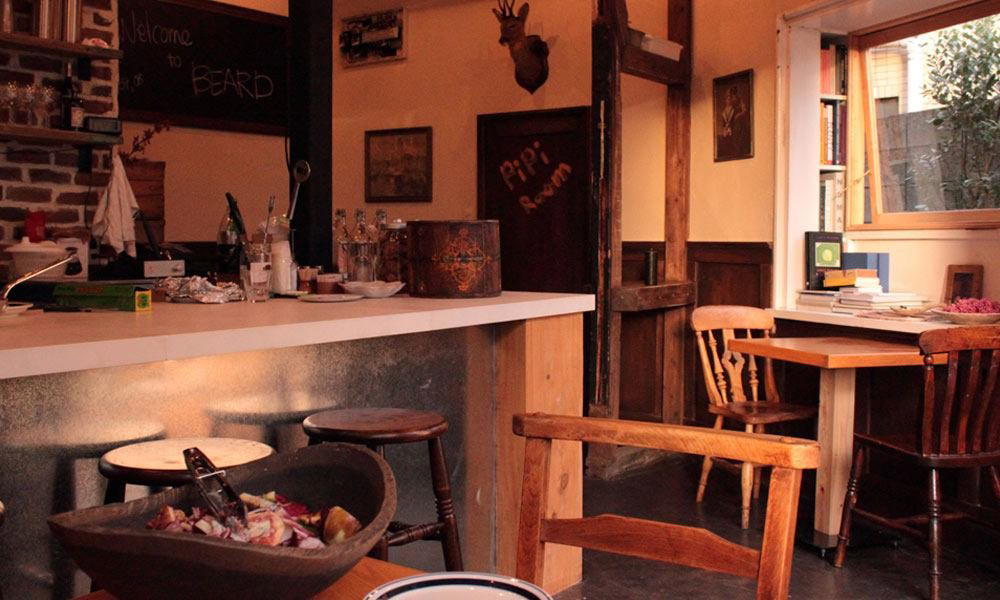
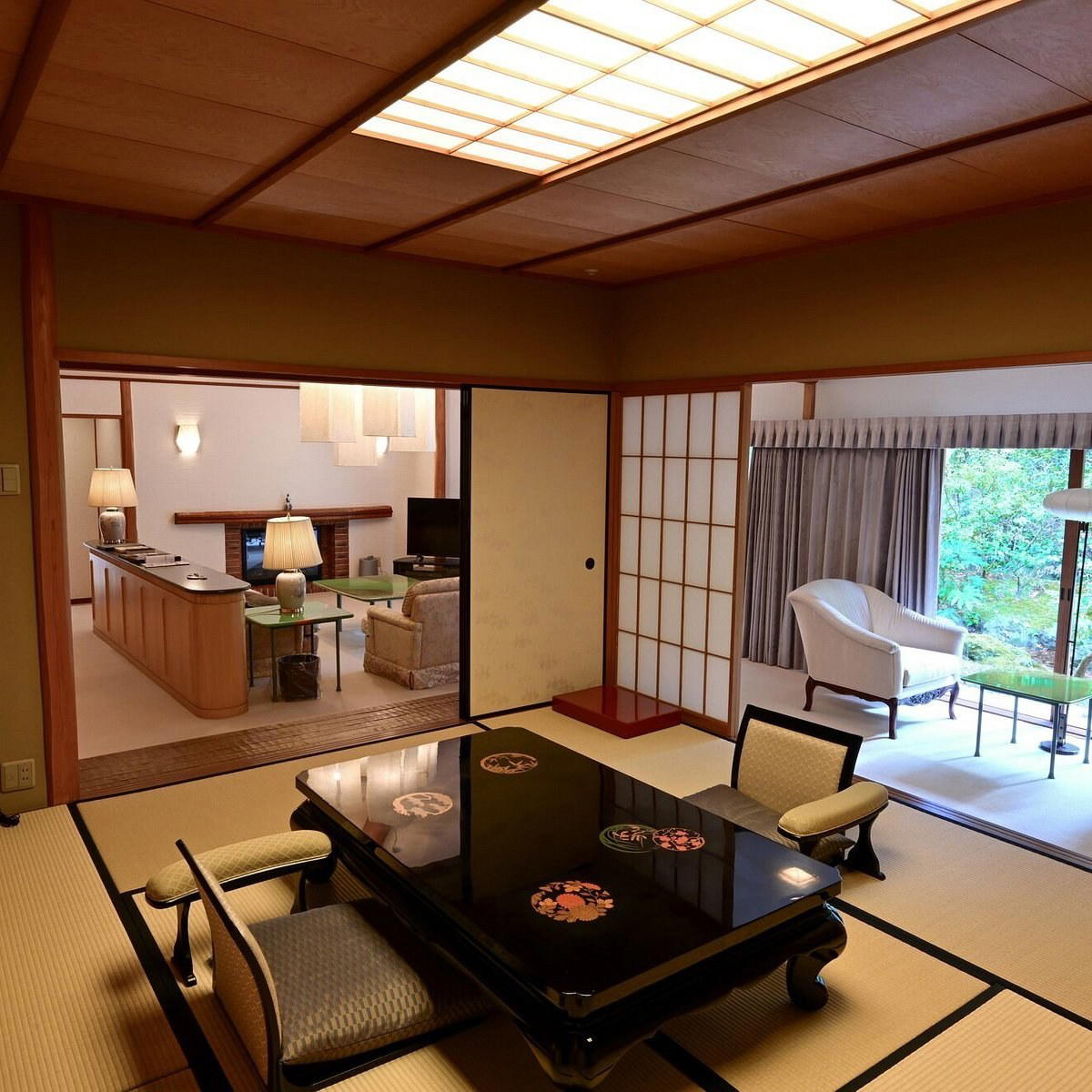
Traditional Japanese house setting with intimate counter seating and private tatami rooms; non-smoking environment with warm, welcoming hospitality.