


World's 50 Best #59 · Top 500 Bars Best Bars #317 · Tatler Listed in Best Bars Asia-Pacific
Ranked #25 on Asia's Best Bars 2025, Yakoboku occupies a quiet corner of Kumamoto's Chuo Ward, where bartender Shinya Koba builds cocktails from the flora and wild landscapes of Kyushu. For anyone tracing the regional bar scene beyond Tokyo and Osaka, this is a significant stop.

Pearl is the En Primeur Club membership app, where members save venues, book tables and use the concierge.
A Different Kind of Bar Geography
Japan's most-discussed cocktail bars tend to cluster in Tokyo's Ginza and Shinjuku districts or, increasingly, in Osaka's dense bar quarter. The conversation about serious independent bartending has been slower to follow Japan's regional cities, even as the work happening in those cities has caught up to, and in some cases moved ahead of, the metropolitan mainstream. Kumamoto, the largest city on Kyushu island, has not historically appeared on itineraries built around bar culture. Yakoboku is changing that calculus. A jump from #64 to #25 on Asia's Leading Bars between 2024 and 2025 is not a gradual rise: it signals a programme that has crossed into a different tier of recognition entirely, and that trajectory puts Yakoboku in direct conversation with Japan's most regarded craft bar operations.
For context, Asia's Leading Bars draws from a voting body of several hundred industry professionals and is widely regarded as the most credible bar ranking in the region. A ranking of #25 places Yakoboku in the same breath as bars in Hong Kong, Singapore, Tokyo, and Bangkok that have spent years cultivating their reputations and media profiles. The bar occupies the ground floor of a building on Minamitsuboimachi in Chuo Ward, an address that carries none of the nightlife associations of a Ginza side street or a Shinjuku high-rise.
The Botanical Argument Behind the Glass
Japan's specialist bar scene has developed along several distinct lines over the past decade. One tradition, associated with bars like Bar Benfiddich in Tokyo, pursues hyper-local botanical sourcing with near-agricultural intensity, growing or foraged ingredients feeding directly into spirits and infusions. Another tradition, represented by bars such as Lamp Bar in Nara, channels meticulous technique into classic and neo-classic formats. Yakoboku sits closer to the first of these traditions, with a programme rooted in Kyushu's natural environment and, specifically, in the plants, flowers, and wild materials that define the island's seasonal character.
The bar takes its name from the yakou-boku, the night-blooming daphne flower, and that choice of identity signal matters. Night-blooming plants operate outside ordinary visibility: they are fragrant in the dark, noticed by those who are paying attention, overlooked by those in a hurry. The bar's programme, as described by Tatler Asia's editorial team, translates this into cocktails that read as poetic engagements with hyper-local ingredients. Kyushu produces some of Japan's most characterful agricultural outputs, from its shochu heritage to its distinctive citrus varieties and aromatic herbs. A bar working seriously with that material base has significant creative range, and the recognition Yakoboku has accumulated suggests that Koba is using that range with discipline rather than novelty-seeking.
Comparisons to Bee's Knees in Kyoto or Bar Nayuta in Osaka are instructive. Those bars share a commitment to local material and technical rigour, and both operate as smaller-format independents where the menu functions as an argument, not just a list of options.
What the Rankings Actually Tell You
At that sample size, a 4.9 average almost always indicates a visitor base that has sought the bar out deliberately: casual footfall tends to widen the distribution. The people finding Yakoboku are finding it because they already know to look, and they are leaving satisfied enough to register their experience in writing. That pattern is consistent with a destination bar rather than a neighbourhood fixture.
The Tatler Asia listing in the Leading Bars Asia-Pacific 2025 adds another dimension. Tatler's editorial team describes the bar's approach in terms that emphasise the conceptual coherence of the programme, the sourcing from Kyushu's wild nature, and the poetic register of Koba's creative vision. These are not phrases a listing applies to technically proficient but creatively conventional bars. They indicate a programme with a point of view.
For readers tracking Japan's bar scene across cities, Yakoboku sits on a different axis than the high-volume whisky bars or hotel lounges that dominate tourist-facing lists. It is closer in spirit to a bar like Le Clos Blanc in Hiroshima or Wine and Tempura Araki in Fukuoka in the sense that it belongs to a regional ecosystem of serious, independently operated venues that reward visitors who plan with intention.
Kumamoto as a Bar Destination
Kumamoto is leading known internationally for its castle, for kumamoto ramen, and as a transit point for visitors heading to Aso or Amakusa. Its bar culture has received less attention, partly because the city's nightlife geography is more dispersed than Fukuoka's concentrated Tenjin district or Osaka's Kitashinchi. Chuo Ward contains the city's main commercial and entertainment activity, and Minamitsuboimachi sits within walking distance of the castle district. Visitors arriving by Shinkansen from Fukuoka, which lies roughly 30 minutes north on the Kyushu Shinkansen, can reach the bar area directly. From Tokyo, the journey is approximately five hours by rail, or a short domestic flight to Kumamoto Airport followed by a bus or taxi connection of roughly 50 minutes to the city centre.
For readers building a Japan itinerary around serious bar culture, Kumamoto now represents a credible detour rather than an afterthought. Our full Kumamoto restaurants guide covers the city's broader food and drink offer in more depth, but the bar scene anchored by Yakoboku is reason enough to extend a Kyushu circuit by a night. For comparison, the regional bar circuits being built around Anchovy Butter in Osaka or Kyoto Tower Sando in Kyoto Shi demonstrate how Japan's secondary and tertiary bar destinations have developed enough density to justify dedicated visits.
Planning a Visit
Yakoboku operates from the ground floor of a building at 5-21 Minamitsuboimachi, Chuo-ku, Kumamoto. The bar's Instagram account (@bar_yakoboku_kumamoto) is the most reliable channel for current hours and any temporary closures, as no website is currently in operation. At a bar of this profile and format, seats are limited and demand from both local regulars and visiting bar enthusiasts has grown in step with the rankings. Contacting the bar directly by phone (+81 90 8408 5211) is advisable for anyone building a tight itinerary around a specific evening. Kumamoto's bar culture runs late by Japanese standards, so an early reservation is worth confirming regardless.
For readers comparing notes across Japan's bar circuit from further afield, Yakoboku occupies a similar specialist position to JR Tower Hotel Nikko Sapporo in the north or Bar Leather Apron in Honolulu across the Pacific: bars that hold genuine regional authority and speak to a creative tradition rather than a commercial formula. The difference is that Yakoboku's 2025 ranking places it higher in the Asia-Pacific tier than either, and its upward movement suggests the programme is still developing rather than settled.
That trajectory is the most useful thing to understand about Yakoboku in 2025. This is not a bar that arrived at recognition and stopped. The move from #64 to #25 in a single year reflects a programme in motion, and visitors arriving now are encountering it at a moment when its creative ambitions and its external validation are aligned. See also Cucina Takemura in Yokohama Shi for another example of how Japan's regional venues are reshaping the conversation about where serious bar craft actually lives.
Comparison Snapshot
Comparable venues nearby, for context on price, style, and recognition.
| Venue | Cuisine | Price | Awards |
|---|---|---|---|
| YakobokuThis venue (the venue you are viewing) | cocktail_bar | $30–50 | World's 50 Best #59 · Top 500 Bars Best Bars #317 |
Recognition history
Dated appearances from independent guides and award organizations, with the underlying list record or original source where available.
World's 50 Best Asia's Best Bars #59
World's 50 Best
Top 500 Bars Best Bars #317
Top 500 Bars
Tatler Listed in Best Bars Asia-Pacific
Tatler
Full recognition history (5 entries)
World's 50 Best Asia's Best Bars #25
World's 50 Best
World's 50 Best Asia's Best Bars #64
World's 50 Best
Continue exploring
More in Kumamoto
Yakoboku
The drinks
- Craft cocktails
Signature drinks: Yakoboku, Kyushu Old Fashioned.
Details
- Minimalist
- Intimate
- Cozy
- Sophisticated
- Quiet
- Date Night
- Special Occasion
- Historic Building
- Counter Only
- Seated Bar
- Craft Cocktails
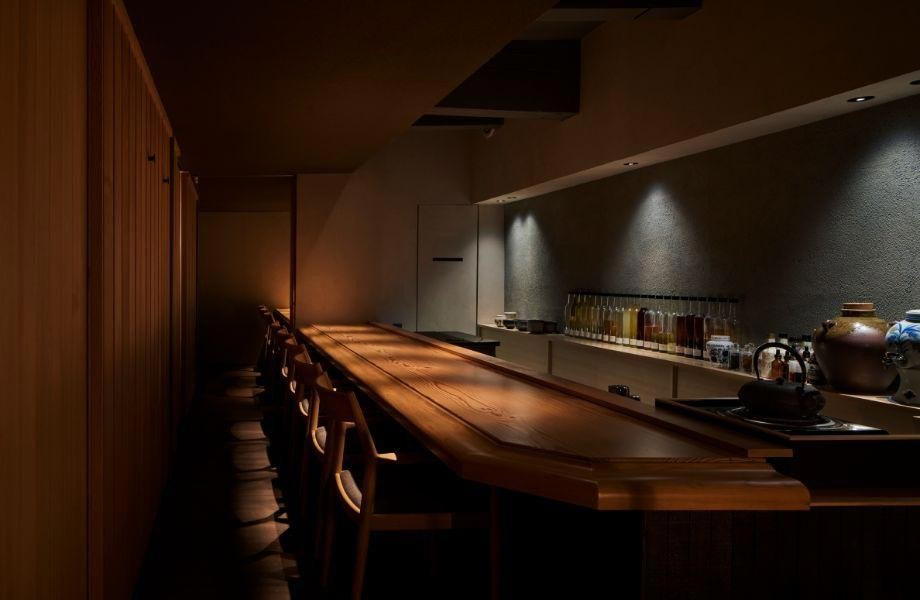
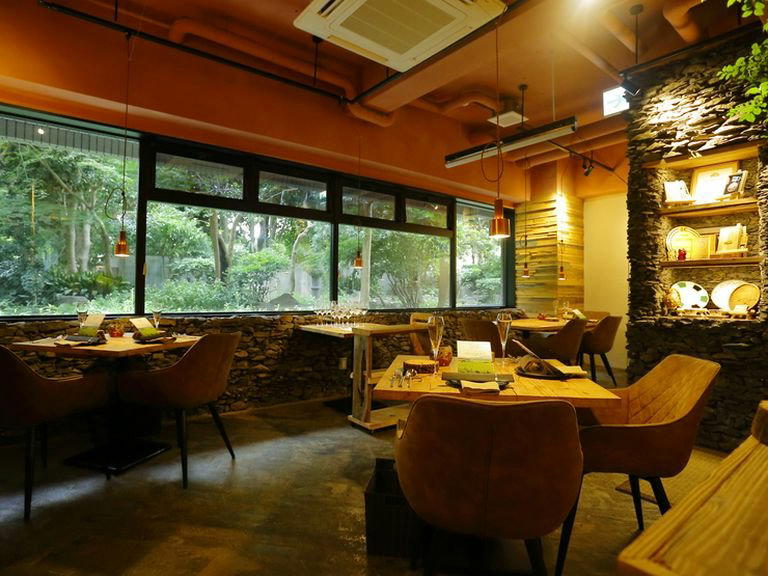
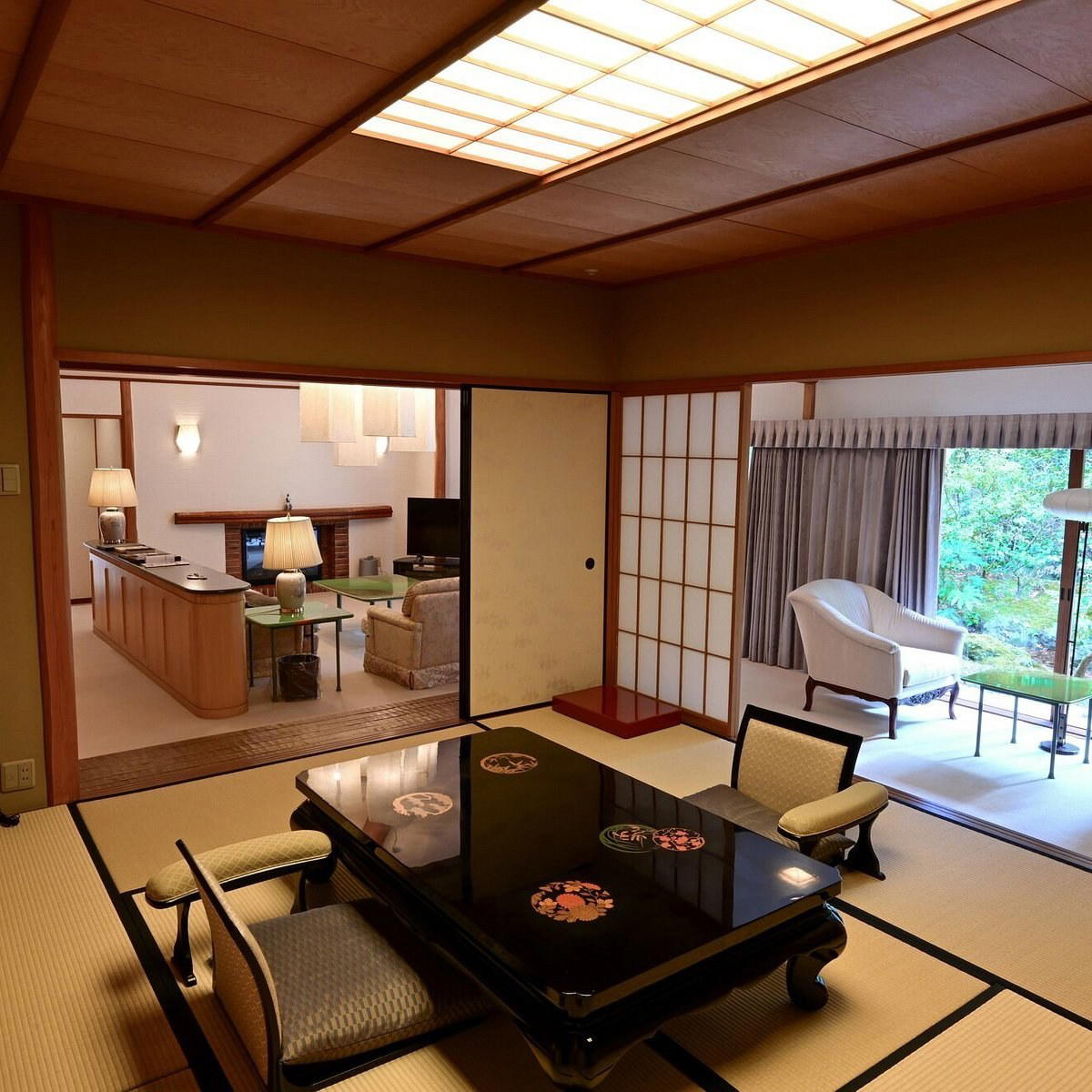
Warm ambient lighting in an all-wood interior with serene, contemplative atmosphere.