Niseko Grandpapa Lodge / accommodation
A lodge-style property in Hirafu, Niseko's most connected village, Grandpapa Lodge sits inside one of Hokkaido's most competitive accommodation markets. The address places guests within reach of Niseko United's lift network and the village's restaurant strip. For skiers and snowboarders seeking a base that trades grand-hotel scale for a more contained format, the location does most of the work.
Pearl is the En Primeur Club membership app — saves, bookings, and concierge access live there. Same editors, same standards.
- Address
- 1-chome-16-54 Nisekohirafu 2 Jo, Kutchan, Abuta District, Hokkaido 044-0089, Japan
- Phone
- +81 136 23 2244
- Website
- niseko-grandpapa.com
- Directions
- Get directions
 Saves & bookings on Pearl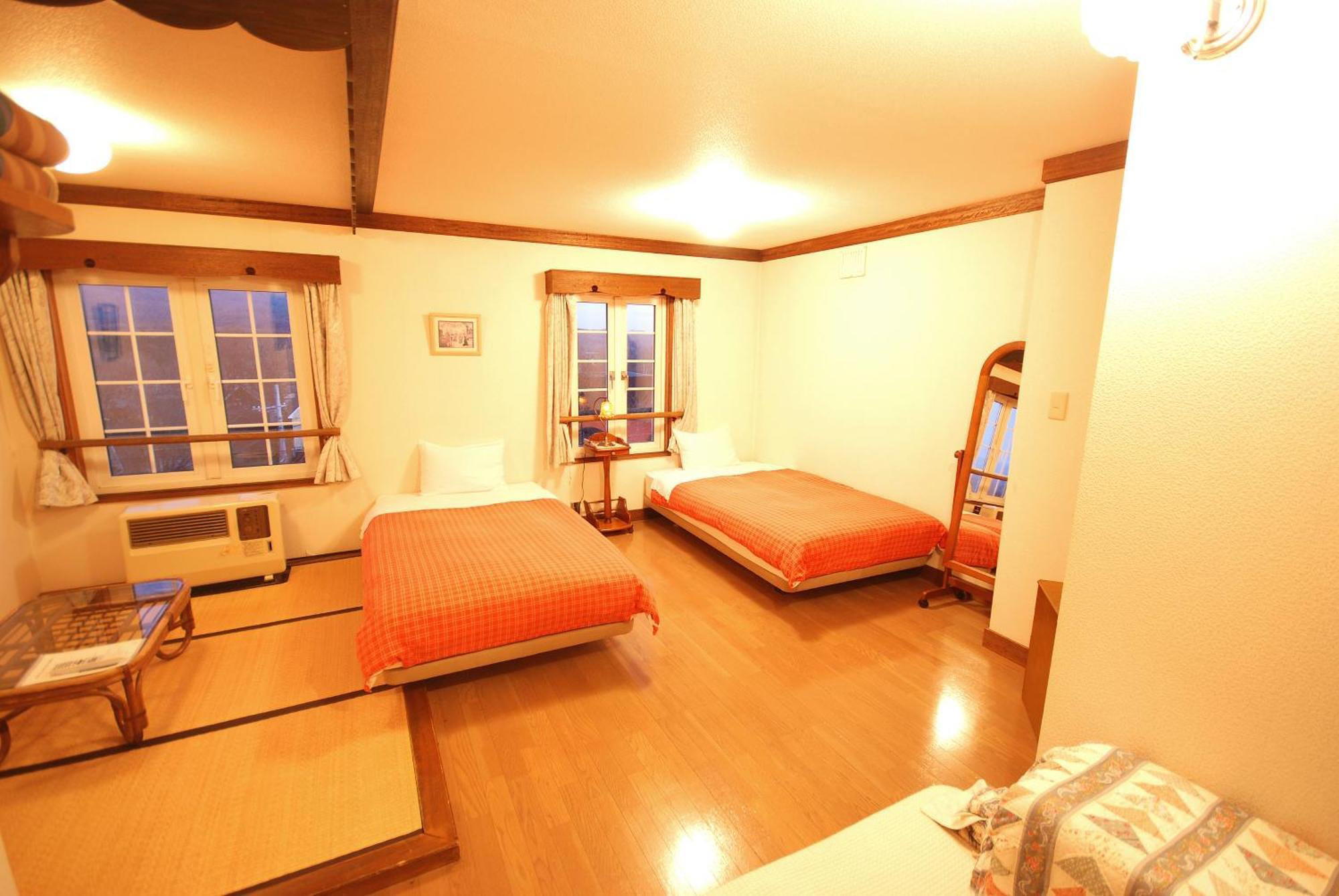
Hirafu's Lodge Tier: What the Address Signals
Niseko's accommodation market has stratified sharply over the past fifteen years. At one end sit the large-footprint resort hotels and private chalets commanding significant per-night rates against a backdrop of consistent powder records. At the other end, a tier of lodge-format properties operates in Hirafu village itself, where the trade-off is clear: smaller scale and a more self-contained atmosphere in exchange for proximity to lifts, restaurants, and the informal energy that defines lower-village life. Niseko Grandpapa Lodge is a 3-star hotel in Kutchan, Hokkaido, with 19 rooms and a price tier of US$50 per night. It occupies this second category, positioned in Hirafu at an address that reads 1-chome-16-54 Niseko Hirafu 2 Jo, Kutchan, within Hokkaido's Abuta District.
That address matters more than it might initially appear. Hirafu is the original and most internationally connected of Niseko United's four resort areas, and staying within the village rather than on the slopes above or at a distance below changes the rhythm of a ski trip considerably. You walk to the gondola base. You walk to the izakayas and ramen shops that operate late into the night. The lodge format suits this use pattern: arrive, change gear, go, return, eat nearby, sleep. Repeat for however many days the snow forecast allows.
What Lodge-Format Architecture Signals in a Resort Context
In Hokkaido's ski-resort accommodation spectrum, the lodge format carries specific architectural and spatial implications. These are not the low-capacity ryokan properties that define Japan's high-design hospitality tradition, properties like Zaborin in Kutchan, which operates with a distinctly Japanese spatial philosophy, or the kaiseki-anchored model of Gora Kadan in Hakone. Lodge properties at this end of the market tend toward functional warmth: communal spaces designed for gear drying and après-ski socialising, room configurations suited to small groups or families, and materials choices that favour durability alongside comfort.
The broader shift in Niseko's built environment over the past decade has been toward high-specification chalets and resort-branded towers that target the luxury end of a predominantly Australian, Chinese, and Southeast Asian visitor base. Lodge-format properties predate much of that investment cycle and represent an earlier, more pragmatic architectural response to the region's snow season. That history is visible in the typology: these buildings were designed around skiing logistics first, atmosphere second. Whether a given property has upgraded its interiors to close the gap with newer entrants is the key question any prospective guest should investigate directly before booking.
The Niseko United Context: Why the Lift Network Defines Everything
Any honest assessment of an accommodation property in Hirafu has to start with the Niseko United lift system, because the mountain is the reason the village exists at any competitive price point at all. Niseko United links four ski areas, Niseko Grand Hirafu, Niseko Village, Annupuri, and Hanazono, across a combined trail count that makes it Japan's largest interconnected resort. Average annual snowfall in the area runs to approximately 15 metres, a figure that underpins the entire accommodation economy and explains why Hirafu's property values have tracked international resort markets rather than domestic Japanese ones.
For a lodge in Hirafu proper, the operative advantage is a short approach to the Grand Hirafu gondola base. That compresses the morning logistics that consume significant time at more distant properties. The snow in Hokkaido is famously dry, a function of cold air crossing the Sea of Japan and losing moisture before hitting the volcanic terrain, and the quality remains consistent through a season that typically runs from late November through late April, with the core powder weeks concentrated in January and February. Timing a stay around the January-February window maximises the probability of conditions that justify the Niseko premium.
Positioning Against the Hokkaido and Japan Accommodation Field
Japan's accommodation market at the upper end runs a wide range from urban luxury anchors to remote onsen ryokan. Bvlgari Hotel Tokyo and properties like HOTEL THE MITSUI KYOTO represent the urban end of that range. Niseko Grandpapa Lodge competes in a narrower, purpose-specific niche: ski-season accommodation in one of Asia's best-performing resort destinations, in a village-centre location that prioritises access over seclusion.
The contrast with design-led rural properties is instructive. Amanemu in Mie and Benesse House in Naoshima both operate with strong architectural identities tied to their landscapes. Lodge properties in Hirafu serve a different logic entirely: the landscape is the mountain, and the property exists to facilitate access to it as efficiently as possible. That is not a criticism, it is a category distinction. Travellers who want deep design immersion alongside skiing would look at properties like Zaborin, which sits at the luxury end of Kutchan's accommodation field. Those prioritising lift proximity and village access at a more contained footprint find lodge-format properties a practical fit.
For broader reference points within EP Club's Japan coverage, properties including Fufu Nikko, Nishimuraya Honkan, Araya Totoan in Kaga, and Asaba in Izu each represent the high-design or deep-tradition end of Japanese hospitality. See also ENOWA Yufu, Azumi Setoda in Onomichi, Sekitei in Hatsukaichi-shi, Atami Izusan Karaku, Beniya Kofuyuden in Awara, Bettei Otozure in Nagato, and Fufu Kawaguchiko as reference points across Japan's broader hospitality range. For island and resort contexts, Halekulani Okinawa, Jusandi in Ishigaki, ANA InterContinental Appi Kogen Resort, and ANA InterContinental Beppu Resort & Spa cover the broader resort and destination accommodation field. Internationally, Aman New York, The Fifth Avenue Hotel, and Amangiri in Canyon Point provide a sense of how destination-specific lodge and resort formats compare across markets.
Planning a Stay: What to Know Before You Book
Current pricing is around US$50 per night, and the property has 19 rooms. The Niseko season runs roughly late November through late April, with peak demand in January and February corresponding to the highest probability of significant snowfall. Booking for those weeks well in advance is advisable given overall demand compression across Hirafu's accommodation market during powder season.
How It Stacks Up
Comparable venues nearby, for context on price, style, and recognition.
| Venue | Cuisine | Price | Awards | Notes |
|---|---|---|---|---|
| Niseko Grandpapa Lodge / accommodationThis venue — the venue you are viewing | European mountain lodge with Japanese family-run charm | $ | 3-Star | Not listed |
| Wanoi Kakunodate | Luxury heritage conversion of three distinct historic kura storehouses scattered throughout a preserved samurai town, developed by JR East to preserve traditional architecture. | $$$ | 3-Star | Kakunodate |
| The Knot Sapporo | Lifestyle hotel blending natural Hokkaido warmth with sleek modern design | $$$ | 3-Star | Susukino |
| Candeo Hotels Kyoto Karasuma Rokkaku | Modern ryokan-inspired heritage hotel | $$ | 3-Star | Nakagyo Ward |
| Kimamaya by Odin | exclusive luxury lodge | $$$$ | 3-Star | Hirafu Village |
| Moxy Kyoto | Playful lifestyle hotel blending urban fun with Kyoto heritage. | $$ | 3-Star | Nakagyo-ku |
Continue exploring
More in Hirafu Station
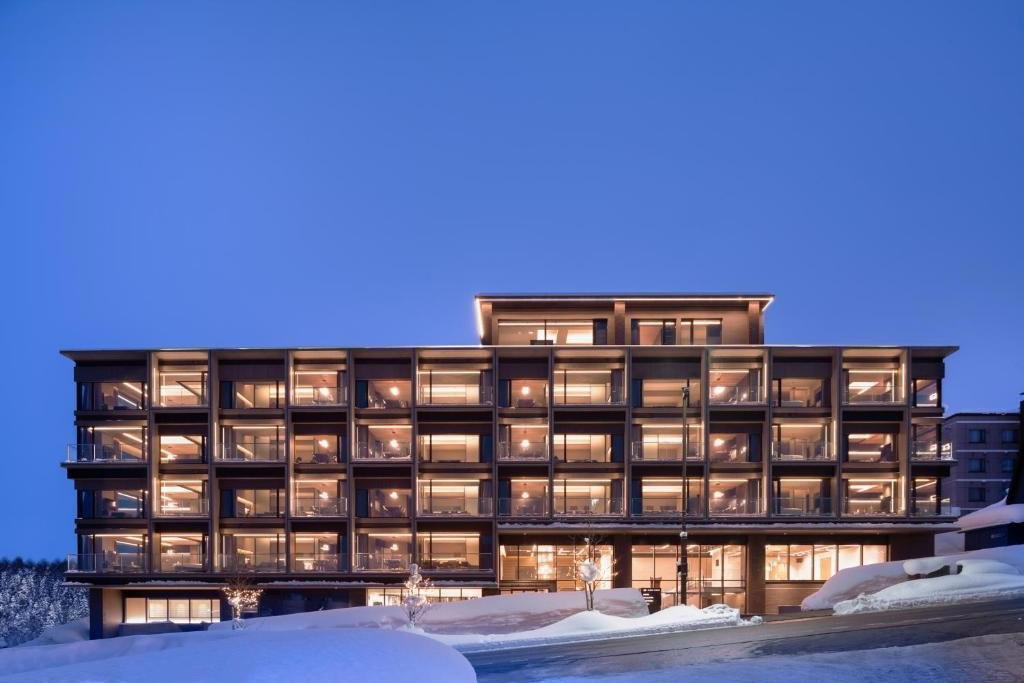
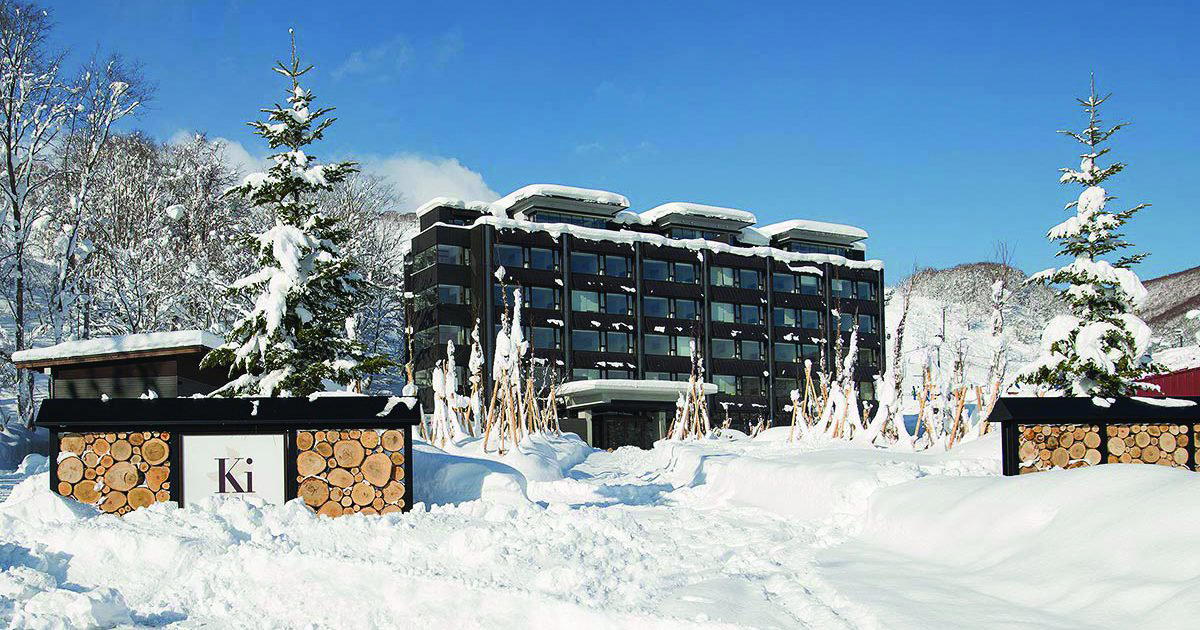
Hotels in Hirafu Station
Browse all →
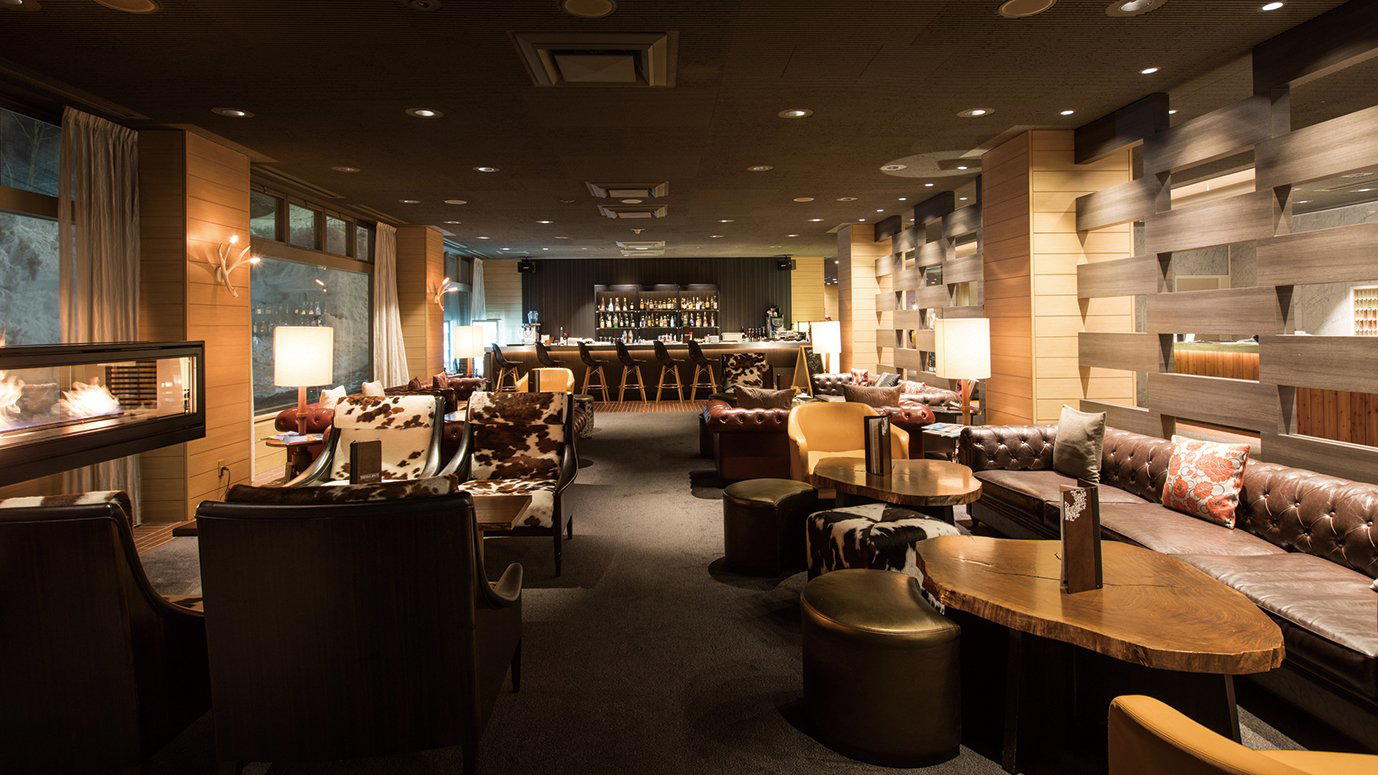
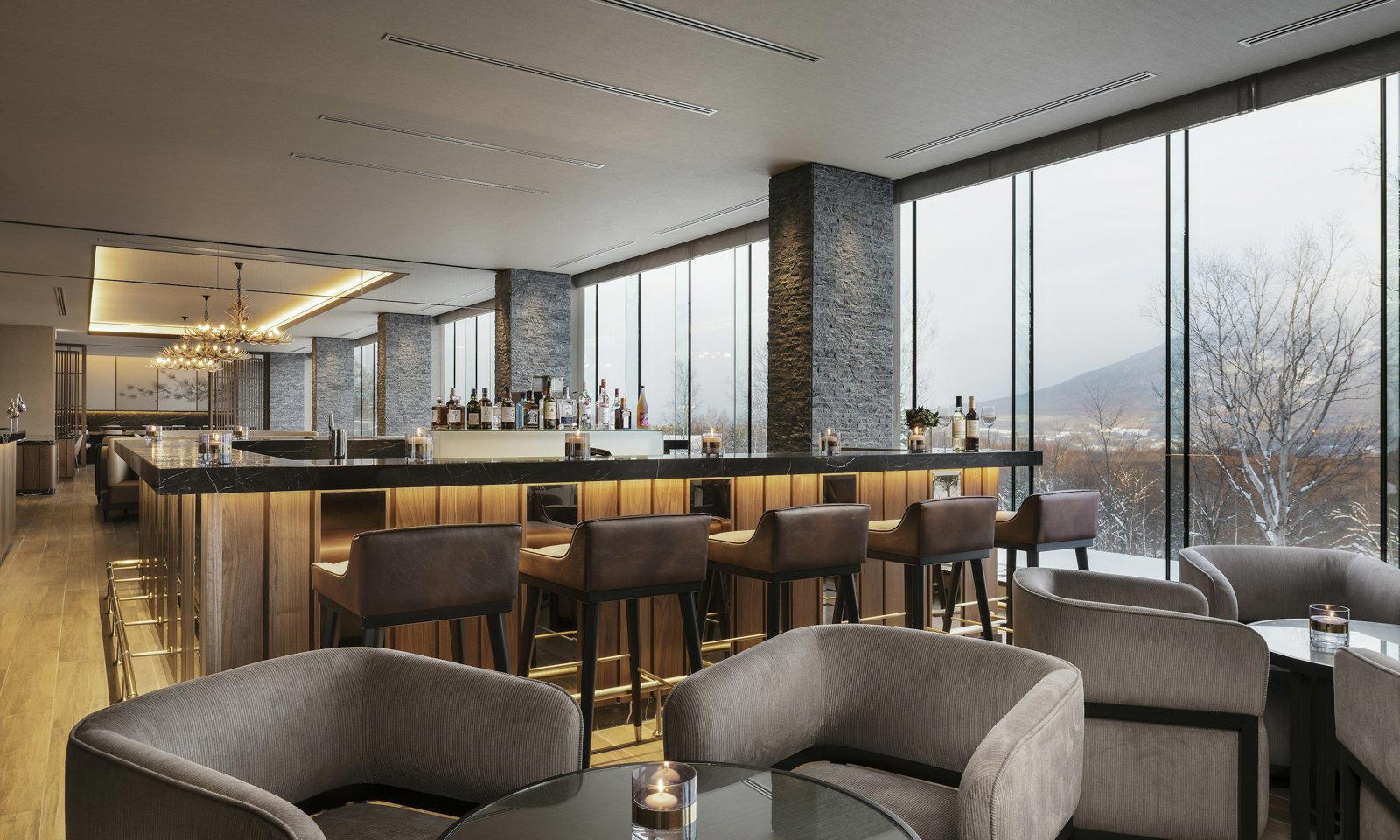
Bars in Hirafu Station
Browse all →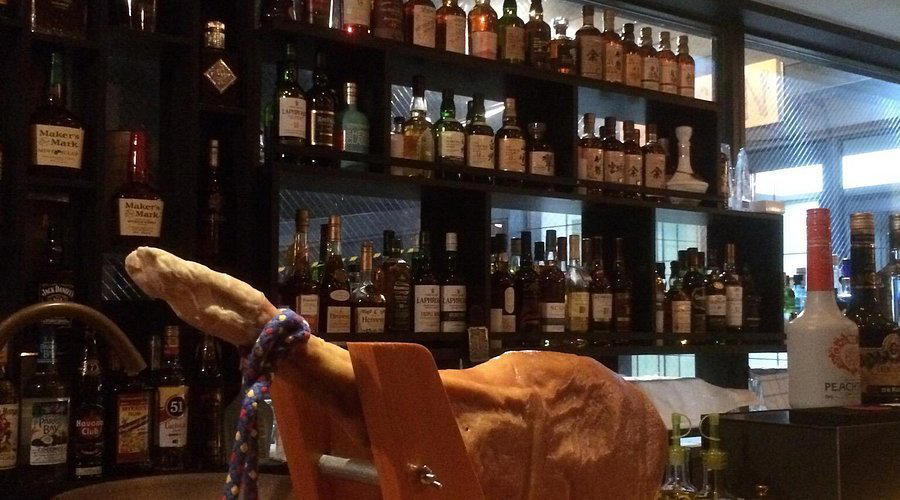
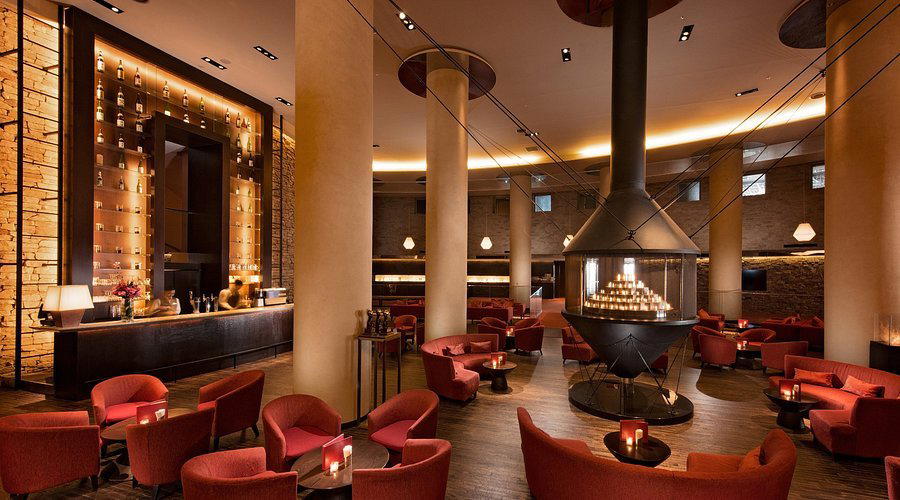
Restaurants in Hirafu Station
Browse all →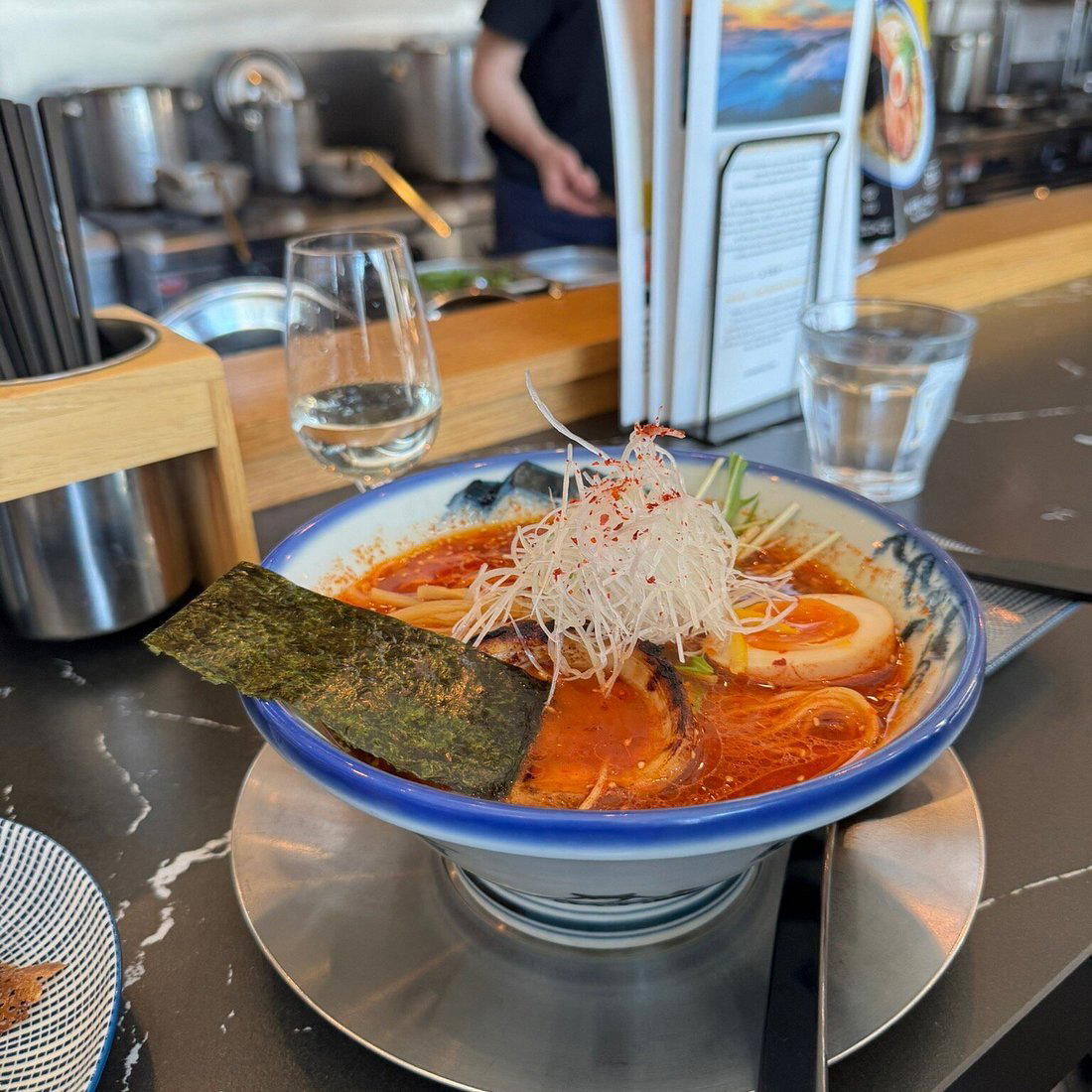
Wineries in Hirafu Station
Browse all →
At a Glance
- Cozy
- Rustic
- Quiet
- Weekend Escape
- Family Vacation
- Ski In Ski Out
- Panoramic View
- Wi Fi
- Laundry Service
- Free Parking
- Mountain
- Wi Fi
- Laundry Service
- Free Parking
Cozy wood-paneled common areas with fireplace, tatami rooms, and a homey, relaxed atmosphere well-suited for winter evenings.