The Nikka distillery in Yoichi, Hokkaido, sits at the northern edge of Japan's whisky geography, where a cool maritime climate and peat-inflected air have defined the house style for decades. For serious whisky travellers, Yoichi is a primary destination rather than a detour.

Pearl is the En Primeur Club membership app — saves, bookings, and concierge access live there. Same editors, same standards.
- Address
- 〒046-0003 Hokkaido, Yoichi District, Yoichi, Kurokawachō, 7-chōme−6−133
- Phone
- +81 135-23-3131
- Website
- nikka.com
- Directions
- Get directions
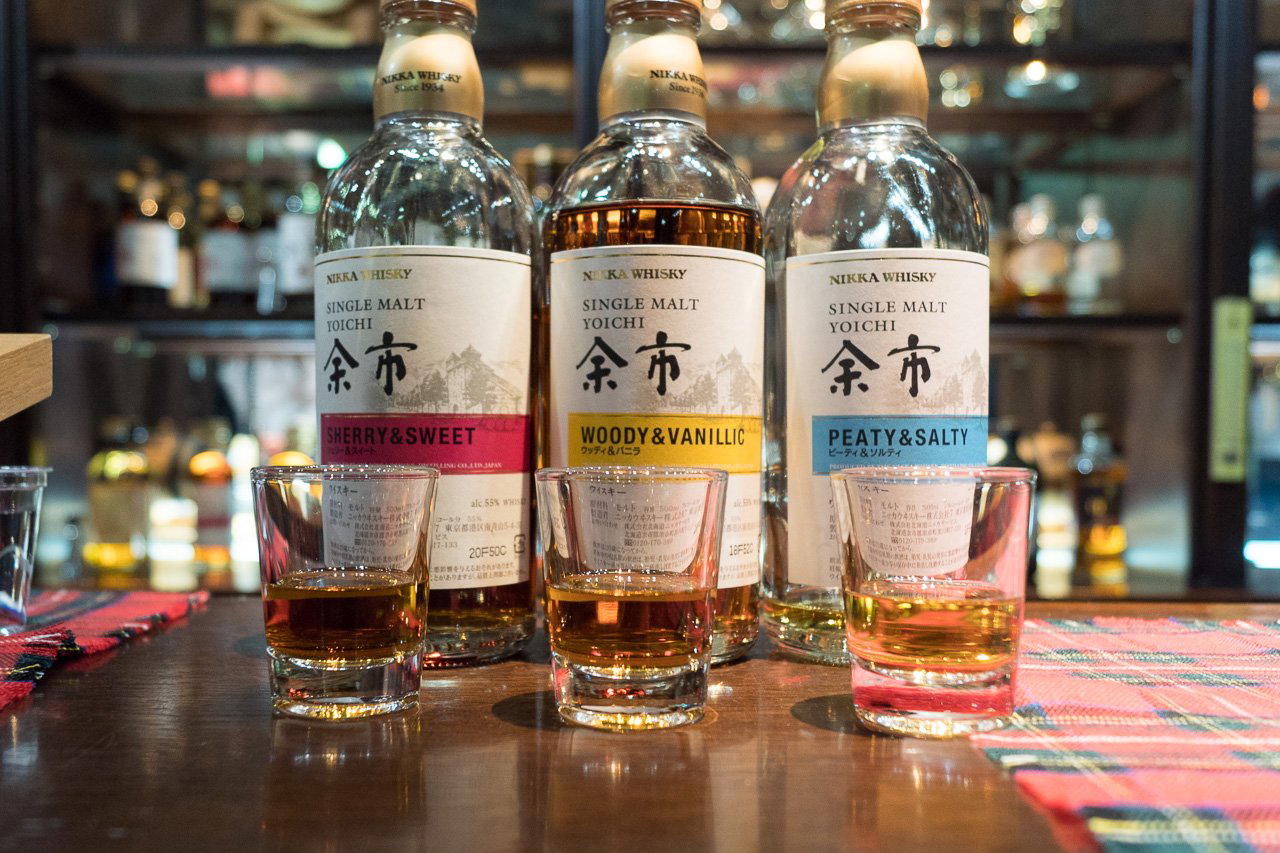
Where Cold Air and Ocean Shape the Spirit
Hokkaido's west coast does not ease you in. The Sea of Japan delivers cold, salt-laden air across the Yoichi Valley, and the surrounding hills close the landscape into something that feels deliberately contained. Approaching the Nikka distillery compound in Yoichi — stone gatehouses, brick warehouses, a clock tower that reads like a transplanted fragment of Scottish distilling heritage — the physical environment makes an argument before a single dram is poured. This is a place built on the conviction that latitude, humidity, and the character of local water are not incidental details but the primary ingredients.
That conviction is not unique to Yoichi, but the particular combination of conditions here produces results measurable against any peer distillery in Japan. Within that tier, Yoichi's identity is distinctly northern: heavier, peatier, more maritime than its southern counterparts.
Terroir at This Latitude
The concept of terroir transfers imperfectly from wine to whisky, but at Yoichi it earns its application. The distillery draws water from the Yoichi River, sourced from snowmelt off the mountains behind the town. The climate averages among the coldest of any Japanese distillery site, with winter temperatures that slow maturation in ways that differ from the warmer, more accelerated ageing environments further south. Where Miyagikyo (Nikka) in Sendai works in a gentler valley climate and produces a notably softer, more floral house style, Yoichi's cold and maritime position pushes its whiskies toward density and weight.
Peat use at Yoichi is meaningful rather than decorative. The distillery has historically employed coal-fired direct-flame heating of its pot stills, a method largely abandoned elsewhere in Japanese whisky production because of the operational complexity involved. This process contributes to the strong, slightly smoky character that distinguishes Yoichi single malts within the broader Japanese category. The result is a whisky that reads closer to the Islay tradition than to the lighter Highland or Speyside styles that inform distilleries like Mars Shinshu in Miyada, which works at high altitude with a different moisture and temperature profile entirely.
Comparing across the Japanese whisky map sharpens the point. Fuji Gotemba Distillery in Gotemba operates in the shadow of Mt. Fuji with access to exceptionally soft snowmelt water, producing grain and malt whiskies with a distinctly clean profile. Chichibu in Chichibu works on a smaller, newer production model that prioritises cask experimentation over a fixed terroir signature. Yoichi's commitment to place, same valley, same water source, same cold maritime air, represents a more conservative and, in its own terms, more legible terroir argument.
The Distillery as a Physical Experience
Visitors arriving at Yoichi encounter one of the more coherent distillery environments in Japan. The compound was designed with architectural intention: bonded warehouses, a distillery building, and a museum occupy a walled campus that reads as self-contained. The Nikka Whisky Museum on site documents the production history and the broader development of Japanese whisky as a category, giving the visit an educational dimension that extends beyond the product itself.
The atmosphere inside the still house is instructive in a way that production notes rarely capture. Pot stills operated by direct coal flame behave differently from steam-heated counterparts: the heat is less uniform, the process requires more intervention, and the resulting spirit carries what distillers sometimes describe as a slight char note at new-make stage. Seeing that equipment in operation contextualises tasting notes that might otherwise seem like received critical language. For anyone working through the Japanese whisky category systematically, Yoichi is a useful calibration point precisely because its methods are deliberate departures from the industry norm.
For planning purposes: Yoichi is located in Yoichi District on Hokkaido, approximately 40 kilometres west of Sapporo. The distillery is accessible by JR Hakodate Main Line from Sapporo's Otaru station, making it a realistic day trip from the city. The Yoichi station sits a short walk from the distillery entrance, which removes the logistical friction that complicates visits to more rural sites like Hakushu or Mars Shinshu. Visitors should confirm current tour and tasting availability directly, as capacity and seasonal schedules vary. Our full Yoichi restaurants and experiences guide covers the broader town for those extending the trip.
Japanese whisky has attracted sustained international attention over the past two decades, and the secondary market for aged expressions has created a valuation hierarchy that does not always map neatly onto production quality. Within that hierarchy, Nikka's Yoichi single malt occupies a position grounded in documented production methods and consistent critical recognition rather than in scarcity-driven speculation alone.
Among distilleries in that bracket, Yoichi's positioning is clearest in contrast: it is the most overtly maritime and peated of the major Japanese single malts, a characteristic that makes it less universally accessible but more distinctly positioned. Enthusiasts who have worked through lighter Japanese expressions at distilleries like Eigashima (White Oak) in Akashi or the newer craft operations at Kanosuke in Kagoshima will find Yoichi a deliberate counterpoint.
For those building a broader picture of Japanese drinks production, it is worth noting that the country's wine sector has developed its own prestige tier. Producers such as Château Mercian Mariko Winery in Nagano Prefecture and 98Wines in Yamanashi represent an equally serious commitment to Japanese terroir expression, and a Japan drinks itinerary that combines northern distillery visits with Yamanashi or Nagano wine country covers the full range of what the country now produces at the prestige level. For a sense of how Scottish distilling traditions informed the Japanese category at its formation, a comparative visit to something like Aberlour in Aberlour reinforces how selectively Japanese producers absorbed and then diverged from those source traditions.
What the Rating Signals
That Yoichi holds its prestige tier against that competitive backdrop reflects the consistency of a site that has been producing for decades without retreating from its more demanding production methods.
For the serious whisky visitor, the distillery's argument is made in the glass rather than on the label. The combination of Hokkaido's cold maritime climate, peat, direct-fired stills, and long maturation at low temperatures produces a single malt that carries a legible sense of where it was made.
Quick Comparison
Comparable venues nearby, for context on price, style, and recognition.
| Venue | Cuisine | Price | Notes |
|---|---|---|---|
| Yoichi (Nikka)This venue — the venue you are viewing | Yoichi | Not listed | Not listed |
| Chichibu | Merlot, Muscat Bailey A | Not listed | Yoshida district, Chichibu City |
| Hakushu (Suntory) | Yamanashi | $10–20 | Hakushu-cho |
| Miyagikyo (Nikka) | malted barley | Not listed | Aoba-ku |
| Shizuoka | Petit Verdot, Cabernet Sauvignon | $50–100 | Izu City |
| Fuji Gotemba Distillery | Winery | Not listed | Gotemba |
Continue exploring
More in Yoichi
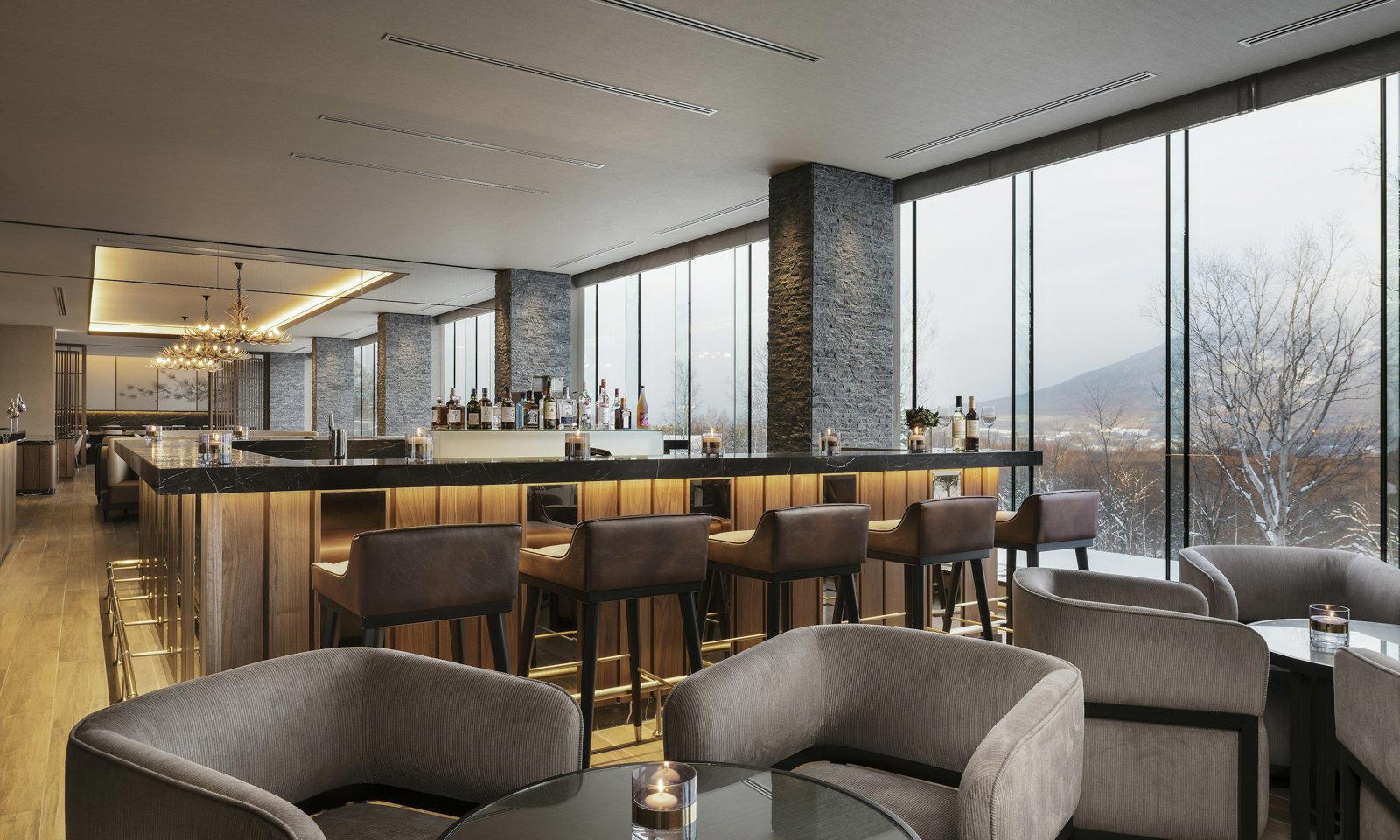
Restaurants in Yoichi
Browse all →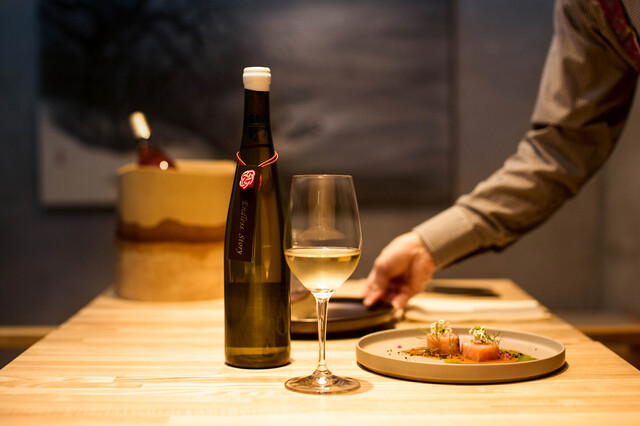
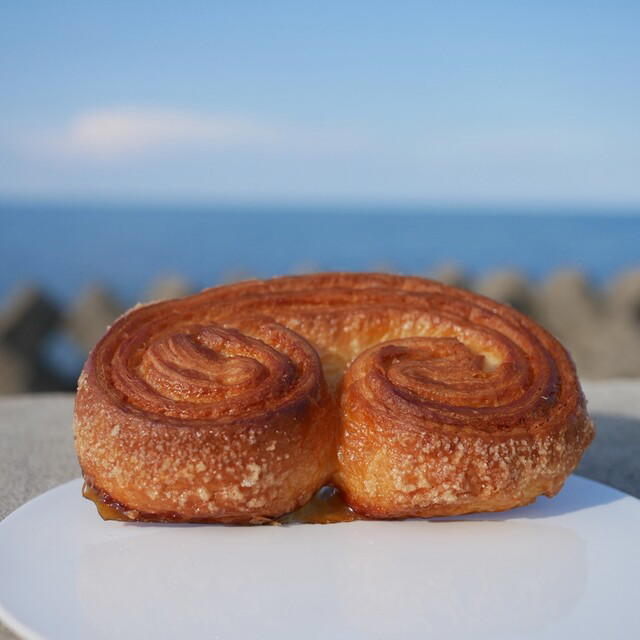
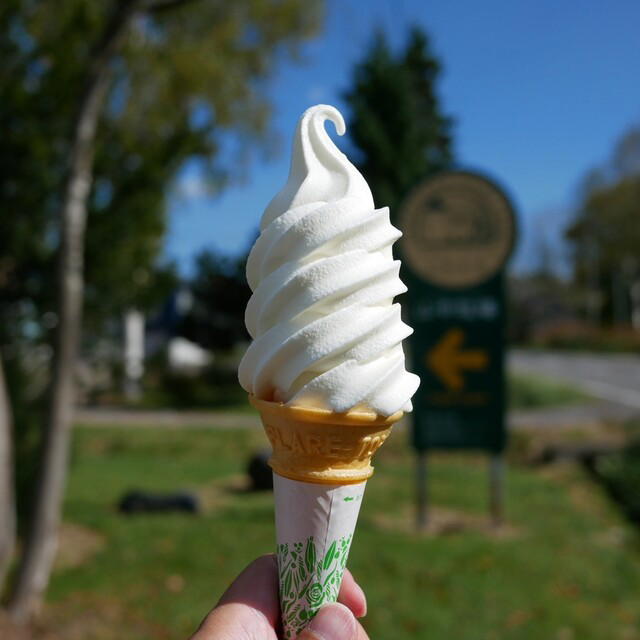
Details
- Historic
- Rustic
- Scenic
- Well Known
- Wine Education
- Solo Exploration
- Historic Building
- Estate Grounds
- Complimentary Tasting
- Single Malt Tasting
- Japanese
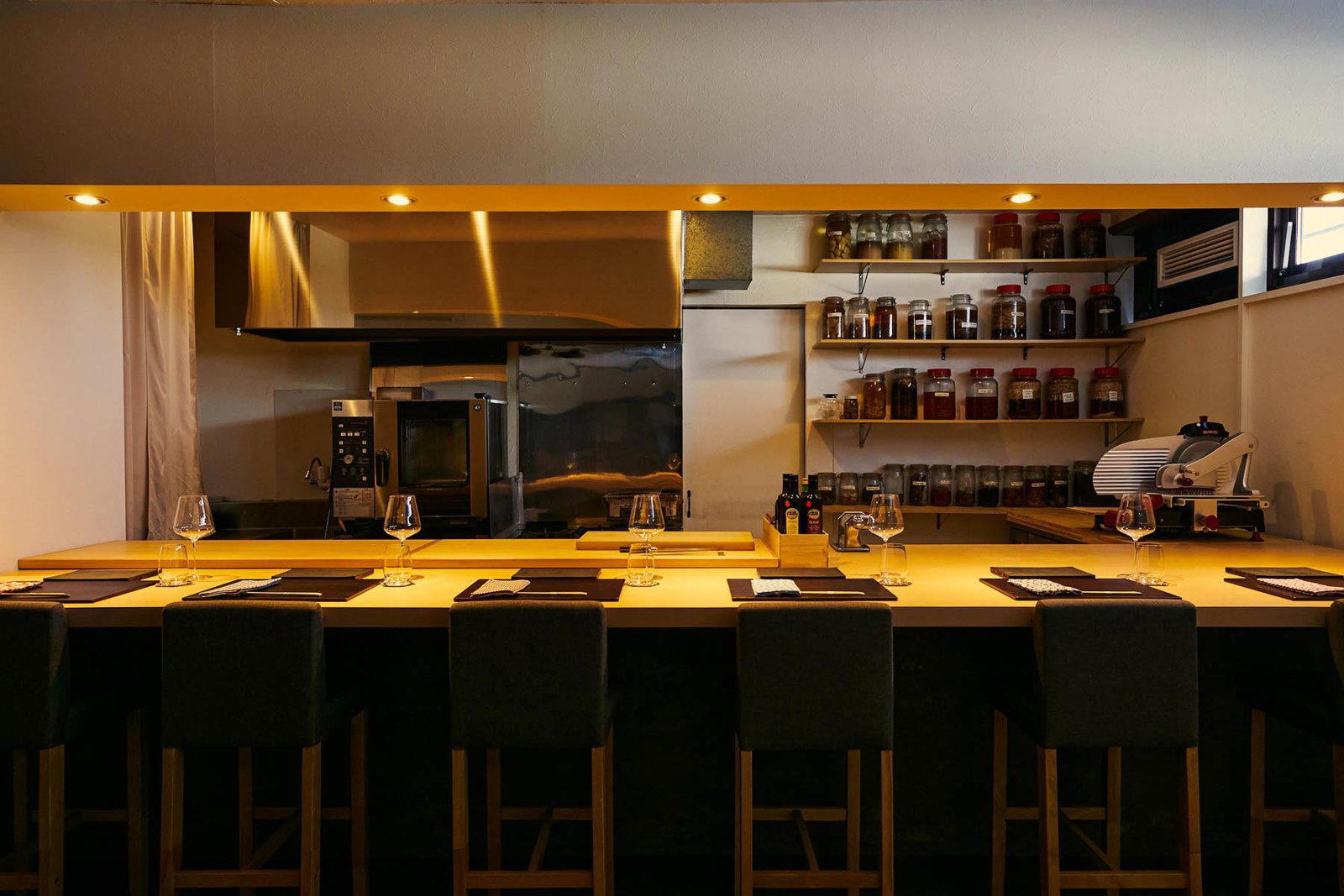
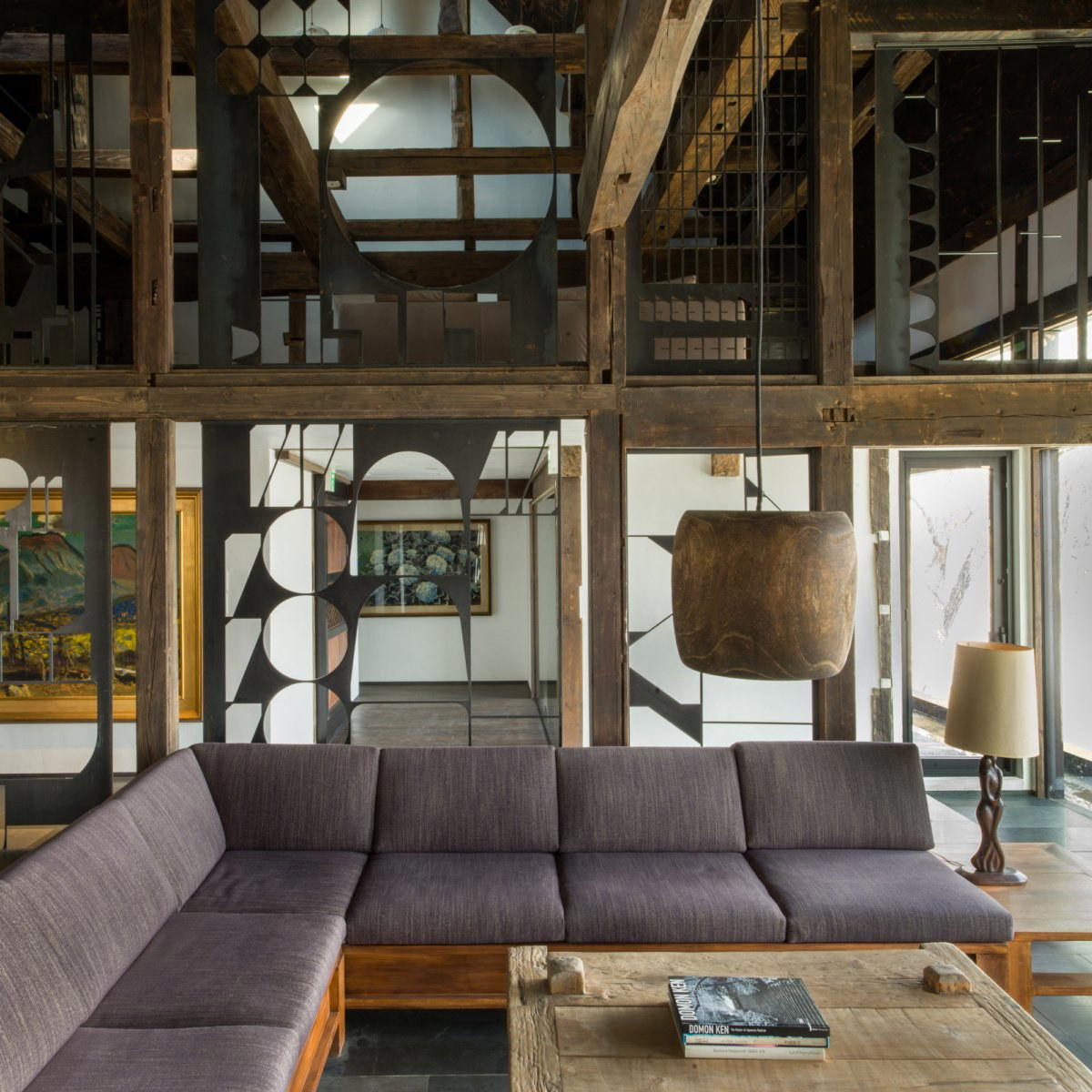
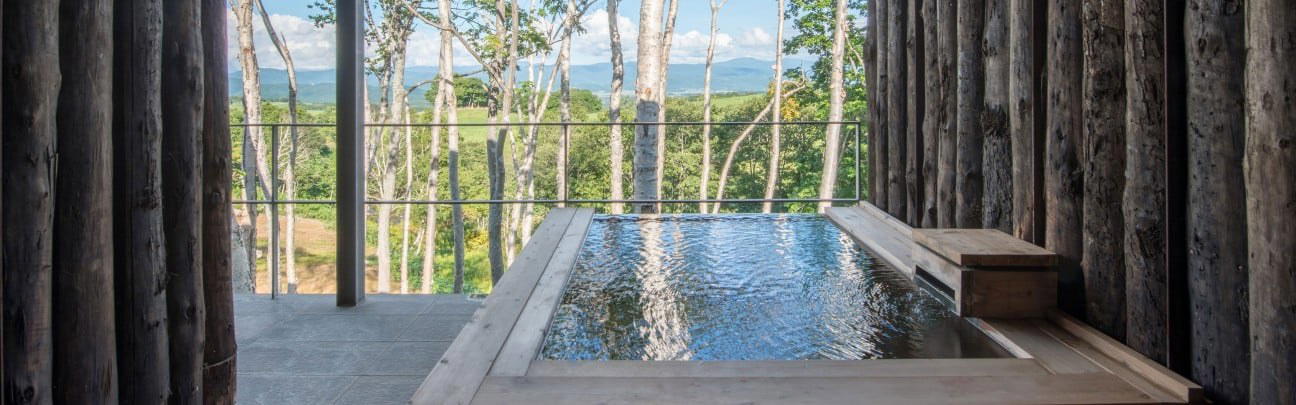
Rustic mix of old stone buildings and modern visitor facilities with a picturesque, green setting and civilized tasting rooms.