
Ishimame puts rural Hokkaido soba in sharp focus, away from Sapporo’s denser restaurant circuits and closer to the fields that define the region’s grain culture. Its Tabelog 100 Soba EAST 2025 selection, compact room, and low-priced buckwheat format make it a useful counterpoint to the city’s ramen, curry, sushi, and bakery-led day-trip dining.
Pearl is the En Primeur Club membership app — saves, bookings, and concierge access live there. Same editors, same standards.
- Address
- 206-8 Yashiro, 字 Makkari, Abuta District, Hokkaido 048-1605, Japan
- Phone
- +81 136-45-3691
- Website
- tabelog.com
- Directions
- Get directions
 Saves & bookings on Pearl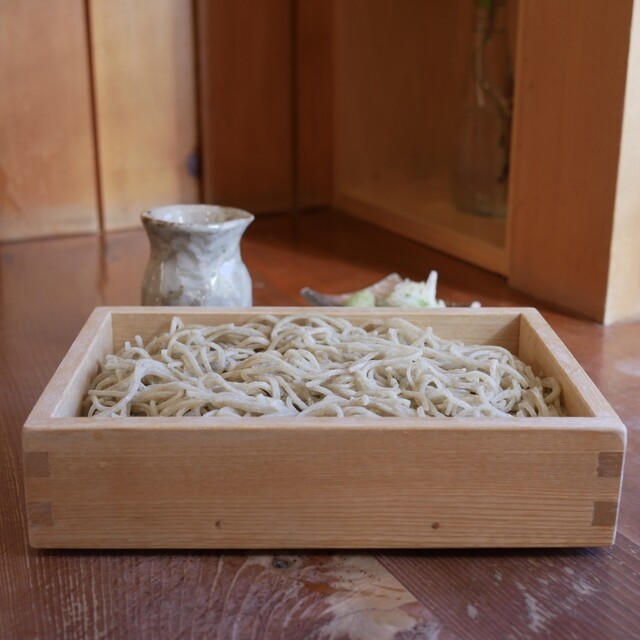
The approach to Ishimame changes the meal before the first bowl: Sapporo’s urban tempo gives way to Makkari village, open Hokkaido air, and the quiet logic of a house restaurant built around soba, not spectacle. In Japan, soba is often treated as modest food, but that modesty deceives. Buckwheat exposes shortcuts. Milling, water, dough handling, cutting, boiling, and dipping broth all leave evidence, so serious soba houses can feel more exacting than restaurants with longer menus and higher prices.
Hokkaido gives that conversation particular charge. The island is central to Japan’s buckwheat culture, and rural soba rooms here read less like luxury destination dining than agricultural translation: grain, water, season, and craft compressed into a short meal. Ishimame belongs to that category. Its selection for Tabelog 100 Soba EAST 2025 places it in a national soba conversation, not just a local lunch circuit, and earlier Tabelog 100 appearances in 2017, 2019, and 2024 suggest recognition beyond one season of attention.
Hokkaido buckwheat, treated as the main event
Soba has a different status in Hokkaido than in cities where noodles fold into after-work routines. Around Sapporo and the wider Shiribeshi region, the point is proximity: produce, grain, mountain water, and small-format dining sit close enough that the meal feels tied to place without lengthy explanation. Ishimame’s category is soba, and that matters because the format leaves little room for distraction. There is no sprawling menu architecture; credibility comes from a narrow craft tradition and the discipline to stay inside it.
That restraint separates rural soba from Sapporo’s louder comfort-food signatures. The city is rich in ramen and curry culture, from the heat-driven appeal of 175°DENO Tantanmen Sapporo kitaguchi ten to the spice grammar of [Curry Senmon Ten] Maruyama Kyoju., Ajanta Indo Curry Ten, and Ajanta Sohonke. Those meals deliver force through broth, oil, chile, and spice. Soba asks for the opposite attention: temperature, texture, aroma, and the clean finish of buckwheat. The pleasure is quieter, but the craft threshold is high.
Within Hokkaido’s food map, Ishimame has more in common with specialist day-trip addresses than central-city dining rooms built for convenience. Boulangerie JIN, another rural-leaning name in the Sapporo orbit, sits in a similar price band and shows how much of the region’s appeal depends on small producers working in narrow formats. Bread and soba are not equivalent, but both reward travelers who leave the station-area restaurant grid and treat Hokkaido as an ingredient region first.
A small room changes the stakes
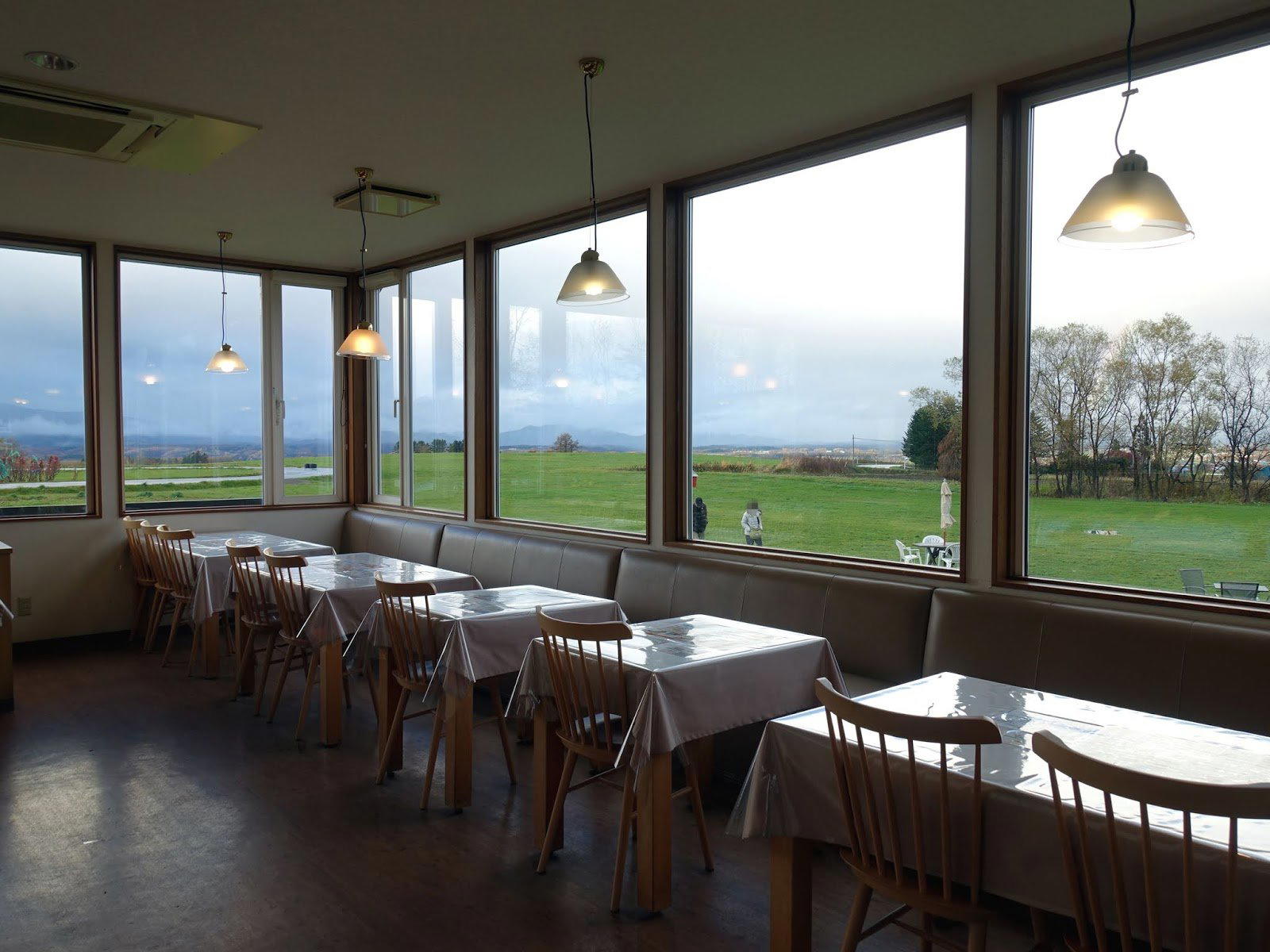
The compact room has 12 seats between counter seating and two tables. Scale affects the experience more than decoration would. Small soba houses run on rhythm: dough prepared in limited quantities, noodles served close to cooking, and a dining room unable to absorb unlimited demand. In this category, scarcity is not a luxury pose; it is often a function of the work.
The house-restaurant setting keeps Ishimame outside usual premium-dining vocabulary. There are no private rooms, and the format is non-smoking. Counter seating and wheelchair access broaden the practical range, while the scale keeps the meal focused. Solo diners and pairs fit naturally; large-group dining belongs elsewhere. For travelers used to Sapporo’s larger restaurant ecosystem, the point is to recalibrate expectations away from choice and toward concentration.
A Tabelog score of 3.73 sits alongside Tabelog 100 Soba EAST 2025 recognition as the clearest public trust signal. Tabelog’s soba lists are useful because they surface specialists otherwise flattened by broader restaurant rankings. Soba does not compete cleanly with sushi counters, French tasting menus, or izakaya formats. Its hierarchy is internal: noodle quality, broth balance, service timing, and the confidence to keep the meal short.
How to place it in a Sapporo itinerary
Ishimame is better understood as a Hokkaido food excursion than a quick Sapporo meal. A city-only itinerary has easier central options; travelers using Sapporo as a base for regional eating should see this within the wider pattern that makes Niseko-area bakeries, dairy, produce, and soba worth planning around. For a broader city edit, start with Our full Sapporo restaurants guide, then build lodging and evening plans through Our full Sapporo hotels guide and Our full Sapporo bars guide.
The timing logic is daytime and deliberate. This is not an address to leave as a fallback after skiing, sightseeing, or a late start; the compact format and rural location reward travelers who plan the meal as the day’s anchor, not a stop between larger commitments. For a wider Hokkaido route, Our full Sapporo experiences guide frames the regional context, while Our full Sapporo wineries guide helps travelers pair food with producers beyond the city.
Against Japan’s wider dining culture, the appeal is precision without ceremony. Travelers comparing regional specialists across the country might move from soba in Hokkaido to beef in -Grilled beef Sukiyaki- KAMAKURA TANUKIAN 鎌倉 たぬき庵 in Kamakura, tuna and charcoal cooking at. 鮪と炭火焼き うお炭 秋葉原店 in Tokyo, café culture at.cafe in Osaka, or contemporary dining at.know in Kumamoto. The thread is specialization, not sameness.
That thread stretches beyond Japan. Vietnamese cooking at (Shoku) Vietnam in Kawasaki, Kyoto’s [ki:] in Kyoto, Los Angeles drinking culture at Jōdo Saké Bar in Los Angeles, and the focused rice format of Onigiri Time in Pasadena all point to the same editorial lesson: narrow concepts can carry more regional information than longer menus. Ishimame’s value lies there. It is a small soba room in rural Hokkaido with national category recognition, low-friction pricing, and a format that makes buckwheat the point, not a side note. For travelers who care where food comes from, that is enough reason to take the detour seriously.
At-a-Glance Comparison
Comparable venues to calibrate price, style, and recognition.
| Venue | Cuisine | Price | Notes |
|---|---|---|---|
| IshimameThis venue — the venue you are viewing | Traditional handmade soba | $$ | Not listed |
| [Curry Senmon Ten] Maruyama Kyoju. | Japanese Curry House | $$ | Chūō |
| Picante | Sapporo soup curry | $$ | Kita |
| European Curry KEN | European-style Japanese curry | $$ | Higashi |
| Soup Curry & Dining Suage+ (suage+ 本店) | Hokkaido Soup Curry | $$ | Susukino, Chuo Ward |
| Curry no Furano Ya | Hokkaido soup & roux curry | $$ | Atsubetsu |
Recognition history
Dated appearances from independent guides and award organizations, with the underlying list record or original source where available.
Tabelog 100 #98 · No. 98
Tabelog · Tabelog 100 - Soba - EAST - 2025
Continue exploring
More in Sapporo
Restaurants in Sapporo
Browse all →

At a Glance
- Scenic
- Cozy
- Rustic
- Quiet
- Solo
- Casual Hangout
- Date Night
- Panoramic View
- Standalone
- Mountain
Current opening hours
- Monday
- 11:30 AM–3 PM
- Tuesday
- Closed
- Wednesday
- Closed
- Thursday
- Closed
- Friday
- 11:30 AM–3 PM
- Saturday
- 11:30 AM–3 PM
- Sunday
- 11:30 AM–3 PM
Hours can change for holidays and private events. Last verified .
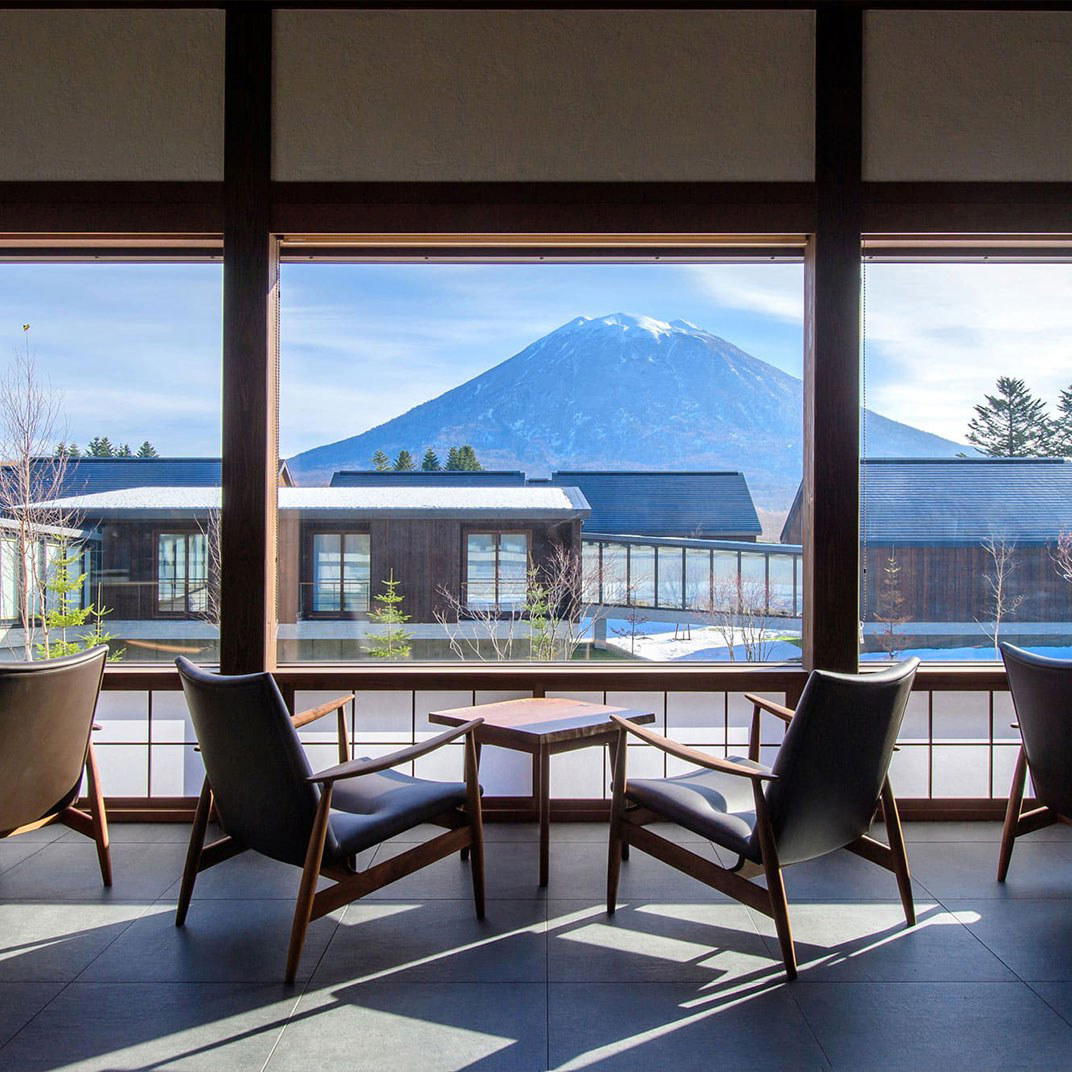
An intimate 12-seat country house restaurant with a relaxing, quietly rustic atmosphere, set amid fields with views of Mt. Yotei, drawing soba enthusiasts who are happy to wait for a calm, unhurried lunch.