
Michelin Selected
A Michelin Selected property in Kakunodate, Akita Prefecture, Wanoi Kakunodate sits at the quieter end of Japan's ryokan spectrum — where samurai-town heritage, cedar-lined streets, and the discipline of traditional inn-keeping converge. The property addresses a traveller looking for immersive regional architecture and deliberate calm over resort-scale amenity.

Pearl is the En Primeur Club membership app — saves, bookings, and concierge access live there. Same editors, same standards.
- Address
- 14 Nakasugazawa, Kakunodatemachi, Semboku, Japan
- Phone
- +81 187-53-2774
- Directions
- Get directions
Kakunodate and the Architecture of Stillness
Kakunodate is a small castle town in Akita Prefecture's Semboku district, and its reputation rests on a specific kind of spatial discipline: preserved samurai residences, century-old weeping cherry trees, and a street grid that has remained legible for generations. The town belongs to a category of Japanese heritage destinations where the built environment itself is the primary cultural artefact. Arriving here is less about spectacle than about re-calibration — the scale of the streetscape is deliberately human, the materials are weathered and honest, and the silence between buildings carries as much weight as the structures themselves.
That physical context shapes everything about what it means to stay in Kakunodate. The full Semboku travel guide gives a broader picture of the region's inn culture, but the short version is this: the better properties here are not trying to compete with the programmatic luxury of a city hotel. They are asking a different question entirely — what does it mean to inhabit a place rather than simply pass through it?
The Property in Its Place
Wanoi Kakunodate holds a Michelin Selected designation in the 2025 Michelin Hotels guide, placing it within a curated tier of Japanese accommodation that prioritises distinctiveness and quality of experience over facility count. The Michelin Hotels selection process, applied across Japan, has consistently favoured properties where the relationship between architecture, setting, and hospitality is coherent and considered. That coherence is the operative credential here.
The address, 14 Nakasugazawa, Kakunodatemachi, puts the property in the Kakunodate town area of Semboku, a region in southern Akita Prefecture accessible by Shinkansen from Tokyo via Akita or by the Komachi service directly to Kakunodate Station. The journey from Tokyo runs around three hours on the Komachi limited express, which makes this a meaningful destination rather than a day-trip, and the distance is part of its value. Properties that require genuine travel commitment attract a different guest than those positioned as weekend escapes from a capital.
Design as Argument
In Japan's premium inn sector, architectural approach has become a meaningful differentiator. One cohort of properties, represented by places like Zaborin in Kutchan and Gora Kadan in Hakone, uses design-led renovation or new construction to create a contemporary luxury register. Another, represented by properties like Nishimuraya Honkan in Kinosaki-cho and Asaba in Izu, sustains older structural vocabularies as the primary experience.
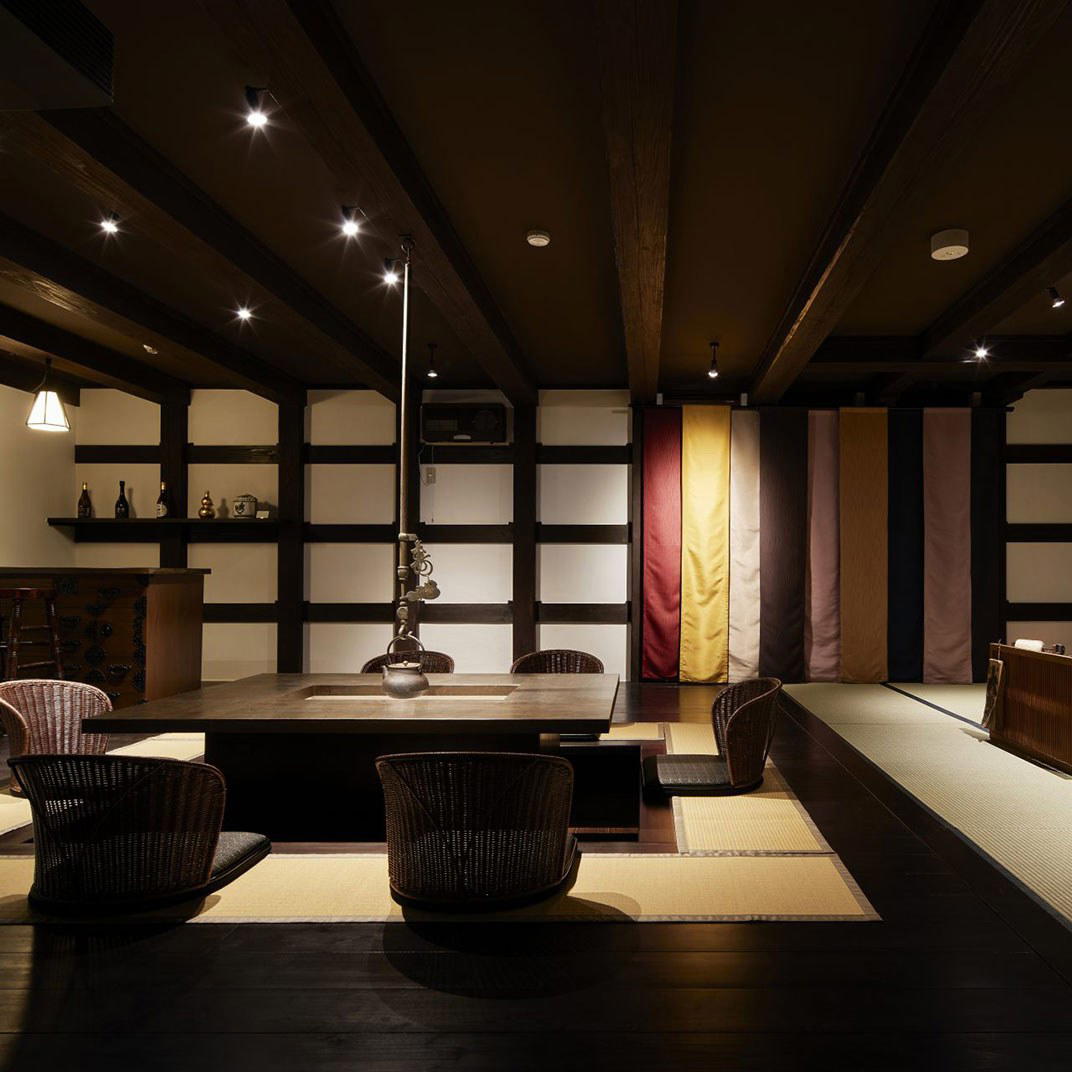
Wanoi Kakunodate operates within the second register, where the architecture's historical depth is not a liability to be updated but a material to be worked with. The town's samurai district, a short walk from most central addresses, gives this approach particular resonance. The built language of Kakunodate is black-painted board fencing, steeply pitched rooflines, and interior arrangements that prioritise the relationship between room and garden over square footage. An inn that respects that language rather than departing from it makes a legible editorial statement.
This matters in contrast to the urban luxury register. Properties like Bvlgari Hotel Tokyo or HOTEL THE MITSUI KYOTO operate on a logic of maximalist material quality and international brand recognition. Wanoi Kakunodate is doing something structurally different: it uses regional specificity and architectural restraint as the premium signal, not surface finish. Neither approach is categorically superior, they address different trip types and different traveller intentions.
Peer Context Across Japan
Within the broader category of Michelin-selected regional inns, Wanoi Kakunodate sits alongside properties such as Satoyama-Jujo in Niigata and Nasu Mukunone in Nasu, all properties where the draw is a specific regional environment engaged with on its own terms rather than filtered through international hospitality conventions. The Kamenoi Besso in Yufu and Fufu Nikko in Nikko extend that peer group further, each anchored to a heritage landscape with its own distinct character.
What separates these from their counterparts in domestic beach resort formats, like Halekulani Okinawa or Jusandi in Ishigaki, is the primacy of interior experience over outdoor amenity. In Kakunodate, the value proposition is structured around the town, the seasons, and the quality of time spent indoors, not around a pool or a coastline.
Seasonal Positioning
Kakunodate has two high-demand windows that compress booking availability and raise the premium on planning. The cherry blossom season in late April draws visitors to the town's famous weeping cherries along the Hinokinai River and the samurai district, these are Somei Yoshino and shidare-zakura varieties that frame the historic streetscape and represent one of Tohoku's most photographed spring moments. The autumn foliage period in October and early November produces a second peak, when the beech and maple forests of the surrounding Dewa highlands shift colour. Outside those two windows, Kakunodate in deep winter, from December through February, offers near-solitude, heavy snowfall, and a quiet that the spring and autumn crowds make impossible. For travellers whose interest is the architectural and atmospheric substance of the town rather than the seasonal spectacle, the off-peak months offer a different and arguably more coherent form of access.
Planning a Stay
For comparison against the broader field of Michelin-recognised Japanese accommodation, the Amanemu in Mie, Fufu Kawaguchiko, Fufu Kyu-Karuizawa, Atami Izusan Karaku, Sekitei in Hatsukaichi-shi, Benesse House in Naoshima, GOTO RETREAT by Onko Chishin, The Hiramatsu Hotels & Resorts Ginoza, and Higashiyama Niseko Village, a Ritz-Carlton Reserve each represent a different regional proposition within Japan's premium inn and hotel sector. For international reference points occupying similar prestige brackets in other geographies, The Fifth Avenue Hotel in New York City, Badrutt's Palace Hotel in St. Moritz, and Hôtel de Paris Monte-Carlo illustrate how heritage architecture and location specificity translate into credential across different cultural contexts.
Fast Comparison
Comparable venues nearby, for context on price, style, and recognition.
| Venue | Cuisine | Price | Awards | Notes |
|---|---|---|---|---|
| Wanoi KakunodateThis venue — the venue you are viewing | Luxury heritage conversion of three distinct historic kura storehouses scattered throughout a preserved samurai town, developed by JR East to preserve traditional architecture. | $200–300 | Michelin Selected | Not listed |
| 角館山荘侘桜 | 茅葺古民家を移築した伝統的な山荘 | $500–750 | Not listed | 西木町 |
| Hakone Retreat Villa 1/f | Traditional Japanese hot spring retreat with heritage architecture | Not listed | Michelin Selected | Hakonemachi, Ashigarashimo Gun |
| ASAKUSA KOKONO CLUB HOTEL | Creative concept hotel inspired by American boutique style in historic Japanese setting | Not listed | Michelin Selected | Taitō |
| Miroku Nara by THE SHARE HOTELS | Lifestyle hotel sharing local Nara culture and nature. | Not listed | Michelin Selected | Nara |
| Residential Hotel Hare Shin-Osaka | residential apartment hotel | $1–100 | Not listed | Higashiyodogawa |
Recognition history
Dated appearances from independent guides and award organizations, with the underlying list record or original source where available.
Michelin Selected
Michelin

Details
- Romantic
- Classic
- Cozy
- Intimate
- Rustic
- Romantic Getaway
- Weekend Escape
- Historic Building
- Private Villa
- Garden
- Wi Fi
- Air Conditioning
- Parking
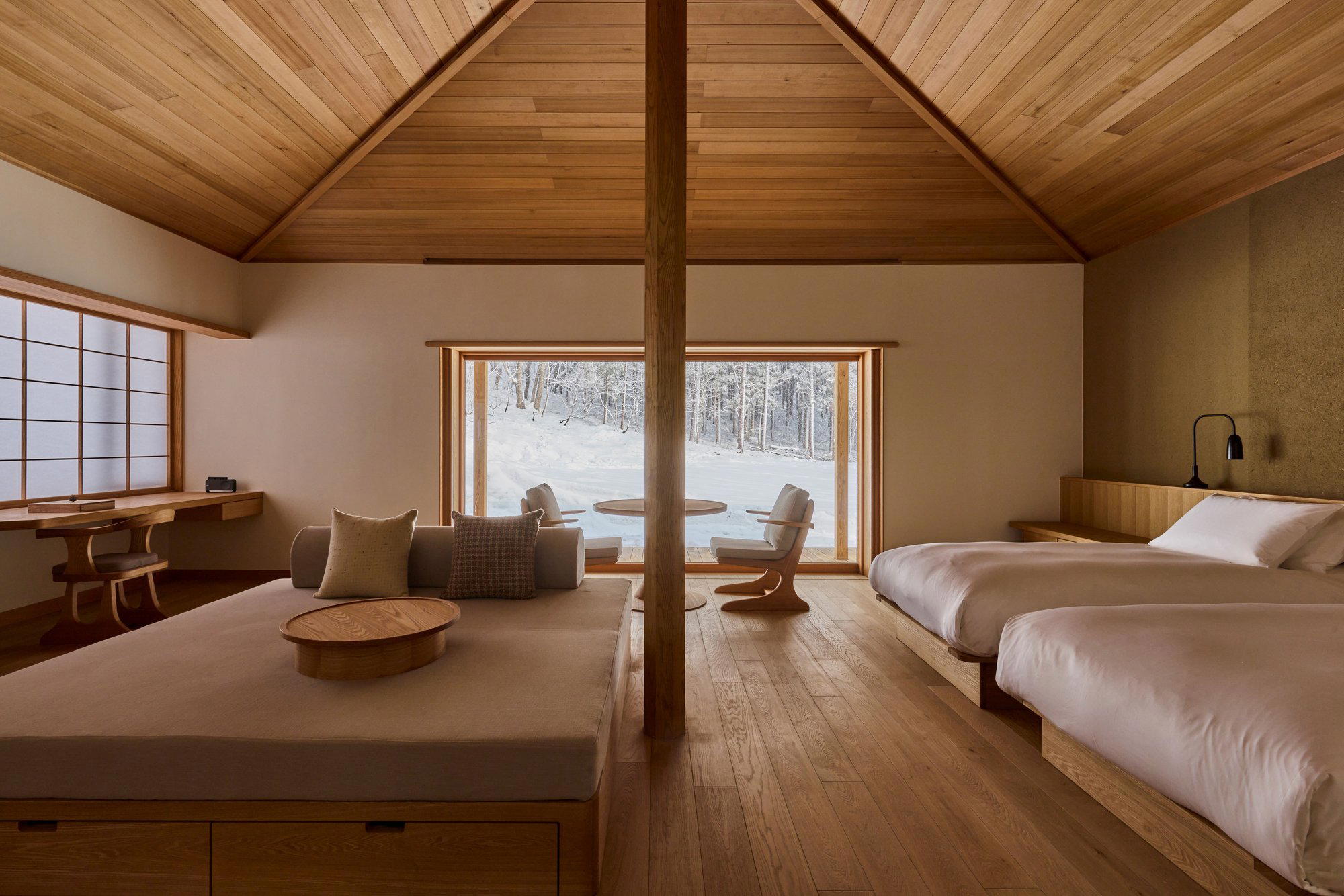
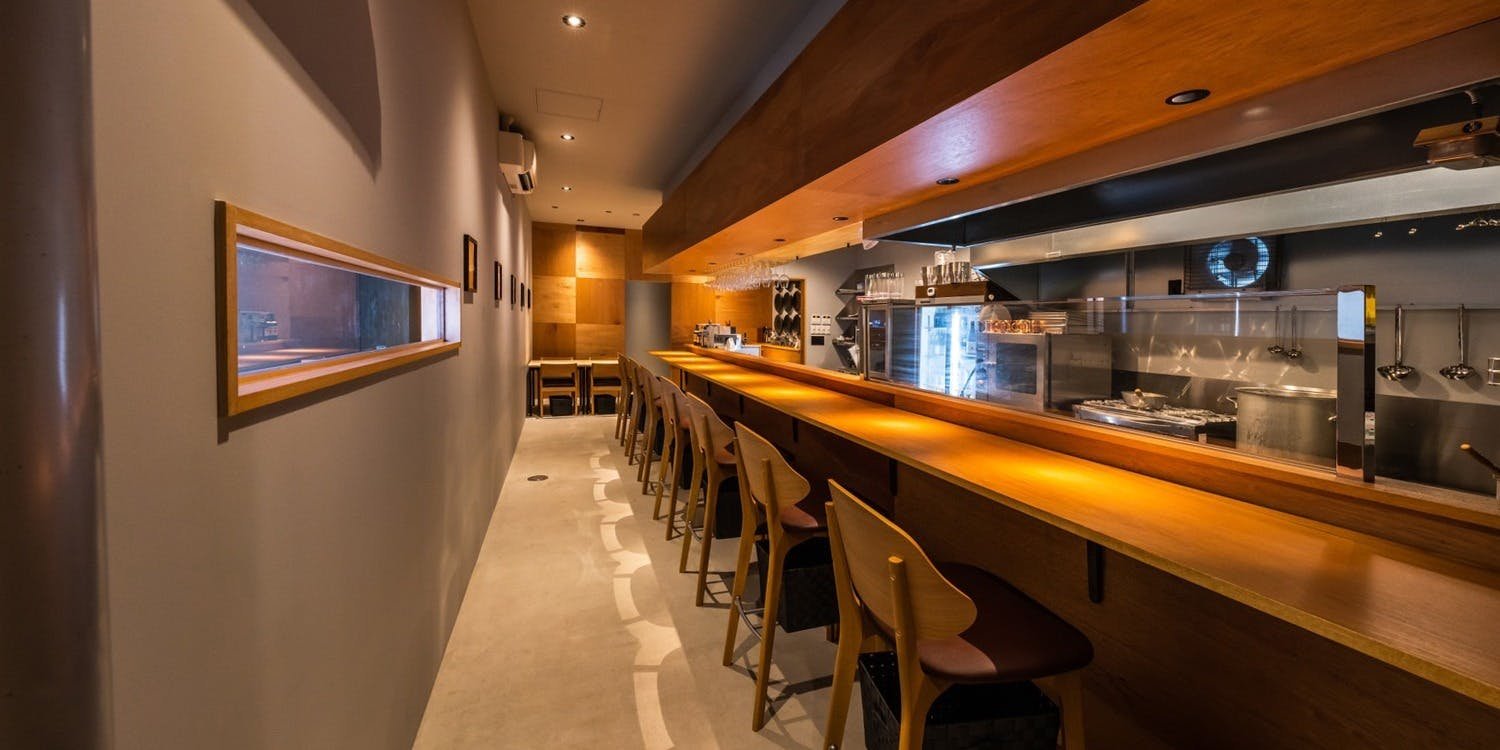
Atmospheric and historically evocative with traditional wooden architecture, low ceilings, decorative period details, and intimate hearth spaces that transport guests to Japan's feudal past.