
1 Michelin Key
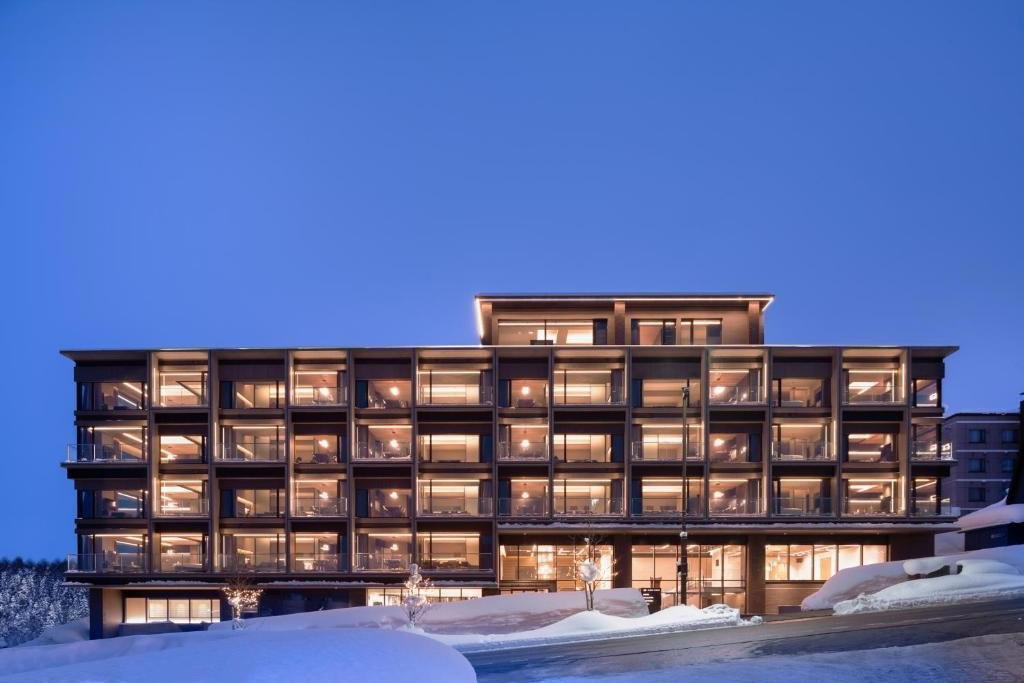
Setsu Niseko sits at the upper end of Hokkaido's ski-hotel market: 190 rooms across a range from studios to four-bedroom suites, five restaurants, onsen facilities, and a Michelin 1 Key recognition earned in 2024. The architecture draws on traditional Japanese craft while keeping the interiors at a register closer to urban refinement than mountain-lodge rusticity. Rates start around $2,391 per night.

Pearl is the En Primeur Club membership app — saves, bookings, and concierge access live there. Same editors, same standards.
- Address
- 〒044-0080 Hokkaido, Abuta District, Kutchan, Nisekohirafu 1 Jō, 2-chōme−6, ニセコひらふ1条 2丁目6番9号
- Phone
- +81 136-55-7882
- Website
- setsuniseko.com
- Directions
- Get directions
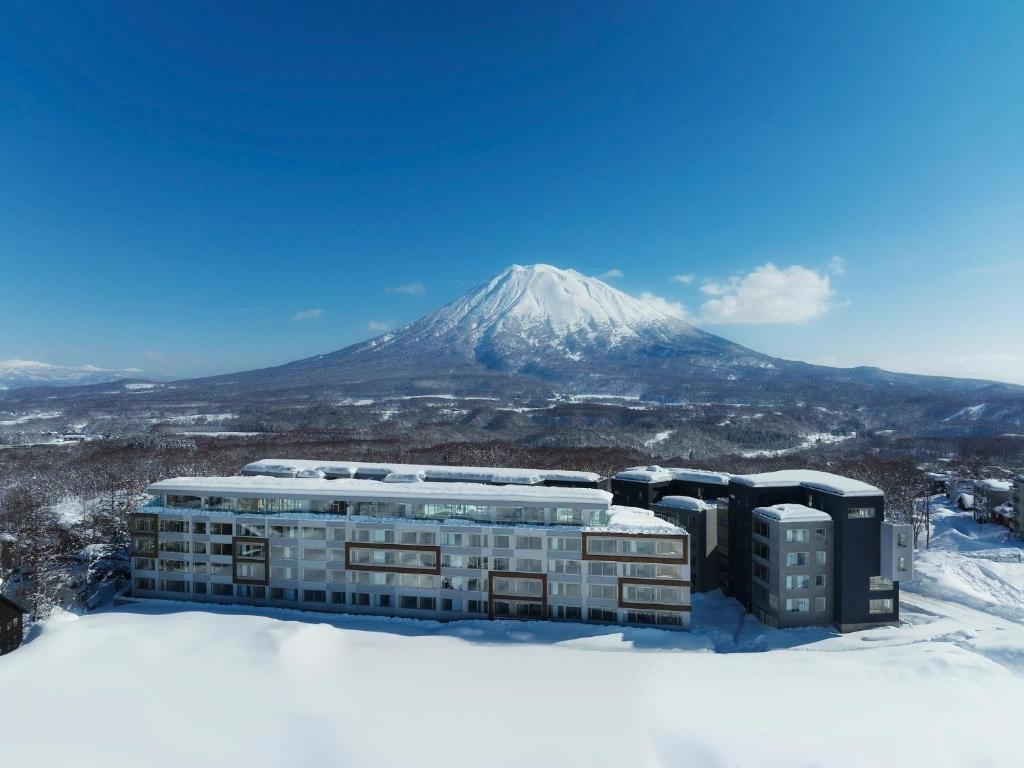
Where Hokkaido's Snow Culture Meets Urban Restraint
Niseko's ascent from regional ski area to international resort destination has been steady and, by now, well-documented. The influx of Australian skiers in the early 2000s opened the door; a wave of Hong Kong and Southeast Asian capital followed, reshaping the Hirafu strip from a modest village corridor into a corridor of high-specification hotels, restaurants, and real estate. What emerged from that transformation is a resort market that now places itself in direct comparison with Verbier, Aspen, and other premium ski destinations globally. Within that context, Setsu Niseko — positioned on Nisekohirafu's main artery — represents the architectural and programmatic response to guests who arrive with expectations formed in those other places.
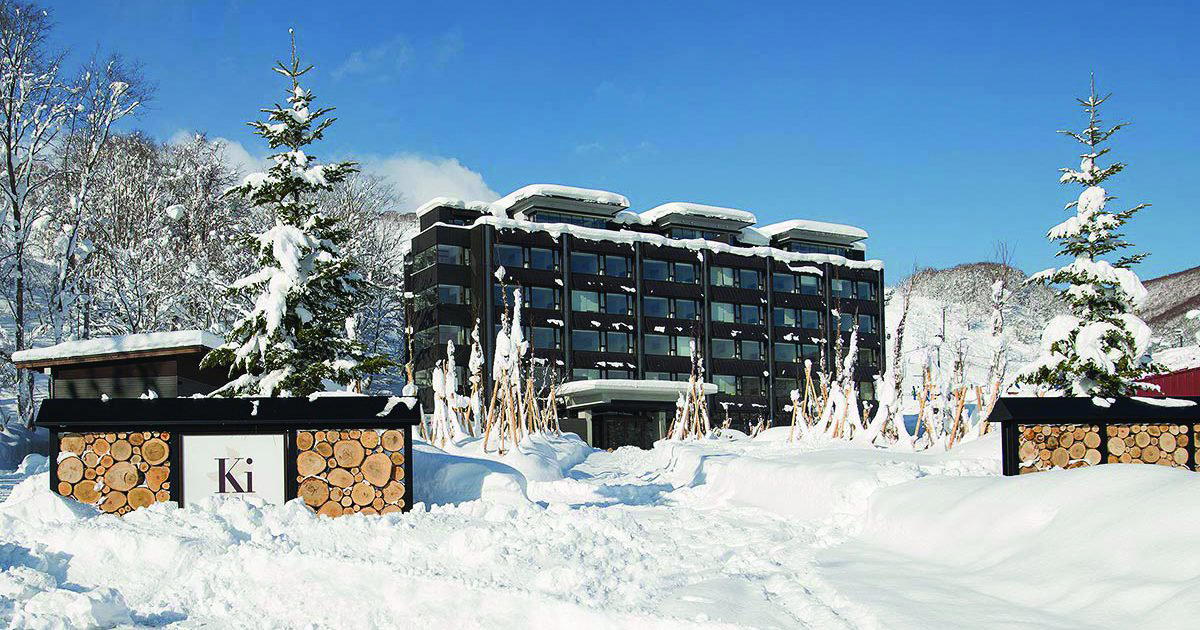
The building's design approach draws explicitly on traditional Japanese craft vocabulary: timber joinery details, natural materials sourced with an eye toward regional identity, interiors that reference the aesthetic restraint of Japanese spatial tradition. At the same time, the 190-room scale places Setsu firmly in the larger-property tier of the Niseko market, a cohort that includes Park Hyatt Niseko Hanazono and Hilton Niseko Village, rather than the boutique end occupied by properties like Ki Niseko or Zaborin. The difference matters: at 190 keys, Setsu can absorb group travel and larger family configurations that smaller properties cannot, while the design language still signals something more considered than a conventional resort chain.
The Michelin Key and What It Signals in 2024
In 2024, Michelin extended its Guide coverage to include hotels in Japan under the new Key system, and Setsu Niseko received one Key in that inaugural recognition. The Michelin Key program evaluates hotels on criteria that include architectural distinction, service quality, and the integration of hospitality experience across the property, it is not a star rating for a restaurant, and one Key does not place a property at the absolute best of the scale. What it does signal is that the property cleared a threshold of quality that a credentialed international assessor found worth documenting. In a market like Niseko, where the supply of high-specification hotels has expanded rapidly and not all properties have kept pace with the pace of investment, that recognition provides meaningful differentiation.
For comparison within Hokkaido's premium ski tier: Higashiyama Niseko Village, a Ritz-Carlton Reserve operates in the same general market but within a branded-reserve framework. Muwa Niseko and The Green Leaf Niseko Village represent different positions across the service and price spectrum. Setsu's Michelin recognition places it in a tier that requires performance across the whole property, not just in a single standout department.
Rooms: From Studios to Four-Bedroom Configurations
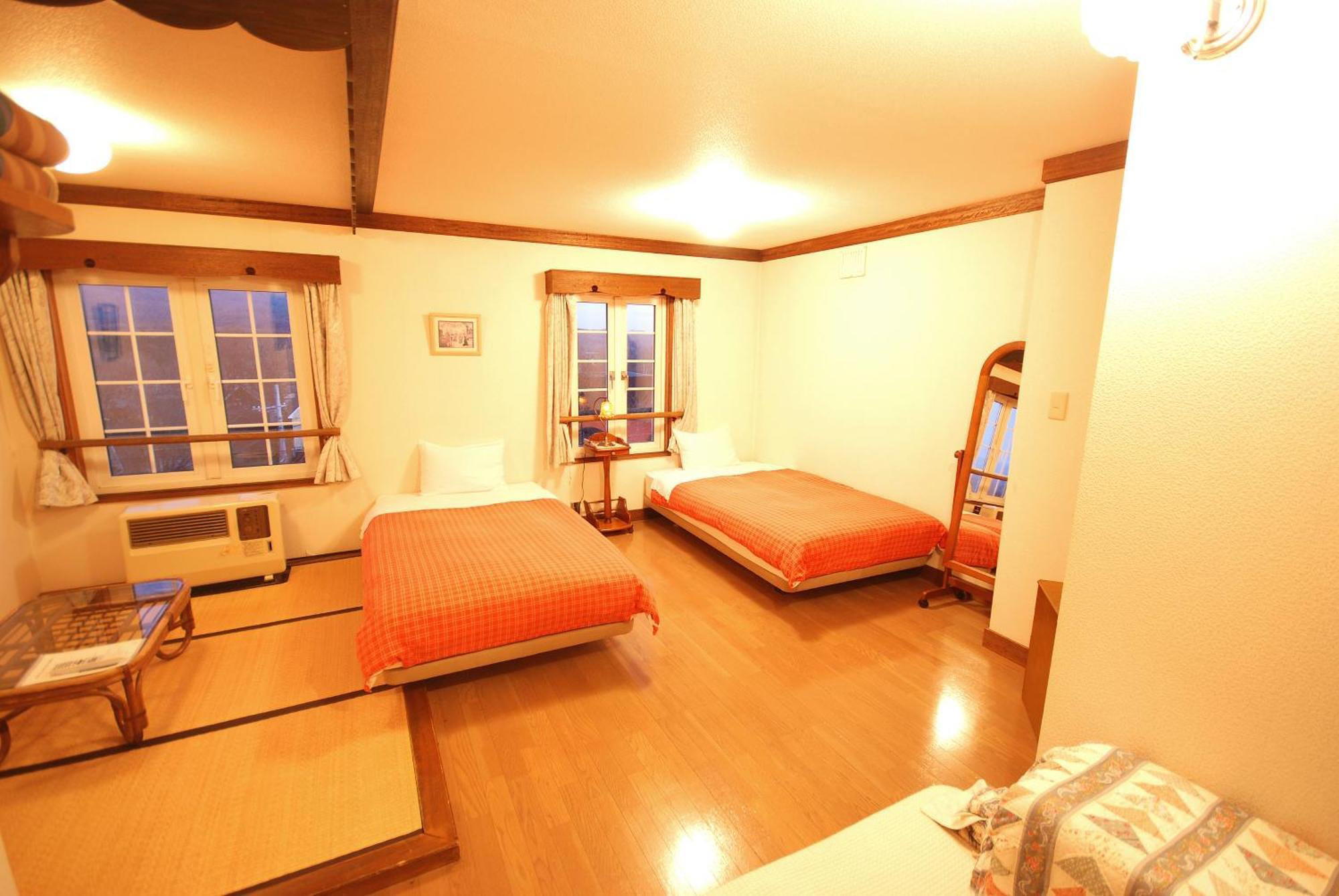
The room range at Setsu spans from studio configurations to four-bedroom suites, which gives the property flexibility that single-category hotels cannot match. For solo travelers or couples, the studio and smaller room categories provide a base that is, by the property's own description, closer in register to an urban hotel room than a traditional mountain lodge. The materials and spatial logic hold across categories: the same design language that informs the entry-level rooms carries through to the larger suites.
The four-bedroom suite configuration is relevant for the group and family travel that Niseko increasingly attracts. As Hokkaido's snow conditions have drawn more international visitors from across Asia and further afield, the demand for apartment-scale accommodation within a full-service hotel has risen. Properties that can offer both the services of a hotel and the spatial autonomy of a multi-room suite occupy a useful niche in that market. At rates that begin around $2,391 per night, the property is priced at the premium end of the Niseko scale, which means the value calculation depends heavily on how much of the wider program a guest actually uses.
Five Restaurants and the Broader Dining Program
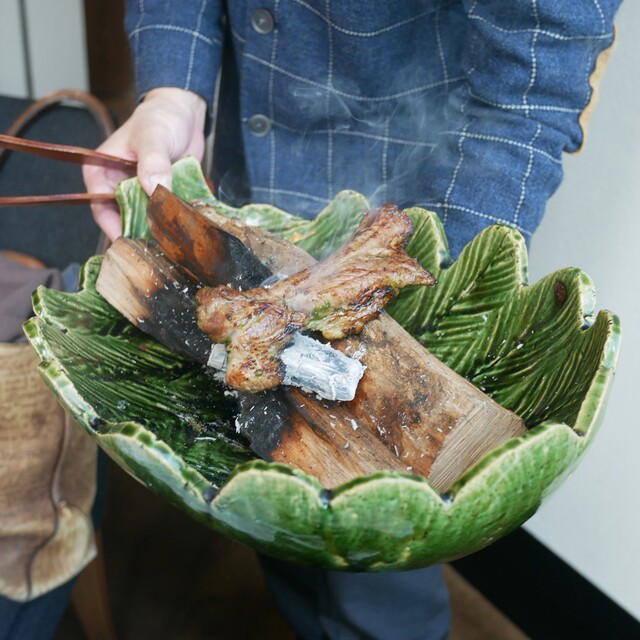
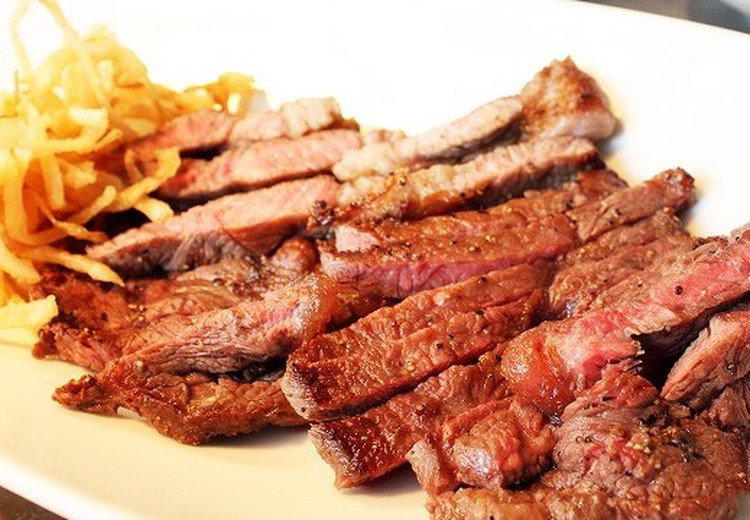
Niseko's dining scene has matured considerably alongside its hotel infrastructure. The town now supports a range of restaurants beyond the hotel dining rooms that once defined après-ski eating in the area. Within that context, Setsu's five-restaurant program is a significant internal offering, spanning traditional Japanese formats alongside Western-inspired menus. For guests who prefer to keep most meals on-property, particularly during heavy snow days when movement off the slope is less appealing, the range across five outlets provides enough variety to avoid menu fatigue over a typical five-to-seven-night stay.
The breadth of Japan's own luxury hospitality tradition provides useful context here. Properties like Amanemu in Mie, Gora Kadan in Hakone, and Nishimuraya Honkan in Kinosaki-cho each demonstrate what a deeply considered dining program looks like when it is built around a specific regional tradition and ingredient culture. Niseko's geography, Hokkaido's produce, seafood, and dairy are among Japan's most celebrated, gives any property working at this price point strong raw material to work with. How Setsu's kitchens deploy that advantage is a meaningful part of the experience, though the specifics of individual menus fall outside what can be reported here without current firsthand data.
Onsen, Spa, and the Full-Season Program
Hokkaido's hot-spring tradition runs alongside, not secondary to, its ski culture. Onsen bathing is embedded in the rhythm of a Niseko stay: the sequence of cold air, physical exertion, and thermal water is a pattern that the region's ryokan tradition codified long before international ski tourism arrived. Setsu Niseko incorporates onsen bathing, spa treatments, and fitness facilities into its program, placing it within the category of Niseko properties that treat recovery and thermal culture as a core offering rather than an amenity supplement.
This matters most in winter, when Niseko's powder conditions draw guests specifically for the mountain. The combination of skiing and onsen access is one of the primary arguments for choosing Hokkaido over European or North American ski destinations: nowhere else offers that pairing at the same level of quality and convenience. For guests arriving between December and March, when Niseko's snowfall, driven by cold air crossing the Sea of Japan and meeting Hokkaido's volcanic topography, produces the conditions that have made the area internationally recognized, having onsen access on-property rather than off-site is a practical and atmospheric advantage.
Planning a Stay: Timing, Access, and Booking
Niseko's high season runs from late December through early March, with January and February delivering the most consistent powder days. Flights to New Chitose Airport (CTS) in Sapporo connect from major Asian hubs including Tokyo (Haneda and Narita), Seoul, Hong Kong, and increasingly from further afield; from New Chitose, Niseko is approximately two hours by bus or shared transfer. Private transfers are available and reduce journey time depending on conditions.
At rates beginning around $2,391 per night, Setsu sits at a price point where bookings for peak weeks, particularly the Christmas-to-New-Year window and late January, require significant advance planning. That window has become competitive across Niseko's entire premium tier as international demand has grown. Booking directly through the property's own channels typically provides the most complete picture of availability across room categories, from studios to the four-bedroom suite configurations.
For travelers building a broader Japan itinerary around a Niseko stay, the country's luxury hotel infrastructure extends well beyond Hokkaido. Bvlgari Hotel Tokyo and HOTEL THE MITSUI KYOTO represent the urban counterparts in the same premium tier, while more secluded properties like Asaba in Izu, Benesse House in Naoshima, and ENOWA Yufu round out a circuit that covers Japan's distinct hospitality registers. See our full Niseko hotels and restaurants guide for wider context on the resort's current property landscape.
Same-City Peers
Comparable venues nearby, for context on price, style, and recognition.
| Venue | Cuisine | Price | Awards | Notes |
|---|---|---|---|---|
| Setsu NisekoThis venue — the venue you are viewing | Contemporary Japanese-inspired luxury suites with natural materials and modern comforts | Not listed | 1 Michelin Key | Not listed |
| Higashiyama Niseko Village, a Ritz-Carlton Reserve | Contemporary alpine luxury with Japanese-inspired design elements and nature-centric architecture completed in 2020. | $300–500 | 1 Michelin Key · La Liste Top Hotels | Niseko Village |
| Park Hyatt Niseko Hanazono | Luxury ski and golf resort seamlessly integrated with Niseko's natural mountain landscape. | Not listed | 1 Michelin Key · Star Wine List | Hanazono |
| The Green Leaf Hotel Niseko Village (ザ・グリーンリーフホテル ニセコビレッジ) | Contemporary mountain resort blending Japanese cultural aesthetics with international luxury hospitality standards. | Not listed | Not listed | Niseko Village, Higashiyama Onsen |
| Hilton Niseko Village | Luxury mountain resort with contemporary design and Japanese hospitality principles; exclusive accommodation within Niseko Village ski resort. | $200–300 | Not listed | Niseko Village |
| Muwa Niseko | Luxury ski-in ski-out apartments with wellness focus | Not listed | 1 Michelin Key | Hirafu Upper Village |
Recognition history
Dated appearances from independent guides and award organizations, with the underlying list record or original source where available.
Michelin 1 Key
Michelin
Full recognition history (3 entries)
Michelin 1 Key
Michelin
Michelin 1 Key
Michelin
Continue exploring
More in Niseko
Hotels in Niseko
Browse all →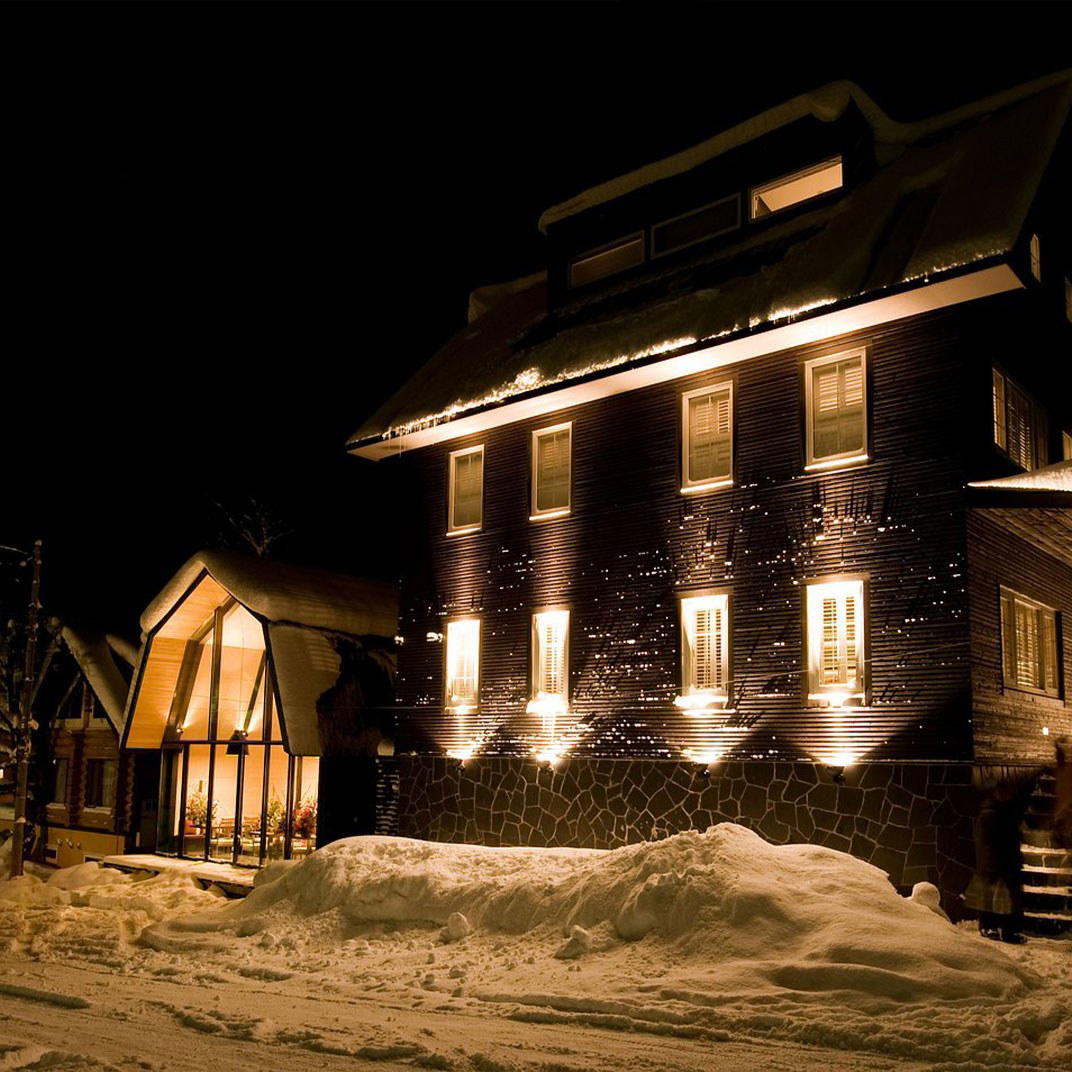
Restaurants in Niseko
Browse all →
Wineries in Niseko
Browse all →
Details
- Elegant
- Modern
- Sophisticated
- Cozy
- Scenic
- Honeymoon
- Romantic Getaway
- Family Vacation
- Wellness Retreat
- Ski In Ski Out
- Panoramic View
- Wi Fi
- Spa
- Fitness Center
- Room Service
- Concierge
- Business Center
- Mountain
- Wheelchair Accessible
- Elevator
- Step Free Entrance
- Accessible Parking
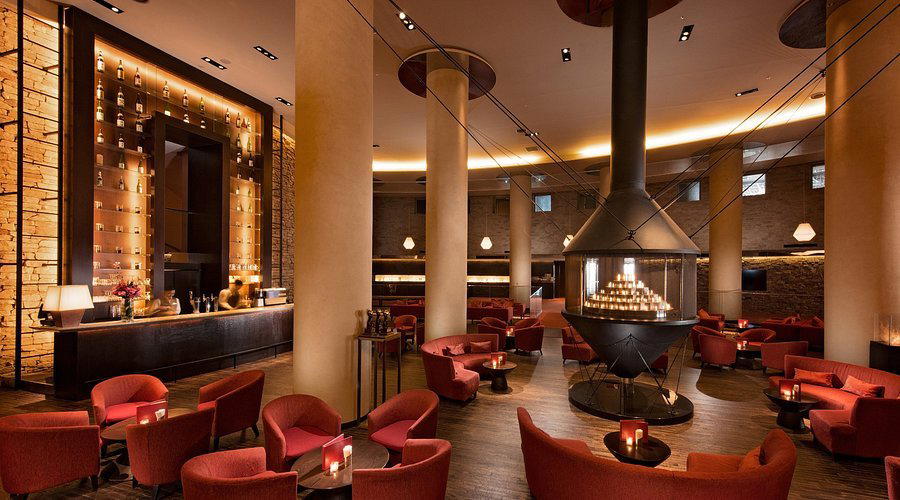
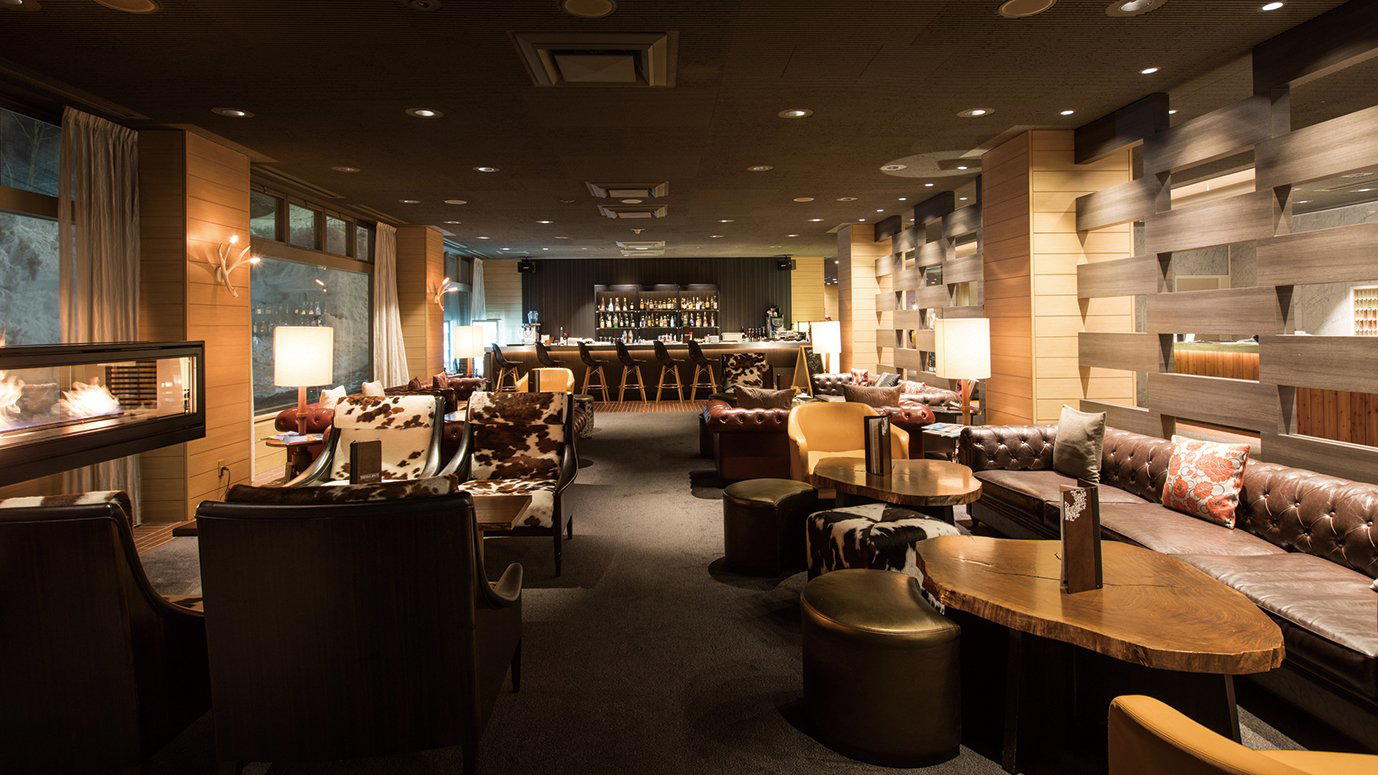
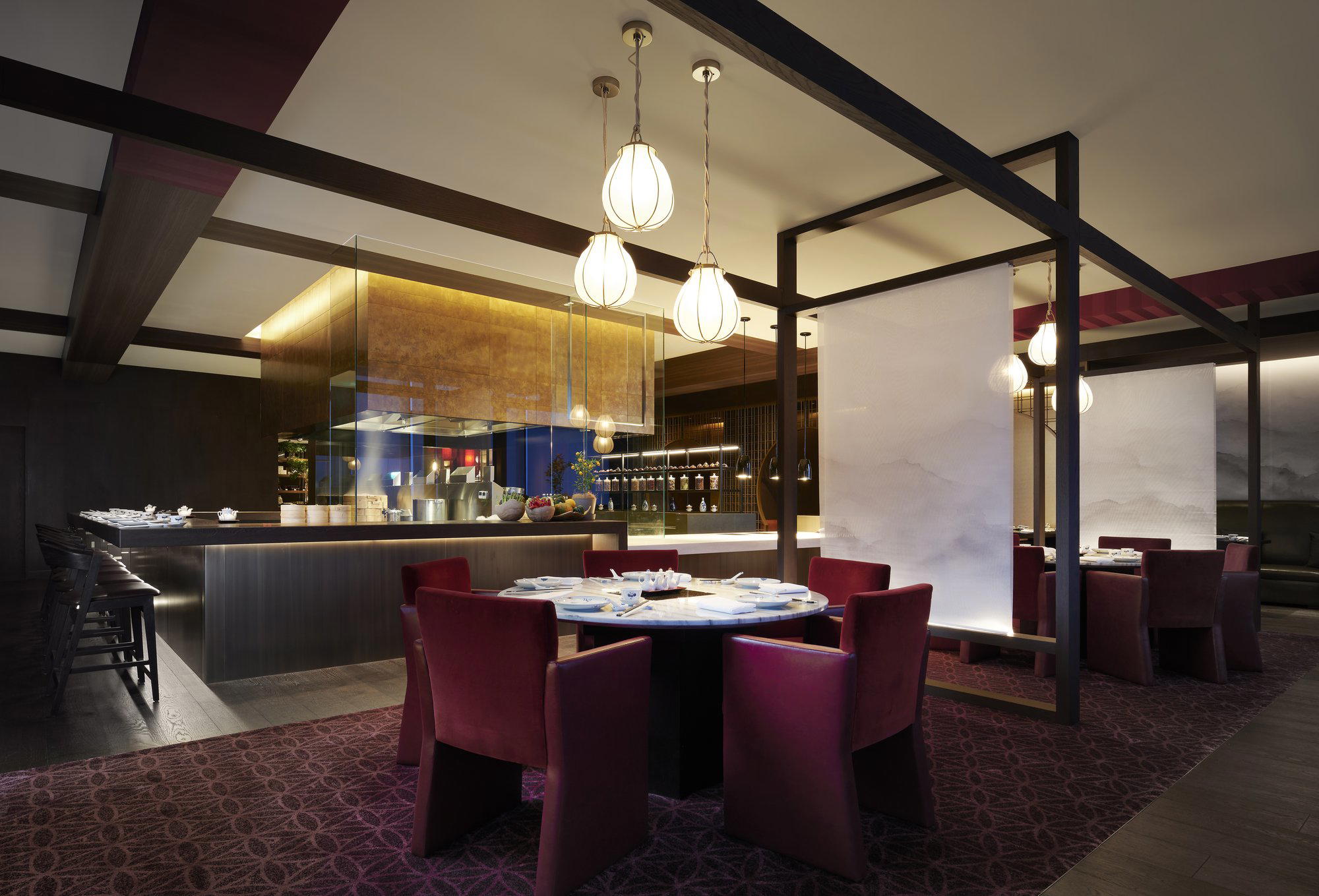
Warm lighting with natural materials and wooden interiors creates an elegant, cozy, and relaxing alpine atmosphere praised in guest reviews.