
A rural Hokkaido bread counter near the Niseko orbit, Boulangerie JIN turns a modest spend into a serious detour for bakery-focused travelers. Its Tabelog Bread EAST 100 selection places it in a recognized tier, while the over-the-counter format keeps the experience closer to a provisions stop than a restaurant meal.
Pearl is the En Primeur Club membership app — saves, bookings, and concierge access live there. Same editors, same standards.
- Address
- 45-8 Sakuragawa, Makkari, Abuta District, Hokkaido 048-1614, Japan
- Phone
- +81 136-45-2773
- Website
- vill.makkari.lg.jp
 Saves & bookings on Pearl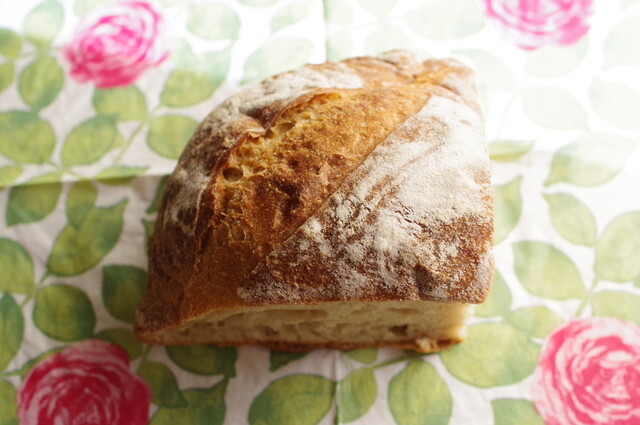
The approach to Makkari changes the frame before the first loaf enters the equation: fields, low buildings, and the wide Hokkaido scale that makes Sapporo’s dining grid feel far away. In this part of the island, bread is not just a cafe accessory. It belongs to a wider Hokkaido food culture built on dairy, wheat, long drives, and destination shopping, where a small bakery can justify a detour if the craft and value align.
Boulangerie JIN belongs to that detour category. The format is counter sales rather than a seated restaurant, which matters: the spend sits in everyday bakery territory, while the recognition places it among Japan’s more closely watched bread addresses. Tabelog selected it for Bread EAST “Tabelog 100” in 2022, with previous Bread 100 selections listed across 2017, 2018, 2019, and 2020. That history gives the bakery a stronger signal than a single burst of attention.
Hokkaido bread culture, priced like provisions rather than ceremony
Japan’s serious bread scene often splits between urban patisserie-boulangerie hybrids and rural makers tied to regional ingredients and slower travel patterns. Hokkaido gives the second model unusual weight. The island’s reputation for flour, butter, milk, and cold-climate farming means bread here carries a regional argument: not luxury by staging, but value through ingredient logic and craft discipline.
That is the useful way to read Boulangerie JIN. It is not trying to compete with Sapporo’s ramen counters, curry specialists, or sushi rooms on service choreography. It competes on the proposition that a small basket of bread can be the smarter purchase than another conventional lunch stop, especially for travelers already moving through Niseko, Rusutsu, or the wider Abuta district. The absence of table service is part of the equation, not a compromise; money is directed toward the bread, not the room.
For Sapporo-based planning, this sits outside the normal city crawl. A day built around central eating might make more sense with 175°DENO Tantanmen Sapporo kitaguchi ten, [Curry Senmon Ten] Maruyama Kyoju., Ajanta Indo Curry Ten, or Ajanta Sohonke. A bakery pilgrimage, by contrast, pairs better with a broader rural Hokkaido route, with Aigues Vives as the obvious comparator in spirit: bread as a destination rather than an add-on.
The award signal matters because the format is so modest
Tabelog’s Bread 100 lists are useful for travelers because bakeries rarely have the international award machinery that restaurants do. There are no tasting-menu theatrics, no chef’s counter narrative, no sommelier layer to interpret the meal. Recognition has to come through repeat customer attention, category-specific reputation, and enough consistency to rise above the large number of competent neighborhood bakeries across Japan.
That makes the value proposition sharper. A bakery with this level of category recognition asks for a much smaller financial commitment than a destination restaurant, yet it can add a clear sense of place to an itinerary. In Hokkaido, where long drives are common and meals are often planned around geography, this kind of stop has practical intelligence: it works as breakfast supply, road food, or a low-ceremony pause between larger reservations.
The counter-only setup also changes expectations. Travelers looking for a lingering dining room should recalibrate; the pleasure is in selection, timing, and restraint. Photography is not allowed inside the store, a rule that quietly protects the transaction from becoming another social-media queue. That detail says more about the experience than a dozen adjectives: this is a buying encounter, not a performance.
How to fit the detour into a Sapporo itinerary
For visitors using Sapporo as a base, the decision is less about whether the bakery is good and more about route design. The city itself has enough range for several days of eating, from spice-driven counters to regional Japanese cooking, and Our full Sapporo restaurants guide is the sensible starting point for that map. A trip to Makkari makes stronger sense when folded into a mountain, onsen, ski, or countryside day rather than treated as a quick urban errand.
That same logic applies across the rest of the trip. Use Our full Sapporo hotels guide for the overnight base, Our full Sapporo bars guide for the evening layer, Our full Sapporo wineries guide for drinking beyond the city’s cocktail frame, and Our full Sapporo experiences guide for the non-restaurant structure around the journey. Boulangerie JIN is strongest when it solves a travel-day problem and adds culinary specificity at the same time.
Against Japan’s wider casual dining field, the appeal is its ratio of reputation to commitment. A traveler can spend far more at polished specialist venues elsewhere, from -Grilled beef Sukiyaki- KAMAKURA TANUKIAN 鎌倉 たぬき庵 in Kamakura to. 鮪と炭火焼き うお炭 秋葉原店 in Tokyo,.cafe in Osaka,.know in Kumamoto, (Shoku) Vietnam in Kawasaki, and [ki:] in Kyoto. Internationally, casual Japanese formats have their own value cases, including Jōdo Saké Bar in Los Angeles and Onigiri Time in Pasadena. The Hokkaido bakery version is quieter: fewer moving parts, lower ceremony, and a clearer link between place and purchase.
The editorial call is simple. Build the visit around the route, not the other way around, and treat the bakery as a high-signal provisions stop within rural Hokkaido rather than a restaurant replacement. For travelers who care about bread, that is exactly the point.
Reputation Context
Comparable venues to anchor price and recognition.
| Venue | Cuisine | Price | Awards | Notes |
|---|---|---|---|---|
| Boulangerie JINThis venue — the venue you are viewing | Seasonal French-style bakery | $ | , | |
| RED CHILI | Indian curry and soup curry | $ | , | Chūō |
| Univers S. | Retro Showa-style Western (yoshoku) restaurant | $$ | , | Nishi |
| Curry Tamashii Destroyer | Japanese Soup Curry | $ | , | Kita |
| THIRTY FOUR | Soup curry restaurant | $ | , | Toyohira |
| Ise no Jo Kikusui honten | Ramen & Gyoza Shop | $ | , | Shiroishi |
Continue exploring
More in Sapporo
Restaurants in Sapporo
Browse all →


Hotels in Sapporo
Browse all →

Wineries in Sapporo
Browse all →
At a Glance
- Hidden Gem
- Rustic
- Cozy
- Scenic
- Quiet
- Solo
- Family
- Casual Hangout
- After Work
- Standalone
- Design Destination
- Local Sourcing
- Mountain
- Garden
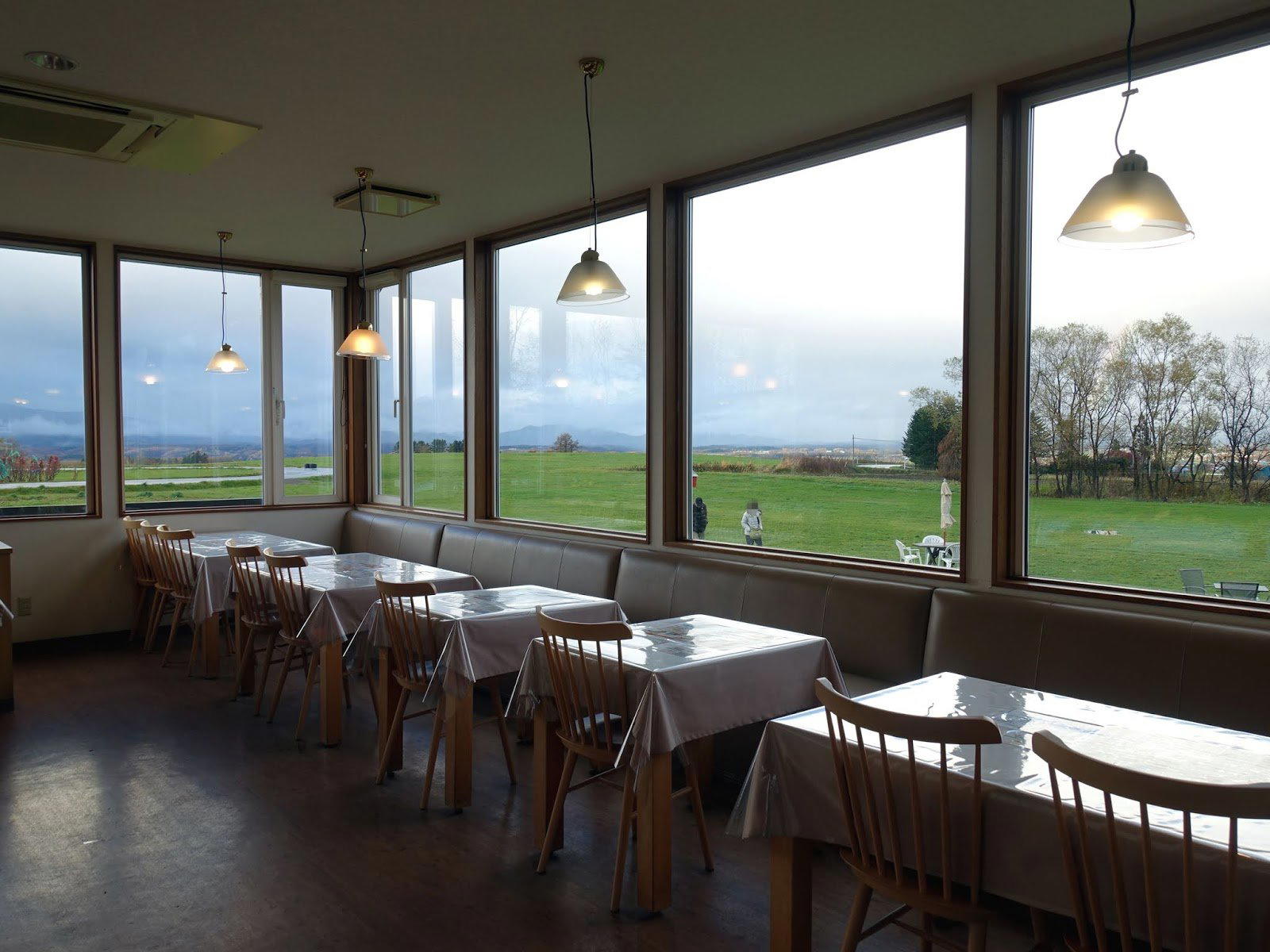
A tiny, non-smoking country bakery with a simple over-the-counter setup, no indoor seating, and a calm, rustic feel enhanced by countryside and mountain views; guests typically buy bread to take away rather than linger.