
Michelin Selected
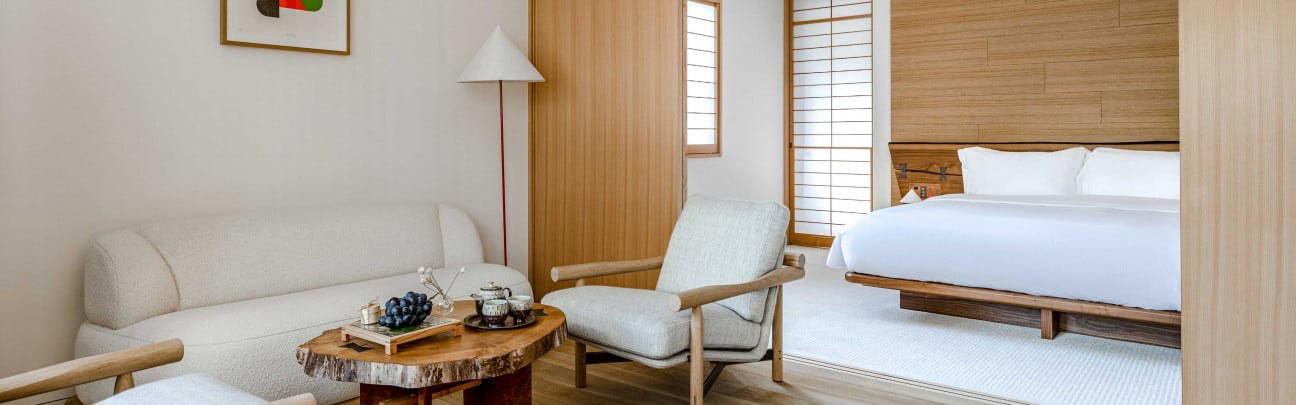
Mimaru Suites Kyoto Central occupies a compact position in Nakagyo-ku, placing guests within reach of the city's historic core while offering suite-format accommodation suited to longer stays and self-catering rhythms. Recognised by the Michelin Selected Hotels 2025 list, the property sits in a tier of Kyoto lodging that trades five-star ceremony for practical depth and neighbourhood proximity.

Pearl is the En Primeur Club membership app — saves, bookings, and concierge access live there. Same editors, same standards.
- Address
- Japan, 〒604-8201 Kyoto, Nakagyo Ward, Nagahamacho, 154-3
- Phone
- +81 75-585-4321
- Website
- mimaruhotels.com
- Directions
- Get directions
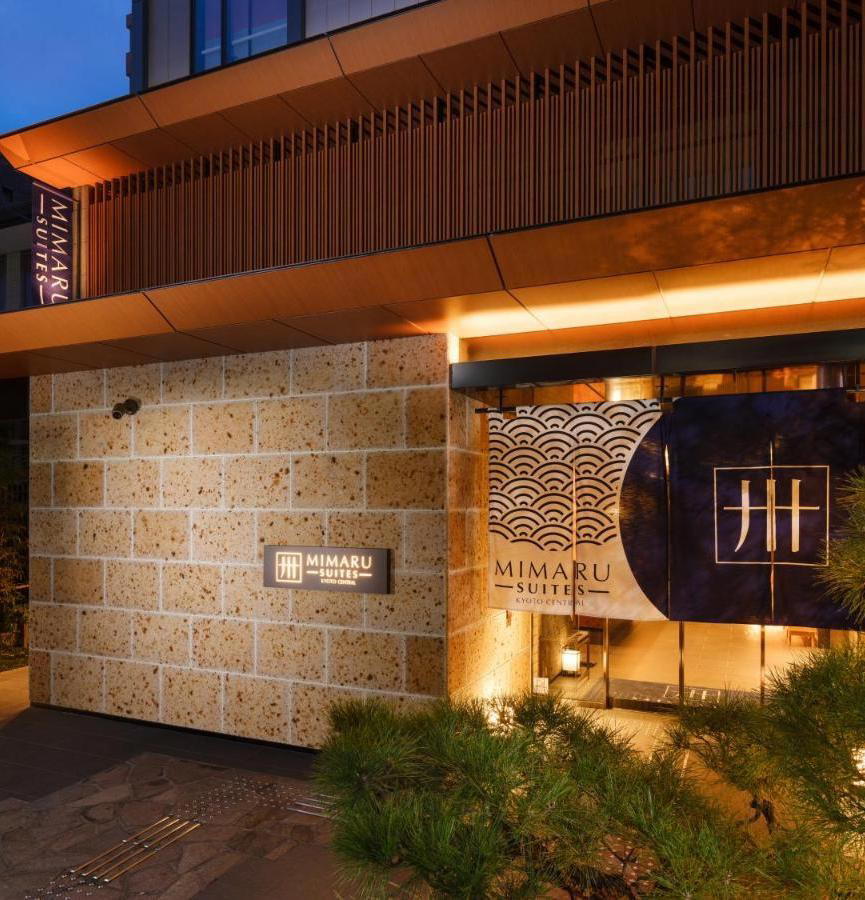
Nakagyo-ku and the Case for Staying Central
Kyoto's accommodation market has fractured into distinct tiers over the past decade. At one end sit the grand ryokan and international luxury properties — Aman Kyoto, Four Seasons Hotel Kyoto, Hoshinoya Kyoto — where the property itself is the destination. At the other end, a dense field of business hotels and guesthouses serves visitors on tight budgets and tighter schedules. Between those poles, a smaller cohort of suite-format properties has emerged to serve a different kind of traveller: one who wants central positioning, functional space for two or more people, and the ability to move through the city at their own pace rather than a hotel's rhythm.
Mimaru Suites Kyoto Central, addressed at 154-3 Nagahamacho in Nakagyo-ku, fits that middle cohort. Nakagyo-ku is the administrative and geographic heart of Kyoto, bounded by the old imperial palace grounds to the north and the entertainment districts of Gion and Kawaramachi to the south and east. Staying here means Nishiki Market, the city's covered food market running along a narrow east-west lane, is within practical walking distance, as are the depachika basement food halls of the major department stores on Shijo-dori. For a suite-format property, that proximity to Kyoto's ingredient and food-retail culture matters in ways it wouldn't for a conventional hotel room.
The Michelin Selected Designation and What It Signals
Mimaru Suites Kyoto Central appears on the Michelin Selected Hotels 2025 list, which places it in a recognised tier below Michelin Key properties but above the undifferentiated mass of Kyoto accommodation. The Michelin hotel selection process evaluates quality, service, and character without awarding the formal star or key distinctions reserved for properties that meet a higher threshold. For the traveller using awards data as a filter, the Selected designation is a credible baseline: the property has been reviewed and passed a quality threshold, even if it isn't competing with HOTEL THE MITSUI KYOTO or the ryokan estates of the city's eastern hills.
That positioning matters when setting expectations. Across the country, similar designations appear at properties like Gora Kadan in Hakone, Nishimuraya Honkan in Kinosaki-cho, and Fufu Nikko in Nikko, where the focus is on considered hospitality within a specific format rather than comprehensive amenity provision. For Mimaru specifically, the suite format and central Kyoto address are the primary differentiators.
Suite Living in a City Defined by Food Culture
The editorial angle on Mimaru Suites Kyoto Central is less about the property itself and more about what suite accommodation enables in a city with Kyoto's ingredient depth. Kyoto-ryori, the restrained, seasonally driven cuisine associated with the city's temple culture and kaiseki tradition, depends on a supply chain that runs from the farms of the surrounding Tamba, Nishijin, and Yamashiro regions into the city's markets and restaurants. That supply chain is visible and accessible at street level in ways it simply isn't in Tokyo or Osaka.
Nishiki Market, a five-hundred-year-old covered market that runs for roughly four hundred metres through central Nakagyo-ku, carries Kyoto-specific produce: kyo-yasai (Kyoto vegetables, including the knobbed turnips and long eggplants that define the local table), fresh tofu, pickled vegetables, dashi ingredients, and prepared foods that represent the working culinary grammar of the city. For guests in a conventional hotel room, this is material for a browsing walk. For guests in suite accommodation with a kitchen, it becomes a genuine supply source.
The broader context here is that Kyoto's self-catering potential is often underutilised by visitors who default to restaurant dining for every meal. Given the density of quality ingredients available at Nishiki and in the department store basement halls nearby, a suite stay in Nakagyo-ku positions guests to engage with that supply chain rather than simply observing it. Whether that matters depends entirely on the traveller, but for those with any interest in Japanese food culture, the proximity is a functional advantage that suite accommodation converts into daily practice.
Within Kyoto's suite and boutique hotel tier, Mimaru competes against properties that offer different trade-offs. Hotel Kanra Kyoto and eph KYOTO both sit in a similar mid-tier bracket, while Candeo Hotels Kyoto Karasuma Rokkaku and GRANBELL HOTEL KYOTO represent the design-forward urban hotel format. Properties at the higher end of the market, including Higashiyama Shikikaboku, tend to offer more ceremonial Japanese hospitality but at price points and in neighbourhoods (Higashiyama's eastern hillside) that suit a different visit structure.
For those comparing Mimaru against Japan's wider ryokan and resort circuit, the contrast in format is clear. Properties like Amanemu in Mie, Zaborin in Kutchan, Asaba in Izu, or Kamenoi Besso in Yufu are full-immersion retreats where meals, bathing, and landscape are the proposition. Mimaru's proposition is almost the inverse: it is a base from which to access a city, not an environment designed to hold you in place. The two formats serve fundamentally different trip structures, and choosing between them is less about quality than about what kind of Kyoto visit you are planning.
For the restaurant dimension of a Kyoto stay, the EP Club's full Kyoto Prefecture restaurants guide covers the dining tier in depth.
Planning a Stay: What to Know
Nakagyo-ku's central position means the Hankyu and Karasuma subway lines are both accessible from the Nagahamacho address, connecting the property to Kyoto Station to the south and to Karasuma-Oike interchange for east-west movement. The neighbourhood's walkability is a practical asset: Nijo Castle is to the northwest, the Pontocho dining alley along the Kamo River is accessible on foot to the east, and the covered shopping arcades of Teramachi and Shinkyogoku run north-south nearby. Kyoto's high seasons, spring cherry blossom (late March to mid-April) and autumn foliage (mid-October to late November), drive significant accommodation pressure across all tiers, and booking ahead during those windows applies to this property as much as any other in the city. Outside those periods, the Nakagyo-ku central zone remains busy year-round given its proximity to commercial Kyoto, but availability tends to be more open.
Prospective guests should verify current rates and configuration directly before booking.
Where It Fits
Comparable venues nearby, for context on price, style, and recognition.
| Venue | Cuisine | Price | Awards | Notes |
|---|---|---|---|---|
| Mimaru Suites Kyoto CentralThis venue — the venue you are viewing | Apartment hotel with spacious suite-style rooms designed for families and groups. | Not listed | Michelin Selected | Not listed |
| Node Hotel | Contemporary boutique hotel inspired by a private art collector's residence, blending hospitality with curated contemporary art. | $100–200 | Michelin Selected | Shijo Nishinotoin, Nakagyo-ku |
| Kyoto Tokyu Hotel | Modern hotel with traditional Kyoto garden courtyard | $200–300 | Preferred Hotels Member | Shimogyō |
| Kyo no Ondokoro Kamanza Nijo #2 | Renovated traditional machiya townhouse | Not listed | Michelin Selected | Nakagyo |
| Mitsui Garden Hotel Kyoto Sanjo Premier | Contemporary Japanese design blending traditional aesthetics with modern luxury; occupies historic Sanjo Street with architectural heritage sensitivity. | $200–300 | Michelin Selected | Nakagyō |
| Hotel Chourakukan | Historic Western-style mansion with personalized service | $750–1,000 | Small Luxury Hotels of the World Member | Higashiyama |
Recognition history
Dated appearances from independent guides and award organizations, with the underlying list record or original source where available.
Michelin Selected
Michelin
Continue exploring
More in Kyoto
Hotels in Kyoto
Browse all →
Bars in Kyoto
Browse all →
Restaurants in Kyoto
Browse all →
Wineries in Kyoto
Browse all →
Details
- Modern
- Quiet
- Cozy
- Sophisticated
- Family Vacation
- Group Retreat
- Business Trip
- Weekend Escape
- Design Destination
- Terrace
- Wi Fi
- Elevator
- Luggage Storage
- Street Scene
- Elevator
- Step Free Entrance
Modern apartment-style atmosphere with spacious suites, tatami accents, and a quiet, home-like feel suited to families and groups.