
Small Luxury Hotels of the World Member
A Western-style residence in Higashiyama Ward, Hotel Chourakukan sits within Maruyama Park and has hosted presidents and princes across its long history. The property occupies a rare architectural position in this part of Kyoto, where traditional machiya and temple compounds dominate. For travellers seeking historical character alongside proximity to the Higashiyama temple trail, it represents a considered alternative to the city's newer luxury entrants.

Pearl is the En Primeur Club membership app, where members save venues, book tables and use the concierge.
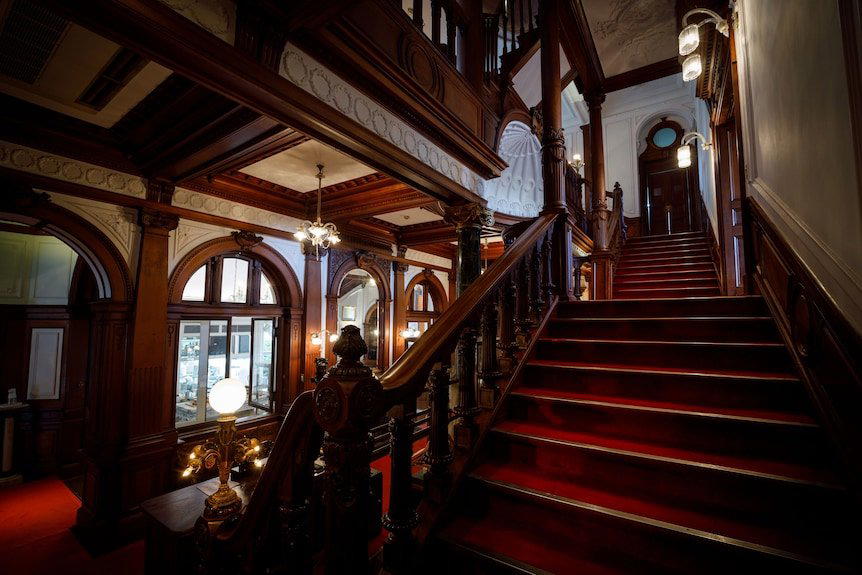
A Park Address in the Heart of Higashiyama
Higashiyama Ward is where most visitors encounter the Kyoto they came to find. The stone-paved lanes running toward Kiyomizudera, the moss-edged precincts of Chion-in, the five-storey silhouette of Yasaka Pagoda glimpsed between cedar trees: this is the district that carries the city's oldest visual grammar. Within it, Maruyama Park provides a pause in the density of temple and shrine, a soft perimeter of cherry trees, stone lanterns, and wide lawn that the surrounding neighbourhood seems to breathe around. Hotel Chourakukan sits inside that park, and the address is not incidental to the experience.
Arriving on foot from Shijo-dori or down from Chion-in's main gate, the transition is gradual rather than sudden. The noise of the main tourist routes, the shuffle of groups, the clatter of rickshaws on stone, drops away as the park trees close in. By the time the building comes into view, the city already feels at a measured distance.
Western Architecture in a Temple District
Higashiyama's built environment is defined by low wooden facades, latticed shopfronts, and the sweeping eaves of Edo-period construction. Western-style architecture of the Meiji and Taisho eras exists elsewhere in Kyoto, along the Kamo River in Nakagyo, in the brick institutions of Kyoto University's older campus, but in this specific ward, it is unusual to the point of anomaly. Hotel Chourakukan is one of the few properties in Higashiyama that operates from a building conceived in a European rather than Japanese architectural idiom, which gives it a distinct visual register against the district's dominant aesthetic.
That contrast is not jarring. The property's position within Maruyama Park means it is softened by mature greenery on all sides, and the building's scale is proportioned to its surroundings rather than imposing on them. What it offers, architecturally, is a different kind of historical layering: not the continuity of wooden construction running from the Heian period forward, but the particular moment in late nineteenth and early twentieth century Japan when Western building forms were adopted by an elite class as markers of cosmopolitan status. Hotels of this era in Japan often carried significant social weight, and the guest registers that accumulated presidents and princes were a feature of that moment.
The Sensory Register of the Place
The calm the property is associated with is partly structural and partly locational. Maruyama Park operates on a different rhythm from the commercial streets flanking Higashiyama's main pilgrimage routes. In the early morning, before the tour groups arrive on Ninenzaka and Sannenzaka, the park is quiet in a way that central Kyoto rarely manages: birdsong over gravel, the distant bell of Chion-in marking the hour, the occasional murmur of elderly residents on their morning walk. A hotel positioned within this environment, rather than adjacent to it, starts from a different atmospheric baseline than properties on busier corridors.
The historical associations add a secondary register. Spaces that have been used continuously for long periods accumulate a particular quality of stillness, not emptiness, but the sense that the building has absorbed many presences and carries them quietly. That quality is distinct from the curated calm of new-build ryokan or the deliberate minimalism that defines properties like Aman Kyoto, which pursues serenity through design intervention. Here, the quiet comes with more history attached.
Where Chourakukan Sits in Kyoto's Accommodation Map
Kyoto's premium accommodation tier has expanded considerably over the past decade. Properties like Park Hyatt Kyoto and Four Seasons Hotel Kyoto have introduced international five-star formats to the city, while design-led independents like The Shinmonzen and SOWAKA occupy a more intimate, art-forward niche. At the other end of the spectrum, Ace Hotel Kyoto has brought a contemporary international design sensibility to Nakagyo Ward. HOTEL THE MITSUI KYOTO and Dusit Thani Kyoto each occupy distinct positions within the city's growing portfolio of considered properties.
Hotel Chourakukan operates differently from most of this set. It is not a new-build hotel adopting traditional aesthetics, nor a converted machiya repositioned as a luxury inn. It is an older Western-style building in a park, with a documented history of hosting senior political figures, in one of the best-positioned addresses in Higashiyama. For travellers specifically interested in that distinction, the address carries weight that no amount of renovation or rebranding can replicate.
Higashiyama itself is walkable to an extraordinary concentration of significant sites: Yasaka Shrine is effectively on the park's western edge, Kiyomizudera is within a thirty-minute walk along the stone lanes, and the Philosopher's Path begins a short distance north. For a full picture of the city's dining and cultural programming, see our full Kyoto restaurants guide.
Japan's Broader Range of Historic Stays
Properties with genuine historical guest registers exist across Japan, though they operate in different formats depending on region and architectural tradition. Ryokan with documented Meiji-era origins, such as Nishimuraya Honkan in Kinosaki-cho and Asaba in Izu, carry their history through the vocabulary of Japanese inn culture. Properties like Gora Kadan in Hakone, with its origins as an imperial villa, occupy yet another tier. Chourakukan's Western-style building in a Buddhist-district park places it in a specifically Meiji-inflected category: the era's confidence that Western architectural form and Japanese garden setting could coexist without contradiction.
Travellers drawn to that specific historical moment in Japan, the design choices, the social aspirations, the guest lists, will find limited alternatives anywhere in the country, let alone within Higashiyama Ward. Other parts of Japan worth considering for a broader journey include Amanemu in Mie, Benesse House in Naoshima, Zaborin in Kutchan, and Halekulani Okinawa, each representing a distinct approach to place-specific accommodation.
Planning Your Stay
The hotel is located at 604 Maruyamacho, Higashiyama Ward, inside Maruyama Park, within walking distance of Yasaka Shrine, Chion-in, and the main Higashiyama stone-lane corridor. Reaching the property on foot from Gion-Shijo Station takes approximately fifteen minutes; from Kyoto Station, a taxi is the most direct option. Visiting during cherry blossom season in late March and early April places the hotel inside one of Kyoto's most celebrated park settings, though this period brings significant crowds to Maruyama Park itself; late autumn, when the maple foliage in the surrounding hillsides peaks, offers comparable atmosphere with marginally more ease of access.
Budget Reality Check
Comparable venues nearby, for context on price, style, and recognition.
| Venue | Price | Awards | Notes |
|---|---|---|---|
| Hotel ChourakukanThis venue (the venue you are viewing) | $750–1,000 | Small Luxury Hotels of the World Member | Not listed |
| The Hotel Higashiyama by Kyoto Tokyu Hotel, A Pan Pacific Hotel | $300–500 | Michelin Selected | Higashiyama, Blends traditional ryokan hospitality with contemporary luxury inspired by Kyoto's feudal-era Higashiyama district. |
| KIKOKUTEI Bekkan | $300–500 | Michelin Selected | Shimogyō, Contemporary boutique ryokan blending modern minimalism with traditional Japanese hospitality principles |
| Kyo no Ondokoro Nishijin Bettei #5 | $500–750 | Michelin Selected | Kamigyō, Modernized historic machiya townhome |
| FAUCHON L'Hotel Kyoto | $300–500 | Michelin Selected · Small Luxury Hotels of the World Member | Shimogyō, Luxury boutique hotel merging French Parisian design with Japanese minimalism and contemporary aesthetics |
| The Ritz-Carlton, Kyoto | $500–750 | 1 Michelin Key · La Liste Top Hotels | Gion, Contemporary ryokan-inspired urban resort blending traditional Japanese elements with modern luxury. |
Recognition history
Dated appearances from independent guides and award organizations, with the underlying list record or original source where available.
Small Luxury Hotels of the World Member
Small Luxury Hotels of the World
Continue exploring
More in Kyoto
Hotels in Kyoto
All hotels in Kyoto →
Bars in Kyoto
All bars in Kyoto →
Restaurants in Kyoto
All restaurants in Kyoto →
Wineries in Kyoto
Browse all →
Details
- Romantic
- Quiet
- Elegant
- Classic
- Cozy
- Intimate
- Romantic Getaway
- Anniversary
- Honeymoon
- Historic Building
- Garden
- Wi Fi
- Restaurant
- Concierge
- Housekeeping
- Laundry Service
- Bar
- Garden
- Wheelchair Accessible
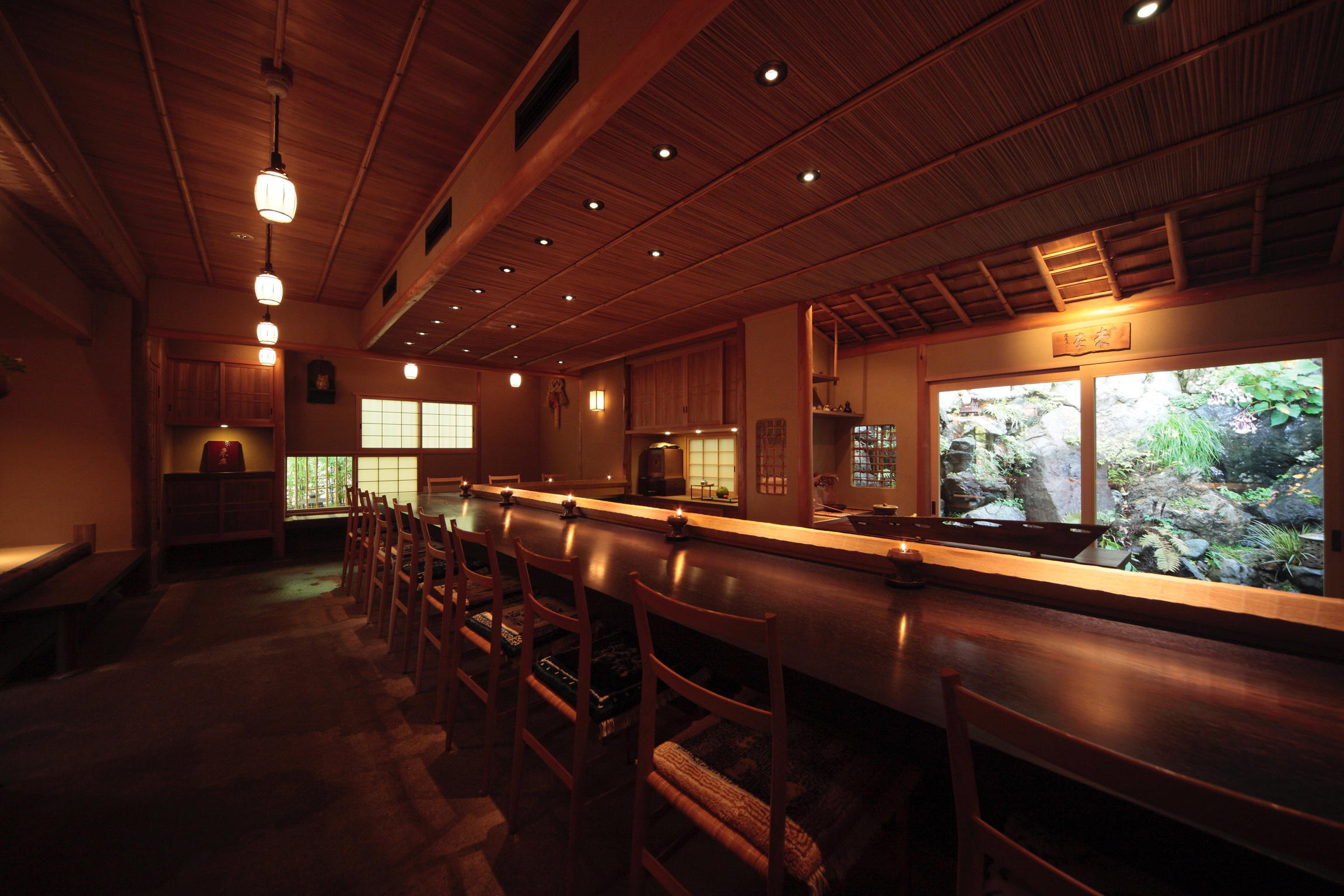
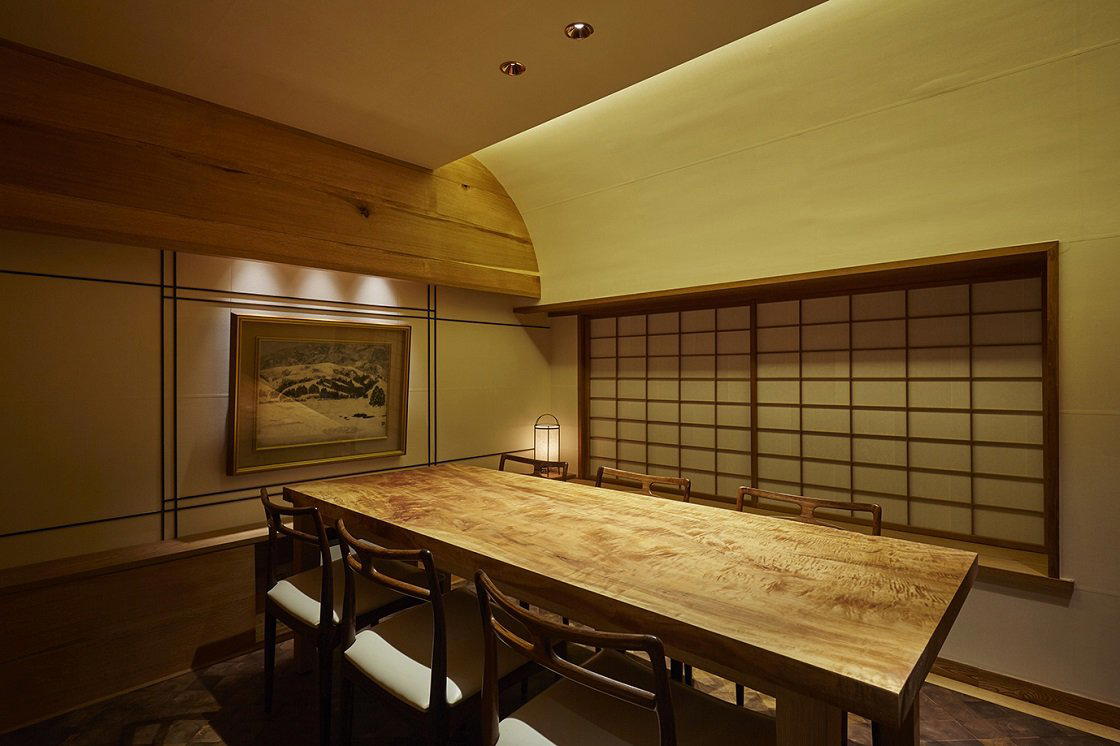
Warm and serene atmosphere with lobby fireplace, solid wood decor, and peaceful surroundings near Maruyama Park, evoking a European castle-like tranquility.