
1 Michelin Key
A MICHELIN Selected property at 6-5 Takaokamachi, Tsuruko occupies a position within Kanazawa's small tier of architecturally grounded ryokan-style stays. The city's reputation as Japan's most intact castle-town shapes the hospitality here: traditional materials, restrained interiors, and a deliberate pace that pushes back against the efficiency of urban hotel culture.

Pearl is the En Primeur Club membership app — saves, bookings, and concierge access live there. Same editors, same standards.
- Address
- 6-5 Takaokamachi, Kanazawa, Japan
- Phone
- +81 76-210-5160
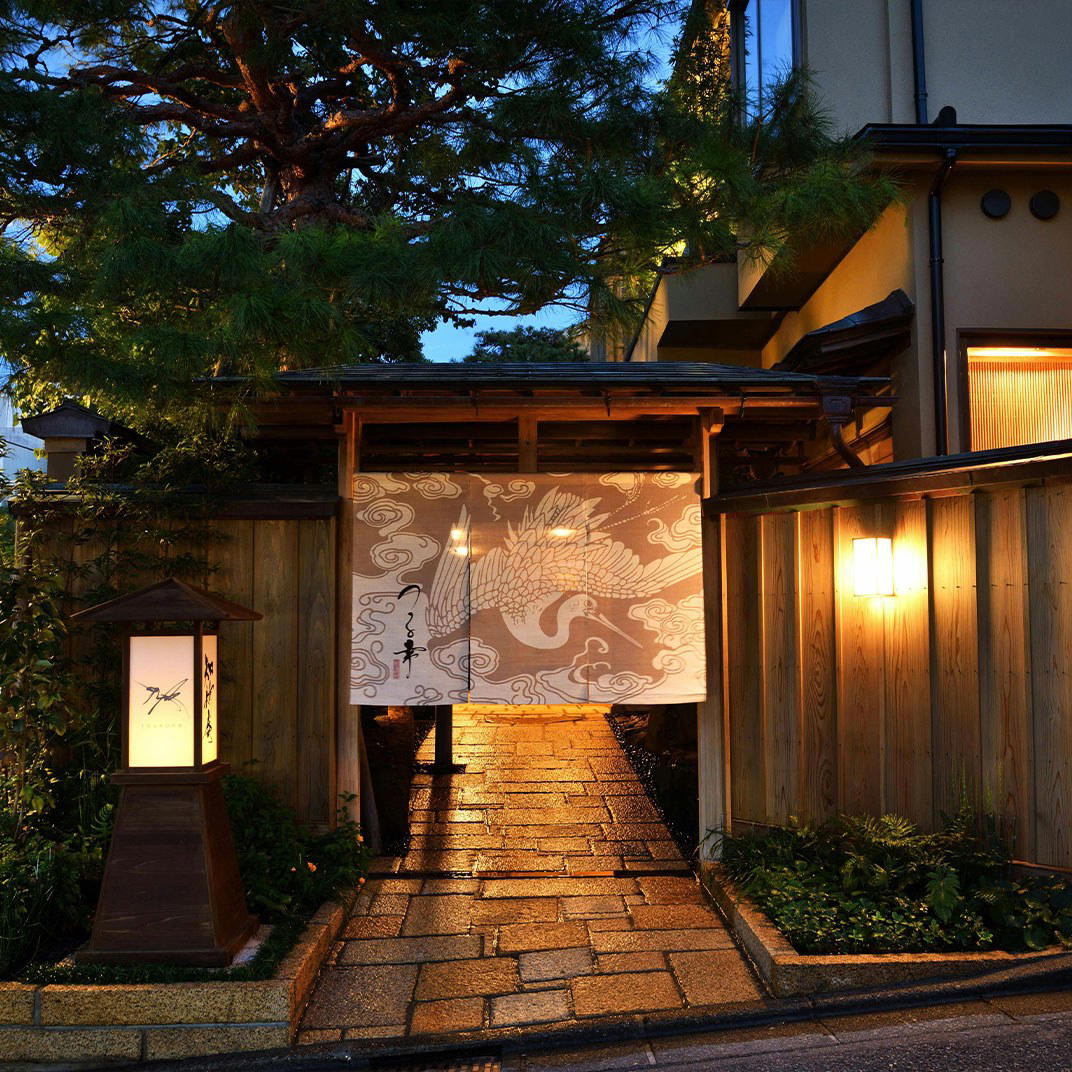
The Architecture of Stillness: Tsuruko in Kanazawa's Ryokan Tradition
Kanazawa has survived centuries without the earthquake damage or wartime bombing that remade much of Japan's urban fabric. That physical continuity shows in the city's preserved geisha districts, samurai residences, and the machiya townhouses that line older neighbourhoods like Takaokamachi. It also creates a context for hospitality that most Japanese cities can no longer offer: traditional architecture that is genuinely old, not reconstructed. Tsuruko, sitting at 6-5 Takaokamachi, operates within that rare condition.
The broader story of Japanese premium accommodation has split, over the past decade or so, into two competing directions. One path follows the international luxury template: high-rise footprints, global brand affiliations, marble lobbies calibrated to reassure travellers arriving from anywhere. Properties like Bvlgari Hotel Tokyo in Tokyo sit at the polished end of that trajectory. The other path moves in the opposite direction, toward low-key counts, local materials, and spatial grammar drawn from the machiya or ryokan rather than the international five-star template. HOTEL THE MITSUI KYOTO in Kyoto navigates a middle register between those poles; properties like Gora Kadan in Hakone or Zaborin in Kutchan commit more fully to the restrained, design-led end. Tsuruko reads as part of that second cohort, shaped by a neighbourhood that enforces a certain material honesty on any building that takes it seriously.
What the Physical Space Signals
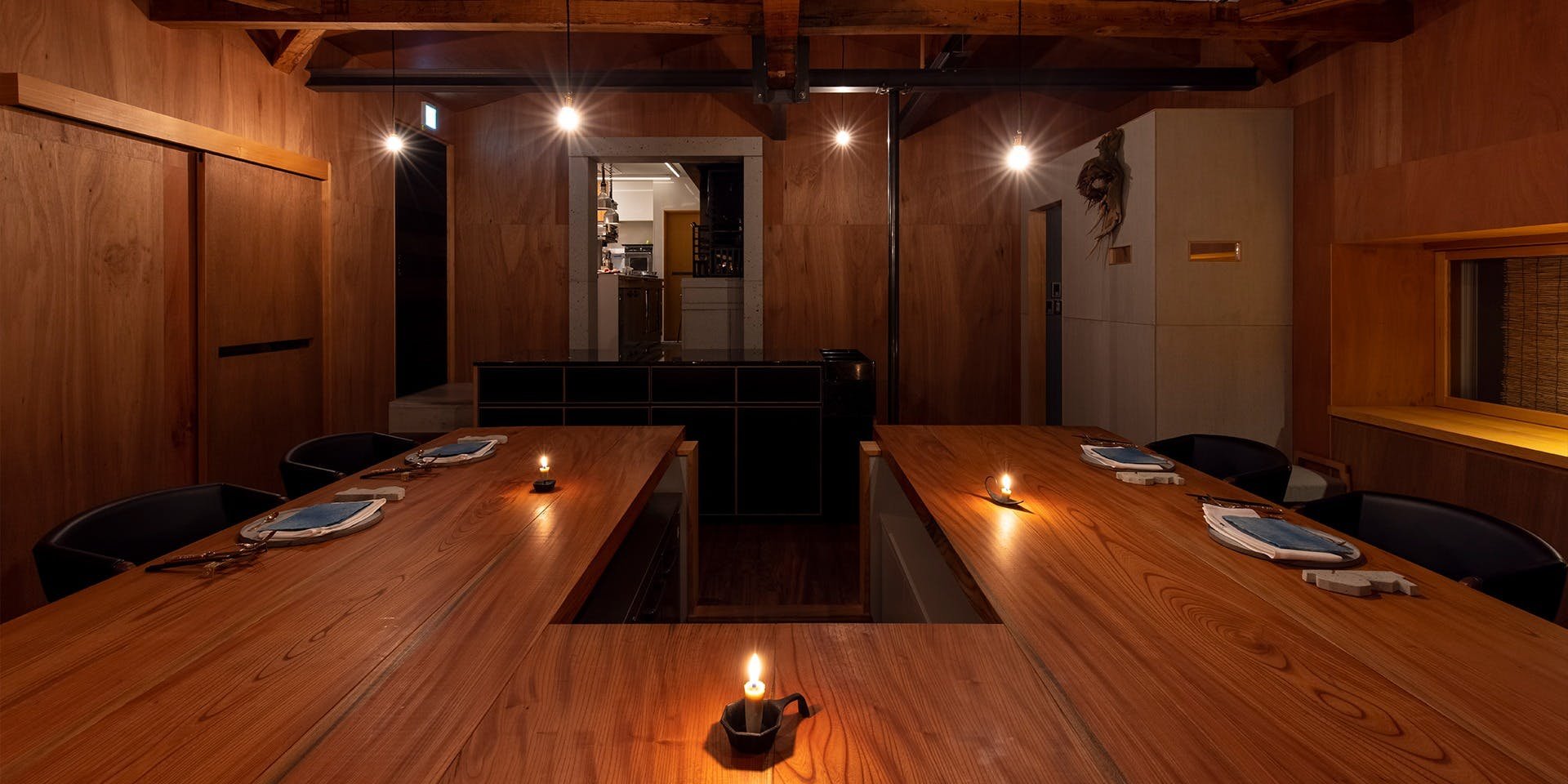
The address in Takaokamachi places Tsuruko within one of Kanazawa's older residential zones, away from the commercial density around Kanazawa Station. In these neighbourhoods, the architecture sets the terms: low rooflines, natural materials, a relationship between interior and courtyard or garden space that treats the boundary between inside and outside as permeable. This is not a design concept applied from outside; it is a spatial logic that predates contemporary hospitality thinking by several centuries.
Michelin accommodation selection, which included Tsuruko in its 2025 guide, tends to recognise properties where the physical experience of staying is substantively connected to place. The MICHELIN Selected designation in the hotels guide signals that the selection panel found the property worth naming within a competitive pool, a meaningful threshold in a country where the standard for traditional hospitality is already high. Properties earning this recognition in smaller Japanese cities often carry design or spatial qualities that larger, more internationally-branded hotels in the same market do not offer.
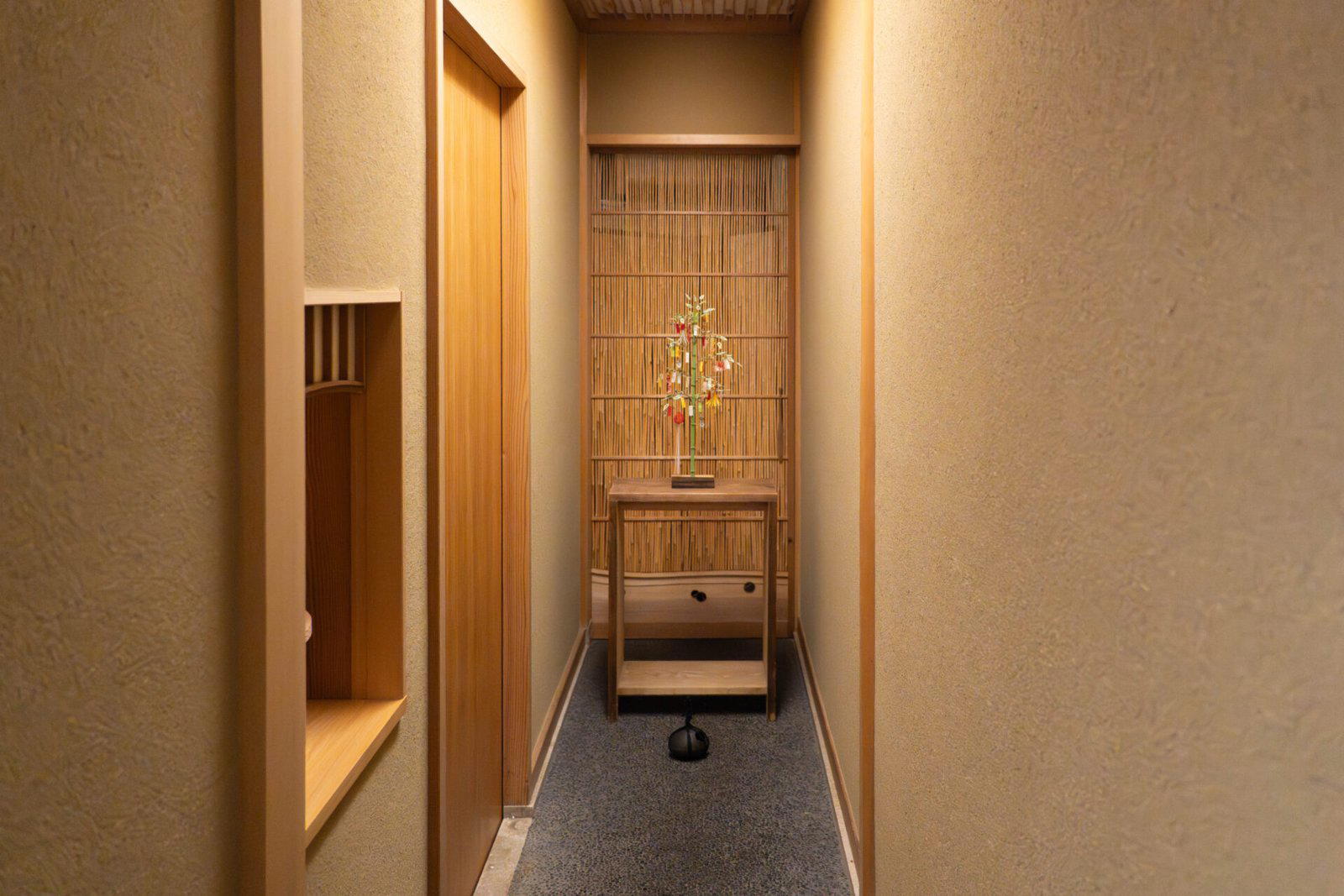
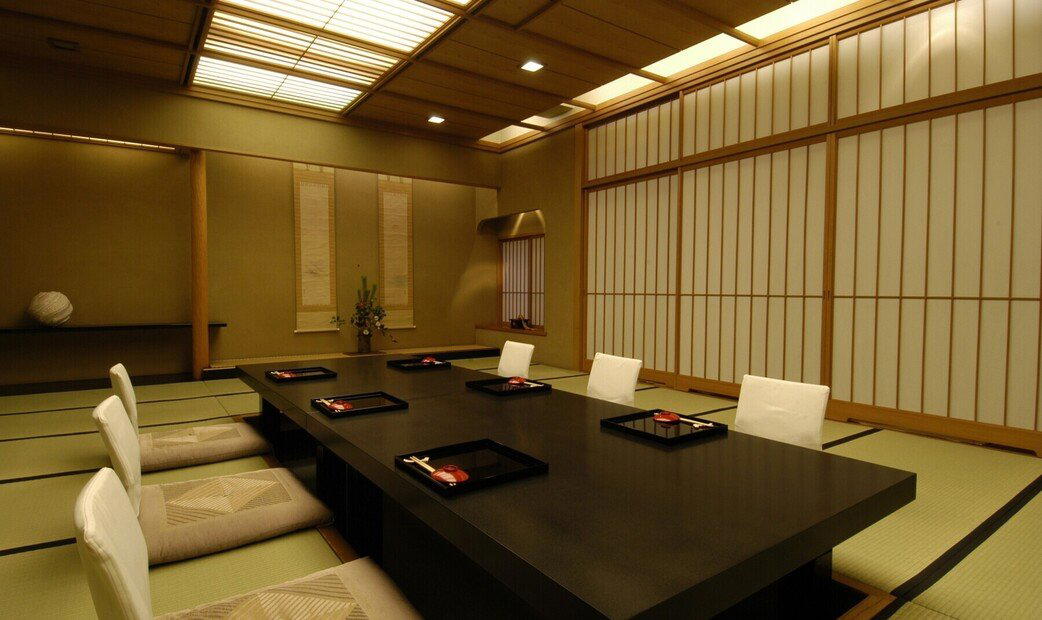
Japan's ryokan tradition is built on a spatial vocabulary that differs structurally from Western hotel formats. Rooms open onto garden views through shoji screens rather than framed windows. Corridors and communal spaces are treated as transitional rather than functional, places to slow movement rather than speed it. The relation between guest space and shared space, bath, garden, dining room, is calibrated to produce a rhythm in the day that cannot be replicated by adding amenities. For travellers accustomed to Western luxury formats, this requires some adjustment; for those who have experienced it before, it tends to become the reference point against which other stays are measured.
Kanazawa as a Setting for This Kind of Stay
Kanazawa has developed a reputation among informed travellers as one of the few Japanese cities where the pre-modern urban fabric and the contemporary cultural scene coexist without one undermining the other. The Kenroku-en garden, the 21st Century Museum of Contemporary Art, the Higashi Chaya geisha district, and the Omicho market all sit within a city that has not sacrificed coherence to growth. This makes it an unusual backdrop for premium hospitality: the city itself does a significant amount of editorial work.
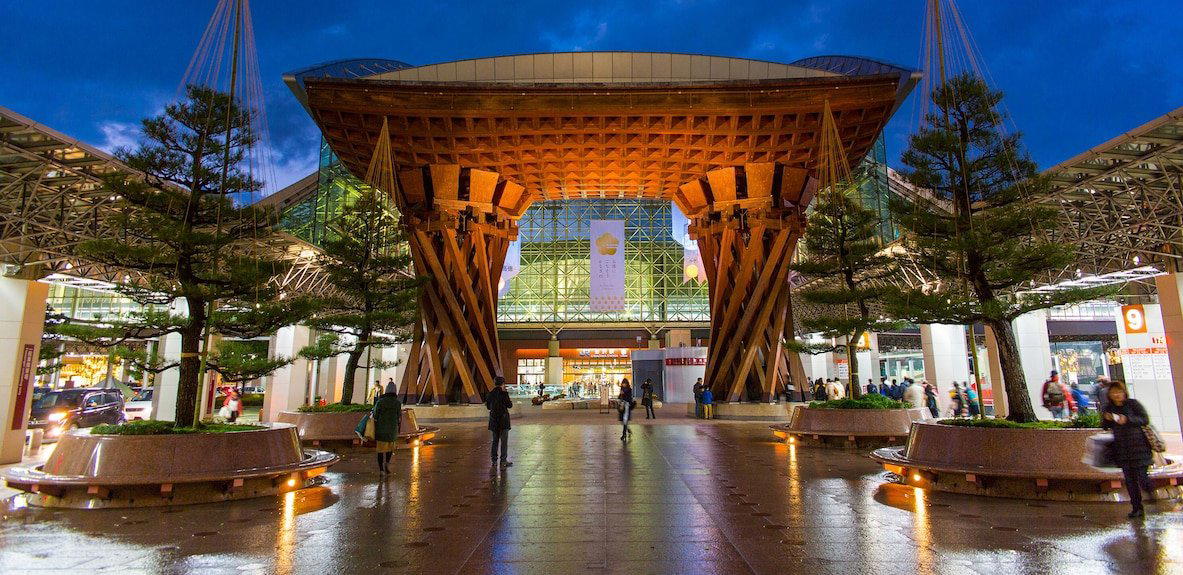
Travellers approaching Kanazawa from Tokyo typically take the Hokuriku Shinkansen, which connects the two cities in roughly two and a half hours since the line's Kanazawa terminus opened in 2015. The city is also a plausible addition to a Kyoto or Osaka itinerary, with direct rail connections making multi-city routing direct. Those extending into Japan's ryokan heartland further afield might consider properties like Asaba in Izu, Kamenoi Besso in Yufu, or Nishimuraya Honkan in Kinosaki-cho as comparative reference points within Japan's traditional accommodation spectrum.
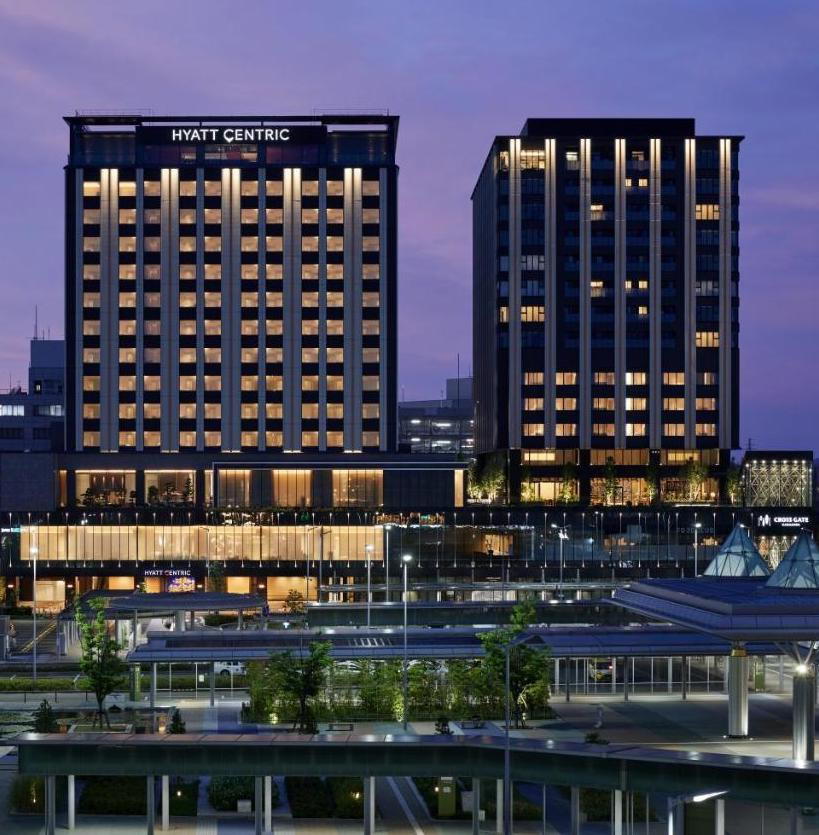
Within Kanazawa itself, accommodation choices split between full-service international hotels, Hyatt Centric Kanazawa and Kanazawa Tokyu Hotel among them, and the smaller, architecturally grounded properties in older neighbourhoods. Tsuruko occupies the latter category, which means fewer services but a spatial and cultural experience that the branded hotel tier cannot replicate. The trade-off is consistent with the broader pattern across Japan's traditional hospitality tier: depth of place over breadth of amenity.
Placing Tsuruko in the Wider Japanese Hospitality Map
Japan's MICHELIN Selected hotel pool in 2025 spans a wide geographic range, from urban properties in Tokyo and Kyoto to remote onsen ryokan and coast-facing boutique stays. Within that pool, the properties that tend to hold the firmest editorial position are those where the physical design and the local context are inseparable, where the building's logic is not transferable to another location. Amanemu in Mie achieves this through its relationship with the Ago Bay coastline; Benesse House in Naoshima through its integration with the island's art museum structure; Sekitei in Hatsukaichi-shi through its garden and coastal position. Tsuruko's claim rests on its position within Kanazawa's historically coherent urban fabric, a context that has become progressively rarer as Japanese cities modernise.
For travellers building Japan itineraries around architectural and design experience, other reference points in the MICHELIN Selected pool include Fufu Nikko in Nikko, Fufu Kawaguchiko in Fujikawaguchiko, and Satoyama-Jujo in Niigata. Each occupies a distinct regional context, but all share the characteristic of properties where the physical experience of the space is the primary offer, not a backdrop to other amenities.
In Context: Similar Options
Comparable venues nearby, for context on price, style, and recognition.
| Venue | Cuisine | Price | Awards | Notes |
|---|---|---|---|---|
| TsurukoThis venue — the venue you are viewing | Traditional Japanese ryokan with contemporary hospitality standards | $200–300 | 1 Michelin Key | Not listed |
| Kanazawa Tokyu Hotel | Modern urban hotel blending Japanese hospitality with contemporary luxury | $1–100 | Preferred Hotels Member | Kanazawa |
| Hyatt Centric Kanazawa | Contemporary city center hotel integrating local Kanazawa craftsmanship | $200–300 | Michelin Selected | Kanazawa |
| Hotel Indigo Karuizawa | Boutique resort blending local traditions with contemporary luxury | Not listed | Michelin Selected | Karuizawa-machi |
| Nazuna Hakone Miyanoshita | Contemporary ryokan with traditional Japanese design elements and cultural authenticity | $200–300 | Not listed | Miyanoshita |
| BnA_WALL | art hotel with artist-designed rooms and creative spaces | Not listed | Michelin Selected | Chūō |
Recognition history
Dated appearances from independent guides and award organizations, with the underlying list record or original source where available.
Michelin 1 Key
Michelin
Full recognition history (2 entries)
Michelin Selected
Michelin
Details
- Elegant
- Intimate
- Classic
- Quiet
- Romantic Getaway
- Anniversary
- Weekend Escape
- Private Dining
- Garden
- Historic Building
- Private Villa
- Wi Fi
- Sauna
- Free Parking
- Garden
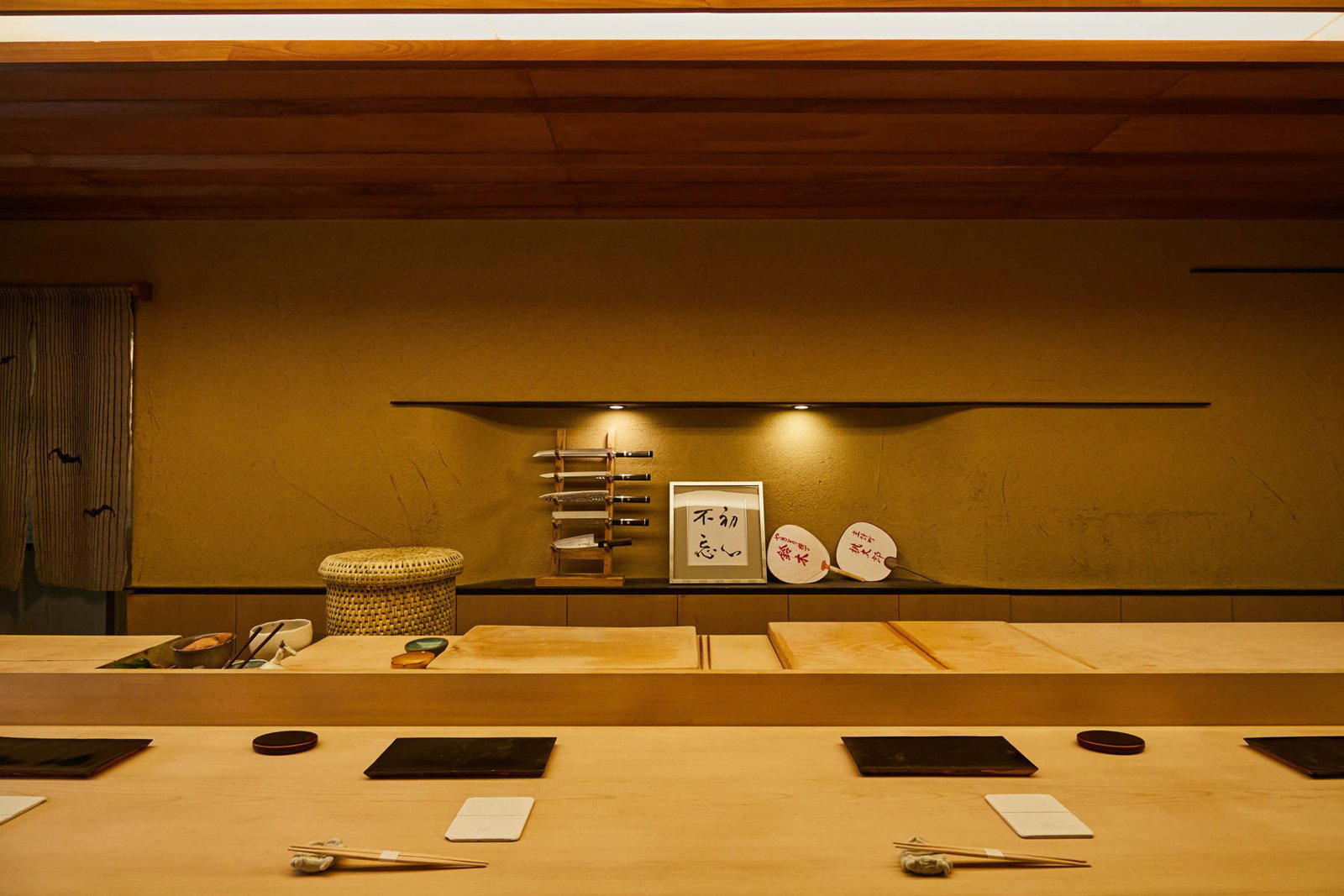
Traditional Japanese guesthouse atmosphere with barefoot entry, serene indoor and outdoor onsens, and refined kaiseki dining experience.