
Kamakura COCON sits in the Nikaido district, away from the central temple crowds, and carries a 2025 Michelin Selected designation that positions it among Japan's more considered small-property stays. The address alone signals intent: Nikaido is quiet, residential, and historically layered in ways that the busier shrine corridors are not. For travellers who treat the accommodation as part of the trip's texture rather than a logistical base, that matters.
Pearl is the En Primeur Club membership app — saves, bookings, and concierge access live there. Same editors, same standards.
- Address
- 836 Nikaidō, Kamakura, Kanagawa 248-0002, Japan
- Phone
- +81 467-81-4435
- Website
- kamakura-cocon.jp
- Directions
- Get directions
 Saves & bookings on Pearl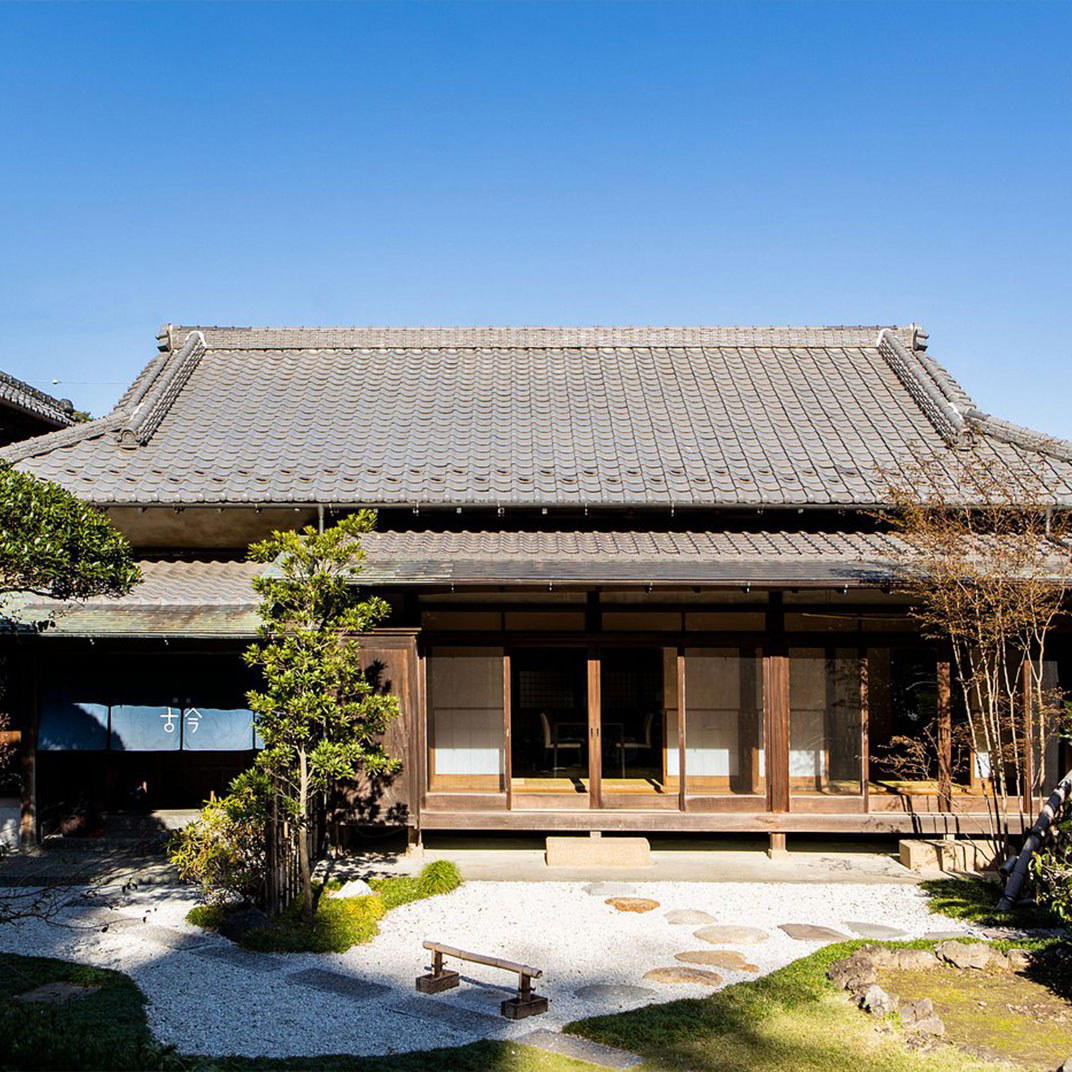
Where Kamakura's Quieter Geography Does the Work
Japan's premium ryokan and boutique hotel tier has fractured into two recognisable camps over the past decade: large-format properties that anchor themselves to hot-spring towns and managed scenery, and smaller, address-specific stays where the surrounding neighbourhood carries as much meaning as the building itself. Kamakura COCON belongs clearly to the second group. Its location in Nikaido, at number 836 on a road that runs east of the central Tsurugaoka Hachimangu corridor, places it in a part of the city that most day-trippers never reach. The temples here, including Zuisenji and the forested trails above it, draw a fraction of the footfall that Kotoku-in or Hasedera manage. That imbalance is the point.
Kamakura itself operates as a specific kind of destination within Japan's travel infrastructure. An hour by train from Tokyo on the Yokosuka Line, it has long attracted visitors seeking a counterweight to the capital's density, yet the city's most-visited corridors, particularly around Komachi-dori and Hase, can feel as compressed as any popular urban district on a weekend. Nikaido sidesteps that entirely. Arriving at COCON, guests enter through a neighbourhood context that reads as genuinely residential and historically grounded rather than curated for tourist circulation. For the broader category of Michelin Selected small properties across Japan — a group that includes addresses from Hakone to Kyushu — the ability to deliver a sense of place without manufactured distance from the world is one of the harder things to achieve. Here, geography solves it before the front door opens.
The Michelin Selected Designation and What It Signals
The 2025 Michelin Selected Hotels list covers properties across Japan that inspectors regard as meeting a quality threshold without necessarily carrying the star ratings awarded to the guide's highest-tier addresses. For small independent properties, inclusion functions as a peer-set signal: it places COCON in the same curatorial frame as other carefully run Japanese stays that prioritise considered hospitality over scale or brand affiliation. The designation does not imply a uniform experience across the list, but it does suggest that the property has been assessed against standards that go beyond room count and facilities to include service consistency and overall guest experience.
Among Michelin Selected properties in the broader Shonan and Kanagawa region, Kamakura addresses are comparatively rare, partly because the city lacks the hot-spring infrastructure that anchors many of Japan's recognised ryokan destinations. COCON's inclusion, then, reflects a case made on different grounds: the address, the format, and the manner in which the property engages with its surroundings rather than any geothermal draw. Travellers comparing options in the area might also look at Hotel Ao Kamakura and Umito Kamakura Koshigoe, both of which take distinct approaches to the city's hospitality offer. Our full Kamakura restaurants guide covers the dining context for the city more broadly.
Service Framing: The Small-Property Contract
At the scale at which COCON operates, the service dynamic differs structurally from that of large-format luxury hotels. Properties of this type in Japan tend to run on a model where staff-to-guest ratios are high relative to room count, and where the absence of a concierge desk, spa wing, or multi-restaurant operation shifts attention toward a more direct and personalised form of hosting. The Japanese hospitality tradition of omotenashi, which describes anticipatory service rather than reactive service, finds a more natural expression in small properties than in large ones, precisely because the individual guest's preferences and rhythms are easier to track and respond to across a shorter stay.
For a property in Nikaido, that service posture likely extends into how guests are oriented toward the surrounding area. Temple visit sequencing, trail access points, seasonal timing for the forested walks above Zuisenji, and the practical details of reaching central Kamakura on foot or by local bus are the kinds of logistical knowledge that a well-run small property of this designation would hold in depth. That form of local intelligence is harder to replicate at a hotel operating at volume. It is one of the reasons that guests who have moved between Japan's large-format luxury addresses, properties like Bvlgari Hotel Tokyo in Tokyo or HOTEL THE MITSUI KYOTO in Kyoto, often find that the most memorable service interactions of a Japan itinerary happen at the smaller end of the market.
Placing COCON in a Japan Itinerary
Kamakura works well as either a dedicated two-to-three night stay or as part of a broader Kanto and Tokai routing. From Tokyo, the logistics are uncomplicated: the Yokosuka Line connects Shinjuku and Tokyo stations to Kamakura directly, and Nikaido is reachable from the station on foot in under thirty minutes or by taxi in a few. Travellers building a longer Japan itinerary that includes a classic temple-and-hot-spring circuit often position Kamakura before or after a stay in Hakone, where Gora Kadan represents the area's long-established high-end ryokan benchmark, or before heading toward the Izu Peninsula, where Asaba in Izu occupies a similar niche of culturally specific, small-format staying.
Those extending further afield toward the Kii Peninsula might consider Amanemu in Mie as a longer-range counterpart, while the Nikko corridor to the north supports a different kind of historical immersion, with Fufu Nikko among the area's considered options. For travellers drawn specifically to the format COCON represents, small, address-specific, Michelin-noted, comparable properties across Japan include Zaborin in Kutchan, Satoyama-Jujo in Niigata, and Nasu Mukunone in Nasu, each of which trades on a specific landscape relationship and an intimate service model rather than facility breadth. Further afield within Japan, Kamenoi Besso in Yufu, Nishimuraya Honkan in Kinosaki-cho, Jusandi in Ishigaki, Halekulani Okinawa, Benesse House in Naoshima, Sekitei in Hatsukaichi-shi, Fufu Kawaguchiko, Fufu Kyu-Karuizawa Restful Forest, and Atami Izusan Karaku all extend the map of considered small-to-mid-scale Japanese stays for those building a multi-stop itinerary. Internationally, travellers calibrating luxury expectations across contexts might reference The Hiramatsu Hotels & Resorts Ginoza for a Japanese operator working at resort scale, or look outside Japan entirely to The Fifth Avenue Hotel in New York City, Badrutt's Palace Hotel in St. Moritz, and Hôtel de Paris Monte-Carlo for how different hospitality traditions handle the question of scale versus intimacy.
Planning Your Stay
Kamakura COCON is located at Nikaido 836, Kamakura, and carries a 2025 Michelin Selected designation. Booking details, current availability, and pricing are best confirmed directly through the property or via the Michelin Hotels platform, where the listing is current. Specific room configurations, dietary requirements, and local orientation are areas where the property's service model is most likely to be responsive to advance communication. The spring and autumn periods, when Kamakura's temple grounds are at their most visited, are also when the Nikaido address earns its keep most clearly: the contrast between the forested eastern quarter and the central corridors is at its most pronounced when the rest of the city is at capacity.
How Kamakura COCON compares with similar nearby venues.
| Venue | Awards |
|---|---|
| Kamakura COCON | MICHELIN Guide, Hotels Selected (2025) |
Recognition history
Dated appearances from independent guides and award organizations, with the underlying list record or original source where available.
Michelin Selected
Michelin









At a Glance
- Quiet
- Elegant
- Intimate
- Classic
- Scenic
- Romantic Getaway
- Anniversary
- Honeymoon
- Destination Wedding
- Weekend Escape
- Historic Building
- Garden
- Wi Fi
- Hot Tub
- Restaurant
- Room Service
- Concierge
- Massage
- Garden
- Wi Fi
- Hot Tub
- Restaurant
- Room Service
- Concierge
- Massage
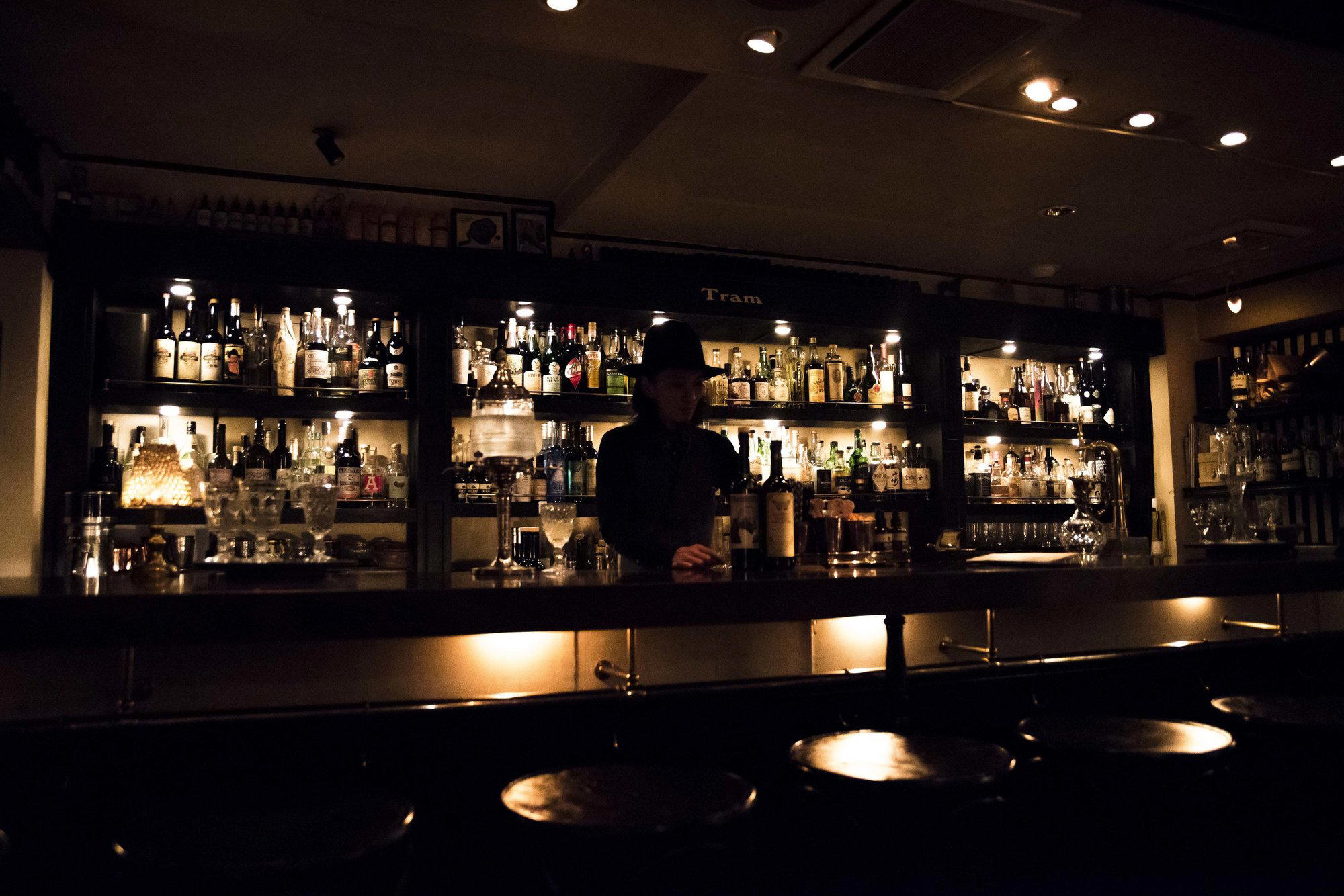
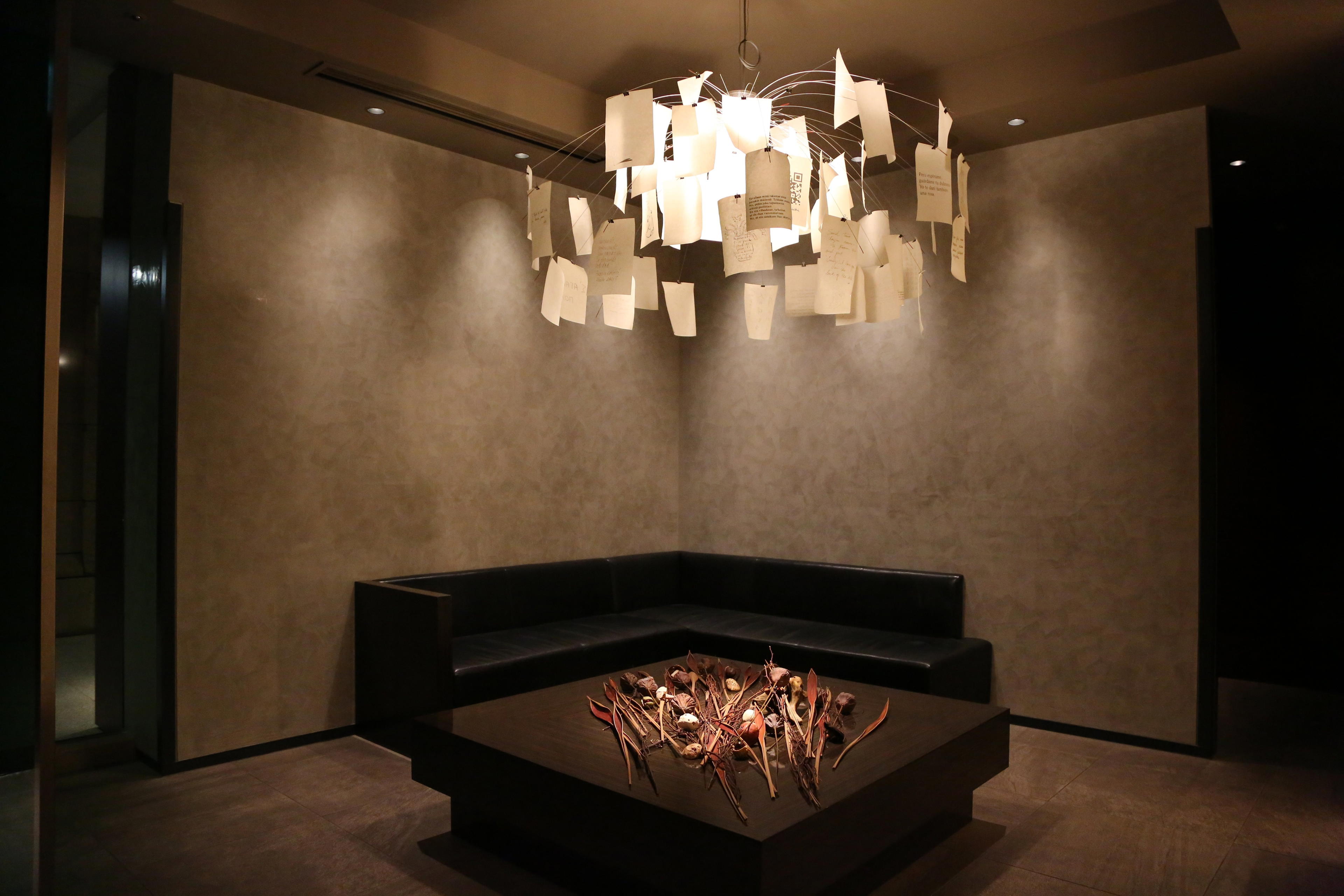
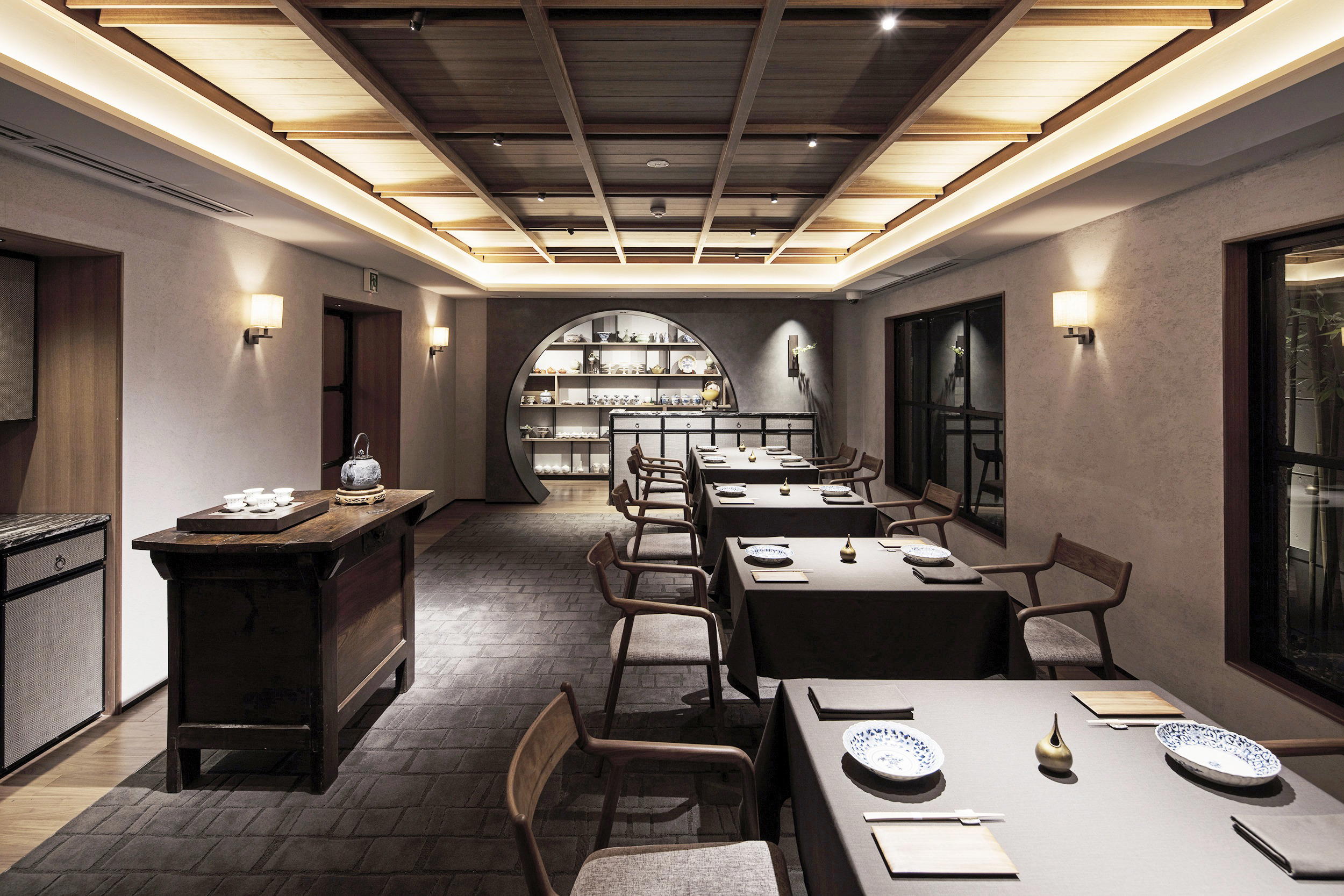
Meditative and relaxing with traditional wooden architecture, tatami rooms, exposed joists, deep soaking jacuzzi tubs, and intimate counter bar service in a quiet neighborhood surrounded by temples.
Know Before You Go
- Getting there
- 836 Nikaidō, Kamakura, Kanagawa 248-0002, Japan