
Selected by the Michelin Hotels guide in 2025, Hotel Ao Kamakura occupies the Koshigoe district, where the old town meets the Shonan coastline. The property sits within a small cohort of design-led lodgings redefining what a Kamakura stay can mean, trading resort scale for spatial intention and neighbourhood depth.
Pearl is the En Primeur Club membership app — saves, bookings, and concierge access live there. Same editors, same standards.
- Address
- Japan, 〒248-0033 Kanagawa, Kamakura, Koshigoe, 3 Chome−1−7 HOTEL AO KAMAKURA 1F
- Phone
- +81 467-55-5512
- Website
- hotelao.jp
 Saves & bookings on Pearl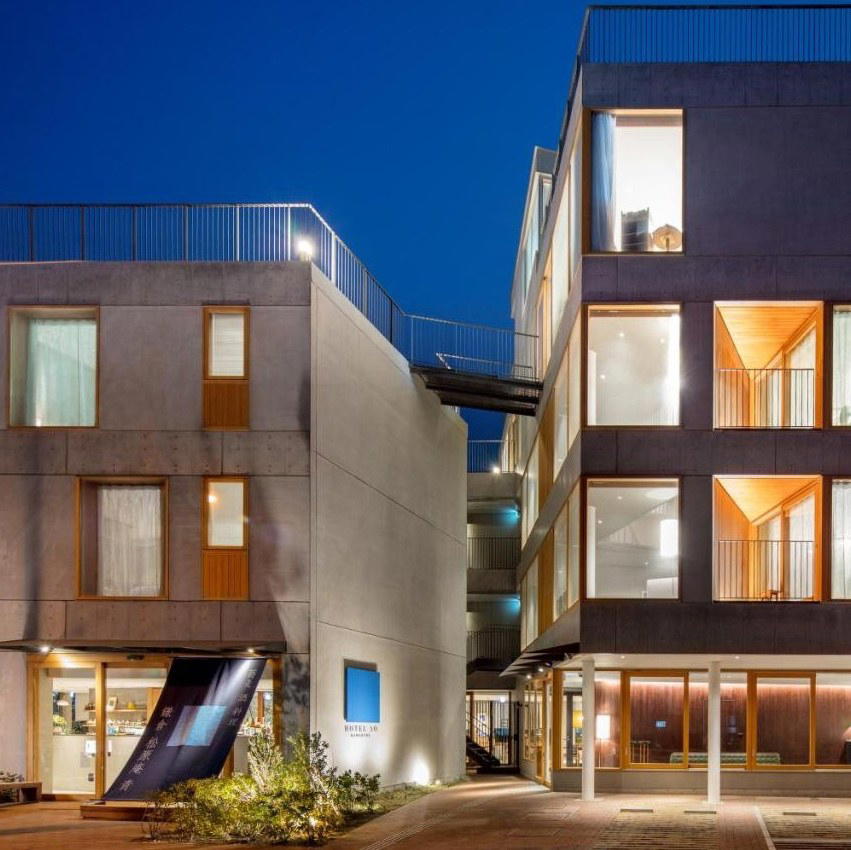
Where Koshigoe Meets the Sea
Kamakura's accommodation options have long split between large resort hotels oriented toward the Great Buddha tourist circuit and traditional ryokan clustered around Kita-Kamakura's temple district. A third category has been forming more quietly: smaller, design-conscious properties that anchor themselves to specific neighbourhoods rather than the city's headline sights. Hotel Ao Kamakura is a 4-star hotel in Koshigoe, Kamakura, with 16 rooms and a nightly rate from USD 669. It belongs to that third group. Koshigoe sits where Kamakura's old fishing quarter dissolves into the Shonan coast, a stretch that functions on a different rhythm from the cedar-shaded paths of central Kamakura. The sea is immediate here, not a backdrop visible from a mountain shrine but a constant presence at street level.
That coastal specificity is not incidental to the property's identity. Ao, the Japanese word for a blue-green tonal range that encompasses both sky and sea, signals an orientation that is spatial and chromatic before it is anything else. Properties that derive their name from a colour or elemental reference tend to commit that reference into the architecture and material palette rather than leaving it as a brand exercise. The distinction matters when evaluating where Hotel Ao sits relative to peers like Kamakura COCON and Umito Kamakura Koshigoe, both of which operate in the same small-property, design-attentive category in the city.
The Architecture of Restraint
Japan's most considered small hotels typically resolve a specific tension: how to make a building feel rooted in its site without mimicking vernacular forms so literally that the result reads as pastiche. The answer that has emerged across the country's more accomplished design-led properties involves material honesty, controlled natural light, and a deliberate suppression of decorative noise. Think of the approach seen at Zaborin in Kutchan or Benesse House in Naoshima, where the building's relationship to its landscape is the primary aesthetic argument. Hotel Ao Kamakura operates in that tradition, with Koshigoe's coastal character as its site-specific anchor.
Michelin's 2025 hotel selection confirms what this category of property competes on: not room count or food-and-beverage scale, but the coherence between physical environment and guest experience. Michelin's hotel selection process weights atmosphere, design quality, and service consistency heavily, which makes inclusion meaningful for properties that have consciously opted out of the amenity-stacking approach of larger competitors. The 2025 selection places Hotel Ao in a comparable set that includes some of Japan's most spatially rigorous small hotels.
Across Japan, the design-led small hotel category draws from a consistent set of influences: sukiya-zukuri timber craft, the wabi-sabi acceptance of imperfect materials, and a spatial sequence that moves the guest gradually from public to private as a form of psychological transition. Whether Hotel Ao interprets those influences literally or abstractly, its Koshigoe address gives the design an unusual coastal dimension that most Japanese design hotels, typically positioned in mountain onsen towns or forested retreats, do not have to resolve. Compare properties like Gora Kadan in Hakone, Asaba in Izu, or Fufu Nikko in Nikko, and the coastal-urban position of Hotel Ao becomes the distinguishing variable in its architectural brief.
Kamakura's Accommodation Ecology
Kamakura draws around 20 million visitors annually, the large majority as day-trippers from Tokyo, a journey of roughly one hour by train from Shinjuku on the Shonan-Shinjuku Line or from Tokyo Station via the Yokosuka Line. That day-trip dominance creates a structural gap: the city is visited far more than it is slept in, which in turn means that properties offering genuine overnight reasons, a distinct neighbourhood character, considered design, proximity to quieter parts of the coastline, occupy a less crowded competitive position than their Tokyo counterparts. At the summit of the Tokyo market, properties like Bvlgari Hotel Tokyo compete across every luxury axis simultaneously. In Kamakura, the competition is smaller, the market more specialised, and the reward for design coherence proportionally greater.
For visitors arriving from Kyoto, the contrast is also instructive. Properties such as HOTEL THE MITSUI KYOTO operate within a city whose heritage infrastructure is dense and institutionally supported. Kamakura's heritage is real, its temples and the Kotoku-in Daibutsu genuinely significant, but the city lacks Kyoto's depth of accommodation culture. That relative scarcity raises the stakes for properties like Hotel Ao, which must deliver both a spatial experience and a convincing reason to extend a visit beyond the standard day-trip itinerary.
Koshigoe specifically rewards that extended visit. The quarter's fishing history is traceable in its street scale and in Koshigoeji temple, and the Shichirigahama beach access that characterises the wider Shonan coastline is close. The neighbourhood operates at a pace that central Kamakura, particularly around Komachi-dori, does not always allow. For the traveller whose interest in Japan runs toward spatial experience and coastal character rather than temple density, Koshigoe offers a more productive base than the city's more photographed districts.
Placing Hotel Ao in a Broader Japanese Context
The category Hotel Ao belongs to, small, design-attentive, Michelin-selected, has strong representation across Japan's secondary cities and resort areas. Properties like Nishimuraya Honkan in Kinosaki-cho, Satoyama-Jujo in Niigata, Kamenoi Besso in Yufu, and Nasu Mukunone in Nasu each anchor their design and hospitality logic to a specific landscape. Hotel Ao's coastal-urban position in Koshigoe is the variable that differentiates it within this cohort: most peers are rurally positioned or embedded in onsen culture; Hotel Ao's proximity to the ocean and to a functioning residential neighbourhood gives it a different texture.
For travellers building a Japan itinerary around design-led accommodation, the Kamakura stop makes sense between Tokyo and either the Izu Peninsula or the Kyoto corridor. Properties at both ends of that route, Atami Izusan Karaku in Atami and Fufu Kawaguchiko in Fujikawaguchiko among them, serve the coastal and mountain segments of that circuit. Hotel Ao covers a stretch of the Shonan coast that most itineraries skip.
Planning Your Stay
Hotel Ao Kamakura is located at 3-1-7 Koshigoe, reachable from Koshigoe Station on the Enoshima Electric Railway, a route that itself connects to Fujisawa and the wider Shonan area. The Enoden line is slow by Tokyo standards and intentionally so: it runs close to the waterline for much of its length and constitutes part of the coastal experience. Visitors arriving from Tokyo should allow roughly 80 to 90 minutes door to door depending on connection timing. Advance booking is recommended, particularly for autumn foliage season in November and the spring period around late March and April.
Fast Comparison
Comparable venues nearby, for context on price, style, and recognition.
| Venue | Cuisine | Price | Awards | Notes |
|---|---|---|---|---|
| Hotel Ao KamakuraThis venue — the venue you are viewing | Small luxury beachfront hotel designed by architect Manabu Chiba, emphasizing natural beauty and privacy. | $$$$ | 4-Star | Not listed |
| Kamakura COCON | Renovated Edo-period traditional Japanese house turned exclusive boutique guesthouse | $$$$ | Not listed | Kamakura |
| Umito Kamakura Koshigoe | Small luxury oceanfront auberge | $$$$ | Not listed | Koshigoe |
| Hanzuiryo (半水盧) | Luxury heritage ryokan with contemporary service standards, positioned as a upper-tier wellness and culinary destination within a protected national park. | $$$$ | 4-Star | Unzen |
| seven x seven Ishigaki | Self-hospitality luxury resort with low-touch service and high-end comforts. | $$$$ | 4-Star | Maezato |
| Kyo no Ondokoro Kamanza Nijo #2 | Renovated traditional machiya townhouse | $$$ | 4-Star | Nakagyo |
Recognition history
Dated appearances from independent guides and award organizations, with the underlying list record or original source where available.
Michelin Selected
Michelin







At a Glance
- Quiet
- Modern
- Scenic
- Elegant
- Intimate
- Minimalist
- Romantic Getaway
- Honeymoon
- Weekend Escape
- Beachfront
- Terrace
- Wi Fi
- Restaurant
- Room Service
- Concierge
- Waterfront
- Wi Fi
- Restaurant
- Room Service
- Concierge
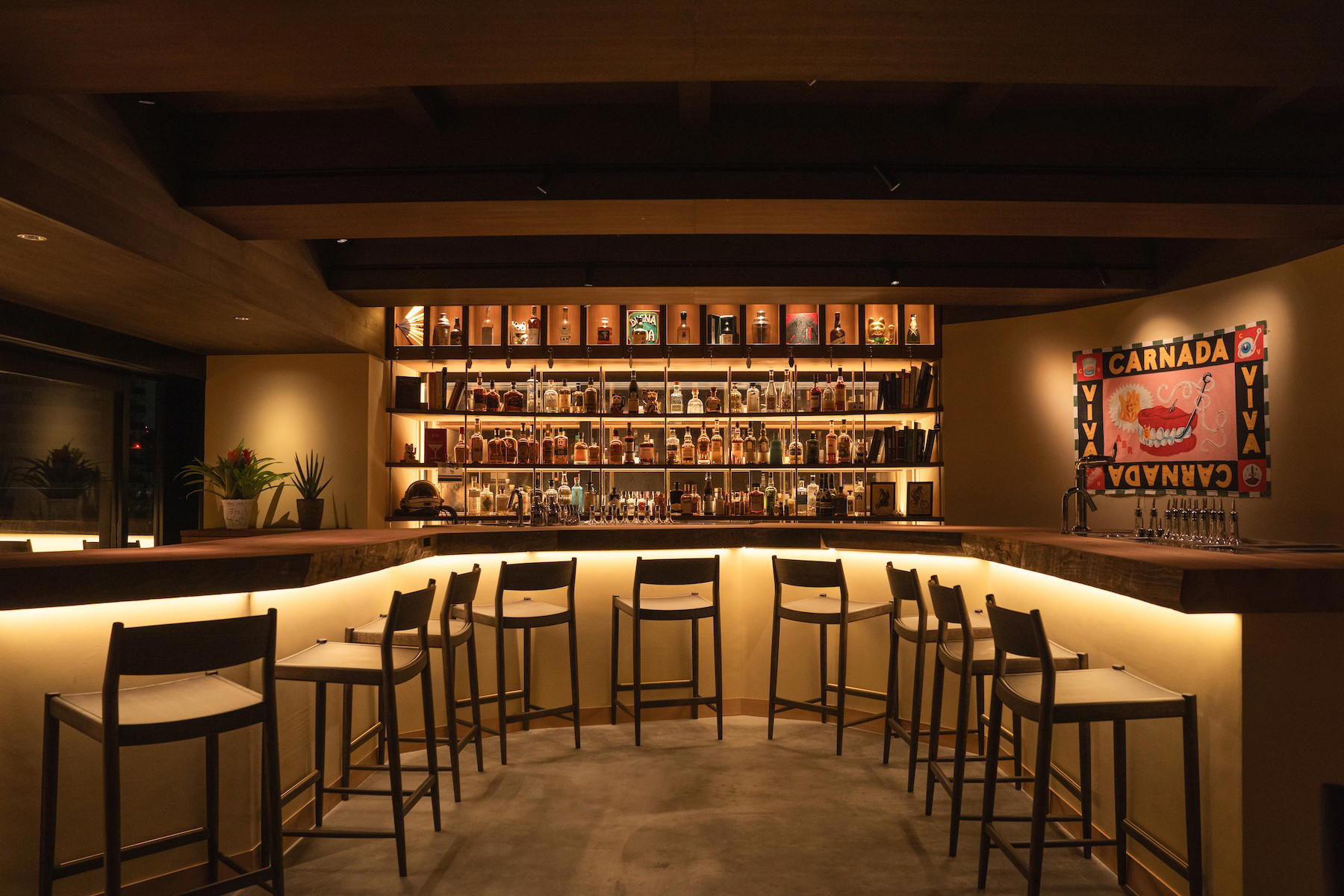
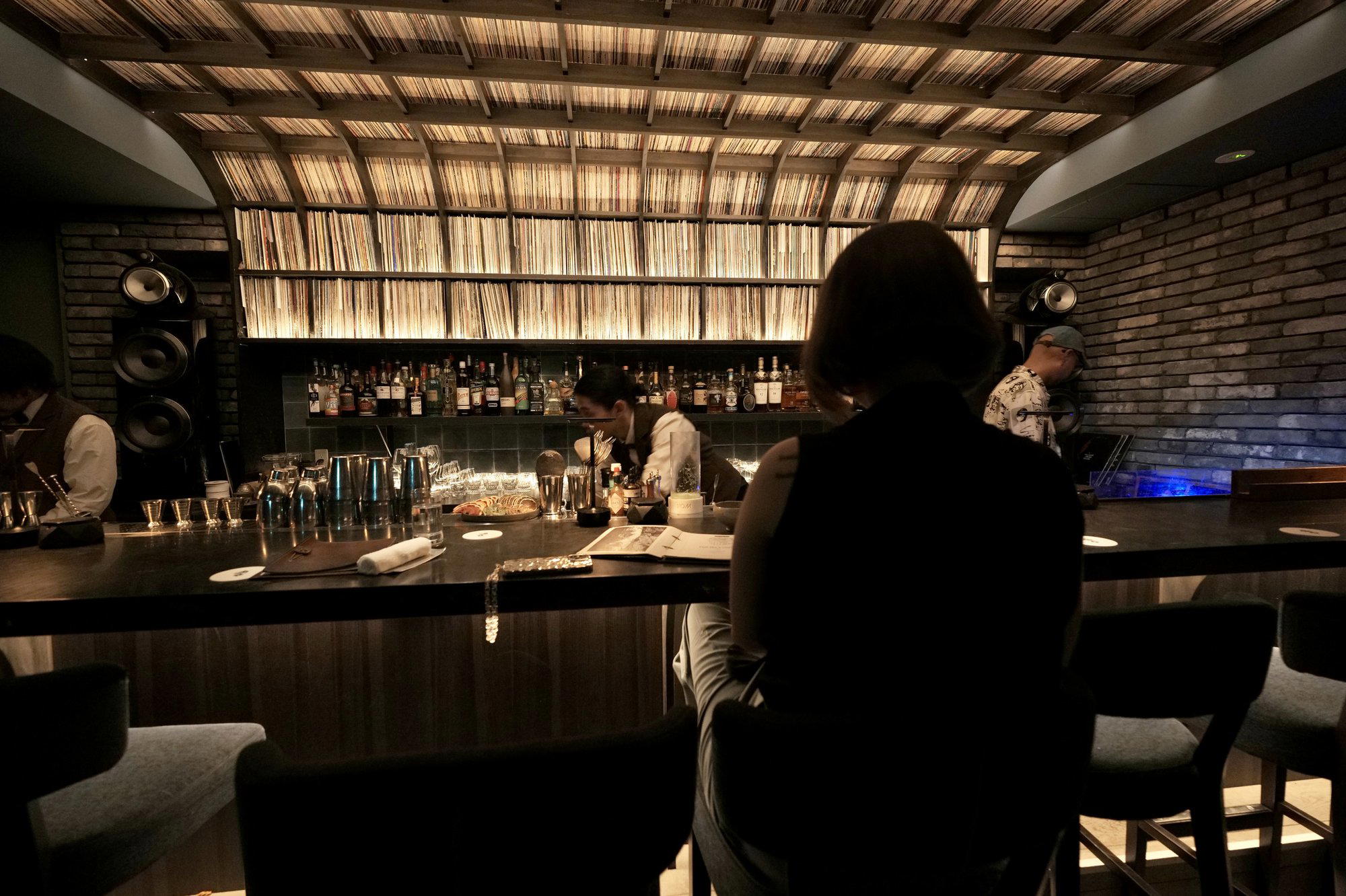
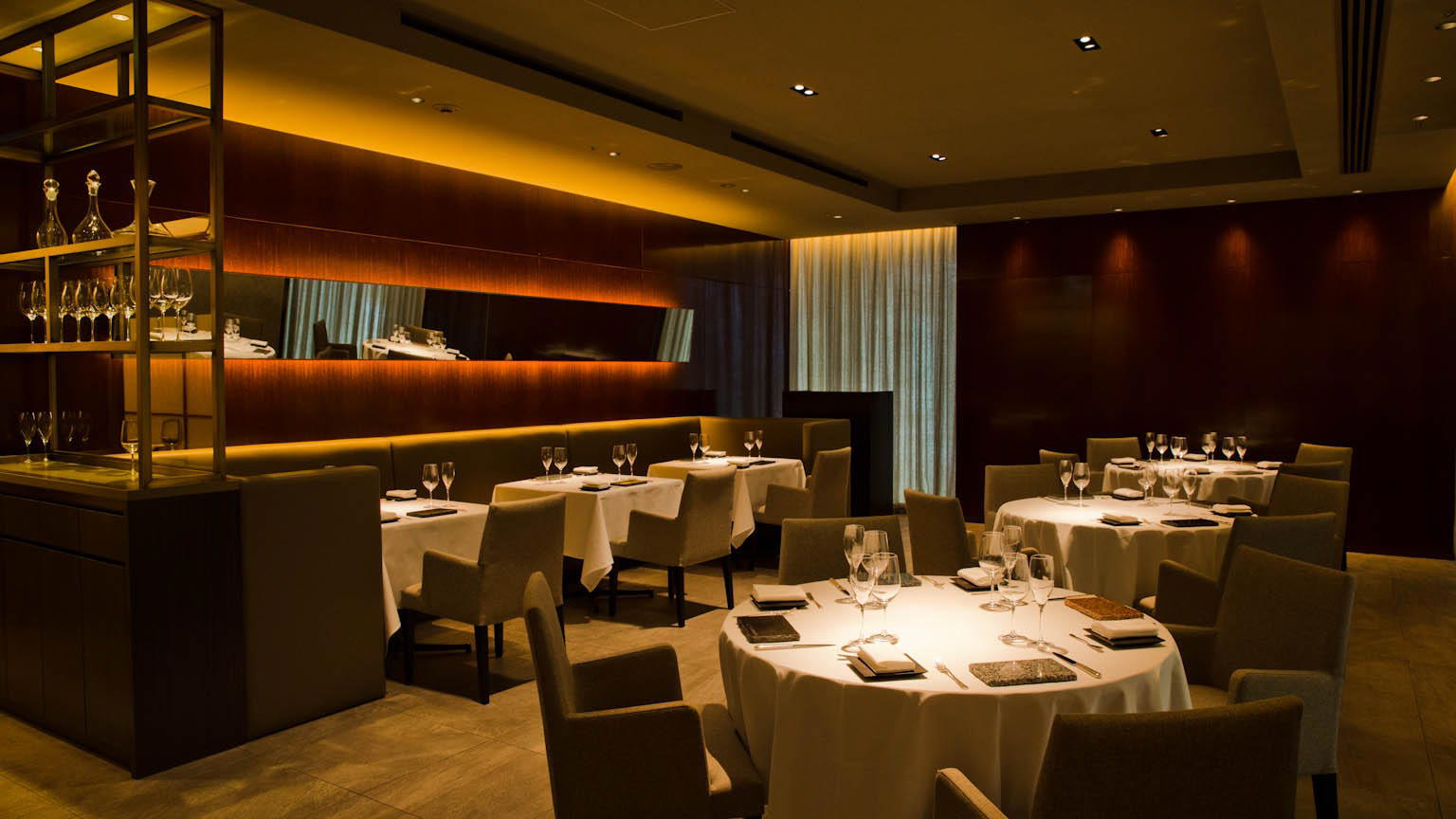
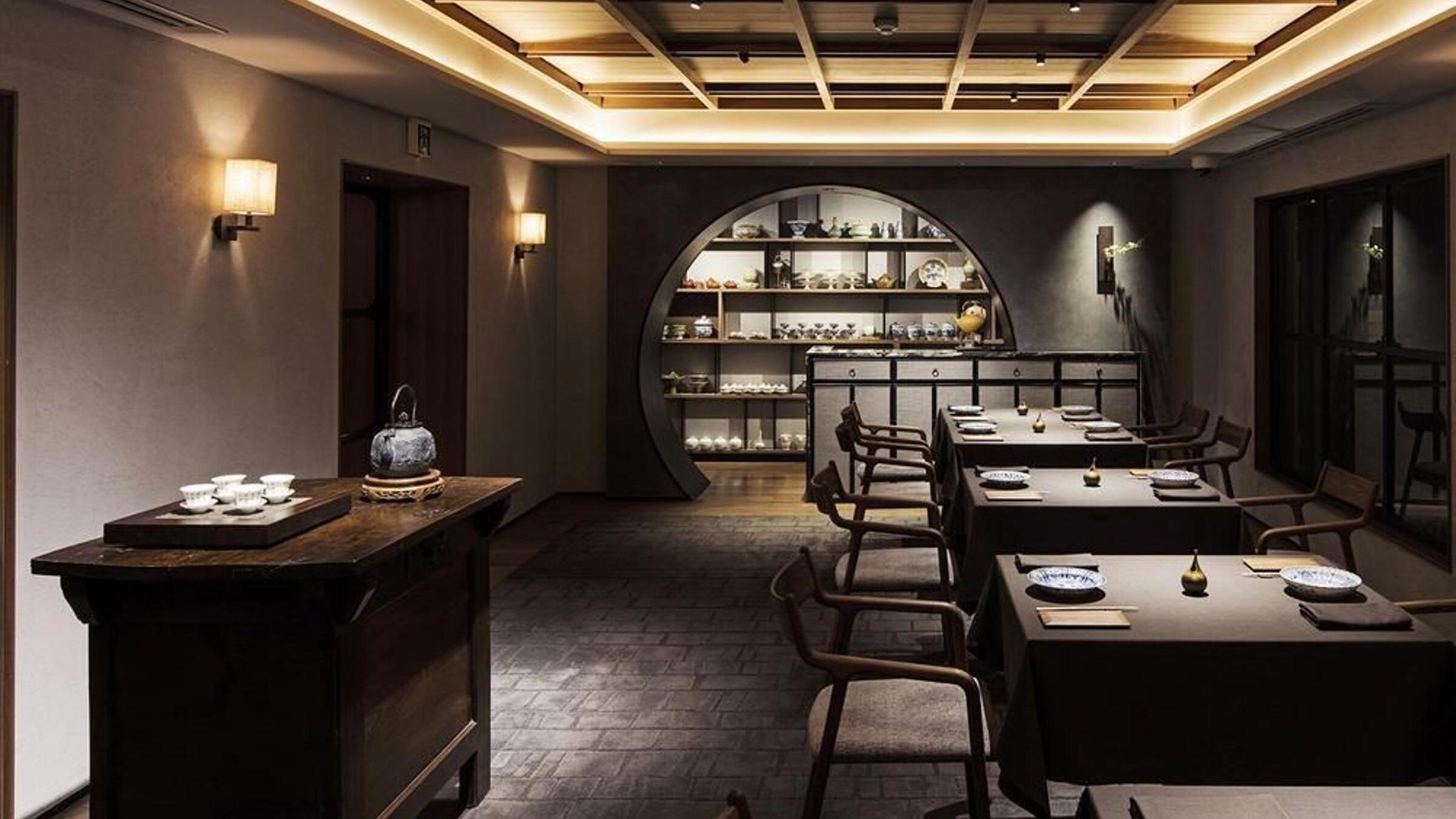
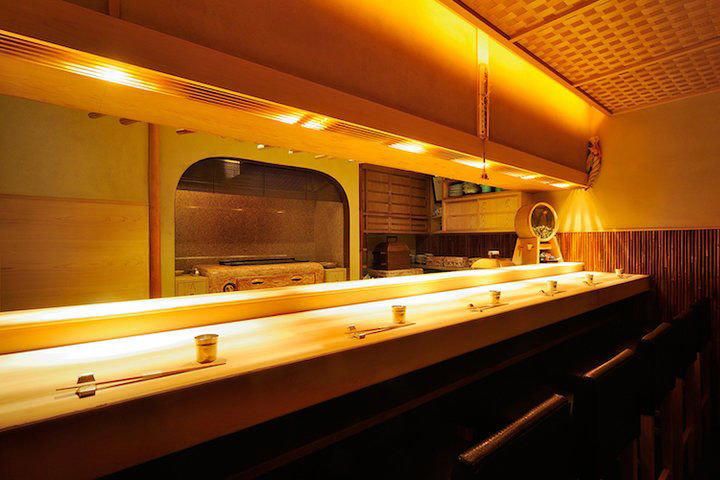
Serene and immersive in shades of blue, blending modern-Japanese design with sea and sky views for a tranquil coastal retreat.