Hotel Toranomon Hills occupies the lower floors and a dedicated mid-tower block within the Toranomon Hills Station Tower, one of Tokyo's most significant transit-integrated mixed-use developments. Positioned between the business corridors of Toranomon and Minato's diplomatic quarter, it addresses a gap in the city's urban luxury hotel market: infrastructure-connected accommodation that does not sacrifice architectural ambition for convenience.

Pearl is the En Primeur Club membership app — saves, bookings, and concierge access live there. Same editors, same standards.
- Address
- 虎ノ門2-6-4 (虎ノ門ヒルズ ステーションタワー 1F/11F-14F), 港区, 東京都, 105-0001
- Directions
- Get directions
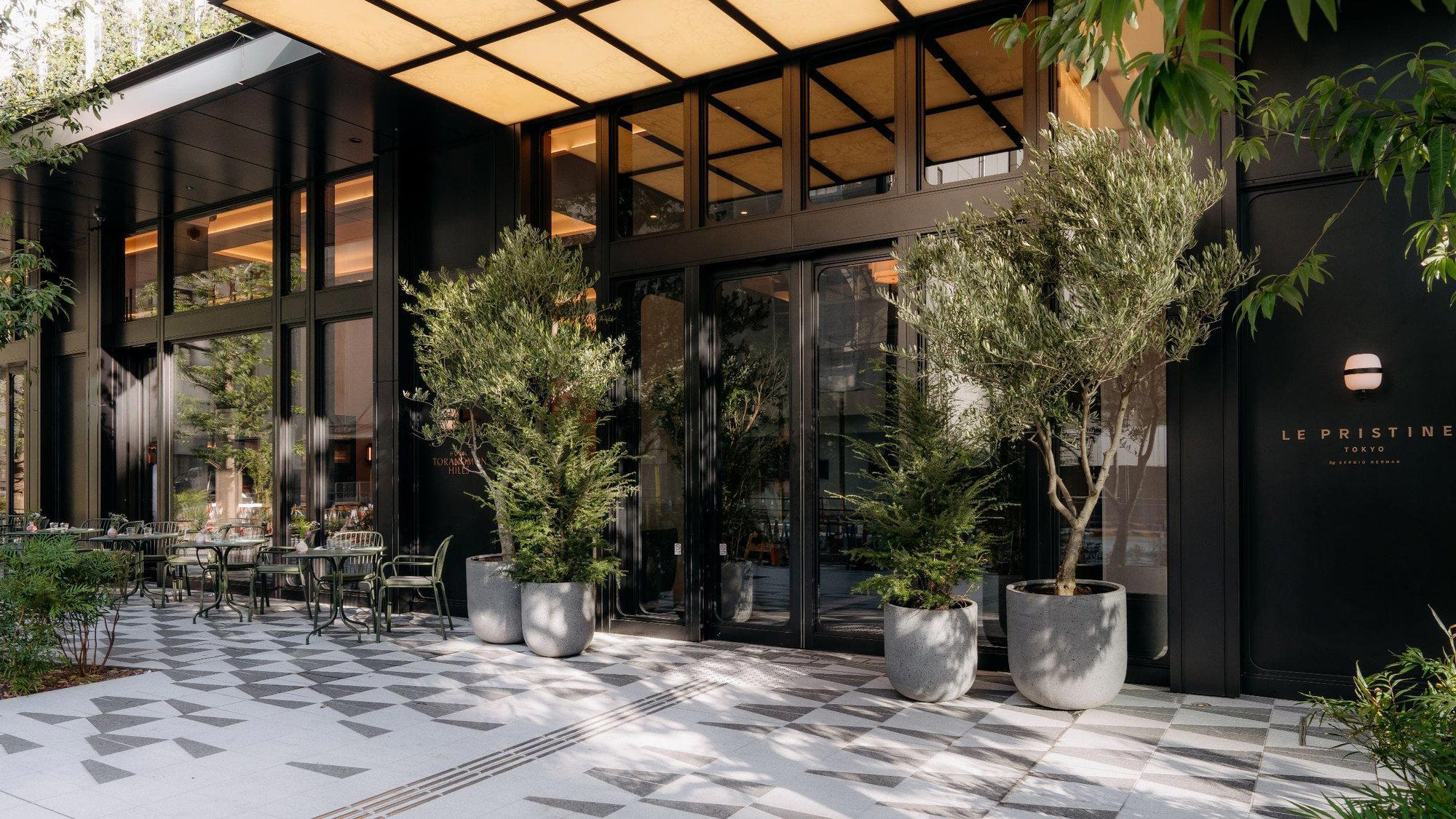
Where Infrastructure Becomes Address
Tokyo's premium hotel market has long been organised around two gravitational poles: the palace-adjacent properties clustered near the Imperial grounds, and the tower hotels that trade altitude for neighbourhood access. Hotel Toranomon Hills represents a third model, one that has been gaining traction in Asian cities over the past decade: the transit-integrated luxury property, where direct metro connectivity is not a footnote in the brochure but the structural logic of the whole building. The hotel occupies floors 1 and 11 through 14 of the Toranomon Hills Station Tower, a development that sits directly above Toranomon Hills Station on the Tokyo Metro Hibiya Line. That address, at 虎ノ門2-6-4 in Minato-ku, places the property inside one of the city's most consequential recent urban interventions.
The Toranomon Hills complex, developed in phases from 2014, has redrawn the western edge of central Tokyo's business and diplomatic corridor. The Station Tower, the final and tallest addition, brought the district its own metro station and a vertical mix of office, retail, hospitality, and cultural space that positions the address somewhere between Midtown Manhattan and a more considered version of that formula. For the hotel, this is not background context — it is the primary asset.
The Station Tower Address: What It Actually Provides
The Hibiya Line connection matters because of where it goes. The line runs directly to Ginza (two stops), Roppongi (one stop south), Ebisu, and Nakameguro, connecting the hotel to the density of Tokyo's restaurant, gallery, and nightlife culture without the taxi dependency that affects comparable properties near the Imperial Palace. Aman Tokyo in Otemachi and the Four Seasons Hotel Tokyo at Otemachi deliver extraordinary rooms in a district that quiets significantly after business hours. The Palace Hotel Tokyo is palace-moat-adjacent, which is architecturally irreplaceable but not especially central for evening movement. Hotel Toranomon Hills trades some of that grandeur for genuine urban connectivity.
Toranomon itself is undergoing a transformation that will take several more years to fully settle. The neighbourhood sits between Kasumigaseki, the government ministry district, and Azabudai Hills, the Mori Building development that opened in late 2023 as Tokyo's tallest tower. The hotel is therefore at an inflection point: the immediate surroundings still read as corporate and transitional, but the trajectory is toward a denser, more mixed-use quarter that increasingly attracts international business, creative, and diplomatic visitors alongside the traditional government-adjacent clientele.
Positioning Within Tokyo's Luxury Hotel Tier
Tokyo's upper-tier hotel market has expanded considerably since 2020. The Bvlgari Hotel Tokyo opened in 2023 in Yaesu, the JANU Tokyo followed in Azabudai Hills the same year, and the Andaz Tokyo in Toranomon itself has held its position in the upper-midscale design bracket since 2014. Hotel Toranomon Hills enters this market with a structural advantage its peers cannot replicate: it is the only hotel in central Tokyo built directly into an operating metro station. That is an infrastructure fact, not a design claim, and it carries more practical weight for a certain kind of traveller — particularly those with dense itineraries across multiple city districts, than any lobby aesthetic.
The Bellustar Tokyo, A Pan Pacific Hotel offers comparable urban energy from its Shinjuku position, and The Capitol Hotel Tokyu maintains its Akasaka foothold with long-established credentials. But neither offers the same direct rail integration at the luxury tier. The Toranomon Hills hotel argues, implicitly, that in a city where time spent in taxis costs both money and attention, direct platform access is a form of luxury the market has been slow to price.
The Building as Context
Because the hotel occupies a vertical slice of a much larger mixed-use tower rather than a standalone structure, its character is shaped by what surrounds it. The Station Tower contains Toranomon Hills Station, extensive retail, office floors, and cultural programming that brings foot traffic and energy to the podium level throughout the day and into the evening. For guests, this means the hotel's lower-floor entry point at 1F connects directly to the public life of the tower without requiring a separate street-level approach. The mid-tower position of the guest floors, from 11F upward, places rooms above the immediate street noise while still within the lower third of the building's total height, offering city outlook without the disconnected-from-Tokyo feeling that affects some high-floor-only properties.
Visitors planning stays at properties across Japan, combining Tokyo with ryokan stays at Gora Kadan in Hakone, Nishimuraya Honkan in Kinosaki-cho, or Zaborin in Kutchan, typically use their Tokyo nights as high-efficiency urban anchors rather than destination stays in themselves. The Toranomon Hills address serves that pattern well: Shimbashi Station, the main-line JR and Shinkansen gateway, is reachable in a short taxi or metro-plus-walk from Toranomon Hills Station, keeping the logistics of a wider Japan itinerary manageable. Those building longer trips might also compare notes with the more remote properties, from Amanemu in Mie and Benesse House in Naoshima to Halekulani Okinawa in Okinawa and Jusandi in Ishigaki, where the accommodation is itself a destination rather than a base. Hotel Toranomon Hills occupies the opposite end of that spectrum: it is infrastructure-optimised, and unashamed about it.
For a full orientation to Tokyo's dining and hotel options before or after a Toranomon stay, see our full Tokyo restaurants guide.
Planning a Stay
The hotel's position inside an active transit hub means the surrounding streets are navigable on foot during daylight hours, with Toranomon's business services, the Andaz's bar programme nearby, and direct metro access to Roppongi's gallery district and Ginza's restaurant concentration. Guests comparing Tokyo urban-luxury options should weigh the Toranomon Hills address against the palace-quarter properties for stays centred on business movement across the city's western and southern wards. Those whose priorities lean toward historic neighbourhood character, garden views, or landmark-adjacent symbolism may find the Otemachi or Marunouchi cluster a closer match. For those whose itinerary demands maximum mobility with minimum friction, the Station Tower address does most of the heavy lifting before the room is even considered.
The Quick Read
A small set of peers for context, based on recorded venue fields.
| Venue | Price | Awards |
|---|---|---|
| Hotel Toranomon Hills (ホテル虎ノ門ヒルズ)This venue — the venue you are viewing | $300–500 | Not listed |
| Bvlgari Hotel Tokyo | Not listed | 3 Michelin Keys · World's 50 Best #24 |
| Aman Tokyo | Not listed | 2 Michelin Keys · World's 50 Best #11 |
| Four Seasons Hotel Tokyo at Otemachi | Not listed | 3 Michelin Keys · La Liste Top Hotels |
| Palace Hotel Tokyo | Not listed | 3 Michelin Keys · World's 50 Best #73 |
| Andaz Tokyo | $300–500 | 1 Michelin Key |
Continue exploring
More in Tokyo
Hotels in Tokyo
Browse all →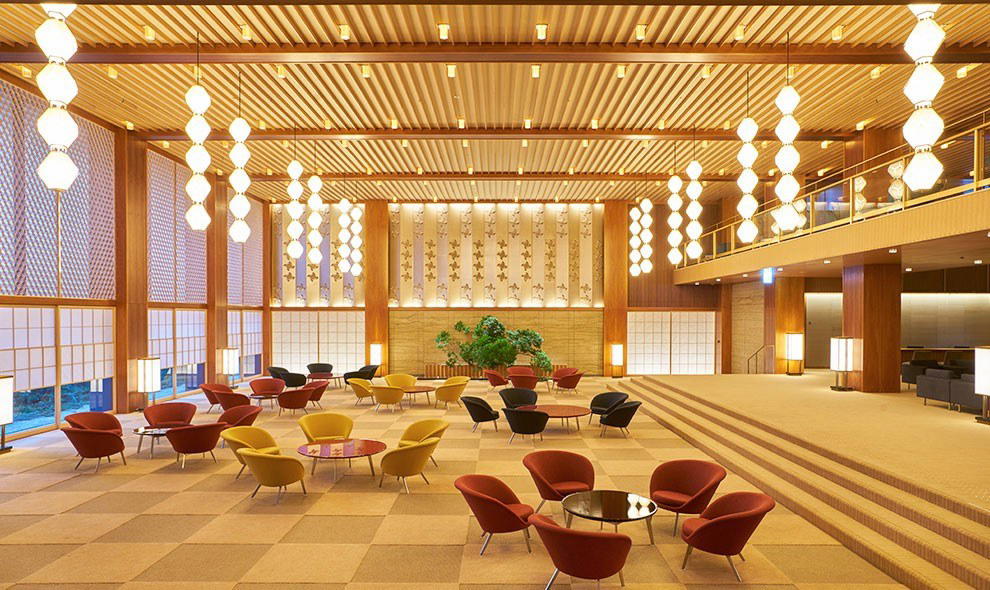



Bars in Tokyo
Browse all →

Restaurants in Tokyo
Browse all →

Details
- Minimalist
- Modern
- Elegant
- Sophisticated
- Quiet
- Business Trip
- Romantic Getaway
- Weekend Escape
- Design Destination
- Panoramic View
- Terrace
- Wi Fi
- Fitness Center
- Restaurant
- Room Service
- Concierge
- Business Center
- Skyline
- Elevator
- Step Free Entrance
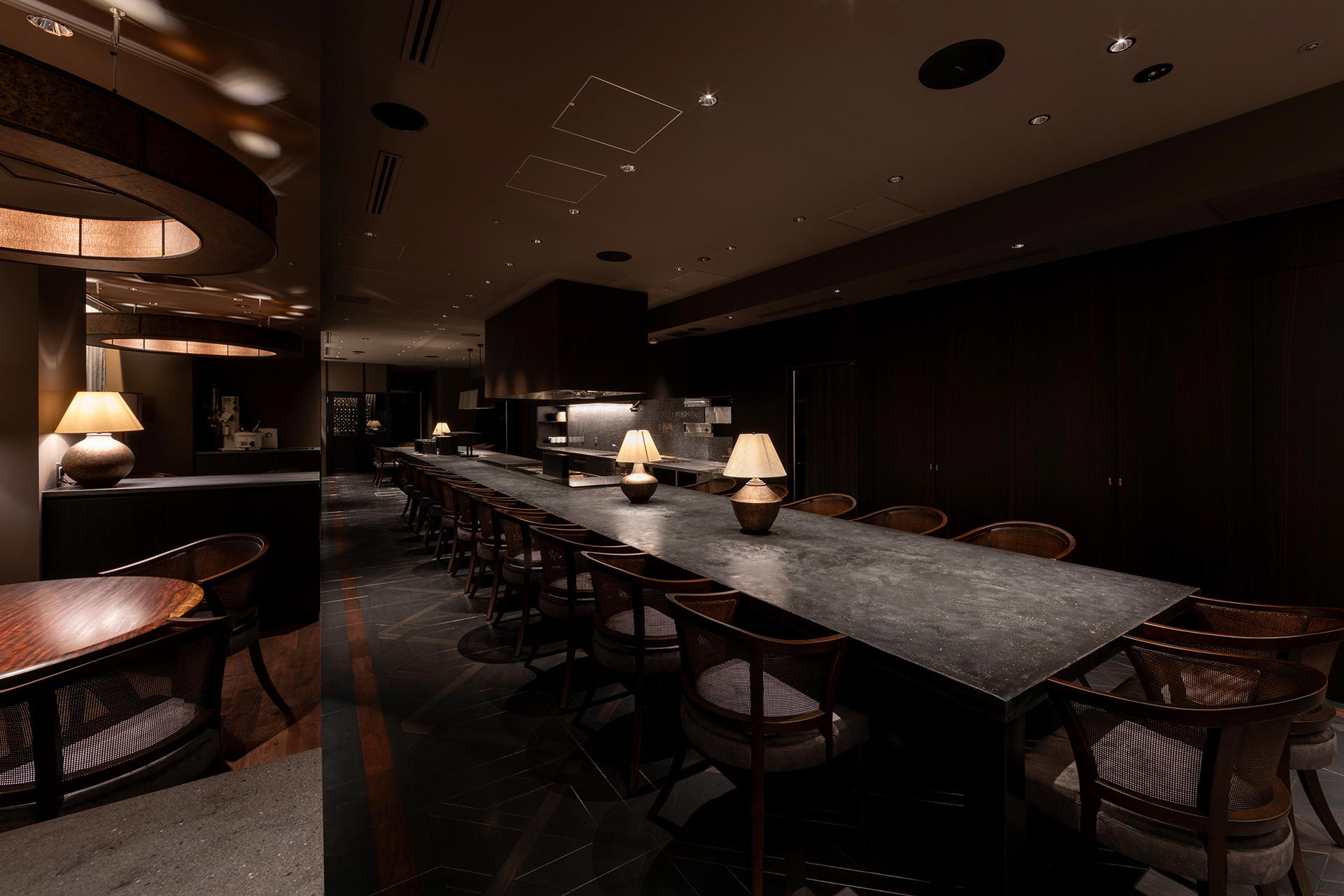
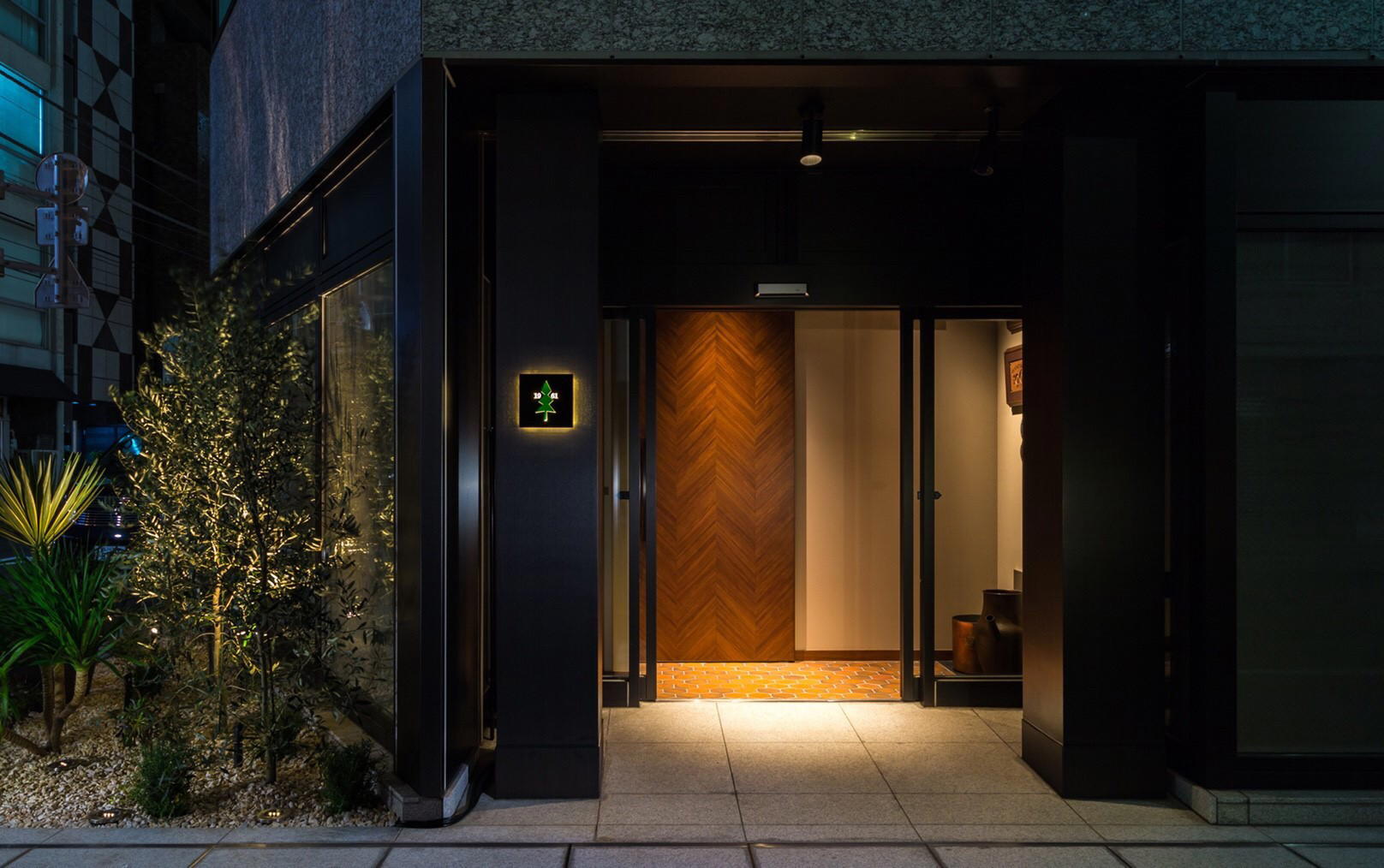
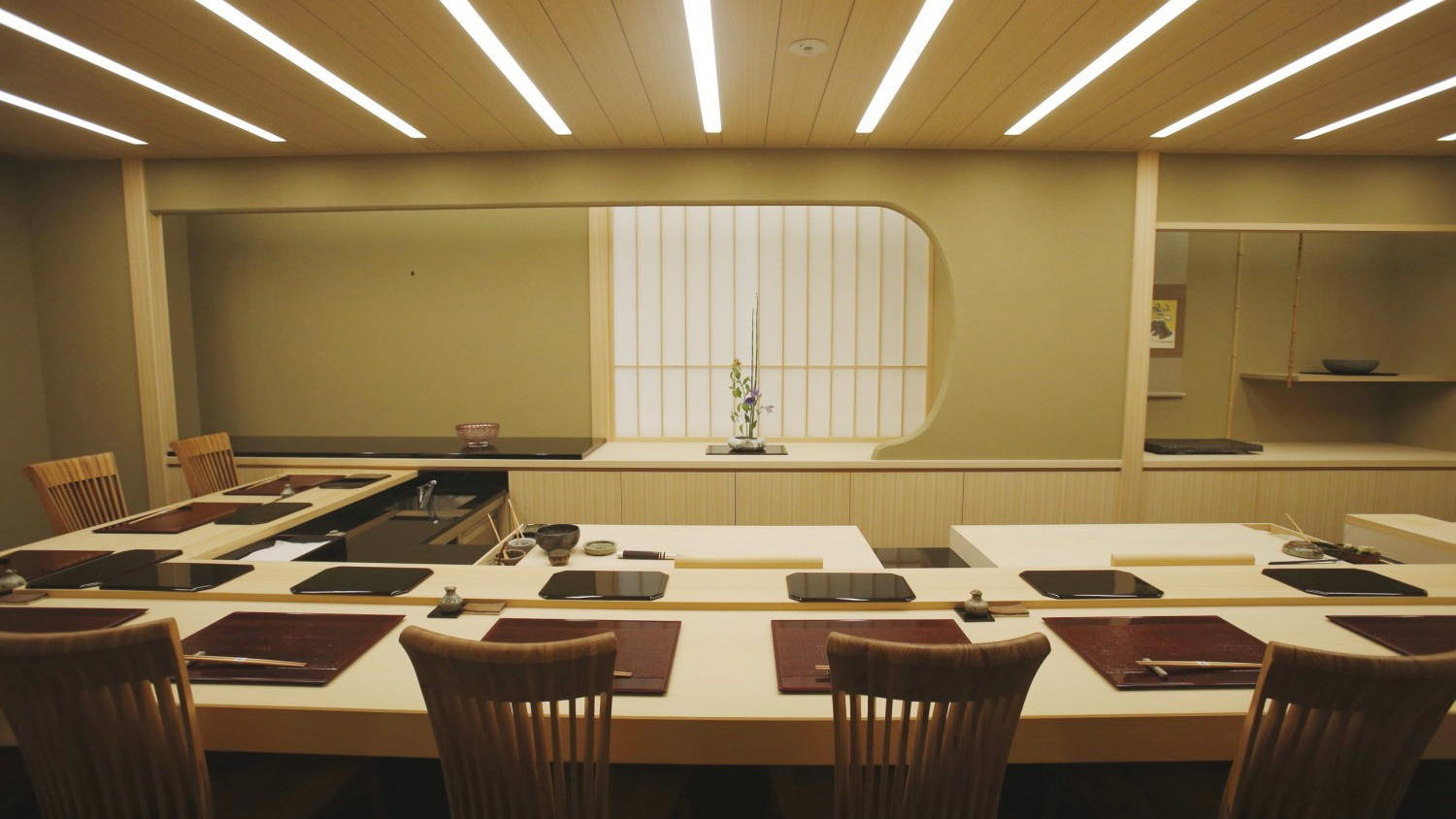
Serene and luxurious with warm curves, muted palette, natural materials, and soft burnt-red corridor walls evoking Japanese lacquer; calm retreat from lively Tokyo exterior.