Hotel La Caminera Club de Campo

1 Michelin Key
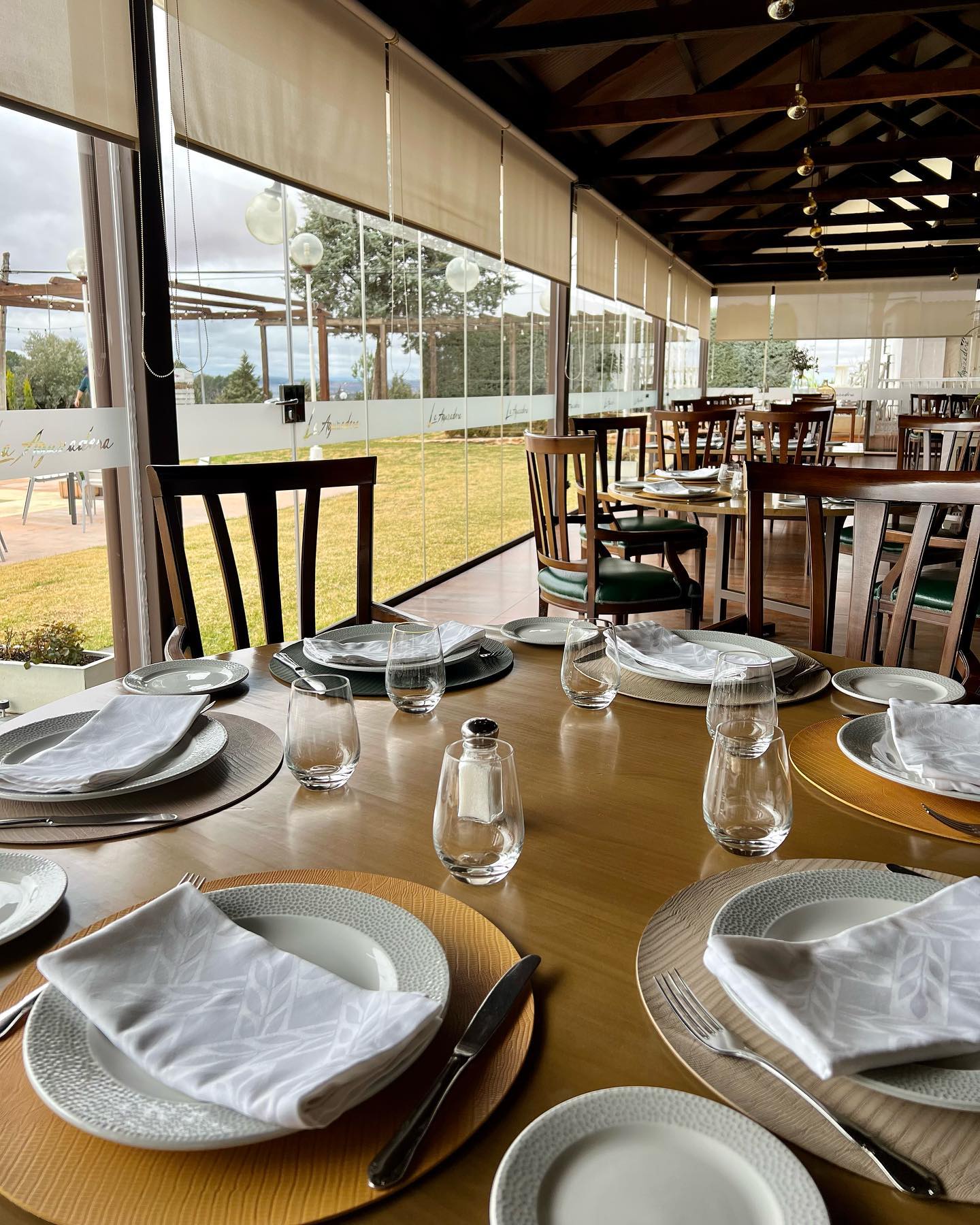
A converted farmhouse estate on the plains of La Mancha, Hotel La Caminera Club de Campo pairs rural Castilian architecture with a range of estate activities that few properties at this price point attempt: a working winery, a golf course, hunting grounds, a full spa, and a private landing strip. At around $206 per night across 61 rooms, it occupies a specific niche in the Spanish countryside hotel market.

Pearl is the En Primeur Club membership app — saves, bookings, and concierge access live there. Same editors, same standards.
- Address
- Calle Vega, s/n, 13740 Torrenueva, Ciudad Real
- Phone
- +34 926 34 47 33
- Website
- hotellacaminera.com
- Directions
- Get directions
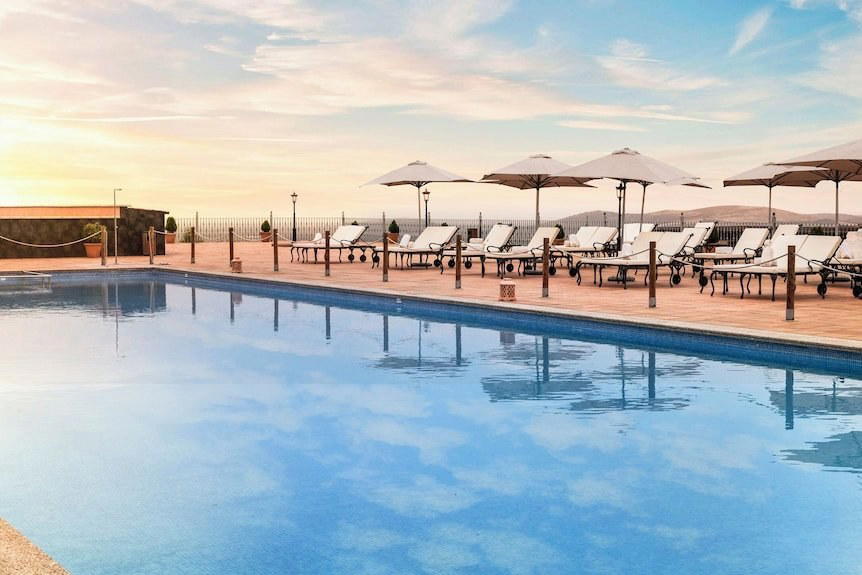
La Mancha Without the Mythology
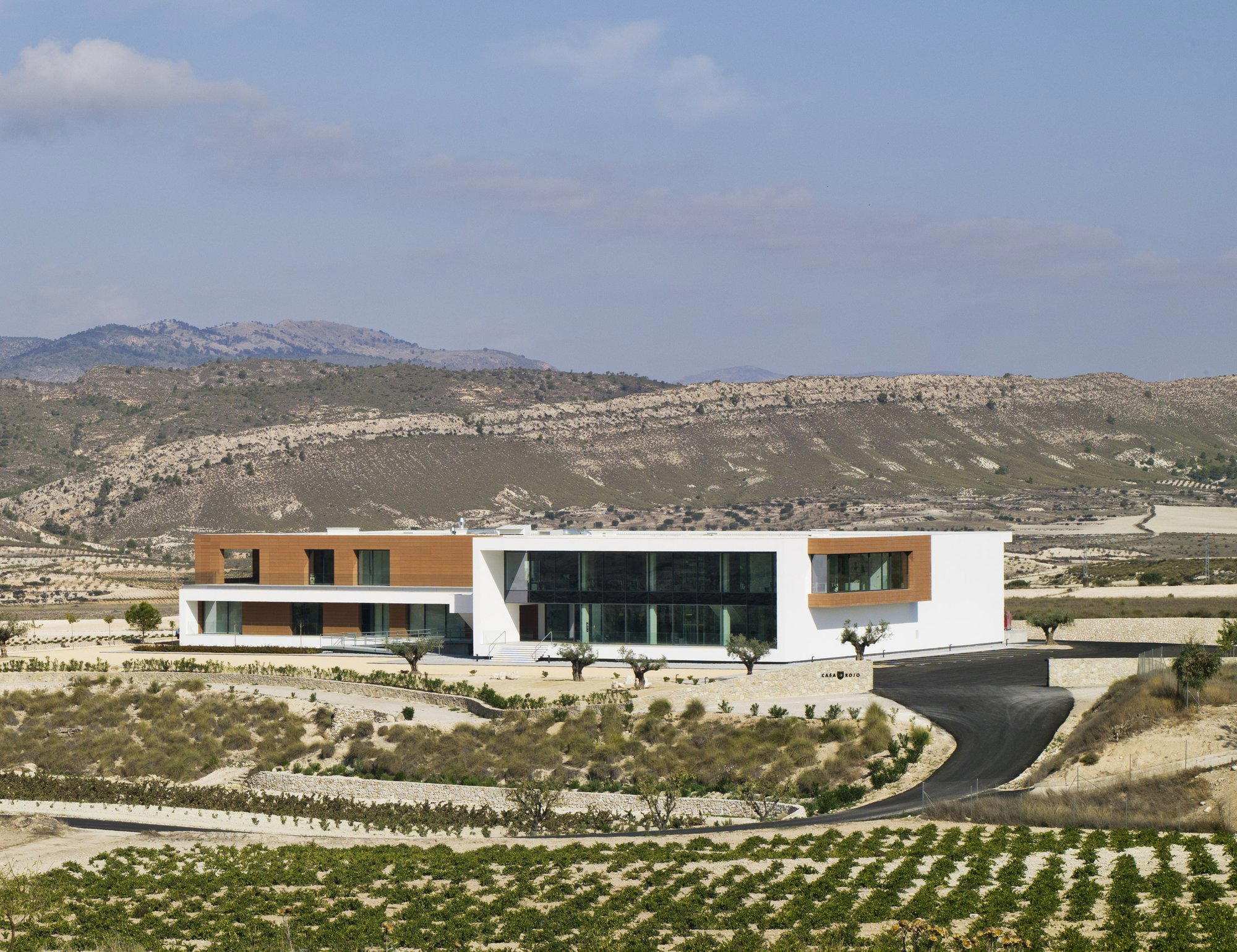
The plains of La Mancha have a way of disorienting first-time visitors. The landscape is relentlessly horizontal, broken only by windmills that look exactly as Cervantes described them and by the occasional estate wall rising from the red earth. Torrenueva sits in the province of Ciudad Real, deep inside this territory, and Hotel La Caminera Club de Campo draws its character entirely from the land around it. The architecture does not impose on this setting; it reads from it. The farmhouse structure, traditional in its low-profile mass and its use of local materials, belongs to a Castilian rural building tradition that predates Spain's modern hotel industry by several centuries.
This matters because the design approach here is not decorative ruralism, the kind of faux-rustic aesthetic applied to a concrete frame to signal authenticity. The cortijo typology that defines properties across rural Castile and Andalusia carries functional logic: thick walls that moderate temperature in a region of extremes, internal courtyards that create shaded circulation, and a self-contained compound structure that made agricultural estates viable as independent units. La Caminera reads as a working estate first and a hotel second, and that sequencing shapes the experience from arrival.
An Estate With Its Own Economy
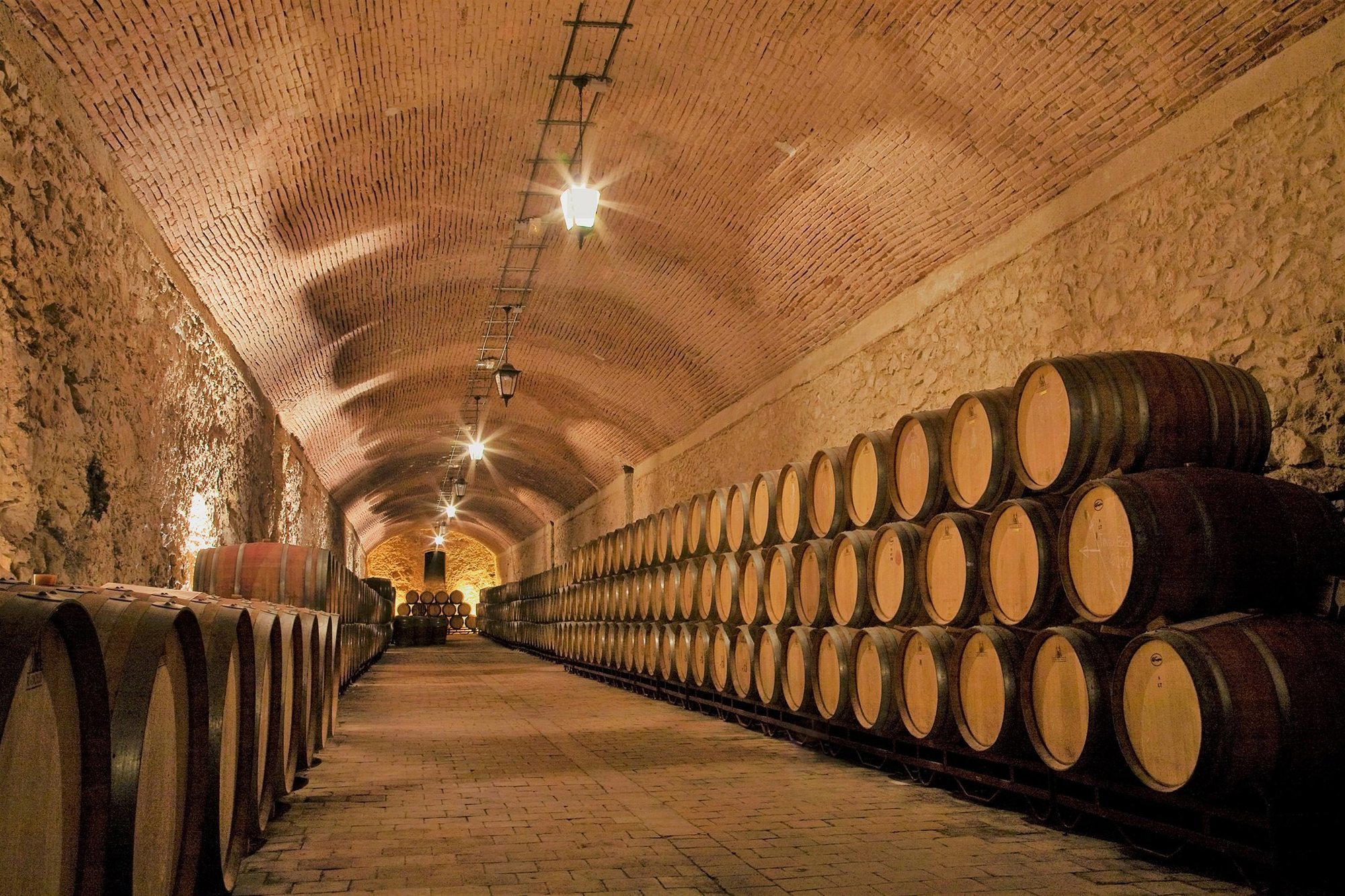
The concentration of amenities on a single rural property is a useful index of ambition. Many Spanish countryside hotels offer one or two anchor activities, typically a pool and a spa, and position themselves as rest destinations. La Caminera takes a different approach, building what amounts to a self-contained estate economy across its grounds. A working winery sits on site, placing the property in a regional tradition of wine production that runs across Castilla-La Mancha, one of Spain's largest wine-producing regions by volume. A golf course occupies the estate land. Hunting grounds extend the property's relationship with the agricultural territory around it, connecting to a deeply embedded Spanish rural culture in which cotos de caza are as much social institutions as sporting ones.
The spa adds an urban-amenity register to this rural program, with olive oil-based treatments that draw on a regional agricultural product rather than imported spa convention. The inclusion of a private landing strip is a practical signal about the target guest profile: this is a property that expects some of its visitors to arrive by private aviation, a detail that places it in a specific tier of Spanish rural hospitality where discretion and self-sufficiency are primary requirements. For comparison, properties such as Abadía Retuerta LeDomaine in Teruel and Torre del Marqués Hotel Spa & Winery in Sardoncillo operate within a similar estate-hotel model in Castile and Aragón, anchoring the stay around winery access and rural land activities rather than urban-adjacent convenience.
How La Caminera Sits in the Spanish Rural Hotel Market
Spain's premium rural accommodation has split into broadly two camps. The first converts historic properties, often monasteries, palaces, or manor houses, into hotels with the architecture as the primary selling proposition. The Parador network operates at scale in this register, while independent properties like Atrio Restaurante Hotel in Cáceres push further into design-led territory with Michelin-starred food as an additional anchor. The second camp, which La Caminera occupies, is the activity-estate model, where the land itself generates the program. Hunting, wine, golf, and agriculture are not amenities added to a hotel; they are the reason the estate exists, and the hotel grew from them.
At a rate of approximately $206 per night, La Caminera prices below the top tier of Spanish luxury rural hotels but above the midmarket Paradores and rural casa rural conversions. This positions it in a competitive middle band alongside properties that offer substantive activities and facilities without the Michelin-starred restaurant or the internationally recognised design pedigree that would push prices into the €400-plus bracket. For reference, the urban luxury end of the Spanish market, represented by properties like Mandarin Oriental Ritz, Madrid or Mandarin Oriental Barcelona, operates at a very different price point and a very different proposition. La Caminera's value argument is grounded in space, activity, and privacy rather than urban service intensity.
The 61-room count is relevant here. Large enough to absorb group bookings, which hunting and golf estates regularly attract, the property does not operate as a boutique hotel in the strict sense. It has the scale to support corporate retreats, sporting parties, and family gatherings alongside individual travellers. This breadth is characteristic of the Spanish club de campo format, where the social programme of an estate matters as much as any individual amenity.
The Broader Context: Rural Castile as a Travel Destination
Ciudad Real province receives far less international attention than Andalusia, Catalonia, or the Basque Country, and this relative obscurity is partly structural. The region lacks a high-speed rail connection to the major tourist corridors and has fewer internationally publicised food or wine institutions. What it has is terrain, agricultural depth, and a wine culture that produces substantial volume across the Valdepeñas designation and neighbouring zones. The Castilla-La Mancha region as a whole accounts for roughly half of Spain's total vineyard area, though only a fraction of its fine wine reputation, a gap that is slowly narrowing as producers apply more serious winemaking to the region's indigenous varieties.
For travellers whose frame of reference is the curated rural luxury of Terra Dominicata in Escaladei or the coastal design hotels of the Mediterranean coast, La Caminera represents a different register entirely: drier, more agricultural, less concerned with aesthetic signalling and more oriented toward the practical pleasures of land, sport, and space.
Planning a Stay
Torrenueva is accessible by road from Madrid in under two hours, making La Caminera a practical option for a long weekend from the capital. The private landing strip accommodates guests arriving by light aircraft, which given the estate's rural isolation is a more relevant access point than it might be for properties closer to commercial airports. Room rates from approximately $206 per night reflect the estate's positioning in the mid-to-upper rural segment of the Spanish market. With 61 rooms, availability is generally less constrained than at smaller boutique properties, though hunting season and major golfing periods will draw group bookings that reduce capacity. Direct booking enquiries are leading made through the property directly, and guests planning around specific activities, particularly hunting, should confirm season dates and availability in advance, as these are regulated by the autonomous community of Castilla-La Mancha and vary by species and year.
For a fuller picture of what the region offers beyond this property, see our full Torrenueva restaurants guide. Travellers comparing estate-hotel options across Spain may also find useful reference in properties including Mas de Torrent Hotel & Spa in Torrent, Pepe Vieira Restaurant & Hotel in Poio, Akelarre in San Sebastián, Cap Rocat in Cala Blava, La Residencia, A Belmond Hotel, Mallorca, Hotel Can Cera in Palma, Hotel Can Ferrereta in Santanyí, Marbella Club Hotel in Marbella, Bahia del Duque in Adeje, BLESS Hotel Ibiza, Can Alberti 1740 Hotel Boutique in Mahón, Can Mascort Eco Hotel in Palafrugell, Canfranc Estación, a Royal Hideaway Hotel, A Quinta da Auga Hotel & Spa in Santiago de Compostela, Casa Beatnik Hotel in A Coruña, The Fifth Avenue Hotel in New York City, Aman New York, and Aman Venice.
Comparison Snapshot
Comparable venues nearby, for context on price, style, and recognition.
| Venue | Cuisine | Price | Awards | Notes |
|---|---|---|---|---|
| Hotel La Caminera Club de CampoThis venue — the venue you are viewing | Luxurious rural resort with golf and spa | Not listed | 1 Michelin Key | Not listed |
| Unuk | Historic building with modern luxury renovations and retractable roof patio. | $300–500 | 1 Michelin Key | Alfalfa |
| CoolRooms Palacio de Atocha | Restored 19th-century palace with modern luxury amenities | Not listed | 1 Michelin Key | Embajadores |
| URSO Hotel & Spa Madrid | Restored 20th-century palace with modernist contemporary interiors | $200–300 | 1 Michelin Key · Mr & Mrs Smith Seal of Approval | Chueca |
| Caro Hotel | Historic palace transformed into a luxury boutique hotel blending heritage and contemporary luxury. | Not listed | 1 Michelin Key | La Xerea |
| Hotel Mercer Sevilla | Historic boutique luxury hotel in a 19th-century mansion | Not listed | 1 Michelin Key | Arenal |
Recognition history
Dated appearances from independent guides and award organizations, with the underlying list record or original source where available.
Michelin 1 Key
Michelin
Full recognition history (2 entries)
Michelin 1 Key
Michelin
Continue exploring
More in Torrenueva
Restaurants in Torrenueva
Browse all →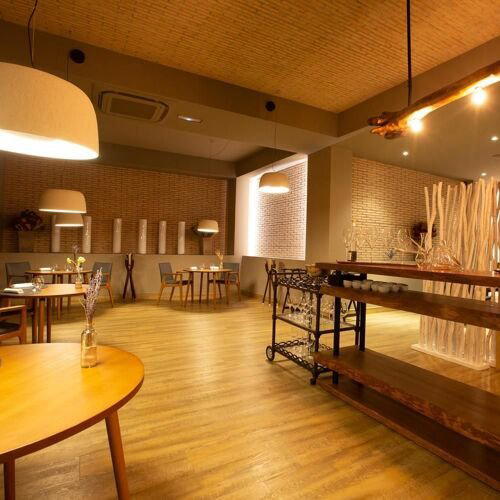
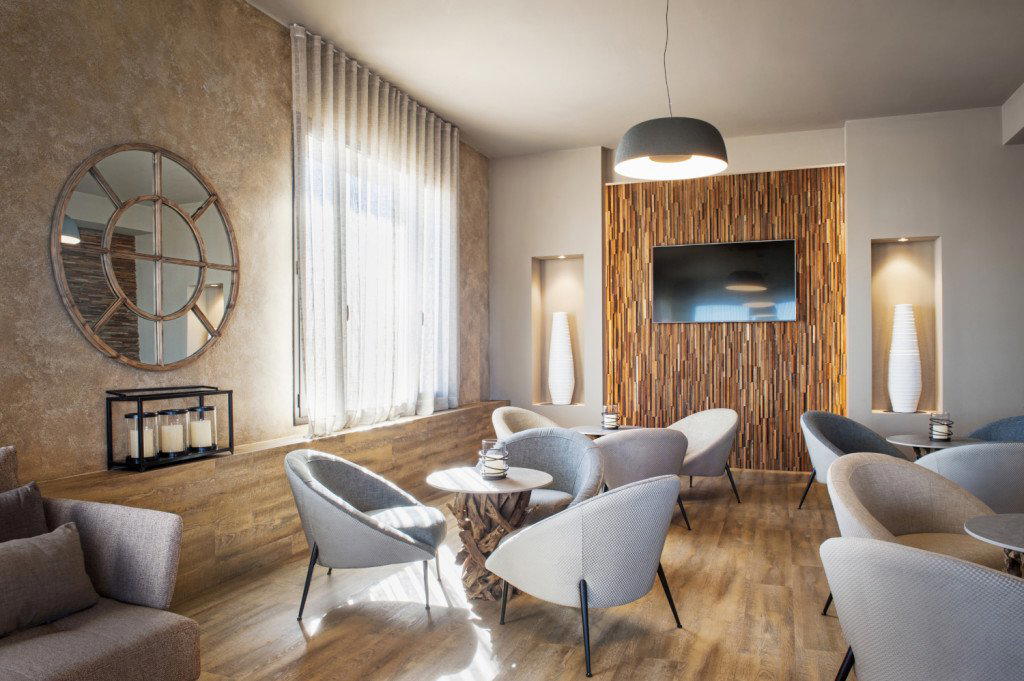
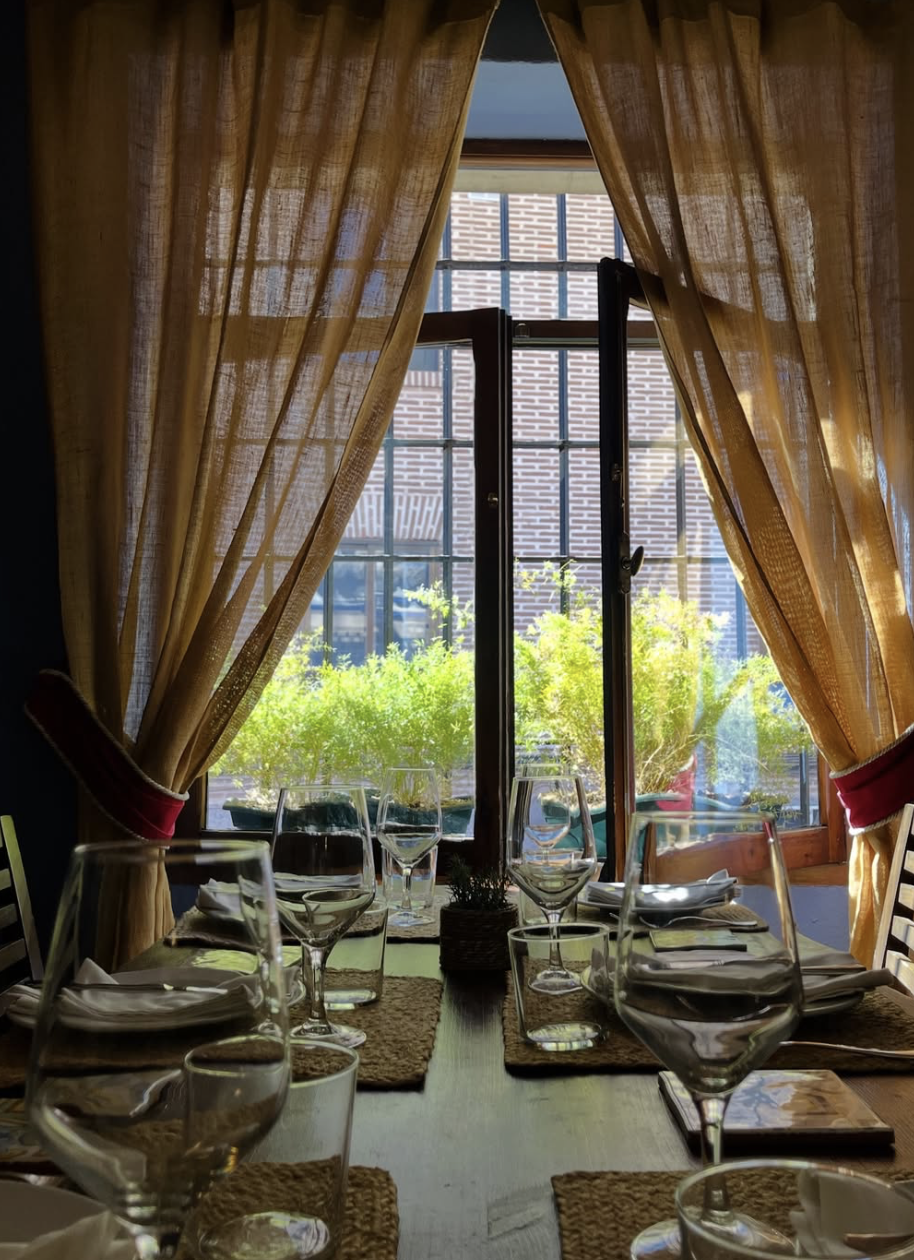


Details
- Quiet
- Elegant
- Scenic
- Cozy
- Romantic Getaway
- Wellness Retreat
- Weekend Escape
- Golf Course
- Panoramic View
- Pool
- Spa
- Fitness Center
- Room Service
- Concierge
- Wi Fi
- Restaurant
- Sauna
- Hot Tub
- Mountain
- Garden
- Wheelchair Accessible
- Elevator
- Step Free Entrance
Peaceful and relaxing atmosphere with dramatic rural views, soundproofed rooms, and serene spa facilities praised for tranquility and luxury.