
Michelin Selected
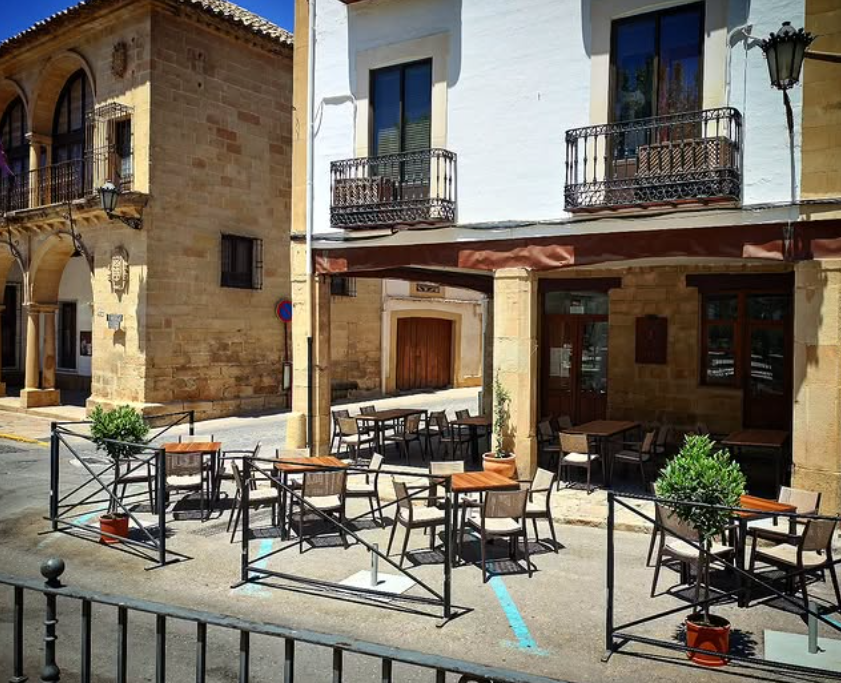
Baeza's UNESCO-listed old city provides the backdrop, and the hotel occupies a building whose stonework and proportions belong to the same tradition as the cathedral and university that define the centro histórico.

Pearl is the En Primeur Club membership app — saves, bookings, and concierge access live there. Same editors, same standards.
- Address
- C. San Pablo, 18, 23440 Baeza, Jaén, Spain
- Phone
- +34 953 74 72 00
- Website
- cetinahotels.com
- Directions
- Get directions
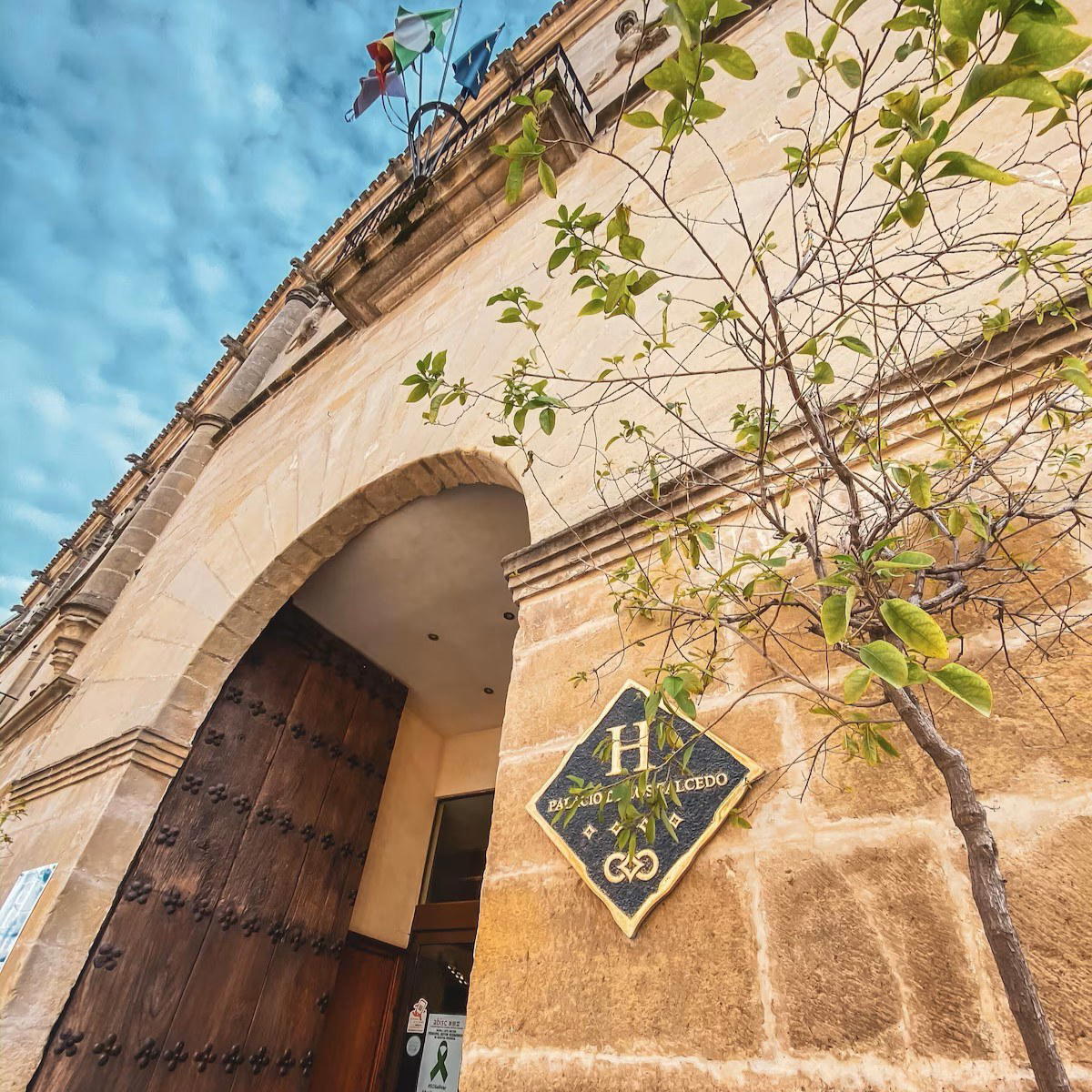
That relationship between the building's original identity and its current function is what separates the better Andalusian palace conversions from the merely competent ones. In Baeza, where the pace of change has been slower than in Córdoba or Seville, the physical fabric of the Renaissance city has survived largely intact. Hotels that occupy historic palaces here are not inserting themselves into a heritage backdrop for marketing effect; they are, in a more literal sense, the heritage. Cetina Palacio de los Salcedo holds Michelin Selected status in the 2025 guide, a signal that positions it within a peer group defined by quality of execution rather than scale or brand affiliation.
Architecture as the Defining Fact
Andalusian Renaissance architecture, sometimes called Plateresque in its most ornate Spanish form, is characterised by elaborate stone carving on facades that are otherwise severe in their proportions. Baeza's examples, which include the Palacio de Jabalquinto and the cathedral cloister, share a vocabulary of decorative columns, heraldic stone shields, and interior courtyards built around the Italianate logic of light and shade. A palace like the Salcedo would have been organised around a central patio, the social and climatic heart of the building, drawing air through the structure during Andalusia's hot summers and providing the family's primary gathering space.
This courtyard logic shapes the spatial experience of staying in a building of this type in ways that no amount of interior design can replicate. Rooms that open onto or overlook a historic patio carry a different relationship to time and proportion than rooms in a purpose-built hotel. The stone itself, golden-hued Jaén limestone typical of this part of Andalusia, holds heat differently and reads differently at different hours. For guests whose interest in a property runs toward architecture rather than amenity stacking, that physical texture is the point of the stay. It is the reason Baeza appears on itineraries for travellers who have already worked through the more visited Andalusian cities and are looking for somewhere where the 16th century has not been smoothed away. Caro Hotel in València layers Roman and medieval archaeology beneath a neoclassical shell. Atrio Restaurante Hotel in Cáceres inserts contemporary architecture into a medieval context. Hotel Mercer Sevilla in Seville takes a similar approach to historic fabric in Andalusia's largest city. Cetina Palacio de los Salcedo belongs to a more restrained subset: smaller, quieter, and in a city where the context itself is the draw rather than a cosmopolitan food or nightlife scene.
Baeza as Context: What the Town Demands of Its Visitors
Understanding what Cetina offers means understanding what Baeza is, and what it is not. The population sits around 14,000. There is no airport nearby; Jaén, the provincial capital, is roughly 48 kilometres to the south, and Granada is the nearest city with significant transport connections. The town's UNESCO inscription, awarded jointly with Úbeda in 2003, recognised the exceptional integrity of its Renaissance urban fabric, the degree to which the 16th-century street plan, building stock, and civic monuments have survived without the pressures that eroded comparable ensembles elsewhere.
The practical implication for visitors is that Baeza functions leading as a destination rather than a stopover. The cathedral, the Palacio de Jabalquinto, the old university buildings, the Plaza del Pópulo, and the seminary of San Felipe Neri can be covered on foot in a single day, but the reward of the town accumulates over time spent in its streets rather than through any single monument. That continuity is the specific proposition of properties like this one. For a broader view of what the region offers, our full Baeza guide covers dining, context, and itinerary planning in detail.
Where This Property Sits in the Spanish Michelin Hotel Selection
The Michelin Selected designation, introduced formally as part of the guide's hotel coverage, functions as a curation signal rather than a star rating. It identifies properties the editors consider worth the attention of a Michelin-calibre traveller without implying the same scoring hierarchy that applies to restaurants.enprimeurclub.com/hotels/mandarin-oriental-ritz-madrid-madrid-hotel">Mandarin Oriental Ritz in Madrid and Mandarin Oriental Barcelona to estate properties like Abadía Retuerta LeDomaine and smaller design-led conversions such as Hotel Can Cera in Palma.
Cetina Palacio de los Salcedo's inclusion in the 2025 selection places it in that last group: properties where the physical identity of the building and the specificity of the location carry more weight than the breadth of facilities. Travellers choosing between, say, La Residencia in Mallorca or Marbella Club Hotel on one hand, and a Baeza palace on the other, are making a fundamentally different choice about what a stay should deliver. The Michelin selection confirms that the execution here meets a threshold, but the appeal is categorical rather than competitive.
Planning the Stay
Baeza is most comfortable between March and June, and again from September through November, when temperatures in the Jaén interior sit at manageable levels and the olive groves surrounding the town are either in flower or approaching harvest. July and August bring heat that suppresses the pleasure of walking the stone streets at midday, though early mornings and evenings remain workable. Winter visits are quiet, sometimes very quiet, with a different quality of light on the limestone.
Guests who extend further might consider Terra Dominicata in Escaladei or Pepe Vieira in Poio as part of a longer Iberian circuit that follows architectural and gastronomic heritage rather than resort infrastructure.
A Quick Peer Check
Comparable venues nearby, for context on price, style, and recognition.
| Venue | Cuisine | Price | Awards | Notes |
|---|---|---|---|---|
| Cetina Palacio de los SalcedoThis venue — the venue you are viewing | historic palace hotel | $1–100 | Michelin Selected | Not listed |
| Vincci Molviedro | Contemporary Andalusian fusion in historic buildings | $100–200 | Michelin Selected | Centro |
| Yurbban Ramblas | Urban boutique in historic 19th-century building | $100–200 | Michelin Selected · Mr & Mrs Smith Seal of Approval | Ciutat Vella |
| Vincci Consulado de Bilbao | Contemporary nautical-inspired design hotel positioned as a modern architectural landmark blending maritime heritage with luxury hospitality. | $100–200 | Michelin Selected | Paseo de Abandoibarra |
| Maribel | Alpine chalet blending modern luxury with timeless charm | Not listed | Small Luxury Hotels of the World Member | Pradollano |
| H10 Palacio Colomera | Historic palace conversion maintaining original architectural heritage while incorporating contemporary luxury and eco-friendly design principles. | $200–300 | Michelin Selected | Plaza de las Tendillas |
Recognition history
Dated appearances from independent guides and award organizations, with the underlying list record or original source where available.
Michelin Selected
Michelin
Continue exploring
More in Baeza
Hotels in Baeza
Browse all →
Details
- Elegant
- Classic
- Quiet
- Intimate
- Sophisticated
- Romantic Getaway
- Anniversary
- Weekend Escape
- Historic Building
- Terrace
- Wi Fi
- Air Conditioning
- Room Service
- Concierge
- Elevator
- Elevator
- Step Free Entrance
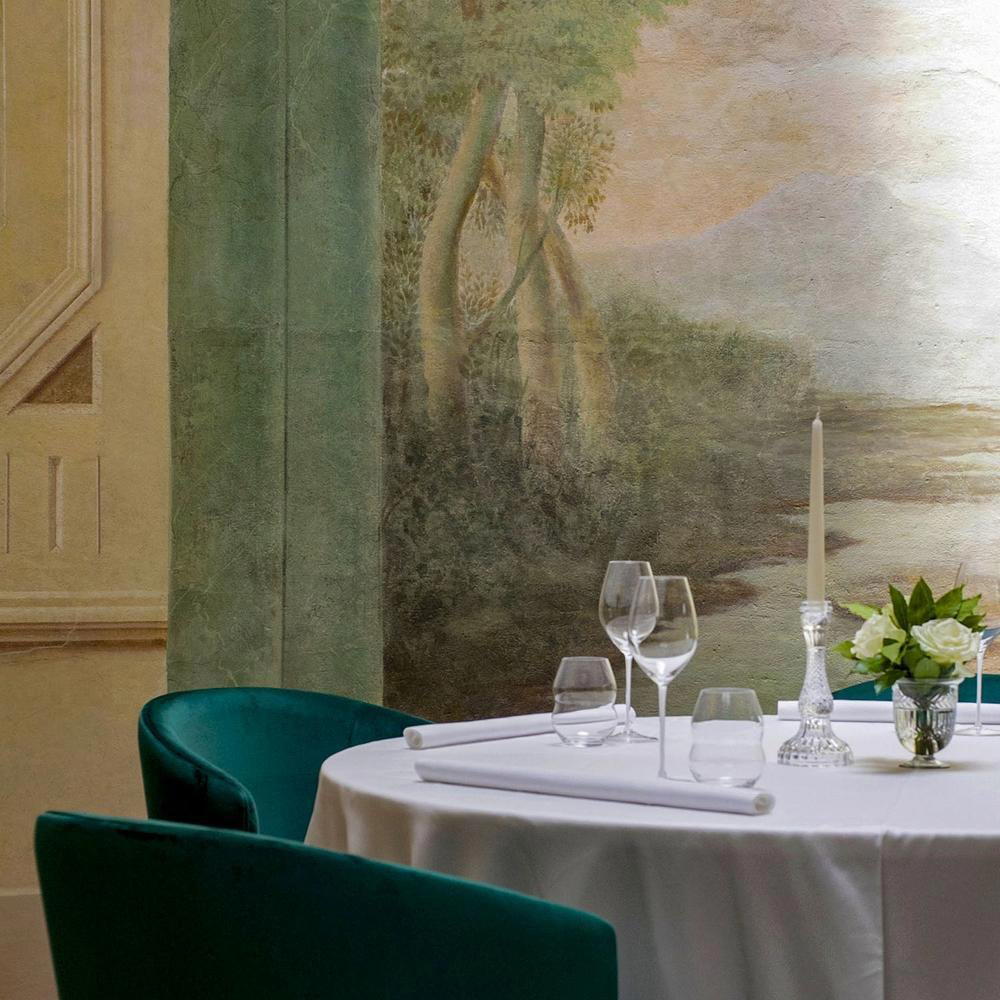
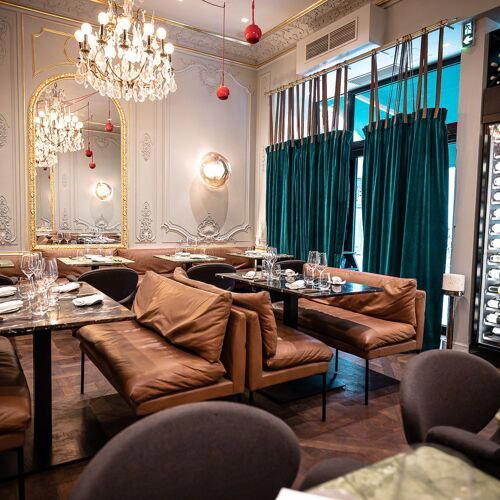
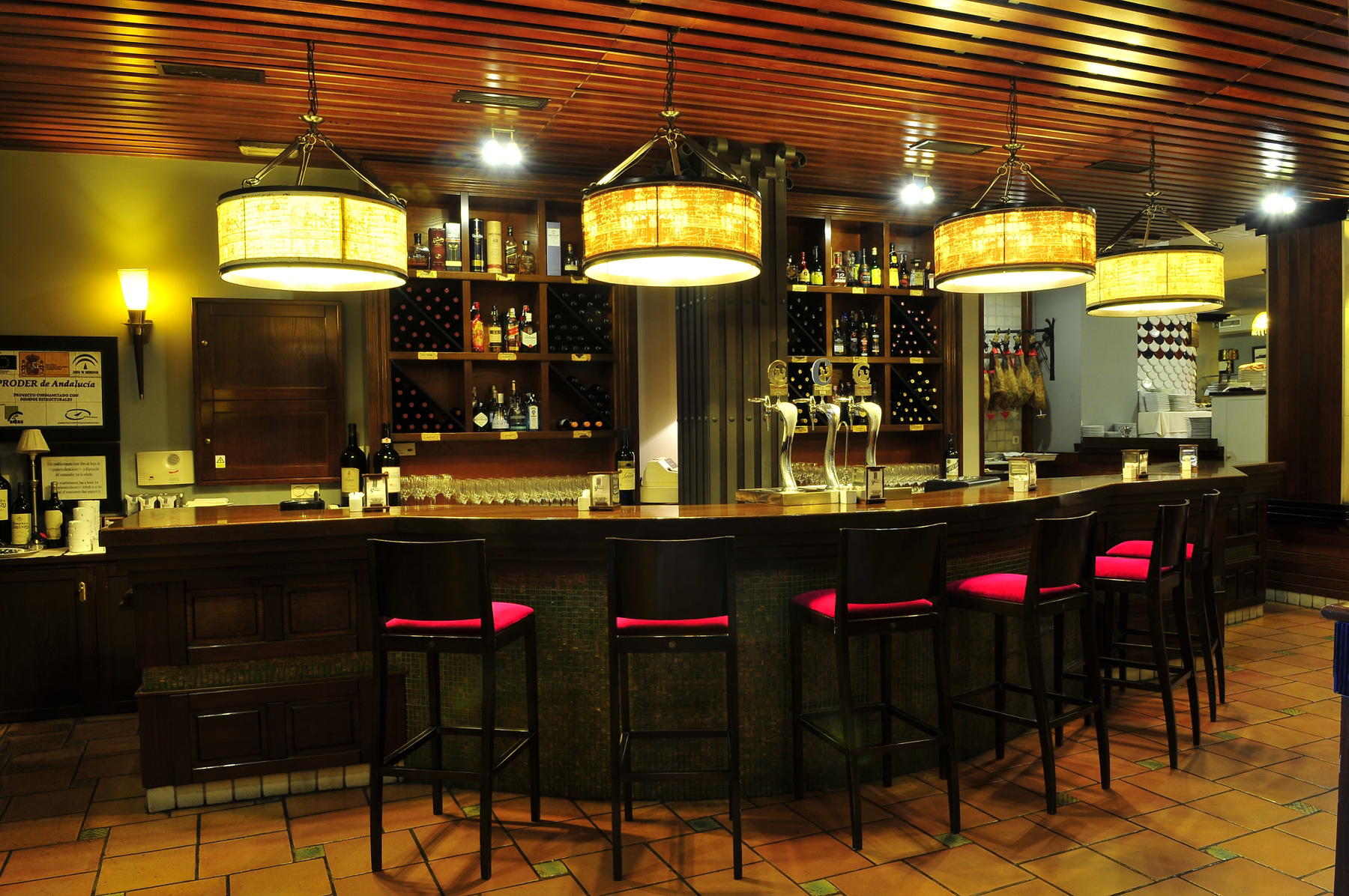
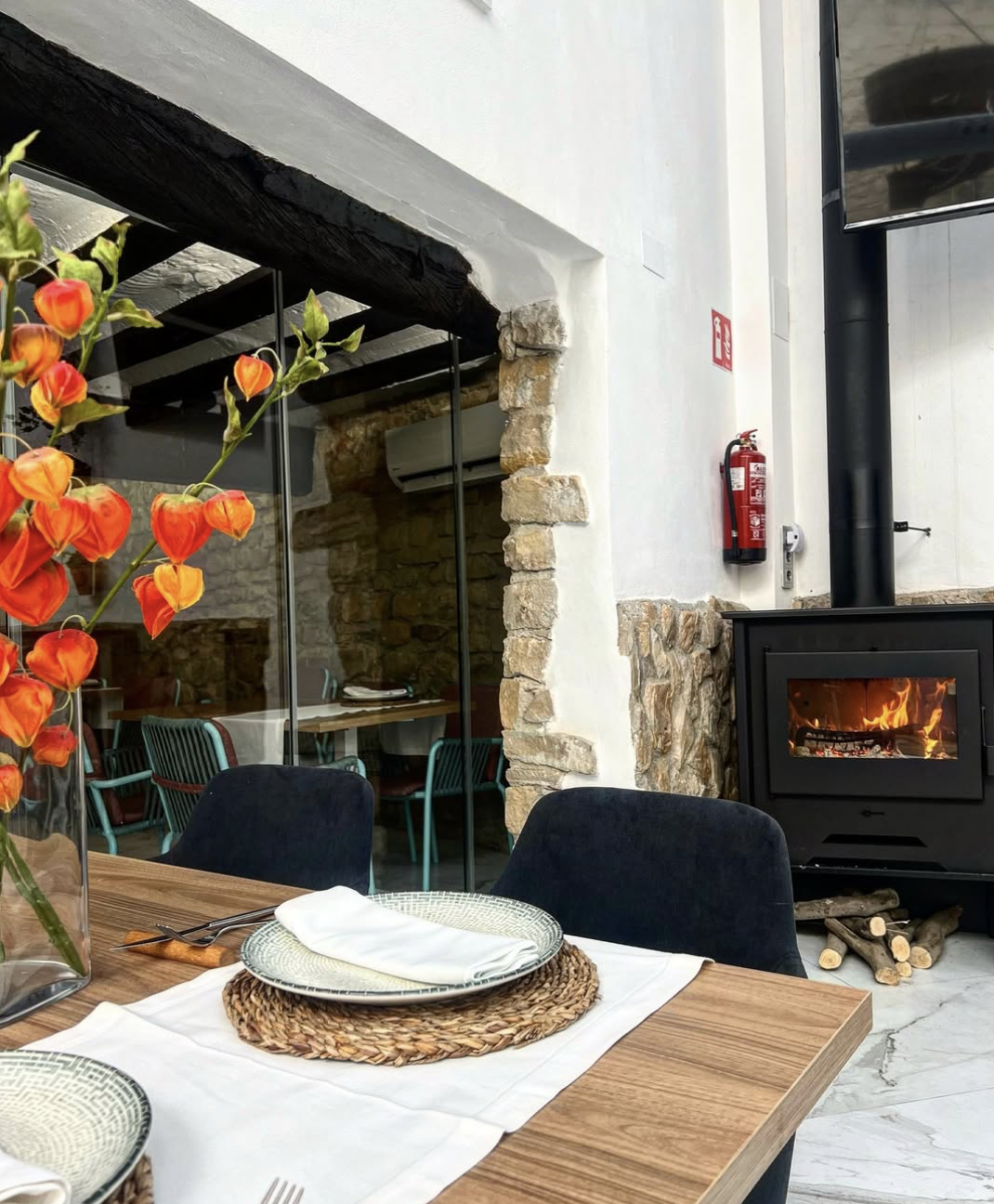
Traditional elegance with centuries-old stone walls, restored beamed ceilings, carved wood furnishings, and a quiet historic atmosphere.