



1 Michelin Star · Macarfi 9 Food Rating · Guía Repsol 2 Soles
Our verdict
Set within a 16th-century monastery in Baeza's UNESCO-listed historic quarter, Vandelvira holds a Michelin star and ranked 56th in Opinionated About Dining's Top Restaurants in Europe for 2025. Chef Juan Carlos García builds two tasting menus around produce from his own vegetable garden and the wider Jaén region, transforming humble local ingredients into technically precise, creatively driven dishes.

Pearl is the En Primeur Club membership app — saves, bookings, and concierge access live there. Same editors, same standards.
- Address
- Pl. San Francisco, 23440 Baeza, Jaén, Spain
- Phone
- +34 681 98 21 57
- Hours
- Mon–Tue ClosedWed–Thu 1:30–2:45 PMFri 1:30–2:45 PM, 8:30–9:45 PMSat–Sun 1:30–2:45 PM
- Website
- vandelvirarestaurante.es
- Directions
- Get directions
- Booking
- Book on the venue's website
The menu
What to order
- Turnip with ham toffee and cocoa partridge éclair
- Squid and Iberian ham with dashi broth and tartare
Stone Cloisters and a Kitchen Garden: Dining in Baeza's Monastic Quarter
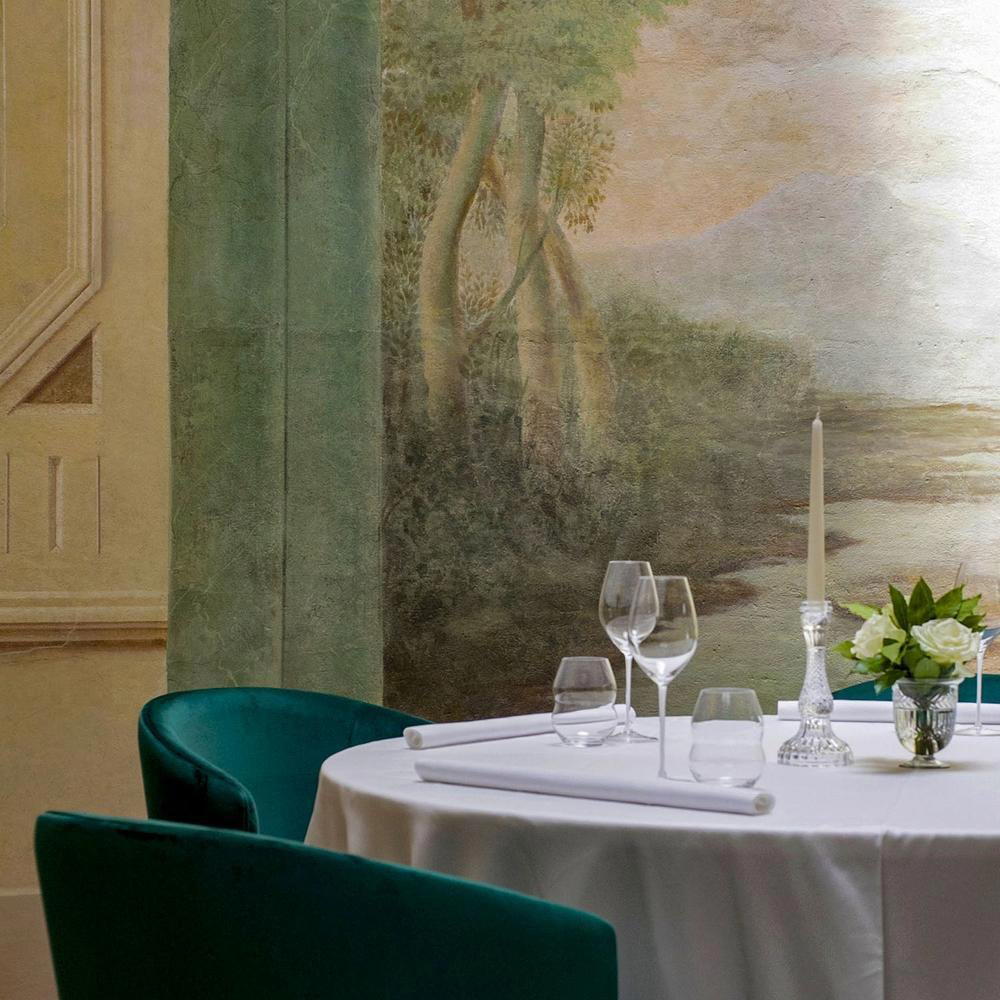
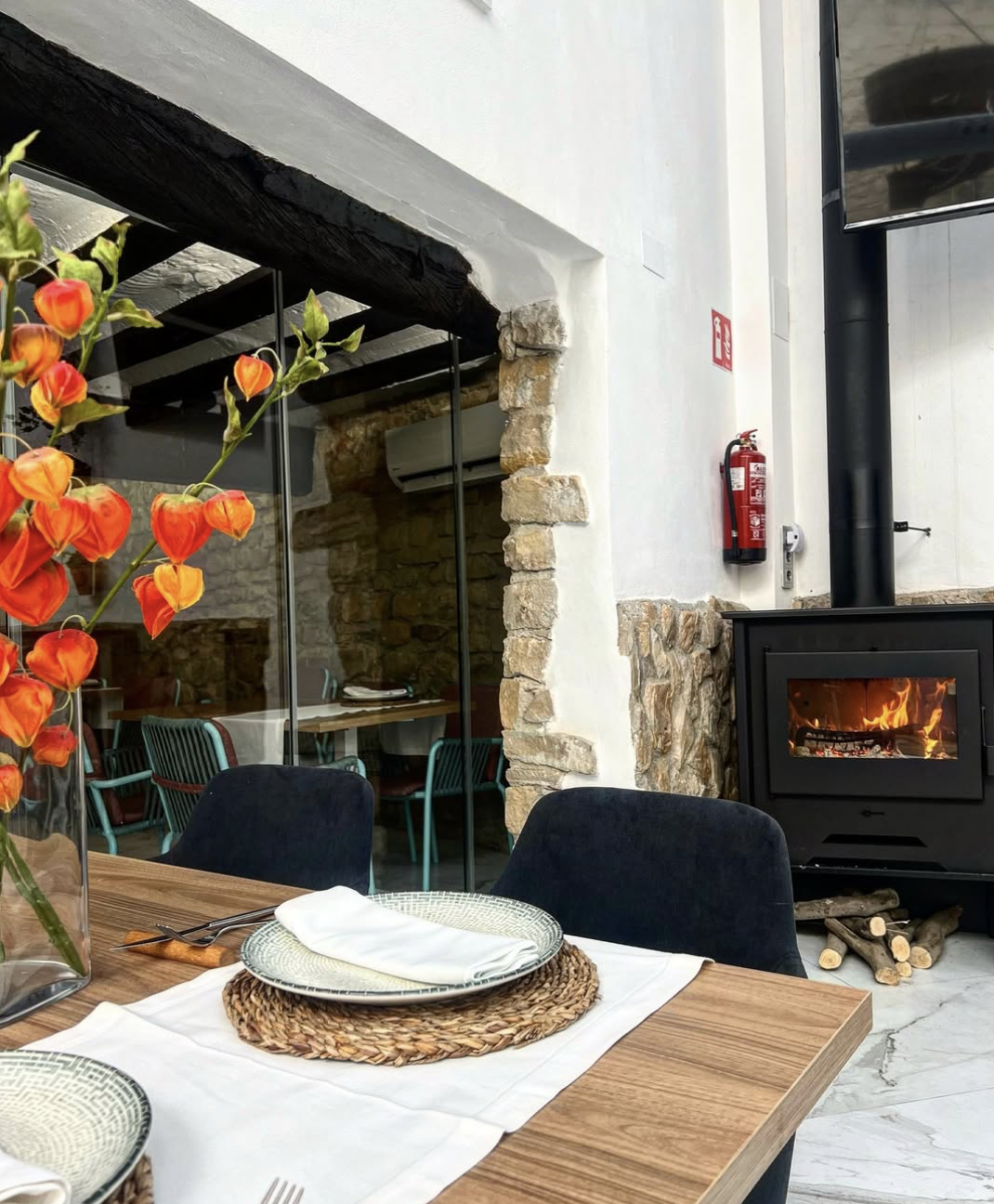
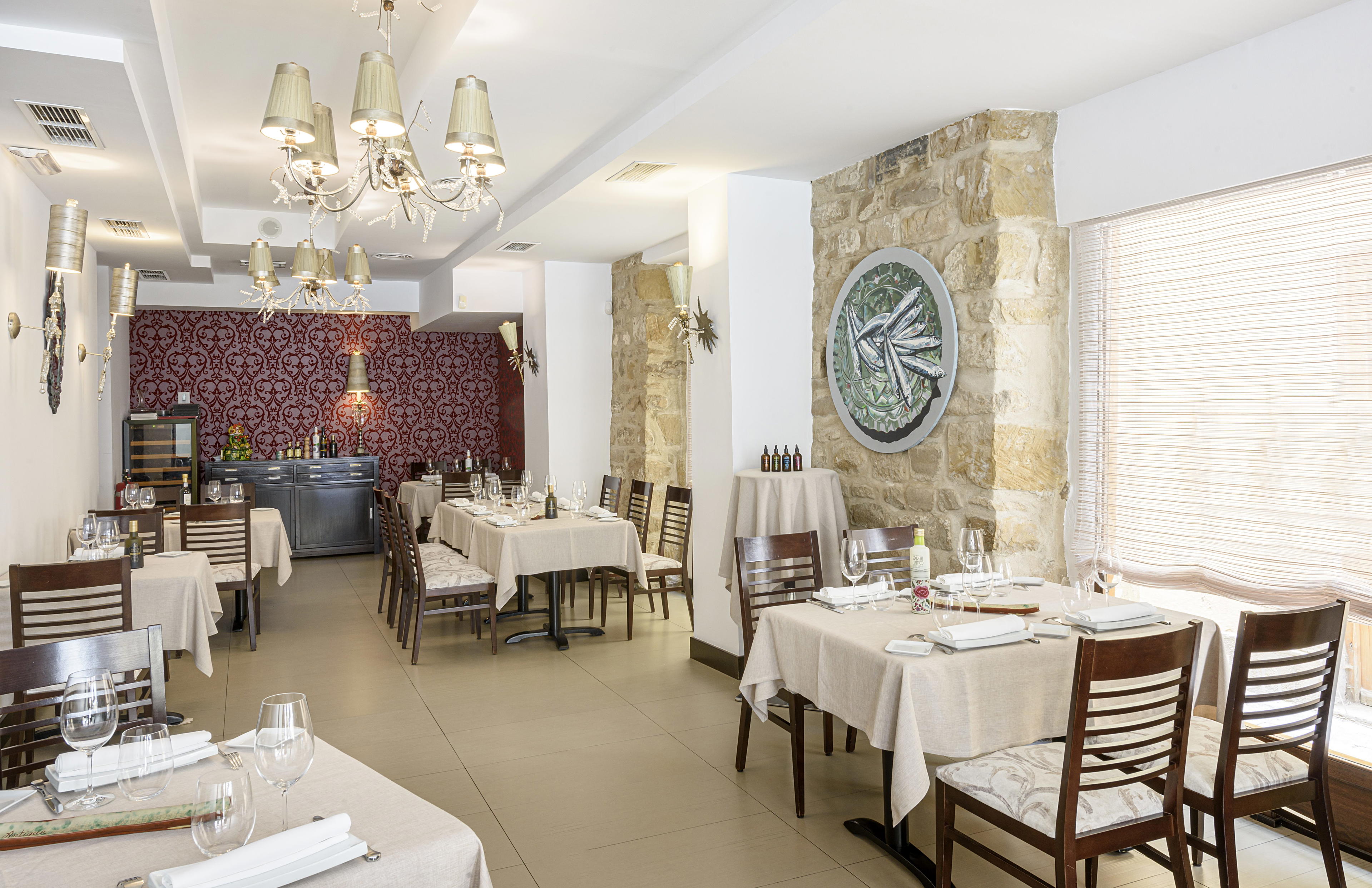
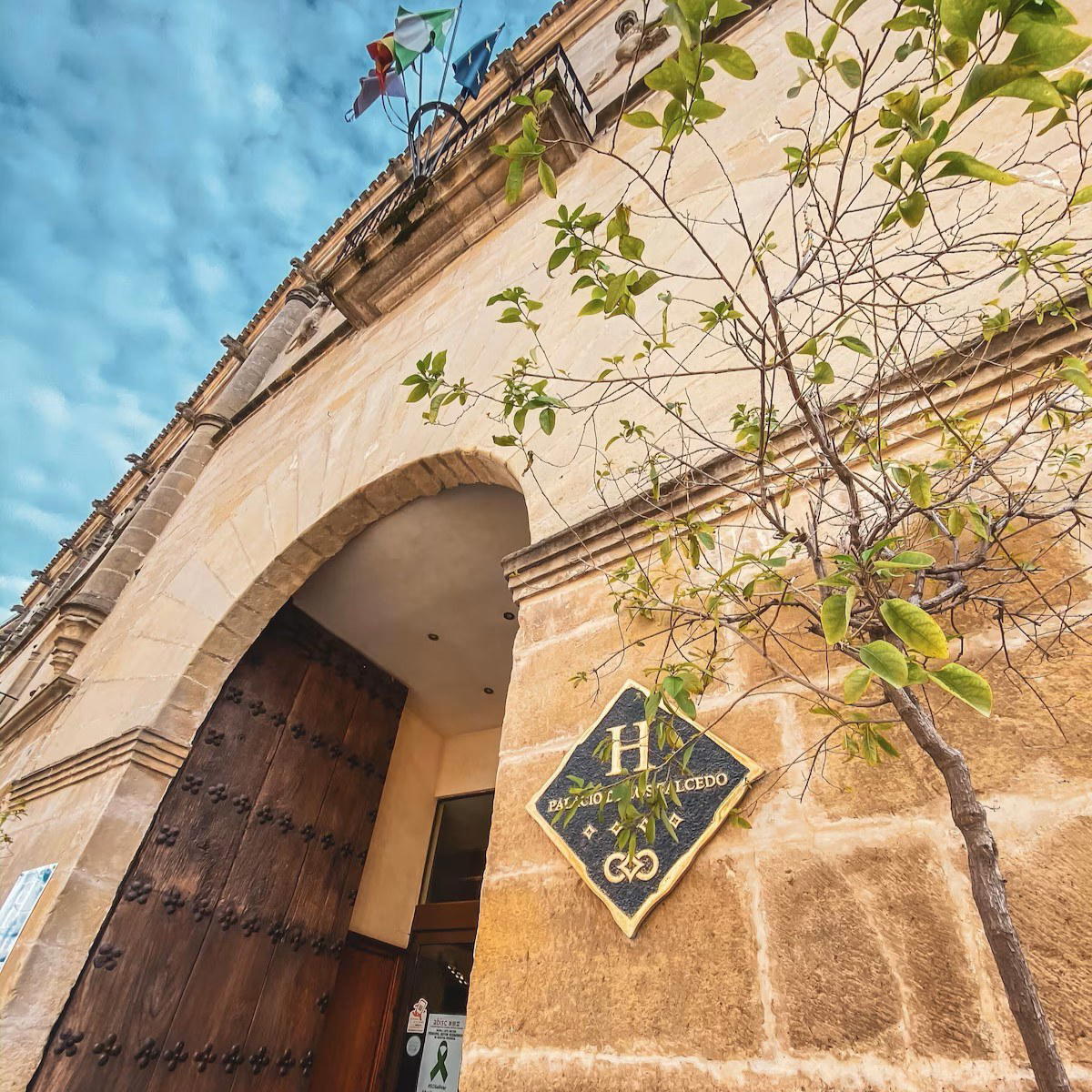
Approach Vandelvira from the Plaza San Francisco and the architecture does the contextualising before you've read a menu. The building is a former 16th-century monastery, and the dining rooms sit inside spaces where that history is structural rather than decorative: thick stone walls, covered cloisters, the particular quality of light that comes through old masonry. In Baeza's UNESCO World Heritage historic quarter, where Renaissance civic architecture lines streets largely unchanged since the Spanish Golden Age, eating inside a repurposed monastic building is less a novelty and more a matter of geography. The quarter was built this way, and Vandelvira exists within it accordingly.
This setting matters for understanding the restaurant's position. Baeza is not a city that generates restaurant traffic by volume. Visitors arrive with the monuments as the primary reason, and fine dining here occupies a different role than it does in a San Sebastián or a Barcelona, where the restaurant IS the destination. At Vandelvira, the dining experience and the historic context reinforce each other. The covered cloisters, where guests can take a glass of manzanilla sherry before or after the meal, are part of the same fabric as the city's palaces and cathedrals outside.
Where the Food Starts: Sourcing as Kitchen Philosophy
Spain's most decorated restaurants, from El Celler de Can Roca in Girona to Arzak in San Sebastián, have long made regional identity central to their cooking. The sourcing argument, that proximity to ingredient is itself a form of culinary intelligence, has become a working principle rather than a marketing position at the higher end of Spanish cuisine. Vandelvira operates within that same framework, but at a scale and in a location that gives it a particular character.
Chef Juan Carlos García sources from his own vegetable garden and from the Jaén region more broadly. Jaén is olive oil country above all: the province is among the largest olive oil producers in the world, and that agricultural identity shapes what grows here and how local cooks have historically used it. The decision to treat these ingredients, which García himself describes as humble, as the raw material for haute cuisine dishes is not a romantic gesture toward simplicity. It is a technical commitment. A vegetable grown in quantity for everyday use requires more skill, not less, to make interesting at a tasting-menu level than a rare or expensive imported ingredient. The finesse noted by reviewers is partly a function of that constraint.
This positions Vandelvira in the same conversation as restaurants like Aponiente in El Puerto de Santa María, where the sourcing framework is deliberately narrow and the creative challenge comes from working within it, rather than restaurants like DiverXO in Madrid, where the reference points are deliberately global. The comparison is one of orientation, not of scale or ambition.
Two Menus, One Kitchen Garden
The format is two tasting menus built around creative cuisine, with García's own vegetable garden and regional Jaén produce as the primary sourcing axis. Michelin awarded the restaurant a star in 2024, a credential that places it in a specific tier of Spanish fine dining: technically accomplished, creatively coherent, and consistent enough to justify the investment.
That upward move in the OAD rankings is worth noting in context. The list covers the full spectrum of European fine dining, from three-star institutions like Mugaritz in Errenteria and Martin Berasategui in Lasarte-Oria to smaller regional restaurants with a more specialist following. Moving from 111th to 56th in a single year, in a field that includes Disfrutar in Barcelona, Azurmendi in Larrabetzu, and Quique Dacosta in Dénia, suggests the restaurant is gaining traction with the kind of serious diner who travels specifically for the table. That is a different visitor profile from the tourist arriving in Baeza for the Renaissance architecture who happens to book a reservation here, and both profiles increasingly share the same dining room.
For those curious about the broader creative dining scene in Andalucía and beyond, restaurants like Ricard Camarena in València offer another point of reference for how Spanish chefs at this level think about regional produce and contemporary technique. Outside Spain, the comparison extends to restaurants like Frantzén in Stockholm or FZN by Björn Frantzén in Dubai, which demonstrate how a kitchen-garden sourcing discipline can hold its own at the highest international level.
The Competitor Set in Baeza
Within Baeza itself, the fine dining tier is narrow. Acebuche (Contemporary) represents the contemporary alternative in a city where restaurants are shaped by the same constraints that define the place: modest scale, deep regional identity, a visitor base that arrives primarily for reasons other than food. Vandelvira operates at the top of that local tier, but its competitive reference points have outgrown the city. A 56th-place European ranking connects it to tables in cities with food tourism as a primary draw, which is an unusual position for a restaurant in a town of Baeza's size.
That gap between location and recognition is not a problem for the restaurant so much as a structural feature of what it does. The price range at €€€ places it below the €€€€ bracket of Spain's most celebrated multi-star restaurants, which means the commitment asked of a visiting diner is real but not prohibitive. The value case, relative to what those OAD rankings imply about quality, is one of the more compelling in Andalucían fine dining at the moment.
Planning a Meal at Vandelvira
The restaurant operates a limited service schedule that reflects both its tasting-menu format and the rhythms of a small historic city. Lunch service runs Wednesday through Sunday from 1:30 PM to 2:45 PM. Dinner service is offered on Fridays only, from 8:30 PM to 9:45 PM. Monday and Tuesday are closed. For anyone combining a visit to Baeza's UNESCO monuments with a meal here, the lunch service is the practical option on most days of the week, and the Friday dinner reservation is worth planning around if the itinerary allows it.
The address is Plaza San Francisco in Baeza's historic quarter, which places it within walking distance of the major monuments. Given the limited number of services per week and growing attention from the OAD-surveyed audience, advance booking is advisable, particularly for Friday evening.
For visitors building a wider stay around the Baeza dining scene, the EP Club guides to restaurants in Baeza, hotels in Baeza, bars in Baeza, wineries in Baeza, and experiences in Baeza cover the full picture of what this city offers beyond the monuments.
Frequently asked questions
Is Vandelvira child-friendly?
The format is two multi-course tasting menus served inside a 16th-century monastery in Baeza's UNESCO-listed historic quarter, with a service structure to match. That orientation suits adults or older teenagers comfortable with a formal, unhurried lunch or dinner rather than younger children. Lunch runs 1:30–2:45 PM Wednesday through Sunday; Friday evening service adds an 8:30 PM sitting.
What's the vibe at Vandelvira?
Formal without rigidity. Dining happens in comfortable rooms and covered cloisters inside a 16th-century monastery, where the architecture sets a tone that the service reflects without amplifying into stiffness. A glass of manzanilla sherry in the cloisters before sitting down is the kind of detail that tells you the kitchen takes pleasure seriously alongside technique. The Michelin star and OAD ranking of #56 in Europe for 2025 confirm the room is performing at that level.
Has Vandelvira won any awards?
Vandelvira has received recognition including: If you’re visiting Baeza’s marvellous historic quarter, a Renaissance jewel that has been declared a World Heritage Site, eating in this restaurant will add an extra-special touch to the experience. Vandelvira occupies part of a 16C monaste….
What do people recommend at Vandelvira?
The kitchen's throughline is humble Jaén produce, including vegetables from chef Juan Carlos García's own garden, reframed through technically precise creative cuisine. The squid and Iberian ham dish, served with a concentrated Iberian ham dashi broth and squid tartare, has drawn specific praise from Michelin inspectors. Both tasting menus follow that same sourcing philosophy, so the question is length of sitting rather than a split between approaches.
Budget Reality Check
| Venue | Cuisine | Price | Awards |
|---|---|---|---|
| VandelviraThis venue — the venue you are viewing | Modern Spanish Haute Cuisine | $100–150 | 1 Michelin Star · Macarfi 9 Food Rating |
| Aponiente | Progressive - Seafood, Creative | Not listed | Michelin 3 Star |
| Arzak | Modern Basque, Creative | Not listed | Michelin 3 Star |
| DiverXO | Progressive - Asian, Creative | Not listed | Michelin 3 Star |
| El Celler de Can Roca | Progressive Spanish, Creative | Not listed | Michelin 3 Star |
| Quique Dacosta | Creative | Not listed | Michelin 3 Star |
Recognition history
Dated appearances from independent guides and award organizations, with the underlying list record or original source where available.
Michelin 1 Star
Michelin
Guía Repsol 2 Soles
Guía Repsol
Macarfi 9 Food Rating
Macarfi
Opinionated About Dining Top Restaurants in Europe Ranked #41
Opinionated About Dining
Full recognition history (8 entries)
Michelin 1 Star
Michelin
Opinionated About Dining Top Restaurants in Europe Ranked #56
Opinionated About Dining
Michelin 1 Star
Michelin
Opinionated About Dining Top Restaurants in Europe Ranked #111
Opinionated About Dining
Continue exploring
More in Baeza
Restaurants in Baeza
Browse all →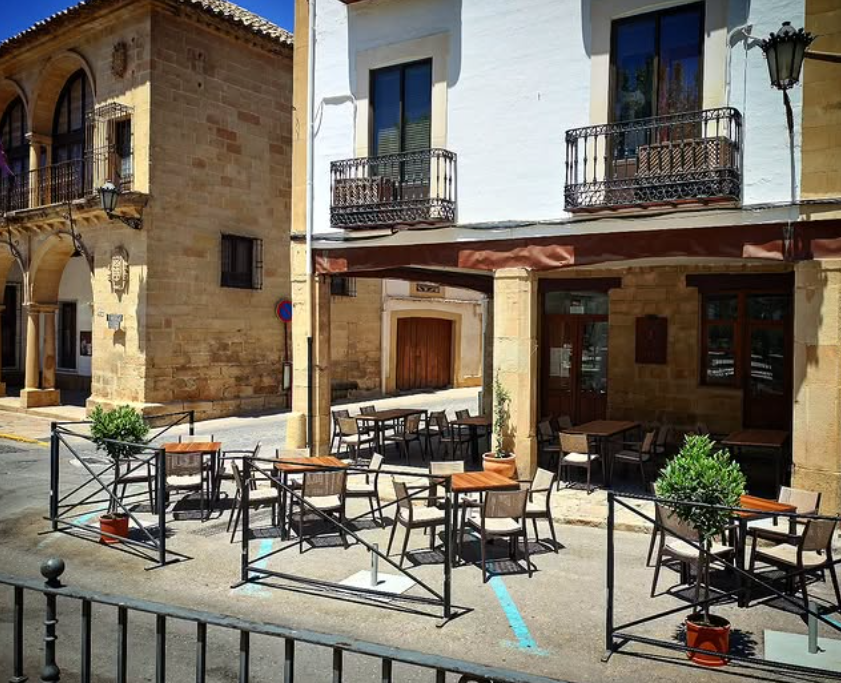
Details
- Elegant
- Romantic
- Sophisticated
- Intimate
- Date Night
- Special Occasion
- Celebration
- Open Kitchen
- Historic Building
- Courtyard
- Garden
- Sommelier Led
- Farm To Table
- Local Sourcing
- Garden
- Tasting Menu
- Wine Pairing
Current opening hours
- Monday
- Closed
- Tuesday
- Closed
- Wednesday
- 1:30–2:45 PM
- Thursday
- 1:30–2:45 PM
- Friday
- 1:30–2:45 PM, 8:30–9:45 PM
- Saturday
- 1:30–2:45 PM
- Sunday
- 1:30–2:45 PM
Hours can change for holidays and private events. Last verified .
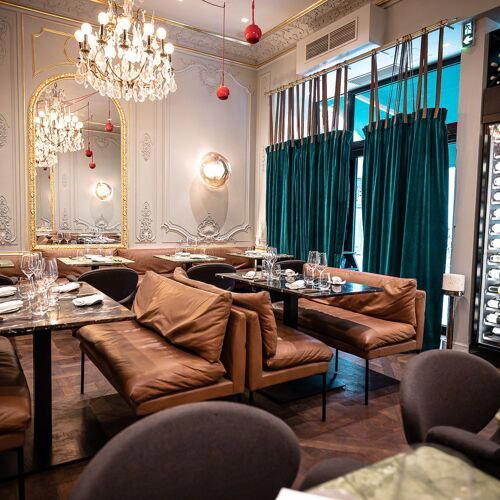
Historic Renaissance monastery with stone galleries, covered cloisters, and elegant dining rooms; guests are welcomed with sherry in the convent patio and experience meticulous attention to detail throughout.