

1 Michelin Key · Mr & Mrs Smith Seal of Approval
A Michelin Key-awarded Andalusian cortijo half an hour outside Granada, Hotel Cortijo del Marqués occupies a beautifully preserved stone manor set among olive groves. With just 15 rooms spread across the original house, granary, and stables, it operates at the quieter, more private end of Spain's rural luxury spectrum. The restaurant draws on locally sourced produce for a three-course dinner served within the same historic walls.

Pearl is the En Primeur Club membership app — saves, bookings, and concierge access live there. Same editors, same standards.
- Address
- Camino del Marqués s/n A44, exit 108, 18220 Albolote, Granada
- Phone
- +34 673 86 27 15
- Website
- cortijodelmarques.com
- Directions
- Get directions
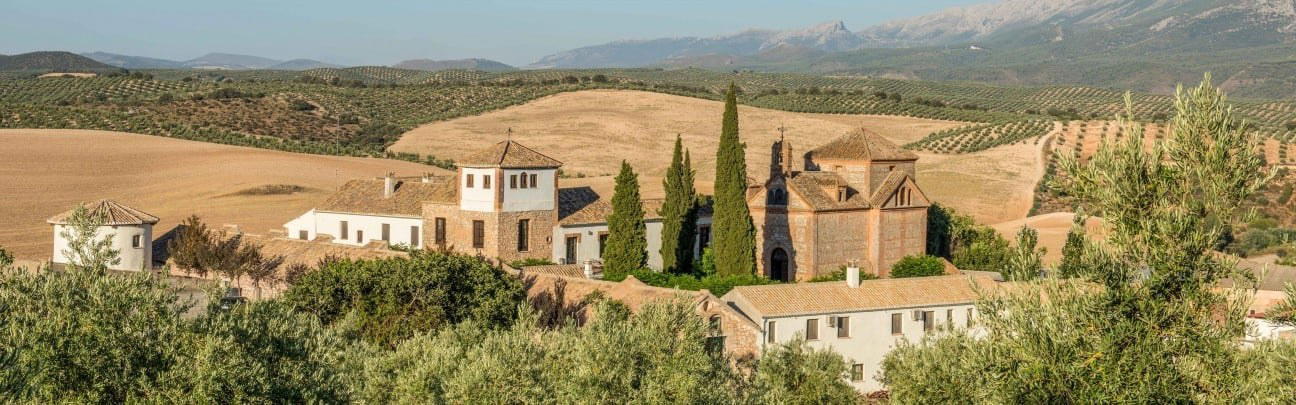
Stone, Silence, and the Andalusian Rural Tradition
The country house hotel has deep roots in England and France, where the format has had centuries to establish conventions: the converted manor, the walled garden, the sense of borrowing someone else's aristocratic life for a long weekend. In Spain, the equivalent tradition — the cortijo — carries its own distinct character, shaped by Andalusian agricultural history rather than northern European landed gentry. Working cortijos were the economic engines of rural Andalusia, organized around olive production, livestock, and seasonal labor. Converting them into places of retreat requires a different kind of curatorial instinct: less about installing comfort within grandeur, more about revealing what was already there.
Hotel Cortijo del Marqués, reached via the A44 motorway and exit 108 roughly thirty minutes outside Granada, sits in that narrower category of Andalusian rural properties that have prioritized preservation over reinvention. The stone architecture reads as genuinely old rather than restored-to-look-old, a distinction that matters considerably at this end of the market. Contemporary design elements are present, particularly in the bathrooms, where modern hospitality infrastructure replaces what would otherwise have been the weakest point of any historic conversion, but they are deployed with restraint, serving the structure rather than overriding it. This approach places Cortijo del Marqués closer to properties like Mas de Torrent Hotel & Spa in Torrent or Terra Dominicata in Escaladei, Catalan rural conversions that have similarly chosen to work within historic fabric rather than against it, than it does with the large-footprint resort properties that dominate Andalusia's leisure accommodation sector.
Architecture as the Editorial Argument
Within Spain's premium rural accommodation category, there is an ongoing tension between two approaches. The first treats historic structures as scenic containers for a contemporary luxury program: the old walls remain, but the interiors are comprehensively redesigned, the restaurant concept is ambitious and chef-driven, and the property functions essentially as a boutique hotel that happens to occupy antique walls. The second approach, less common, and generally more demanding to execute well, treats the structure itself as the primary asset and designs the guest experience around protecting and amplifying what already exists. Cortijo del Marqués operates from the second position.
The spatial organization reflects the agricultural origins directly. The fifteen rooms are distributed not across a single unified building but across the compound: some in the original manor house, others in what were the granary and stables. This produces a heterogeneity that standardized hotel design eliminates, rooms differ from one another in ceiling height, natural light, view, and proportion, which means the choice of room is a genuine decision rather than a nominal one. At a property of this size, the layout also creates an experience that reads closer to a private residence than a hotel, a quality that the larger Andalusian properties, however well-executed, cannot replicate through design alone.
The olive groves surrounding the property are not simply landscaping. They are the same agricultural feature that would have defined this land when the cortijo was functioning as a working estate. That continuity of setting gives the property a contextual coherence that purpose-built rural retreats rarely achieve. For a comparable example of how historic setting can function as a structural argument for a property, Abadía Retuerta LeDomaine in Teruel makes similar use of its monastery foundations, though at considerably larger scale and with a more ambitious wine and gastronomy program.
The Michelin Key and What It Signals
2024 Michelin Key award positions Cortijo del Marqués within a formally recognized tier of European hospitality. The Michelin Keys system, introduced by the guide to evaluate hotels on criteria that include architectural character, service quality, and the coherence of the guest experience, is designed to identify properties where the stay itself constitutes a considered offer rather than simply comfortable accommodation. For a fifteen-room rural property outside Granada, the recognition places it in direct conversation with considerably larger and better-resourced properties across Spain.
The rating also reflects real guest experience rather than aspirational marketing, which at a property that deliberately limits its facilities to a pool and a restaurant, carries additional weight.
Food, Setting, and the Logic of Local Sourcing
The restaurant at Cortijo del Marqués serves a three-course dinner built from locally sourced ingredients, a format that fits the property's overall logic. Granada province sits within a region of considerable agricultural diversity: the Vega de Granada, the fertile plain surrounding the city, produces vegetables and cereals, while the surrounding hills and sierras support olive cultivation, almonds, and livestock. A kitchen working from this supply has access to produce with genuine regional character, and the three-course format, rather than an extended tasting menu, is appropriate for a property whose register is retreating rather than performing.
The approach is consistent with what rural luxury properties across Spain have discovered: that a focused, ingredient-led dinner served in a historic setting can compete with more elaborate restaurant concepts on the basis of coherence rather than complexity. Properties like Pepe Vieira Restaurant & Hotel in Poio or Akelarre in San Sebastián operate at the other end of that spectrum, where the restaurant is the primary reason for the stay. Cortijo del Marqués positions food as one component of a broader atmospheric offer rather than its centerpiece.
Planning Your Stay
Property sits off the A44 at exit 108, making it accessible by car from Granada in approximately thirty minutes, close enough to use the city as a day excursion, far enough that the silence of the olive groves actually holds. With only fifteen rooms available, the hotel operates on limited inventory by design, and availability at this tier of Andalusian rural accommodation tends to tighten during spring (particularly March through May, when the landscape is at its most photogenic) and in the autumn months around Granada's cultural calendar. Planning several weeks ahead is a reasonable baseline; for specific high-demand periods, earlier is advisable. For broader context on what the area offers beyond the property itself, see our full Albolote restaurants guide.
Travelers comparing Cortijo del Marqués against other Spanish rural properties at this standard might also consider Hotel Can Ferrereta in Santanyí, Can Mascort Eco Hotel in Palafrugell, or Hotel Can Cera in Palma for comparable exercises in historic conversion at small scale. For those whose reference points are the urban end of Spanish luxury, Mandarin Oriental Ritz, Madrid or Mandarin Oriental Barcelona, the Cortijo offers a deliberate counterpoint: fewer rooms, fewer facilities, and a set of architectural and atmospheric qualities that neither city property can replicate.
Quick Comparison
Comparable venues nearby, for context on price, style, and recognition.
| Venue | Cuisine | Price | Awards | Notes |
|---|---|---|---|---|
| Hotel Cortijo del MarquésThis venue — the venue you are viewing | Restored historic Andalusian cortijo with thick stone walls, patios, fountains, and outbuildings turned into characterful suites. | $200–300 | 1 Michelin Key · Mr & Mrs Smith Seal of Approval | Not listed |
| Only YOU Boutique Hotel Madrid | Contemporary boutique in historic 19th-century mansion | Not listed | 1 Michelin Key · Preferred Hotels L.V.X. Collection | Chueca |
| Only YOU Hotel Atocha | Urban design hotel in historic building with modern decor by Lázaro Rosa Violán | $200–300 | 1 Michelin Key | Jeronimos |
| Rural Sant Ignasi | Restored 18th-century rural manor blending historical charm with modern comforts. | $100–200 | 1 Michelin Key | Ciutadella de Menorca |
| Unuk | Historic building with modern luxury renovations and retractable roof patio. | $300–500 | 1 Michelin Key | Alfalfa |
| Anantara Villa Padierna Palace Benahavís Marbella Resort | Palatial Andalusian retreat with Romanesque architecture and extensive art collection | Not listed | 1 Michelin Key · La Liste Top Hotels | Benahavís |
Recognition history
Dated appearances from independent guides and award organizations, with the underlying list record or original source where available.
Michelin 1 Key
Michelin
Mr & Mrs Smith Seal of Approval
Mr & Mrs Smith
Full recognition history (4 entries)
Michelin 1 Key
Michelin
Michelin 1 Key
Michelin
Continue exploring
More in Albolote
Hotels in Albolote
Browse all →
Bars in Albolote
Browse all →
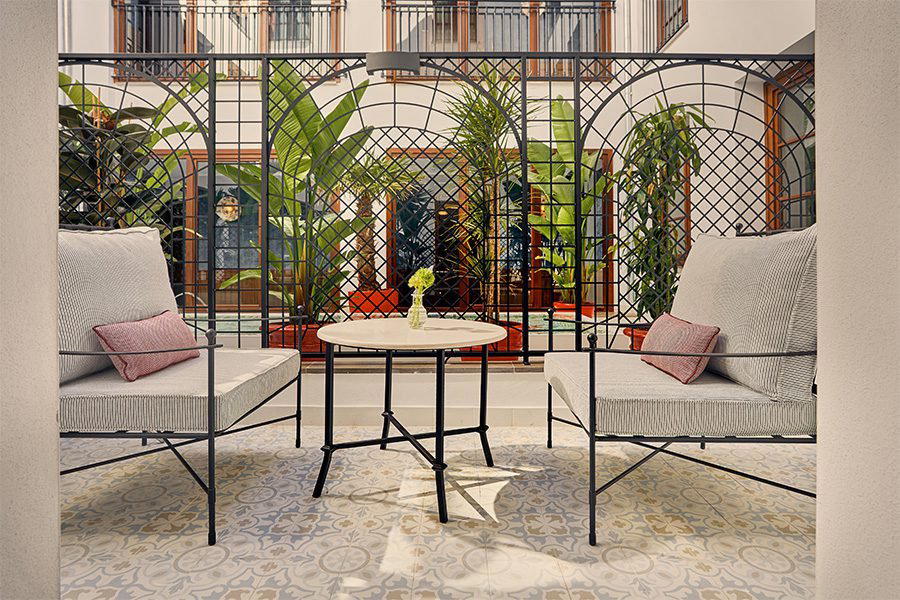
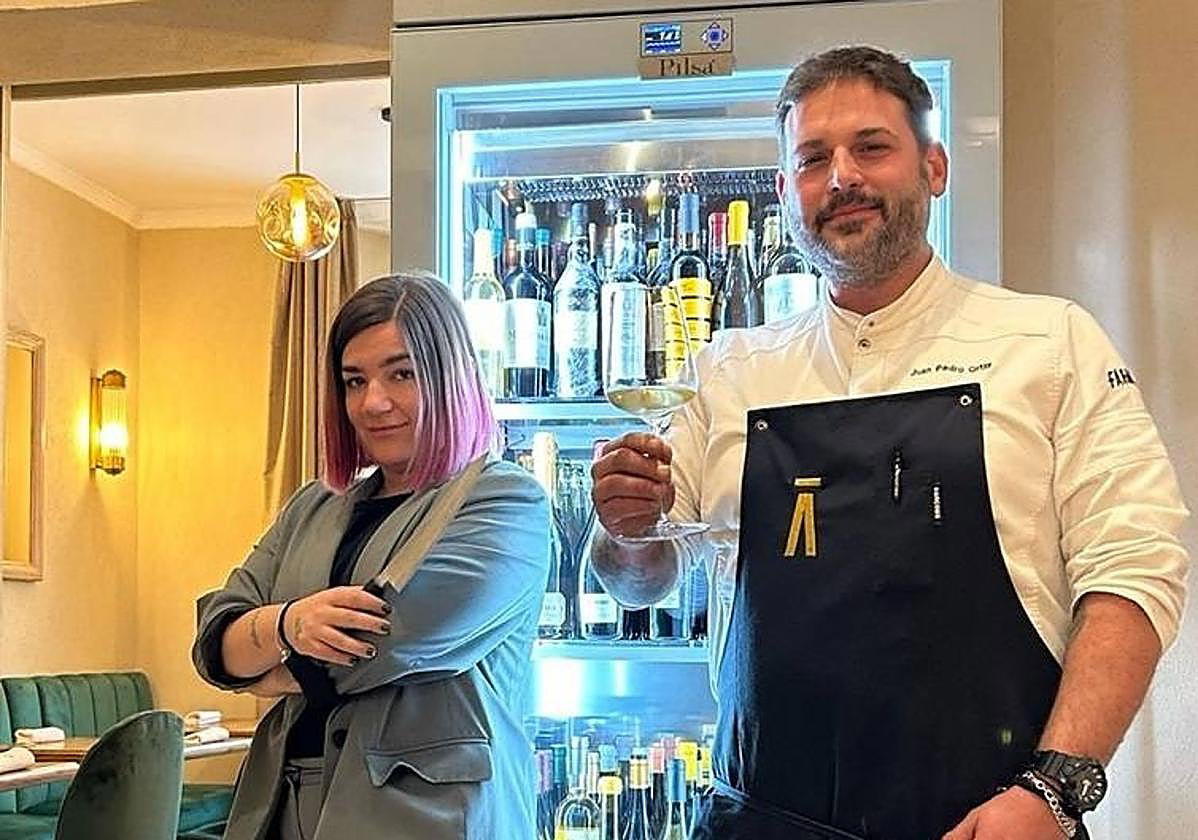
Restaurants in Albolote
Browse all →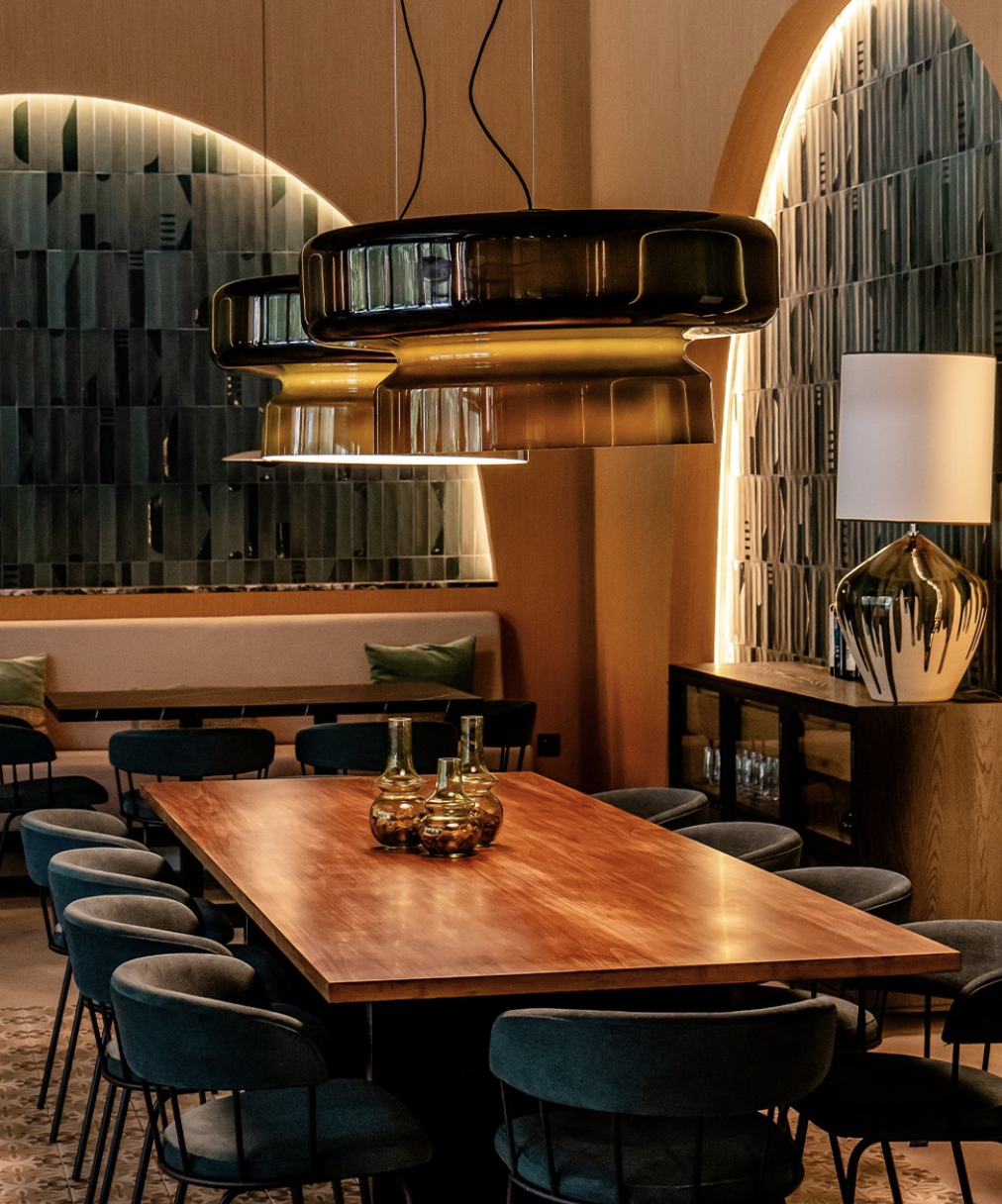
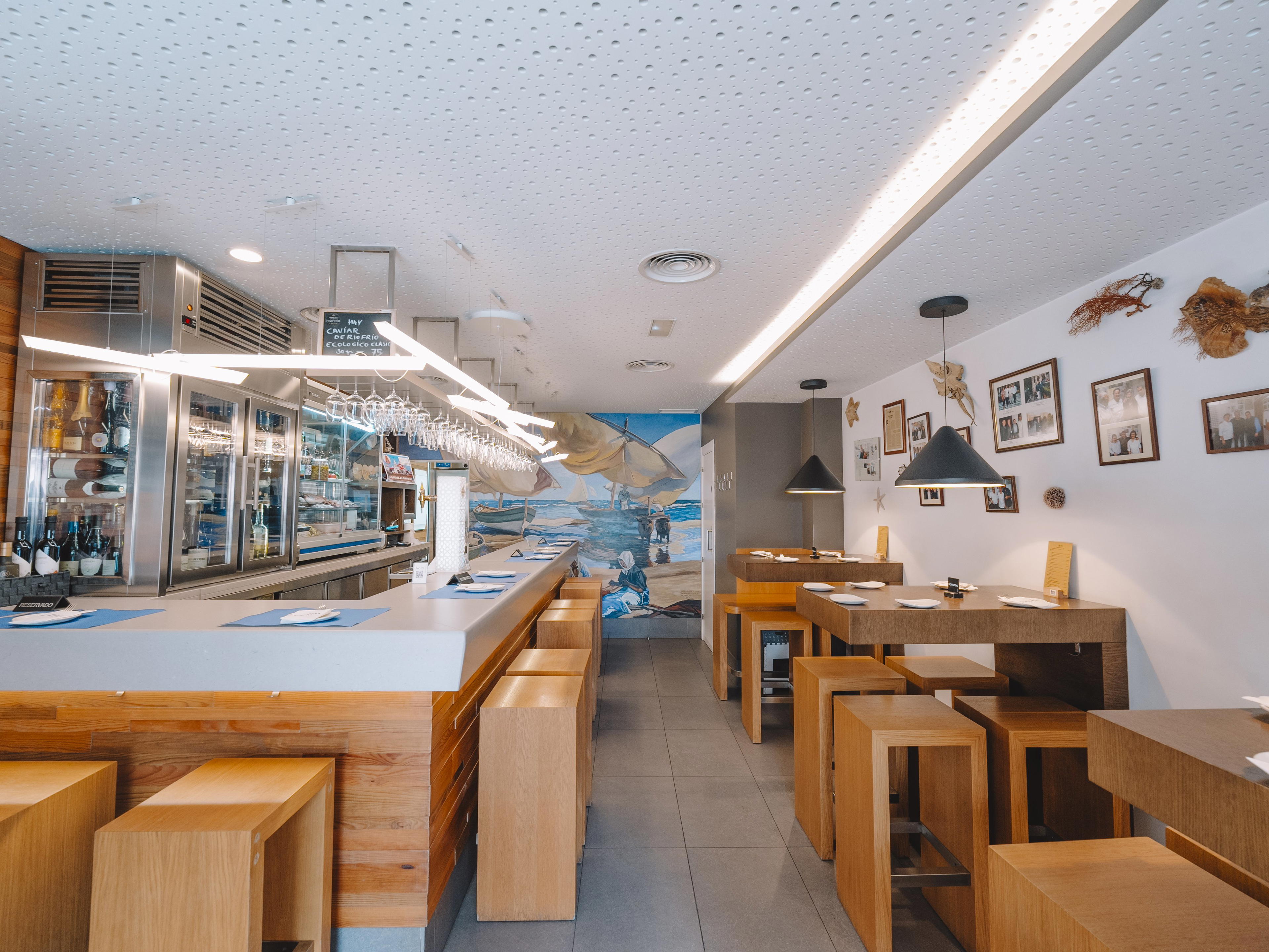
Wineries in Albolote
Browse all →
Details
- Romantic
- Quiet
- Rustic
- Cozy
- Elegant
- Romantic Getaway
- Weekend Escape
- Historic Building
- Panoramic View
- Garden
- Wi Fi
- Pool
- Spa
- Restaurant
- Room Service
- Concierge
- Parking
- EV Charging
- Garden
- Mountain
- Wheelchair Accessible
Peaceful and deeply relaxing atmosphere with natural lighting, cozy characterful rooms featuring timbered ceilings and antique floors, and a sophisticated yet homely vibe.