
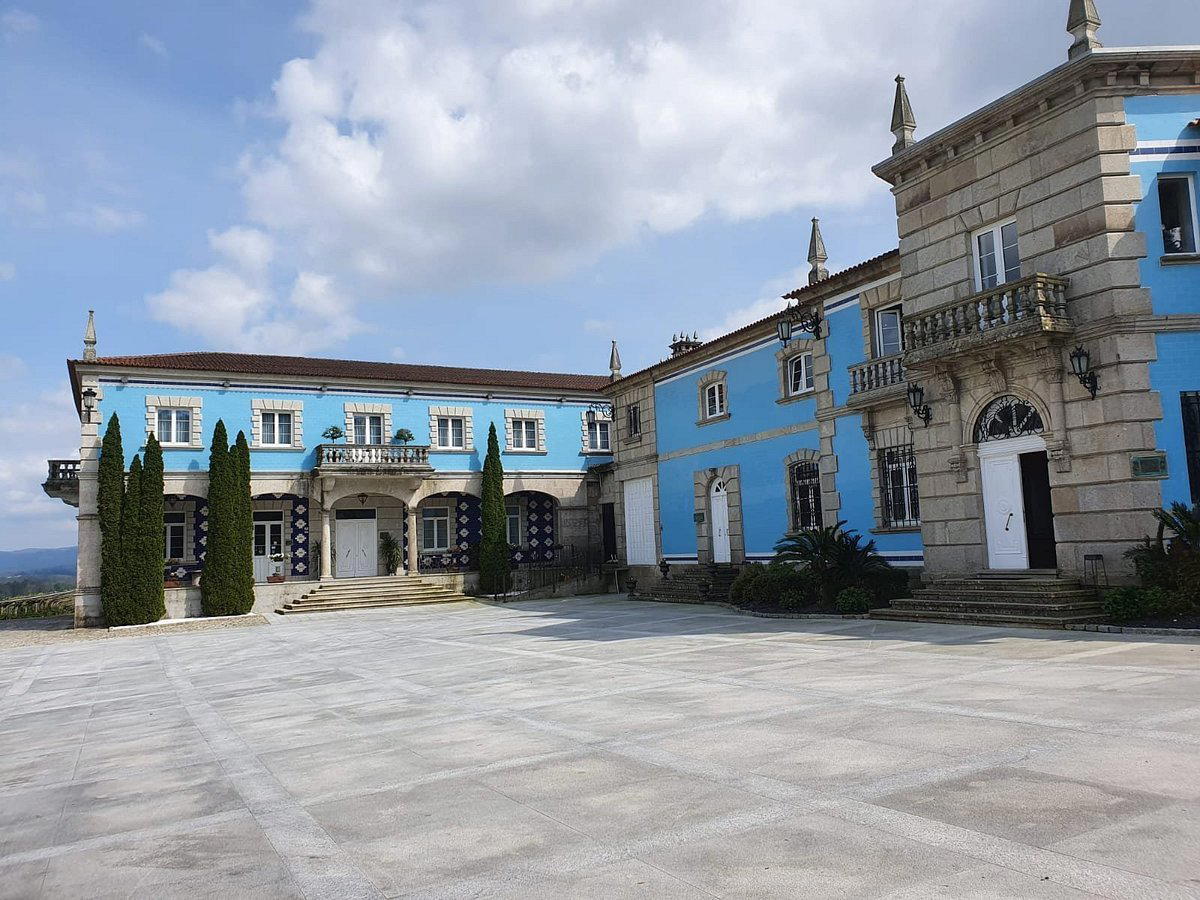
A hot-pink 18th-century villa in Galicia's Rías Baixas wine country, Casa Beatnik is the Spanish outpost of Chicago's Bonhomme Hospitality group. Twenty rooms and suites split between the historic house and luxury garden yurts, with two restaurants earning Michelin 2 Keys recognition in 2024. The design runs from Yves Saint Laurent-inspired interiors to Estonian igloo saunas, with serious food programs anchoring the whole operation.
Pearl is the En Primeur Club membership app — saves, bookings, and concierge access live there. Same editors, same standards.
- Address
- Lugar de Galegos, 6, 15885 Vedra, A Coruña
- Phone
- +34 981 46 52 23
- Website
- casabeatnik.com
- Directions
- Get directions
 Saves & bookings on Pearl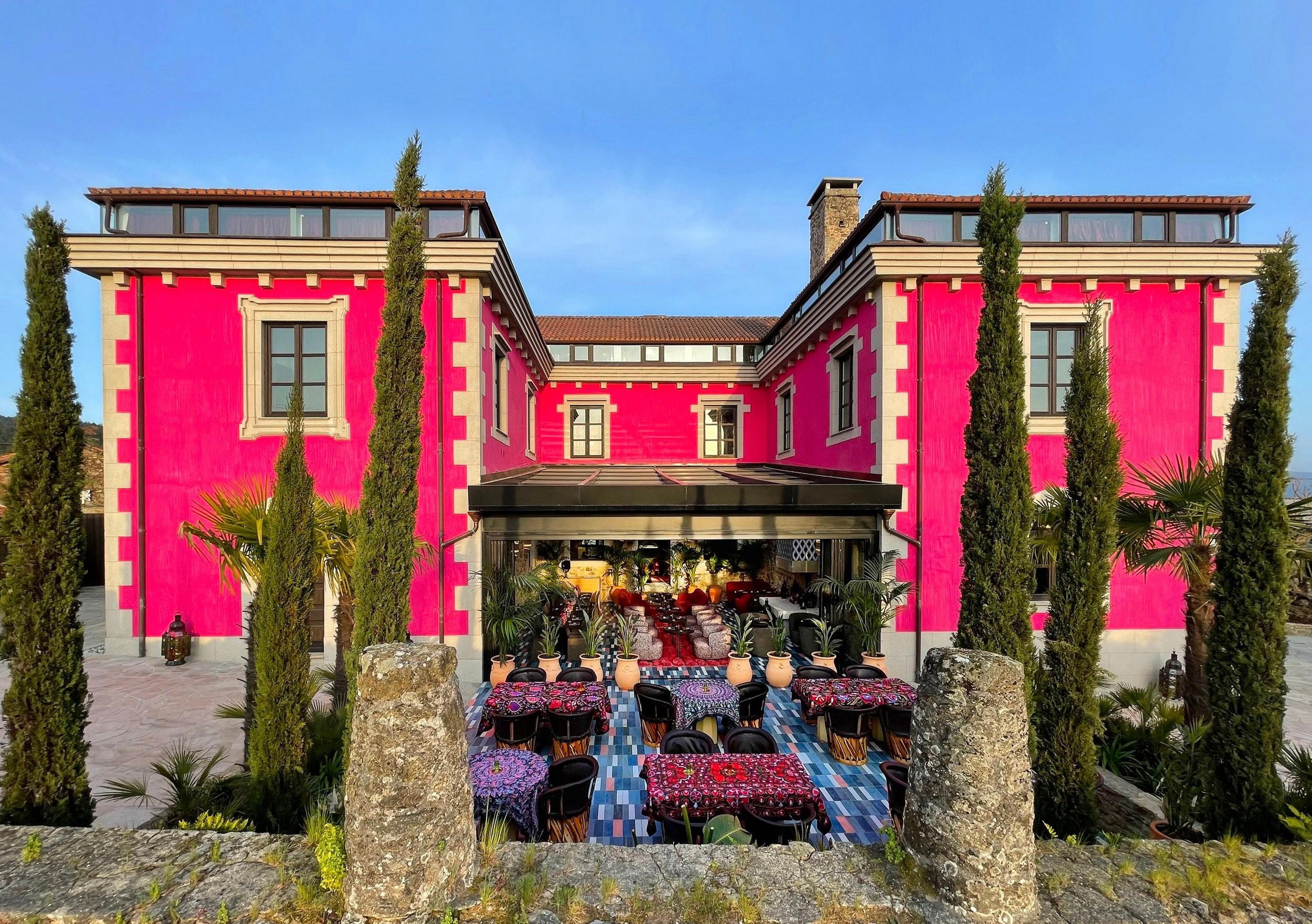
A Riotous Villa in Rías Baixas Wine Country
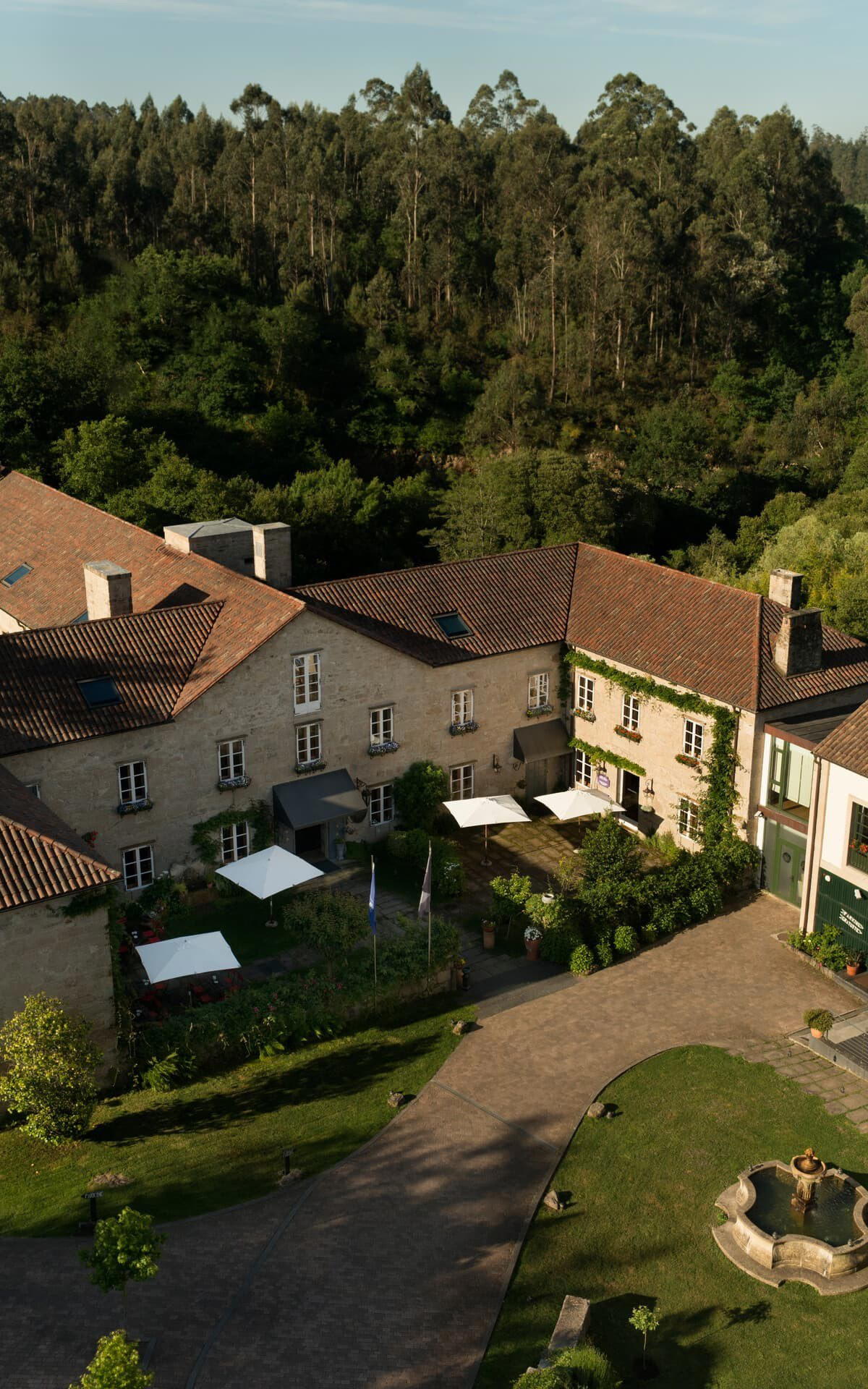
The prevailing mode of rural luxury in Spain's northwest tends toward stone-and-slate restraint: converted farmhouses, Parador gravitas, the studied understatement of a region that takes its history seriously. Casa Beatnik, the Galician property from Chicago's Bonhomme Hospitality group, takes a deliberately different position. The 18th-century villa outside Vedra has been painted hot pink. That's the opening statement, and it's not a miscalculation.
Bonhomme Hospitality brought its food-and-beverage sensibility to rural Spain, where space and setting allow a fuller expression. In Galicia, that means twenty rooms, two restaurants, a saltwater pool, and a spa, all held together by an aesthetic logic that is loud, intentional, and more coherent than its surface eclecticism might suggest.
The Architecture of Personality: Design as Editorial Statement
The house itself dates to the 18th century, and its bones, thick granite walls, proportioned windows, the weight of a Galician manor, provide the straight-line counterpoint against which the interiors play. The design references Yves Saint Laurent's famous Moroccan sensibility, the maximalism of mid-century French decorating, and the warm layering of Italian interiors, running those threads through a space that could easily have been rendered in neutral linen and called it a day. It wasn't.
Thirteen suites occupy the main house, where the decorative density is highest: pattern on pattern, collected objects, color used with the confidence of someone who has thought carefully about what restraint actually costs. The instinct to strip back, so dominant in the boutique hotel market of the last decade, is consciously rejected here, and the result reads as a position rather than an oversight.
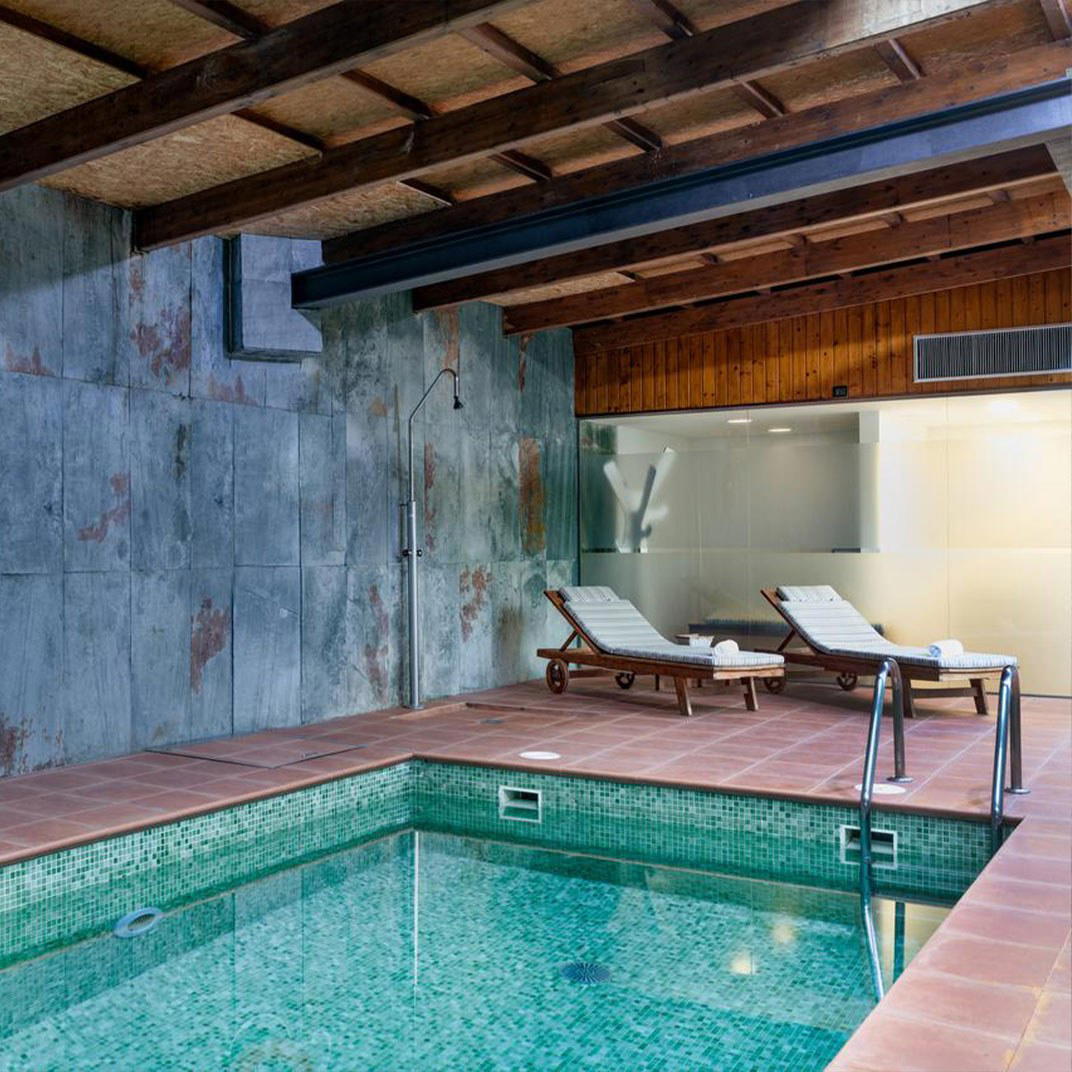
The six additional units are luxury yurts set in the surrounding gardens. In lesser hands, the yurt category tends toward glamping-adjacent compromise, a format that promises comfort but delivers the ambient acoustics of a marquee. Here the surrounding range of Rías Baixas, vineyard rows, green hills, the particular Atlantic light that makes this corner of Spain feel more like northern Portugal than the Spain of bleached plazas, frames the garden units as a genuine alternative rather than an overflow option. The spa occupies two further yurts alongside a pair of Estonian Iglusaunas, a format that arrived in premium European wellness properties over the last five years and functions as both a practical sauna upgrade and a design signal about the level of attention being paid.
Michelin awarded the property 2 Keys in 2024. At approximately $232 per night, the property sits at a price point that positions it competitively against wine-country destination hotels across northern Spain, though the design intensity and F&B ambition operate at a register closer to properties like Abadía Retuerta LeDomaine in Teruel or Atrio Restaurante Hotel in Cáceres, both of which anchor a property identity in serious gastronomy.
Two Restaurants, Two Registers
One reliable signal of a hospitality group's actual priorities is what happens at the table. Bonhomme Hospitality's Chicago background is in food and drink, and the Galician property runs two distinct restaurant concepts rather than defaulting to a single hotel dining room.
Bambola spreads across three spaces, a salon, a terrace, and a covered poolside area, and draws its flavor references from the Silk Road, a culinary geography that encompasses Central Asian spice traditions, Levantine technique, and the kind of cross-cultural fermentation and preservation methods that have become a significant thread in progressive European cooking over the past decade. The format and scale of Bambola suggest a restaurant designed to operate as a destination in its own right, not merely as a convenience for hotel guests.
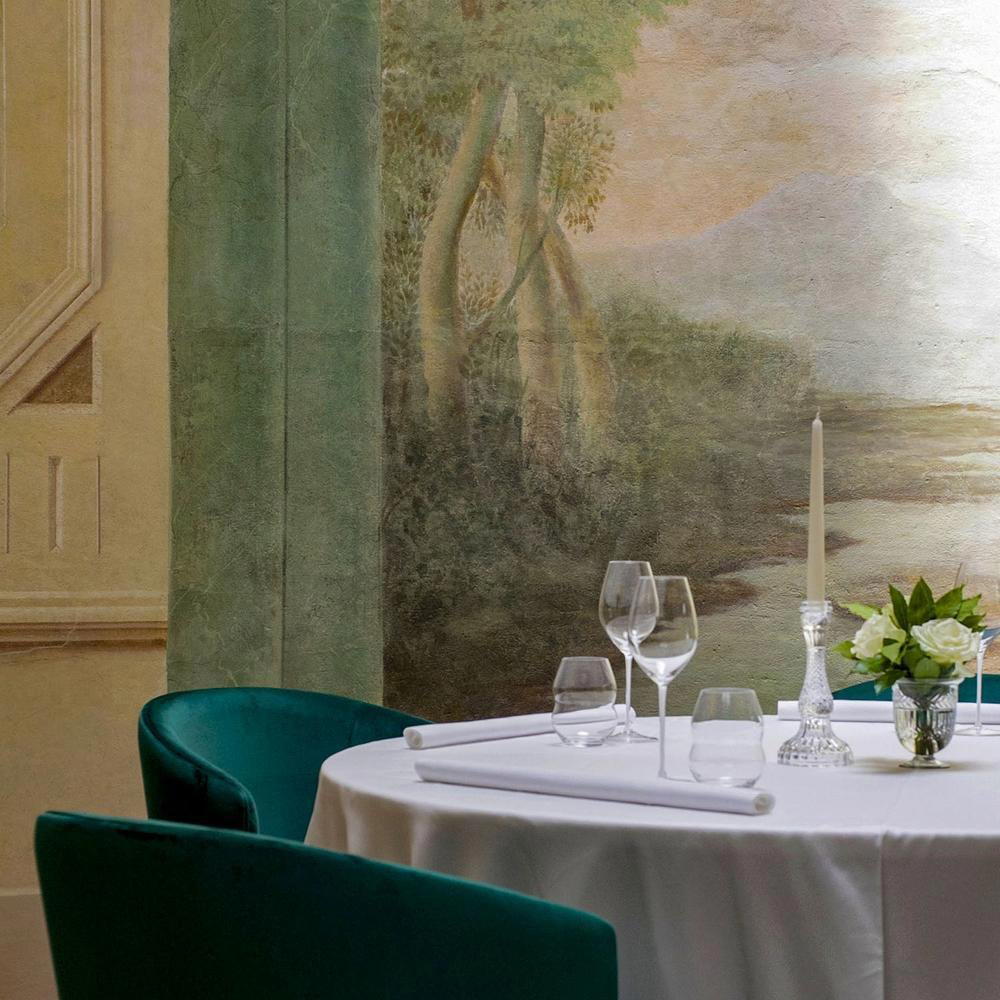
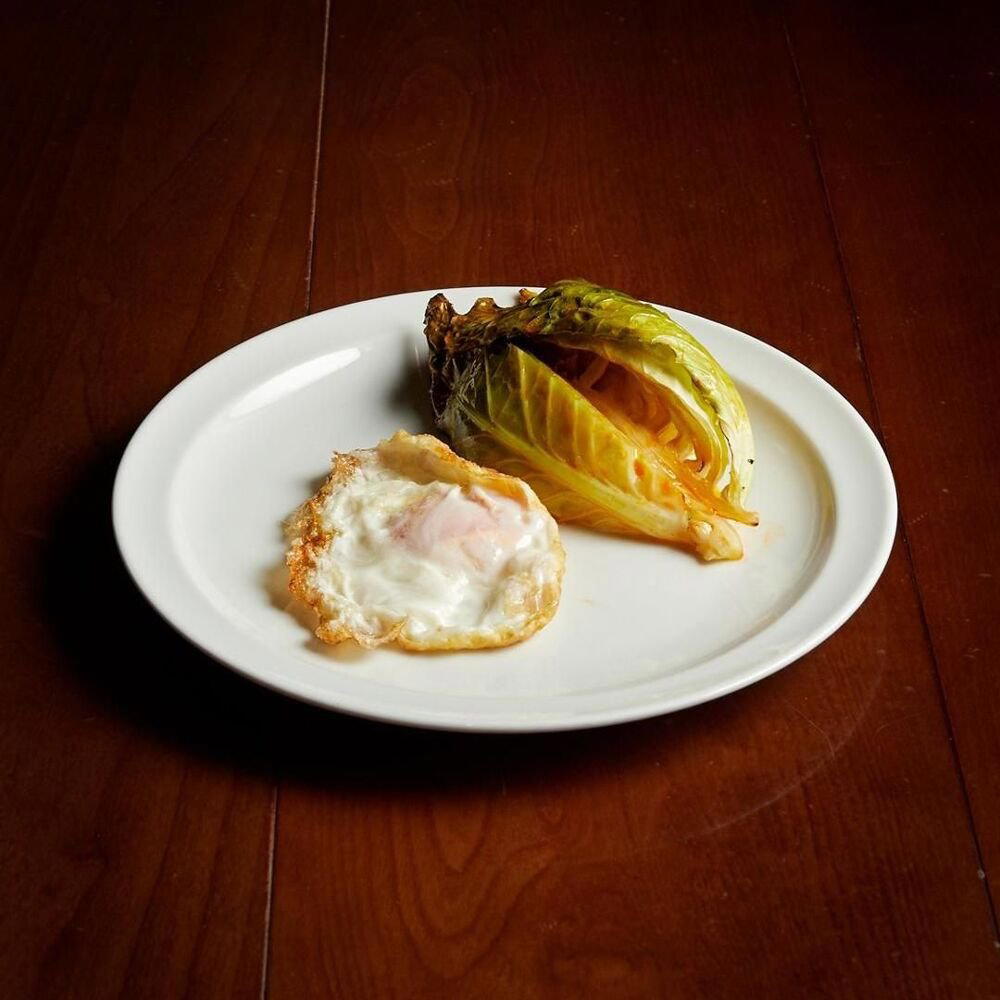
Tribu takes the opposite approach. Six tables, views of the winery and kitchen garden, a menu framed explicitly around what Galicia produces within walking distance of the property. The "kilometer 0" designation is a specific claim about sourcing radius, and at six tables, the format creates the kind of operational constraint that forces a kitchen to be highly selective about what it puts on the plate. Galicia's larder, Albariño grapes, Atlantic seafood, the pork and dairy traditions of the interior, gives that constraint room to produce genuinely interesting cooking. Properties operating comparable intimate formats, like Pepe Vieira Restaurant & Hotel in Poio on the same Galician coast, have demonstrated that the region's produce can sustain serious kitchen ambition at small scale.
The two-concept structure positions Casa Beatnik in the bracket of Spanish properties where the restaurant program contributes meaningfully to the overall identity, comparable in ambition if not in format to Akelarre in San Sebastián or the integrated wine-and-table experiences at Terra Dominicata in Escaladei.
The Rías Baixas Context
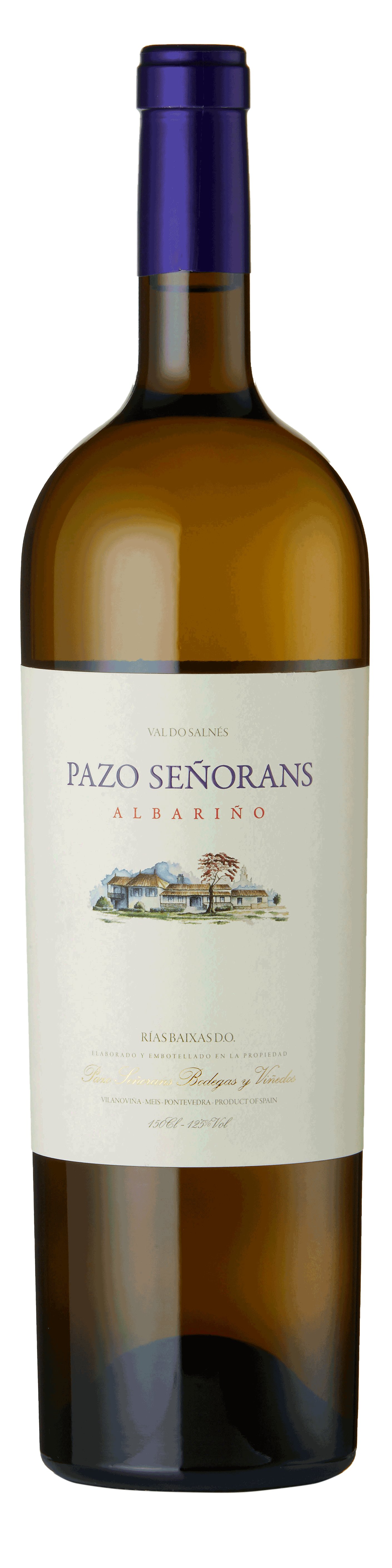
The Rías Baixas DO is Spain's benchmark Albariño territory, and the designation's reputation has grown significantly over the past decade as producers moved beyond the easy-drinking, high-yield model that characterized the region's export identity in the 1990s and early 2000s. Smaller estates producing lower-yield, longer-aged expressions of Albariño now command serious attention from collectors. A property with its own vineyard and winery views, positioned in this wine region, carries a different weight than a country house hotel that simply stocks local labels.
Santiago de Compostela, the pilgrimage city and regional capital, sits close enough to anchor a broader itinerary. The Camino de Santiago trail system runs through this part of Galicia, and the combination of pilgrimage infrastructure, Romanesque architecture, and one of Europe's great cathedral cities gives guests a framework for days outside the property. A Quinta da Auga Hotel & Spa in Santiago de Compostela represents the more conventional luxury offer in the immediate regional capital, with Casa Beatnik operating as the design-forward alternative set in the countryside.
For those building a longer northern Spain circuit, the property pairs logically with Basque Country properties further east or, in the other direction, with the Portuguese Minho region just across the border, where the wine and coastal traditions continue in close kinship with Galicia's own.
Planning a Stay
Twenty rooms across two accommodation formats, the main house suites and the garden yurts, means availability is not infinitely elastic, and the Michelin 2 Keys recognition in 2024 will have brought the property to a wider audience than the Bonhomme Chicago following alone. The address at Lugar de Galegos, 6 in Vedra places the property in the Galician interior, accessible by car from Santiago de Compostela and within reasonable reach of the A Coruña coast.
Travelers who respond to properties where design is a considered act rather than a neutral backdrop, and where the food program is central to the stay, will find Casa Beatnik operating at a specific frequency that is not widely replicated. Spain's premium hotel market has strong entries at the traditional and the internationally polished end, Mandarin Oriental Ritz, Madrid, Mandarin Oriental Barcelona, La Residencia, A Belmond Hotel, Mallorca, but the Rías Baixas countryside, at this price point, with this level of design and F&B attention, is a narrower field. Other wine-country options worth comparing include Torre del Marqués Hotel Spa & Winery in Sardoncillo and Mas de Torrent Hotel & Spa in Torrent, though neither shares the specific Bonhomme maximalist register.
Side-by-Side Snapshot
Comparable venues nearby, for context on price, style, and recognition.
| Venue | Cuisine | Price | Awards | Notes |
|---|---|---|---|---|
| Casa Beatnik HotelThis venue — the venue you are viewing | Maximalist bohemian luxury blending Moroccan, Venetian, and Italian influences within a restored 18th-century manor house surrounded by vineyards. | $$$$ | Michelin 2 Key | Not listed |
| A Quinta da Auga Hotel & Spa | Eco-luxury boutique in restored 18th-century paper mill | $$$$ | Michelin 1 Key | :null |
| CoolRooms Palacio de Luces | Historic palace with modern extensions offering personalized luxury service | $$$$ | Michelin 1 Key | Luces |
| Finca Cortesin | Andalusian-inspired luxury resort with spacious courtyards and manicured gardens | $$$$ | Michelin 1 Key | Casares |
| Akelarre | Modern cliffside luxury boutique | $$$$ | Michelin 2 Key | Igeldo |
| Hotel Can Cera | Historic luxury boutique hotel positioned as an exclusive design destination blending 17th-century Mallorcan architecture with contemporary art and curated antiques. | $$$$ | Michelin 2 Key | Old Town (Casco Antiguo) |
Recognition history
Dated appearances from independent guides and award organizations, with the underlying list record or original source where available.
Michelin 2 Keys
Michelin
Continue exploring
More in A Coruña
Hotels in A Coruña
Browse all →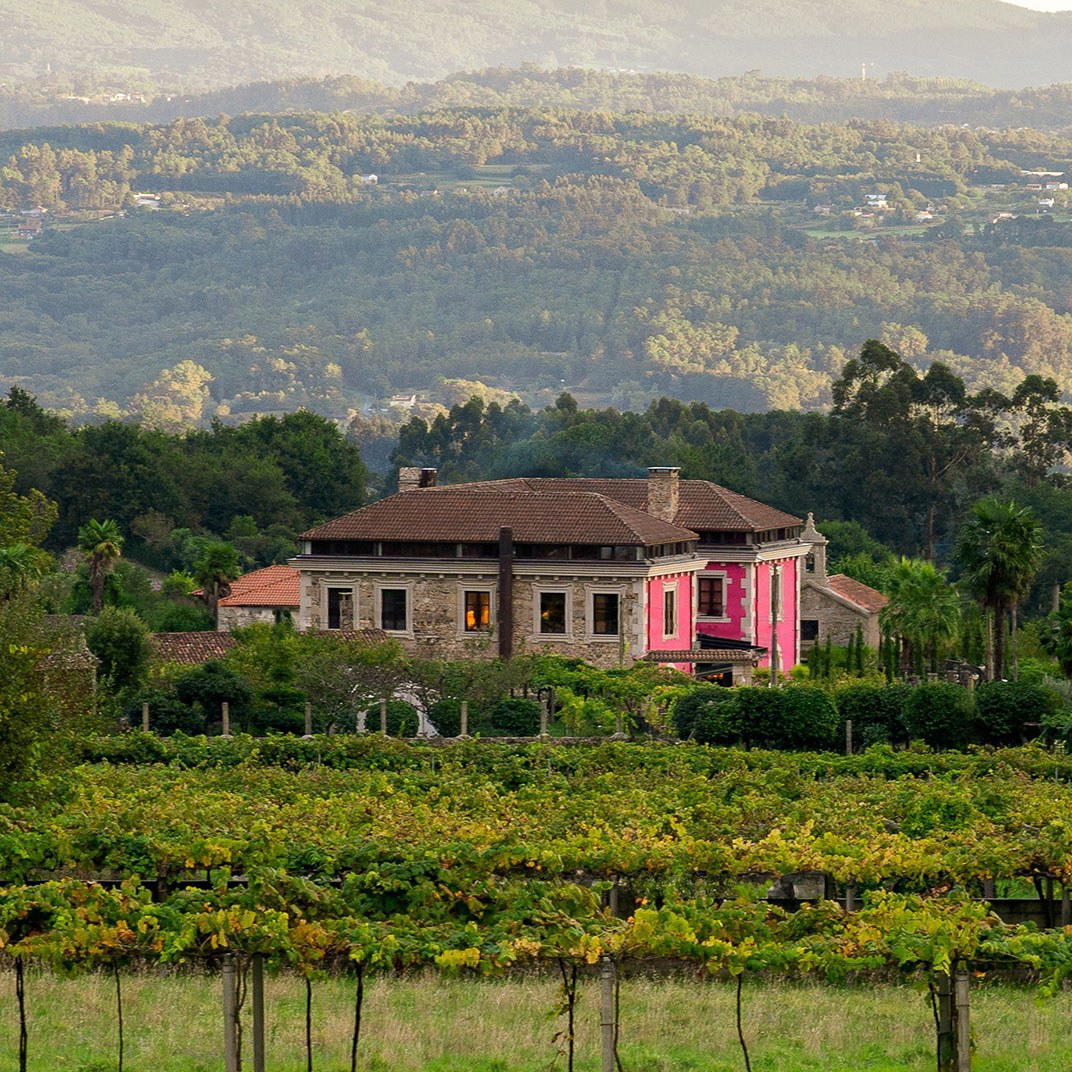

Bars in A Coruña
Browse all →
Restaurants in A Coruña
Browse all →
At a Glance
- Bohemian
- Romantic
- Ornate
- Sophisticated
- Whimsical
- Elegant
- Romantic Getaway
- Wellness Retreat
- Weekend Escape
- Celebration
- Garden
- Terrace
- Historic Building
- Design Destination
- Panoramic View
- Destination Spa
- Private Dining
- Wi Fi
- Pool
- Spa
- Fitness Center
- Sauna
- Restaurant
- Bar
- Tennis Court
- Concierge
- Vineyard
- Garden
- Mountain
- Wi Fi
- Pool
- Spa
- Fitness Center
- Sauna
- Restaurant
- Bar
- Tennis Court
- Concierge
Lively, eclectic maximalist interiors with hand-blown Murano glass chandeliers, warm hospitality, intimate firelit lounges, and peaceful vineyard views creating a sophisticated yet rebellious atmosphere.