Marqués de Griñón (Dominio de Valdepusa)

Falstaff Winery - 1 Stars
Dominio de Valdepusa, the Toledo estate behind the Marqués de Griñón label, occupies a singular position in Castilian viticulture: a property that imported Bordeaux varieties and drip-irrigation technique to a plateau where neither had existed, and built a recognised prestige tier on the result.

Pearl is the En Primeur Club membership app — saves, bookings, and concierge access live there. Same editors, same standards.
- Address
- Finca Casa de Vacas Carretera, CM-4015, Km 23, 45692 Malpica de Tajo, Toledo
- Phone
- +34 925 59 72 22
- Website
- marquesdegrinon.com
- Directions
- Get directions
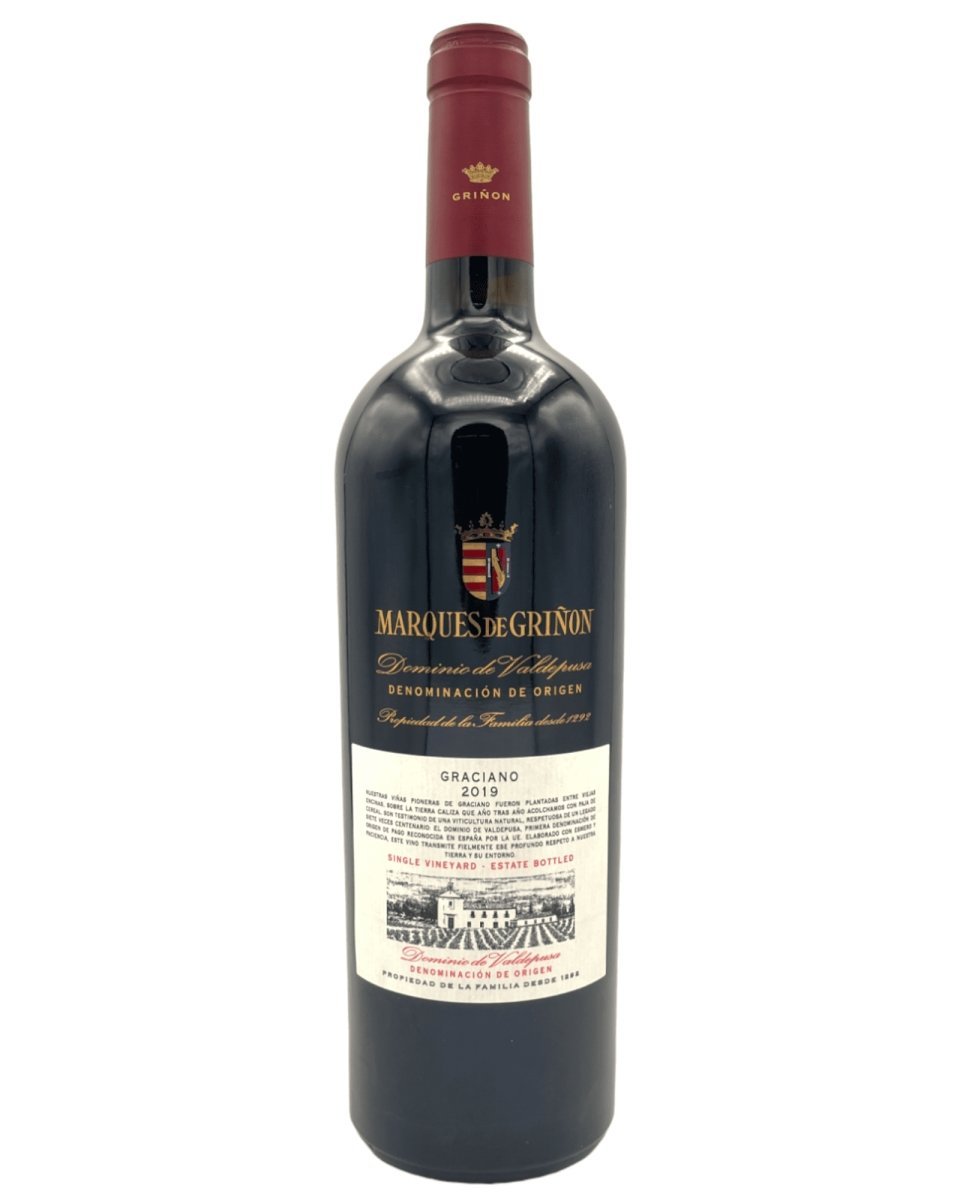
Granite, Clay, and Continental Heat: The Terroir of Dominio de Valdepusa
The Toledo plateau sits at roughly 500 metres above sea level, an hour's drive southwest of Madrid on the CM-4015 through scrubland and cereal fields. The air is dry, the summers extreme, and the soils shift between granite-based subsoils and clay-loam surface layers that drain sharply and force vine roots deep. This is the physical reality that shapes everything produced at Marqués de Griñón (Dominio de Valdepusa), the estate at Km 23 of that road in Malpica de Tajo. The wine is not incidental to the land; it is, in large part, a direct argument about what this specific piece of Castilla-La Mancha can do when treated with the rigour applied more routinely in Ribera del Duero or Priorat.
Spain's premium wine geography tilts predictably toward the north. CVNE (Cune) in Haro and the Rioja corridor carry decades of institutional prestige. Bodegas Protos in Peñafiel draws on Ribera del Duero's increasingly well-documented capacity for structured Tempranillo. Further east, Clos Mogador in Gratallops has built a case for Priorat's volcanic soils as a world-reference terroir for Garnacha and Carignan. What Valdepusa represents is something different: a deliberate bet on a region that Spain's appellation infrastructure had not yet mapped as premium, made decades ago, and now confirmed by sustained recognition.
A Property Built Around an Argument
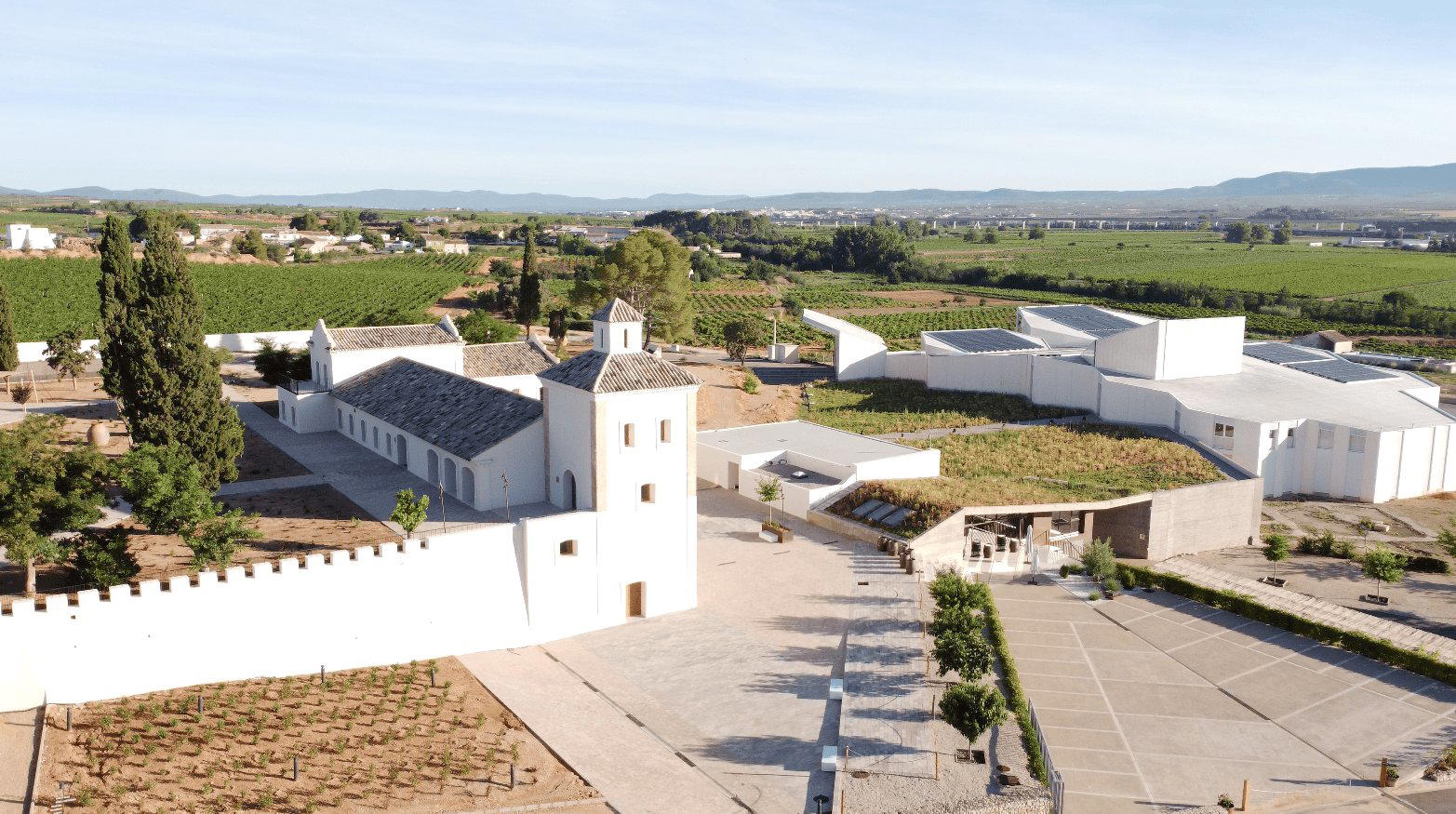
The Finca Casa de Vacas, the named property from which the estate operates, is not a village bodega scaled up. The Dominio de Valdepusa designation is a pago — a single-estate classification that Spain introduced to allow individual properties to operate outside regional DO structures when their identity was sufficiently distinct. That framework matters when reading the bottles: the wines are expressions of this specific finca, not of a broader Toledo or Castilla-La Mancha category.
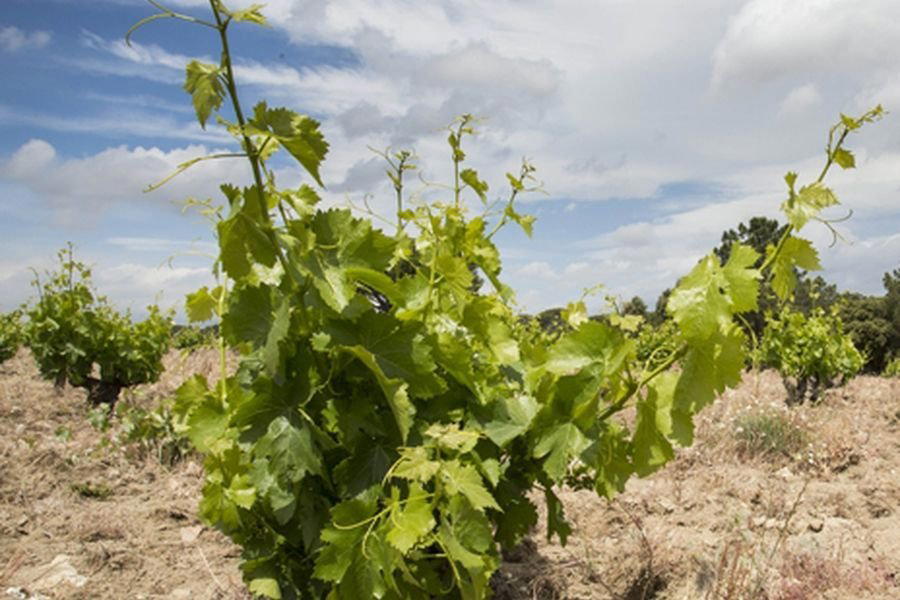
The Bordeaux varieties planted here, including Cabernet Sauvignon, Merlot, and Petit Verdot, were introduced alongside drip-irrigation systems at a time when both were unusual in Spanish fine wine. The decision to import technique as well as variety was contested; the argument that continental heat required active water management to produce wines at precision rather than brute-force concentration has since been validated across Spain's hotter growing zones. In that sense, Valdepusa is part of a broader story about how Spanish wine rewired its assumptions about which regions could compete at a premium tier. Abadía Retuerta in Sardón de Duero, another estate that operates outside conventional DO boundaries on the strength of its specific land, offers a rough structural parallel, a property where estate identity overrides regional category in how the wine is positioned and priced.
What the Continental Climate Produces
Climate at this altitude on the Castilian meseta is as demanding as any in Spanish viticulture. Winters drop sharply, summers push past 40°C, and the diurnal temperature swing during the growing season can exceed 20°C on a given day. That swing is the mechanism behind structural tension in the wines: daytime heat drives phenolic ripeness, while cooler nights preserve acidity and aromatic definition that would otherwise flatten in relentless heat. The granite subsoil, low in nutrients, stresses the vine in productive ways, limiting yield and concentrating flavour in the fruit that does develop.
This is the same logic that makes high-altitude or thermally dynamic sites valuable across the world's serious wine regions. The Toledo plateau achieves it through elevation and continentality rather than coastal influence. The result, across Valdepusa's range, is a profile that tends toward structure and grip rather than the soft-palate generosity that hotter, lower-lying Spanish zones produce. Comparative positioning matters here: these wines are not trying to replicate Rioja's Tempranillo-driven elegance or Ribera's muscular fruit-forward style. They operate in a different register, shaped by a different soil and a different varietal base. For context, Marqués de Cáceres in Cenicero and Arzuaga Navarro in Quintanilla de Onésimo both represent the northern Spanish idiom that Valdepusa deliberately departed from.
Visiting Dominio de Valdepusa
The estate sits in a stretch of Toledo province that does not draw high tourist volumes. The drive from Madrid takes roughly an hour, the road quiet beyond the capital's sprawl, the countryside increasingly dry and wide as you approach Malpica de Tajo. The physical remoteness is part of the proposition: this is an agricultural estate first, and arriving at it requires deliberate planning rather than casual impulse.
Visitors who make the trip to this part of Castilla-La Mancha typically combine Valdepusa with the broader Toledo circuit, the city of Toledo is accessible in the same day, and the province's wine geography, though less trafficked than Ribera del Duero or Rioja, rewards those who engage with it directly. For broader context on what the Malpica de Tajo area offers, see our full Malpica de Tajo restaurants guide.
Prestige Recognition and Peer Context
For a Spanish estate without the institutional name-recognition of Rioja's historic houses or the critical momentum that Priorat generated internationally from the 1990s onward, that placement is a signal worth reading carefully. It positions Valdepusa not as a curiosity in an overlooked region but as a producer operating at a level that warrants comparison with Spain's most decorated estates.
The comparison set is instructive. Lustau in Jerez de la Frontera holds comparable prestige recognition for sherry production; Bodegas Ysios in Laguardia operates in the Rioja Alavesa upper bracket; González Byass (Tío Pepe) in Jerez commands a different category of recognition based on scale and longevity. What distinguishes Valdepusa's position is that its prestige rests on estate-specific terroir argument rather than on appellation authority or volume. That is a narrower, harder brief to fulfil, and sustained recognition suggests it is being fulfilled.
For those who track Spanish wine seriously across its full geographic range, Dominio de Valdepusa belongs in the conversation alongside Emilio Moro in Pesquera de Duero, Codorníu in Sant Sadurní d'Anoia, and Bodegas Vivanco in Valle de Mena as producers where the case for visiting is made by the wine itself rather than the regional story surrounding it. The international parallel worth noting, for those who approach Spanish wine through a global lens, would be allocation-driven estate producers like Accendo Cellars in St. Helena or single-site specialists like Aberlour in Scotland, where the property's physical specificity is the primary editorial fact.
Side-by-Side Snapshot
Comparable venues nearby, for context on price, style, and recognition.
| Venue | Cuisine | Price | Awards | Notes |
|---|---|---|---|---|
| Marqués de Griñón (Dominio de Valdepusa)This venue — the venue you are viewing | Cabernet Sauvignon, Syrah | Not listed | Falstaff Winery - 1 Stars | Not listed |
| Fernet Capri Distillery | Winery | Not listed | Not listed | Córdoba |
| La Orden del Libra Gin | Winery | Not listed | Not listed | Córdoba |
| Tinto Pesquera (Alejandro Fernández) | Tempranillo | Not listed | Falstaff Winery - 3 Stars | Pesquera de Duero |
| Bodegas Protos | Tempranillo, Tinto Fino | $30–50 | Falstaff Winery - 3 Stars | Peñafiel |
| Finca Valpiedra | Tempranillo, Graciano | Not listed | Falstaff Winery - 3 Stars | Fuenmayor |
Recognition history
Dated appearances from independent guides and award organizations, with the underlying list record or original source where available.
Falstaff Winery - 1 Stars
Falstaff
Continue exploring
More in Malpica de Tajo
Wineries in Malpica de Tajo
Browse all →


Details
- Elegant
- Rustic
- Scenic
- Sophisticated
- Wine Education
- Special Occasion
- Vineyard Tour
- Barrel Room
- Estate Grounds
- Sustainable
- Vineyard
- Mountain
- Cabernet Sauvignon
- Syrah
- Petit Verdot
- Graciano
- Still Red
- Private Tasting
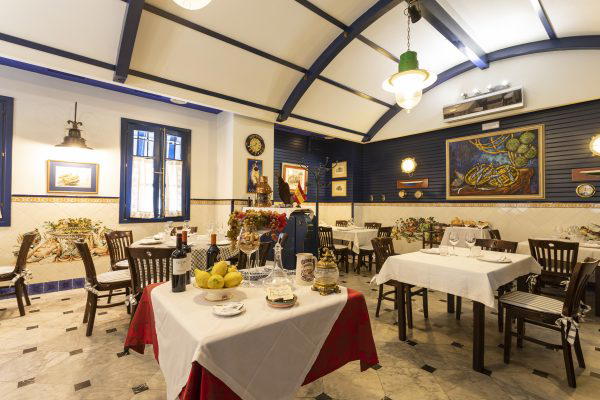
Subterranean aging cellar with strict temperature control, evoking a classic and sophisticated winery atmosphere focused on excellence and tradition.