Canfranc Estación, a Royal Hideaway Hotel

1 Michelin Key
A converted Beaux-Arts railway station dating to 1928, Canfranc Estación sits in the Aragonese Pyrenees with 104 rooms designed around early 20th-century aesthetics and modern comfort. Its restaurant, Canfranc Express, holds a Michelin star under chef Eduardo Salanova. Rates start from around $200 per night, and the hotel earned a Michelin 1 Key designation in 2024.

Pearl is the En Primeur Club membership app — saves, bookings, and concierge access live there. Same editors, same standards.
- Address
- C. Huesca, 22880 Canfranc-Estación, Huesca
- Phone
- +34 974 56 19 00
- Website
- barcelo.com
- Directions
- Get directions
A Railway Station That Became a Hotel — and Why That Matters
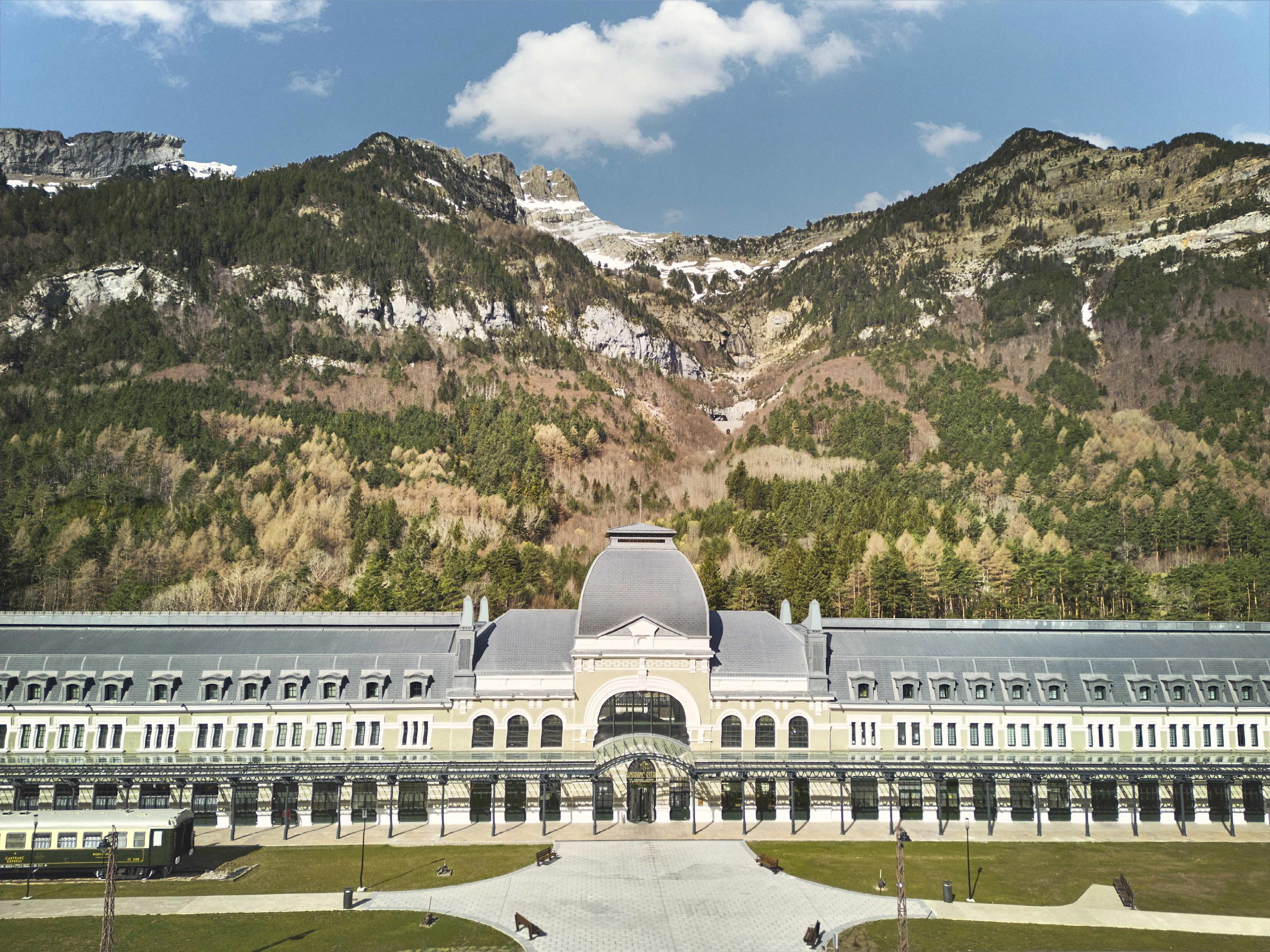
There is a particular tier of adaptive-reuse hotel that goes beyond converting an old building into rooms: the kind where the original structure is so architecturally forceful that the hotel concept had to be built around it, not the other way around. Canfranc Estación, a Royal Hideaway Hotel, belongs unambiguously to that category. The Canfranc railway station hotel occupies the Canfranc International Station, an ornate Beaux-Arts edifice completed in 1928 at the foot of the Aragonese Pyrenees, and the building's scale and ambition were always outsized for a mountain border crossing. At roughly 240 metres long, it was, at the time of its construction, the second-largest railway station in Europe. That context matters when you arrive: the facade, with its 365 windows and symmetrical stone towers, reads less like a hotel entrance and more like a civic monument from another era.
The station's history is layered and, at points, dramatic. Designed by Fernando Ramírez Dampierre, it opened as a Franco-Spanish international junction intended to connect the Iberian rail network to France through the Pyrenean pass. Freight and passengers moved through it for decades before a derailment on the French side in 1970 effectively shut down the cross-border line. The building sat largely dormant for nearly 50 years, which paradoxically preserved much of its original fabric. The rehabilitation that produced this hotel was a decade-long process involving regional authorities, heritage bodies, and the Barceló hotel group's Royal Hideaway brand, and the physical evidence of that effort is everywhere: restored ironwork, original platform canopies, and period detailing that hasn't been sanded down into generic luxury.
Architecture as the Primary Amenity
Within Spain's premium hotel set, the dominant design conversation tends to run between two poles: the grand urban palace (see Mandarin Oriental Ritz, Madrid or Mandarin Oriental Barcelona) and the small rural retreat anchored in local materials and landscape (properties like Abadía Retuerta LeDomaine or Mas de Torrent Hotel & Spa). Canfranc fits neither cleanly. It is rural in location, but its architecture has the institutional grandeur of a capital-city terminus. The guest experience is shaped by that dissonance in a way that works: you are in a high mountain valley with the Pyrenees rising on both sides, but the building around you was engineered for continental ambition.
The 104 rooms and suites carry early 20th-century aesthetic references without tipping into pastiche. Period proportions, warm tones, and details that recall the golden age of rail travel are present throughout, but the infrastructure is current. The spa and wellness centre occupies a volume that only makes sense in a building of this footprint — the lap pool runs to a length that most city hotels cannot approximate. For guests whose primary interest is the physical environment rather than a particular culinary scene or beach access, the architecture functions as the destination. Few hotels in Spain can make that claim as straightforwardly.
Canfranc Express and the Michelin Signal
Remote hotels carrying Michelin recognition occupy a specific position in Spain's dining scene. Properties like Akelarre in San Sebastián or Atrio Restaurante Hotel in Cáceres have long demonstrated that starred cooking does not require an urban address. Canfranc Express, the hotel's restaurant, joins that argument. Under chef Eduardo Salanova and manager Ana Acín, it holds one Michelin star, a credential that carries particular weight in a valley where alternative dining options are limited. The Michelin Guide awarded the property a 1 Key designation in 2024, recognising not just the restaurant but the overall hotel experience as meeting a standard of hospitality worth a dedicated journey.
That dual recognition, star for the restaurant and key for the hotel, places Canfranc alongside a small group of Spanish properties where the accommodation and the table reinforce each other's case. For guests travelling specifically to eat and sleep well in an architecturally significant building, the combination is harder to find than the individual components. Spain has starred restaurants and it has design hotels; it has fewer where both credentials sit inside the same converted monument in a mountain national park. Compare the hotel's positioning to other destination-led Spanish properties like Pepe Vieira Restaurant & Hotel in Galicia or Terra Dominicata in the Priorat, and the Canfranc offer reads as the most architecturally dramatic of the group.
Getting There and Timing Your Visit
Canfranc-Estación sits in the Hecho Valley in the province of Huesca, roughly 30 kilometres north of Jaca on the N-330. The nearest airport with regular domestic connections is Zaragoza, approximately 150 kilometres south; Pamplona and Huesca are also within driving range. The surrounding Pyrenean terrain changes character by season: winter brings skiing access at the Astún and Candanchú resorts a short drive away, while summer and early autumn offer trekking conditions along the GR-11 trail and access into the adjacent Parque Natural de los Valles Occidentales. Spring, when snowmelt fills the valley streams and the station's stone facade catches late afternoon light against a backdrop of green hillsides, gives the building its most photogenic context. Rates start from around $200 per night, positioning the hotel at the accessible end of Spain's premium hotel segment given its credentials.
Booking directly through the Royal Hideaway brand is the standard approach, and given the hotel's profile following its 2024 Michelin Key recognition, advance reservations for both rooms and Canfranc Express are advisable, particularly for weekend stays and peak mountain season in July and August. The hotel's 104 rooms give it more inventory than a small boutique property, but the restaurant's capacity means dining reservations operate on a tighter constraint than accommodation.
Where It Sits in the Wider Picture
Spain's premium hotel scene is broad enough to accommodate several distinct travel logics. There are beach and island properties like Cap Rocat in Mallorca or Hotel Can Ferrereta in Santanyí, urban addresses like Caro Hotel in València or Marbella Club Hotel, and wine-country retreats like Torre del Marqués. Canfranc operates outside all of those clusters.
Within Spain, the closest analogue in terms of adaptive reuse ambition might be the Hospes or Paradores network, but neither matches Canfranc's specific combination of industrial-civic architecture at mountain scale with current Michelin recognition. For guests with a genuine interest in railway history, Pyrenean landscape, and Aragonese cooking, the three elements rarely appear together at this standard. That is not a given for destination hotels, the gap between concept and delivery is where many heritage conversions lose credibility.
Other properties worth considering in the broader context of Spain's design-led hotel scene include Casa Beatnik Hotel in A Coruña, Hotel Can Cera in Palma, La Residencia, A Belmond Hotel in Mallorca, A Quinta da Auga Hotel & Spa in Santiago de Compostela, Bahia del Duque in Tenerife, BLESS Hotel Ibiza, Can Alberti 1740 in Mahón, and Can Mascort Eco Hotel in Palafrugell.
How It Stacks Up
Comparable venues nearby, for context on price, style, and recognition.
| Venue | Cuisine | Price | Awards | Notes |
|---|---|---|---|---|
| Canfranc Estación, a Royal Hideaway HotelThis venue — the venue you are viewing | Historic railway station luxury retreat | $300–500 | 1 Michelin Key | Not listed |
| Akelarre | Modern cliffside luxury boutique | Not listed | 2 Michelin Keys · Star Wine List | Igeldo |
| Six Senses Ibiza | Earth-kind architecture integrated into hillside landscape with sustainable design; contemporary luxury resort blending local Ibizan craft with modern minimalism. | $750–1,000 | Michelin Selected · World's 50 Best #49 | Portinatx, Sant Joan de Labritja |
| La Residencia, A Belmond Hotel, Mallorca | Historic boutique manor house in the Tramuntana mountains | Not listed | 2 Michelin Keys · La Liste Top Hotels | Deia |
| Mandarin Oriental Barcelona | Luxury urban retreat blending modern design with Catalan elegance | Not listed | 2 Michelin Keys · La Liste Top Hotels | la Dreta de l'Eixample |
| Hotel Marques de Riscal | Visionary 21st-century chateau blending modern architecture with wine heritage | $300–500 | 1 Michelin Key · Virtuoso Luxury Hotel Partner | Elciego |
Recognition history
Dated appearances from independent guides and award organizations, with the underlying list record or original source where available.
Michelin 1 Key
Michelin
Continue exploring
More in Canfranc-Estación
Hotels in Canfranc-Estación
Browse all →
Details
- Elegant
- Sophisticated
- Historic
- Ornate
- Well Known
- Romantic Getaway
- Honeymoon
- Anniversary
- Weekend Escape
- Historic Building
- Panoramic View
- Wi Fi
- Pool
- Spa
- Fitness Center
- Room Service
- Concierge
- Restaurant
- Bar
- Mountain
- Wheelchair Accessible
- Elevator
- Step Free Entrance
- Accessible Parking
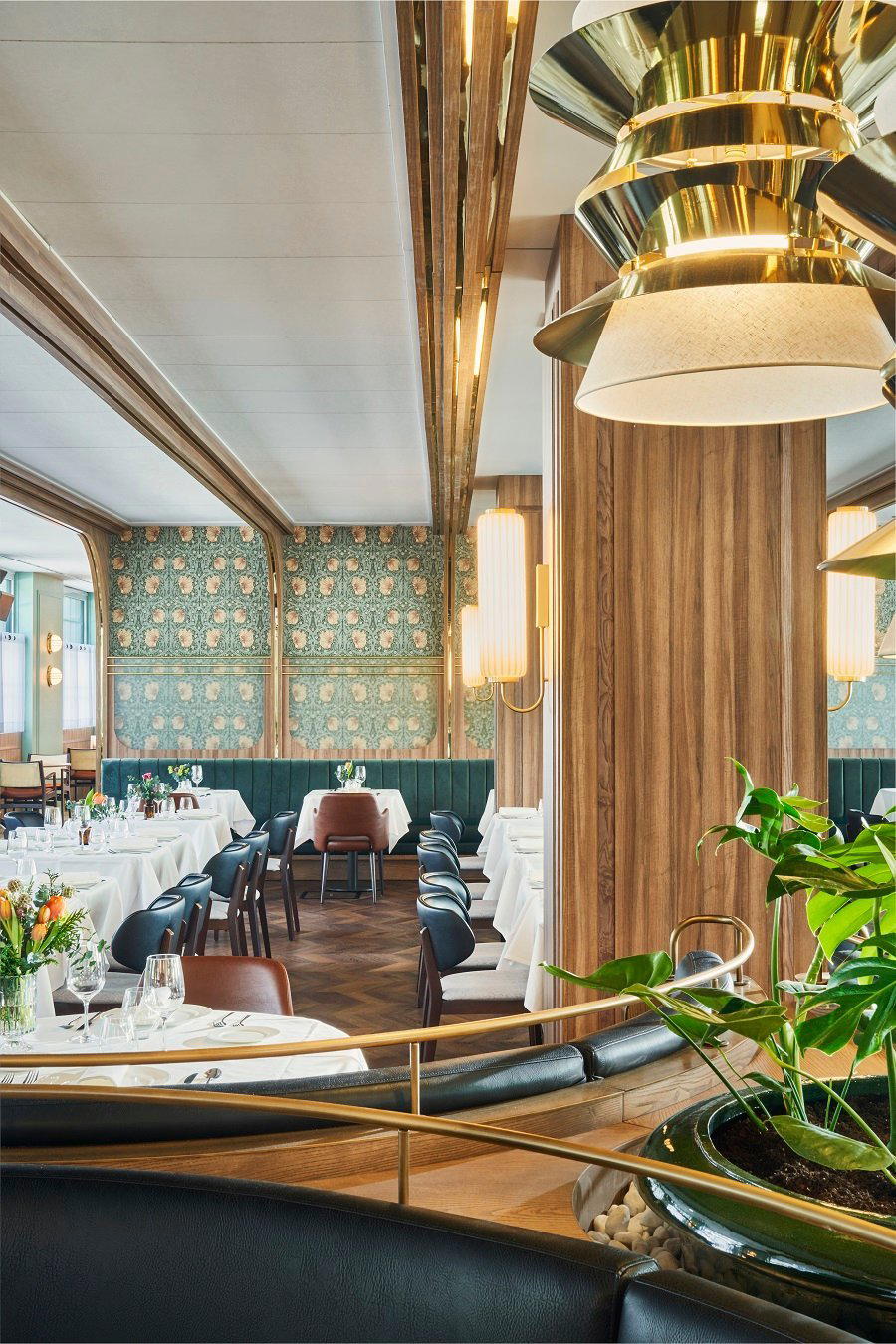
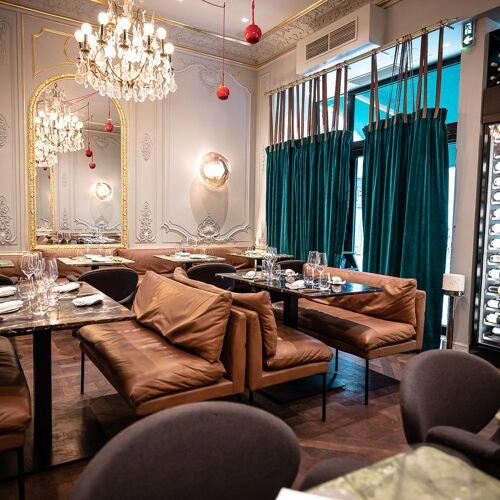
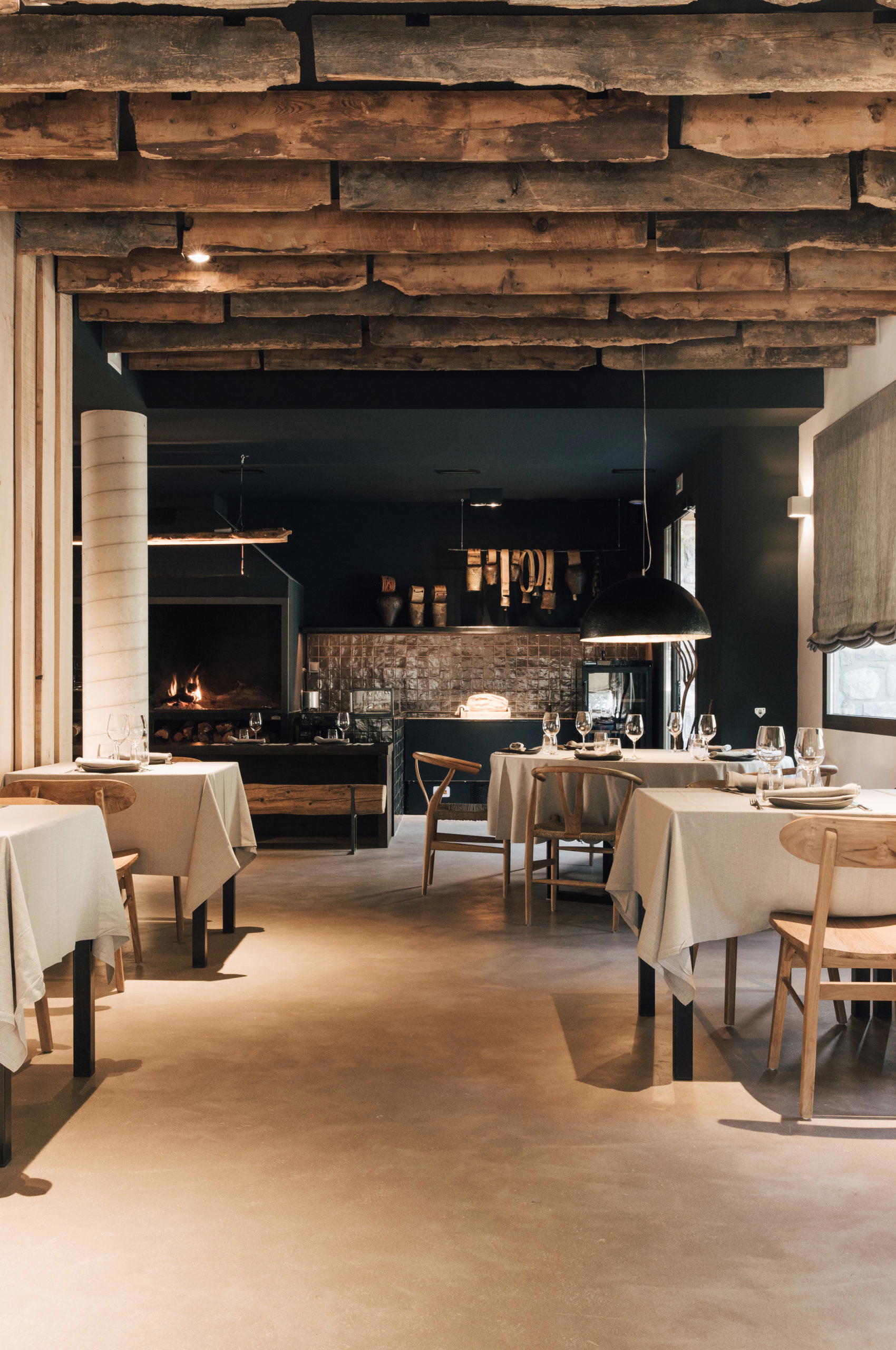
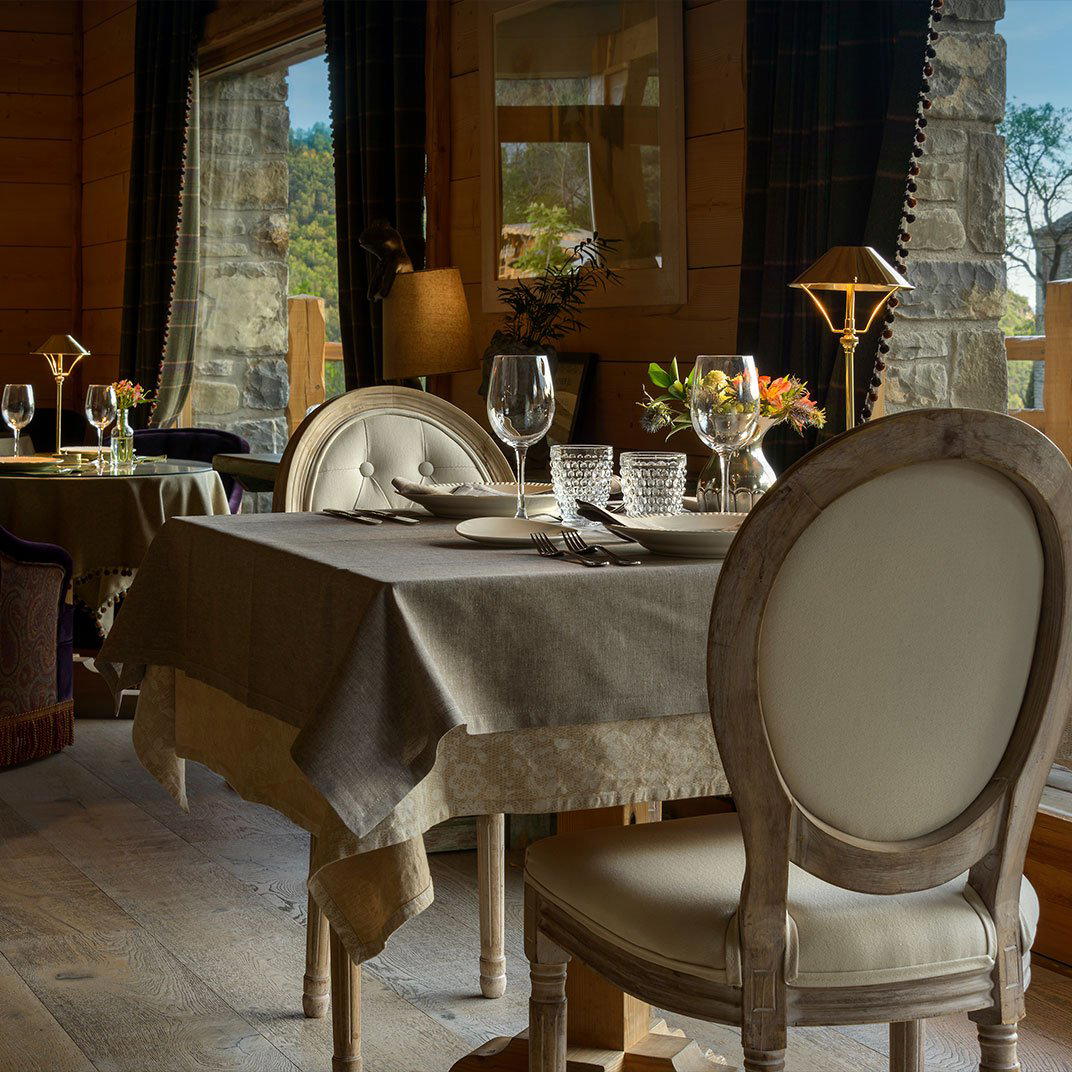
Elegant Art Deco-inspired atmosphere with warm lighting, noble materials like wood and brass, velvet fabrics, and a sense of timeless sophistication.