Coto de Quevedo Evolución



1 Michelin Star · Macarfi 7.9 Food Rating · Guía Repsol 1 Sol
Our verdict
A Michelin-starred restaurant inside a rural hotel 1km southeast of Torre de Juan Abad, Coto de Quevedo Evolución frames Campo de Montiel game cookery — partridge, venison, wild boar — as a serious gastronomic proposition. Three tasting menus escalate in ambition, from Raíces through to the Gran Menú Coto, all anchored in the ingredients the surrounding La Mancha countryside produces and the traditions of a region that rarely makes Spain's fine-dining conversation.

Pearl is the En Primeur Club membership app — saves, bookings, and concierge access live there. Same editors, same standards.
- Address
- Paraje Las Tejeras Viejas, 13344 Torre de Juan Abad, Ciudad Real, Spain
- Phone
- +34 649 84 29 01
- Website
- cotodequevedo.com
- Directions
- Get directions
The menu
What to order
- Carabinero prawns
- Mar y Montaña
- Game meats
Where the Land Ends Up on the Plate
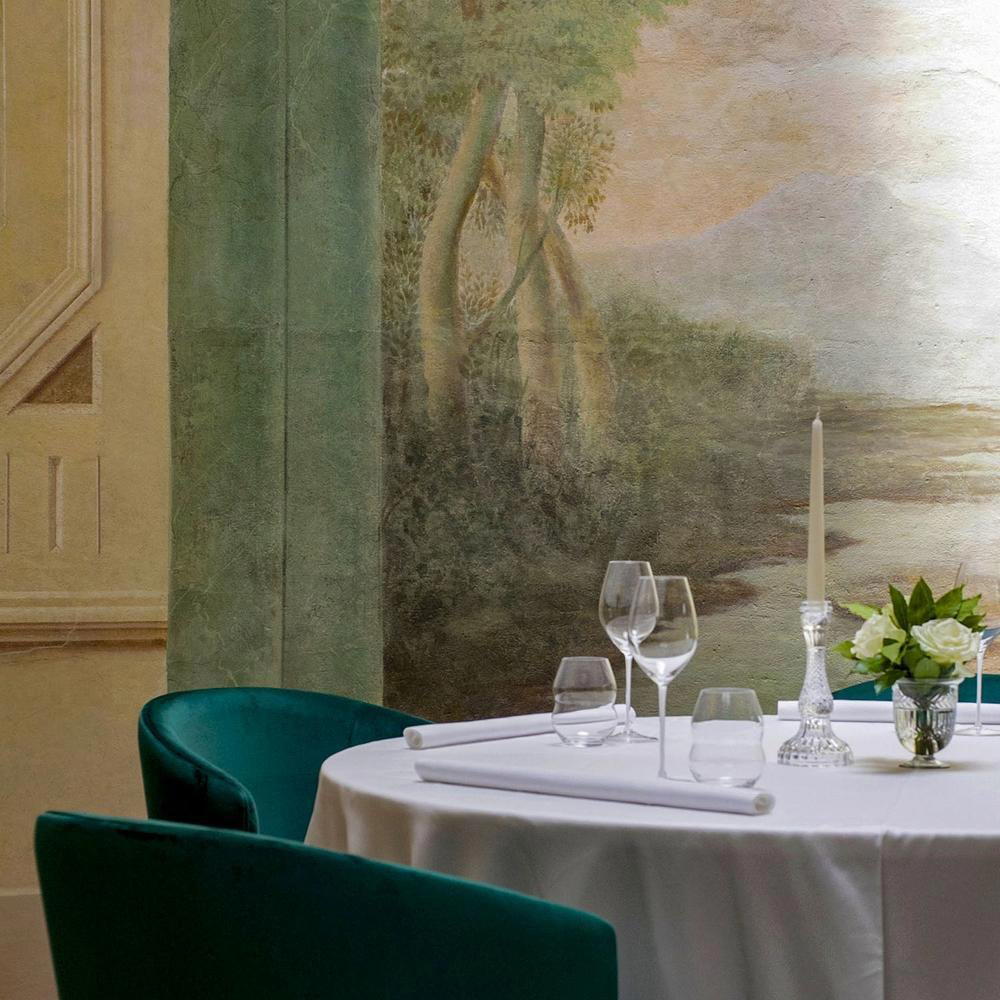
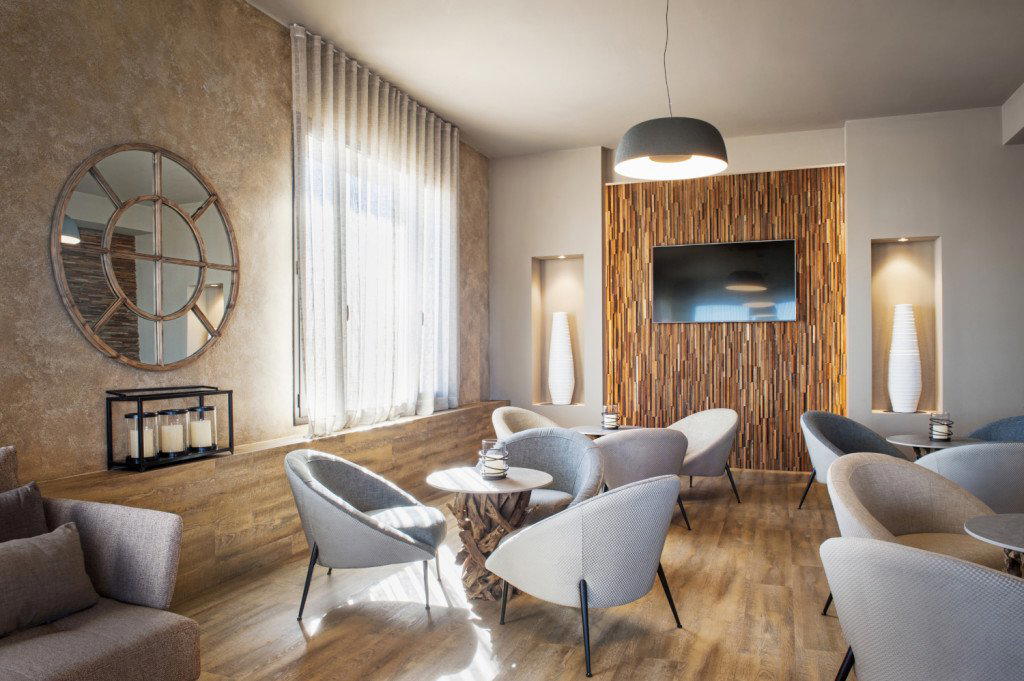
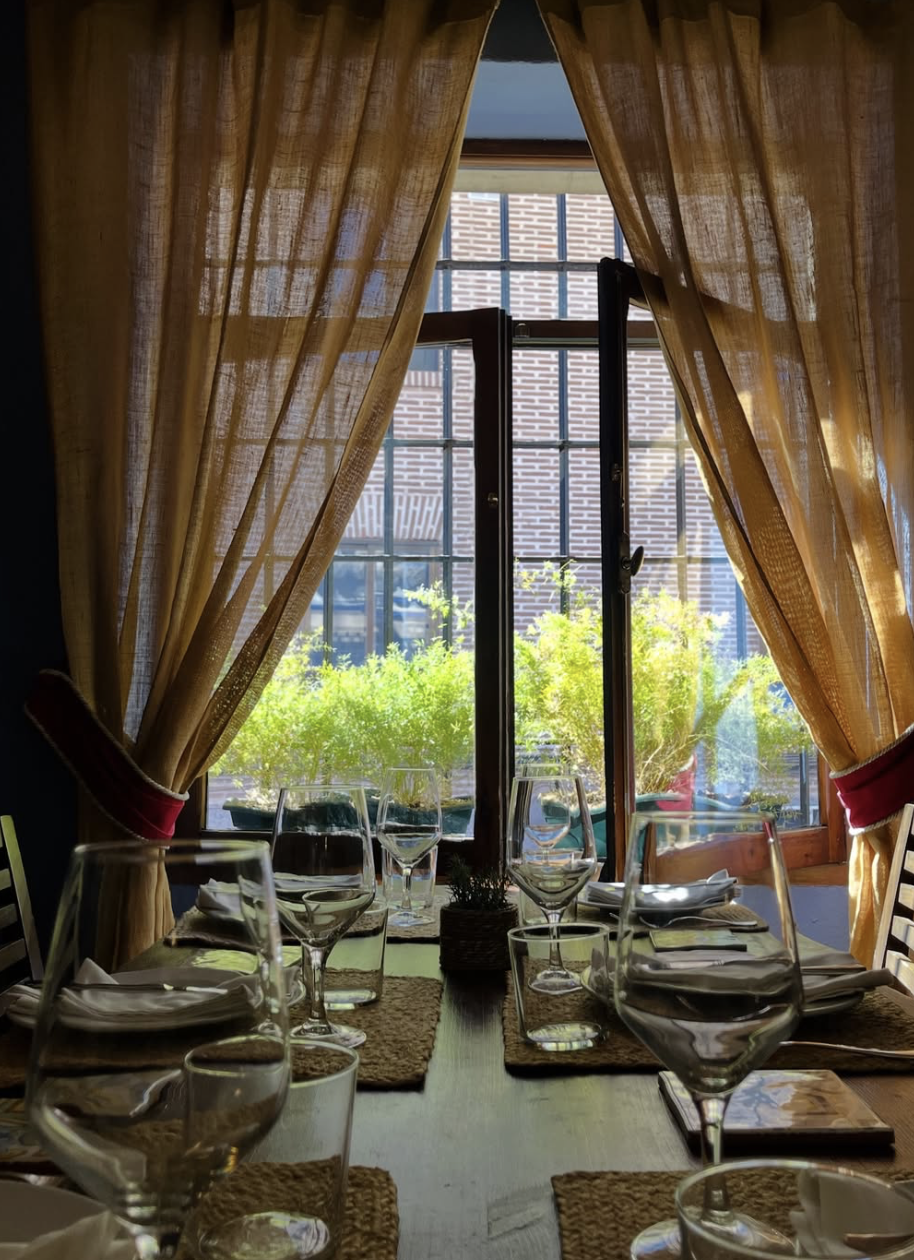
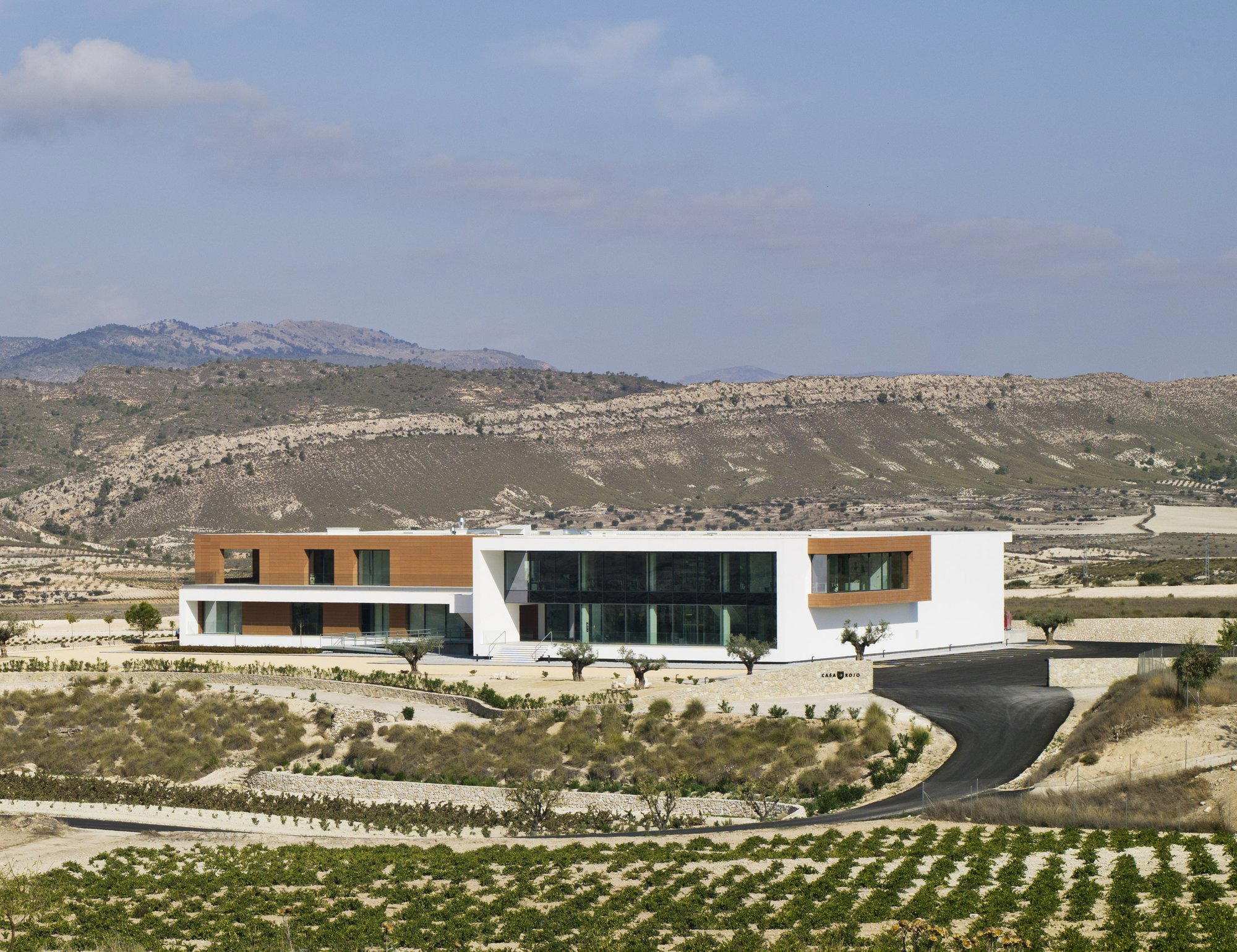
The road southeast from Torre de Juan Abad flattens into the kind of open Castilian terrain that makes distances hard to judge. A kilometre out of the village, the land pulls you toward the hotel and restaurant complex that shares the name Coto de Quevedo. The gastronomic dining room — called Evolución to distinguish it from its more casual sibling, Coto de Quevedo Origen — faces the La Mancha countryside directly, with generous natural light and views that set the context for everything that follows. You are, before a dish arrives, already inside the argument the kitchen is making: that the raw materials of Campo de Montiel are worth serious culinary attention.
The Sourcing Logic Behind Campo de Montiel Cooking
Spain's fine-dining geography tilts heavily toward the coasts and the Basque Country. The restaurants that attract the most sustained international attention, Arzak in San Sebastián, El Celler de Can Roca in Girona, Aponiente in El Puerto de Santa María, DiverXO in Madrid, operate from urban or coastal positions, often with price points at €€€€ and the kind of booking competition that reflects their positioning. The interior of Castilla-La Mancha operates in a different register. Its culinary identity is rooted in hunting estates, dry-land agriculture, and the particular flavours produced by animals that forage across wild scrubland rather than in controlled environments.
Game cookery in this region is not a seasonal affectation layered onto a broader menu. Partridge, wild boar, venison, and rabbit are structural ingredients, present because the land produces them in quantity and because the local cooking tradition has spent generations working out how to treat them. At Evolución, that tradition is the starting point, not the backdrop. Chef José Antonio Medina's approach, building menus from what the surrounding territory yields, places him in the company of a growing number of Spanish chefs who have chosen to anchor fine dining in a specific landscape rather than a generalised vocabulary of Spanish haute cuisine. For a broader sense of how that territorial approach plays out across Spanish fine dining, kitchens like Azurmendi in Larrabetzu, Quique Dacosta in Dénia, and Ricard Camarena in València each demonstrate how different a region's pantry can look when a kitchen commits to a single geography.
What makes the sourcing case here particularly coherent is proximity. The hotel and restaurant sit within the territory that generates the ingredients on the plate. That alignment between location and larder, the kind of connection that restaurateurs in food-trend cities spend considerable effort trying to manufacture, exists here as a geographical fact.
The Format: How a Meal at Evolución Unfolds
The meal follows a structure that positions it clearly in the gastronomic tier rather than the casual end of the spectrum. It opens with two series of appetisers served in sequence: the first delivered in the room with the open fire, the second at the bar, where Chef Medina presents them directly. That dual-sequence format, with the chef leaving the kitchen to serve at the counter, functions as both a technical statement and an orientation exercise, it establishes who is cooking and what the kitchen is thinking before the formal menu begins.
Three tasting menus are available: Raíces, Recuerdos y Memoria, and the more extensive Gran Menú Coto. The naming logic is worth noting. These are not generic tasting-menu tiers differentiated only by course count. The names signal a retrospective and landscape-connected sensibility, roots, memories, territory. Dishes documented from the menus include Carabinero prawns, tendons, wild asparagus, and the Mar y Montaña composition, which brings coastal and upland ingredients into a single plate. That last dish reflects a broader tendency in contemporary Spanish fine dining to dissolve the perceived boundary between sea and land, though here it carries specific regional weight: the Castilian interior is landlocked, so the arrival of deep-water Carabinero on a game-country menu is a deliberate geographic juxtaposition rather than a default move.
What a Michelin Star Means in This Context
Michelin awarded Evolución one star in 2024. In the context of Spain's broader starred landscape, where three-star restaurants like Martin Berasategui in Lasarte-Oria, Cocina Hermanos Torres in Barcelona, and Mugaritz in Errenteria set the upper tier, a single star at this address carries specific meaning. It validates a kitchen working in a location that Michelin inspectors would have had to travel deliberately to reach, in a region without an established fine-dining cluster to lend surrounding credibility. That is a different kind of recognition than a star awarded to a restaurant inside a city with an existing Michelin-dense neighbourhood.
For comparison, restaurants working the traditional-cuisine format in locations similarly removed from major urban infrastructure, such as Auberge Grand'Maison in Mûr-de-Bretagne or Auga in Gijón, demonstrate how the traditional-cuisine category at Michelin level tends to reward exactly this combination: rigorous sourcing, regional specificity, and cooking that deepens rather than abandons its local tradition.
Planning a Visit
Coto de Quevedo Evolución sits at Paraje Las Tejeras Viejas, 1km southeast of Torre de Juan Abad in Ciudad Real province, at a price tier of €€€. The restaurant is part of the rural hotel of the same name, which means accommodation at the property is an option for those travelling from further afield, relevant given that Torre de Juan Abad is not a village with extensive independent hotel infrastructure. The gastronomic dining room is separate from the more casual Origen space, so confirm which room you want when booking. For a broader picture of where Evolución sits within the local options, our full Torre de Juan Abad restaurants guide covers the available range. The hotel side is addressed in our Torre de Juan Abad hotels guide, and if you are building a longer itinerary around the area, bars, wineries, and experiences guides are available for the region.
Frequently asked questions
What price level is Coto de Quevedo Evolución?
Pricing at Coto de Quevedo Evolución is listed as €€€.
At-a-Glance Comparison
| Venue | Cuisine | Awards |
|---|---|---|
| Coto de Quevedo EvoluciónThis venue — the venue you are viewing | Traditional Spanish Game-Focused Fine Dining | 1 Michelin Star · Macarfi 7.9 Food Rating |
| Aponiente | Progressive - Seafood, Creative | Michelin 3 Star |
| Arzak | Modern Basque, Creative | Michelin 3 Star |
| DiverXO | Progressive - Asian, Creative | Michelin 3 Star |
| El Celler de Can Roca | Progressive Spanish, Creative | Michelin 3 Star |
| Quique Dacosta | Creative | Michelin 3 Star |
Recognition history
Dated appearances from independent guides and award organizations, with the underlying list record or original source where available.
Michelin 1 Star
Michelin
Guía Repsol 1 Sol
Guía Repsol
Macarfi 7.9 Food Rating
Macarfi
Full recognition history (5 entries)
Michelin 1 Star
Michelin
Michelin 1 Star
Michelin
Continue exploring
More in Torre de Juan Abad
Restaurants in Torre de Juan Abad
Browse all →
Hotels in Torre de Juan Abad
Browse all →


Details
- Rustic
- Elegant
- Scenic
- Intimate
- Sophisticated
- Special Occasion
- Date Night
- Family
- Celebration
- Open Kitchen
- Terrace
- Historic Building
- Extensive Wine List
- Local Sourcing
- Farm To Table
- Garden
- Tasting Menu
- Set Menu
- Vegetarian Friendly
- Gluten Free Options
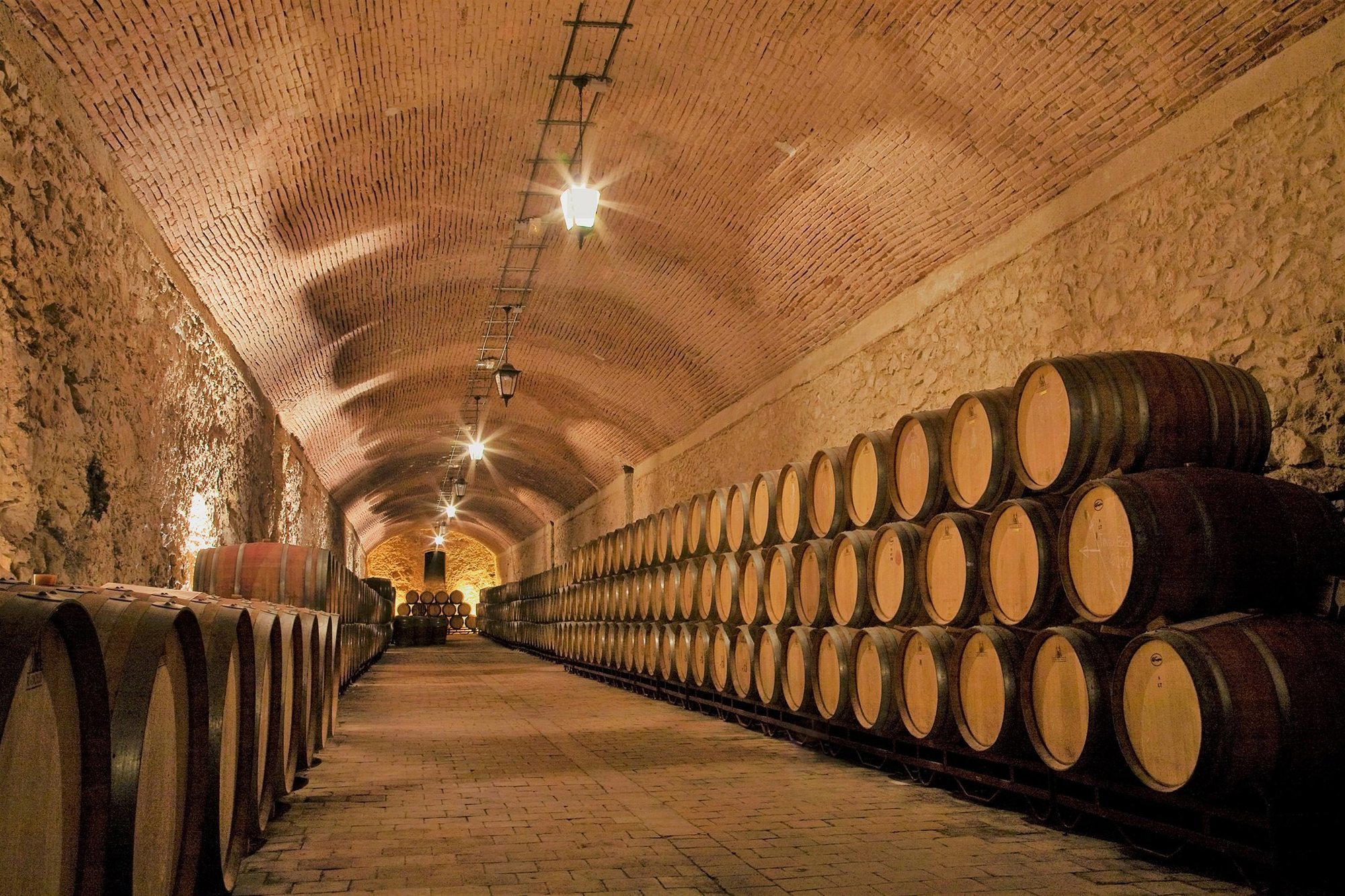
Natural light-filled gastronomic space with pleasant vistas of La Mancha countryside, open fire area, chef's bar, and elegant rural atmosphere.