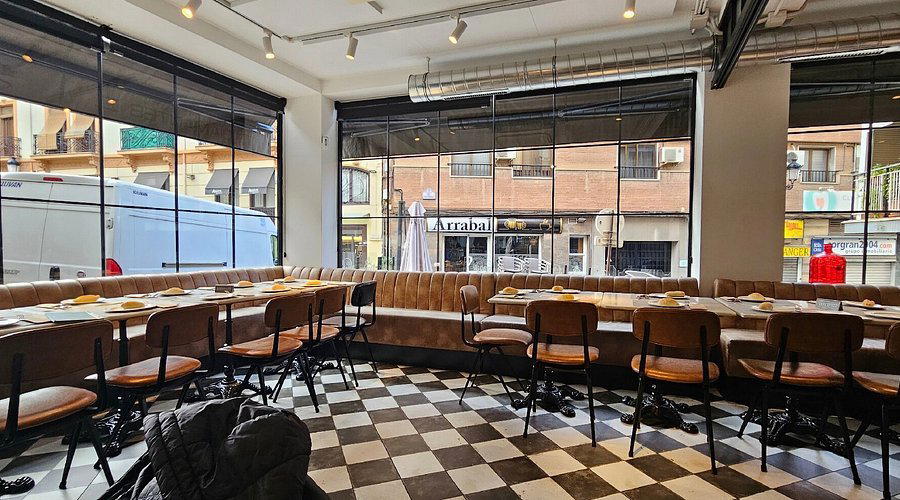
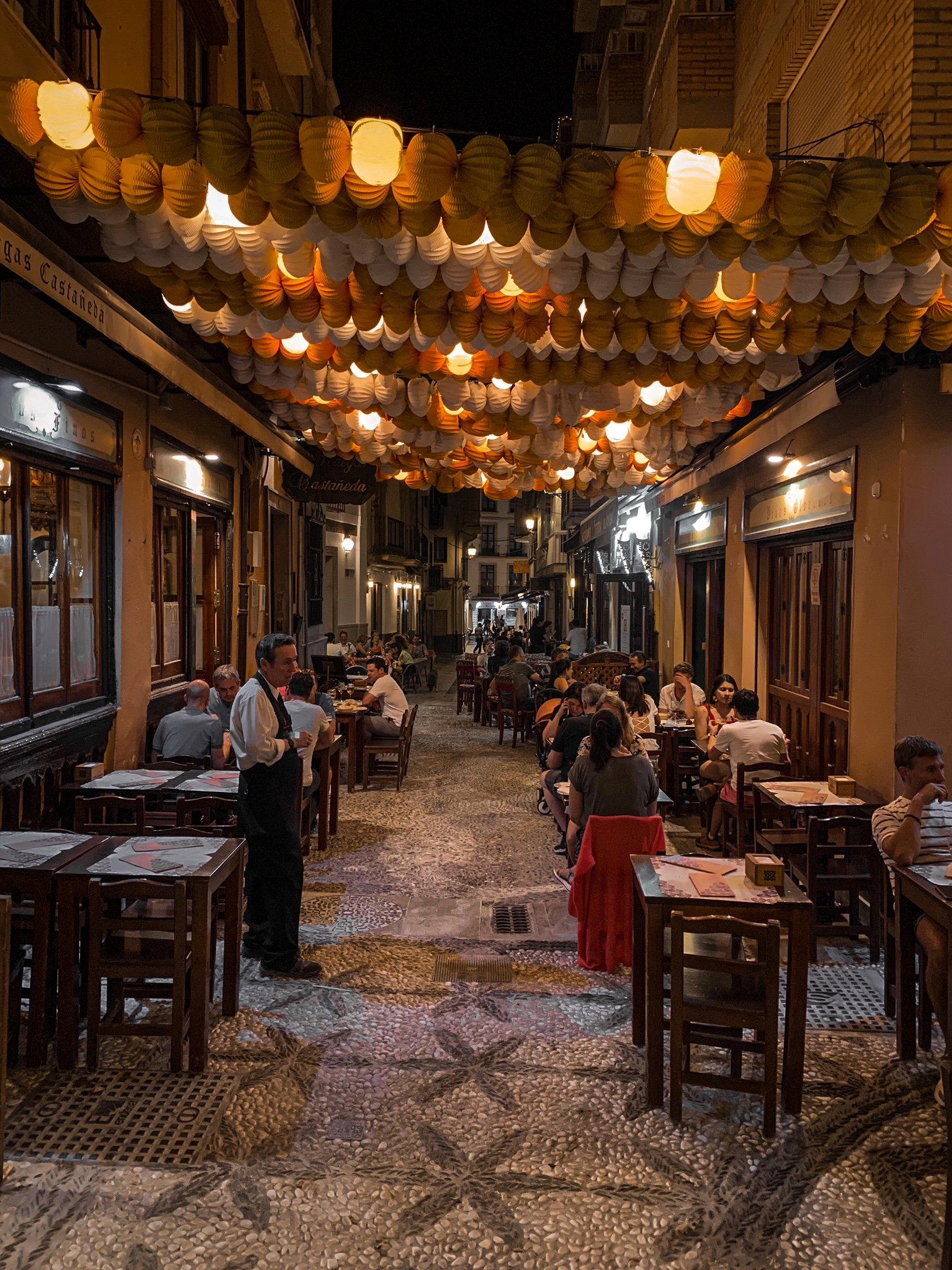
A neighborhood bar on Plaza Aliatar in the Albaicín quarter, Bar Aliatar Los Caracoles occupies a corner of one of Granada's oldest residential squares. The name signals its signature: caracoles, or snails, served in the traditional Granadino style alongside cold beer and the kind of unforced local atmosphere that tourist-facing venues in the area rarely replicate.

Pearl is the En Primeur Club membership app, where members save venues, book tables and use the concierge.
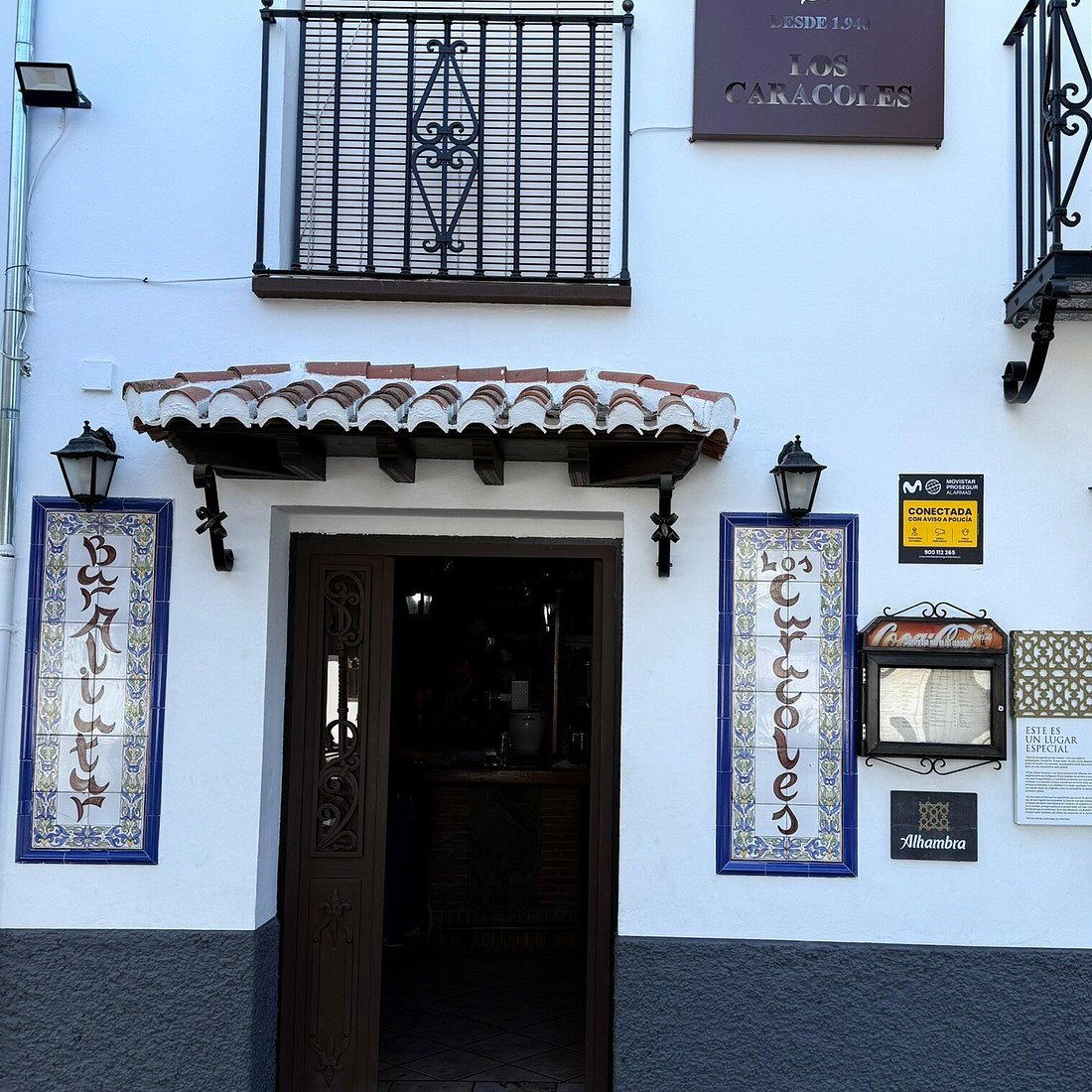
A Square That Has Not Been Remade for Anyone
The Albaicín is Granada's Moorish quarter, a UNESCO-listed hillside of whitewashed houses, steep cobbled lanes, and squares that have resisted the smoothing-over that heritage tourism tends to apply to old neighborhoods. Plaza Aliatar sits within that fabric, a modest residential square without a view terrace or a souvenir stall in sight. Bar Aliatar Los Caracoles occupies one of its corners, and the fact that the square is named after a Moorish king rather than a saint tells you something about the cultural density of the address. This is not a bar that found a scenic spot; it is a bar that has existed in a working neighborhood long enough to become part of it.
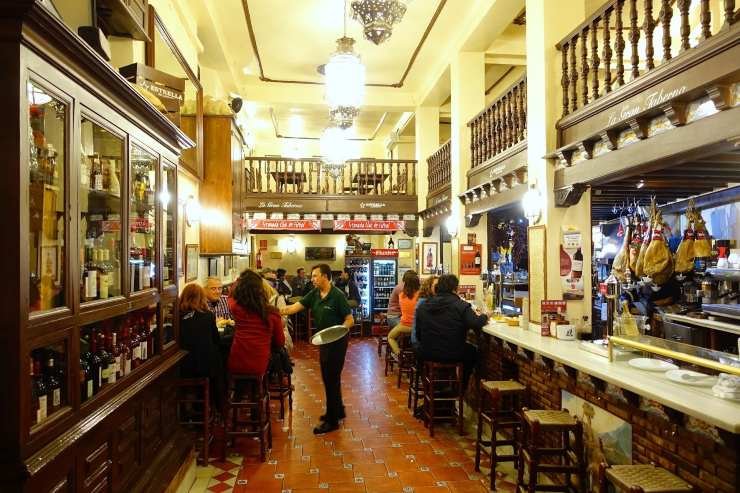
Granada's bar culture runs on a system that most other Spanish cities abandoned years ago: a free tapa with every drink, delivered automatically, without ordering. That practice shapes the entire register of neighborhood bars here. It keeps prices low, it keeps rounds moving, and it creates an atmosphere of continuous, low-key abundance that is distinct from the more deliberate tapas culture of Seville or the pintxos economy of San Sebastián. A bar in the Albaicín is measured not by its menu design but by the generosity and consistency of what arrives beside your glass, and by whether the locals at the next table look like they came from across the city or from across the street.
Caracoles and What They Signal About the House
The caracoles, snails braised in a spiced broth, are a traditional Granadino preparation that appears in bars across the city but with considerable variation in quality and seriousness. In the city center, the dish is often perfunctory, served because it is expected. In a neighborhood bar like this one, the preparation tends to be the actual point. Spanish bar cooking at this level is not ambitious in a modernist sense; it is precise in a traditional one. The broth matters. The texture of the snail matters. The bread placed beside the bowl matters. These are the coordinates by which regulars judge whether a bar knows what it is doing.
The name of the venue is effectively the menu in miniature. Bars that stake their identity on a single preparation are making an implicit promise about where their attention goes, and that specificity tends to attract a clientele who came for the dish rather than a general outing. That kind of self-selection produces a particular kind of room: people eating the same thing, at the same pace, with cold drinks and not much ambient noise.
Where This Fits in Granada's Bar Circuit
Granada's drinking and eating circuit has two distinct modes. The first is the tourist-accessible tier of the Realejo and Cathedral area, where bars are legible, multilingual, and priced for visitors. The second is the neighborhood tier of the Albaicín and Sacromonte, where bars operate on local rhythms and assume a familiarity with how things work. Bar Aliatar Los Caracoles sits clearly in the second mode. That is not a claim about exclusivity; it is a description of register. You are expected to order a drink, receive a tapa, and proceed at the pace the bar sets rather than the pace a menu suggests.
For comparison, venues like Taberna La Tana operate in a more wine-bar register, with a deliberate selection of natural and artisanal bottles that positions them closer to the enthusiast tier. El Quejío wine bar similarly draws a crowd that came specifically for the wine list rather than the free tapa dynamic. Bar Gallardo and Restaurante Oliver each occupy their own distinct positions in the city's food-and-drink fabric. Bar Aliatar Los Caracoles operates in a different register from all of them: less curated, more rooted, and evaluated by a different set of criteria entirely.
Across Spain, bars in this category are under pressure from rising rents and the gradual displacement of residential neighborhoods by short-term rentals. The Albaicín has seen that pressure more acutely than most, given its UNESCO designation and its status on the tourist map. A neighborhood bar that continues to serve its actual neighborhood in that context is doing something that requires no embellishment to make interesting. For context on how this compares to bar culture in other Spanish cities, the contrast with Angelita in Madrid or Boadas in Barcelona is instructive: those venues operate in a more self-conscious cocktail register, where the program is the attraction. Here, the attraction is the continuity of a local institution doing exactly what it has always done.
Planning a Visit
Plaza Aliatar is reachable on foot from the Albaicín's main artery, Calle Elvira, via a short climb that gives you a sense of the neighborhood's residential scale before you arrive. The square is not signposted from the main tourist routes, which is precisely what makes it function as it does. Visiting in the late morning or early afternoon, when the neighborhood bar rhythm peaks before the lunch hour, tends to place you alongside the local clientele rather than a passing tourist wave. Evenings in the Albaicín shift toward the mirador terraces and the Sacromonte, so the bar's quieter hours reward an earlier visit. No booking is required or possible at a venue of this type; arrival and a drink order is the entire protocol. For a broader map of what Granada's food and drink scene offers at every price point and register, our full Granada restaurants guide covers the city in depth.
Those planning a wider Andalusian circuit may find a useful comparison in Bar Sal Gorda in Seville, which operates in a comparable neighborhood-bar register in a city whose tapa tradition runs parallel to Granada's but without the automatic-tapa economics. Further afield in the Balearics, Garito Cafe in Palma de Mallorca, La Margarete in Ciutadella, and Garden Bar in Calvia represent a Mediterranean bar tradition that shares the informal premise but trades in a different coastal vocabulary entirely. And for readers whose bar curiosity extends to the Pacific, Bar Leather Apron in Honolulu offers a useful international counterpoint to what a deeply local bar institution can look like in a completely different cultural context.
Budget Reality Check
Comparable venues nearby, for context on price, style, and recognition.
| Venue | Cuisine | Price | Awards | Notes |
|---|---|---|---|---|
| Bar Aliatar Los CaracolesThis venue (the venue you are viewing) | Albaicín, pub | Not listed | Not listed | Not listed |
| Bar Gallardo | Albaicín, Bar | $10–20 | Not listed | Not listed |
| El Quejío wine bar | Not listed | $50–100 | Star Wine List | Centro, wine_bar |
Continue exploring
More in Granada
Restaurants in Granada
All restaurants in Granada →

Details
- Rustic
- Classic
- Cozy
- Casual Hangout
- Historic Building
- Courtyard
- Outdoor Terrace
- Seated Bar
- Conventional Wine
- Street Scene
Current opening hours
- Monday
- Closed
- Tuesday
- 12–4 PM
- Wednesday
- 12–4 PM, 7:30–10:30 PM
- Thursday
- 12–4 PM, 7:30–11 PM
- Friday
- 12–4 PM, 7:30–11 PM
- Saturday
- 1–4 PM, 8–11 PM
- Sunday
- 1–4:30 PM
Hours can change for holidays and private events. Hours as of .
Charming terrace on a picturesque plaza with traditional, relaxed atmosphere and occasional street musicians.