
2 Michelin Keys
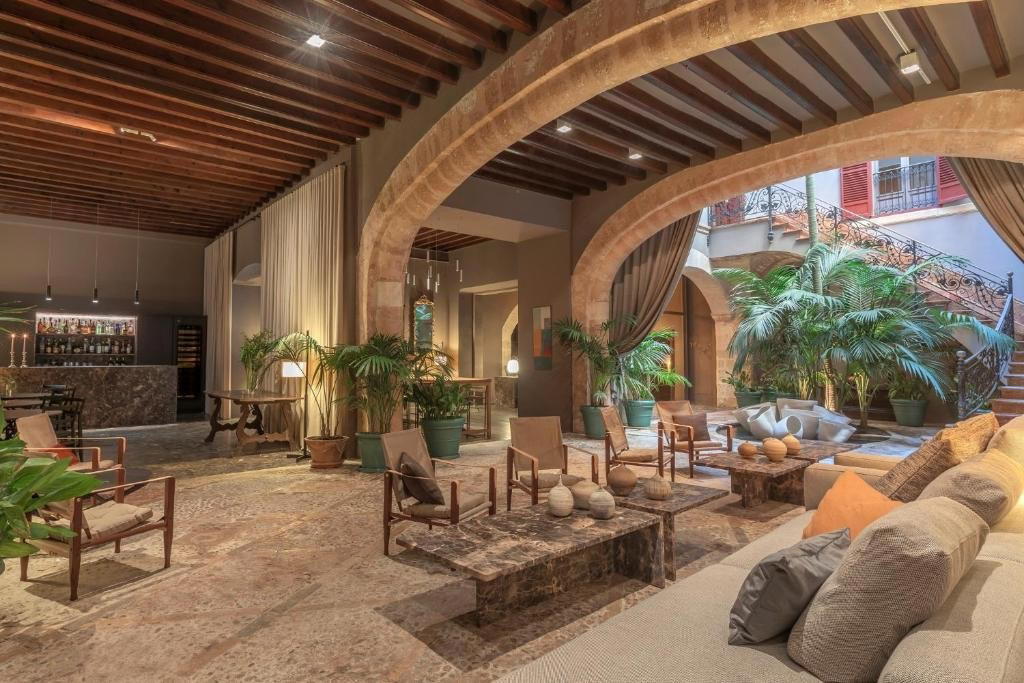
A 12-room Mallorcan mansion in Palma's old walled city, Hotel Can Cera earned Michelin 2 Keys in 2024 and prices from $386 per night. The 800-year-old building, last renovated in 2012, layers a hammam, Finnish sauna, and seasonal gastro-bar over centuries of architectural restraint, cream walls, olive wood furniture, and a leafy central courtyard that signals the property's priorities before you reach the stairs.

Pearl is the En Primeur Club membership app, where members save venues, book tables and use the concierge.
Where Palma's Old City Stops Being a Backdrop and Becomes the Point
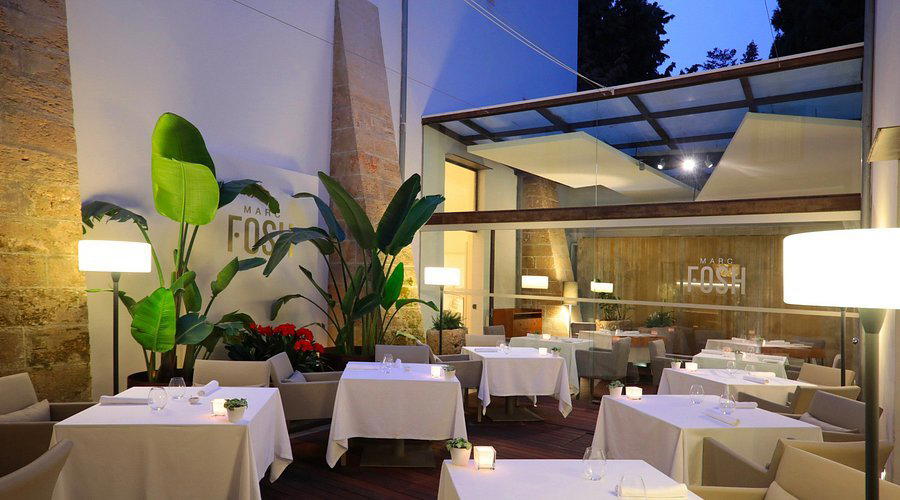
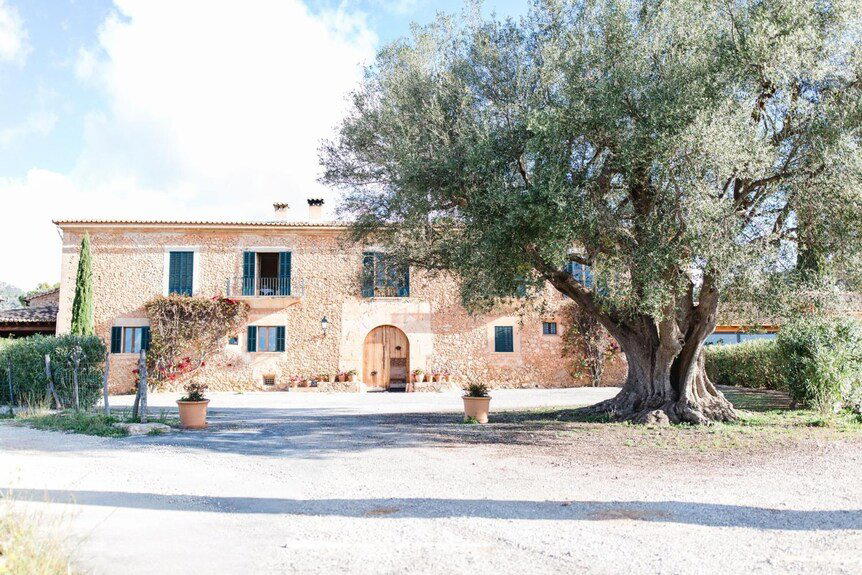
The stone archway on Carrer de Sant Francesc offers no particular announcement of what lies beyond it. There is no uniformed doorman, no illuminated signage scaled to impress. Pass through it, and you arrive in a leafy interior courtyard that the street gives no reason to expect: a quiet enclosure of potted plants and filtered afternoon light, the kind of space that has been absorbing the sounds of the city for the better part of eight centuries. That quality of gradual disclosure, of moving from public bustle into private calm, defines the experience of staying here more than any single feature of the rooms or the service.
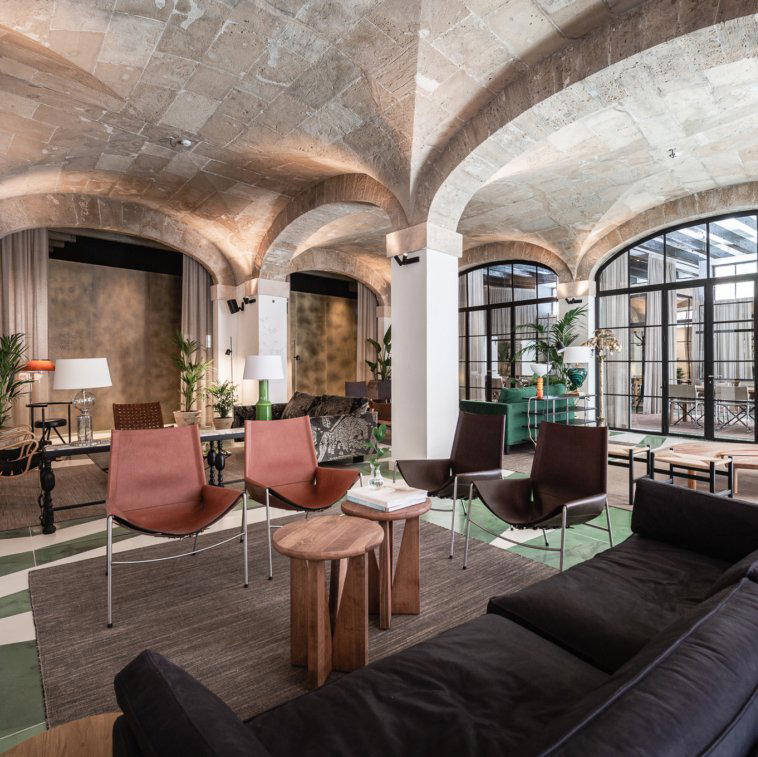
Can Cera occupies a Mallorcan mansion whose foundations date to the 13th century. The building received its most significant structural upgrade in the 17th century, when the salons that now serve as the hotel's public rooms were added to what had already been a substantial private residence. A further renovation completed in 2012 introduced the spa, updated the bathrooms, and brought in the gastro-bar that now anchors the ground floor. Twelve guest rooms is an unusually small count for a property at this price point, and that scarcity does real work: the hotel earns a rate around $386 per night while maintaining the hush and ease of a private house rather than the operational rhythm of a hotel.
Palma's Old Quarter as a Competitive Frame
Mallorca's reputation as a travel destination has long been divided between two distinct experiences: the beach resort corridor and the island's interior and historic capital. Palma's old walled city, which for centuries housed the island's royal, ecclesiastical, and mercantile elite, entered a sustained period of decline in the mid-20th century as coastal development absorbed investment and attention. The reversal of that pattern has been underway for roughly two decades now. The Gothic churches have been restored, the Baroque palaces repurposed, and the streets around the Cathedral and the Arab baths now anchor a neighborhood that supports upscale retail, serious wine bars, and a restaurant scene with genuine ambition. That recovery positions Palma's historic core as a peer of comparable European city-centre districts, not as a secondary option to the island's beach properties.
Within the old city's hotel tier, the relevant comparison set includes properties like Sant Francesc Hotel Singular, Can Bordoy Grand House and Garden, and Boutique Hotel Posada Terra Santa, all of which occupy historic Mallorcan mansions and operate at a similar price level. Can Cera sits at the more restrained end of that group in terms of key count, with 12 rooms against properties that run to 24 or more. That smaller footprint is a deliberate orientation, not a limitation: the design choices throughout, cream walls, olive wood furniture, warm lamplight, Egyptian cotton linens, prioritise comfort and coherence over conspicuous display. The Michelin 2 Keys recognition awarded in 2024 places Can Cera within the upper tier of accommodation properties formally assessed for hospitality quality, a credential that carries weight in a market where many boutique conversions compete on aesthetics alone.
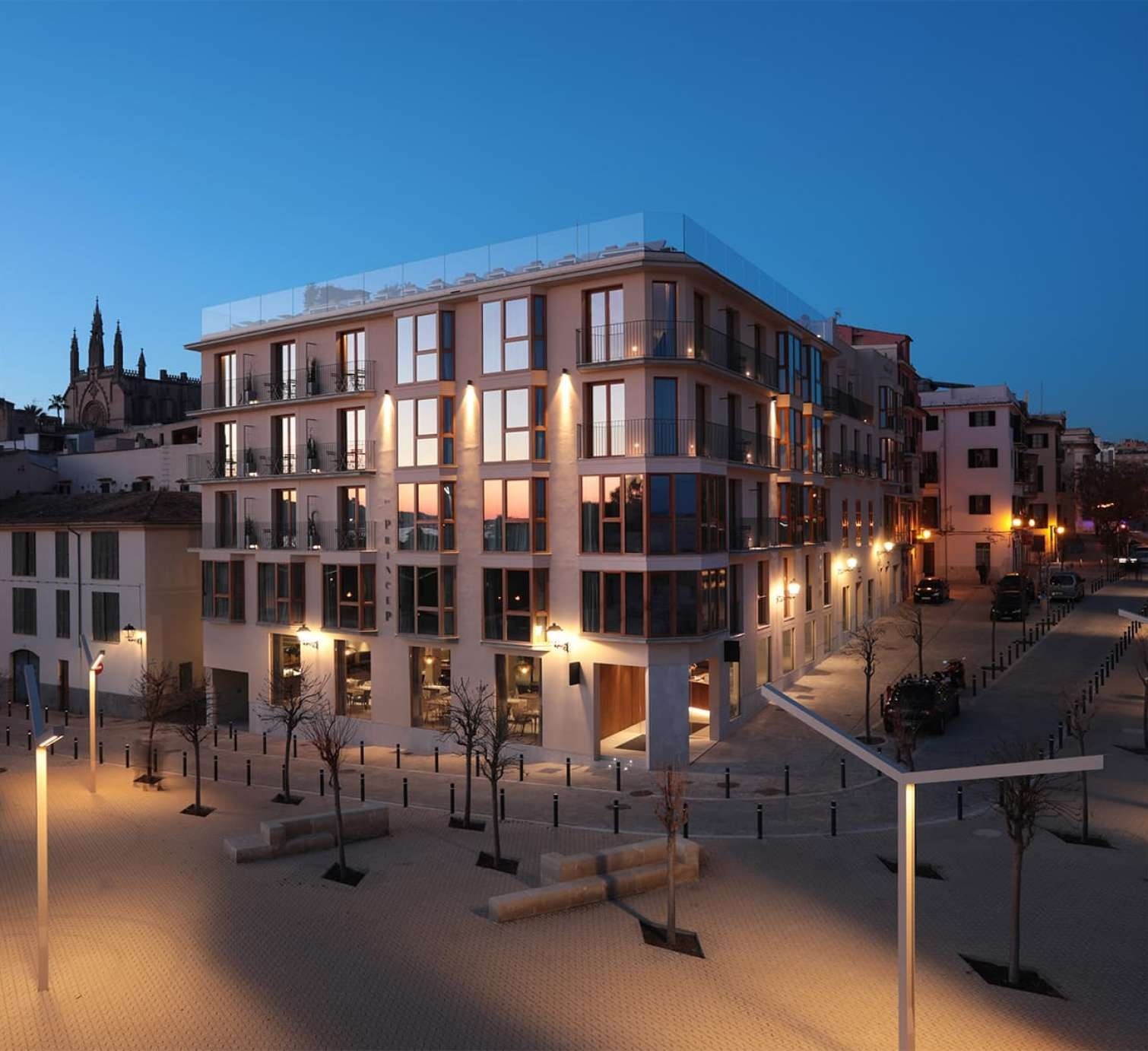
For a wider sense of what Palma's hotel scene offers at different scales, Es Princep and El Llorenç Parc de la Mar represent larger properties with sea-facing positions, while Castillo Hotel Son Vida and Nobis Hotel Palma offer different formats for travellers whose priorities don't centre on the old quarter's street-level experience. The full range is mapped in our Palma guide.
The Gastro-Bar and What It Signals About Mallorcan Food
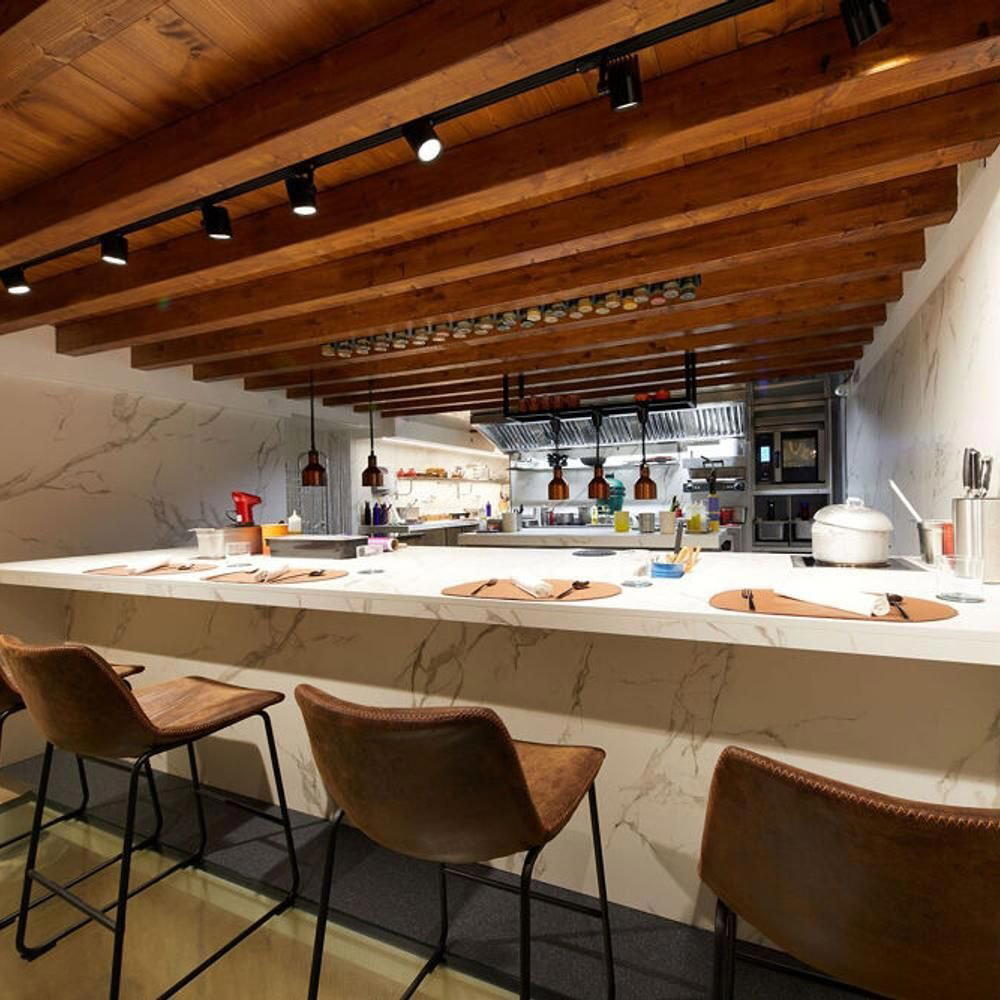
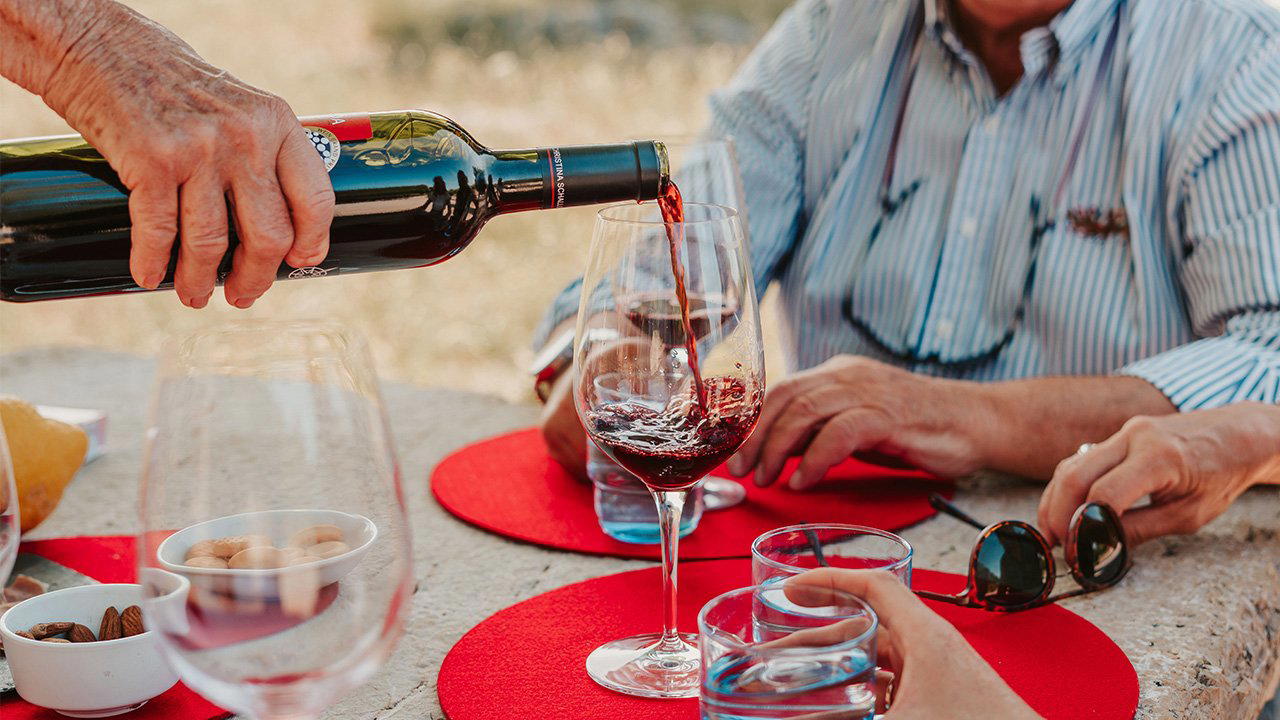
Mallorca's food culture is anchored in a small set of intensely local products: ensaïmada pastry, sobrassada cured sausage, locally caught fish from the surrounding waters, and seasonal vegetables from the island's interior farmland. The island's short supply chains mean that good restaurants and hotel kitchens here have an easier path to genuine ingredient provenance than properties in major mainland cities, where sourcing claims often outpace the reality. Can Cera's gastro-bar, added during the 2012 renovation, applies a tapas format to this Mallorcan pantry, offering seasonal preparations in a space that doubles as the hotel's social centre.
The significance of that format extends beyond the menu itself. The decision to build a food offering around Mallorcan-style tapas rather than an international hotel-restaurant model reflects a broader shift in how the island's urban hospitality properties position themselves. Rather than importing a generic luxury food idiom, the properties that have gained the most traction in Palma's old city have tended to commit to local culinary identity. That commitment is also legible in the spa's hammam, a nod to the Arab influence that shaped Mallorcan architecture and culture for four centuries before the Christian reconquest. The building contains its history in layers, and the programming follows a similar logic.
How the Renovation Logic Works
The 2012 renovation is worth examining for what it chose not to change as much as for what it added. The building's fundamental geometry, the courtyard arrival sequence, the marble stairway, the sequence of salons, remained intact. The interventions went in at the margins: updated bathrooms with terrycloth robes and modern fixtures, a Finnish sauna alongside the hammam, contemporary art on the walls of rooms that still read as Mallorcan in their bones. That restraint is less common in boutique hotel conversions than the marketing around such projects tends to suggest. Many historic building renovations in this price tier go further toward theatrical reinvention, installing statement furniture and design-forward interventions that can feel at odds with the structure they inhabit. Can Cera's approach, which has preserved the property across multiple renovation cycles without disrupting its essential character, suggests a different set of priorities: longevity over novelty, coherence over statement.
Same logic applies to the pacing of the renovation cycle itself. The 17th-century additions came after centuries of the original structure. The 2012 update came after the 17th-century configuration had been in place long enough to become the building's identity. That pattern does not guarantee future decisions will follow the same discipline, but it is a meaningful signal about how the property has been managed.
Staying Here: What the Practicalities Look Like
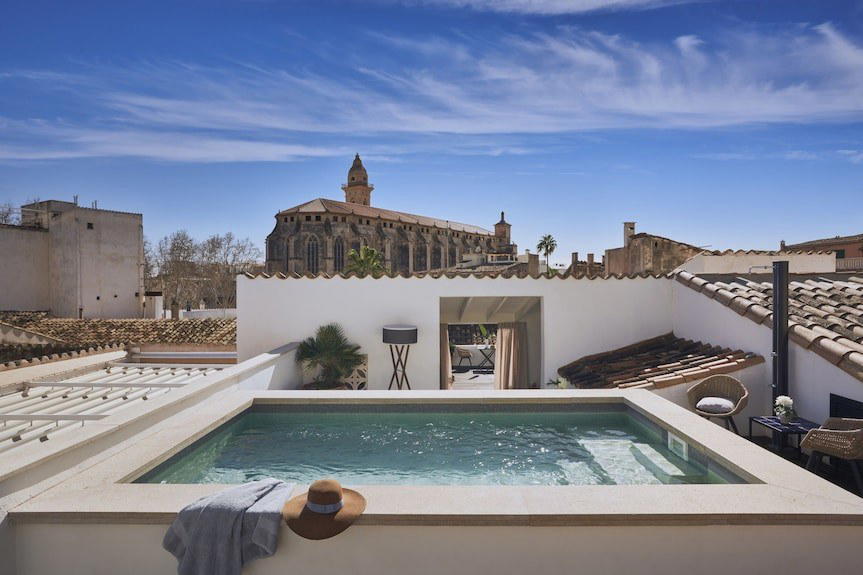
Palma de Mallorca Airport sits approximately 12 minutes from Can Cera by car, which makes the hotel one of the more efficiently accessed properties in this tier on the island. The address on Carrer de Sant Francesc places guests within walking distance of the Cathedral, the Palau March, the Arab baths, and the concentrated retail and restaurant activity that has developed around Carrer del Sindicat and the Passatge de sa Gerreria. The old city's street layout rewards on-foot exploration; a car is useful for reaching the island's interior or northern coastline but unnecessary for the first day or two of a stay centred on Palma itself.
At $386 per night for 12 rooms with Michelin 2 Keys recognition, Can Cera positions itself at the serious end of the old city's boutique tier without reaching the highest price points occupied by properties elsewhere in Spain such as Mandarin Oriental Ritz in Madrid or Mandarin Oriental Barcelona. For travellers whose frame of reference extends to comparable Mallorcan alternatives, La Residencia, a Belmond Hotel in the Tramuntana mountains and Cap Rocat in Cala Blava represent the island's other high-water marks in terms of setting and category, though neither offers the same immersion in Palma's urban historic fabric. Within Spain more broadly, properties operating in the same tradition of historic building conversion include Atrio Restaurante Hotel in Cáceres and Abadía Retuerta LeDomaine, though the formats and settings differ significantly. International travellers who respond to this category of intimate, historically grounded luxury at a small scale may also find useful reference points in Aman Venice or Can Alomar Urban Luxury Retreat in Palma itself.
That consistency, at this scale and in this setting, is arguably the strongest argument for booking here over better-known alternatives with larger footprints and more variable guest experiences.
Cuisine and Awards Snapshot
Comparable venues nearby, for context on price, style, and recognition.
| Venue | Cuisine | Price | Awards | Notes |
|---|---|---|---|---|
| Hotel Can CeraThis venue (the venue you are viewing) | Historic luxury boutique hotel positioned as an exclusive design destination blending 17th-century Mallorcan architecture with contemporary art and curated antiques. | $300–500 | 2 Michelin Keys | Not listed |
| Sant Francesc Hotel Singular | Restored 19th-century mansion blending historic charm with modern luxury | $300–500 | 1 Michelin Key · La Liste Top Hotels | Sant Francesc |
| El Llorenç Parc de la Mar | Contemporary urban boutique with historic island influences | $300–500 | 1 Michelin Key · La Liste Top Hotels | La Calatrava |
| Castillo Hotel Son Vida | Historic castle resort blending Mallorcan heritage with modern luxury | Not listed | 1 Michelin Key | Son Vida |
| Can Bordoy Grand House & Garden | Art Deco luxury boutique hotel merging historic Old Quarter charm with contemporary design, positioned as an intimate urban sanctuary. | $300–500 | 1 Michelin Key · La Liste Top Hotels | La Lonja (Old Quarter) |
| Es Princep | Contemporary Mallorcan finca-inspired luxury | Not listed | 1 Michelin Key · Leading Hotels of World Member | Old Town |
Recognition history
Dated appearances from independent guides and award organizations, with the underlying list record or original source where available.
Michelin 2 Keys
Michelin
Full recognition history (3 entries)
Michelin 2 Keys
Michelin
Michelin 2 Keys
Michelin
Continue exploring
More in Palma
Hotels in Palma
All hotels in Palma →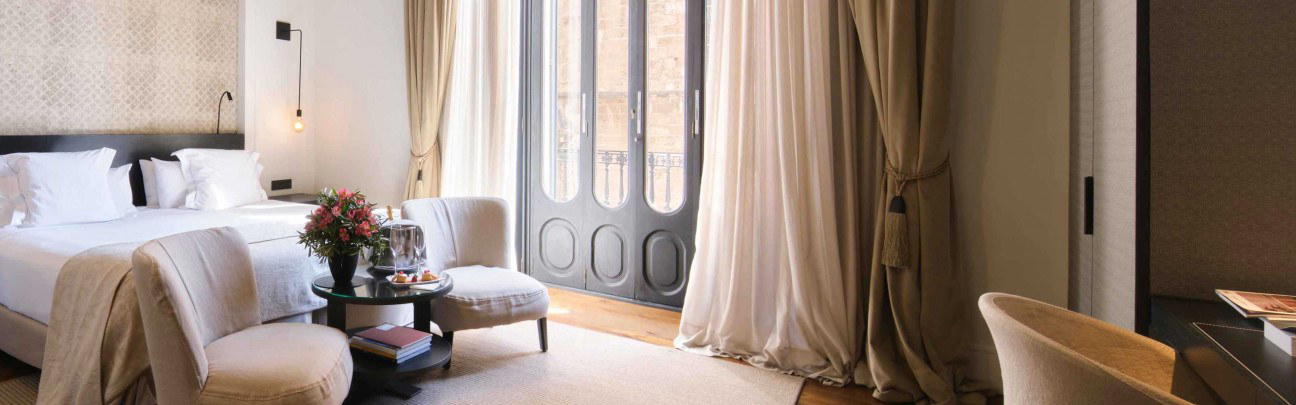
Bars in Palma
All bars in Palma →
Restaurants in Palma
All restaurants in Palma →

Details
- Elegant
- Romantic
- Sophisticated
- Intimate
- Romantic Getaway
- Wellness Retreat
- Anniversary
- Historic Building
- Design Destination
- Destination Spa
- Terrace
- Wi Fi
- Spa
- Sauna
- Restaurant
- Bar
- Room Service
- Concierge
- Valet Parking
- Airport Transfer
- Street Scene
- Wheelchair Accessible
- Elevator
- Accessible Restroom
Intimate and theatrical with floor-length curtains, evocative lighting, and carefully selected period furniture and contemporary artwork creating an exclusive, design-focused atmosphere reminiscent of a luxury private mansion.