A Quinta da Auga Hotel & Spa


1 Michelin Key · Relais Chateaux Award
Its 59 rooms blend original Galician stonework with French country-manor interiors, while the Filigrana restaurant serves traditional Galician cuisine and a spa with heated pools adds a modern counterpoint to the heritage shell.

Pearl is the En Primeur Club membership app, where members save venues, book tables and use the concierge.
Where the Mill Meets the Manor
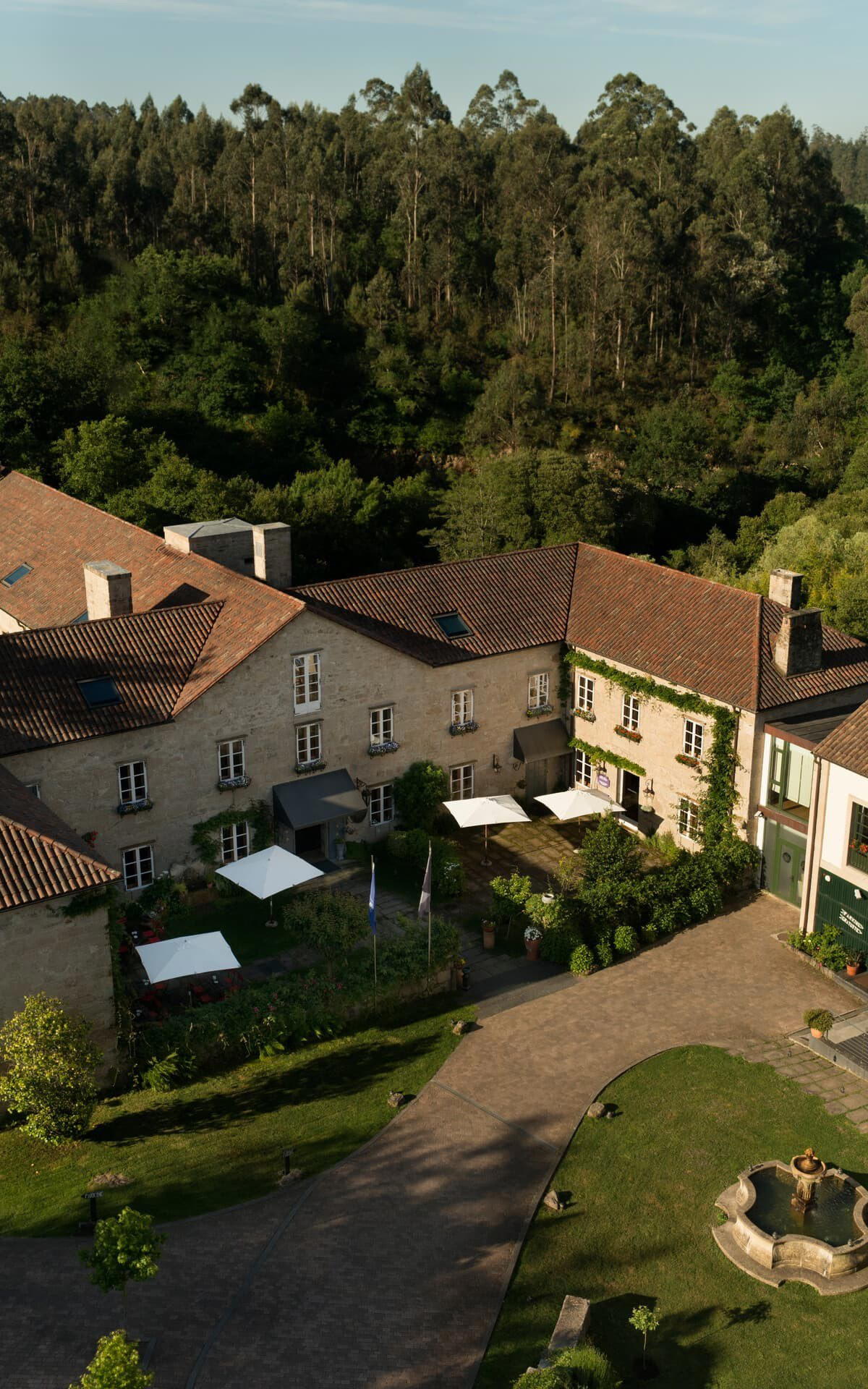
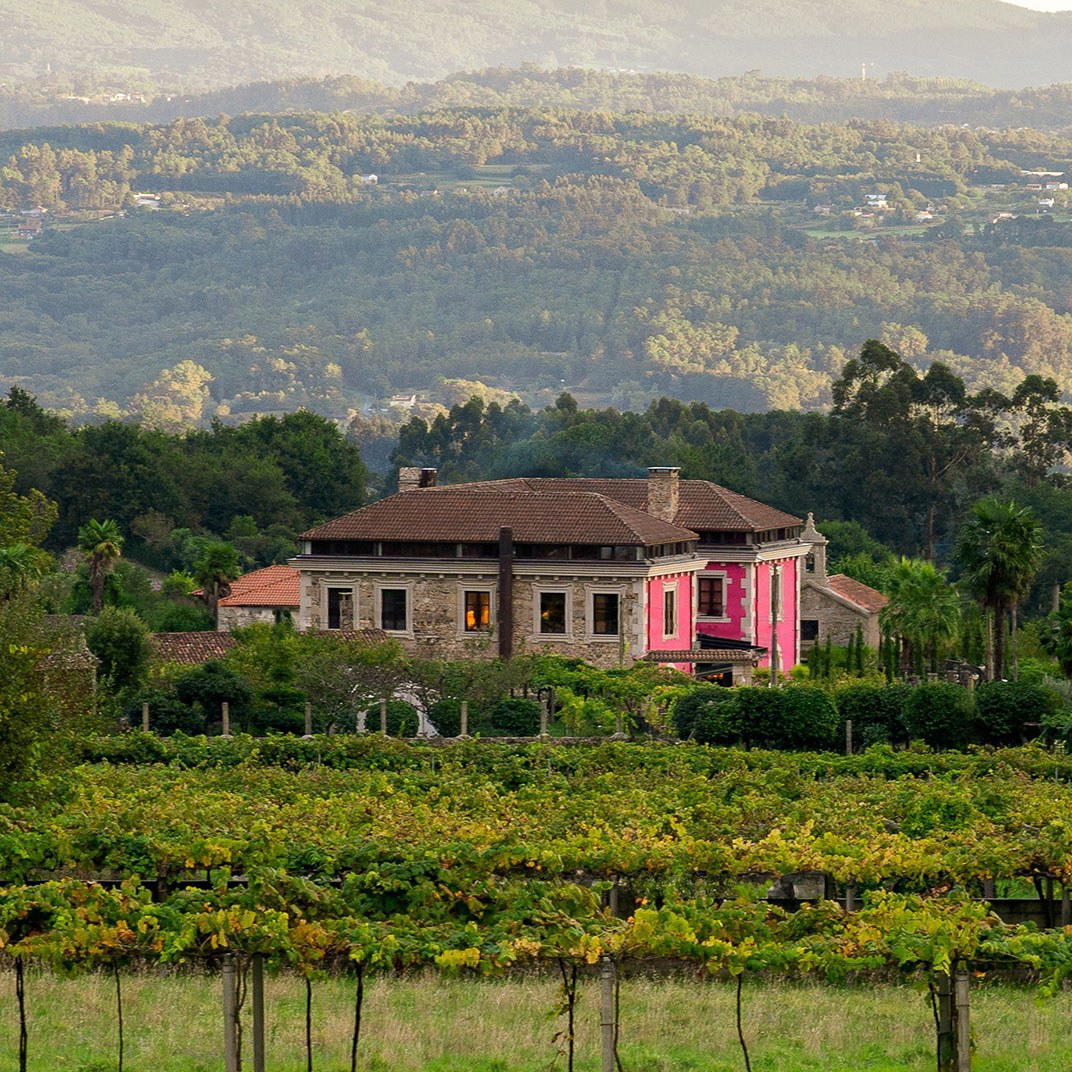
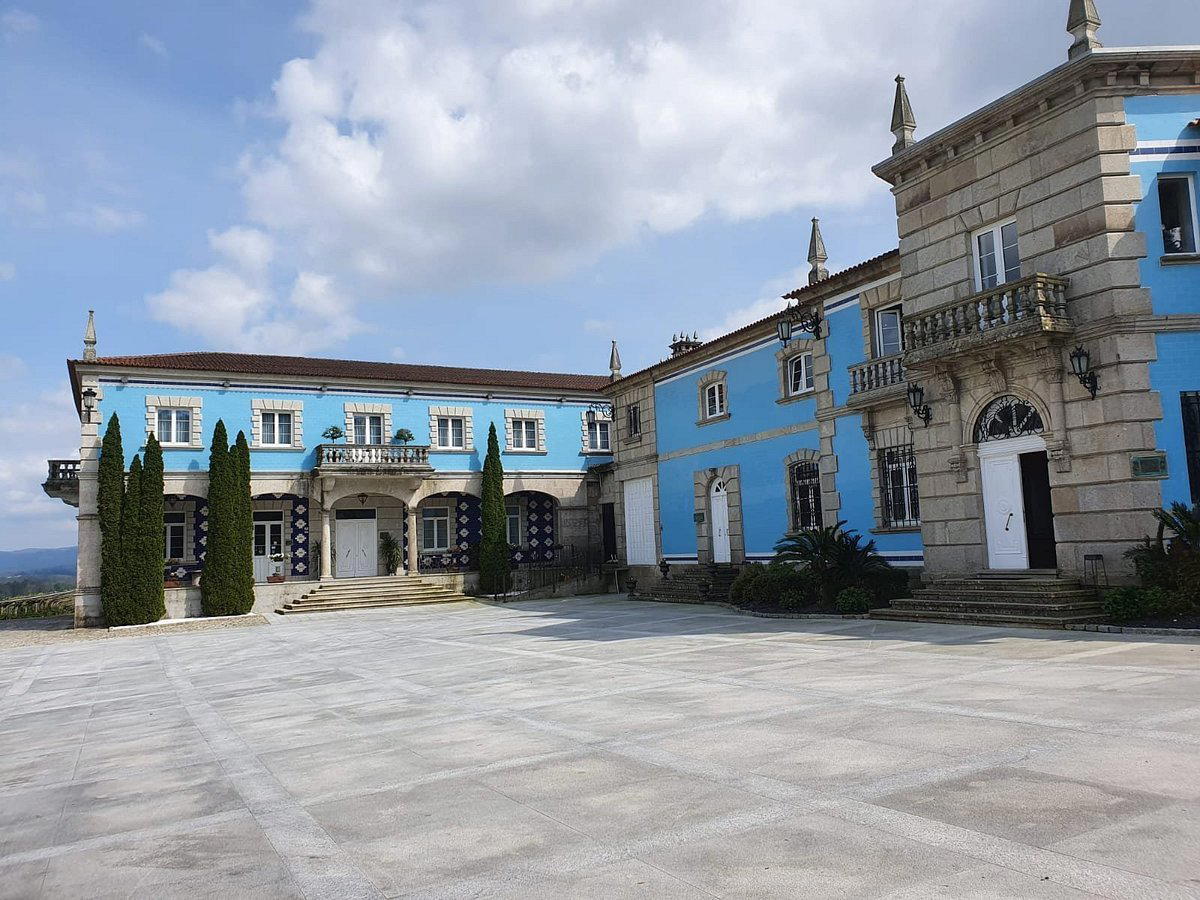
Approaching along Paseo da Amaia, the first signal that A Quinta da Auga Hotel & Spa is not a conventional hotel is the building itself. The exposed granite walls of an 18th-century paper mill rise through a hectare of garden, the stonework worn into the kind of patina that no renovation budget can manufacture. Spain has no shortage of historic conversions operating at the boutique end of the market, but the industrial-to-country-manor trajectory here places the property in a specific sub-category: working heritage fabric reframed for comfort rather than spectacle, in the manner of Abadía Retuerta LeDomaine or Terra Dominicata, where the architecture precedes and shapes the hospitality offer rather than the other way around.
The Architecture as Host
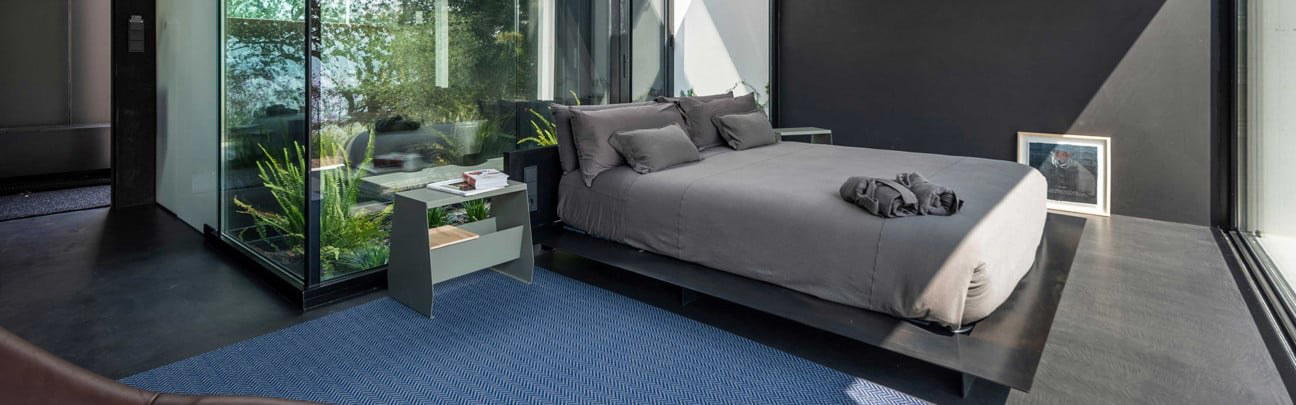
The design logic here is layered rather than uniform. The original stonework was retained as the primary material language, and subsequent decisions in the renovation work around it rather than against it. Common areas carry the weight of a country-house library: leather seating, open fireplaces, antique furniture that functions as accent rather than museum piece. The balance between period references and contemporary insertions is calibrated carefully enough that the interior reads as inhabited rather than curated. The 45 guest rooms scale back the density of the communal spaces, letting natural materials and individually patterned rustic wallpaper do the work. Each room runs a different pattern, which is a small decision with a significant effect on the overall sense that this is a boutique property operating on its own terms rather than replicating a chain template.
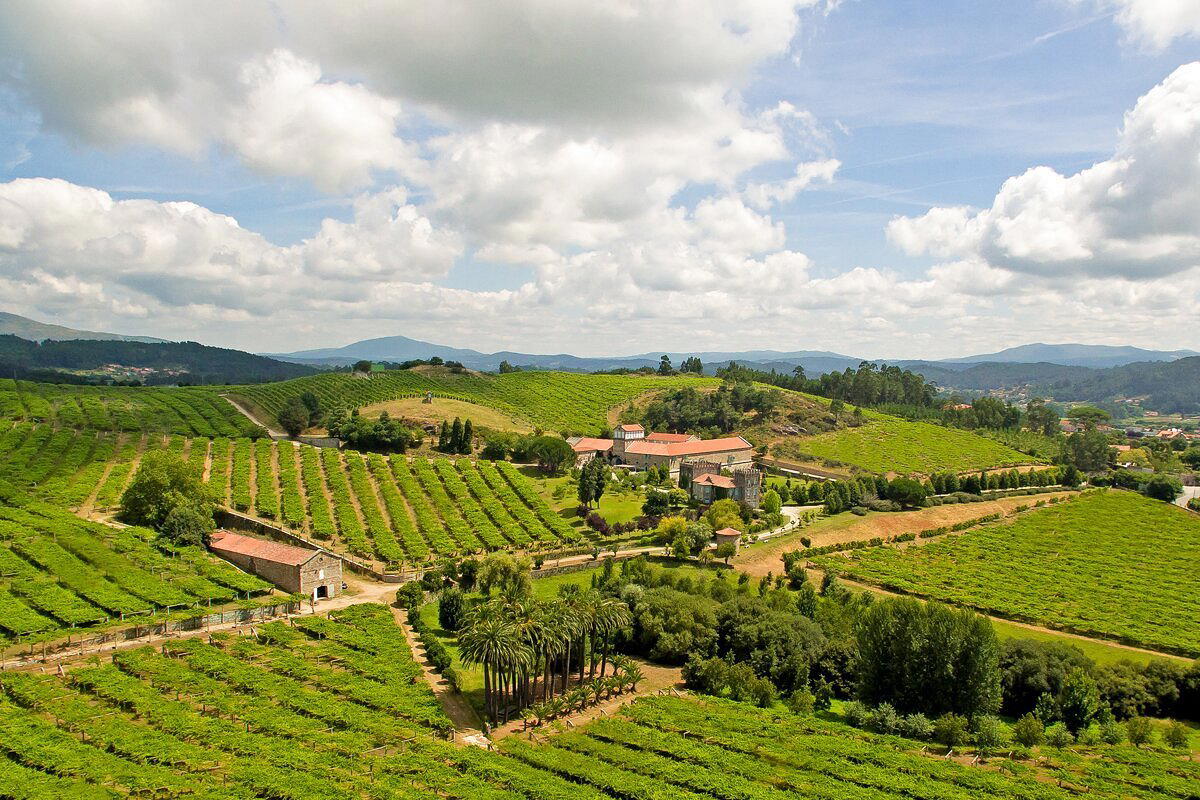
The garden views available from rooms add a spatial dimension that many city-centre conversions cannot offer. A full hectare of grounds, the lush greenery running through the property, means that the building reads differently depending on whether you are inside looking out or outside looking in. This relationship between interior comfort and outdoor setting is a defining trait of the Galician countryside hotel at its strongest, and it places A Quinta da Auga in the same tradition as Pepe Vieira Restaurant & Hotel in Poio, where the landscape and the architecture are in active conversation. For Spain's broader boutique hotel scene, compare the stone-and-garden approach here with the Mediterranean vernacular of Mas de Torrent Hotel & Spa in Torrent or the La Residencia, A Belmond Hotel, Mallorca: similar heritage-building formats, different regional registers.
The Spa and Its Counterpoint
Spa provision at A Quinta da Auga runs counter to the dominant aesthetic of the rest of the building. Where the rooms and common spaces emphasise historic texture, the spa facility operates in a cleaner, more contemporary register, with multiple heated pools and saunas. This is a deliberate counterpoint: the historic shell provides warmth and character; the spa provides a modern counterbalance. It is worth noting that spa access is not included in the standard room rate and requires separate arrangement, a detail that affects how guests should plan their stay and budget accordingly. For comparison, properties like Torre del Marqués Hotel Spa & Winery also separate spa access from base rates, a pricing structure increasingly common in the Spanish boutique segment.
Eating at the Mill
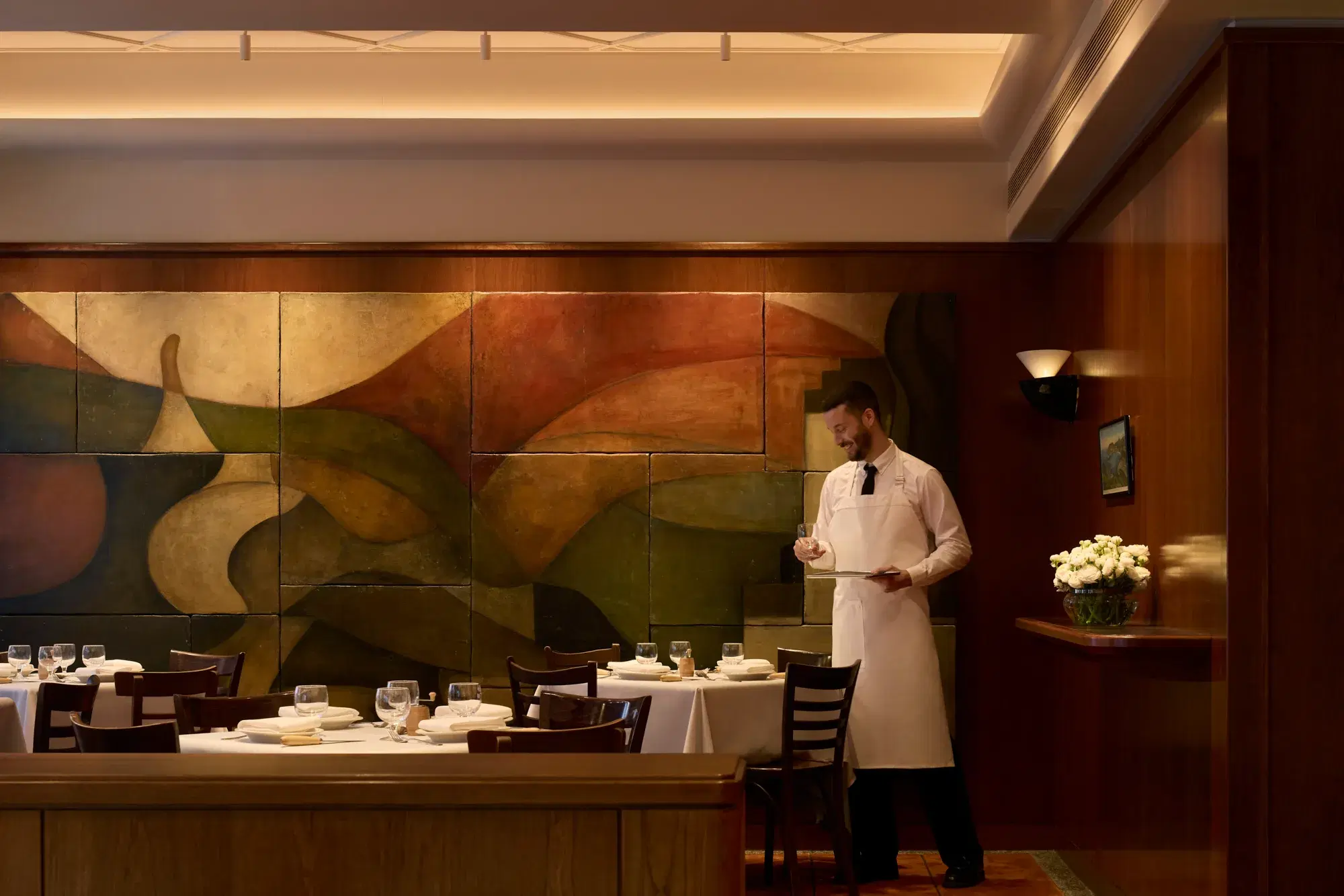
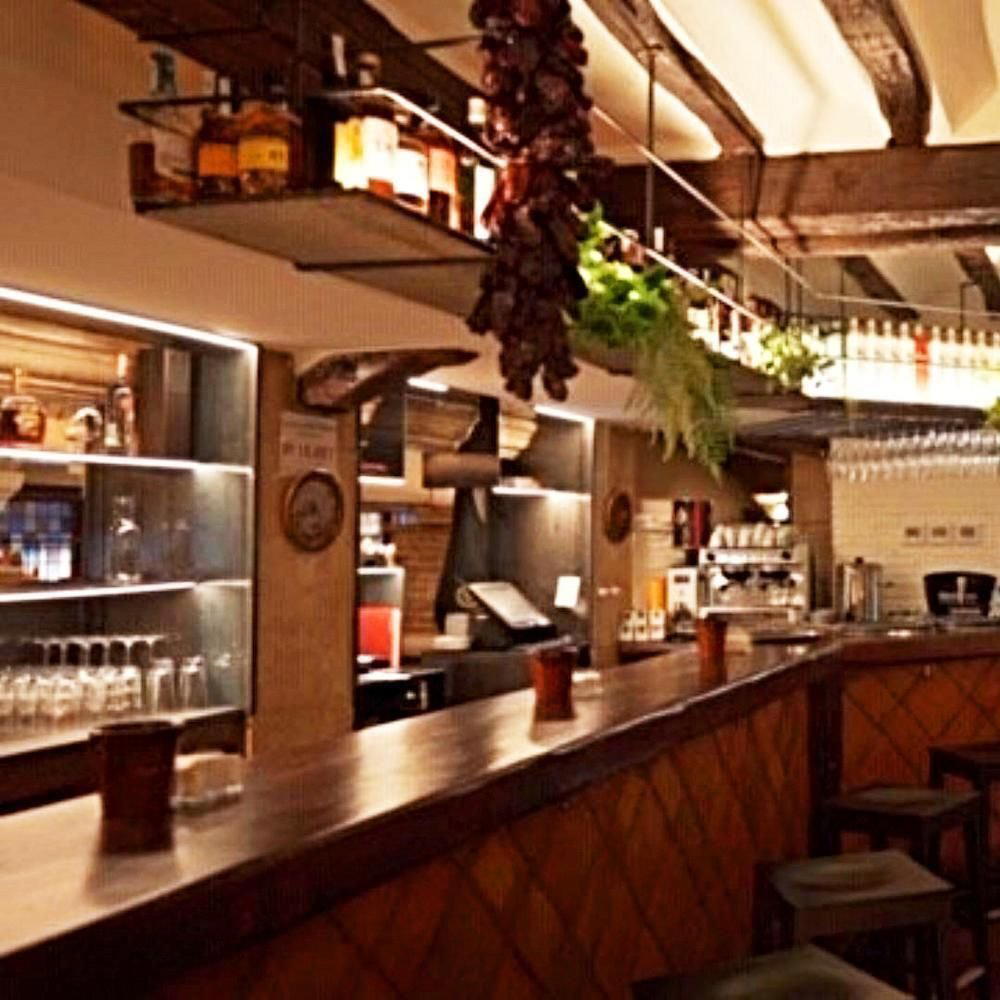
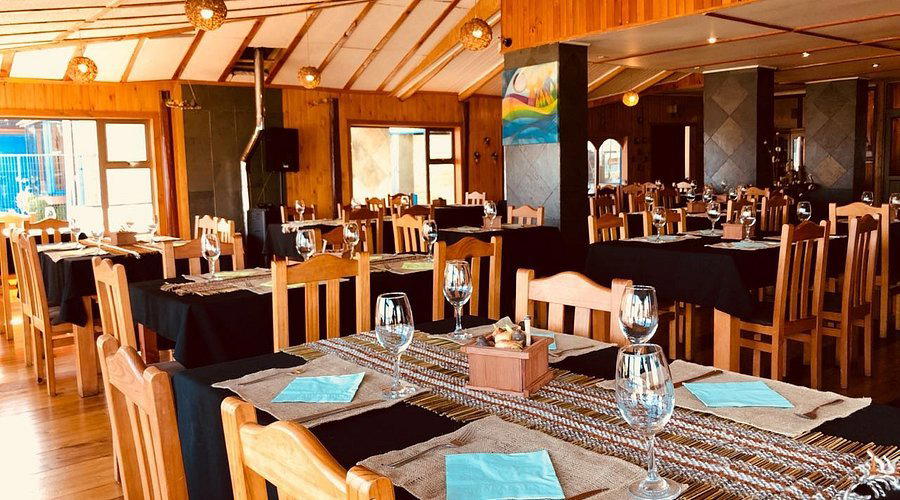
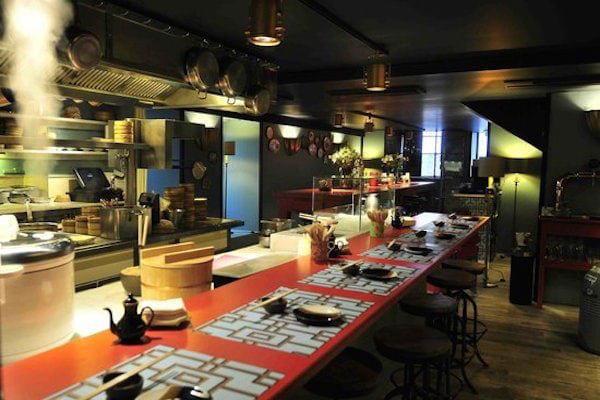
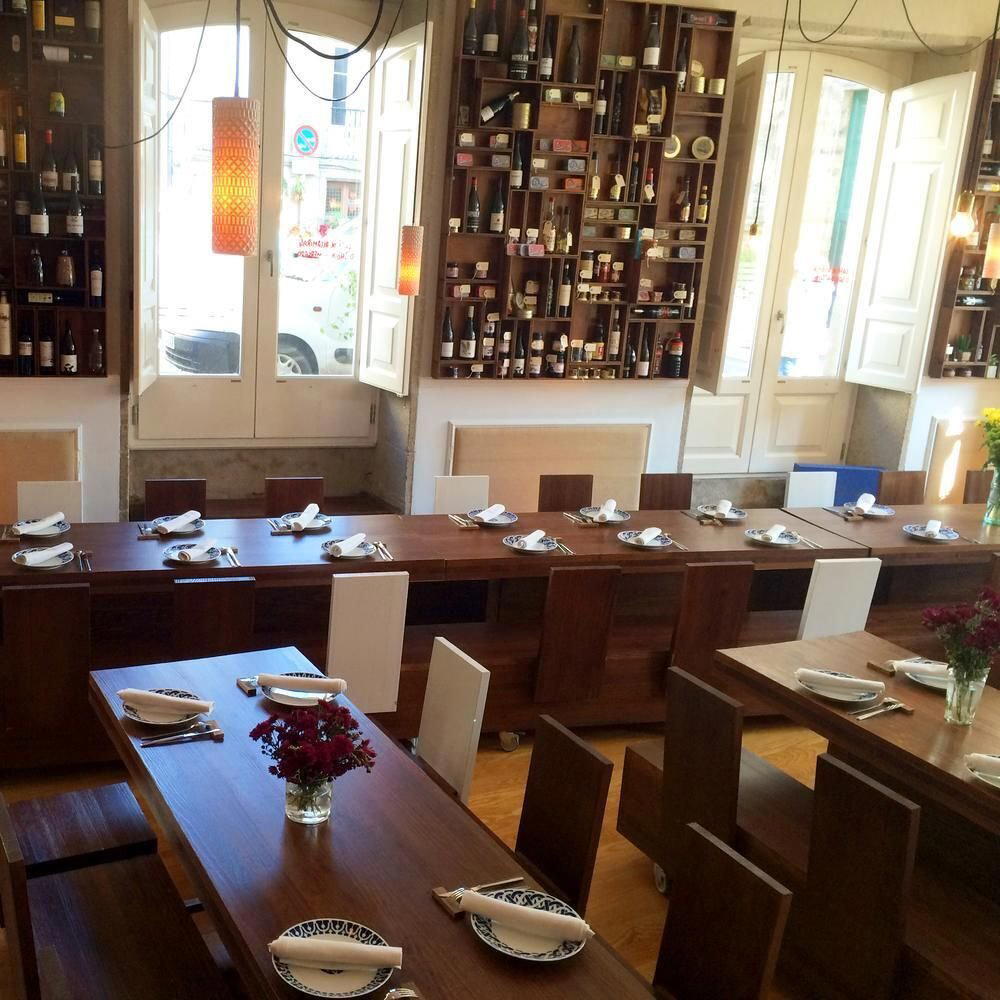
Galician cuisine occupies a specific position in the broader Spanish dining conversation: ingredient-led, Atlantic-facing, built on seafood, empanadas, and the kind of braised meat dishes that reward slow preparation. The hotel's restaurant, Filigrana, works within that tradition, offering a formal dining setting for guests who want to stay on-property. The more relaxed Qcafebar operates as a French bistro analogue, with a patio format that suits the garden surroundings. Neither concept positions itself against the serious dining available four kilometres away in central Santiago, and nor should it: the city's restaurant scene, covered in depth in our full Santiago de Compostela restaurants guide, provides options at every level of formality. The hotel's dual-format dining functions as a complement to what the city offers rather than a substitute for it.
Santiago de Compostela as Context
The property sits approximately four kilometres from the historic centre of Santiago de Compostela, the endpoint of the Camino de Santiago pilgrimage routes and a city whose architectural identity is dominated by its Romanesque and Baroque cathedral. That proximity matters in both directions: guests have access to one of Spain's most significant urban heritage environments, and the hotel itself operates at the point where city-edge countryside and urban convenience intersect. This is a different model from the full city-centre immersion available at the Parador of Santiago de Compostela, which sits directly on the Praza do Obradoiro, or the scale and polish of large urban properties like the Mandarin Oriental Ritz, Madrid or Mandarin Oriental Barcelona. A Quinta da Auga trades urban centrality for immediate access to gardens, quiet, and a physical building that rewards slowing down.
In Galicia's broader hospitality context, the region is a quieter part of Spain's premium hotel map compared to the Balearics, where properties like Hotel Can Cera in Palma, Hotel Can Ferrereta in Santanyí, and Can Alberti 1740 Hotel Boutique in Mahón compete in a dense, well-trafficked market. Galicia's relative under-representation in international luxury travel itineraries makes properties with genuine architectural distinction more legible, not less: A Quinta da Auga holds its position not by competing on amenities alone but on the singularity of its physical premise.
Planning Your Stay
Rates begin from US$281 per night, with the EP Club member pricing cited at US$296, positioning the property within the accessible tier of Spain's boutique hotel segment, below the tariff structure of larger prestige properties like Marbella Club Hotel or Cap Rocat in Cala Blava. With 59 rooms across a heritage building, availability during the peak Camino season (summer and early autumn) moves quickly, and booking ahead by at least several weeks is advisable. Access is direct: Santiago de Compostela International Airport (SCQ) sits 20 kilometres from the hotel, and the Santiago de Compostela rail station is four kilometres away. Guests arriving by car can follow road AC-543 towards Noya, turning left at the roundabout near the paper factory, with complimentary outdoor parking and covered indoor parking available at an additional fee. The GPS coordinates are 42.8704, -8.5823.
At-a-Glance Comparison
Comparable venues nearby, for context on price, style, and recognition.
| Venue | Cuisine | Price | Awards | Notes |
|---|---|---|---|---|
| A Quinta da Auga Hotel & SpaThis venue (the venue you are viewing) | Eco-luxury boutique in restored 18th-century paper mill | $200–300 | 1 Michelin Key · Relais Chateaux Award | Not listed |
| Parador of Santiago de Compostela | Historic luxury parador in former royal pilgrims' hospital | $200–300 | Virtuoso Luxury Hotel Partner | Downtown |
| AC Palacio del Carmen | luxury historic convent hotel | Not listed | Michelin Selected | historic center |
| Castillo del Buen Amor | Restored 15th-century castle blending historical charm with boutique luxury | $100–200 | 1 Michelin Key | Topas |
| Brach Madrid - Evok Collection | Philippe Starck-designed luxury in historic Gran Via building with Parisian elegance. | $300–500 | 1 Michelin Key · Mr & Mrs Smith Seal of Approval | Chueca |
| URSO Hotel & Spa Madrid | Restored 20th-century palace with modernist contemporary interiors | $200–300 | 1 Michelin Key · Mr & Mrs Smith Seal of Approval | Chueca |
Recognition history
Dated appearances from independent guides and award organizations, with the underlying list record or original source where available.
Michelin 1 Key
Michelin
Relais Chateaux Award
Relais Chateaux
Full recognition history (5 entries)
Michelin 1 Key
Michelin
Relais Chateaux Award
Relais Chateaux
Michelin 1 Key
Michelin

Continue exploring
More in Santiago de Compostela
Hotels in Santiago de Compostela
All hotels in Santiago de Compostela →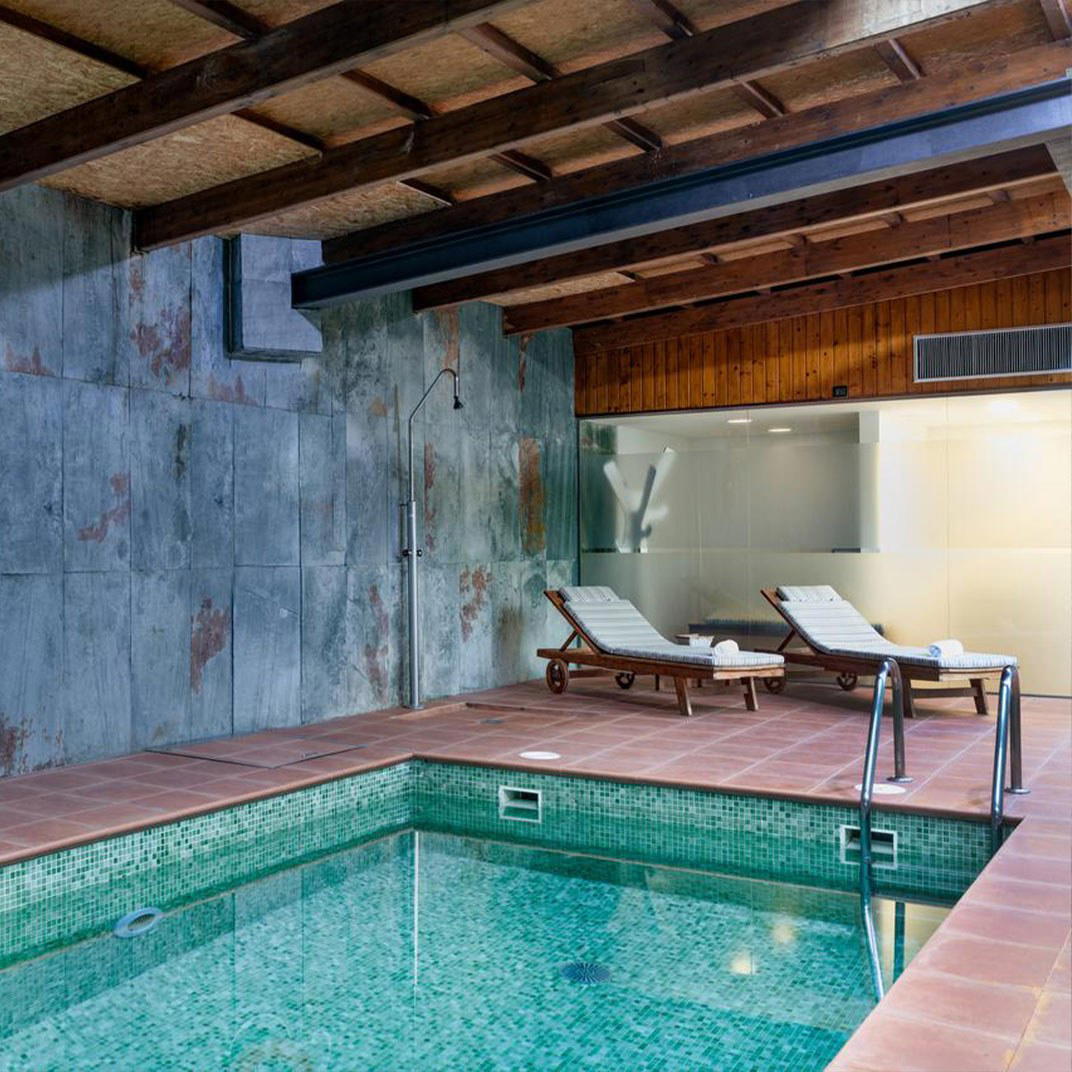

Details
- Elegant
- Quiet
- Scenic
- Sophisticated
- Romantic
- Romantic Getaway
- Wellness Retreat
- Anniversary
- Destination Spa
- Garden
- Terrace
- Historic Building
- Spa
- Pool
- Fitness Center
- Room Service
- Concierge
- Wi Fi
- Sauna
- Restaurant
- Garden
- Waterfront
- Wheelchair Accessible
- Elevator
- Step Free Entrance
- Accessible Parking
Tranquil and relaxing with garden views, fireplace in lobby, and soundproofed rooms fostering a serene, elegant atmosphere.