

Star Wine List · Macarfi 7.6 Food Rating
One of Córdoba's most enduring addresses in the Jewish quarter, El Churrasco has been synonymous with traditional Andalusian cooking for decades. Its position on Calle Romero places it at the centre of the city's historic dining culture, where the kitchen draws from deep regional roots and the wine list reflects the serious Montilla-Moriles heritage of the surrounding countryside.

Pearl is the En Primeur Club membership app — saves, bookings, and concierge access live there. Same editors, same standards.
- Address
- C. Romero, 16, Centro, 14003 Córdoba, Spain
- Phone
- +34 957 29 08 19
- Hours
- Daily 1–4 PM, 8:30–11:30 PM
- Website
- elchurrasco.com
- Directions
- Get directions
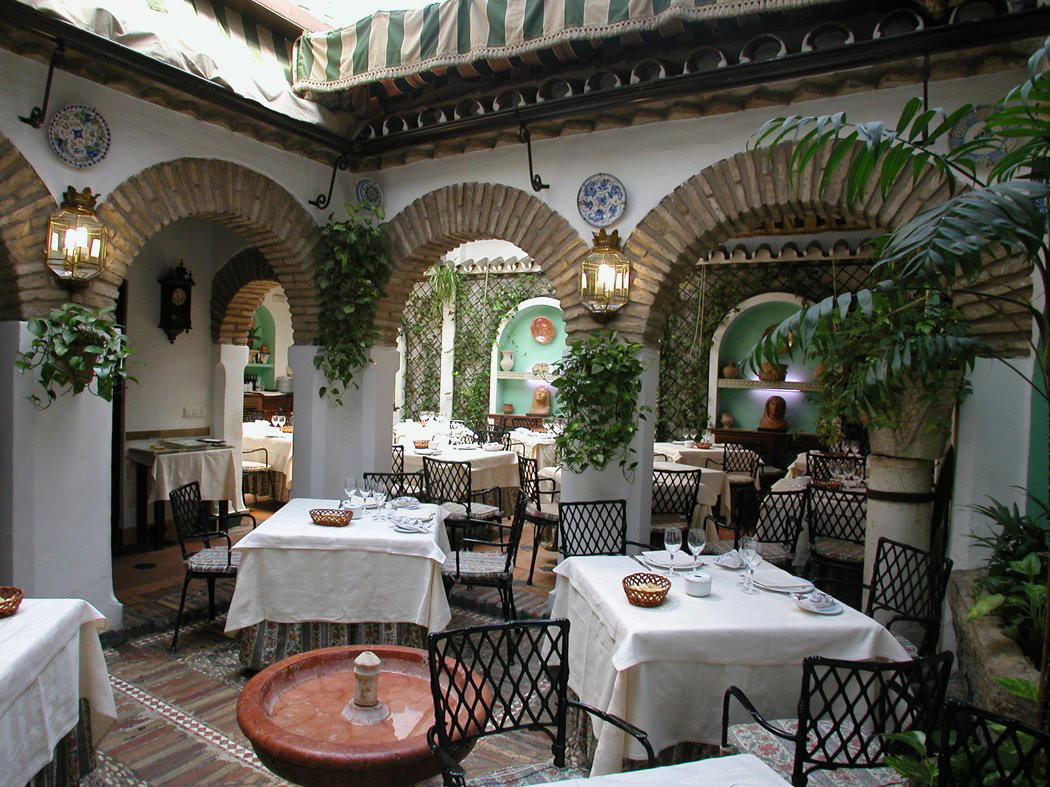
Stone, Shadow, and the Jewish Quarter
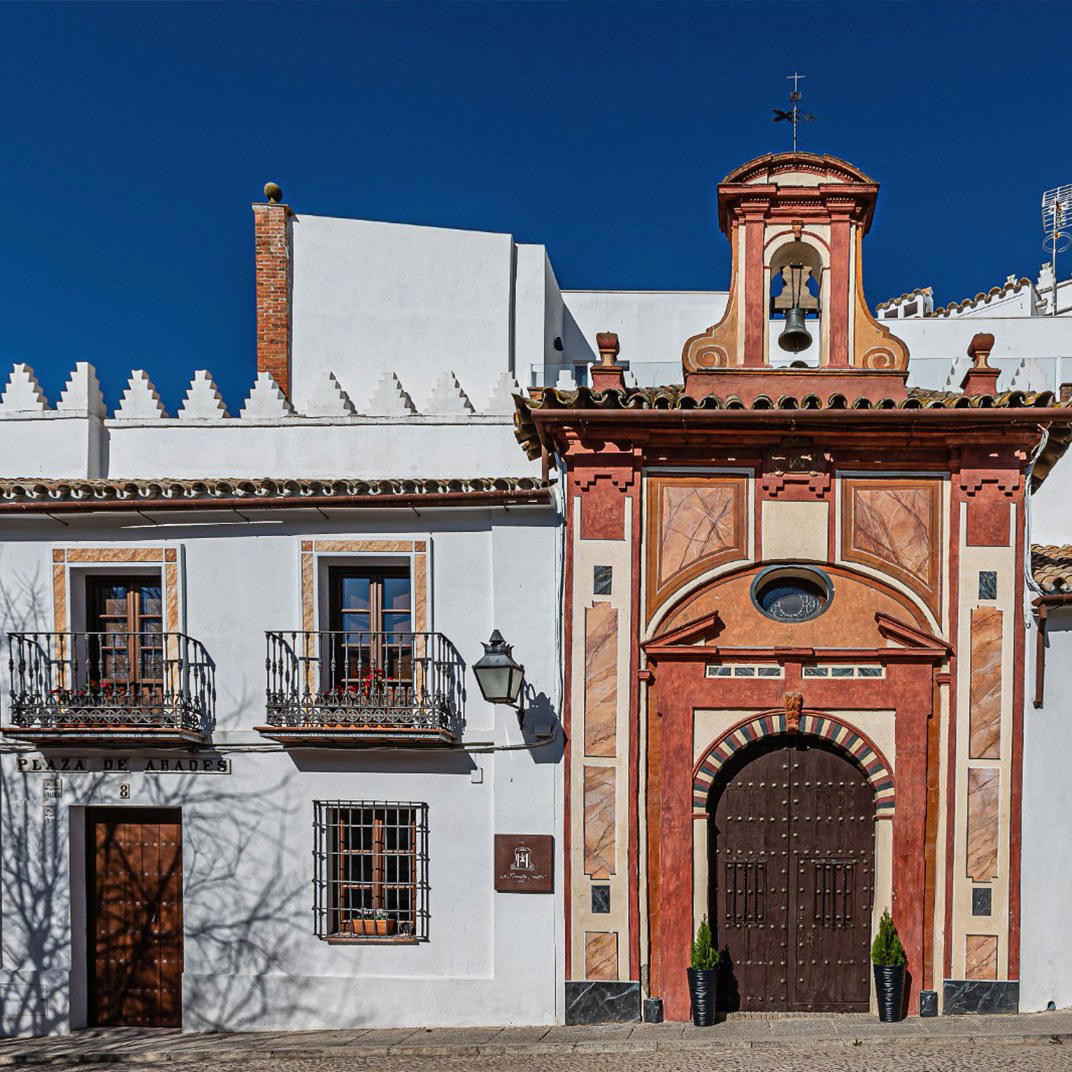
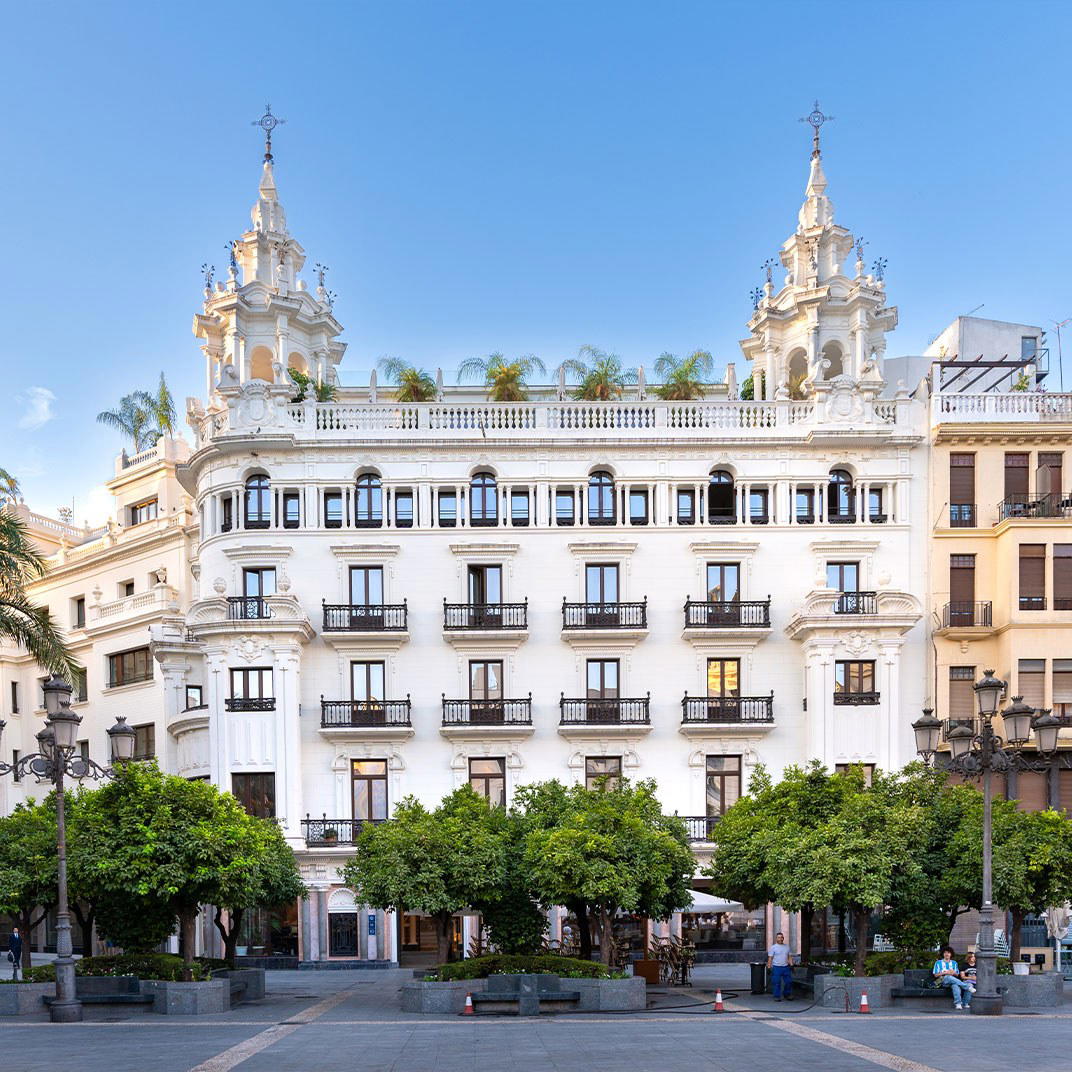
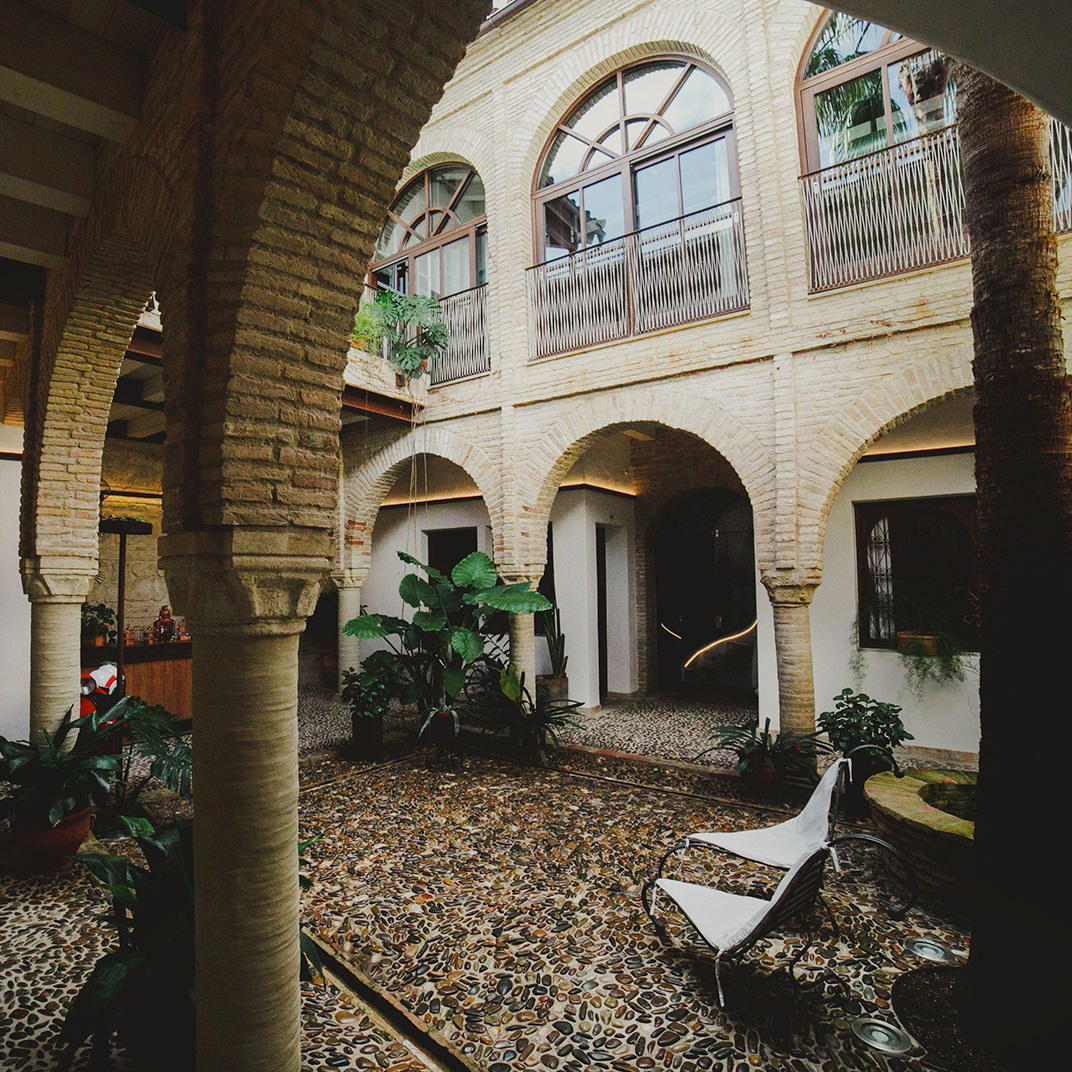
The Judería, Córdoba's medieval Jewish quarter, is one of the most architecturally intact historic districts in Andalusia. Its whitewashed walls and labyrinthine alleys have been drawing visitors since long before the city's tourism infrastructure caught up with its heritage. Within that district, on Calle Romero, El Churrasco occupies the kind of address that takes generations to earn: a building that reads as part of the neighbourhood rather than a tenant inside it. Approaching from the narrow lanes near the Mezquita-Catedral, the restaurant announces itself through texture before signage — old stone, shaded patios, the faint smell of charcoal from the kitchen.
This is Córdoba's established register of traditional dining, a tier that operates quite differently from the contemporary Andalusian cooking appearing elsewhere in southern Spain. Where newer restaurants in cities like Seville or Granada are pushing towards lighter preparations and seasonal tasting formats, places like El Churrasco hold the line on Córdoban technique: slow-cooked meats, rabo de toro (oxtail stew), and the city's distinctive salmorejo, a thicker, richer cousin of gazpacho that divides more credit between bread and olive oil. That division of culinary philosophy between tradition-holders and modernisers defines a productive tension across Spanish regional cooking right now, and El Churrasco sits clearly on one side of it.
What the Glass Tells You About the Kitchen
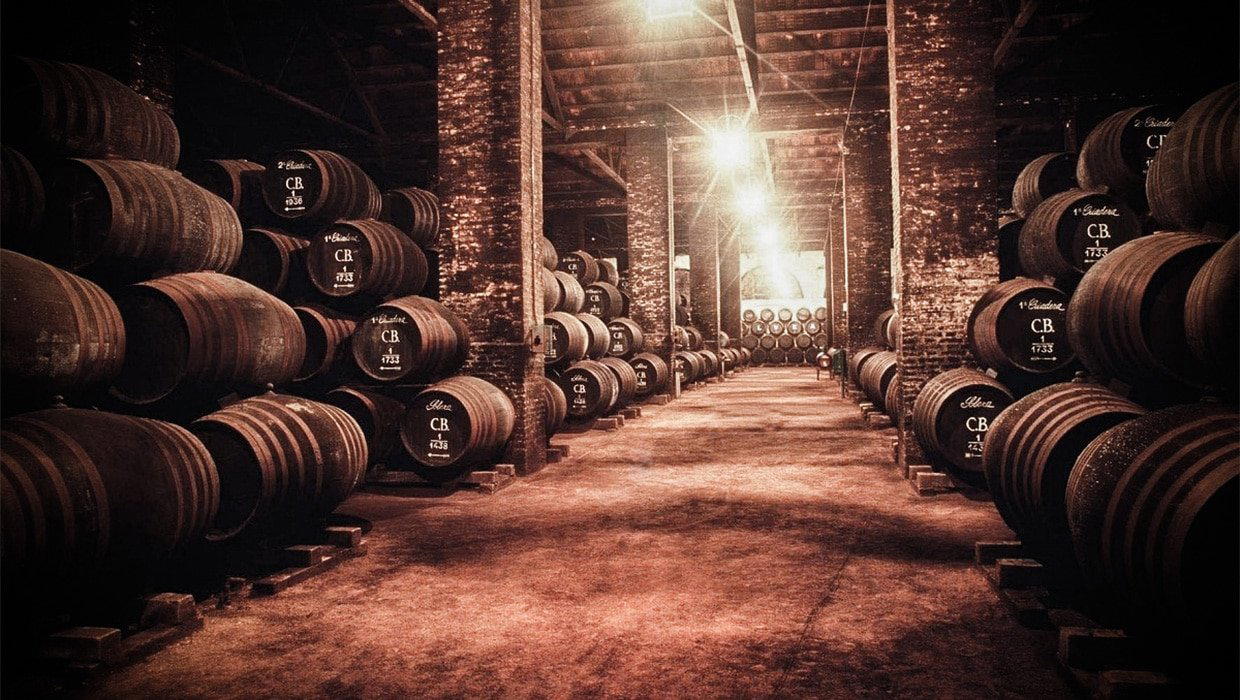
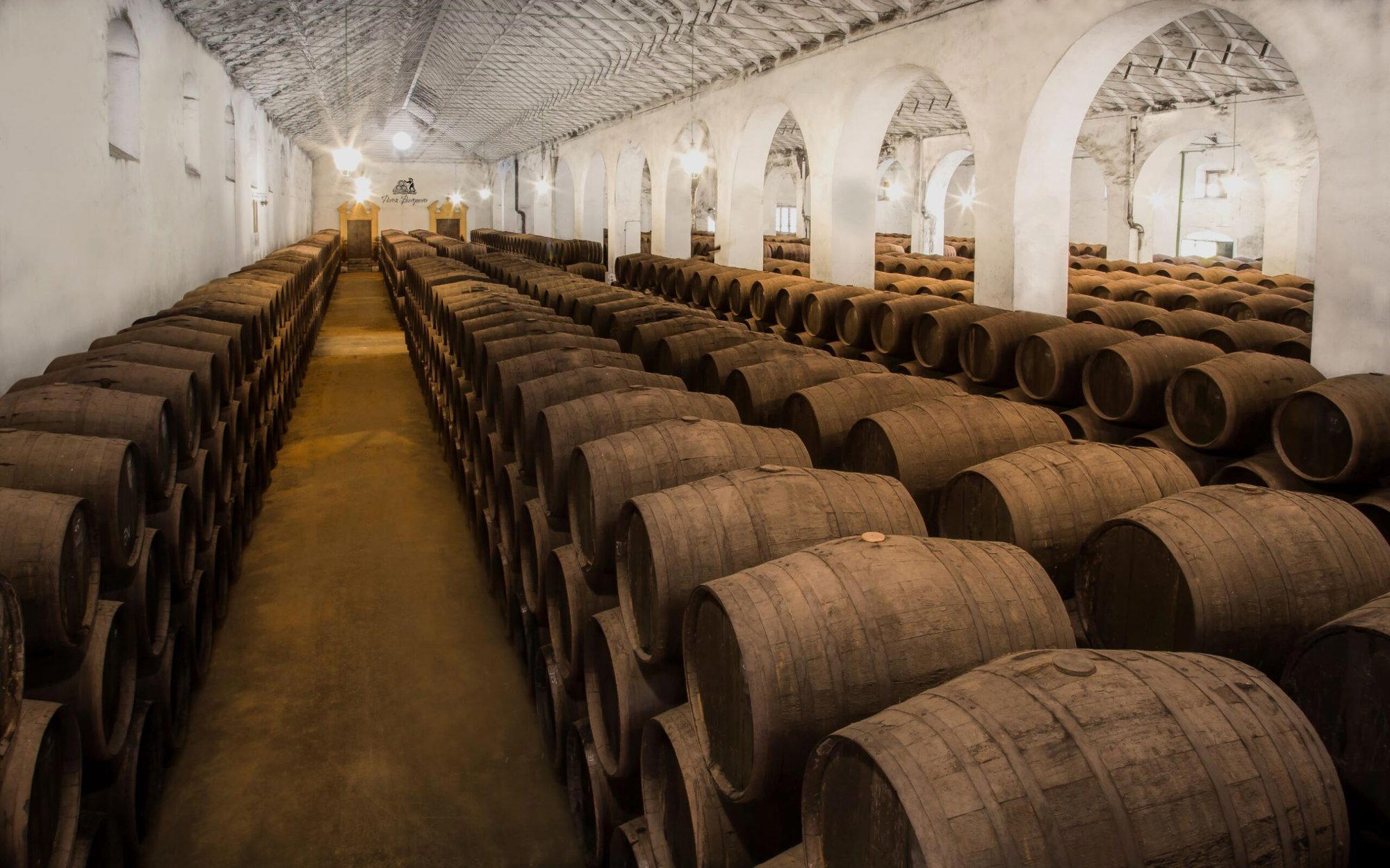
In Andalusia, the drink programme at a traditional restaurant is rarely treated as secondary to the food. If anything, it frames what follows. At El Churrasco, the wine and drinks offering reflects the same commitment to regional character that defines the kitchen. Córdoba sits within Andalusia's broader sherry country, and the relationship between local fino, manzanilla, and Montilla-Moriles wines and Córdoban food is one of the more underexplored pairings in Spanish gastronomy. Montilla-Moriles, the DO wine region directly south of the city, produces unfortified wines with similar profiles to Jerez's finest fino and amontillado but through a different production logic: its Pedro Ximénez grapes, grown in chalky albariza soils, reach natural alcohol levels high enough to skip the fortification step. The result is a wine that sits somewhere between fino sherry and a dry white in texture but has its own identity entirely.
A traditional restaurant in the Judería is one of the more appropriate places in Spain to order a chilled copa of Montilla alongside salmorejo or a plate of jamón ibérico before moving into the main courses. That aperitif logic, an unhurried glass with something light before committing to the full meal, runs through Andalusian dining culture at every price point. Visitors more accustomed to the classic cocktail programmes found at places like Angelita in Madrid or Boadas in Barcelona will find a different register here: not the bartender-driven creative format but a cellar-driven, food-first approach where the drink serves the table rather than competing with it. That is not a limitation; it is a different tradition with its own discipline.
Spain's bar culture varies sharply by region, and the contrast is worth understanding before you travel. The programme at a Basque institution like Bar Stick in Errenteria or an Asturian neighbourhood bar like Bar Guillermina in Cabrales reflects entirely different local drinking grammars. Andalusia's version, at its most traditional, centres on dry, oxidative wines paired with cold cured meats and fried fish. El Churrasco operates within that grammar. For readers exploring the Mediterranean island scene alongside the mainland, the approach at Garito Cafe in Palma de Mallorca or La Margarete in Ciutadella provides useful comparison points for how drink culture shifts even within Spain's south and west.
The Tradition Behind the Menu
Córdoban cuisine is less exported than Sevillano cooking and less written about internationally than Basque or Catalan food, but it has its own coherent identity. The city's position at the heart of Andalusia, with access to olive oil from the Subbética mountains, pork from local dehesas, and vegetables from the Guadalquivir valley, shapes a kitchen logic built around honest sourcing and slow technique rather than showmanship. The signature churrasco itself, the marinated, grilled pork dish that gives the restaurant its name, is a study in how much work goes into apparent simplicity: the marinade, the heat management, the rest period before service.
Salmorejo, perhaps the most Córdoba-specific dish on any traditional menu, deserves attention from anyone arriving from Seville who assumes they already understand cold tomato soups. El Churrasco, as one of the city's established houses for this style of cooking, is a reference point for the dish. The preparation depends heavily on the quality of the olive oil and the proportion of bread: it should be dense enough to hold a garnish of chopped jamón and hard-boiled egg without sinking immediately, pale enough at the edges to show good fat emulsification. That density distinguishes it sharply from the thinner, more liquid gazpacho of the western Andalusian tradition.
For readers exploring Andalusia more broadly, the contrast between traditional restaurant cooking in Córdoba and the contemporary bar snack culture at places like Bar Sal Gorda in Seville or Bar Gallardo in Granada maps onto a broader split in how the region's food culture is evolving. The historic centre restaurants hold the classical line; the younger bars are experimenting with format and influence. Both matter.
Planning Your Visit
El Churrasco sits at C. Romero, 16, in the Centro district of Córdoba, within the boundaries of the Judería. The location places it within walking distance of the Mezquita-Catedral and the Alcázar de los Reyes Cristianos, which means the surrounding streets carry significant tourist foot traffic during spring and summer. Córdoba's heat peaks in July and August, when midday temperatures regularly exceed 40°C, and a shaded interior dining room or a covered patio becomes less a preference and more a practical necessity. The city is far more comfortable in the shoulder months of April, May, September, and October, and those periods also align with Córdoba's main festivals: the Patios Festival in May and the Feria in late May to early June. Table availability at established restaurants in the Judería tightens considerably during these windows, so advance planning matters. Córdoba is well connected by high-speed AVE rail from Madrid (roughly 1 hour 45 minutes) and Seville (roughly 45 minutes), making it a viable day trip from either city, though an overnight stay allows a more thorough engagement with the city's dining and drinking culture. For a broader map of where El Churrasco sits within the city's restaurant scene, see our full Córdoba restaurants guide.
For those building a wider Andalusian itinerary that includes bar culture beyond the restaurant register, the programmes at Garden Bar in Calvia and Bar Leather Apron in Honolulu and Casa Lin in Aviles provide useful reference points for how drinking culture across different contexts compares to the cellar-first approach that defines traditional Andalusian restaurants like El Churrasco.
Comparison Snapshot
Comparable venues nearby, for context on price, style, and recognition.
| Venue | Cuisine | Price | Awards |
|---|---|---|---|
| Restaurante El ChurrascoThis venue — the venue you are viewing | lounge | $30–50 | Star Wine List · Macarfi 7.6 Food Rating |
Recognition history
Dated appearances from independent guides and award organizations, with the underlying list record or original source where available.
Star Wine List
Star Wine List
Macarfi 7.6 Food Rating
Macarfi

Details
- Classic
- Lively
- Elegant
- Rustic
- Date Night
- Group Outing
- Celebration
- Special Occasion
- Historic Building
- Standalone
- Standing Room
- Seated Bar
- Counter Only
- Booth Seating
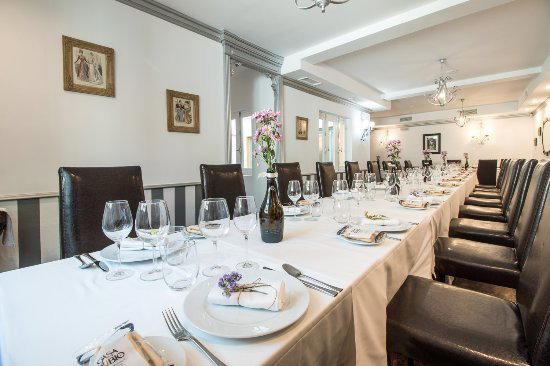
- Private Rooms
- Conventional Wine
Current opening hours
- Monday
- 1–4 PM, 8:30–11:30 PM
- Tuesday
- 1–4 PM, 8:30–11:30 PM
- Wednesday
- 1–4 PM, 8:30–11:30 PM
- Thursday
- 1–4 PM, 8:30–11:30 PM
- Friday
- 1–4 PM, 8:30–11:30 PM
- Saturday
- 1–4 PM, 8:30–11:30 PM
- Sunday
- 1–4 PM, 8:30–11:30 PM
Hours can change for holidays and private events. Last verified .
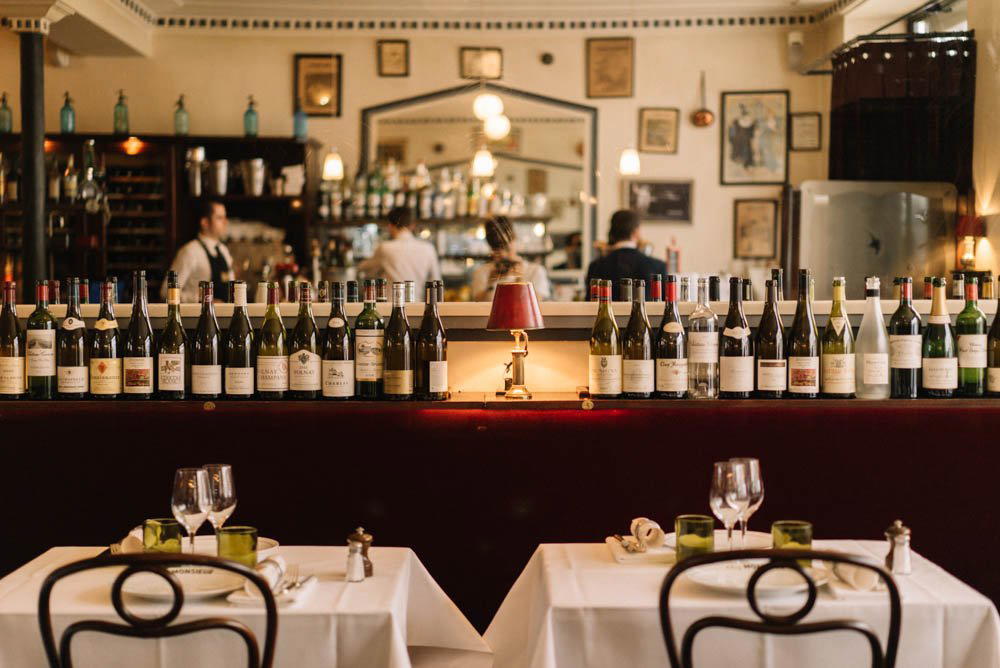
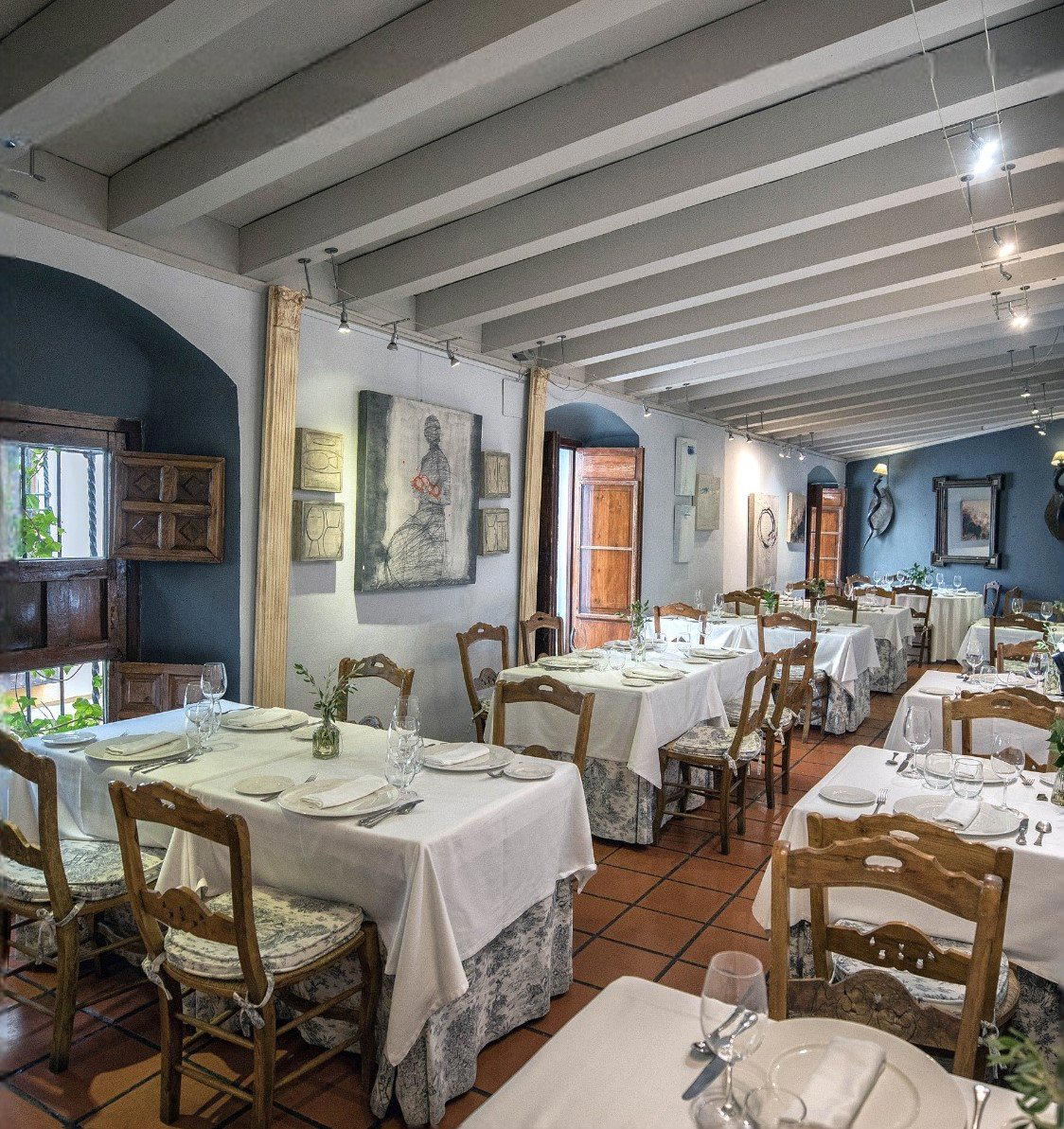
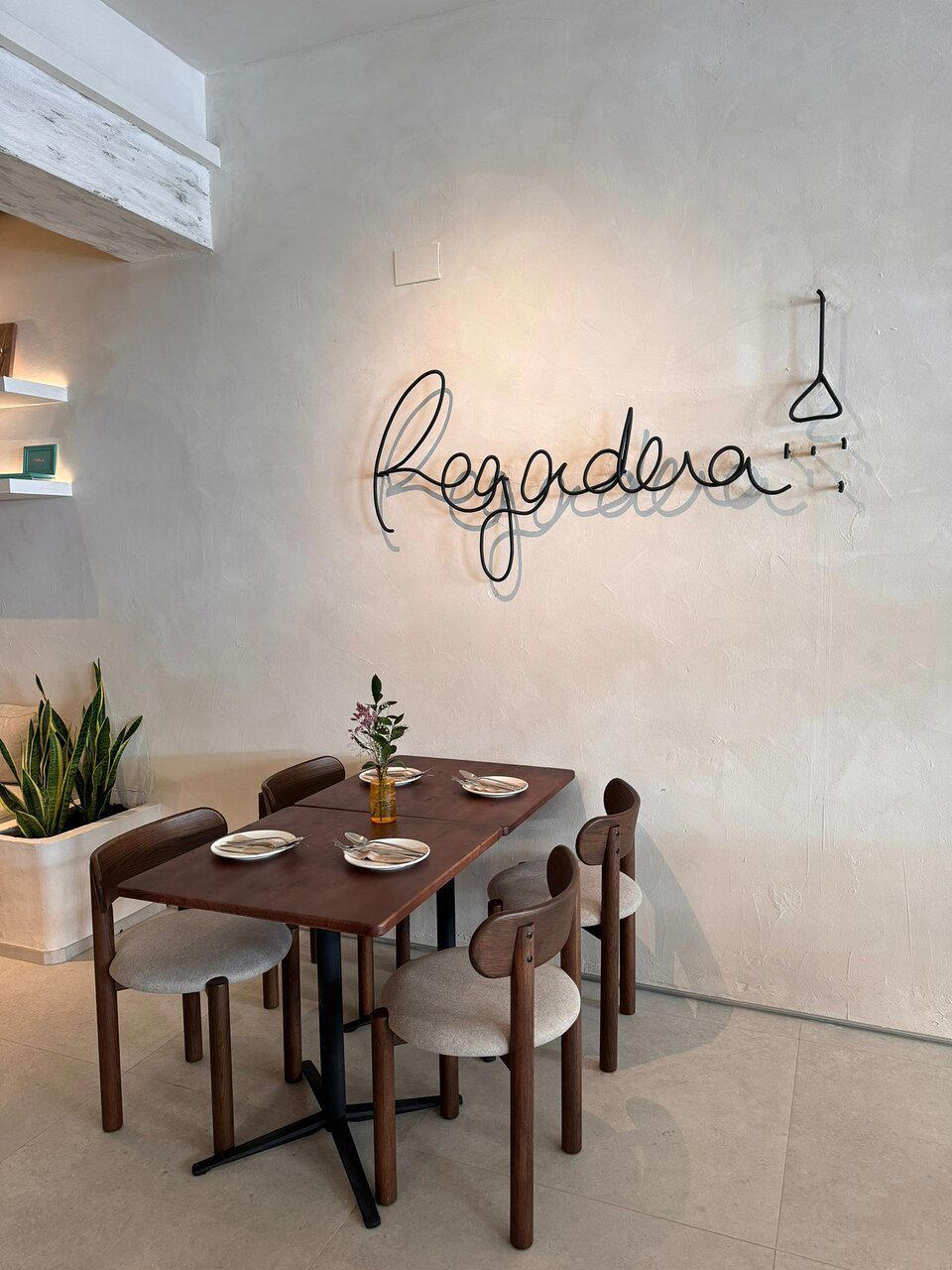
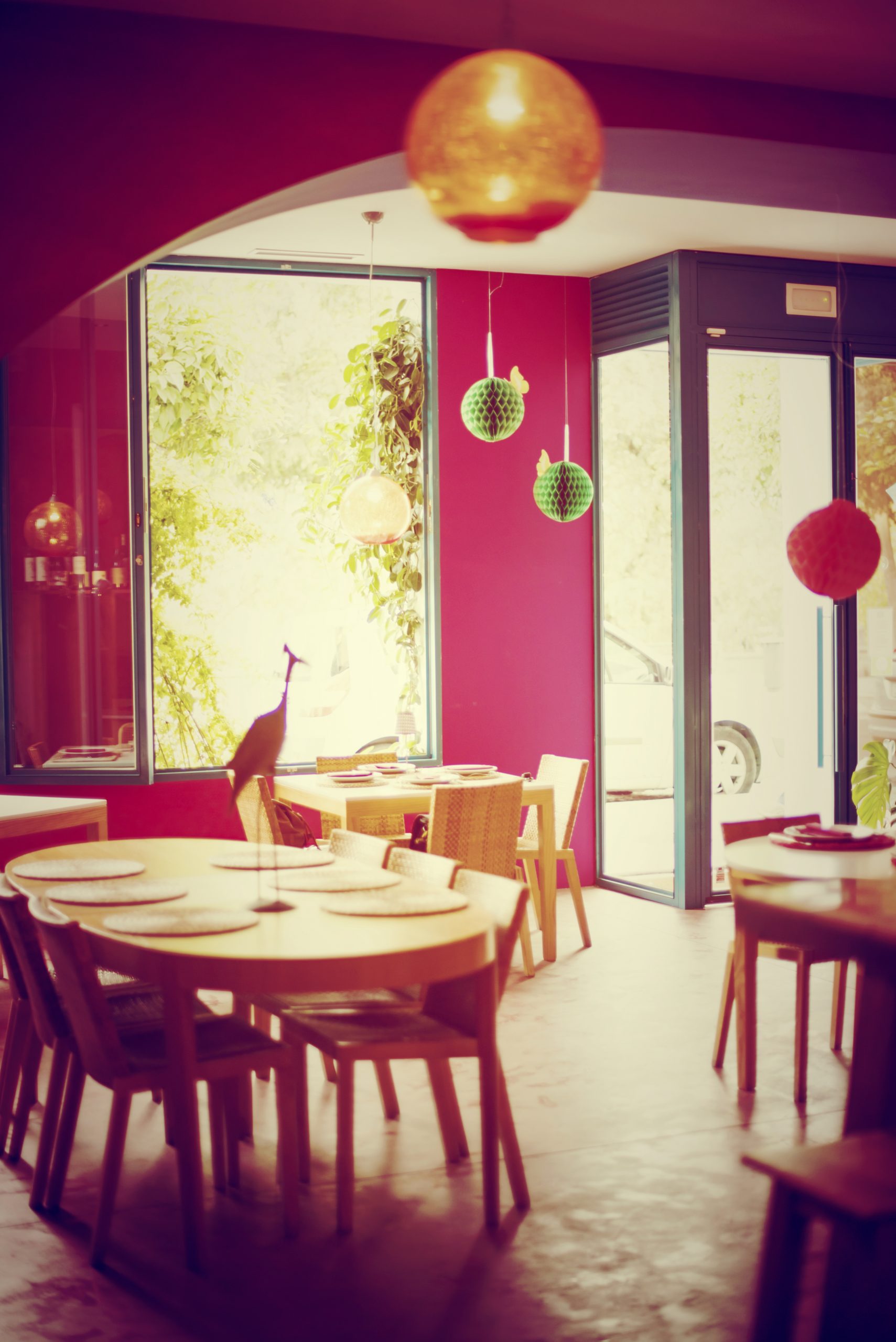
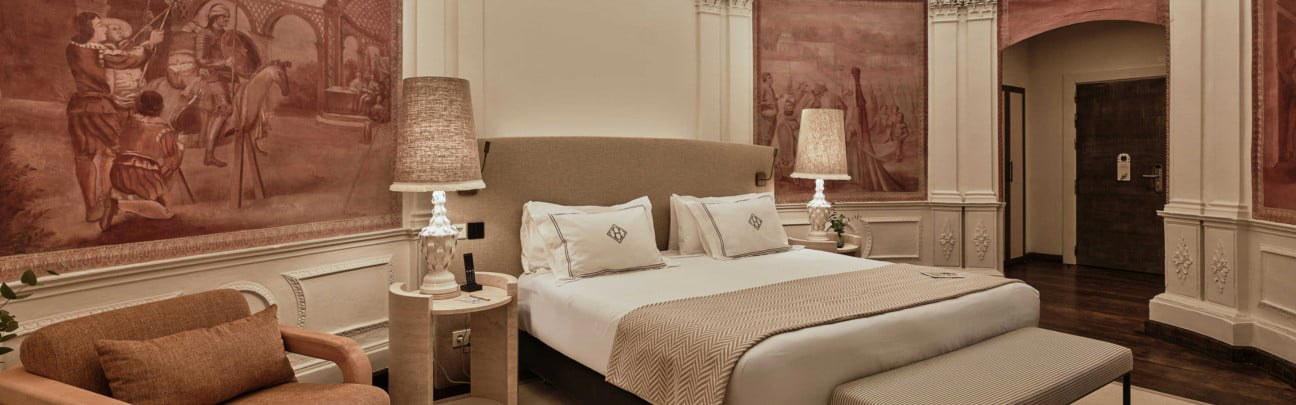
Ground floor features a lively, animated bar atmosphere with exposed meat display fridges and counter seating; upper floors offer more formal, elegant dining rooms with traditional Spanish decor and a wall of memories.