Azabudai Hills is Tokyo's most ambitious urban development of the 2020s, a mixed-use district in Minato that integrates residences, galleries, restaurants, hotels, and green space across a single reimagined hillside. Opened in late 2023, it repositioned Azabu as a serious destination for international visitors and Tokyo residents alike, placing the neighbourhood alongside Roppongi and Toranomon in the city's premium district tier.

Pearl is the En Primeur Club membership app — saves, bookings, and concierge access live there. Same editors, same standards.
- Address
- 1 Chome-3-1 Azabudai, Minato City, Tokyo 106-0041, Japan
- Phone
- +81 3 6433 8100
- Website
- azabudai-hills.com
- Directions
- Get directions
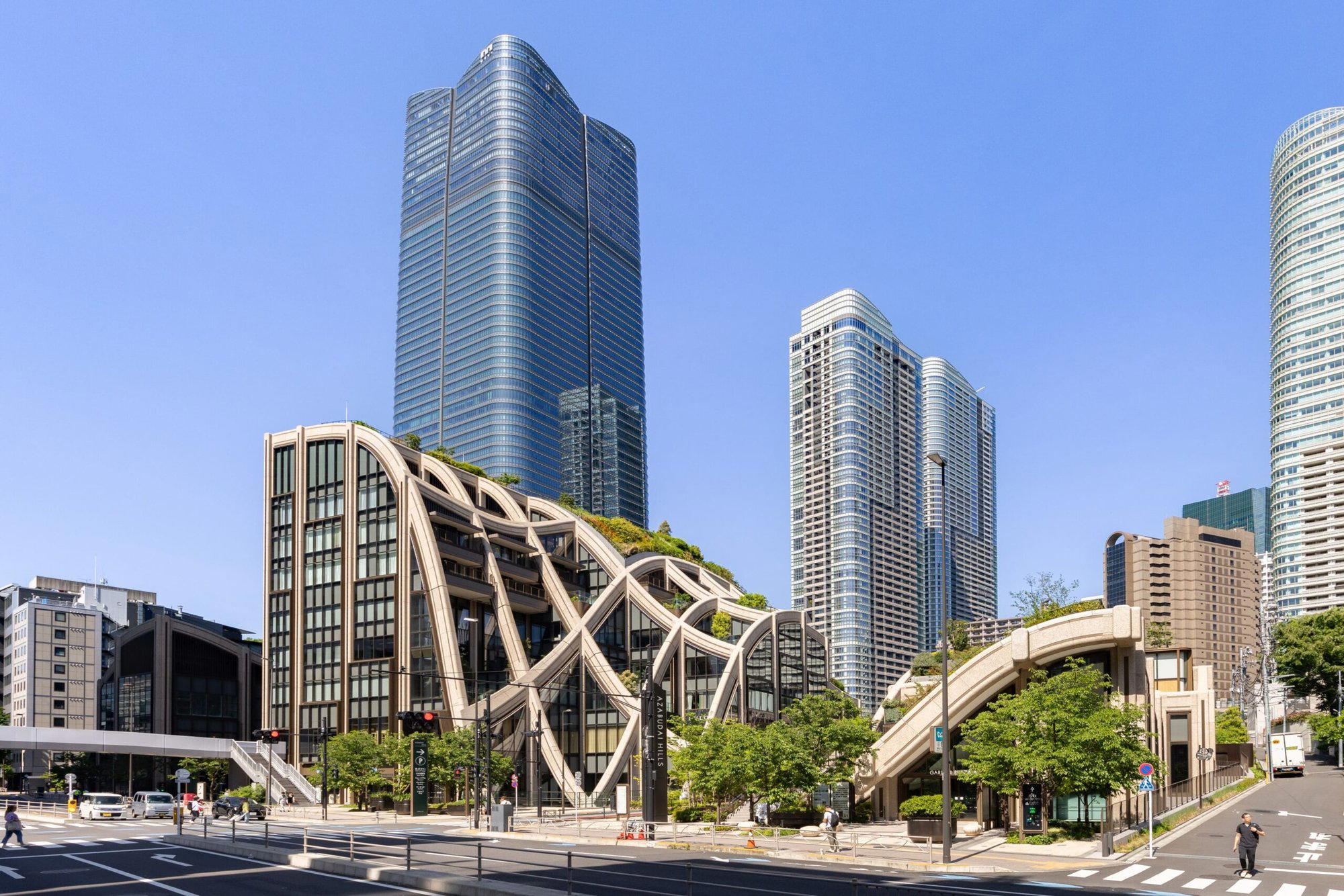
A New District, Not Just a Development
Tokyo has a habit of building at a scale that redefines the surrounding neighbourhood rather than simply adding to it. Azabudai Hills, which opened in November 2023 in Minato City, belongs to that tradition. Developed by Mori Building Company, the same firm behind Roppongi Hills and Toranomon Hills, it represents the largest urban redevelopment project in Tokyo in over two decades. The site spans roughly 8.1 hectares, incorporates three major tower structures, and includes residential units, office floors, retail, galleries, green space totalling approximately 2.4 hectares, and a hotel operated by Aman. For context, that Aman property, Aman Tokyo, operates separately in Otemachi and predates this development; the Azabudai Hills hotel is a distinct Aman address, Janu Tokyo, which marks that brand's global debut. JANU Tokyo sits within the tallest of the three towers and brings a social, wellness-forward positioning that differentiates it from the quieter register of the original Aman Tokyo.
What distinguishes Azabudai Hills from earlier Mori projects is the deliberate integration of cultural infrastructure alongside commercial and hospitality functions. The district includes a significant art gallery space operated under the Mori Art Museum umbrella, a full-service medical facility, and international school provision, all of which signal that this was conceived as a place to live and work at the highest tier, not simply a destination for visitors passing through. That ambition places it in a different category from a shopping complex or hotel district, and it shapes the experience of arriving there accordingly.
The Ritual of Arrival and Orientation
Azabudai Hills sits between Kamiyacho and Roppongi-Itchome subway stations on the Hibiya Line, and the walk from either entrance involves a gradual ascent through a range of curved stone paving, planted terraces, and glass facades that frame sky between towers. The approach is deliberate. Unlike Roppongi Hills, which announces itself through density and vertical spectacle from street level, Azabudai Hills reveals itself progressively. The central garden, roughly 6,000 square metres of open green space at the heart of the complex, functions as an orientation point and a counterweight to the surrounding towers. Visitors who bypass this space and move directly into the retail or dining levels miss the pacing that Mori Building built into the site plan.
This quality of paced arrival connects to a broader dining and hospitality custom in Tokyo's premium districts: the expectation that the approach to an experience is itself part of the experience. The same principle governs kaiseki restaurants, where guests are guided through a garden entrance before reaching the dining room, and it operates here at urban scale. The movement from street to garden to tower lobby to restaurant or hotel lobby carries that same choreographic logic, even in a contemporary mixed-use format.
Dining and the Structure of a Visit
The dining offering at Azabudai Hills reflects the same international ambition as the broader development. The retail and restaurant floors incorporate a range of formats from fast-casual to formal, with a notable cluster of international names alongside Japanese operators. The Mori Building approach to tenant curation at earlier projects like Roppongi Hills established a precedent for attracting operators who would not typically commit to a shopping complex context, and Azabudai Hills follows that model.
For visitors approaching a meal here through the lens of Tokyo dining ritual, a few structural realities apply. Many of the more formal operators within the complex will require reservations, and given the relative newness of the district through 2024, some restaurants moved through a period of high demand as Tokyo diners and international visitors worked through the opening programme. Booking in advance, particularly for dinner, reflects standard practice at this tier of Tokyo dining regardless of the specific venue. The broader Minato dining scene, which takes in Azabu-Juban to the south and the Toranomon corridor to the north, sets the competitive frame: this is a neighbourhood where the expectation of craft, sourcing discipline, and service formality runs consistently high.
Visitors staying in the district have the advantage of direct access to JANU Tokyo's food and beverage programme, which is embedded within the hotel rather than operating independently. Those staying elsewhere in central Tokyo, including at Bvlgari Hotel Tokyo in Ginza, Four Seasons Hotel Tokyo at Otemachi, Palace Hotel Tokyo, Andaz Tokyo, or The Capitol Hotel Tokyu, will find the site a 15 to 20 minute taxi ride from most central Tokyo addresses, and the area rewards at least a half-day commitment to do the scale justice. Arriving solely for a single lunch and departing misses the spatial logic of the development.
Cultural Programming and the Gallery Tier
One of the more considered elements of the Azabudai Hills proposition is the gallery space. The Mori Art Museum at Roppongi Hills established that Mori Building would treat cultural programming as a structural element of its developments rather than a decorative afterthought. The gallery at Azabudai Hills continues that commitment with a programme oriented toward contemporary art, with international artists represented alongside Japanese practitioners. The scale of the space allows for installation work that smaller Tokyo galleries cannot accommodate, which gives it a distinct role in the city's art circuit rather than simply duplicating existing options.
For visitors building a cultural itinerary around a Tokyo stay, Azabudai Hills fits between the density of Roppongi's museum quarter and the quieter, more editorial experience of gallery neighbourhoods like Kiyosumi-Shirakawa. It operates at an institutional scale without the formality of a national museum, which makes it accessible to visitors who may not be committed art-travellers but will respond to well-curated large-format work in an architecturally coherent setting.
Planning a Visit
Azabudai Hills is accessible via Kamiyacho Station (Hibiya Line) or Roppongi-Itchome Station (Namboku Line), both within a short walking distance of the main complex. Taxis from central Tokyo hotels reach the site in under 20 minutes outside peak hours. The district operates across multiple opening schedules depending on the operator, with retail floors generally running standard mall hours and hotel facilities following their own programming. Visitors should confirm specific restaurant and gallery hours directly before arrival, as these vary by tenant and season.
For those extending travel beyond Tokyo, the premium ryokan and resort tier in Japan includes properties such as Gora Kadan in Hakone, Zaborin in Kutchan, Asaba in Izu, and Amanemu in Mie, each offering a register entirely distinct from the urban density of Azabudai Hills. For a considered survey of where Tokyo dining and hospitality sits across the city's neighbourhoods, our full Tokyo restaurants guide maps the key areas and formats. Those travelling further into the country might also consider HOTEL THE MITSUI KYOTO, Halekulani Okinawa, Benesse House in Naoshima, Nishimuraya Honkan in Kinosaki-cho, ENOWA Yufu, Fufu Kawaguchiko, Fufu Nikko, Jusandi in Ishigaki, and Sekitei in Hatsukaichi-shi.
Recognition Snapshot
A quick snapshot of similar venues for side-by-side context.
| Venue | Price | Awards |
|---|---|---|
| Azabudai HillsThis venue — the venue you are viewing | $1,000–1,500 | Not listed |
| Bvlgari Hotel Tokyo | Not listed | 3 Michelin Keys · World's 50 Best #24 |
| Aman Tokyo | Not listed | 2 Michelin Keys · World's 50 Best #11 |
| Four Seasons Hotel Tokyo at Otemachi | Not listed | 3 Michelin Keys · La Liste Top Hotels |
| Palace Hotel Tokyo | Not listed | 3 Michelin Keys · World's 50 Best #73 |
| Andaz Tokyo | $300–500 | 1 Michelin Key |
Continue exploring
More in Tokyo
Hotels in Tokyo
Browse all →


Bars in Tokyo
Browse all →




Restaurants in Tokyo
Browse all →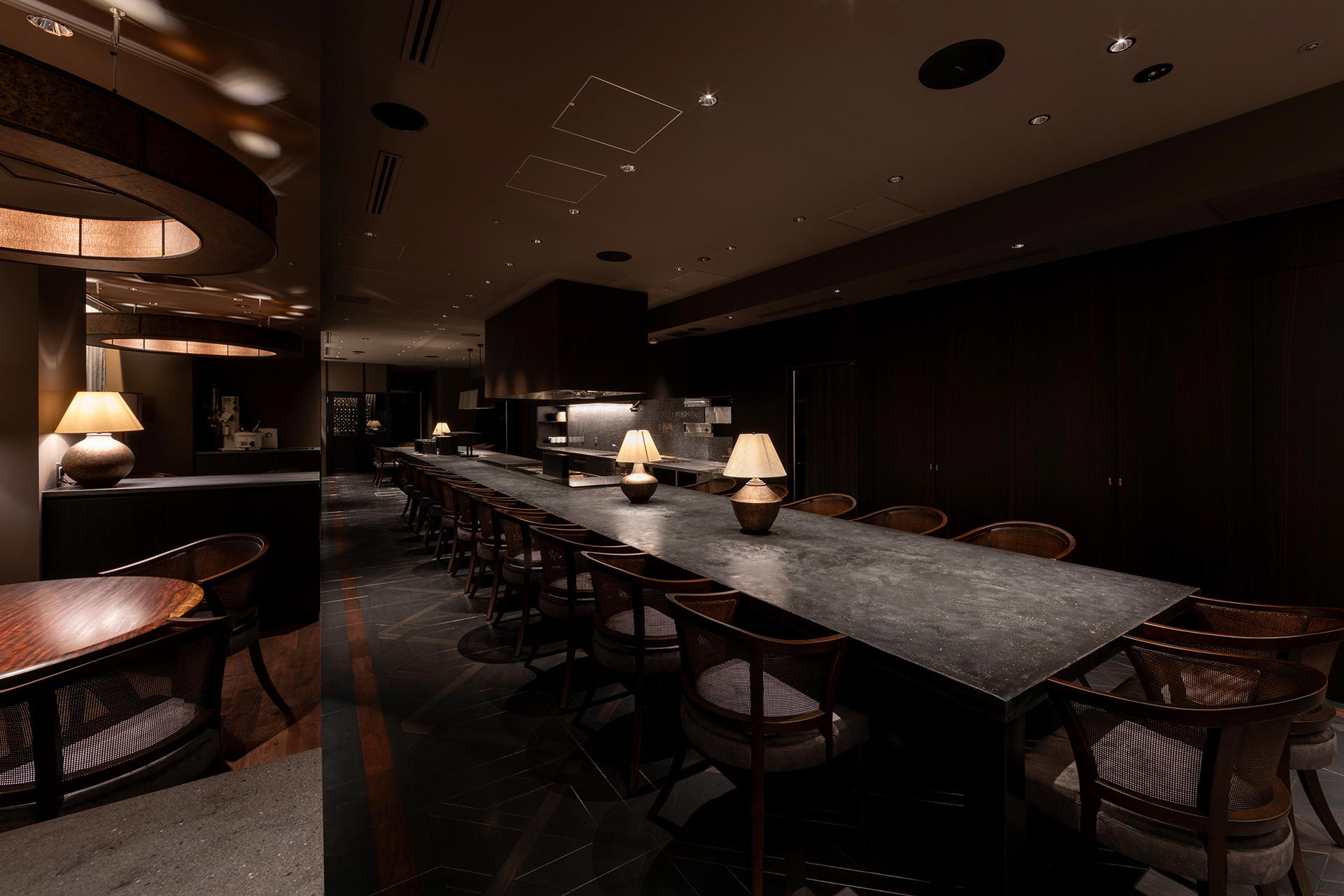


Details
- Modern
- Sophisticated
- Minimalist
- Elegant
- Business Trip
- Weekend Escape
- Rooftop Pool
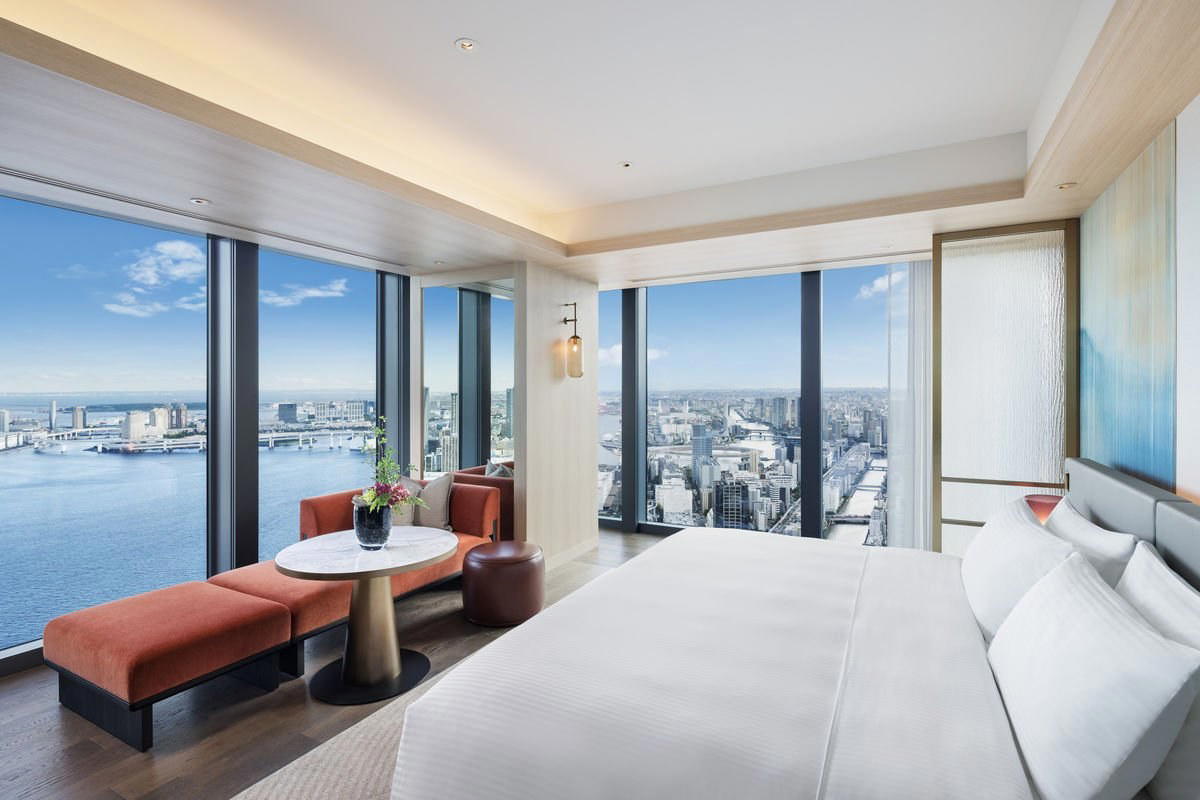
- Panoramic View
- Pool
- Spa
- Fitness Center
- Room Service
- Concierge
- Valet Parking
- Skyline
- Elevator
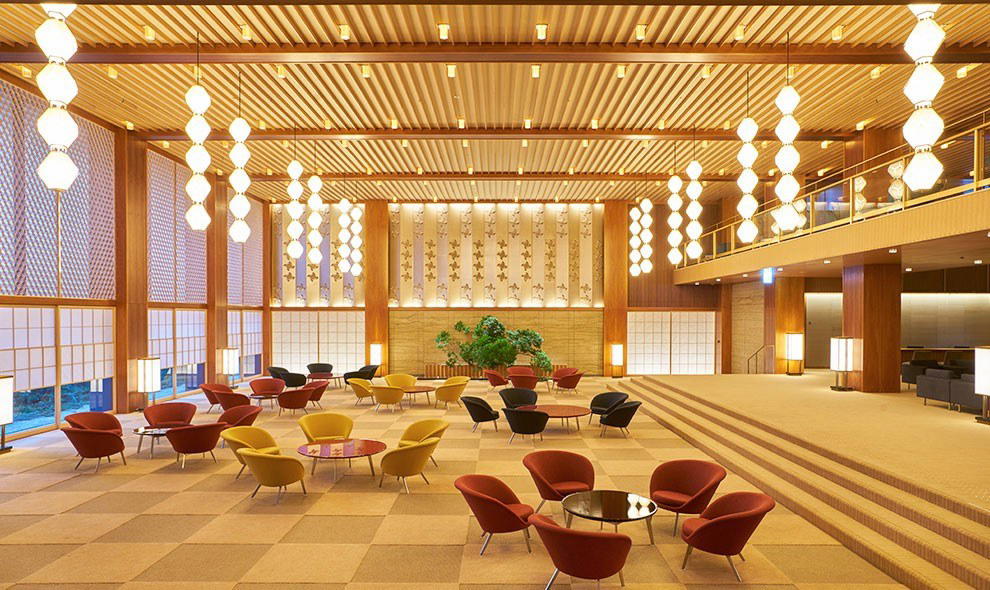
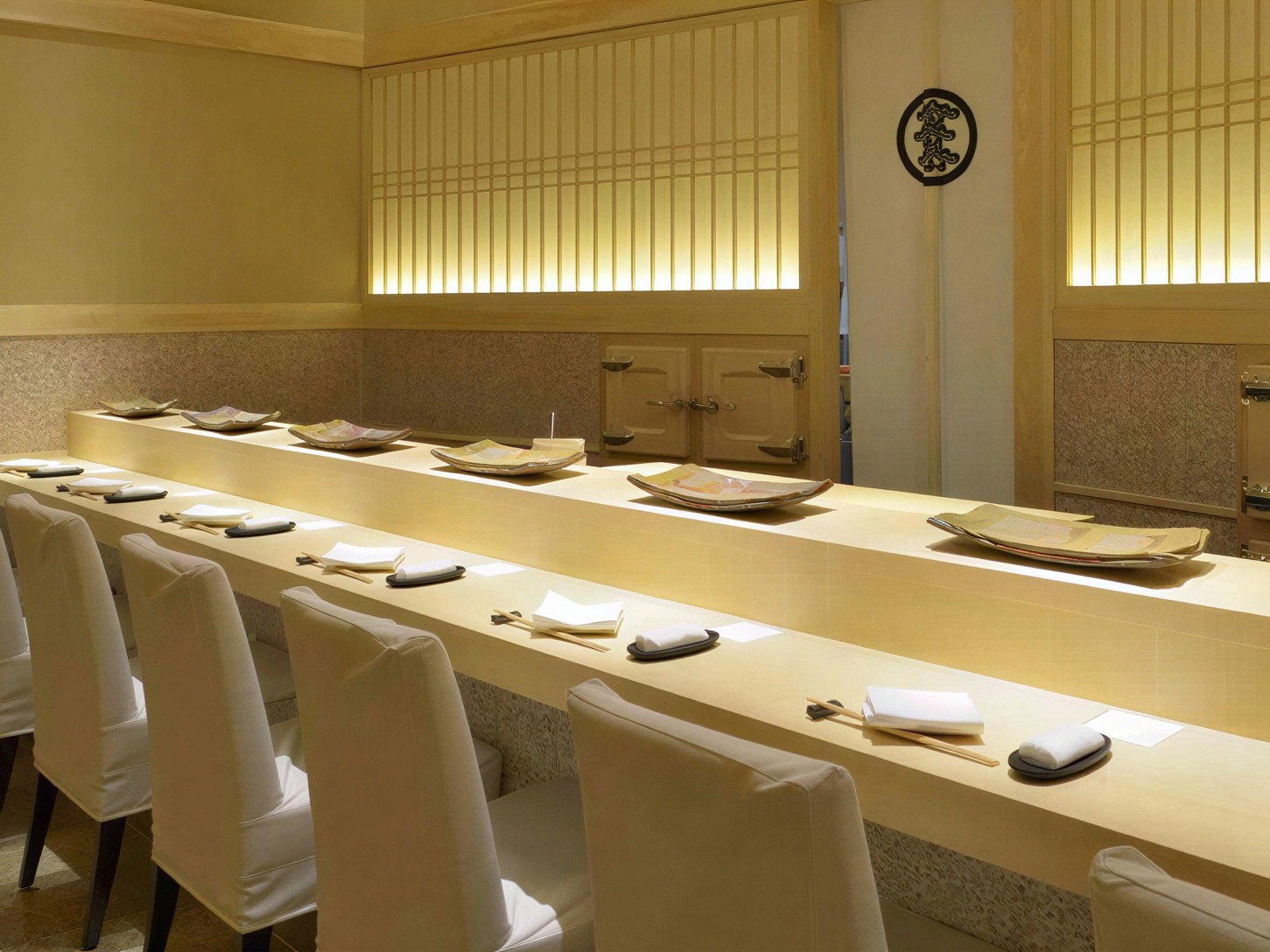
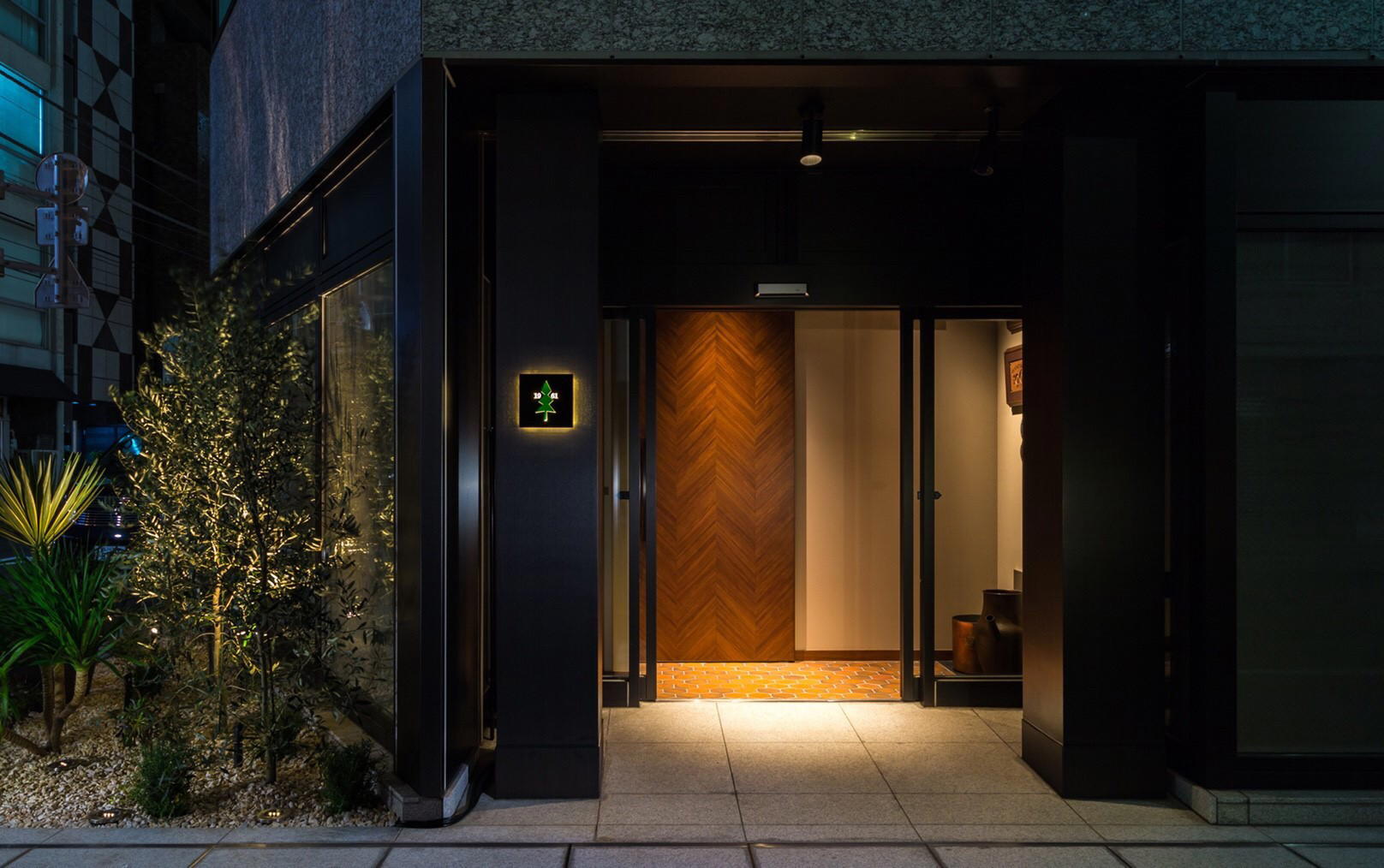
Minimalist Japanese design with warm wood tones, grey accents, marble, bonsai trees, and natural light creating an inviting urban warmth.