



Star Wine List · Virtuoso Luxury Hotel Partner · Forbes 4-Star
Occupying the upper floors of Toranomon Hills Mori Tower, Andaz Tokyo Toranomon Hills positions itself at the intersection of Tokyo's financial district and its high-rise hospitality tier. The property holds a 2026 Star Wine List award and delivers 164 rooms averaging 50 square metres, each with deep-soak bathrooms drawn from Japanese bath culture and skyline views from floors 47 to 50.

Pearl is the En Primeur Club membership app — saves, bookings, and concierge access live there. Same editors, same standards.
- Address
- 1-23-4, Toranomon, Minato-ku Tokyo
- Phone
- 81-3-6830-1234
- Website
- tokyo.andaz.hyatt.com
- Directions
- Get directions
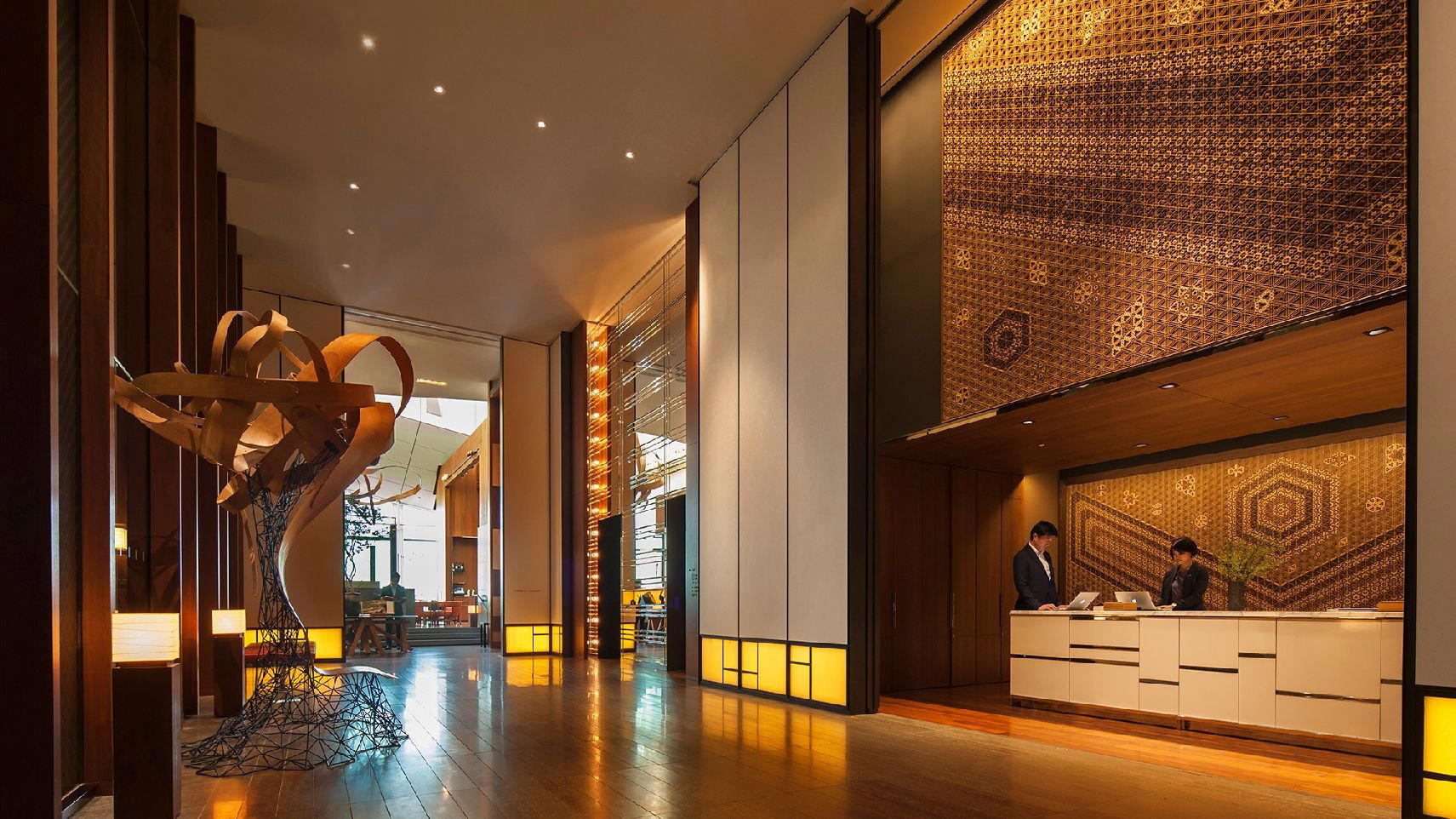
High Floors, Grounded in Place: Toranomon's Vertical Hotel Tier
Tokyo's premium hotel market has sorted itself into two broad camps over the past decade: landmark properties that anchor historic districts (the grounds of Edo-era estates, the Imperial Palace moat, temple precincts) and a newer generation of sky-high addresses that trade altitude for urban panorama. Andaz Tokyo Toranomon Hills belongs firmly to the second category, occupying the leading six floors of Toranomon Hills Mori Tower at 1-23-4, Toranomon, Minato-ku. The building sits in the Toranomon Hills development, one of the city's more deliberate attempts to create a mixed-use vertical district in what has historically been a corridors-and-towers business zone. For context, the name Toranomon translates to 'gate of the tiger,' a reference to one of the fortified bridges that once marked the outer moat of Edo Castle during the Tokugawa shogunate (1603–1867). The neighbourhood's identity as a serious, administrative zone runs deep; the tiger gate was placed here symbolically to ward off misfortune from the capital's political core.
That historical weight makes the area an interesting choice for a hotel that leans into the casual-luxury register the Andaz brand occupies globally. Where properties like Aman Tokyo or Four Seasons Hotel Tokyo at Otemachi calibrate their formality to match the weight of their surroundings, Andaz operates with a deliberately lower register of service: hosts rather than butlers, complimentary non-alcoholic minibar rather than a formal amenity structure, a no-script service philosophy that functions more like a well-briefed concierge at a private members' house than a traditional luxury hotel floor operation. Whether that register suits the Toranomon context is a fair question, and one the property answers by leaning on the views and the building itself as primary arguments.
The Room Tier: What 50 Square Metres Means at This Altitude
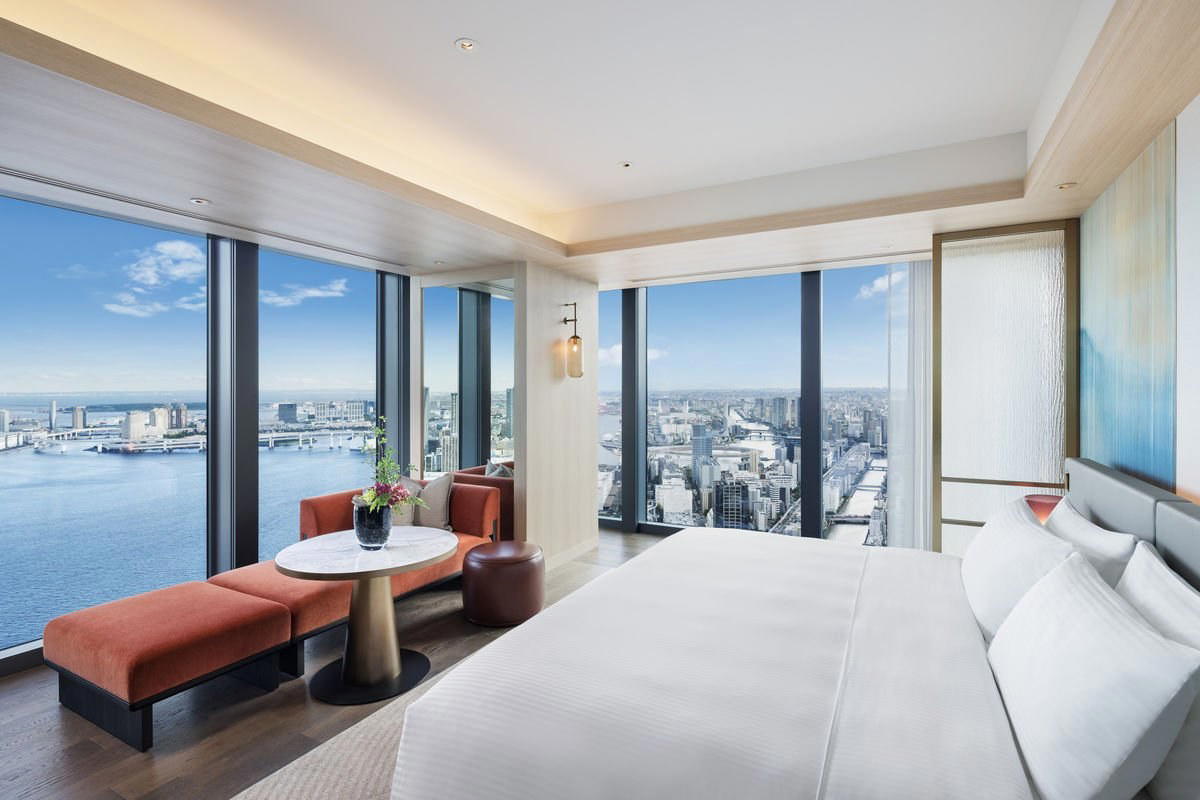
The property contains 164 guestrooms, including eight suites, spread across floors 47 to 50. Standard guestrooms average 50 square metres (roughly 540 square feet), which places them at the larger end of Tokyo's premium hotel room inventory. In a city where high-end properties frequently offer rooms in the 35 to 45 square metre range at comparable price points, the additional floor area registers as a material distinction rather than a marketing footnote.
The bathroom is the most deliberate design statement in the room. Deep soaking tubs, drawn from the tradition of the Japanese ofuro, anchor the space and reflect a broader pattern in how Tokyo's luxury hotels negotiate between international guest expectations and local bathing culture. Properties across the city's top tier, from the Palace Hotel Tokyo to the Bvlgari Hotel Tokyo, have each found different solutions to this same negotiation. At Andaz Tokyo Toranomon Hills, the soaking tub functions as both cultural reference and practical draw, particularly given that the rooms' views of the Tokyo skyline from floors 47 to 50 turn bathing into a specific kind of urban spectacle. Complimentary Wi-Fi, wired internet, local phone calls, and non-alcoholic minibar items are included as standard, a policy that removes the transactional friction that mars many high-floor Tokyo stays.
Wine Recognition and the Dining Floor
Property holds a 2026 Star Wine List award, which places it inside a recognised international benchmark for hotel wine programmes. The Star Wine List designation is awarded on the strength of a property's list depth, producer range, and pricing transparency, and its presence here signals that the hotel's beverage operation is taken seriously as a standalone programme rather than as a room-service afterthought. For Tokyo properties in this tier, wine list recognition increasingly functions as a differentiator: the city's restaurant wine culture has matured considerably over the past decade, and hotel programmes that fail to keep pace lose credibility with the guest segment that travels between Tokyo, London, and New York and knows what a coherent list looks like.
Hotel operates multiple restaurants and bars across its floors, though specific outlet details fall outside what can be confirmed from available data. What the Star Wine List award does confirm is that at least one programme within the building has been assessed and found credible by an external body. For guests planning around wine-focused evenings, that external validation is a more reliable signal than in-house descriptions. For a broader view of where the hotel's dining sits within Tokyo's restaurant scene, our full Tokyo restaurants guide maps the city's dining options by neighbourhood and category.
Toranomon as a Base: What the District Offers
Toranomon's position between the Imperial Palace and Tokyo Tower gives it access to several of the city's major cultural and historical points without requiring the guest to be based in a tourist-dense neighbourhood like Shinjuku or Shibuya. Historical landmarks within the area include Atago Shrine, Zojoji Temple, and Hamarikyu Gardens, and the district still contains traditional craftsmen's workshops that predate the Mori Tower development by generations. For guests who want to access central Tokyo's business infrastructure during the day and reach quieter, historically weighted neighbourhoods on foot or by short taxi, Toranomon functions as a credible operational base.
Guests prioritising the Andaz service format specifically may also consider Andaz Tokyo, the brand's earlier Tokyo property, which operates in a different neighbourhood with a different atmosphere. The Toranomon Hills address adds the specific weight of being inside a major mixed-use development, which brings with it retail, office, and cultural infrastructure that a standalone hotel building cannot replicate.
For those extending a Tokyo stay into wider Japan, the country's premium ryokan and resort tier offers a complete tonal shift from the Toranomon high-rise experience. Properties like Gora Kadan in Hakone, Asaba in Izu, or Zaborin in Kutchan represent the ground-level, nature-rooted end of Japan's hospitality range, while HOTEL THE MITSUI KYOTO in Kyoto and Amanemu in Mie occupy the premium middle ground between urban luxury and immersive natural setting. For island-specific itineraries, Halekulani Okinawa in Okinawa and Jusandi in Ishigaki provide a Pacific counterpoint. Further north, Benesse House in Naoshima remains the reference point for art-integrated stays in Japan's Seto Inland Sea. Additional regional options include ENOWA Yufu in Yufu, Fufu Kawaguchiko in Fujikawaguchiko, Fufu Nikko in Nikko, Nishimuraya Honkan in Kinosaki-cho, and Sekitei in Hatsukaichi-shi, each representing distinct regional hospitality traditions worth mapping against an Andaz Tokyo stay for contrast.
Planning a Stay
The hotel's address at 1-23-4, Toranomon, Minato-ku places it within direct access of Toranomon Station on the Tokyo Metro Ginza Line and within a short walk of Kamiyacho Station. The AO Spa on property offers treatments described as physiology-tailored, a positioning consistent with Tokyo's broader move toward personalised wellness programming at the premium hotel tier. Meeting and event facilities are available through the hotel's Studio format, which the property positions for smaller-scale professional functions including workshops and product launches. For those travelling internationally and cross-referencing with other Aman properties, Aman New York and Aman Venice sit at the highest tier of that brand's portfolio and provide a useful benchmark for evaluating what different brand families deliver at altitude. The The Fifth Avenue Hotel in New York City also occupies a comparable market position for travellers moving between New York and Tokyo in the same itinerary.
Cuisine Lens
Comparable venues nearby, for context on price, style, and recognition.
| Venue | Cuisine | Price | Awards | Notes |
|---|---|---|---|---|
| Andaz Tokyo Toranomon HillsThis venue — the venue you are viewing | Lifestyle hotel blending Japanese tradition with contemporary elegance | $300–500 | Star Wine List · Virtuoso Luxury Hotel Partner | Not listed |
| Cerulean Tower Tokyu Hotel | High-rise luxury tower with executive floors and club lounge privileges | Not listed | Michelin Selected · Preferred Hotels L.V.X. Collection | Shibuya |
| Kimpton Shinjuku Tokyo | luxury lifestyle boutique hotel with creative New York-inspired flair | Not listed | Michelin Selected · World Luxury Hotel Awards WLHA Country Winner | Shinjuku |
| Imperial Hotel Tokyo | Classic luxury heritage property with modern amenities | Not listed | La Liste Top Hotels · Leading Hotels of World Member | Chiyoda |
| Conrad Tokyo | Modern luxury high-rise with Japanese influences | Not listed | Michelin Selected · La Liste Top Hotels | Minato |
| The Okura Heritage Wing Tokyo | Contemporary luxury hotel with a dedicated heritage wing emphasizing traditional Japanese hospitality and design within a modern five-star complex. | $500–750 | 1 Michelin Key · World's 50 Best #69 | Minato |
Recognition history
Dated appearances from independent guides and award organizations, with the underlying list record or original source where available.
Star Wine List
Star Wine List
Forbes 4-Star
Forbes
Robb Report Selected for 2026 Robb Report Best Luxury Hotels in Tokyo
Robb Report
Virtuoso Luxury Hotel Partner
Virtuoso
Continue exploring
More in Tokyo
Hotels in Tokyo
Browse all →


Bars in Tokyo
Browse all →




Restaurants in Tokyo
Browse all →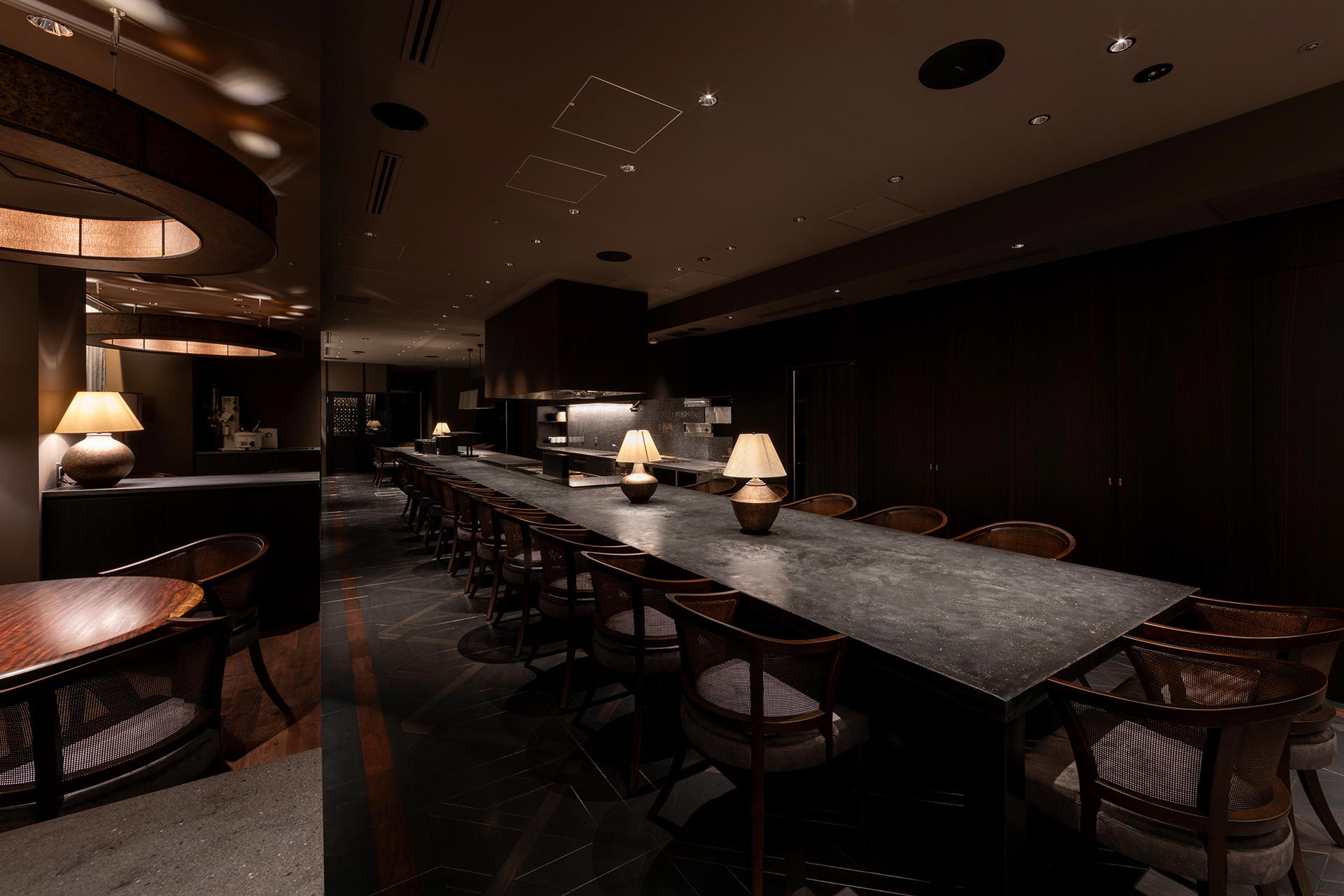


Details
- Modern
- Elegant
- Sophisticated
- Minimalist
- Business Trip
- Romantic Getaway
- Anniversary
- Panoramic View
- Rooftop Pool
- Wi Fi
- Pool
- Spa
- Fitness Center
- Room Service
- Concierge
- Sauna
- Skyline
- Wheelchair Accessible
- Elevator
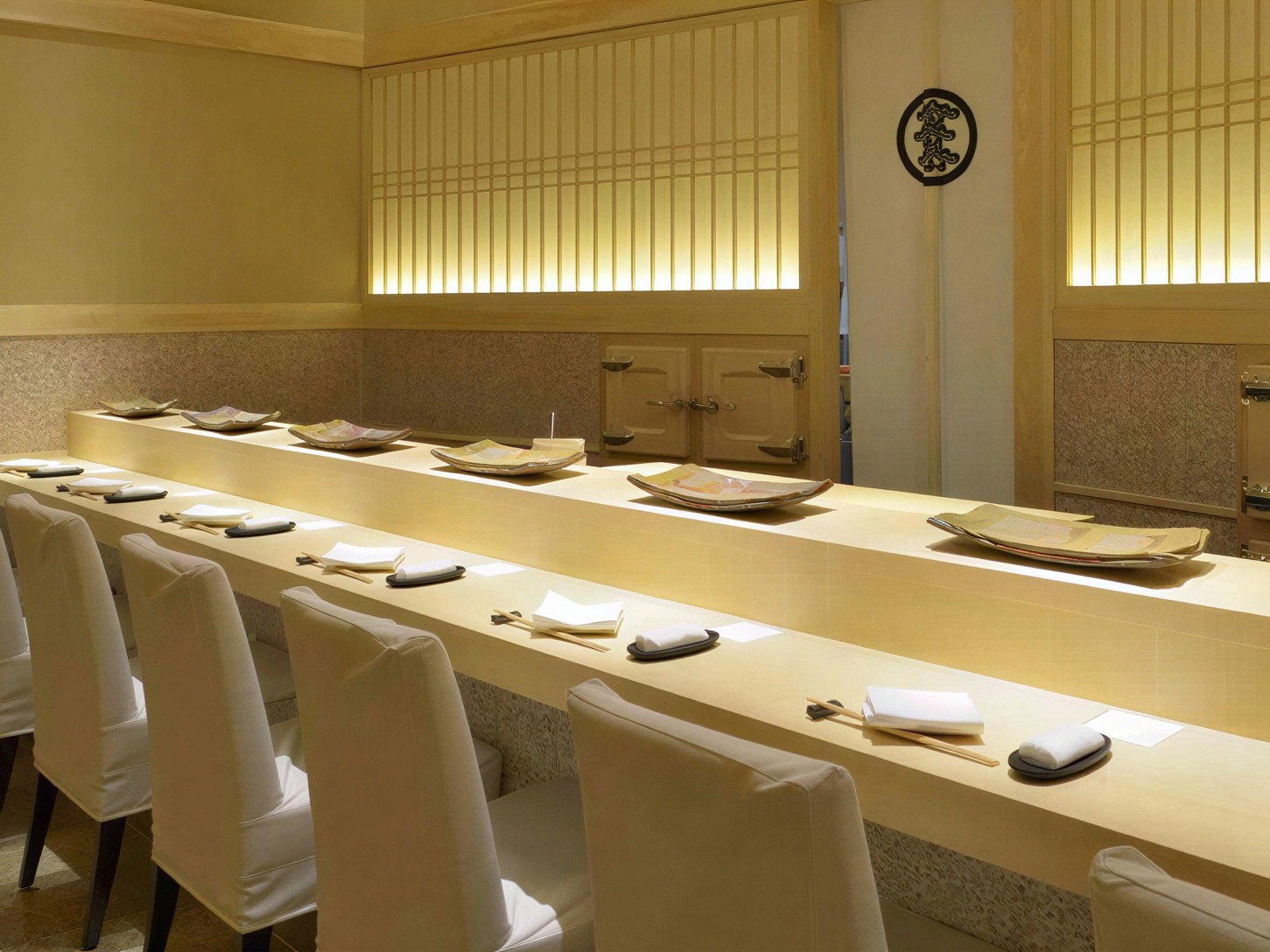
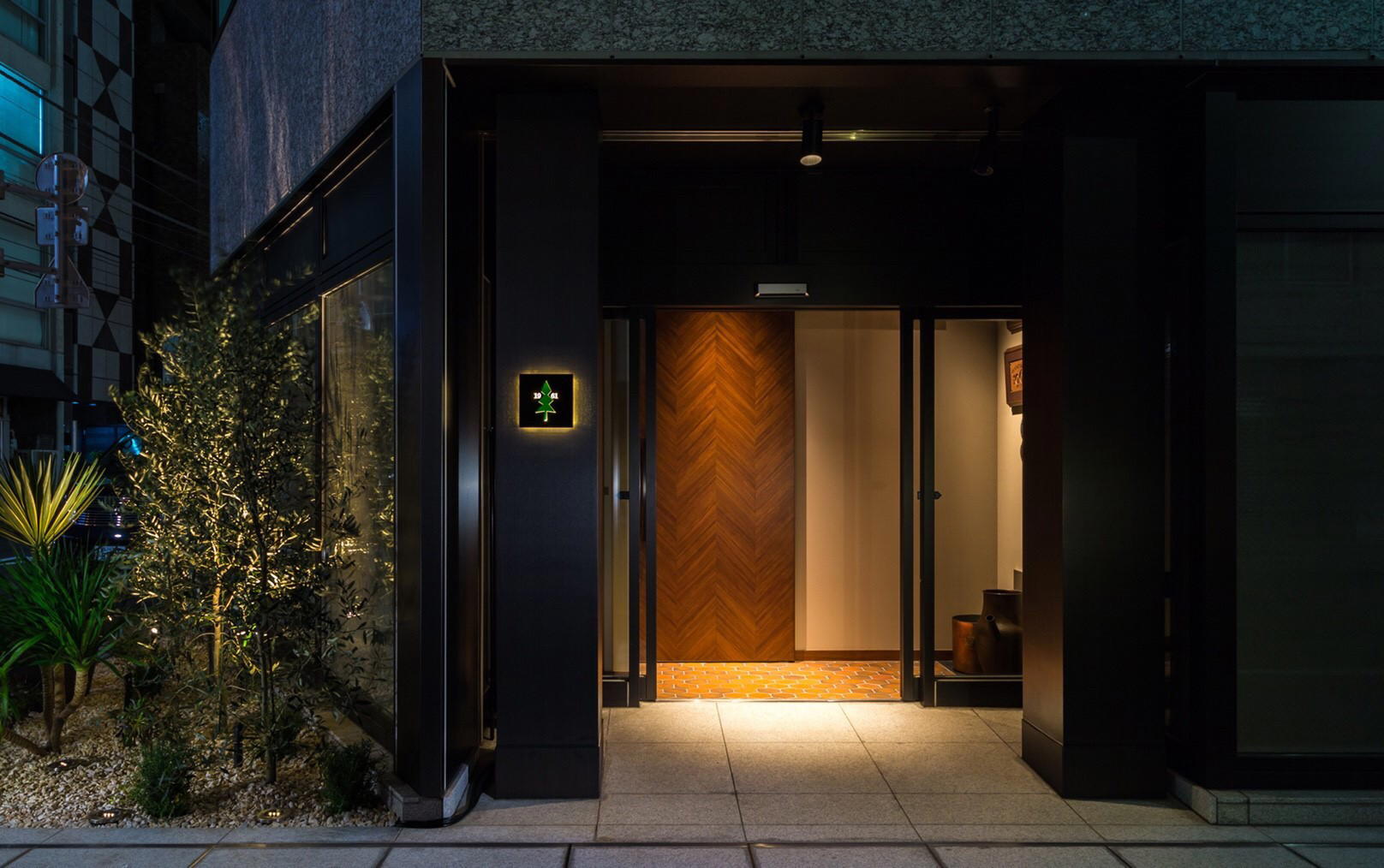
Sophisticated and soothing with natural wood elements, bonsai trees, and panoramic city views creating an elegant, peaceful atmosphere.