

Michelin Selected · World Luxury Hotel Awards WLHA Country Winner
Kimpton Shinjuku Tokyo sits in the dense commercial heart of Nishi-Shinjuku, where international design-led hotels have carved out a distinct niche from the district's corporate tower hotels. The property holds two industry awards — Regional Winner for Luxury Lifestyle Hotel and Country Winner for Luxury Design Hotel — positioning it firmly in the design-forward tier of Tokyo's increasingly competitive upper-midscale accommodation market.

Pearl is the En Primeur Club membership app — saves, bookings, and concierge access live there. Same editors, same standards.
- Address
- 3 Chome-4-7 Nishishinjuku, Shinjuku City, Tokyo 160-0023, Japan
- Phone
- +81 3-6258-1111
- Website
- kimptonshinjuku.com
- Directions
- Get directions
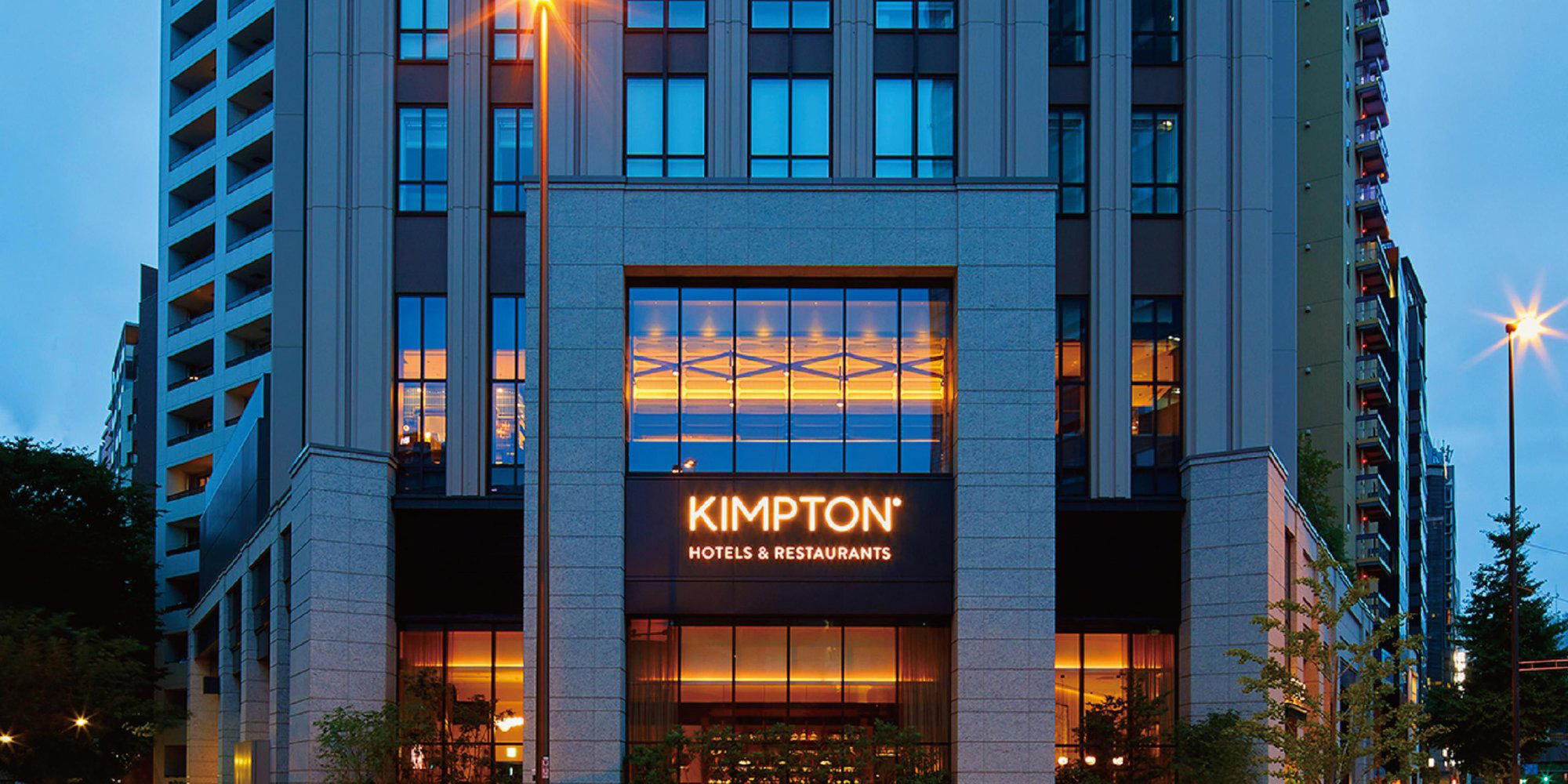
Design-Led Hospitality in the Layered World of Nishi-Shinjuku
Nishi-Shinjuku presents a particular kind of urban density. On one side, the district's glass towers house some of Tokyo's most recognisable corporate hotel names; on the other, a quieter residential and commercial grain runs along streets like Nishishinjuku 3-chome, where smaller footprints and sharper design intent have created space for a different kind of stay. Kimpton Shinjuku Tokyo, at 3 Chome-4-7 Nishishinjuku, occupies this second register. Approaching from Shinjuku Station's west exits, the building's presence reads as deliberate rather than monumental — a considered insertion into a neighbourhood that rewards close attention.
Tokyo's luxury hotel market has split sharply in recent years between large-scale properties anchored by imperial-era addresses or panoramic tower floors, and smaller design-led houses that compete on aesthetic coherence and atmosphere rather than scale. Properties like Bvlgari Hotel Tokyo and Aman Tokyo occupy the trophy-address tier, while newer entrants such as JANU Tokyo have pursued experiential programming as their primary differentiator. Kimpton Shinjuku positions itself differently again: it is a lifestyle-format property in a working district, aimed at travellers who want design credibility without the remove of a palace hotel or the corporate scale of Shinjuku's tower addresses.
What the Awards Signal About Competitive Positioning
The property holds two independently recognised awards: Regional Winner for Luxury Lifestyle Hotel and Country Winner for Luxury Design Hotel. Both signals matter for how to read the property's competitive set. The lifestyle designation places it alongside hotels where programming, personality, and communal spaces carry weight alongside room specification. The design award indicates that the physical environment has been assessed against peers at a national level and found to lead rather than follow. For a city where the field includes Four Seasons Hotel Tokyo at Otemachi, Andaz Tokyo, and Palace Hotel Tokyo, a country-level design win is a substantive credential, not a participation trophy.
The Kimpton brand, part of the IHG Hotels and Resorts portfolio, has built its global identity around a specific format: mid-size properties in urban locations, deliberately designed interiors, and a social posture that favours the ground floor as much as the upper floors. That formula translates differently depending on city context. In Tokyo, where lobby culture is deeply embedded in certain hotel traditions and where the gap between a well-designed public space and a merely functional one is acutely felt by frequent visitors, the lifestyle-hotel format has real traction when executed with discipline.
Shinjuku as a Base: What the District Offers
Shinjuku Station processes more passengers per day than any other station on Earth — a fact that makes the district simultaneously hyperconnected and, for some visitors, exhausting to orient within. Nishi-Shinjuku specifically functions as the city's mid-century corporate spine, its tower hotels and government buildings forming a grid that feels distinct from the neon density of Kabukicho to the northeast or the consumerism of the south exits. For a traveller using the hotel as a base for movement across the city, the location is efficient: multiple subway and JR lines run through Shinjuku, cutting transit times to areas like Shibuya, Harajuku, Ginza, and Shimbashi. The area also sits within reasonable distance of the Odakyu and Keio lines, which serve day-trip destinations to the west of the city.
The district's food culture around Nishi-Shinjuku operates at a different register from tourist-facing Kabukicho. Basement-level izakayas, salaryman-oriented ramen counters, and standing sushi bars coexist with the hotel dining rooms of the tower properties. For travellers interested in how Tokyo's dining operates at the level of everyday life rather than destination restaurants, this particular pocket of Shinjuku offers an instructive contrast. For the broader Tokyo restaurant picture, our full Tokyo restaurants guide maps the city's dining tiers across neighbourhoods.
Japan's Design Hotel Niche in Context
Japan has developed one of the world's most articulate design-hotel cultures, running from urban lifestyle properties to the deeply place-specific ryokan tradition. Properties like Gora Kadan in Hakone and Zaborin in Kutchan represent the ryokan end of that spectrum, where architecture, food sourcing, and material culture converge into a total environment. Benesse House in Naoshima is a further example: a hotel defined by its relationship to contemporary art and island setting rather than urban convenience. At the other end, properties like HOTEL THE MITSUI KYOTO and Nishimuraya Honkan in Kinosaki-cho anchor their identity in historical site and traditional hospitality form.
Urban lifestyle hotels in Tokyo occupy a third position in this map: they are neither the immersive natural retreats that Japan does so distinctively nor the historical monument properties, but contemporary design statements in working city districts. Kimpton Shinjuku's award record places it at a recognised level within that urban category, which is worth noting for travellers building a Japan itinerary that moves between city stops and regional escapes. Properties like Fufu Kawaguchiko near Mount Fuji or Asaba in Izu make natural counterpoints to a Shinjuku stay, offering the contrast that many visitors to Japan specifically seek.
Planning a Stay: What to Know Before Booking
The property sits at 3 Chome-4-7 Nishishinjuku, Shinjuku City, a specific sub-address within the broader Nishishinjuku district that positions it closer to the quieter residential streets than to the busiest station exits. Travellers arriving at Shinjuku Station should note that the station's west exit is the operative orientation point for this address.
For travellers comparing Tokyo's upper-tier design hotel options, the Bellustar Tokyo, A Pan Pacific Hotel and The Capitol Hotel Tokyu offer contrasting formats in different parts of the city. International comparisons for the Kimpton design-lifestyle format might include The Fifth Avenue Hotel in New York City or, at a different price tier, Aman New York, which illustrates how the same urban-luxury category can diverge substantially in format and positioning. For European reference, Aman Venice shows how historic-site anchoring shifts the design hotel formula entirely, a useful contrast when thinking about what makes Tokyo's urban design properties a distinct sub-category.
Standing Among Peers
Comparable venues nearby, for context on price, style, and recognition.
| Venue | Cuisine | Price | Awards | Notes |
|---|---|---|---|---|
| Kimpton Shinjuku TokyoThis venue — the venue you are viewing | luxury lifestyle boutique hotel with creative New York-inspired flair | Not listed | Michelin Selected · World Luxury Hotel Awards WLHA Country Winner | Not listed |
| Park Hyatt Tokyo | timeless luxury residence atop Shinjuku skyscraper | Not listed | 1 Michelin Key · World's 50 Best #53 | Shinjuku |
| Imperial Hotel Tokyo | Classic luxury heritage property with modern amenities | Not listed | La Liste Top Hotels · Leading Hotels of World Member | Chiyoda |
| Keio Plaza Hotel Tokyo Premier Grand | Modern luxury high-rise tower with club-level exclusivity | $100–200 | Star Wine List · Forbes Recommended | Shinjuku |
| Andaz Tokyo Toranomon Hills | Lifestyle hotel blending Japanese tradition with contemporary elegance | $300–500 | Star Wine List · Virtuoso Luxury Hotel Partner | Minato |
| The Prince Sakura Tower Tokyo, Autograph Collection | Luxury urban hotel blending Japanese tradition and contemporary design | Not listed | Forbes 4-Star | Minato |
Recognition history
Dated appearances from independent guides and award organizations, with the underlying list record or original source where available.
Michelin Selected
Michelin
World Luxury Hotel Awards WLHA Country Winner
World Luxury Hotel Awards
Full recognition history (3 entries)
World Luxury Hotel Awards WLHA Regional Winner
World Luxury Hotel Awards
Continue exploring
More in Tokyo
Hotels in Tokyo
Browse all →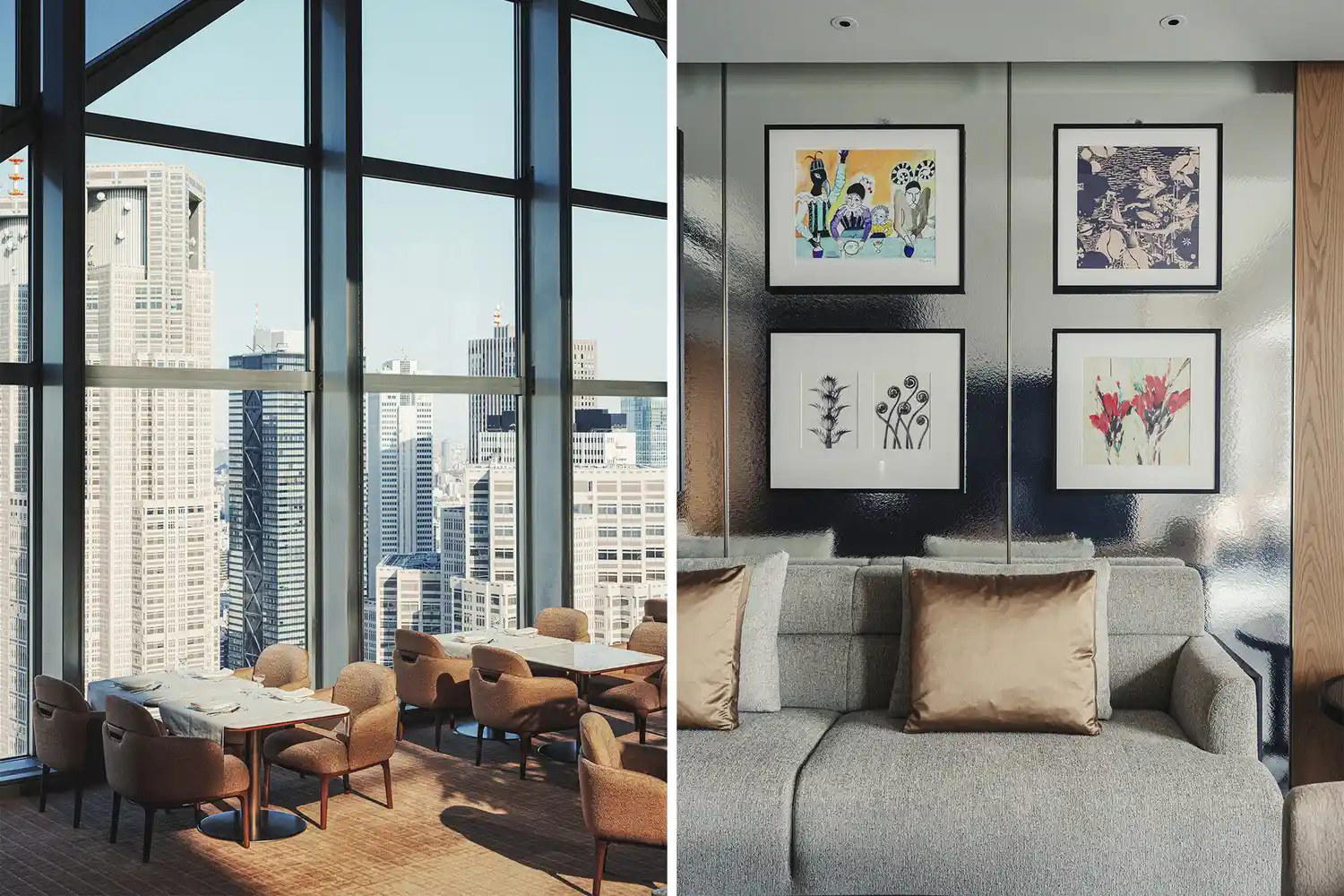




Bars in Tokyo
Browse all →



Restaurants in Tokyo
Browse all →



Details
- Modern
- Trendy
- Sophisticated
- Elegant
- Business Trip
- Weekend Escape
- Rooftop Pool
- Terrace
- Wi Fi
- Fitness Center
- Room Service
- Concierge
- Bicycle Rental
- Skyline
- Wheelchair Accessible
- Step Free Entrance
- Elevator
Modern and stylish atmosphere with sleek lines, artistic touches, lively colors, and thoughtful details creating a relaxing yet stimulating environment.