

Within the Forbes Travel Guide Five-Star Okura Tokyo, the Heritage Wing occupies a separate lower-rise building at 2-10-4 Toranomon, Minato-ku, focused on a distinctly Japanese approach to hospitality. Recognised by Star Wine List in 2026, it sits in a comparable set defined by cultural specificity rather than international-brand uniformity. For travellers prioritising traditional Japanese aesthetic and the quiet authority of Toranomon's embassy district, it warrants serious consideration.
Pearl is the En Primeur Club membership app — saves, bookings, and concierge access live there. Same editors, same standards.
- Address
- 2-10-4 Toranomon, Minato-ku
- Phone
- 81-03-3582-0111
- Website
- theokuratokyo.jp
- Directions
- Get directions
 Saves & bookings on Pearl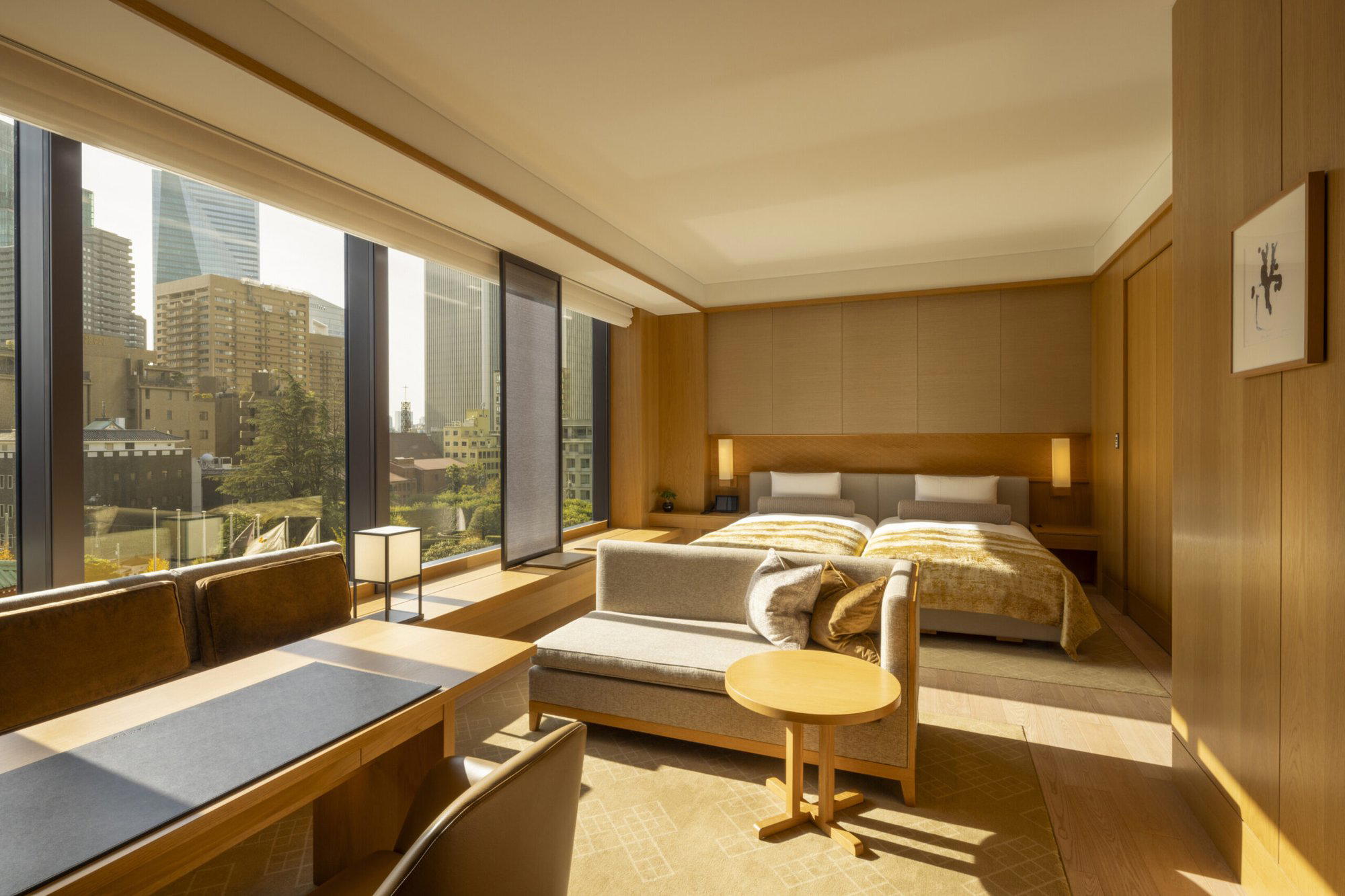
Toranomon's Quiet Authority and What It Gives You
Tokyo's luxury hotel geography is not uniform. The newer generation of five-star properties, from Bvlgari Hotel Tokyo to Aman Tokyo and JANU Tokyo, cluster around Otemachi, Marunouchi, and the glassier corridors of the city's commercial redevelopment zones. The Okura Heritage Wing Tokyo is a five-star hotel in Toranomon, Minato-ku, with 140 rooms and rates from about $650 a night. Toranomon operates on a different register. The district is dense with embassies, government ministries, and long-established corporate offices. The pace is deliberate rather than frenetic, and the address at 2-10-4 Toranomon, Minato-ku, places The Okura Heritage Wing inside that calmer rhythm. For guests whose Tokyo itinerary includes visits to Roppongi's galleries, Azabu's restaurants, or the Kasumigaseki political district, the address functions as a practical anchor. Proximity to the Kamiyacho and Toranomon subway stations connects the area to the rest of the city without the congestion of more tourist-heavy neighbourhoods.
The Toranomon location also shapes the tone of the stay in subtler ways. This is not a hotel positioned to spectacle or skyline drama. The Heritage Wing's lower-rise format, set apart from the main tower, reads as an architectural position: a preference for human scale and considered restraint over vertical ambition. That choice aligns with a longer tradition in Japanese hospitality, where the quality of materials, the proportion of spaces, and the discipline of service carry more weight than the height of the building.
What the Heritage Wing Represents in Tokyo's Luxury Hotel Field
The Okura Tokyo has operated at the senior end of the city's hospitality field for decades, and the Forbes Travel Guide Five-Star rating formalises a standing the property has maintained through multiple eras of competition. The Heritage Wing is distinct from the main tower within that broader Okura Tokyo complex: a separate, lower-rise building that concentrates on a specifically Japanese experiential register rather than the internationalised luxury format that defines many of its peers.
That distinction matters when you're mapping Tokyo's five-star options. Properties like Four Seasons Hotel Tokyo at Otemachi and Palace Hotel Tokyo deliver polished international-format luxury, while Andaz Tokyo and Bellustar Tokyo, A Pan Pacific Hotel compete on design energy and skyline positioning. The Heritage Wing occupies a different competitive slot: it is the option for travellers who want a Tokyo base with a coherent Japanese aesthetic logic running through it, rather than a global luxury standard applied to a Japanese address. The 2026 Star Wine List recognition adds a specific credential for guests with serious wine interests, signalling a beverage program that extends beyond the cursory.
The The Capitol Hotel Tokyu, a short distance away in Nagatacho, offers a comparable adjacency to government and embassy Tokyo, with its own strong Japanese hospitality culture. Understanding these alternatives clarifies what the Heritage Wing is competing for: guests who read cultural specificity as a feature, not a compromise.
Japanese Hospitality at This Scale: What It Actually Means
The term "authentic Japanese hospitality" circulates widely enough in luxury hotel marketing to have lost some precision. In practice, at the level the Heritage Wing operates, it refers to a cluster of specific qualities: attentiveness calibrated to the guest's rhythm rather than a scripted service cadence, spatial design that draws on Japanese aesthetic principles of proportion and material honesty, and a food and beverage orientation that treats Japanese culinary tradition as the primary frame rather than one option among many. The Star Wine List credential in 2026 suggests the beverage offering has earned external validation, which at a property with this cultural positioning likely means a list built with Japanese pairing logic in mind alongside international depth.
For those planning a broader Japan itinerary, the hospitality philosophy of the Heritage Wing maps onto a wider national tradition that is more fully explored in ryokan format. Properties like Gora Kadan in Hakone, Asaba in Izu, and Nishimuraya Honkan in Kinosaki-cho represent the ryokan end of that spectrum, while HOTEL THE MITSUI KYOTO sits in a comparable urban-luxury-with-Japanese-specificity position to the Heritage Wing. Amanemu in Mie and Zaborin in Kutchan extend the Japanese luxury hospitality register into more remote, nature-adjacent formats. Mapping those options against the Heritage Wing helps clarify its particular position: Tokyo-based, urban in pace, but committed to Japanese cultural specificity in a way that distinguishes it from the internationalised alternatives.
Planning Your Stay
The Heritage Wing sits within the full Okura Tokyo complex, which means guests have access to the wider property's facilities while staying in the more intimate, lower-rise wing. For those building a Japan trip around multiple properties, the Toranomon address connects naturally to onward journeys: Shinagawa Station, the departure point for Shinkansen services south and west, is accessible without significant transit complexity, and the broader Minato-ku neighbourhood includes some of Tokyo's more interesting dining addresses in Azabu-Juban and Hiroo.
Comparable urban Japanese luxury experiences in other cities and formats include Benesse House in Naoshima for a cultural-immersion angle, and Halekulani Okinawa or Jusandi in Ishigaki for those extending a Japan itinerary south. Fufu Kawaguchiko and Fufu Nikko offer day-trip or overnight extension options for guests basing themselves at the Heritage Wing for a Tokyo stay. ENOWA Yufu in Yufu and Sekitei in Hatsukaichi-shi represent the onsen-adjacent end of the same broader hospitality category. For travellers comparing Japanese hospitality properties internationally, Aman Venice, Aman New York, and The Fifth Avenue Hotel in New York City offer useful reference points for what Japanese-influenced hospitality discipline looks like when applied to Western contexts.
The Toranomon address has fewer competing demand drivers than Shinjuku or Ginza, which can give slightly more flexibility outside those peak windows, but the Heritage Wing's limited-key format means availability should not be assumed.
Cost Snapshot
Comparable venues nearby, for context on price, style, and recognition.
| Venue | Price | Awards | Notes |
|---|---|---|---|
| The Okura Heritage Wing TokyoThis venue — the venue you are viewing | $$$$ | 5-Star | Not listed |
| The Tokyo EDITION, Ginza | $$$$ | 5-Star | Chūō, Understated luxury blending contemporary design with Japanese finesse by Kengo Kuma. |
| Cerulean Tower Tokyu Hotel | $$$$ | 5-Star | Shibuya, High-rise luxury tower with executive floors and club lounge privileges |
| K5 | $$$$ | Michelin 1 Key | Chūō, Renovated historic bank with contemporary sensory experiences. |
| Keio Plaza Hotel Tokyo Premier Grand | $$$$ | 5-Star | Shinjuku, Modern luxury high-rise tower with club-level exclusivity |
| Ascott Marunouchi Tokyo | $$$$ | 5-Star | Chiyoda, Luxury serviced residence in a skyscraper with residential comforts and hotel services |
Recognition history
Dated appearances from independent guides and award organizations, with the underlying list record or original source where available.
Forbes 4-Star
Forbes
Star Wine List
Star Wine List
Continue exploring
More in Tokyo
Hotels in Tokyo
Browse all →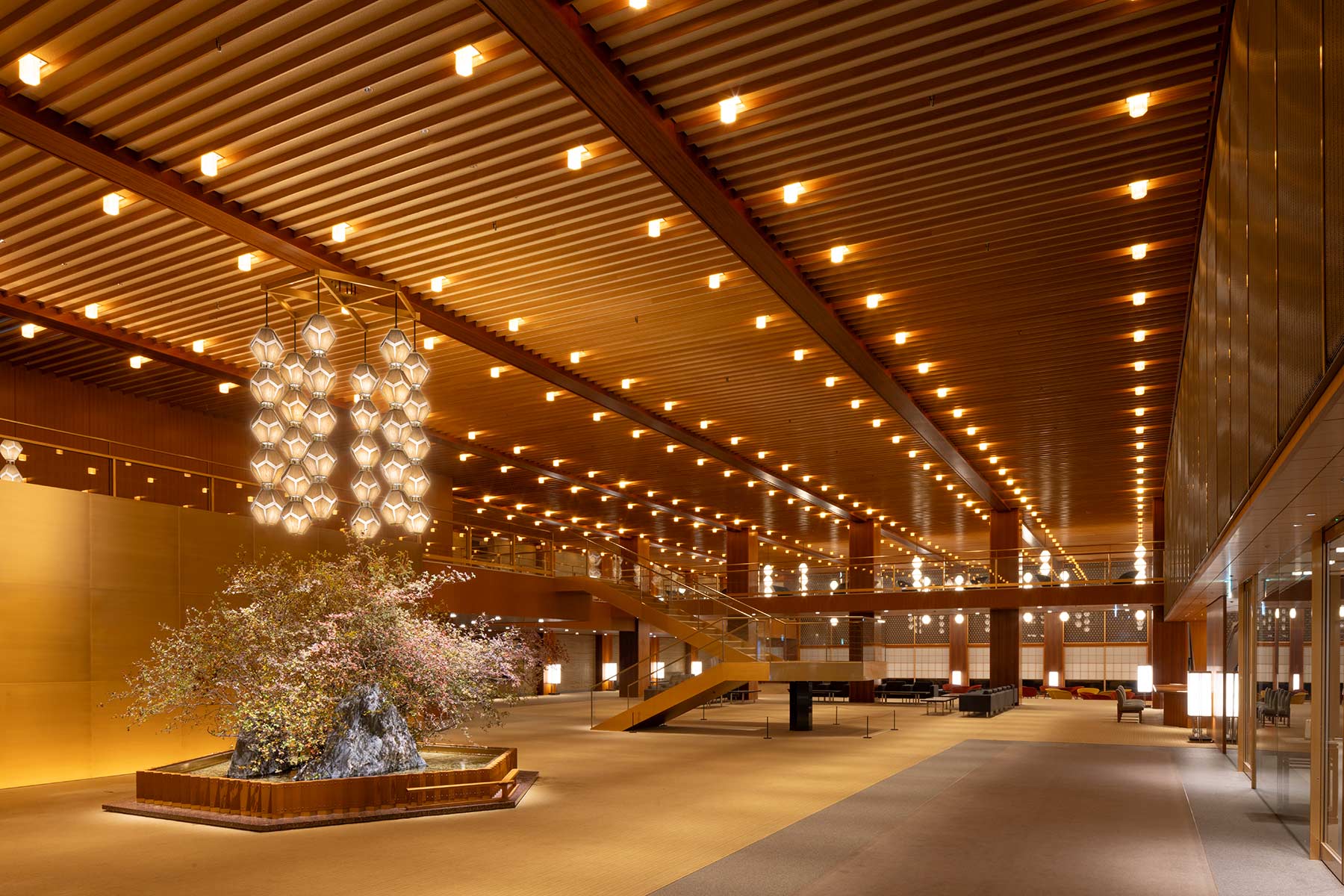



Bars in Tokyo
Browse all →




Restaurants in Tokyo
Browse all →
At a Glance
- Elegant
- Quiet
- Classic
- Sophisticated
- Minimalist
- Romantic Getaway
- Business Trip
- Anniversary
- Celebration
- Garden
- Historic Building
- Destination Spa
- Private Dining
- Panoramic View
- Wi Fi
- Pool
- Spa
- Fitness Center
- Room Service
- Concierge
- Business Center
- Valet Parking
- EV Charging
- Sauna
- Garden
- Skyline
- Wi Fi
- Pool
- Spa
- Fitness Center
- Room Service
- Concierge
- Business Center
- Valet Parking
- EV Charging
- Sauna
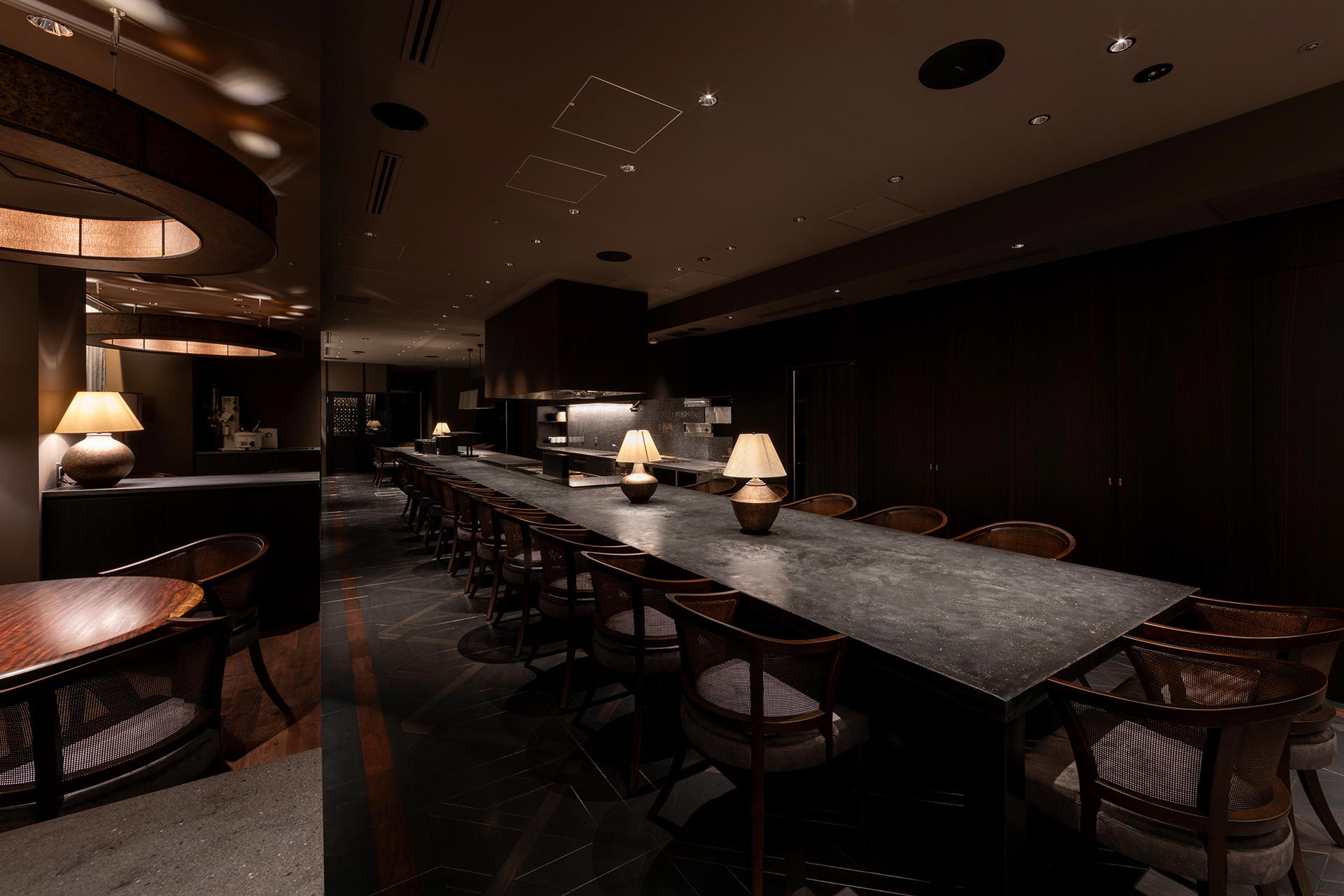
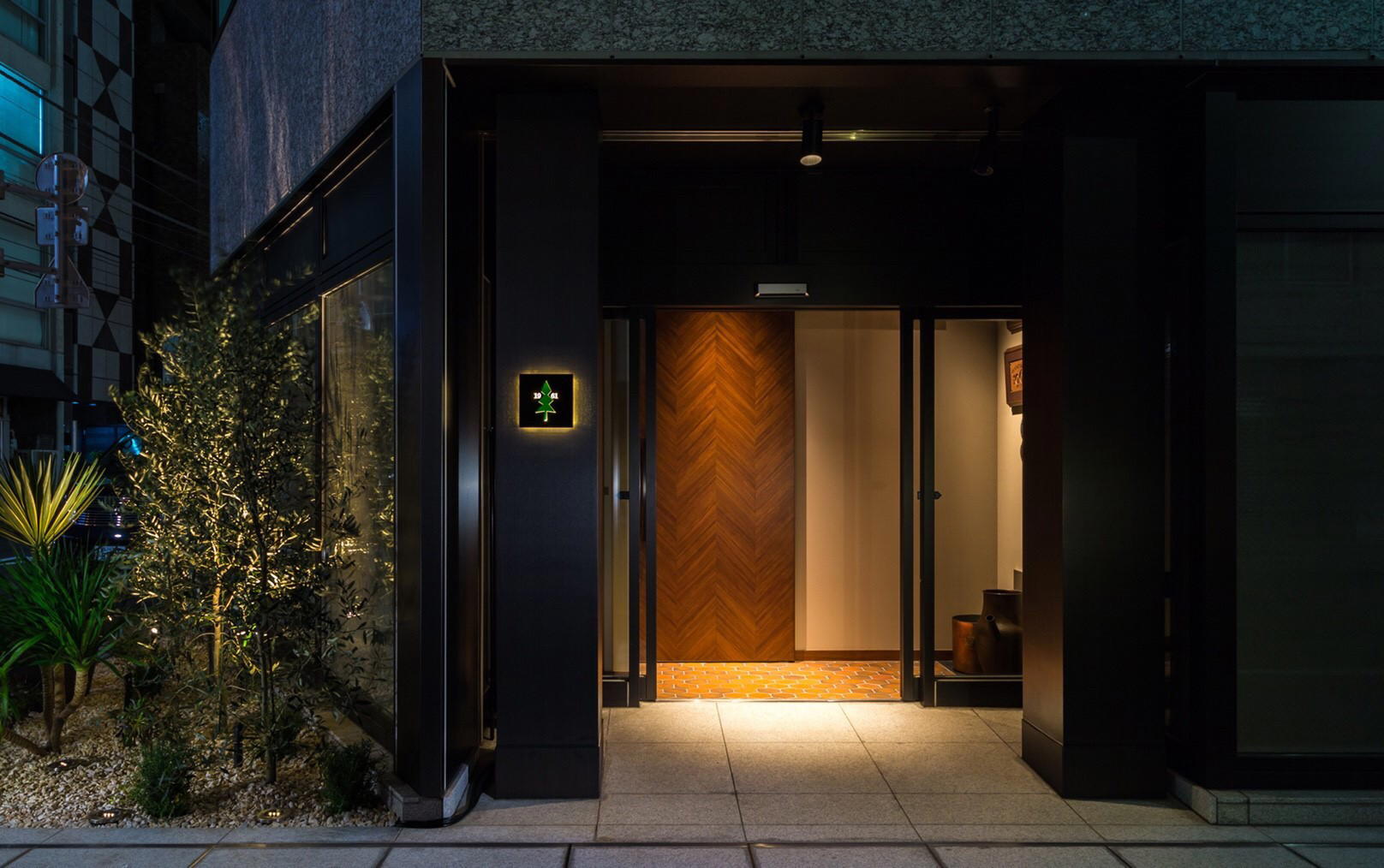
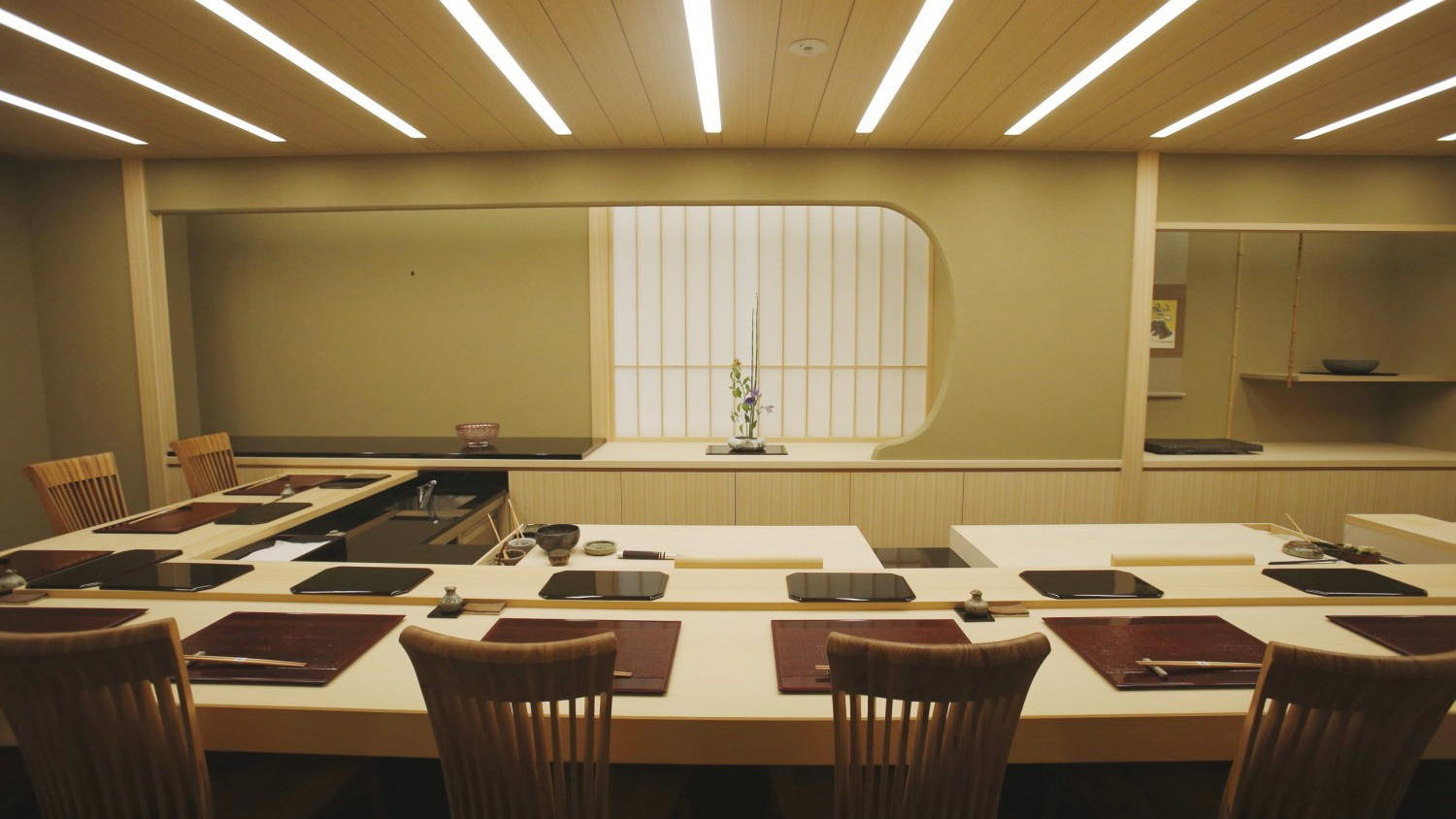
Serene and tranquil with traditional Japanese design elements including handmade glass lights, Japanese brocade, and screens, enhanced by soft lighting and natural wood paneling in neutral tones.