
1 Michelin Key
A 13th-century castle on the via regalis between Perugia and Assisi, Hotel Castello di Monterone holds 18 rooms and suites where medieval stonework and aged frescoes meet contemporary comfort. The restaurant, recognised with a Michelin Key in 2024, serves modern dishes on a terrace overlooking the Umbrian countryside. Rates from $187 per night position it as one of the region's most considered small-scale stays.

Pearl is the En Primeur Club membership app, where members save venues, book tables and use the concierge.
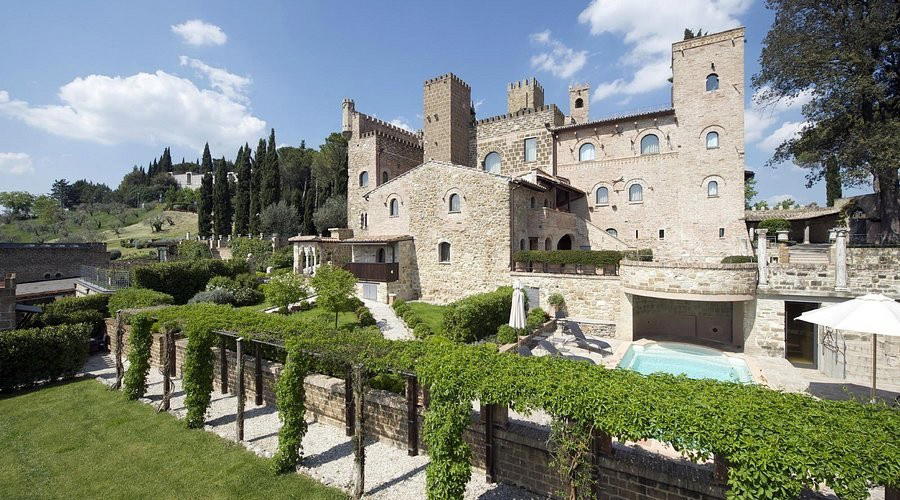
A Castle on the Royal Road
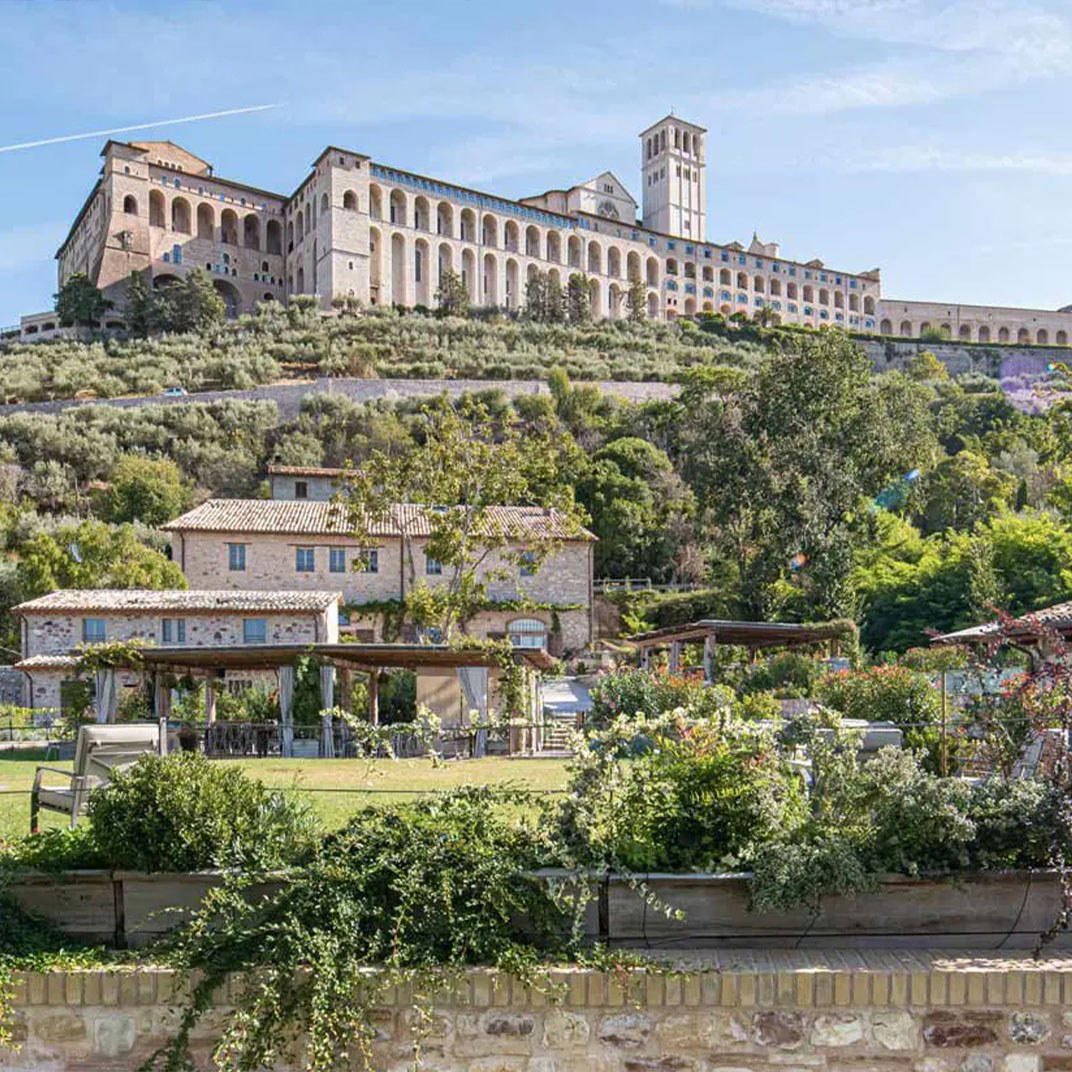
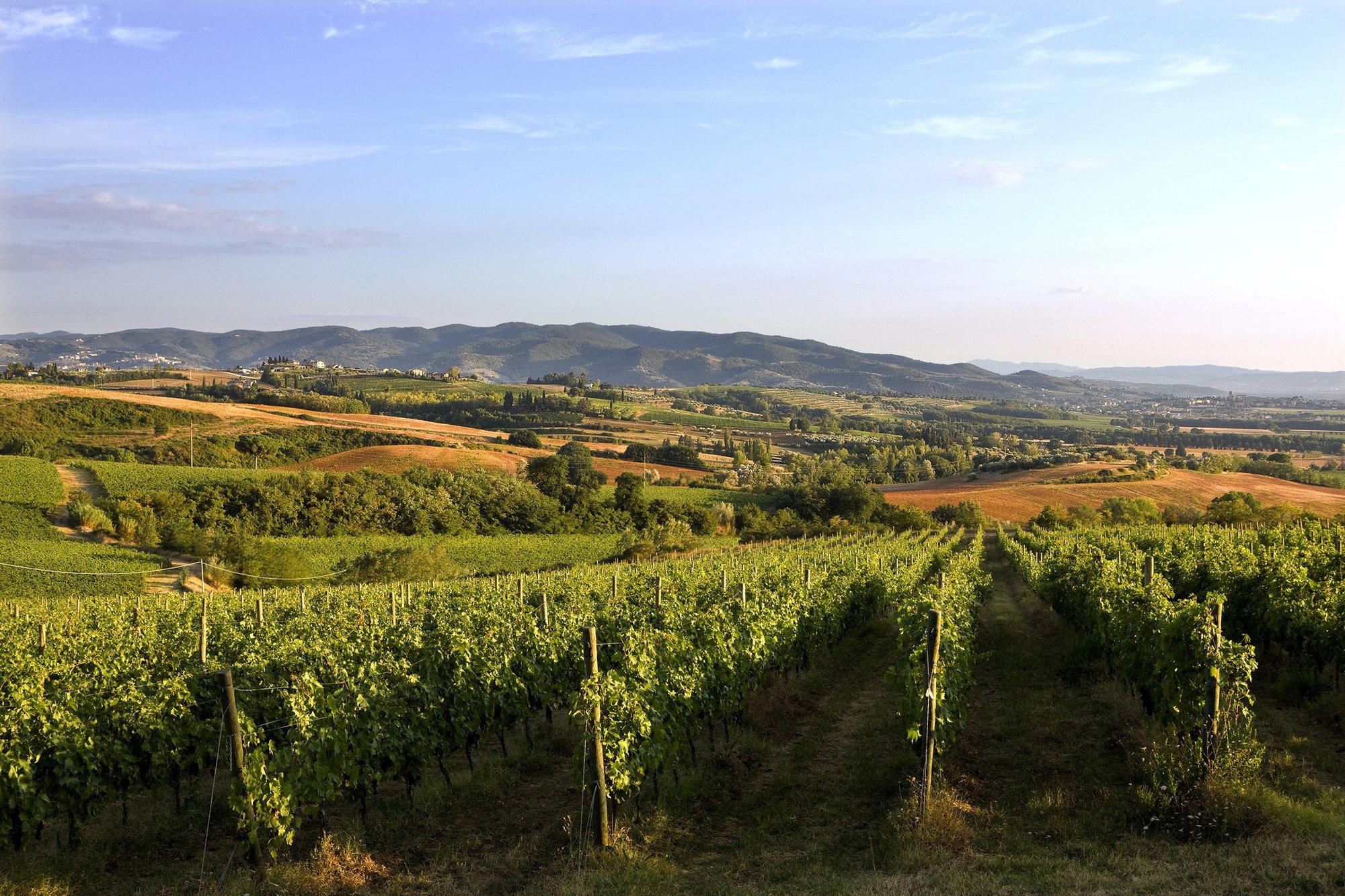
The road between Perugia and Assisi was once called the via regalis, the royal road, and the hilltop positions claimed along it were chosen for a reason: the views across Umbria's rolling interior are wide and largely uninterrupted. Hotel Castello di Monterone occupies one of those positions, in a 13th-century fortress on Strada di Montevile, just outside the Perugian city limits. Approaching by car, the stone mass of the castle reads as architecture from another register entirely, not the restored-farmhouse aesthetic that dominates much of rural Italian hospitality, but something older and more deliberate.
Umbria's boutique hotel scene has grown considerably in the past decade, with a number of converted rural properties competing for the same traveller: someone who wants deep countryside quiet with a level of finish that doesn't require compromise. Within that grouping, properties that occupy genuinely historic structures, rather than buildings styled to suggest age, occupy a smaller, more credible niche. The castle format carries a particular weight of evidence that newer builds cannot replicate.
Eighteen Rooms, One Consistent Argument
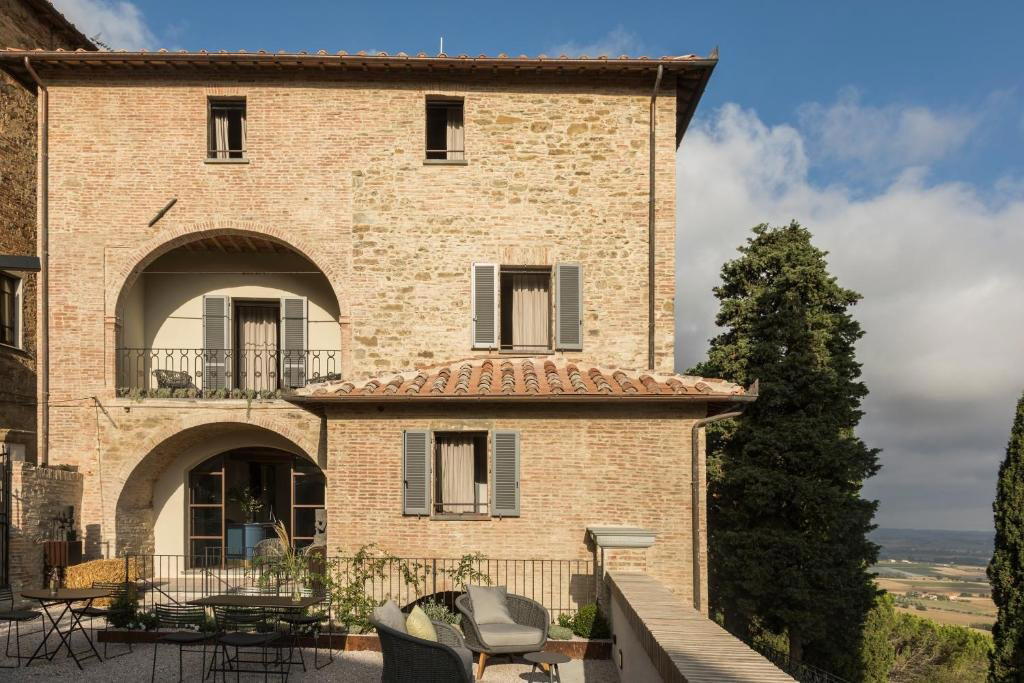
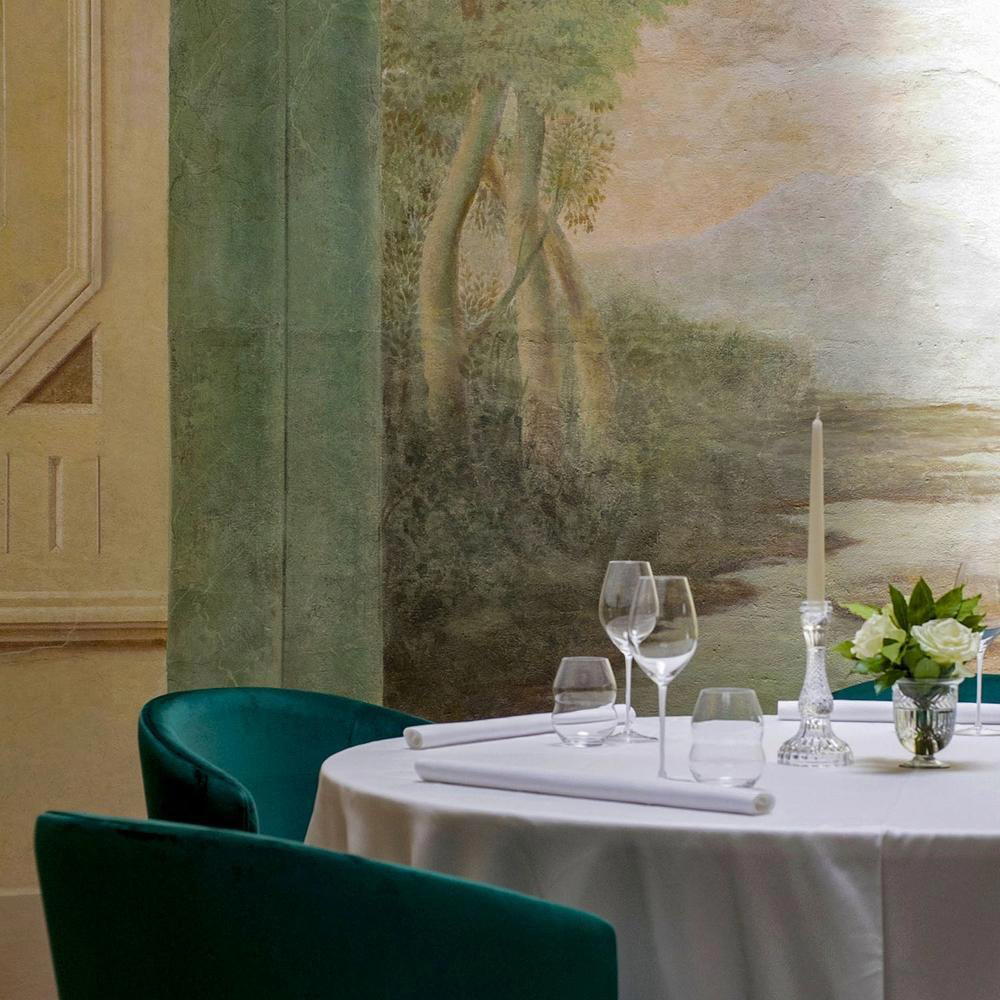
With 18 rooms and suites, Hotel Castello di Monterone sits in the scale bracket that Italian hospitality does particularly well: small enough that the building's original character survives intact, large enough that the operation has proper infrastructure. The old stone walls and well-worn frescoes are not cosmetic flourishes; they are the actual fabric of the building, and the contemporary furnishings work within them rather than over them. That tension between period structure and modern comfort is, in many ways, the defining design question for this category of Italian property, and here the resolution favours the building.
The swimming pool, sauna, and steam room are additions that matter more than they might at a conventional hotel. When the stay is built around a historic property, the expectation is that guests spend significant time on-site. Wellness infrastructure that supports that is not a luxury addendum but a logical part of the proposition. For a comparable tension between medieval architecture and contemporary amenity in a central Italian context, Castello di Reschio in Lisciano Niccone operates at a higher price point and scale; Monterone's 18-room format is a more contained, less produced version of that same instinct.
The Restaurant: Where the Michelin Recognition Lands
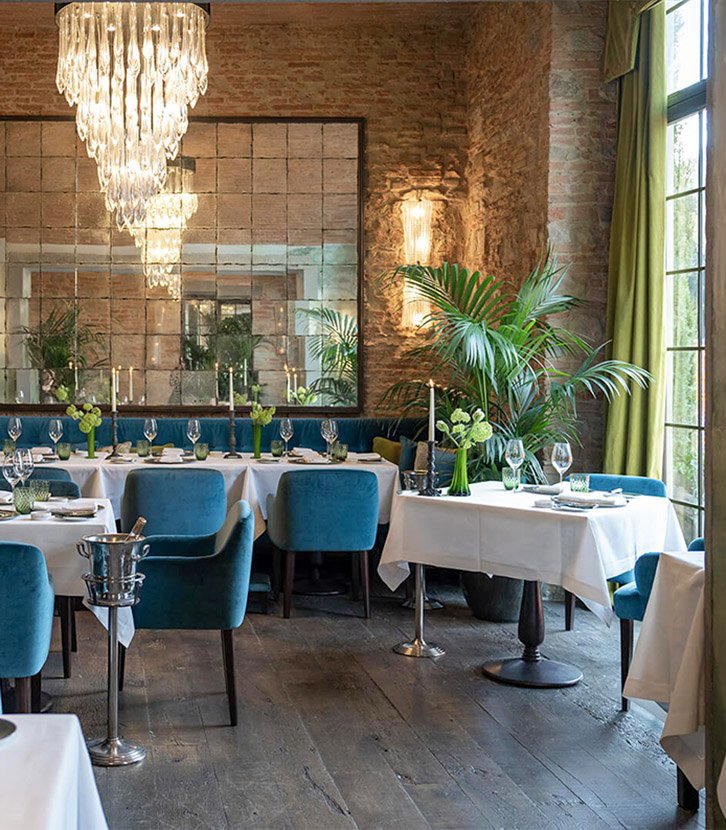
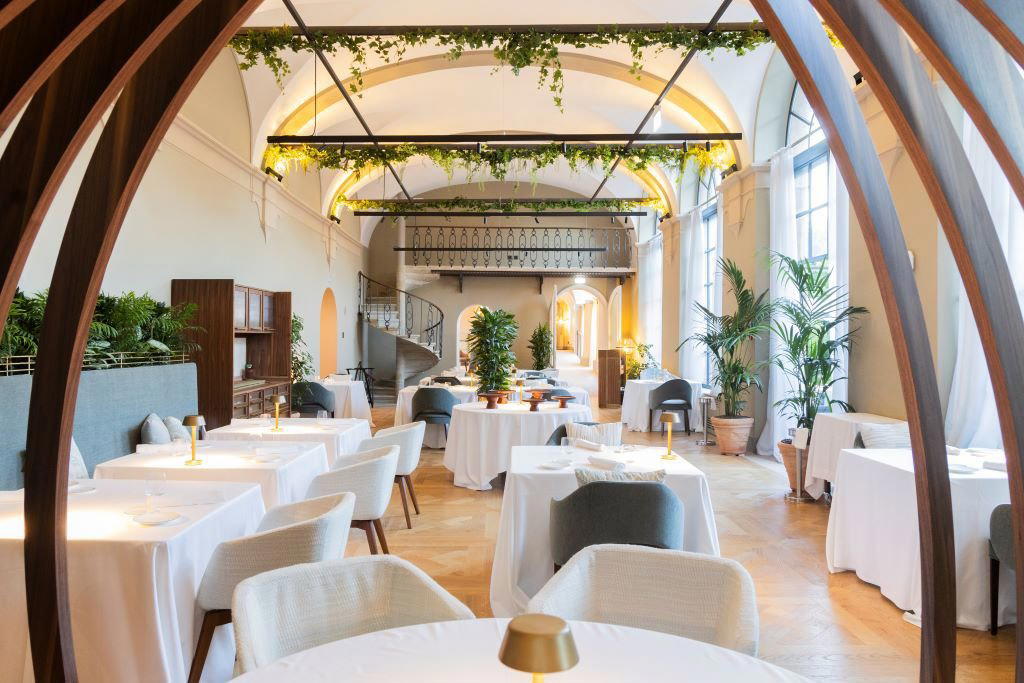
The editorial angle here is the dining programme, and for good reason. In 2024, the hotel's restaurant received a Michelin Key, a distinction awarded to hotel restaurants that the guide judges to deliver a meaningful dining experience within their broader accommodation context. That credential places the kitchen in a specific and competitive tier. Italy's Michelin Key list is not long, and properties earning it tend to share a common characteristic: the restaurant functions as a genuine destination rather than an amenity for guests who don't want to drive.
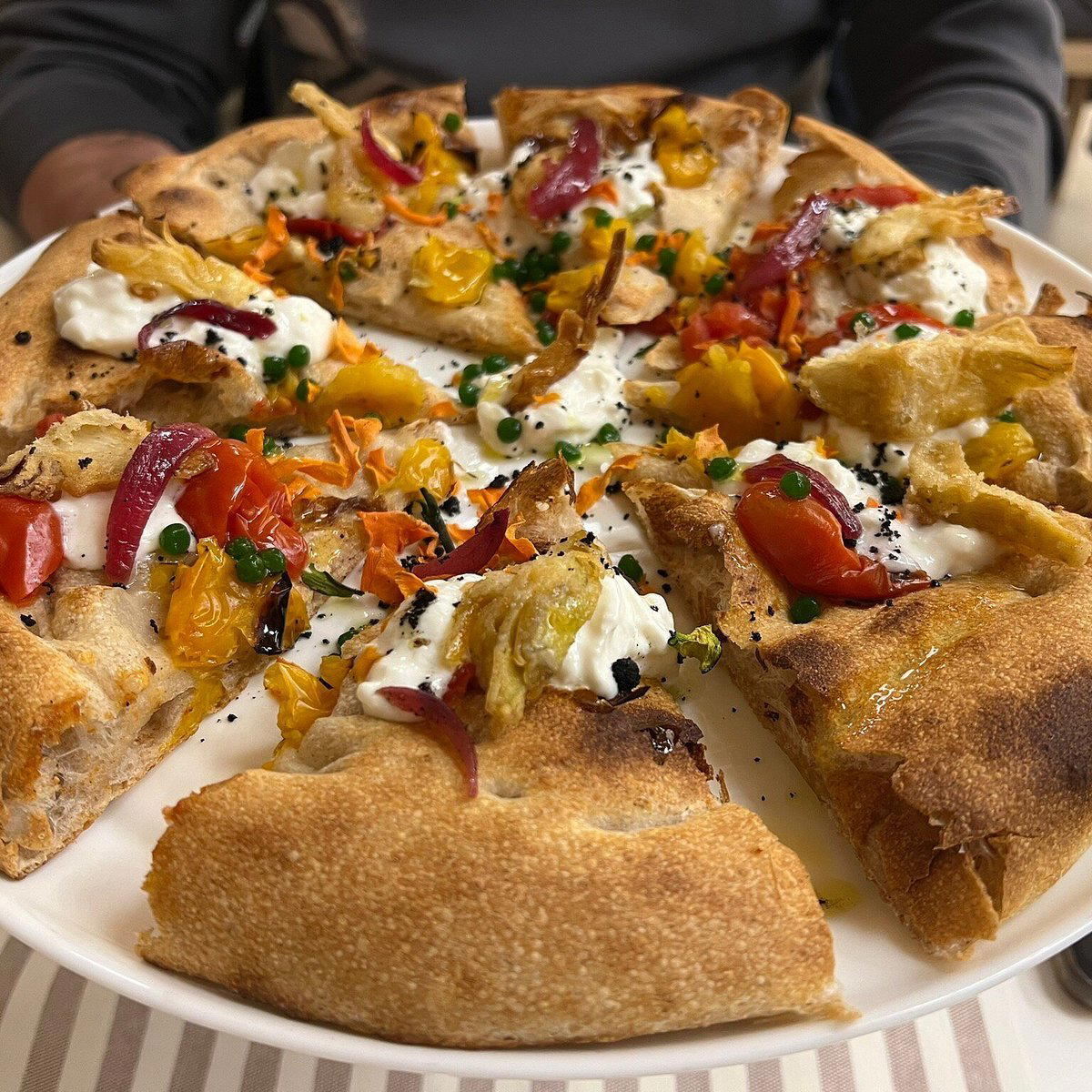
Menu reads as modern in both composition and presentation, a signal that the kitchen is not trading on the castle's medieval atmosphere alone. In central Italy, the gravitational pull toward rustic regionalism is strong, and the choice to operate a contemporary programme within a 13th-century setting is a deliberate one. The outdoor terrace, which opens onto the Umbrian countryside from the castle's hilltop position, is where the environment and the food programme converge most effectively. A modernly composed plate against that view is a particular kind of experience: one that the room arrangement makes possible in a way that purpose-built restaurants cannot replicate.
For comparison, Borgo dei Conti Resort and Sina Brufani represent Perugia's wider accommodation range; Sina Brufani operates in the city centre with a more classical hotel format, while Borgo dei Conti offers the rural resort model. Monterone's Michelin Key gives its restaurant a distinction that separates it from both in terms of culinary ambition. Across a broader Italian frame, hotels where the restaurant carries equivalent or greater weight than the rooms, such as Casa Maria Luigia in Modena, are a recognised and growing format. Monterone belongs to that lineage, translated into an Umbrian register.
Placing It in the Italian Castello Category
Italy's converted-castle hotel category spans a considerable range, from Rosewood Castiglion Del Bosco in Montalcino, a full Rosewood operation with extensive land and infrastructure, to much smaller, independently held properties where the family or the original stonework is still doing the primary work. Monterone sits closer to the independent end of that spectrum. Eighteen rooms, no branded affiliation, and a Michelin-recognised restaurant that anchors the identity. The absence of a hotel group behind it is part of what keeps the atmosphere coherent; there is no corporate overlay mediating the experience of the building.
Within central Italy specifically, the concentration of castello properties in Tuscany, see Borgo San Felice Resort in Castelnuovo Berardenga or Castelfalfi in Montaione, has made Umbrian alternatives relatively less trafficked despite comparable architectural heritage. Perugia and its surrounds attract fewer international visitors than the Chianti corridor, which for guests prioritising atmosphere over adjacency to other tourist infrastructure is a reasonable argument in the region's favour. The road to Assisi, specifically, draws a particular kind of traveller: those for whom the religious and artistic heritage of central Italy is the primary motivation, and who want accommodation that matches that seriousness of purpose.
Planning a Stay
Rates at Hotel Castello di Monterone start from $187 per night, a price point that positions it at the accessible end of the Italian boutique castle category without signalling budget compromise. The 18-room format means availability is genuinely limited; booking well ahead is advisable, particularly for summer months when the terrace and outdoor pool are in use and Umbrian tourism reaches its seasonal peak. The hotel sits on Strada di Montevile just outside Perugia's city boundary, making a car the practical choice for arrival and for exploring the surrounding area. Perugia's historic centre is close enough for an evening, and Assisi is an easy drive along the very road the property overlooks.
For guests approaching from further afield, Perugia has its own regional airport (Sant'Egidio), with connections to several Italian and European cities. Those arriving from Rome or Florence by train will find Perugia's station connected to the city centre by a convenient minimetro, though onward transfer to the hotel requires a taxi or car. See our full Perugia restaurants guide for broader context on dining and neighbourhood character in the city.
For travellers building a longer Italian itinerary, Monterone pairs logically with Corte della Maestà in Civita di Bagnoregio to the south, or with a shift north to Four Seasons Hotel Firenze in Florence for a change of scale and urban register. Those interested in the castello format at a different price tier might also consider Castel Fragsburg in Merano in the north, where Alpine surroundings replace Umbrian landscape. Further afield, the independent small-luxury model has Italian parallels on the coasts: Borgo Santandrea on the Amalfi Coast, Il San Pietro di Positano, and Il Pellicano in Porto Ercole each operate in the same independent-property tradition, calibrated to different geographies.
Budget and Context
Comparable venues nearby, for context on price, style, and recognition.
| Venue | Price | Awards | Notes |
|---|---|---|---|
| Hotel Castello di MonteroneThis venue (the venue you are viewing) | Not listed | 1 Michelin Key | Not listed |
| Tenuta di Murlo | Not listed | 1 Michelin Key | San Giovanni del Pantano, Historic country estate blending aristocratic heritage with refined modern comfort |
| Sina Brufani | $100–200 | Virtuoso Luxury Hotel Partner | Piazza Italia, Historic luxury palace hotel opened in 1884 with classic elegance. |
| Borgo dei Conti Resort | $200–300 | 1 Michelin Key · Relais Chateaux Award | Monte Petriolo, Restored medieval castle and village estate |
| Torre di Moravola | $300–500 | Michelin Selected | Montone, Medieval watchtower converted into contemporary luxury retreat |
| Monastero di Cortona Hotel & Spa | Not listed | 1 Michelin Key | Cortona Old Town, Converted historic monastery with modern luxury |
Recognition history
Dated appearances from independent guides and award organizations, with the underlying list record or original source where available.
Michelin 1 Key
Michelin
Full recognition history (3 entries)
Michelin 1 Key
Michelin
Michelin 1 Key
Michelin
Continue exploring
More in Perugia
Hotels in Perugia
All hotels in Perugia →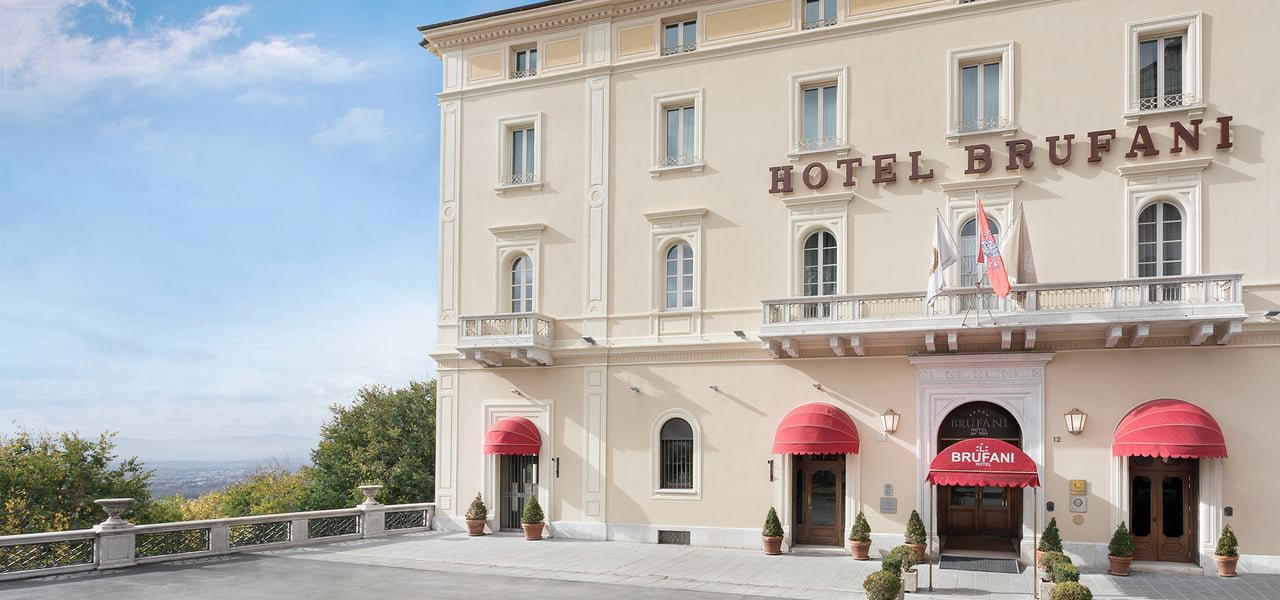
Bars in Perugia
Browse all →
Restaurants in Perugia
All restaurants in Perugia →

Details
- Romantic
- Quiet
- Elegant
- Rustic
- Scenic
- Intimate
- Sophisticated
- Honeymoon
- Romantic Getaway
- Anniversary
- Weekend Escape
- Historic Building
- Panoramic View
- Garden
- Terrace
- Wi Fi
- Pool
- Spa
- Sauna
- Room Service
- Concierge
- Restaurant
- Bar
- Garden
- Mountain
- Garden
- Skyline
- Wheelchair Accessible
- Elevator
Tranquil and romantic with ancient stone walls, cozy fireplaces, dramatic lighting, and peaceful hillside serenity praised in guest reviews.