



Forty years on the Adriatic coast and Moreno Cedroni's two-Michelin-star restaurant in Marzocca still operates at the frontier of Italian seafood cooking. Two tasting menus frame the kitchen's range, one tracking Cedroni's classic archive, the other pulling east toward Asian and Middle Eastern reference points. A 95-point La Liste score in 2026 and membership of Les Grandes Tables du Monde place it among Italy's most decorated coastal tables.
Pearl is the En Primeur Club membership app — saves, bookings, and concierge access live there. Same editors, same standards.
- Address
- Via, Lungomare Italia, 11, 60019 Senigallia AN, Italy
- Phone
- +39 071 698267
- Website
- morenocedroni.it
- Directions
- Get directions
 Saves & bookings on Pearl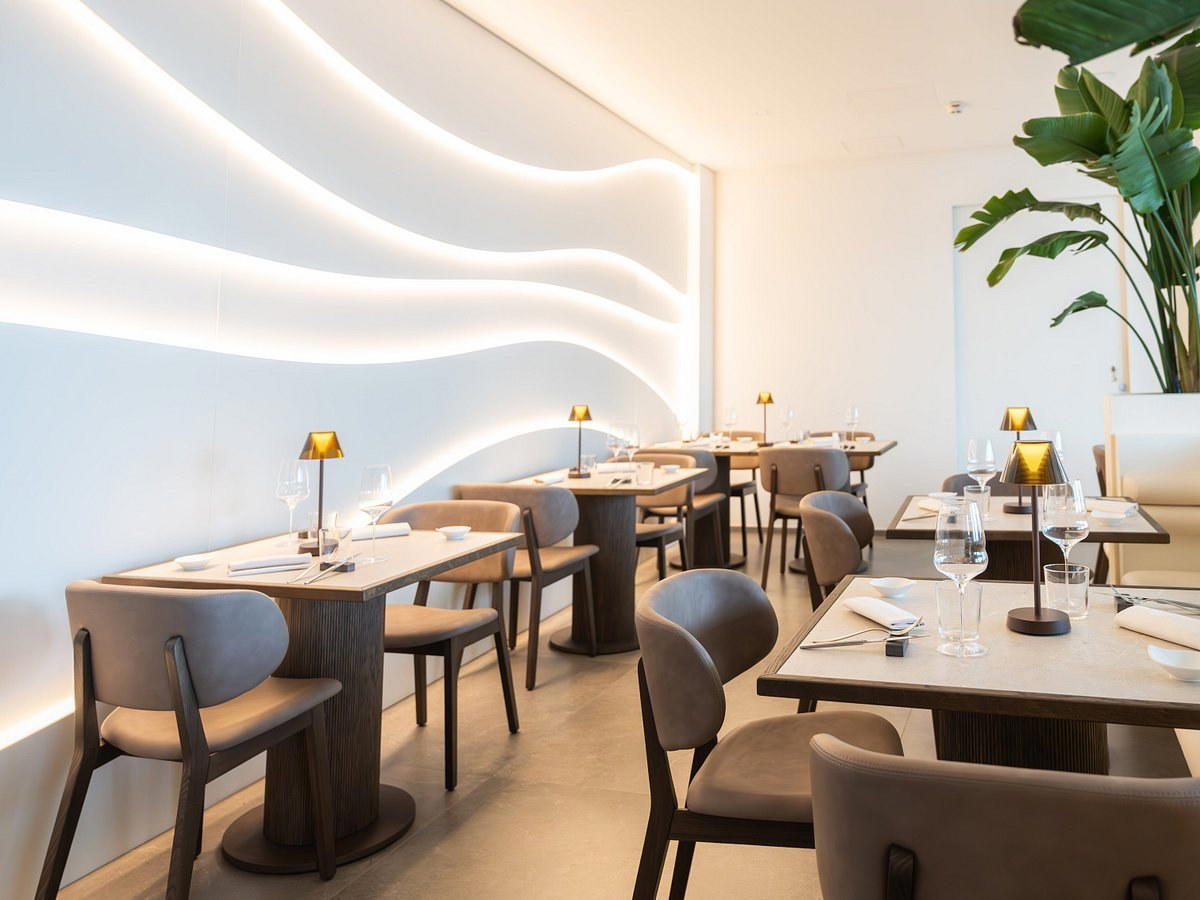
Where the Adriatic Meets Forty Years of Italian Creative Cooking
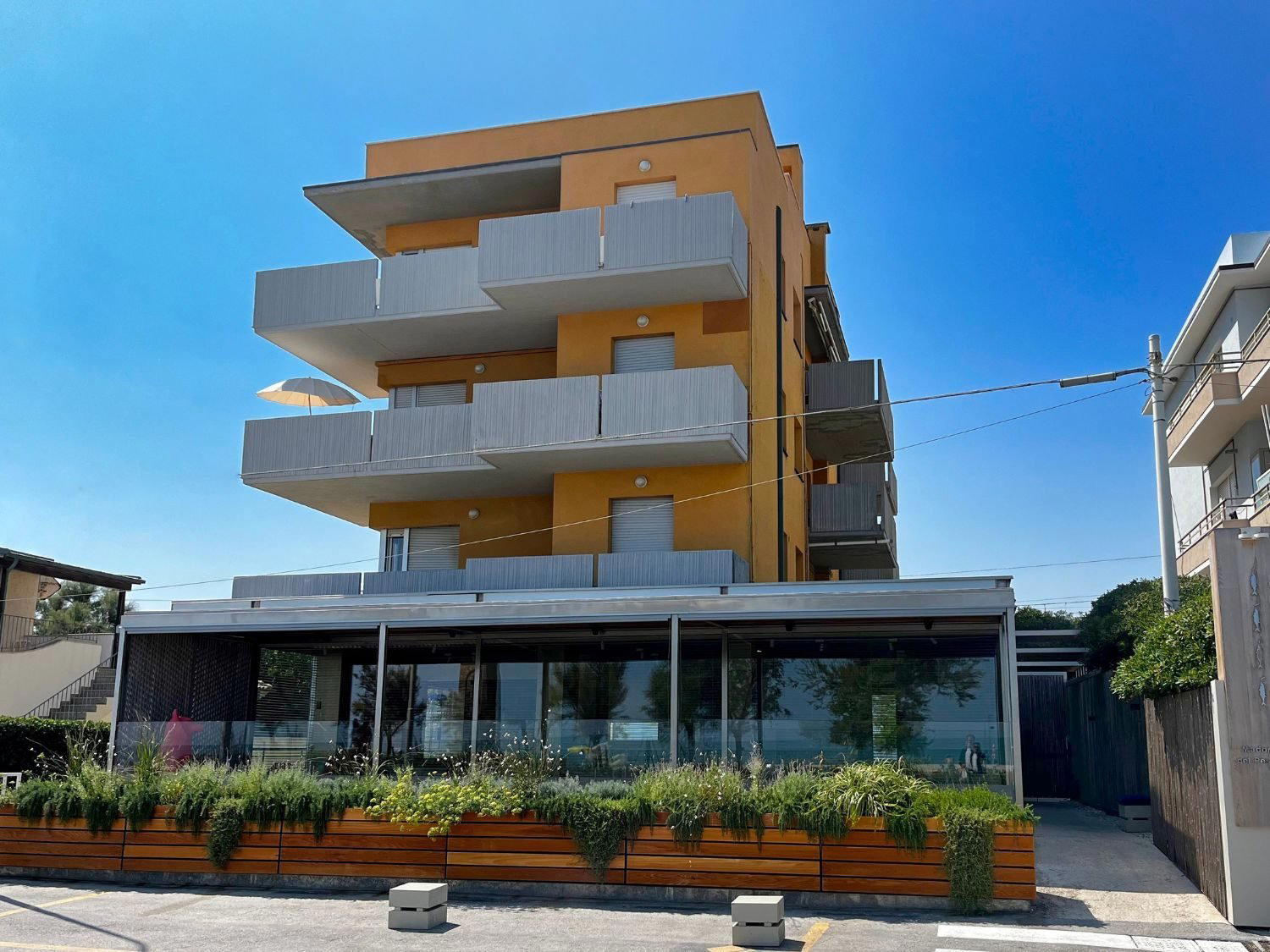
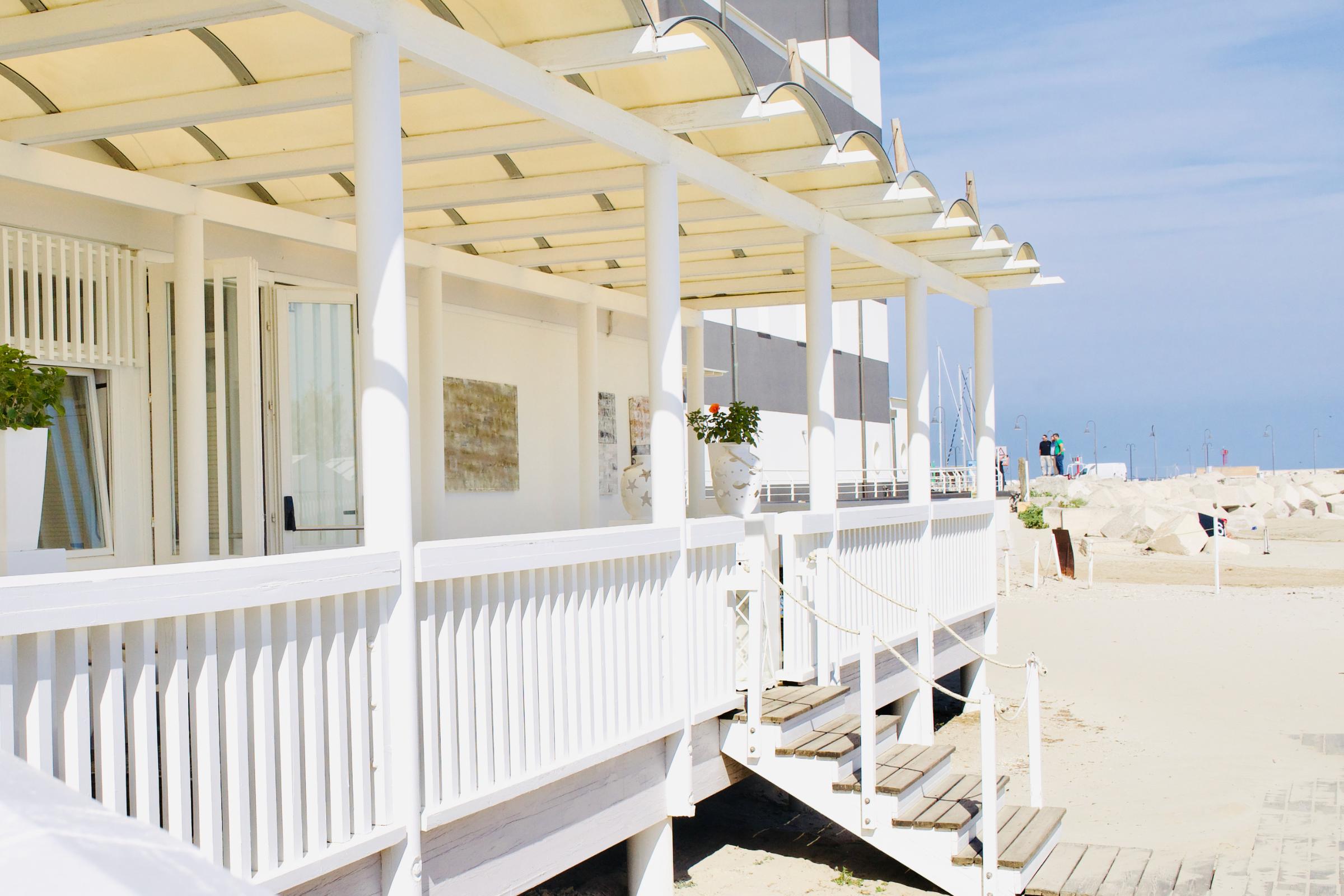
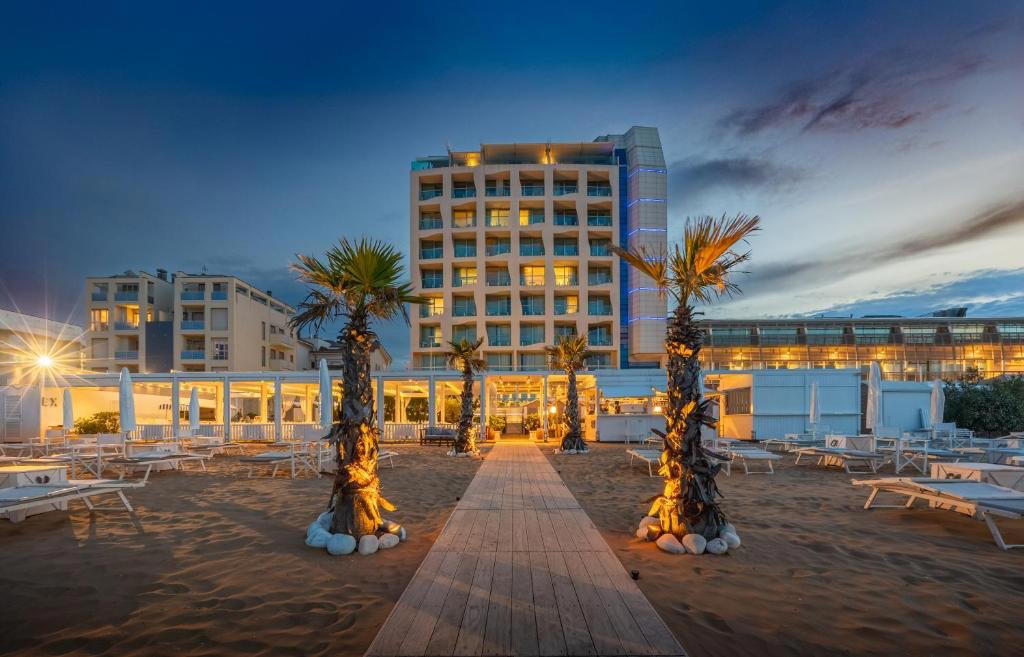
The Le Marche coastline sits at an awkward remove from Italy's gastronomic headline circuit. It lacks Emilia-Romagna's institutional gravity, the Mediterranean glamour of the southern Tyrrhenian, and the alpine credential that gives places like Atelier Moessmer Norbert Niederkofler in Brunico a distinct regional identity. What it has instead is the Adriatic, wide, grey-green, and bountiful, and a small cluster of restaurants that have used that sea as both larder and philosophical anchor. Madonnina del Pescatore sits on the lungomare at Marzocca, a few kilometres south of Senigallia, and has done so since 1984. The two-Michelin-star restaurant is led by Moreno Cedroni and is priced at about $230 per person. The building faces directly onto the seafront, which means the context is insistently present: salt air, flat horizon, fishing-town pragmatism folded into one of Italy's most awarded dining rooms.
That setting matters more than it might seem. Le Marche's coastal cooking tradition is rooted in brodetto, the region's acidic, multi-fish stew that varies village by village along the Adriatic arc from Rimini down toward Pescara. It is a cucina povera in origin, built around whatever came off the boats each morning. Cedroni's kitchen operates at the opposite end of the price spectrum, the restaurant sits firmly in the €€€€ bracket, but the connection to that local seafood inheritance has never been severed. What changed over four decades is the method: the adjacent food technology laboratory, the vegetable garden planted almost on the beach (chosen precisely because the salty air inflects the produce), and a menu architecture that treats the region's fish and shellfish as the starting point for something considerably more restless.
Two Menus, Two Registers of Ambition
Italy's most recognised creative restaurants tend to resolve the tension between archive and invention in one of two ways. Some, like Osteria Francescana in Modena, fold both into a single menu where nostalgia and provocation sit in the same sequence. Others separate them entirely, which is the approach here. The two tasting menus available at Madonnina del Pescatore operate as distinct propositions rather than variations on the same idea.
"Ricordi d'infanzia & Mariella 1984-2024" draws from the four-decade archive: the dishes that established Cedroni's reputation and that La Liste, in awarding 95 points in 2026, described as reflecting both past traditions and future culinary trends. The second menu, "Luca e Moreno... Il Viaggio di Marco Polo," pulls the kitchen eastward, incorporating Asian and Middle Eastern reference points into the same Adriatic ingredient base. This is a less common register in Italian fine dining, where most creative programmes stay within a broadly European frame. The Marco Polo menu positions Madonnina del Pescatore alongside a different comparable set, closer to the cross-cultural ambition you find at Reale in Castel di Sangro than to the classically rooted approach at Dal Pescatore in Runate or Enoteca Pinchiorri in Florence.
Both menus are updated regularly, with new dishes developed through the on-site laboratory. This is not unusual among Italy's leading creative kitchens, Le Calandre in Rubano and Piazza Duomo in Alba maintain similar research infrastructures, but the seaside laboratory setting gives it a particular character. The proximity of the sea is not incidental to the process; it is built into how ingredients arrive and how dishes are conceived.
The Adriatic Coast as a Fine Dining Address
Senigallia has become, somewhat improbably, one of Italy's most concentrated addresses for serious seafood cooking. Uliassi in Senigallia operates at three-Michelin-star level just a few kilometres up the coast, which means the area now carries a competitive density unusual for a town of its size. For a visitor planning around either restaurant, the broader Marzocca restaurant scene and accommodation options in Marzocca are worth mapping in advance. The lungomare strip is compact and the town itself is a working coastal settlement rather than a resort, which affects pacing. There are no other obvious luxury amenities clustering around the restaurant; this is not a destination that sells an experience beyond the table itself.
The reservation policy is essential.
Regional Identity and the Italian Creative Spectrum
Understanding where Madonnina del Pescatore sits within Italian fine dining requires mapping the creative cooking spectrum that has developed since the 1990s. The category loosely labelled "Progressive Italian" now contains restaurants with quite different orientations: some defined by terroir attachment (Enrico Bartolini in Milan), some by technique-forward abstraction, some by a specifically regional idiom pushed to its limits. Cedroni's kitchen belongs to the last group, with the Adriatic coastline as both constraint and generator.
That regional specificity distinguishes it from inland creative programmes. Where a kitchen like Materia in Cernobbio works with Lake Como's particular Alpine-Italian geography, or La Madia in Licata with Sicily's deep larder, the restaurant's creative framework is built on the particular character of Adriatic seafood: its seasonality, its proximity to Eastern Mediterranean trade routes (which partly explains the Marco Polo menu's logic), and its position within a region that Italian gastronomy has historically underrepresented. Le Marche is not Tuscany or Emilia-Romagna in terms of international name recognition, which makes the sustained two-Michelin-star standing here over multiple consecutive years a more meaningful signal than the same award in a more saturated market.
The wine programme complements this geography. The front-of-house operation is run by Mariella Cedroni, a division of labour that has been in place since the restaurant opened and that shapes the service character in a way that distinguishes it from the more formally staffed dining rooms at comparable Italian addresses. The presence of a long-term family stewardship on the floor, combined with a kitchen that has operated from the same building for four decades, creates an unusual continuity for a restaurant working at this level of ambition and scrutiny.
Planning a Visit
The restaurant is at Via, Lungomare Italia, 11, 60019 Senigallia AN, Italy, on the Adriatic coast south of Senigallia. The restaurant is accessible by car from the A14 Adriatic motorway; Senigallia is the nearest significant rail connection, with local transport or a short taxi completing the journey to Marzocca. Given the narrow service windows, a 75-minute lunch sitting and a 90-minute dinner window, arriving on time matters more than at restaurants with more relaxed pacing.
Comparison Snapshot
Comparable venues nearby, for context on price, style, and recognition.
| Venue | Cuisine | Price | Awards | Notes |
|---|---|---|---|---|
| Madonnina del PescatoreThis venue — the venue you are viewing | Modern Italian Seafood Fine Dining | $$$$ | Michelin 2 Star | Not listed |
| Antica Osteria Cera | Modern Venetian Seafood | $$$$ | Michelin 2 Star | Lughetto |
| Enoteca La Torre | Modern Italian Fine Dining | $$$$ | Michelin 2 Star | Della Vittoria |
| Magnolia | Modern Italian Fine Dining | $$$$ | Michelin 2 Star | Longiano |
| Glam Restaurant by Enrico Bartolini | Modern Venetian Fine Dining | $$$$ | Michelin 2 Star | Santa Croce |
| Terra The Magic Place | Modern Italian Regional Fine Dining | $$$$ | Michelin 2 Star | Sarentino |
Recognition history
Dated appearances from independent guides and award organizations, with the underlying list record or original source where available.
La Liste Top Restaurants
La Liste
Les Grandes Tables du Monde Member
Les Grandes Tables du Monde
Michelin 2 Stars
Michelin
Opinionated About Dining Top Restaurants in Europe Recommended
Opinionated About Dining
La Liste Top Restaurants
La Liste
Michelin 2 Stars
Michelin
Opinionated About Dining Top Restaurants in Europe Ranked #389
Opinionated About Dining
The Best Chef Two Knives
The Best Chef
Michelin 2 Stars
Michelin
Opinionated About Dining Top Restaurants in Europe Ranked #334
Opinionated About Dining
Opinionated About Dining Top New Restaurants in Europe Recommended
Opinionated About Dining

At a Glance
- Elegant
- Sophisticated
- Modern
- Romantic
- Special Occasion
- Date Night
- Waterfront
- Open Kitchen
- Extensive Wine List
- Sustainable Seafood
- Local Sourcing
- Waterfront
- Street Scene
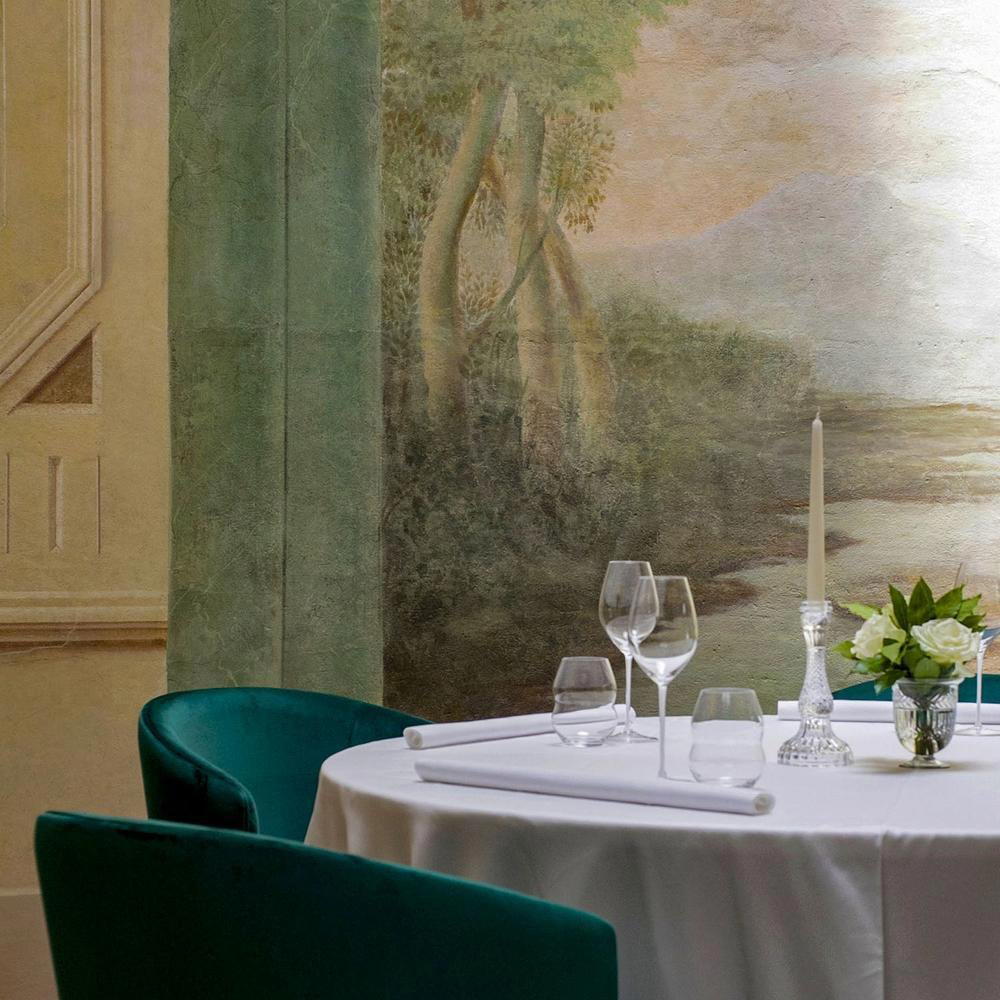
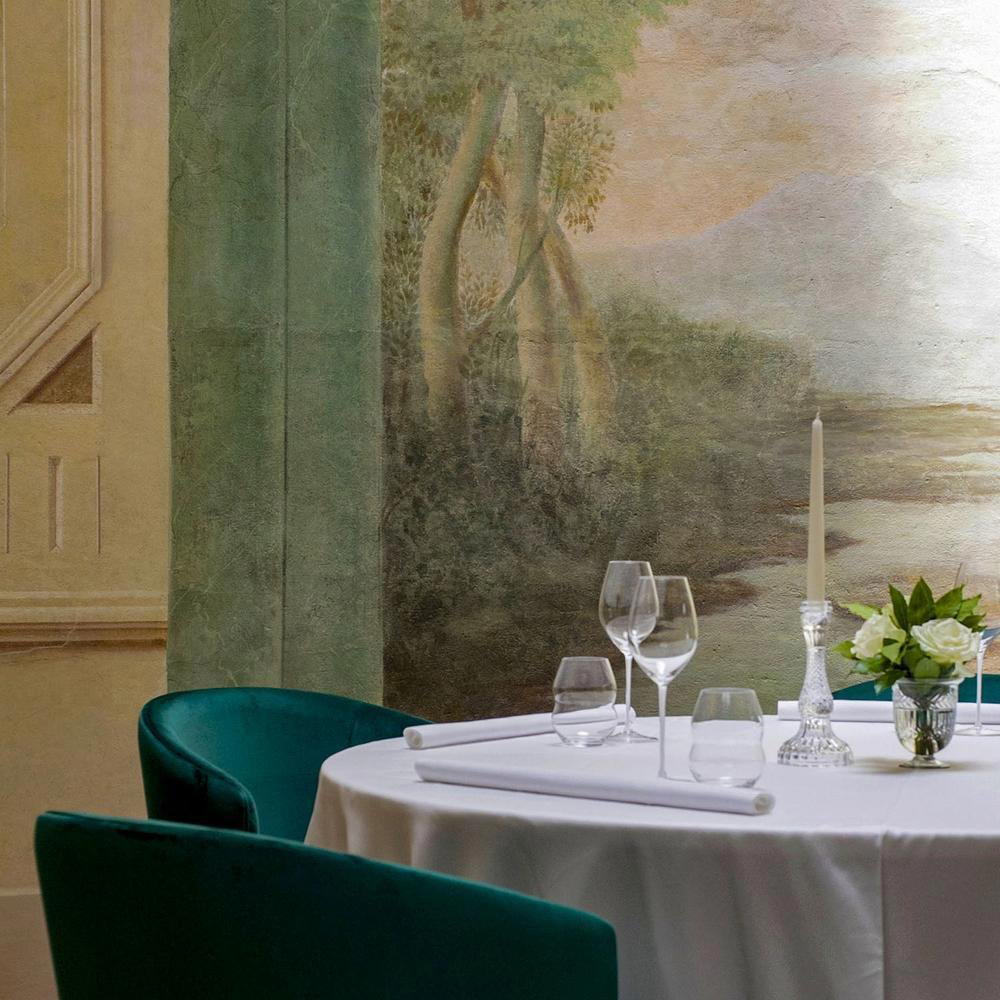
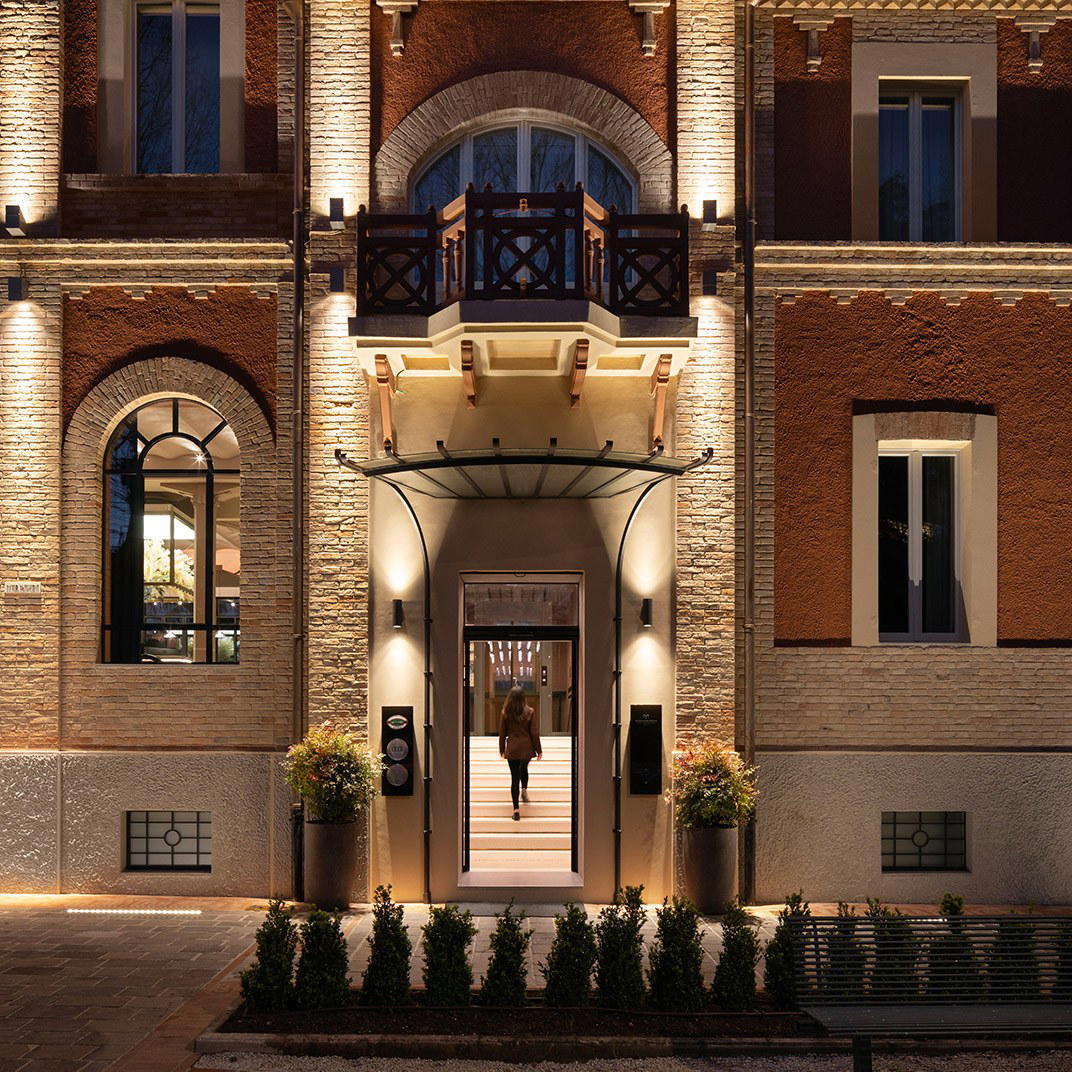
Modern and measured room with eye-catching décor featuring continuous red flooring and slightly kitsch ornamental details, creating an elegant and focused atmosphere for long meals.