Distilleria Varnelli operates from Muccia, a small town in the Apennine highlands of Le Marche, where altitude, mountain herbs, and generations of distilling tradition shape its spirits program. A deliberate destination for those tracing Italian distilling heritage beyond the better-known northern producers.
Pearl is the En Primeur Club membership app — saves, bookings, and concierge access live there. Same editors, same standards.
- Address
- Via Girolamo Varnelli, 10, 62034 Muccia MC
- Phone
- +39 0737 647000
- Website
- varnelli.it
- Directions
- Get directions
 Saves & bookings on Pearl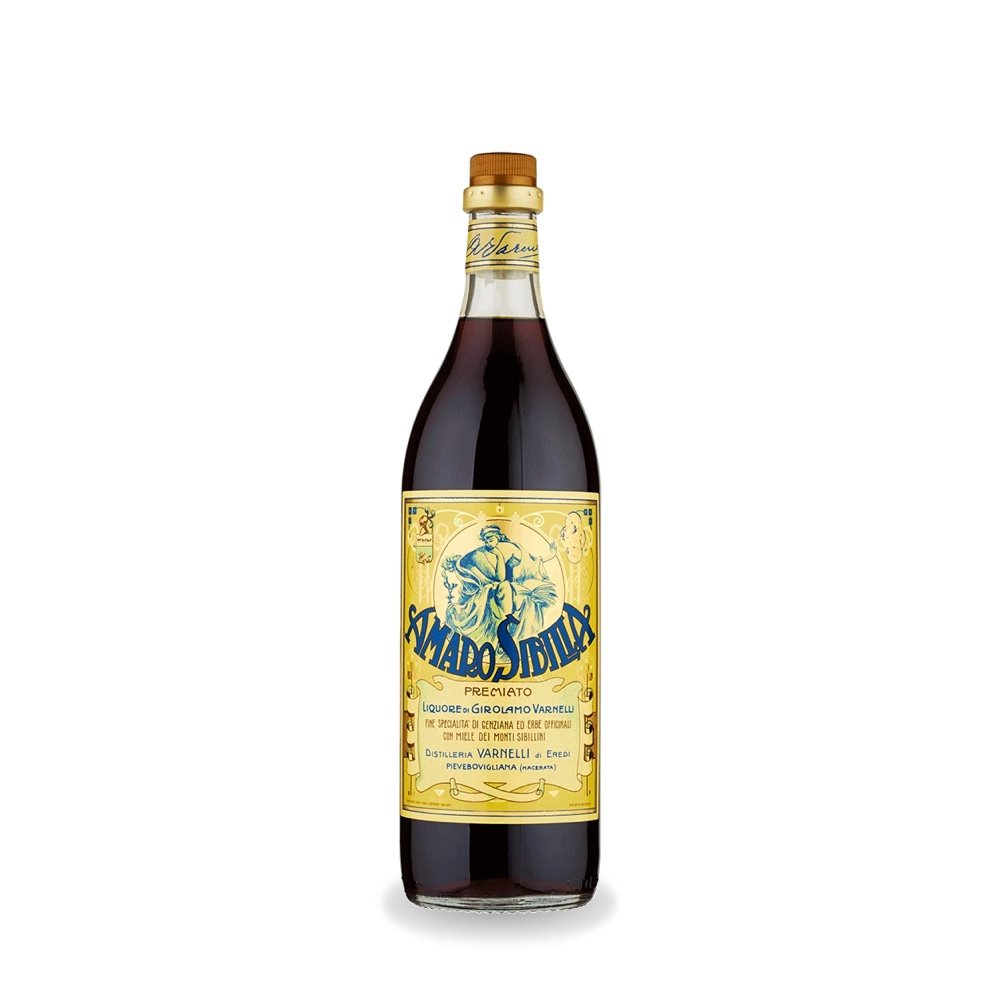
Mountain Distilling in Le Marche: The Apennine Tradition Behind Varnelli
Italy's artisanal spirits map has long been drawn along familiar northern corridors: the Trentino grappa houses, the Piedmontese distilleries, the Lombard producers who built their reputations alongside wine estates with international profiles. Central Italy rarely appeared on that map in any serious way. Yet the Sibillini mountain range and the high Apennine terrain of Le Marche have their own logic when it comes to distilling: cold winters, aromatic mountain herbs, and a insularity that kept production small and locally rooted for most of the twentieth century. Distilleria Varnelli, based in Muccia in the Macerata province, is the primary reason that logic is now being reconsidered.
Varnelli belongs to a different, less codified tradition, one rooted in mountain botanicals rather than vineyard by-products, and that distinction matters for how the spirits read on the palate and in the broader category.
What the Altitude Does
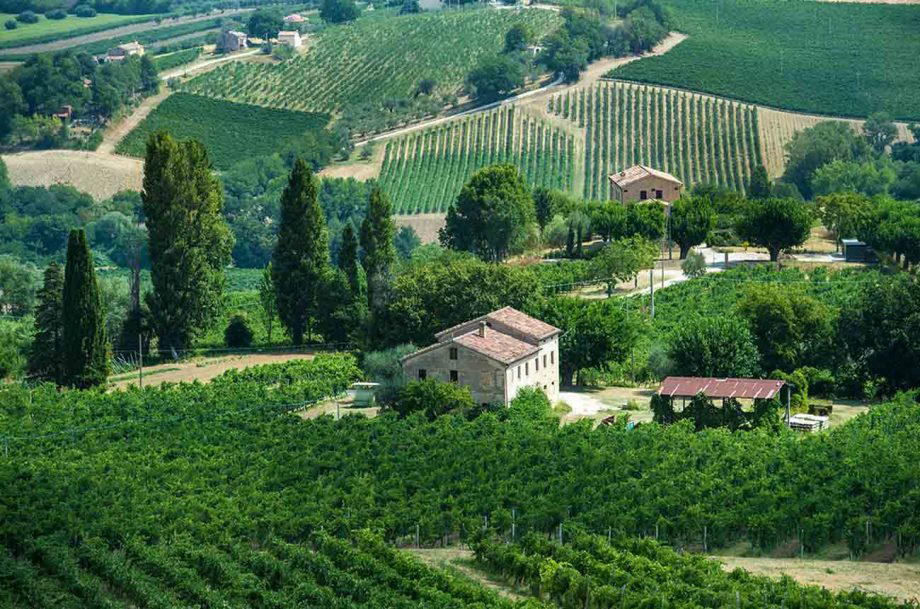
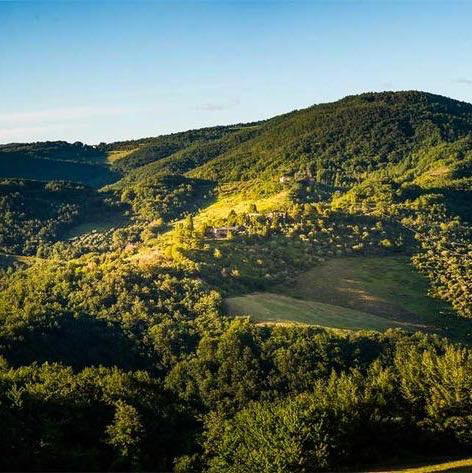
Muccia sits at roughly 430 metres above sea level in a valley cut by the Chienti river, surrounded by terrain that climbs considerably higher into the Sibillini range. The alpine and sub-alpine botanical environment that encircles the town has historically defined what distillers in this part of Le Marche had access to: gentian, wild anise, mountain herbs with a bitterness and aromatic intensity that lowland producers cannot easily replicate. This is the terroir argument for central Italian spirits, and it is a legitimate one. Just as the volcanic soils of Sicily give Planeta's wines in Menfi a specific mineral signature, or the Langhe hills produce the tannin structure that defines Aldo Conterno's Barolo in Monforte d'Alba, the botanical environment of the Le Marche Apennines imposes its own conditions on what Varnelli produces.
The distillery is renowned for its amaro and anise-driven liqueurs, categories in which botanical sourcing and alpine provenance translate directly into product character. Italian amaro as a category spans an enormous range, from the low-bitterness, commercially produced examples available in every supermarket to the intensely herbal, small-batch productions that track closely to specific mountain environments. Varnelli occupies the upper end of that range, with products whose botanical intensity reflects the altitude and wildness of the surrounding terrain rather than a standardised commercial formula.
Positioning in Italy's Artisanal Spirits Category
The Italian spirits industry is in a period of serious reassessment. Grappa, long dismissed outside Italy as a rough agricultural by-product, has spent two decades rebuilding its reputation through producers willing to invest in single-varietal releases, extended aging, and transparent vineyard sourcing. Amaro and botanical liqueurs are undergoing a similar reappraisal, with bartenders and spirits buyers in London, New York, and Tokyo increasingly interested in regionally specific Italian bitters as both cocktail ingredients and standalone digestivi.
Comparison set for a producer like Varnelli is genuinely cross-category. The artisanal Italian spirits world includes grappa houses like Distilleria Romano Levi in Neive, whose Piedmontese identity is inseparable from its product character, as well as larger operations like Campari in Milan, which represents the industrial end of Italian bitters production at scale. Varnelli occupies neither of those positions. It is small enough to maintain genuine artisanal specificity, but established enough to carry formal recognition and a distribution reach that extends well beyond the Macerata province. For a spirits buyer or a serious traveller building a tour around Italian distilling heritage, that positioning makes Muccia worth the detour from the more trafficked routes through Tuscany and Piedmont.
Muccia as a Destination
Muccia is not a common stop on central Italian itineraries. The town is small, the infrastructure is modest, and Le Marche as a whole receives a fraction of the tourist traffic that Tuscany draws. That relative obscurity is, in distilling terms, part of the story. Producers in well-touristed regions often find their identities partly shaped by visitor expectations; producers in places like Muccia develop against a different set of pressures, closer to local tradition and further from international market positioning. The result, at Varnelli, is a production philosophy that reads as genuinely local rather than curated for export audiences.
The earthquake that damaged much of the Macerata province in 2016 affected communities throughout this part of Le Marche, including Muccia itself. The subsequent recovery has been slow and uneven. Visiting the distillery now carries a layer of context that more settled wine or spirits regions do not require: this is a place working to reassert both its economic and cultural identity, and a producer like Varnelli is part of that reassertion. For readers who have followed Tuscan wine estates like Castello di Volpaia in Radda in Chianti or Lungarotti in Torgiano as emblems of regional identity expressed through production, Varnelli represents that same dynamic in a less familiar but more compelling context.
Planning a Visit
Distilleria Varnelli's address is Via Girolamo Varnelli, 10, 62034 Muccia MC. The distillery is accessible by car from Macerata (approximately 50 kilometres west) and sits close to the SS77 corridor that connects the Adriatic coast to the Umbrian interior. Muccia has limited accommodation, so most visitors use Macerata, Camerino, or Tolentino as a base.
Comparison Snapshot
Comparable venues nearby, for context on price, style, and recognition.
| Venue | Cuisine | Price | Notes |
|---|---|---|---|
| Distilleria VarnelliThis venue — the venue you are viewing | Marche | $$ | Not listed |
| Lamoreaux Landing Wine Cellars | Winery | Not listed | Lodi |
| Gruppo Campari | Winery | Not listed | Milan |
| Gruppo Montenegro | Winery | Not listed | Bologna |
| Enrico Toro Distilleria (Centerba Toro) | Abruzzo | $$ | Tocco da Casauria |
| Cantina Produttori Nebbiolo di Carema | Nebbiolo | $$ | Carema |


At a Glance
- Rustic
- Classic
- Scenic
- Wine Education
- Group Outing
- Historic Building
- Estate Grounds
- Sustainable
- Mountain
- Marche
- Fortified
- Spirit Tasting
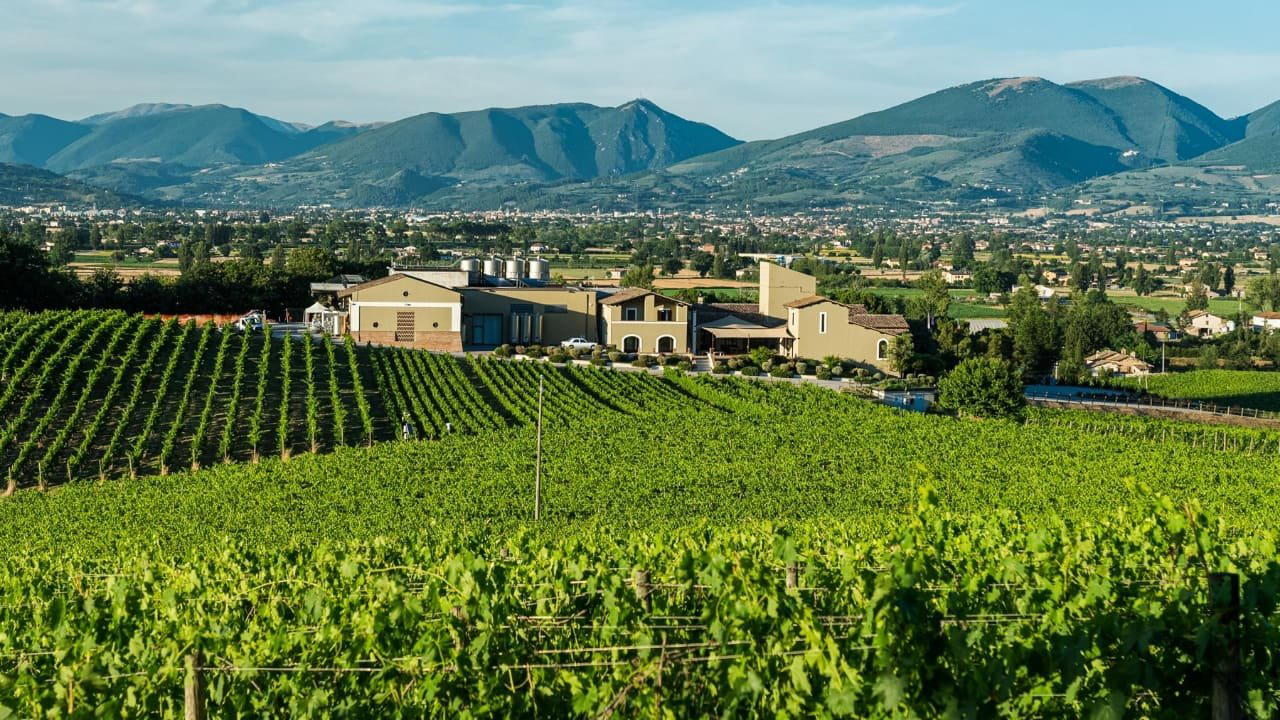
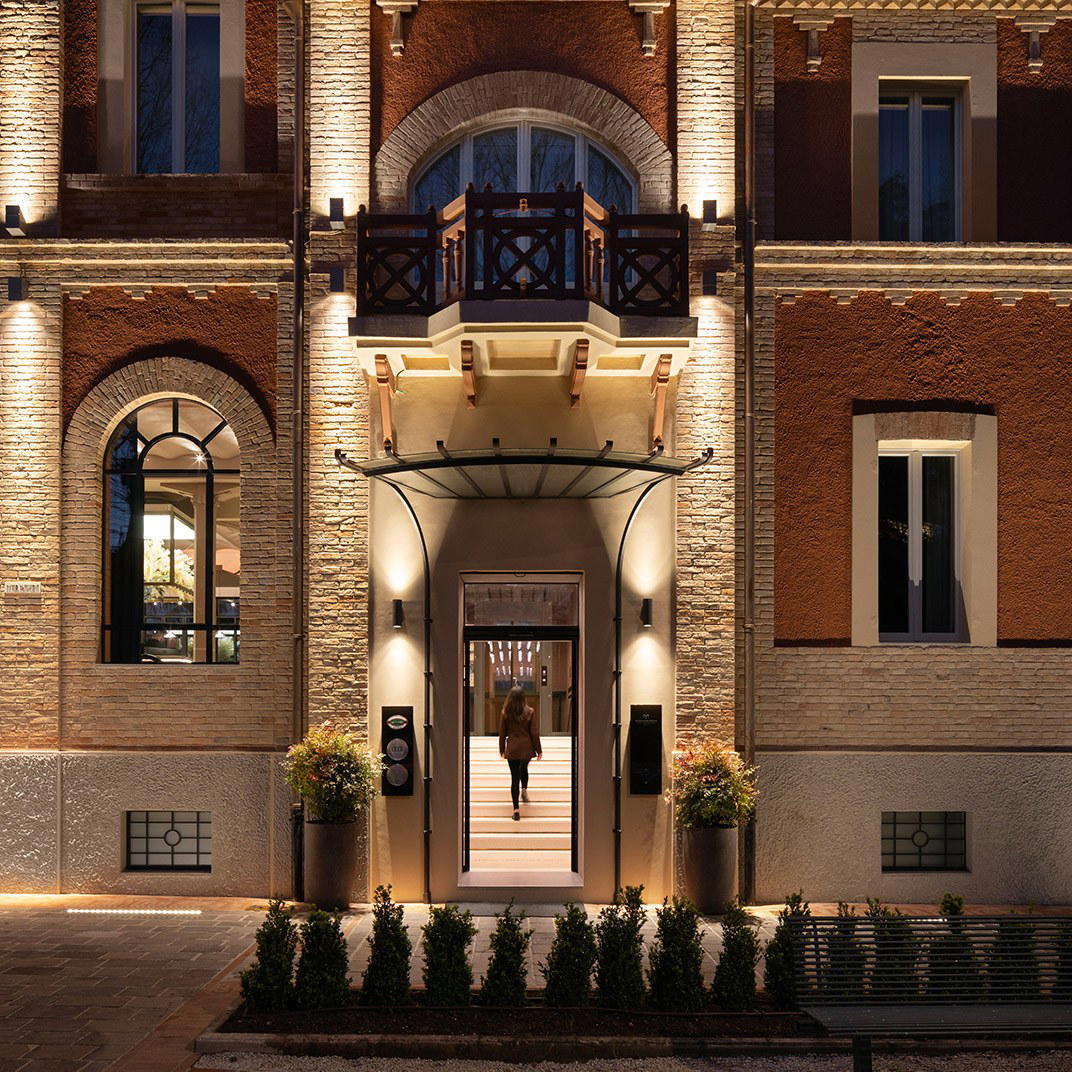
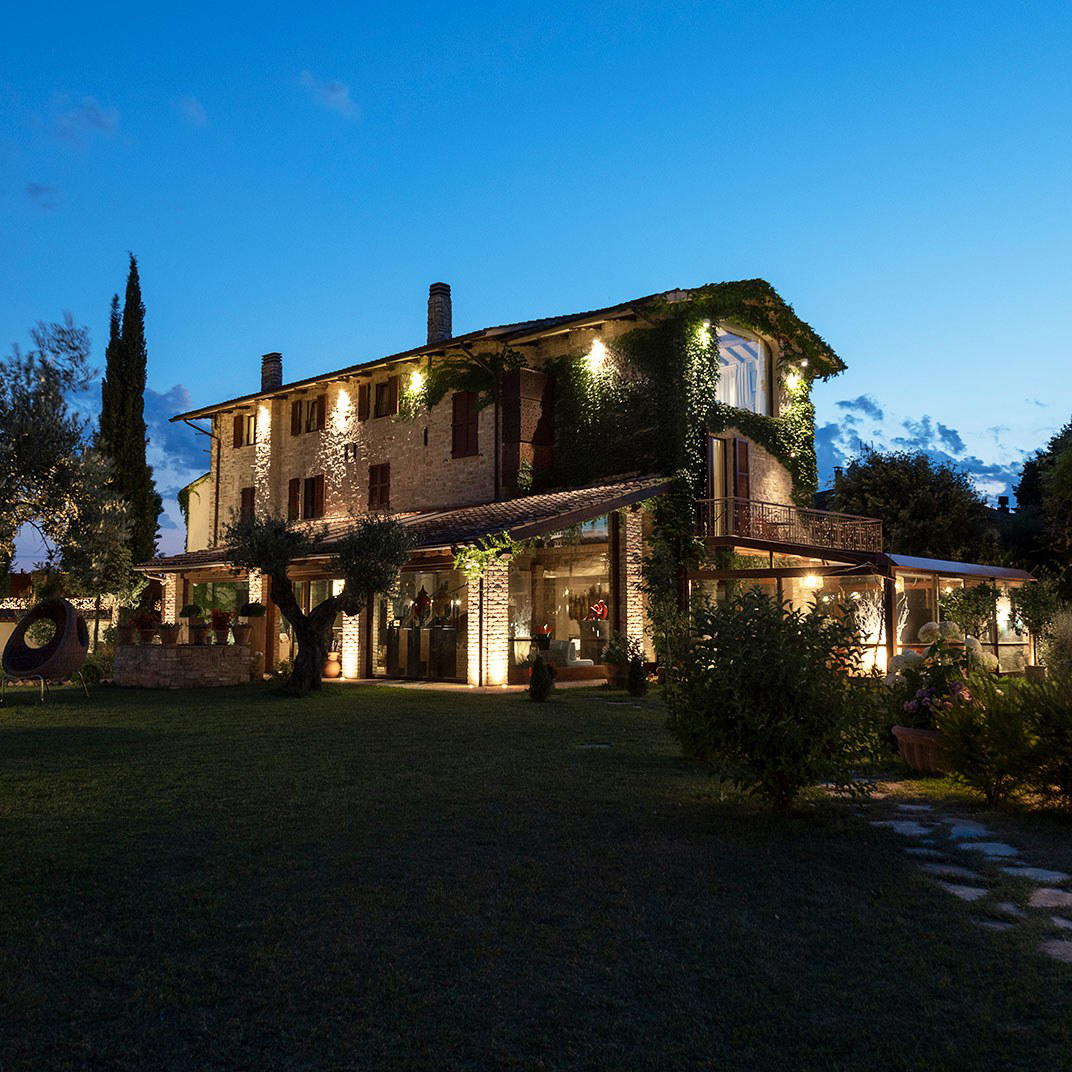
Historic artisanal production facility blending traditional methods with modern design, set in harmony with the Sibillini Mountains landscape.