


Andreina runs formal, leisurely lunch and dinner service with an extensive wine list, and Michelin kept its one star in 2024, 2025, and 2026.
Pearl is the En Primeur Club membership app — saves, bookings, and concierge access live there. Same editors, same standards.
- Address
- Via Zona Industriale Brodolini, 2, 60025 Loreto AN, Italy
- Phone
- +39 347 957 2088
- Website
- ristoranteandreina.it
- Directions
- Get directions
 Saves & bookings on Pearl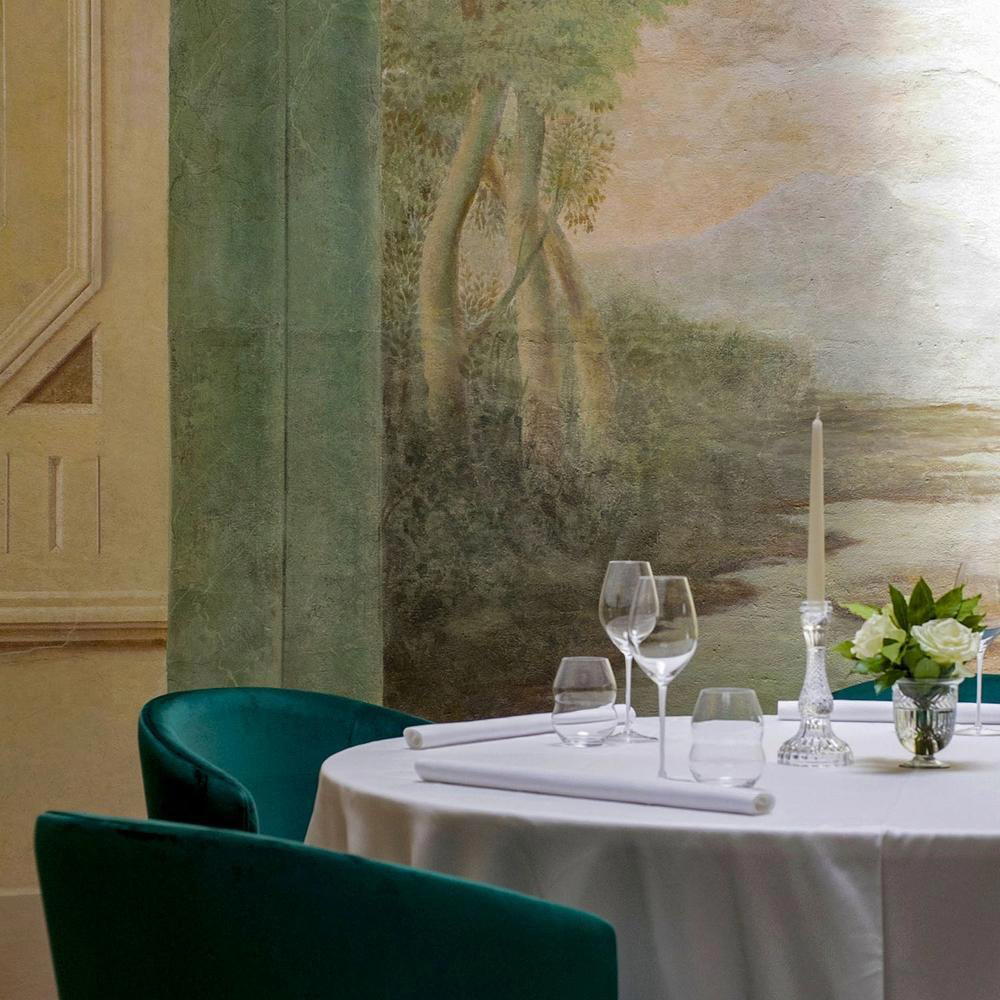
Fire as Philosophy: The Marchigiano Grill Tradition at Andreina
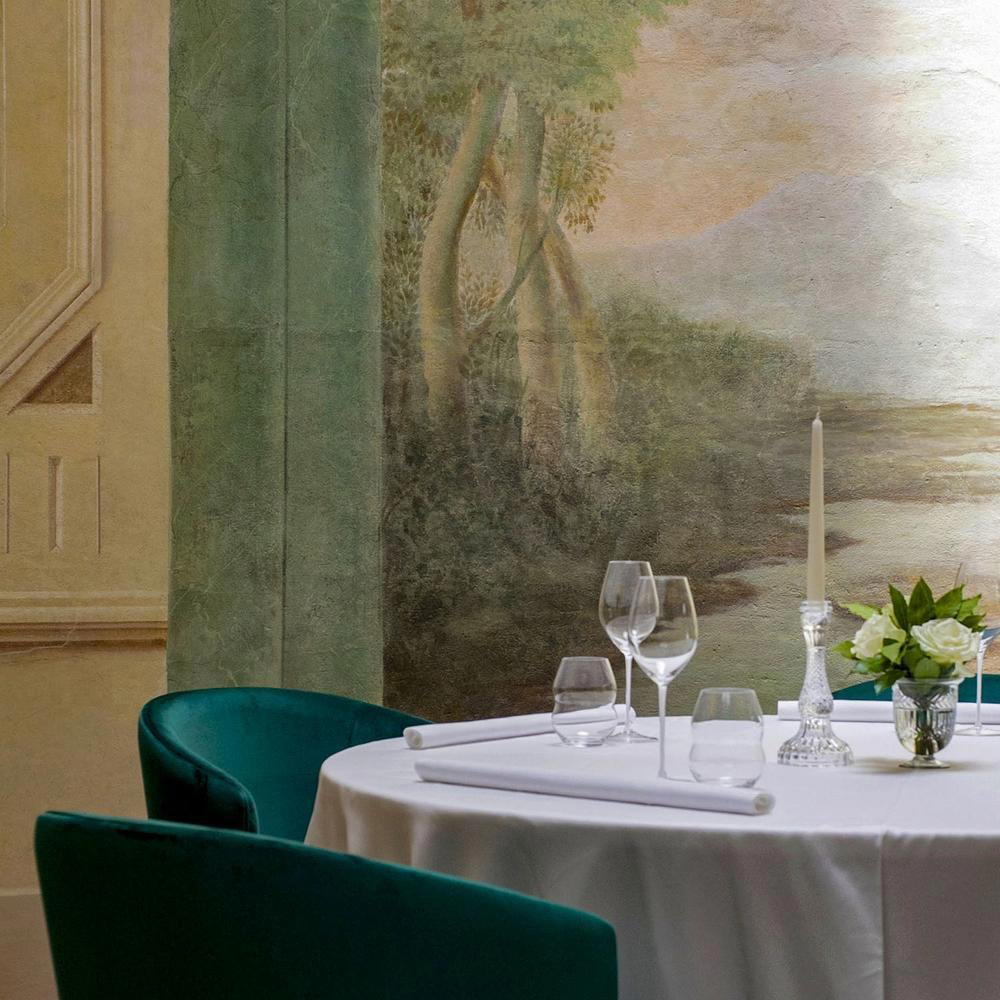
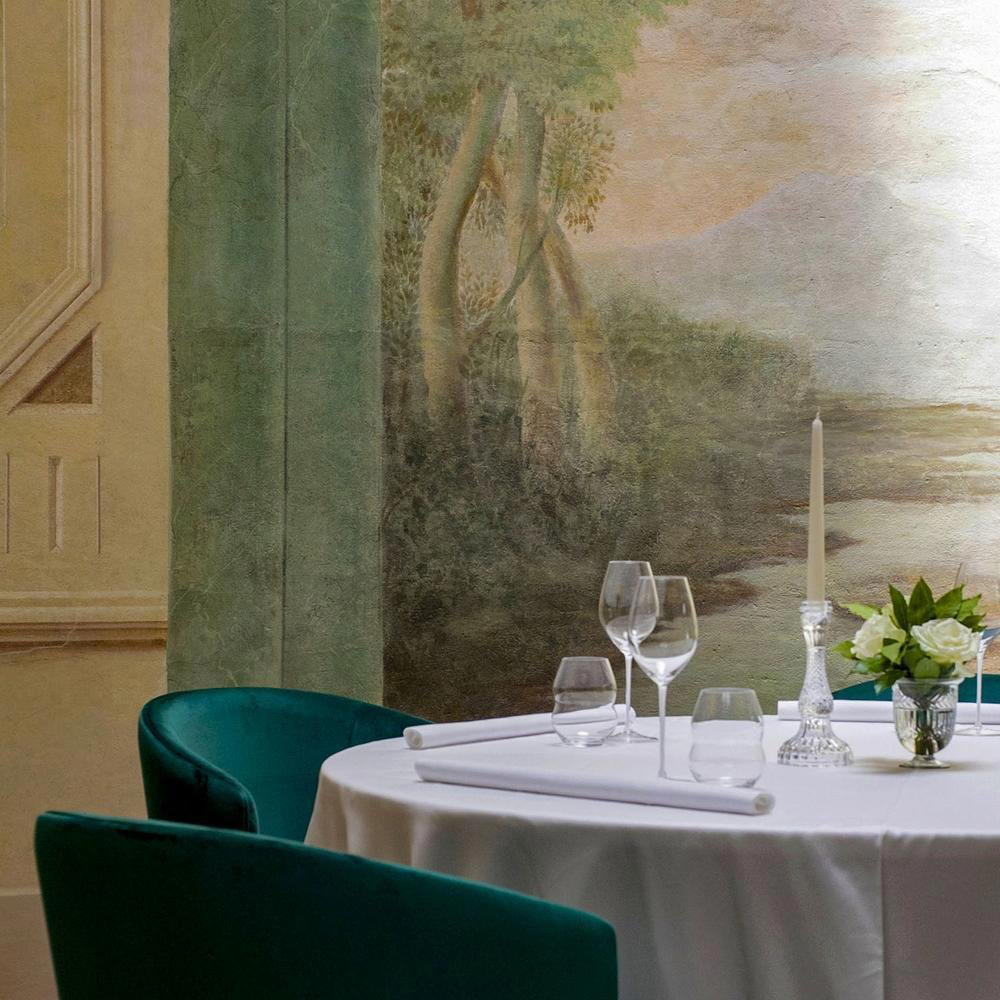
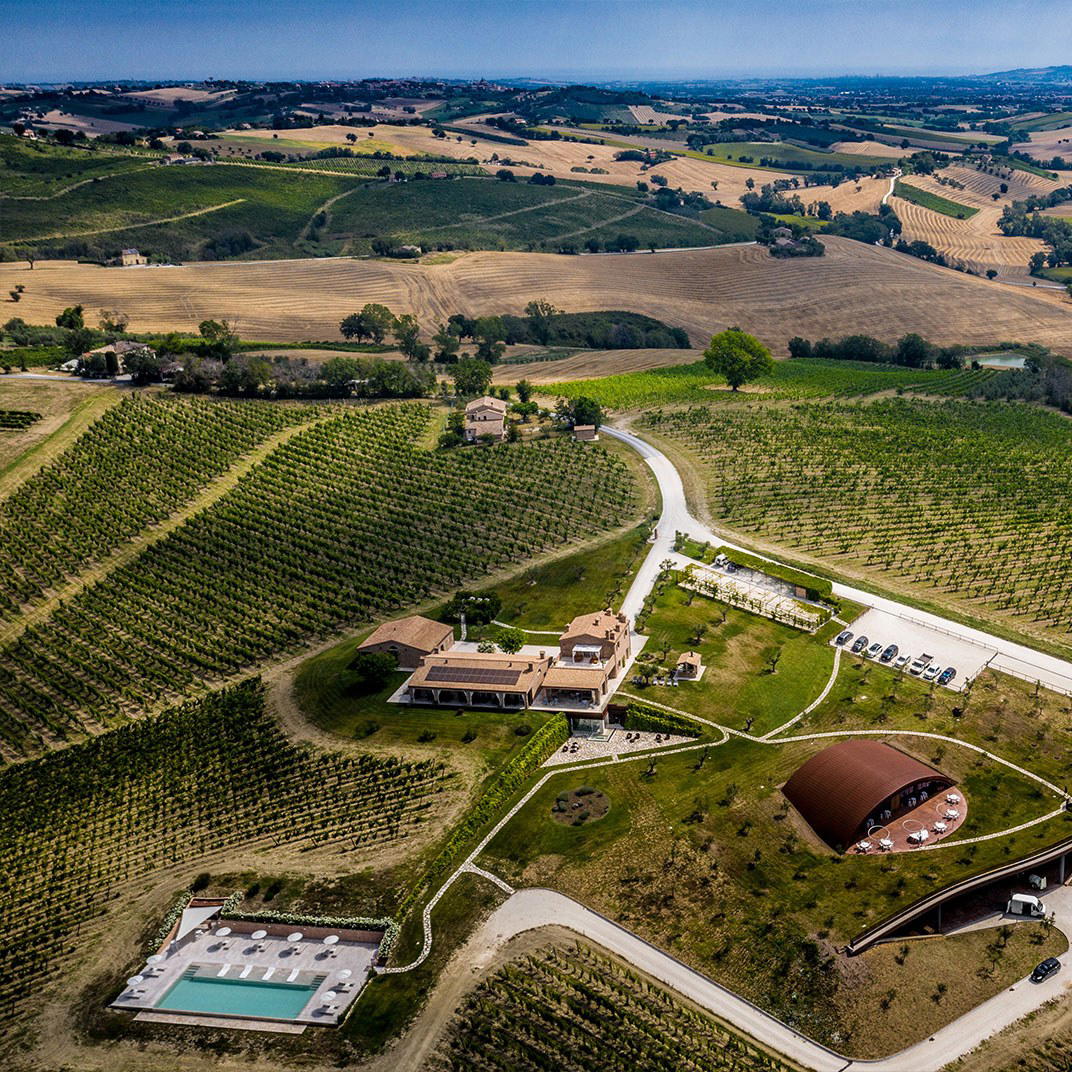
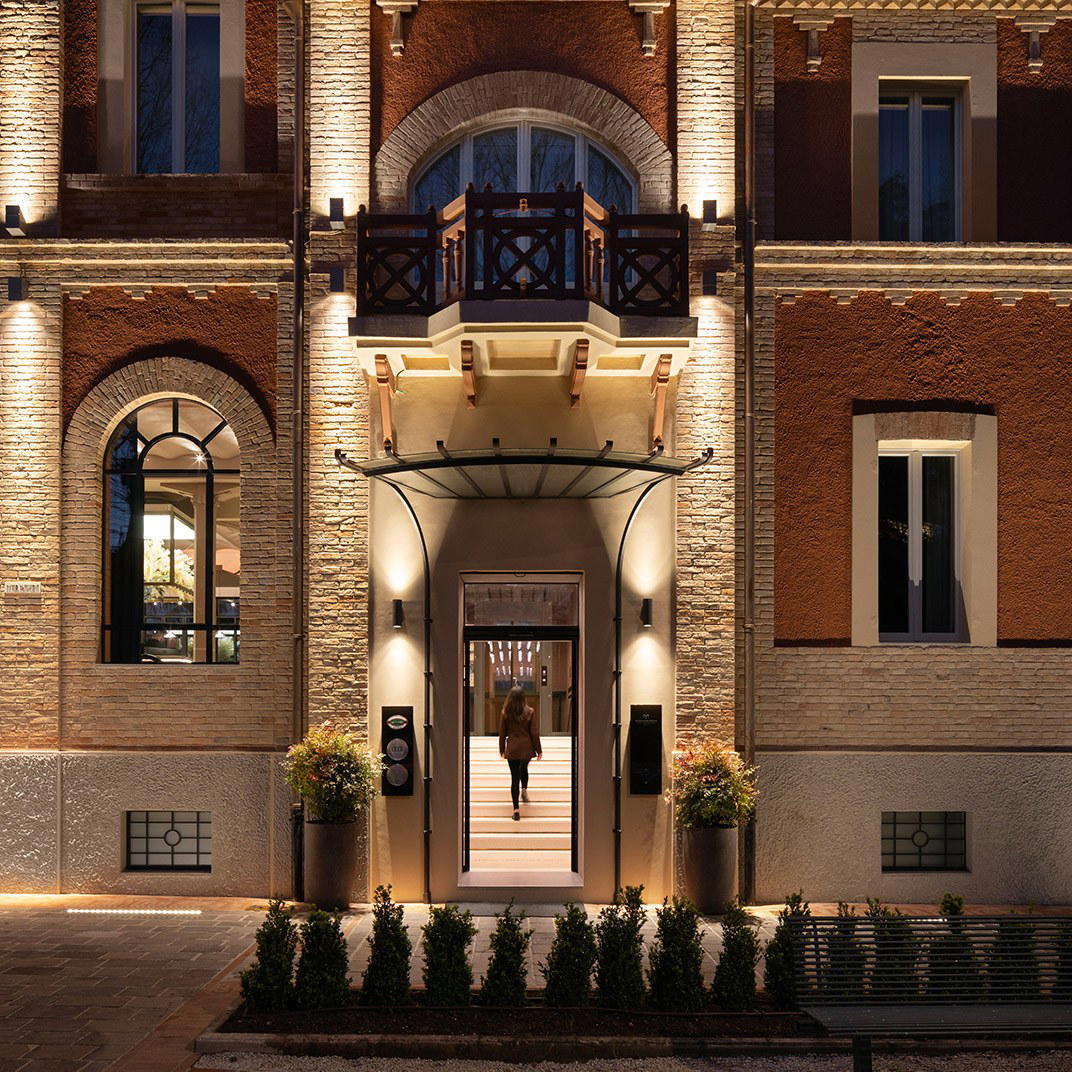
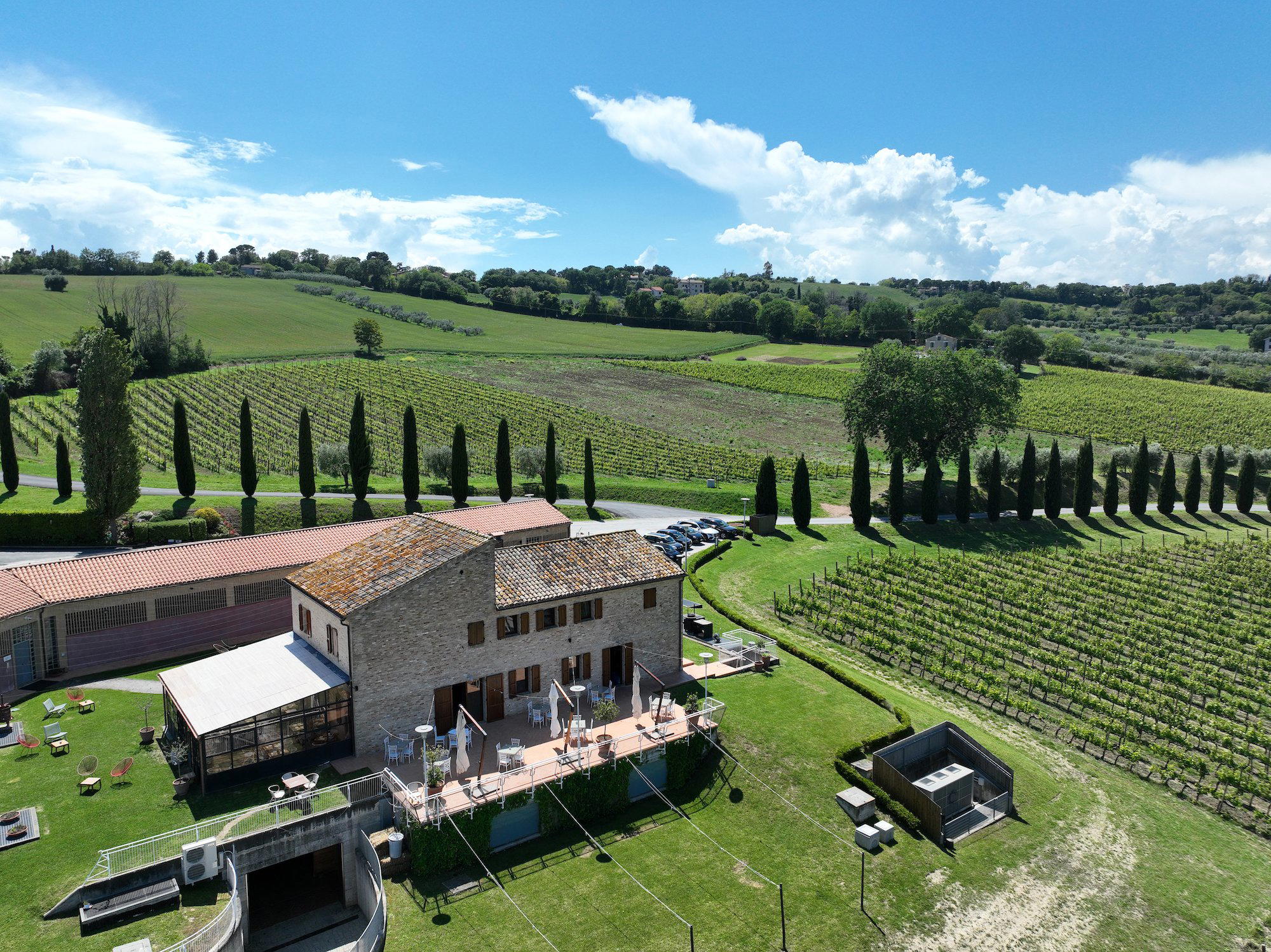
Andreina is a one-Michelin-star restaurant in Loreto, Italy, where Errico Recanati cooks modern Italian with meats and grills. The address, along Via Zona Industriale Brodolini, sits well outside the medieval hilltop town whose famous basilica draws pilgrims from across the Catholic world. But the building itself, a converted farmhouse with interiors that carry decades of accumulated warmth, reorients you almost immediately. The dining room communicates something the address does not: that this is a place shaped by continuity rather than reinvention, where the central drama is the open fire burning at the kitchen's core.
Andreina belongs to a specific and increasingly rare category of Italian restaurant: the multi-generational house where fire cookery was never a trend and never became one. The grill and the fireplace are not design elements or concept signifiers here. They are the technical spine of everything Errico Recanati produces, and they connect the current kitchen directly to the grandmother, also named Andreina, who opened this restaurant more than sixty years ago. In the Marche, as in Umbria and parts of Abruzzo, live-fire technique carries a different meaning than it does in northern Italian cooking traditions. This is inland, agricultural central Italy, where game has historically anchored the table and where embers, spits, and direct flame have always been the instruments of serious cookery, not rustic simplicity.
Where Andreina Fits in the Italian Fine Dining Map
To understand Andreina's position in Italy's restaurant scene, it helps to think about regional concentration. The country's most decorated restaurants cluster in the north and in certain celebrated southern pockets: Dal Pescatore in the Po Valley, Enoteca Pinchiorri in Florence, Le Calandre outside Padua, Enrico Bartolini in Milan, Osteria Francescana in Modena. The central Adriatic coast, Le Marche, specifically, has produced far fewer names at this tier, which makes Uliassi in Senigallia (roughly forty kilometres north along the coast) and Andreina in Loreto the two most significant reference points for the region at a serious dining level. See our full coverage of Uliassi in Senigallia for the contrasting, seafood-forward interpretation of Adriatic fine dining.
Where Uliassi works from the sea, Andreina works from the land: from fire, from game, from home-grown produce, from a tradition that has more in common with the mountain cooking of Abruzzo, as interpreted by Reale in Castel di Sangro, than with coastal contemporaries. The result is a restaurant with a strongly defined regional identity that resists easy comparison to urban progressive Italian formats such as Contraste in Milan. At Andreina, the territory comes first, and the technique serves it.
Recognition has accumulated steadily. A Michelin star places Andreina in the company of Italy's most formally acknowledged kitchens. La Liste, which aggregates global critical opinion, scored the restaurant at 89 points in its 2025 edition and 87 points in 2026. Opinionated About Dining, which draws on a deep pool of experienced eaters rather than inspector-led methodology, ranked Andreina at 188th in Europe in 2025, up from 292nd in 2024, a meaningful upward trajectory that reflects increased attention rather than a sudden change in what the kitchen does. The Google aggregate of 4.5 across nearly eight hundred reviews adds a consistency signal that award citations alone do not always provide. For further comparison across Italy's upper-tier scene, see our coverage of Piazza Duomo in Alba, Osteria Francescana in Modena, Le Calandre in Rubano, and Quattro Passi in Marina del Cantone.
The Tasting Menu Format: Fuoco and Fiamme
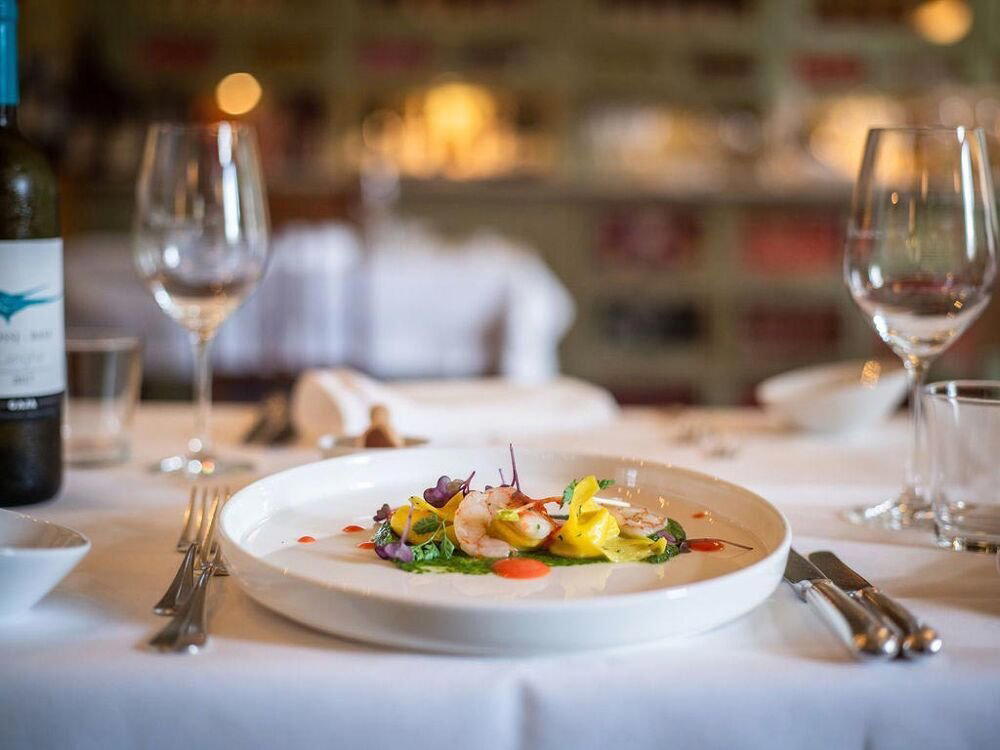
The kitchen currently offers two tasting menus: Fuoco (fire) and Fiamme (flames). Both names are transparent about their organizing logic. Live fire is not one element among many in these menus; it is the through-line, appearing in different registers across courses. Recanati's approach to the grill and spit extends beyond the obvious applications of meat and fish cookery. According to La Liste's documentation, smoke and flame inflect nearly every dish, including those built around home-grown fruits and vegetables, which carry the kitchen's fire signature into territory where it is less expected.
One dish within the Fiamme menu has attracted specific notice in multiple assessments: a creation called Strawberries and Cream, which La Liste flags explicitly as something that is not a dessert despite its name. The deliberate misdirection is a small but telling signal about how Recanati frames his cooking, using familiar reference points to approach something genuinely different. Without visiting, one cannot describe the dish's actual composition, but its presence in critical write-ups suggests it functions as a course that reorients expectations about what fire-led cooking can do with delicate ingredients.
The wine selection is documented as well-structured, which in the context of Le Marche means access to a region whose output deserves more international attention than it reliably gets. Verdicchio dei Castelli di Jesi and Verdicchio di Matelica represent the white spine of Marchigiano wine production, while Rosso Conero and Rosso Piceno provide the indigenous red counterparts.
The Marchigiano Table: Context for a Cuisine Built Around the Grill
Central Italian cooking, and specifically the inland Marche tradition, has historically received less international editorial attention than Tuscan, Roman, or Neapolitan food cultures. This relative obscurity has more to do with media geography than culinary significance. The food culture here is older, tied to subsistence agriculture and to hunting traditions that persist with more continuity than in regions where urbanisation arrived earlier. Game, wild boar, hare, pigeon, woodcock, remains a serious ingredient rather than an occasional reference. Grilling over wood is the primary cooking method rather than a secondary technique. These are not affectations; they are the inherited tools of a regional tradition.
Andreina's positioning within that tradition is specific. The restaurant has been operating for over sixty years, which places its origins in the early post-war period when central Italian cuisine was barely codified as a category. The transition from the grandmother's kitchen to Errico Recanati's current interpretation has involved the addition of technical discipline and contemporary plating without, by all available accounts, dismantling the core logic: fire first, territory first, hospitality as an expression of roots rather than ambition. This is a different orientation from, say, the intensely research-led approach of Atelier Moessmer Norbert Niederkofler in Brunico, or the French-Italian synthesis of Enoteca Pinchiorri in Florence.
For travellers building an itinerary around Italy's most serious regional tables rather than its headline urban rooms, the central Adriatic corridor, Loreto, Senigallia, the Conero Riviera, offers a concentration of serious cooking that the logistics of the region have kept off most international radar. Loreto itself is not a significant tourist destination in the conventional sense; its pilgrimage traffic is dense but specific. A dedicated dining trip to Andreina therefore tends to arrive with more intentionality than a restaurant embedded in a city centre or a major wine region.
Planning a Visit
The restaurant operates for lunch and dinner on Monday, Thursday, Friday, Saturday, and Sunday, with Tuesday and Wednesday closed. Lunch service runs from 12:30 to 3:00 PM; dinner from 8:30 to 10:30 PM. The price tier sits at €€€, placing Andreina in the mid-to-upper band of Italian fine dining, below the €€€€ ceiling occupied by three-star operations like Dal Pescatore or Enrico Bartolini, and reflecting a value position that the region's lower cost base makes possible relative to Milan or Rome peers carrying comparable award recognition. Loreto sits roughly thirty kilometres south of Ancona, which has the nearest airport with domestic and some international connections.
For anyone planning further time in the region, EP Club also covers hotels in Loreto, bars in Loreto, wineries in the Loreto area, and experiences around Loreto. For reference across a broader international comparable set, see also Casa Perbellini 12 Apostoli in Verona and Le Bernardin in New York City.
A Quick Peer Check
Comparable venues nearby, for context on price, style, and recognition.
| Venue | Cuisine | Price | Awards | Notes |
|---|---|---|---|---|
| AndreinaThis venue — the venue you are viewing | Modern Italian with Meats and Grills | $$$$ | Michelin 1 Star | Not listed |
| Il Convivio Troiani | Modern Italian Fine Dining | $$$$ | Michelin 1 Star | Ponte |
| Imàgo | Modern Italian Fine Dining | $$$$ | Michelin 1 Star | Campo Marzio |
| La Torre | Michelin-Starred Tuscan Fine Dining | $$$$ | Michelin 1 Star | Tavarnelle Val di Pesa |
| Agli Amici Dopolavoro | Modern Italian Fine Dining | $$$$ | Michelin 1 Star | Isola delle Rose |
| La Trota | Modern Italian Freshwater Fish Fine Dining | $$$$ | Michelin 1 Star | Rivodutri |
Recognition history
Dated appearances from independent guides and award organizations, with the underlying list record or original source where available.
La Liste Top Restaurants
La Liste
Michelin 1 Star
Michelin
Opinionated About Dining Top Restaurants in Europe Recommended
Opinionated About Dining
La Liste Top Restaurants
La Liste
Michelin 1 Star
Michelin
Opinionated About Dining Top Restaurants in Europe Ranked #188
Opinionated About Dining
Michelin 1 Star
Michelin
Opinionated About Dining Top Restaurants in Europe Ranked #292
Opinionated About Dining
Opinionated About Dining Top New Restaurants in Europe Highly Recommended
Opinionated About Dining

At a Glance
- Elegant
- Cozy
- Sophisticated
- Rustic
- Special Occasion
- Date Night
- Open Kitchen
- Private Dining
- Extensive Wine List
Current opening hours
- Monday
- 12:30–3 PM, 8:30–10:30 PM
- Tuesday
- Closed
- Wednesday
- Closed
- Thursday
- 12:30–3 PM, 8:30–10:30 PM
- Friday
- 12:30–3 PM, 8:30–10:30 PM
- Saturday
- 12:30–3 PM, 8:30–10:30 PM
- Sunday
- 12:30–3 PM, 8:30–10:30 PM
Hours can change for holidays and private events. Last verified .
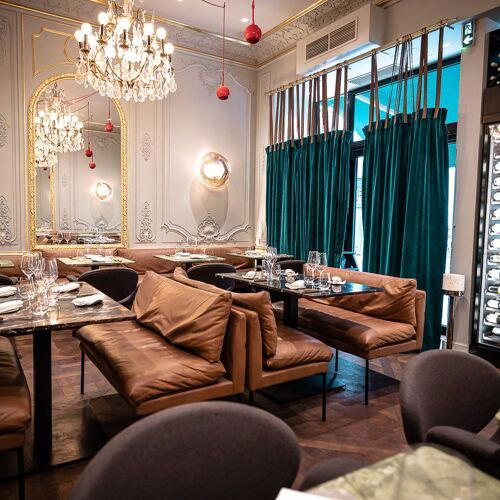
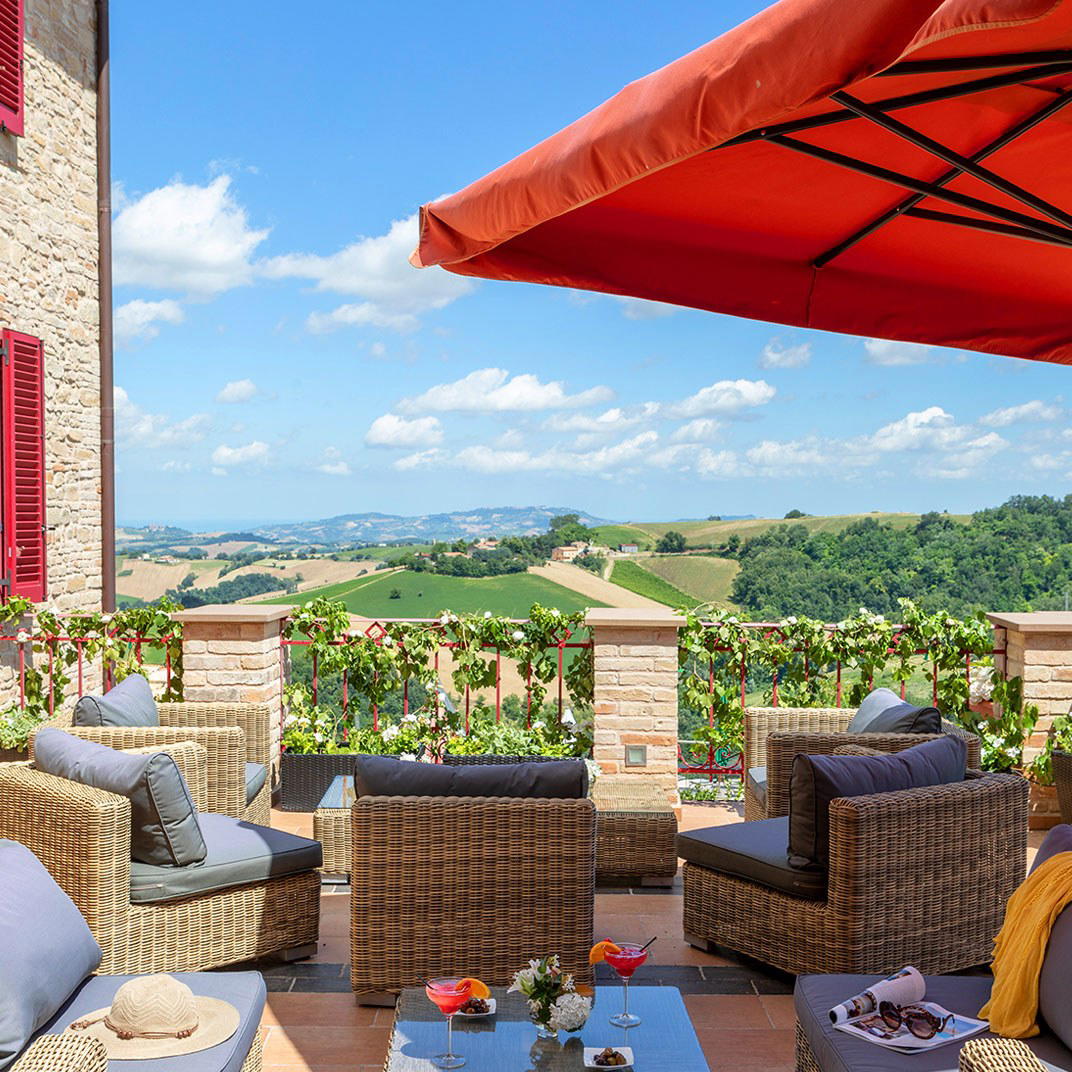
Elegant interiors of a former farmhouse with warm, welcoming atmosphere and open kitchen.