



Michelin Selected · Relais Chateaux Award · Mr & Mrs Smith Seal of Approval
A 16th-century palazzo in the centre of Norcia, Palazzo Seneca holds a Michelin Star and Green Star for 2025 alongside Relais & Châteaux membership, placing it at the top of Umbria's small-town luxury tier. Rates from US$199 per night make it one of the more accessible entries in that bracket. The hotel's kitchen draws directly from Norcia's celebrated charcuterie and truffle traditions.

Pearl is the En Primeur Club membership app, where members save venues, book tables and use the concierge.
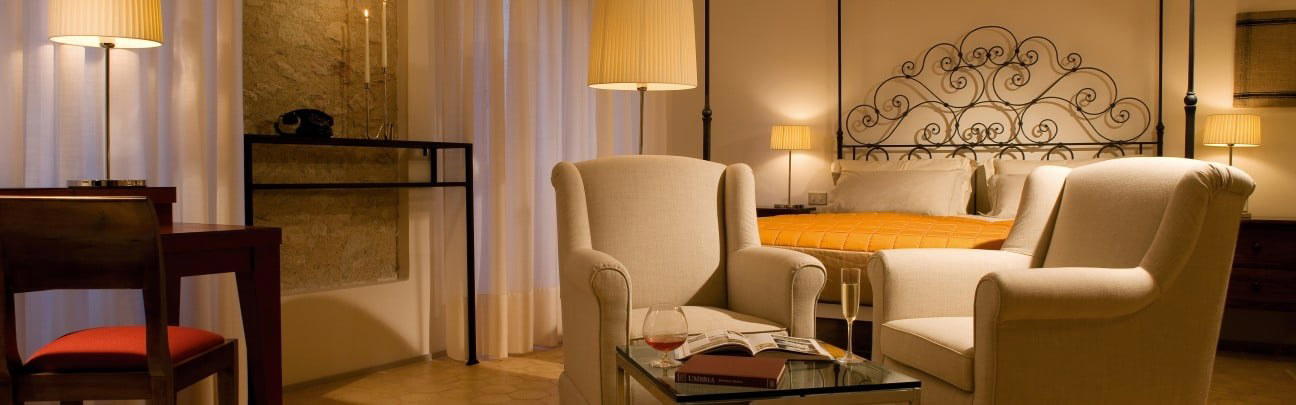
Stone Walls and Starred Kitchens: Palazzo Seneca in Context
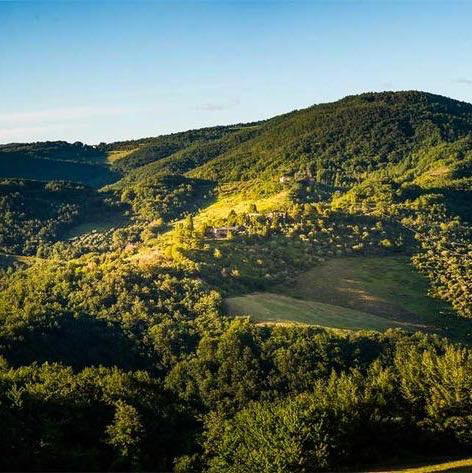
Norcia occupies a particular position in Italian travel: a small, walled Umbrian town whose reputation far exceeds its size. Known across Italy for its norcino tradition, the art of pork butchery and cured meats that gave Italian salumieri their generic title, the town also sits at the edge of the Sibillini Mountains, a landscape that produces some of the country's most prized black truffles and lentils. For a place with a population of roughly 5,000, Norcia carries a disproportionate culinary weight. Hotels here that take food seriously are operating in a town where the raw ingredients are genuinely exceptional. Palazzo Seneca, holding both a Michelin Star and a Michelin Green Star for 2025, has evidently earned its place in that tradition. Explore our full Norcia restaurants guide and our full Norcia hotels guide for broader context on where the town sits today.
A 16th-Century Structure Doing Real Architectural Work
The premium hotel tier across central Italy has split along a clear axis in recent years. On one side sit large-footprint conversions, abbeys, fortresses, and wine estates repositioned as resort destinations, properties like Rosewood Castiglion Del Bosco in Montalcino or Castello di Reschio in Lisciano Niccone, where estate scale is part of the proposition. On the other side sit compact urban palazzi, properties whose claim rests on architecture, density of detail, and proximity to an actual living town centre rather than isolation and acreage. Palazzo Seneca belongs firmly to the second category.
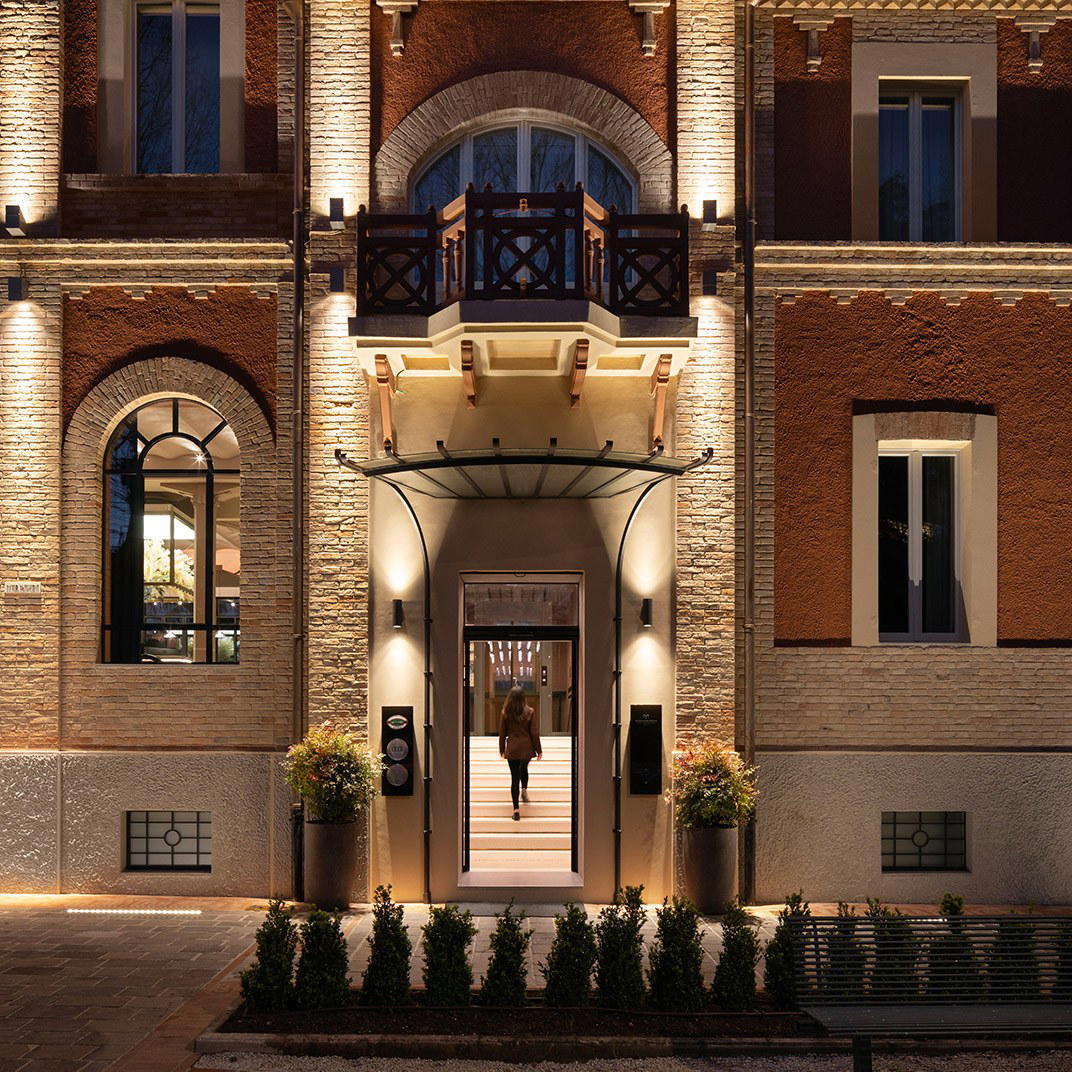
The building dates to the 16th century. That fact matters more than it might seem: Norcia was severely damaged by earthquakes in 2016, and the town's reconstruction has been slow and visible. Arriving on Via Cesare Battisti and approaching a palazzo that has been continuously inhabited and cared for across five centuries places a guest inside a very different kind of story than a newly converted rural estate. The structure carries the particular gravity of a building that has survived when much around it has not. The stone facade, the proportions of the interior courtyard, the thickness of the walls, these are architectural details that operate as historical argument, not decoration.
Within the Relais & Châteaux network, Palazzo Seneca occupies a niche that the group has historically valued: the family-managed historic property in a town of genuine cultural significance, rather than a branded resort in a premium location. At Palazzo Seneca, the town and the building do the heavier work of context-setting.
What the Double Michelin Recognition Actually Signals
Michelin awarded Palazzo Seneca both a Star and a Green Star for 2025. The two awards are not redundant: the Star recognises kitchen quality by the inspectors' technical criteria, while the Green Star, introduced by Michelin in 2020, specifically flags commitment to sustainable gastronomy. A hotel restaurant holding both simultaneously is signalling something coherent about its sourcing approach, that the quality of the cooking and the sourcing philosophy are not in tension, but are operating as a single integrated position.
In the context of Norcia, that integration is easier to read than it might be in a city setting. The town's surrounding Valnerina valley supplies truffles, lentils from Castelluccio di Norcia (a protected designation product), and wild herbs from the Sibillini foothills. A kitchen here that prioritises regional sourcing is drawing from a genuinely short supply chain with high-quality inputs. The Green Star, in this case, reflects a geography as much as a philosophy. For comparison, properties like Casa Maria Luigia in Modena demonstrate how closely a hotel restaurant's identity can track the regional foodways around it, Palazzo Seneca is doing something structurally similar in Umbria.
Guests visiting Norcia for its food culture should note that the hotel restaurant represents one access point among many. Our full Norcia restaurants guide maps the broader dining scene, including the town's celebrated norcinerie and trattorias that operate at a completely different price point but serve the same regional canon.
The Town as the Real Amenity
At hotels in rural or small-town Italy, the property itself is often designed to substitute for the surrounding environment, pools, spas, and programming that reduce the need to engage with the actual place. Palazzo Seneca's location inside Norcia's historic centre inverts that logic. The town's covered market, its cathedral, the Piazza San Benedetto, and the ring of medieval walls are the amenities, and the hotel functions as a base rather than a destination in itself. That is a less common proposition at the starred-restaurant-within-a-luxury-hotel tier, where self-containment is increasingly the default. For comparison, properties like Borgo San Felice Resort in Castelnuovo Berardenga or Borgo Egnazia in Savelletri di Fasano make the opposite argument, where the property's own scale and programming are the primary draw. Neither approach is categorically superior, but they attract different types of traveller.
For those drawn to Umbria more broadly, the region offers a circuit of comparable historic-town stays. Corte della Maestà in Civita di Bagnoregio operates on a similar logic, a historic structure in a village of outsized cultural resonance, where the surrounding environment is doing most of the heavy lifting.
Planning a Stay: Rates, Access, and Timing
Rates at Palazzo Seneca start from US$199 per night, significantly below the entry point at properties like Aman Venice or Passalacqua in Moltrasio, where rates open considerably higher. That pricing makes Palazzo Seneca a relatively attainable position in the Italian luxury hotel market, particularly given the dual Michelin recognition. Norcia is accessible by road from Spoleto (approximately 30 kilometres) and sits within reasonable driving distance of Perugia. The town is not served by rail, so a car or transfer is required for the final approach. Autumn is the logical peak season for the truffle-focused kitchen, with Castelluccio lentils harvested in summer representing an earlier seasonal draw. The hotel is reachable directly via seneca@relaischateaux.com or by telephone at +39 0743 81 74 34, and the property's website is palazzoseneca.com. Those visiting the broader region can consult our full Norcia experiences guide, our full Norcia bars guide, and our full Norcia wineries guide for programming beyond the hotel itself.
At-a-Glance Comparison
Comparable venues nearby, for context on price, style, and recognition.
| Venue | Cuisine | Price | Awards | Notes |
|---|---|---|---|---|
| Palazzo SenecaThis venue (the venue you are viewing) | Historic 16th-century palazzo restored with fusion of design and tradition | $100–200 | Michelin Selected · Relais Chateaux Award | Not listed |
| Eight Venezia | Historic Venetian palazzo transformed into a luxury boutique hotel | Not listed | Michelin Selected | Castello |
| Splendid Venice - Starhotels Collezione | Historic Venetian palace with modern updates | $300–500 | Michelin Selected | San Marco |
| Porta Rossa Hotel Firenze, Colbert Collection | Historic luxury hotel in a restored landmark building | $750–1,000 | Not listed | Centro Storico |
| Relais Corte Rodeschi | Historic 18th-century relais villa with modern comforts | Not listed | Michelin Selected | Nocchi |
| Villa Paola | Restored 16th-century convent blending historic charm with modern luxury | $300–500 | Michelin Selected | Contrada Paola |
Recognition history
Dated appearances from independent guides and award organizations, with the underlying list record or original source where available.
Michelin Selected
Michelin
Mr & Mrs Smith Seal of Approval
Mr & Mrs Smith
Relais Chateaux Award
Relais Chateaux
Virtuoso Luxury Hotel Partner
Virtuoso
Full recognition history (5 entries)
Relais Chateaux Award
Relais Chateaux
Continue exploring
More in Norcia
Hotels in Norcia
All hotels in Norcia →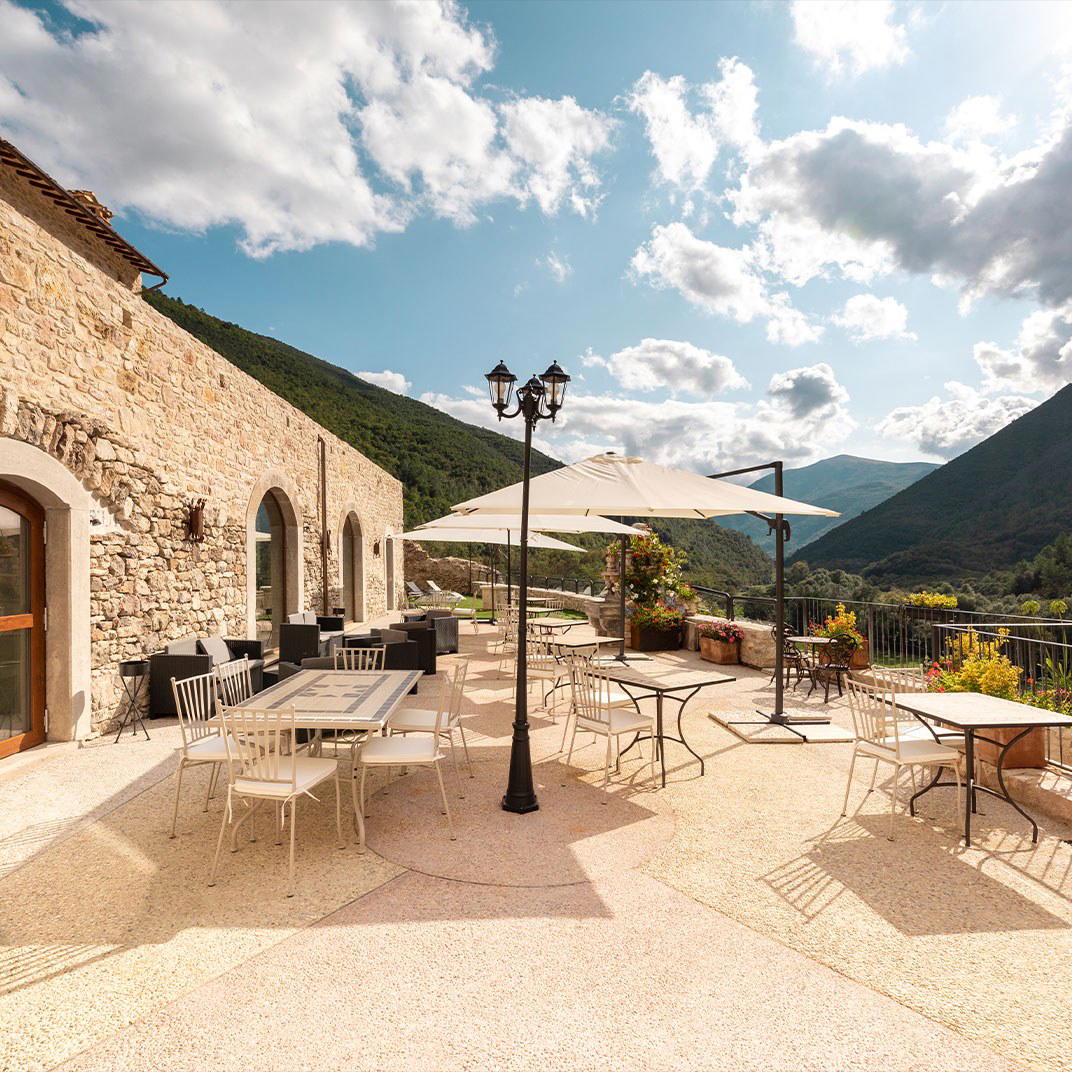
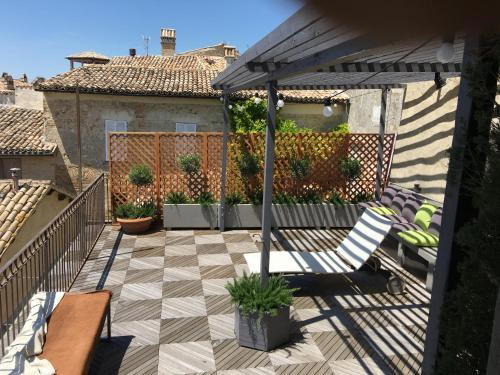
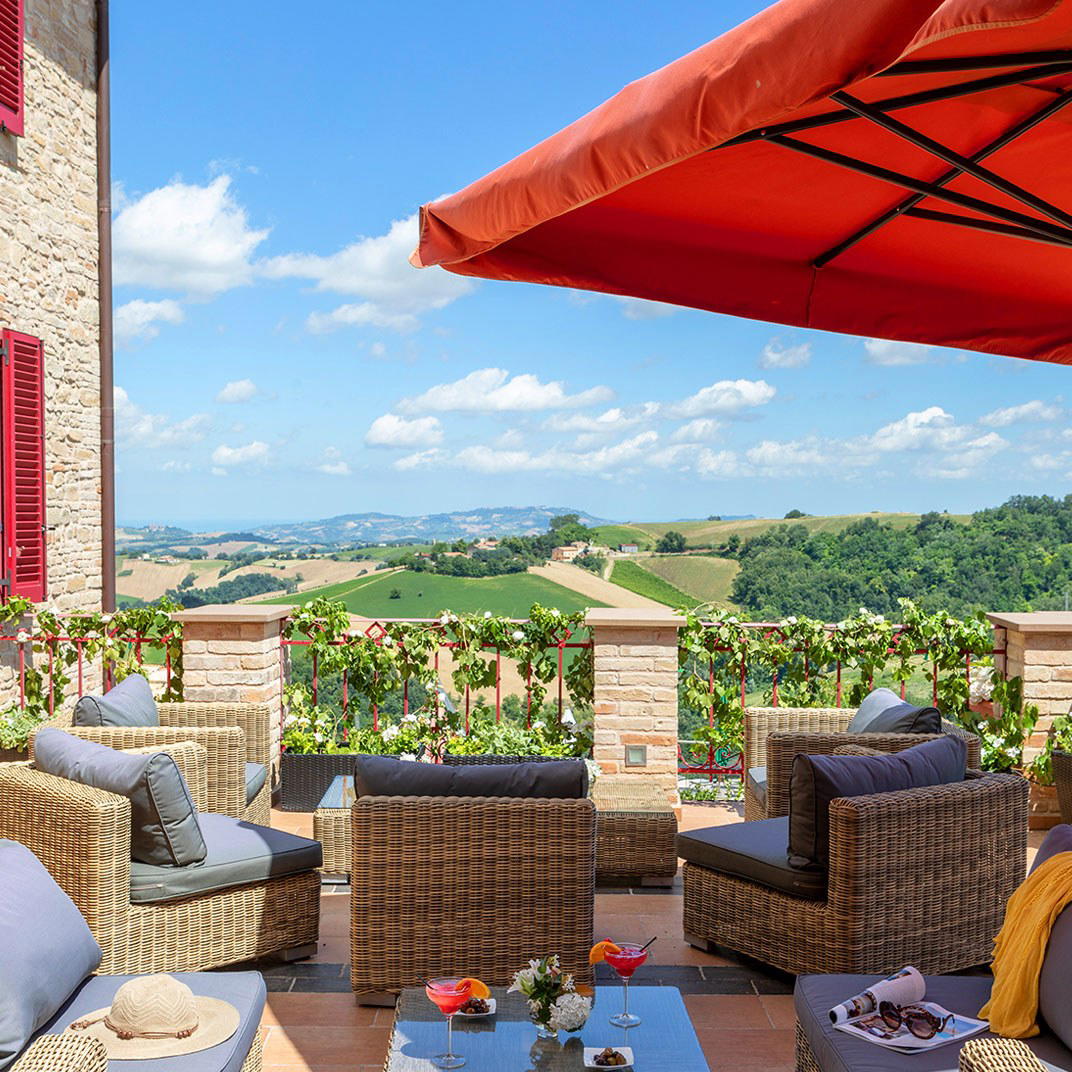
Bars in Norcia
Browse all →
Restaurants in Norcia
All restaurants in Norcia →

Details
- Romantic
- Quiet
- Elegant
- Rustic
- Cozy
- Intimate
- Sophisticated
- Romantic Getaway
- Honeymoon
- Anniversary
- Wellness Retreat
- Weekend Escape
- Historic Building
- Panoramic View
- Terrace
- Wi Fi
- Spa
- Sauna
- Restaurant
- Room Service
- Concierge
- Fitness Center
- Massage
- Mountain
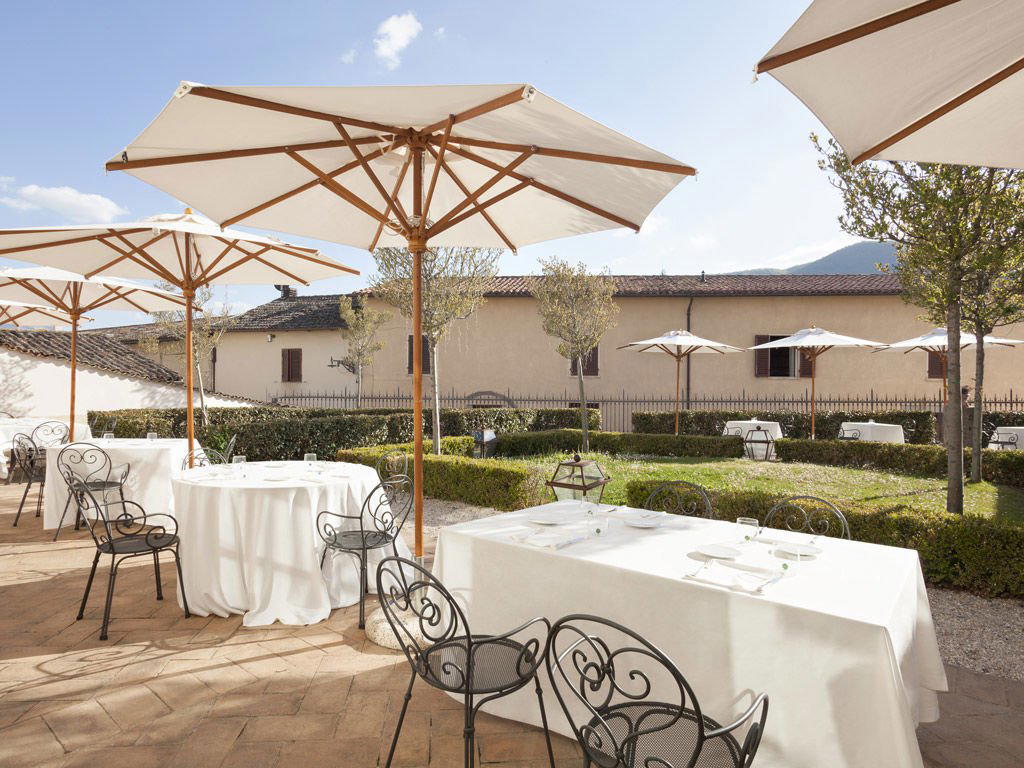
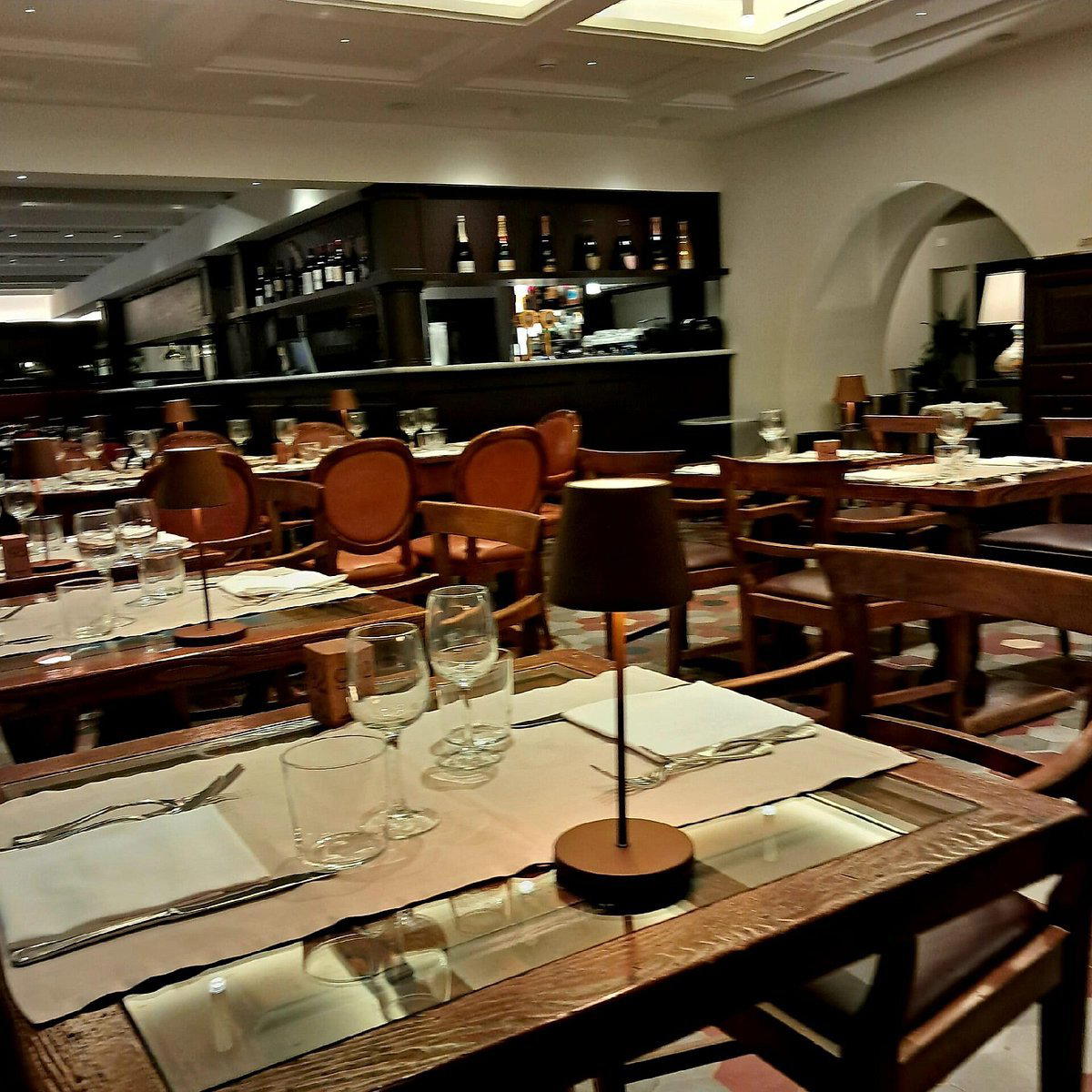
Warm and inviting public areas with fireplaces, libraries, and panoramic breakfast views over Norcia valley; quiet, elegant atmosphere blending historic charm with modern comforts.