
Top 500 Bars Best Bars #456
Ranked #338 in the Top 500 Bars Best Bars 2025, Depero is a notable entry on the Italian cocktail circuit operating out of Rieti, a city more associated with medieval hilltop architecture than bar culture.

Pearl is the En Primeur Club membership app — saves, bookings, and concierge access live there. Same editors, same standards.
- Address
- Via Terenzio Varrone, 36, 02100 Rieti RI
- Phone
- +39 0746 251578
- Website
- deperoclub.com
- Directions
- Get directions
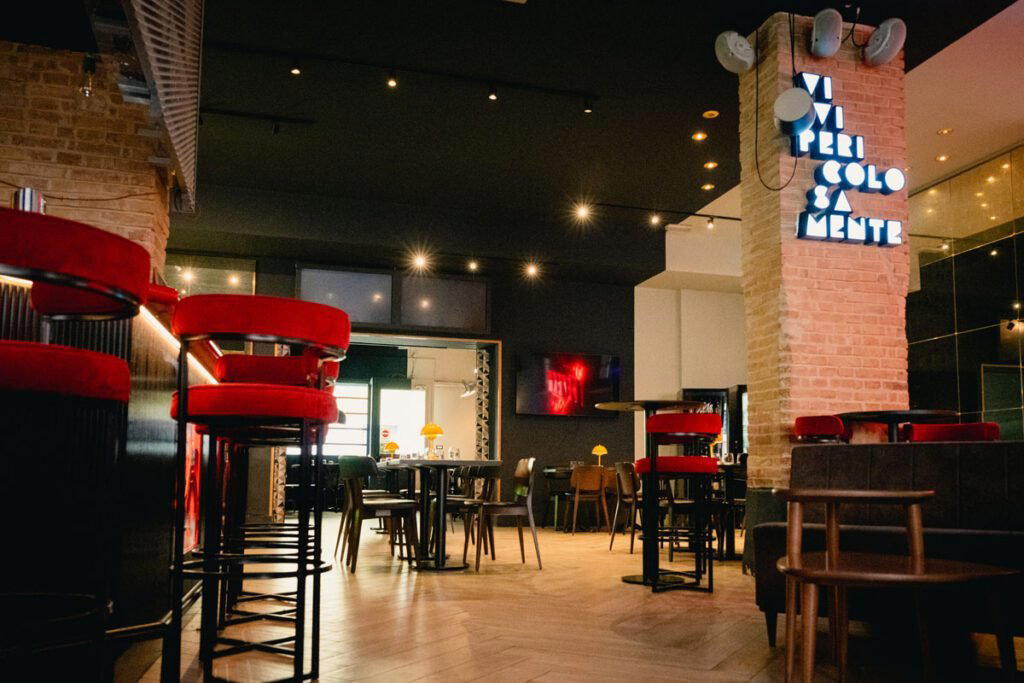
A Bar Worth Tracking in an Unlikely City
Rieti does not appear often in conversations about Italian cocktail culture. The Sabina hill town, sitting roughly equidistant between Rome and L'Aquila in Lazio's interior, has a civic identity built around its Roman-era grid, its medieval campanile, and its role as a market hub for the surrounding agricultural valley. It is not a city where you would expect to find a bar that ranks among the Top 500 globally. Depero, at Via Terenzio Varrone 36, makes that expectation worth revising.
In 2025, Depero entered the Top 500 Bars Leading Bars list at position #338, placing it in the same ranked cohort as some of the more established Italian cocktail addresses. That recognition matters precisely because of where it comes from. A ranking earned in a city without an established bar tourism circuit carries different weight than one earned in Milan or Florence, where venues compete in a dense, internationally scrutinized field. Rieti offers no structural advantage of footfall, no cocktail press infrastructure, no cluster of peer bars generating mutual attention. The ranking, in that context, signals something more than marketing.
The Italian Bar Scene Depero Sits Inside
Italian cocktail culture has moved through several phases over the past decade. The spritz-and-Negroni defaults that long defined aperitivo hour have been complicated by a generation of technically focused bartenders who trained under international programs, competed seriously on the global circuit, and returned home to build menus with a more considered structure. The results vary considerably by city. Rome has Drink Kong, which has established itself as one of the capital's most technically serious programs. Milan has 1930, operating in a different register entirely. Naples has L'Antiquario, Florence has Gucci Giardino. Further south, Fauno Bar in Sorrento holds its own ground. Italy's leading cocktail work is increasingly decentralized, appearing in provincial cities and smaller towns where rents are lower and creative focus is easier to sustain.
Depero fits this pattern. The broader shift in Italian bartending, from hotel-bar formality and tourist-driven throughput toward specialist, neighborhood-scaled programs, has opened space for venues outside the major metropolitan circuits to build something coherent. Venues like Enoteca Storica Vini Naturali Faccioli in Bologna and Bistrot Torrefazione Samambaia in Turin demonstrate how smaller-format, less commercially pressured spaces can develop a program with real depth. Depero, in a regional capital of roughly 47,000 people, sits in that same structural position.
What the Cocktail Programme Implies
The bar takes its name from Fortunato Depero, the Italian Futurist artist who designed for Campari and left a visual vocabulary that still echoes through Italian aperitivo culture. That reference point is not incidental. It positions the bar within a lineage that connects Italian drinking culture to modernist aesthetics and a particular kind of considered visual identity, which tends to align with programs that think seriously about presentation, glassware, and the relationship between what a drink looks like and what it tastes like.
What can be said is that a ranking of #338 in the Top 500 Bars Leading Bars 2025 does not arrive without a cocktail program that satisfies the evaluative criteria of that list, which covers technique, consistency, bartender knowledge, and an ability to articulate a point of view through the menu. Bars at that ranking level in Italy, from the Mediterranean coast across to the Adriatic, are generally operating with house-made ingredients, a clear position on classic templates versus original builds, and a level of bar hospitality that moves well past the transactional.
For comparison: Al Covino in Venice and Cascate del Mulino in Manciano occupy adjacent territory in the Italian regional bar scene, each operating in a location that is not Rome or Milan, each building credibility on program quality rather than urban positioning. Depero operates under the same logic. The address on Via Terenzio Varrone is in the city's historic center, which means it draws from a local population that returns regularly rather than a tourist circuit that arrives once and moves on. Bars that survive and earn recognition in that model do so because the regular clientele demands a consistent, high-functioning program.
Visiting Depero: Practical Context
Rieti is accessible by train from Rome Termini, with journey times typically in the 75-to-90-minute range on the regional rail line that connects the capital to the Sabina interior. The city is compact enough that the historic center, where Depero is located, is walkable from the station. For visitors treating this as a day trip from Rome or a stop within a broader central Italy itinerary, the timing works well around the evening aperitivo window, when Italian bar culture is at its most active and when a program like Depero's is likely to be operating at full capacity.
Given the bar's position on Via Terenzio Varrone in the centro storico, arriving in the early evening on a weekday is likely to offer more space than a Friday or Saturday night.
There is no confirmed dress code, but bars at this ranking level in Italy generally draw a clientele that treats the visit as something to dress toward rather than dress down for. The practical comparison would be how visitors approach Lost and Found in Nicosia or Bar Leather Apron in Honolulu, both of which occupy similar ranking territory and carry a similar expectation of considered hospitality rather than casual throughput.
For a fuller picture of what Rieti offers across dining and drinking, see our full Rieti restaurants guide.
A Quick Peer Check
Comparable venues nearby, for context on price, style, and recognition.
| Venue | Cuisine | Price | Awards | Notes |
|---|---|---|---|---|
| DeperoThis venue — the venue you are viewing | cocktail_bar | $20–30 | Top 500 Bars Best Bars #456 | Not listed |
| Bar del Fico | cocktail_bar | $20–30 | Not listed | Parione |
| Regoli Pasticceria | Bar | Not listed | Not listed | Esquilino |
| Ma Che Siete Venuti A Fà | beer_bar | $10–20 | Not listed | Trastevere |
| Litro | wine_bar | Not listed | Not listed | Gianicolo |
Recognition history
Dated appearances from independent guides and award organizations, with the underlying list record or original source where available.
Top 500 Bars Best Bars #456
Top 500 Bars
Full recognition history (2 entries)
Top 500 Bars Best Bars #338
Top 500 Bars
Continue exploring
More in Rieti
Bars in Rieti
Browse all →
Restaurants in Rieti
Browse all →
Hotels in Rieti
Browse all →

Details
- Lively
- Modern
- Trendy
- After Work
- Late Night
- Group Outing
- Casual Hangout
- Standalone
- Design Destination
- Seated Bar
- Lounge Seating
- Craft Cocktails
- Classic Cocktails
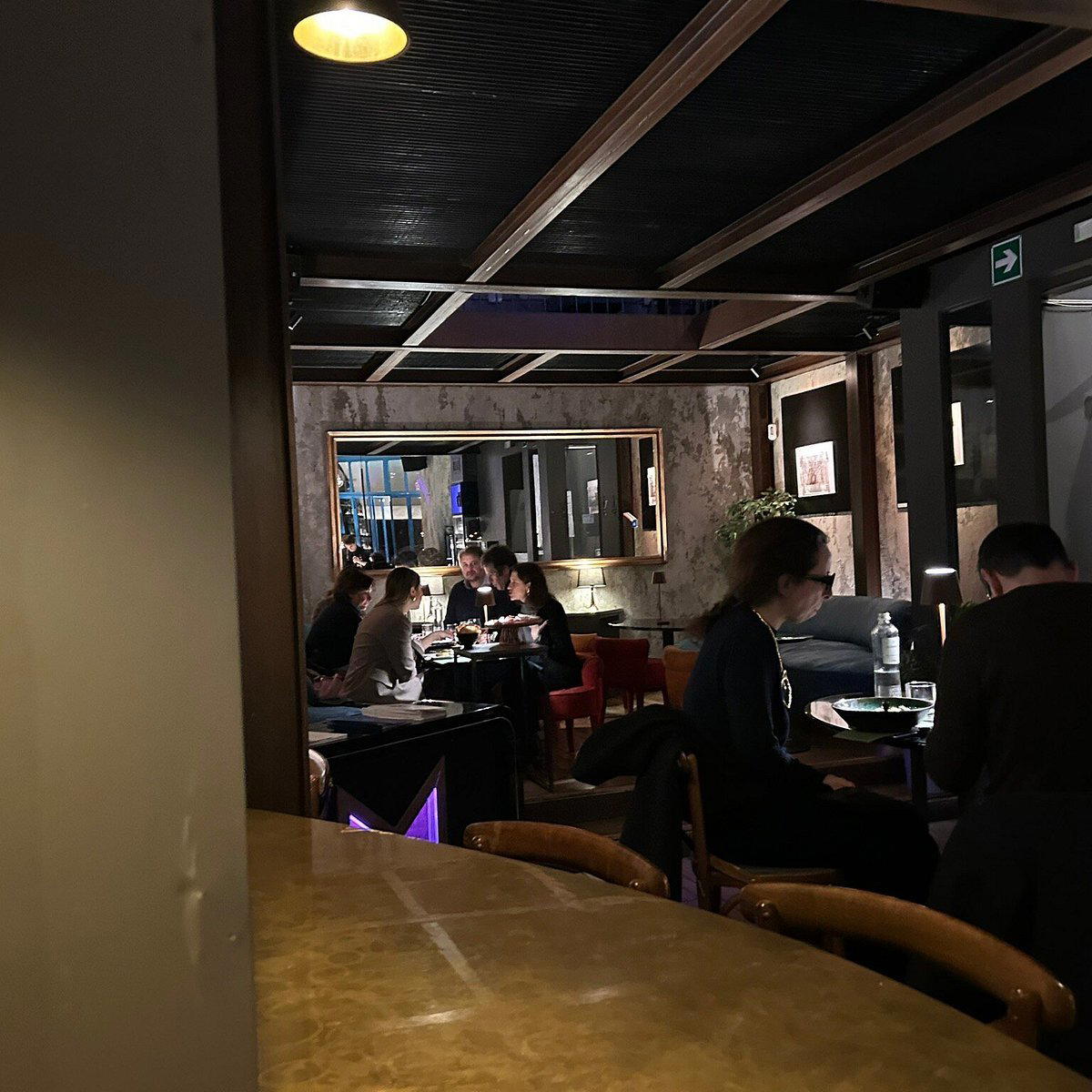
Inviting and relaxed environment with attentive service, designed for social gatherings and cocktail enjoyment.