
Small Luxury Hotels of the World Member
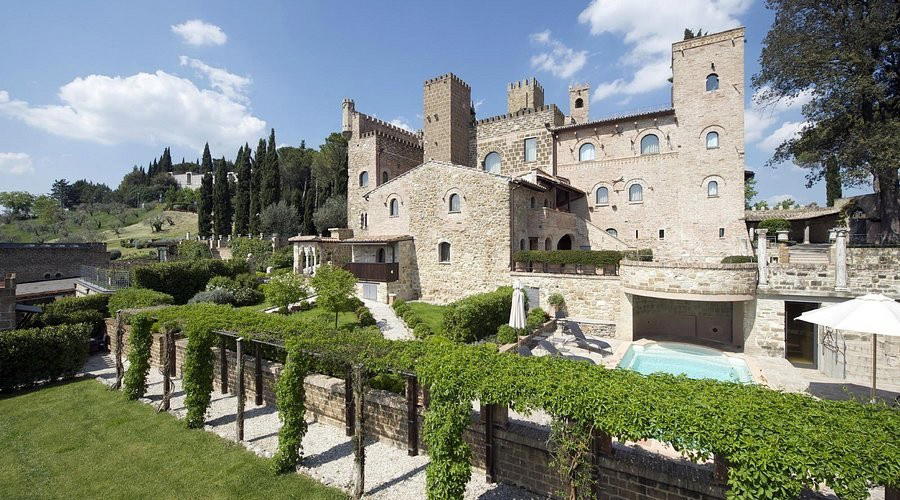
A 17th-century Capuchin monastery converted into a hill hotel on the edge of Gubbio, Park Hotel ai Cappuccini sits within grounds of secular trees and olive groves at the base of Foce Mountain. The restored cloister architecture and walking-distance access to Gubbio's medieval centre make it a considered base for exploring central Umbria and the Tuscan border region during the summer months.

Pearl is the En Primeur Club membership app — saves, bookings, and concierge access live there. Same editors, same standards.
- Address
- Via Tifernate, 55, 06024 Gubbio PG
- Phone
- +39 075 9234
- Website
- parkhotelaicappuccini.it
- Directions
- Get directions
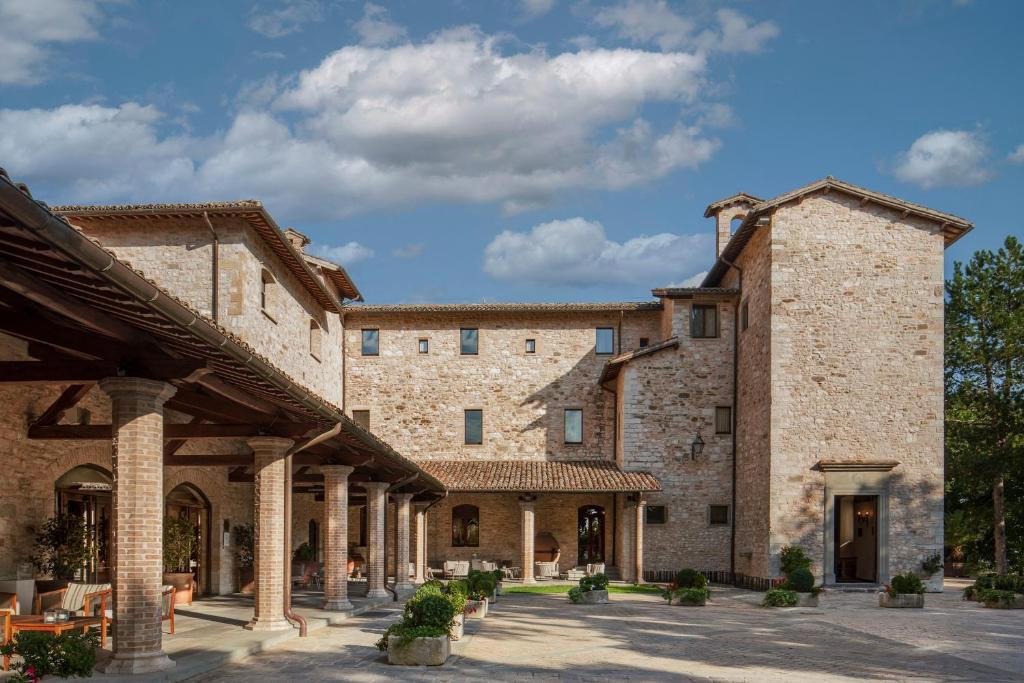
A Monastery Converted, Not Merely Decorated
The conversion of religious architecture into hospitality is a well-worn Italian formula, but the results vary considerably. At the serious end of the spectrum, a project respects the original spatial logic of the building: cloisters remain cloisters, refectories retain their proportions, and the silence that was once structural becomes atmospheric. Park Hotel ai Cappuccini in Gubbio belongs to that more careful category.
Gubbio itself is worth understanding before arriving. One of the least-visited medieval towns of any consequence in Umbria, it draws fewer crowds than Assisi or Orvieto while offering a comparable density of Romanesque and Gothic architecture. The town's position, pressed against a steep hillside, gives its streets and piazze a slightly vertical quality that distinguishes it from the flatter hill towns of Tuscany. The hotel sits at the foot of this incline, close enough to the historic centre to reach on foot, far enough to preserve the grounds' quiet.
The Physical Logic of a Capuchin Compound
Capuchin monasteries were built to a specific spatial philosophy: self-contained, ordered, oriented around communal rather than individual experience. The cloister arcade, the surrounding gardens, the relationship between interior corridors and exterior courtyard — these elements survive in enough 17th-century Franciscan foundations to constitute a recognisable architectural type. What makes Park Hotel ai Cappuccini worth discussing in this context is that the restoration appears to have worked with that logic rather than against it. The grounds of secular trees and olive groves that surround the property are not ornamental additions but part of the original monastic land, now preserved as a landscape that gives the hotel its particular character during the long summer months when Umbrian light sharpens in the late afternoon.
Among converted-monastery hotels in central Italy, the competitive set ranges from large resort operations to intimate boutique properties. The better comparisons — properties that have also treated architectural heritage as a genuine constraint rather than a marketing backdrop, include Borgo San Felice Resort in Castelnuovo Berardenga and Rosewood Castiglion Del Bosco in Montalcino, both of which operate in the Tuscan context. The Gubbio property sits in a different register: Umbrian in character, smaller in footprint, and positioned for travellers who are specifically drawn to the less-frequented towns of the region rather than the established Tuscan circuit.
Position on the Hill and in the Market
The hotel's physical position matters for planning. Set on the lower slopes of Foce Mountain with the historic centre of Gubbio within walking distance, it functions as a proper base rather than a destination-in-itself. This is a meaningful distinction for summer visitors, who in June, July, and August will find the Umbrian towns at their most active: festivals, outdoor markets, and extended evening hours across the region. Gubbio's Corsa dei Ceri, one of central Italy's more compelling civic spectacles, takes place in May, but the summer calendar brings its own programme to the town and its surroundings.
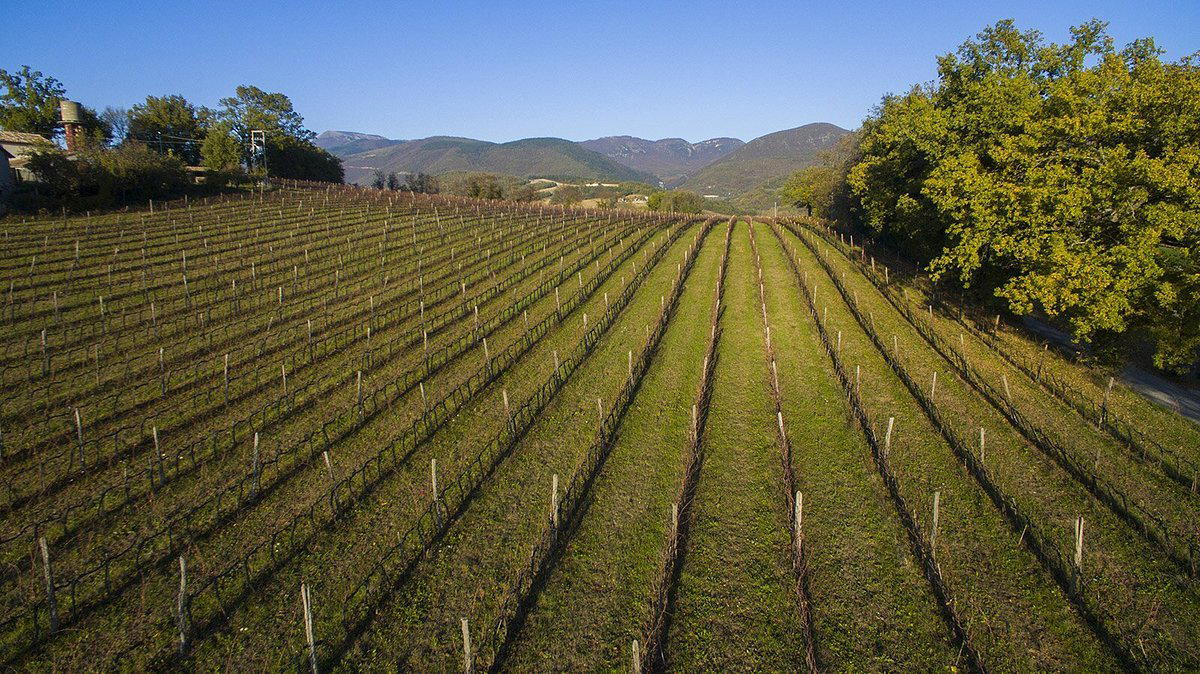
The olive groves and grounds become a practical asset in this context. Summer temperatures in inland Umbria climb considerably, and a property with mature tree cover and open land reads differently in July than a hotel confined entirely to interior spaces. The monastic grounds provide shade and air in a way that urban hotel gardens in Perugia or Assisi typically cannot.
Travellers considering the wider Umbria and Tuscany circuit will find that Park Hotel ai Cappuccini positions logically within a multi-destination itinerary. The property markets itself as a base for both regions, which is geographically reasonable: the Tuscan border is accessible, and the driving distances to key points in both regions are manageable. For those building a longer Italian stay, properties elsewhere in the network worth considering include Castelfalfi in Montaione, Castello di Reschio in Lisciano Niccone, which sits directly on the Umbria-Tuscany border, and, further afield, Four Seasons Hotel Firenze in Florence. For those extending south, Corte della Maestà in Civita di Bagnoregio covers the Lazio border territory.
The Restoration Argument
Italy has no shortage of converted religious buildings in hospitality. What separates the serious restorations from the superficial ones is generally the degree to which original materials, spatial sequences, and structural elements remain visible and functional rather than plastered over. The secular trees in the grounds, trees old enough to have been planted in the monastic era, are a physical record of that continuity. They are not landscaping; they are evidence.
For travellers drawn specifically to the intersection of architectural heritage and hospitality, the property belongs in the same conversation as Casa Maria Luigia in Modena and Passalacqua in Moltrasio, both of which treat their historic structures as the primary product, not as backdrop. The scale and context differ, but the editorial logic connecting them is consistent: the building is the argument. Summer months represent the peak season for both the hotel and the wider region, with June through August bringing the longest days and the most activity across Gubbio and its Umbrian neighbours. Visitors planning around specific Umbrian events or festivals should book well ahead of the season; the town's accommodation capacity is limited relative to demand in peak weeks.
For those building a broader Italian journey, the hotel sits within reasonable distance of Perugia's airport, which connects seasonally to several European hubs. Those arriving into Rome and driving north will find Gubbio a logical first or last stop on a central Italian route that can extend into Tuscany or further into Umbria's eastern valleys. Further details on what to see and eat in the wider area are covered in our full Gubbio guide.
Fast Comparison
Comparable venues nearby, for context on price, style, and recognition.
| Venue | Cuisine | Price | Awards | Notes |
|---|---|---|---|---|
| Park Hotel ai CappucciniThis venue — the venue you are viewing | Restored 17th-century monastery blending historic cloister charm with modern extensions | $100–200 | Small Luxury Hotels of the World Member | Not listed |
| citizenM Roma Isola Tiberina | affordable design hotel in historic mid-century building | $300–500 | Michelin Selected | Isola Tiberina |
| Hotel Palazzetto Rosso | First boutique hotel in Siena combining medieval palace architecture with ultra-modern design furnishings and contemporary interiors. | $100–200 | Michelin Selected | Siena Historic Center |
| Relais San Giuliano | Contemporary boutique hotel housed in a restored 18th-century noble estate with rural Sicilian heritage. | $300–500 | Michelin Selected | Viagrande |
| Hotel degli Orafi | Historic Florentine residence in a restored medieval convent and tower overlooking the Arno in the heart of the old city. | $200–300 | Not listed | Uffizi / Ponte Vecchio |
| Hotel San Anselmo | Restored fin de siècle villa with eclectic baroque-contemporary fusion | $100–200 | Michelin Selected | Ripa |
Recognition history
Dated appearances from independent guides and award organizations, with the underlying list record or original source where available.
Small Luxury Hotels of the World Member
Small Luxury Hotels of the World
Continue exploring
More in Gubbio
Hotels in Gubbio
Browse all →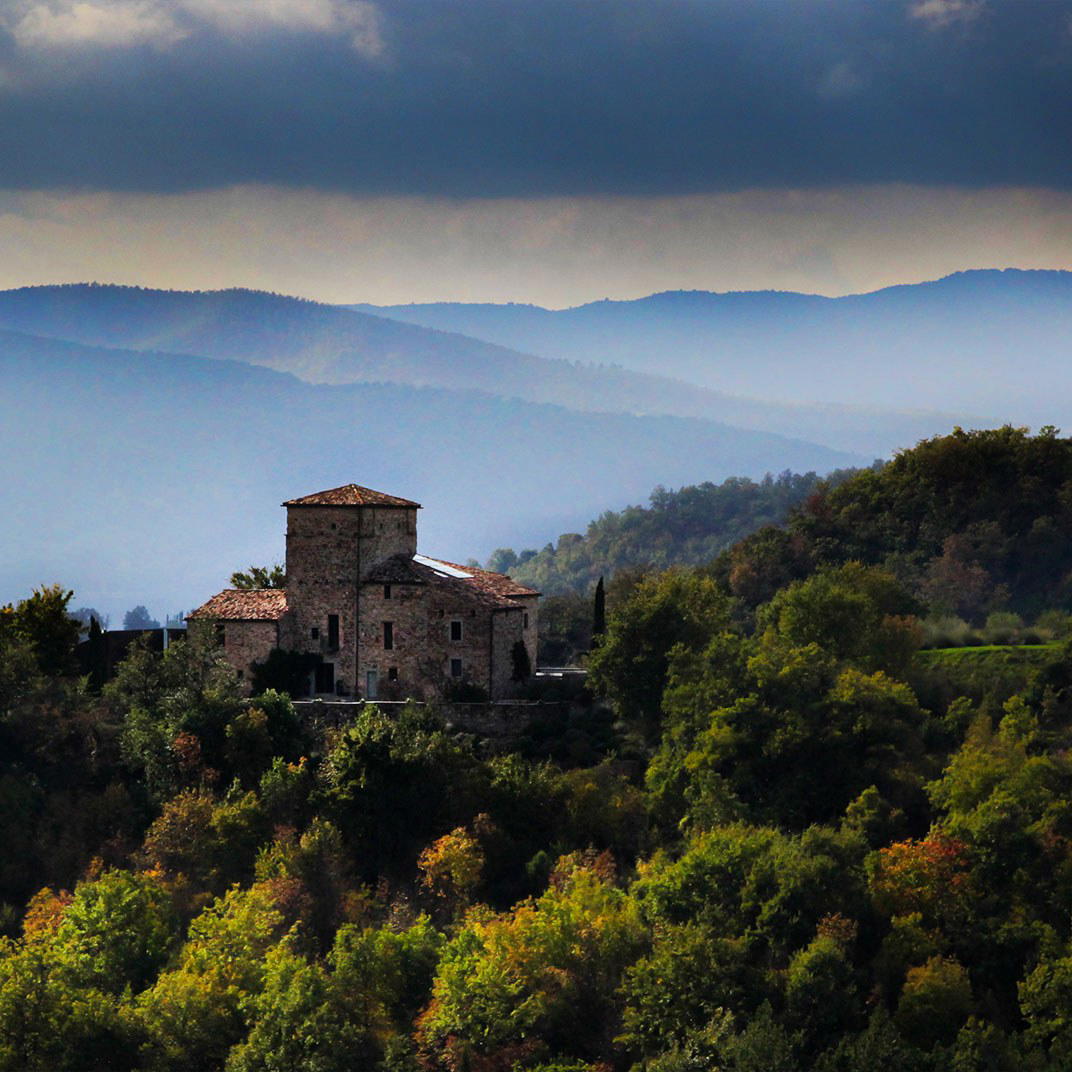
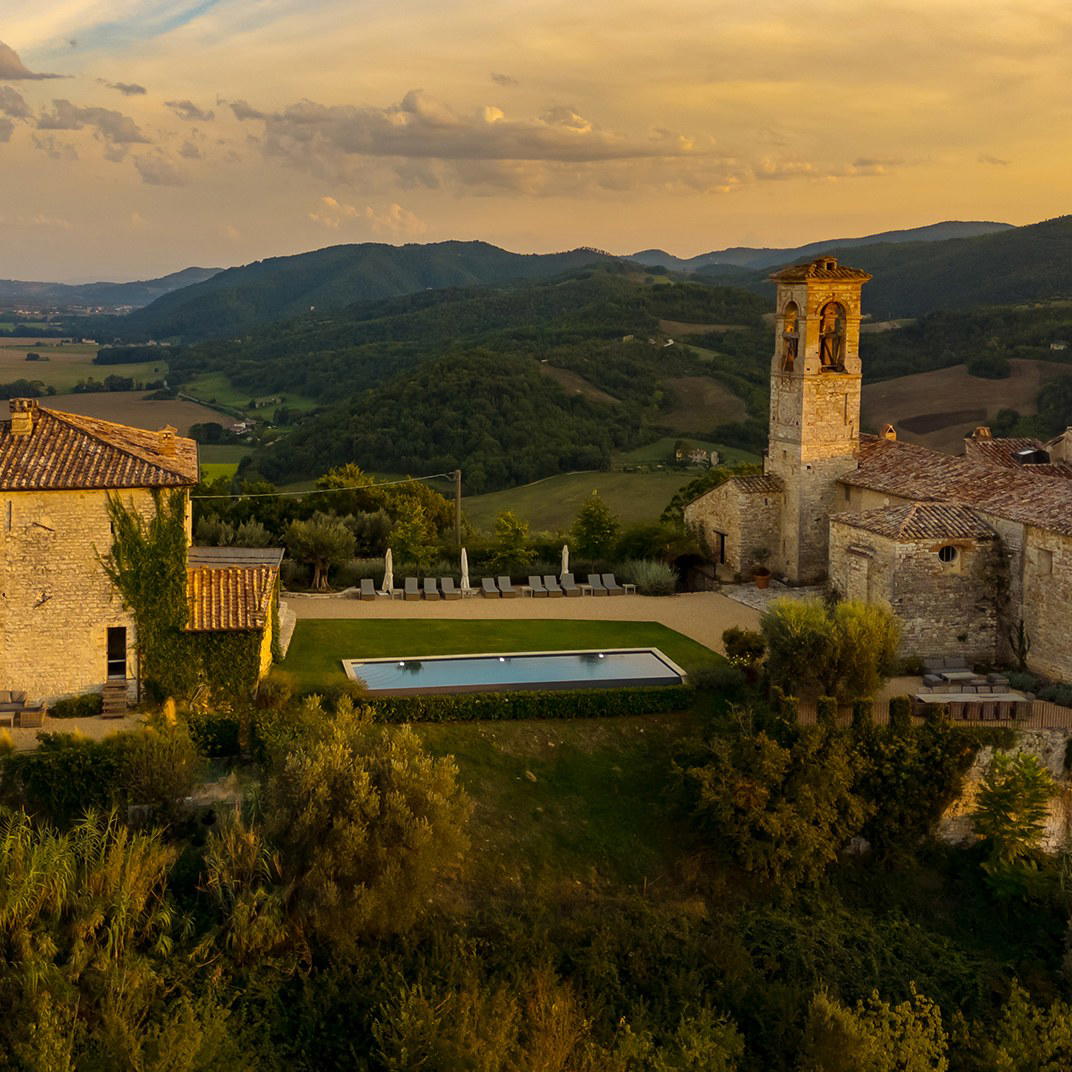
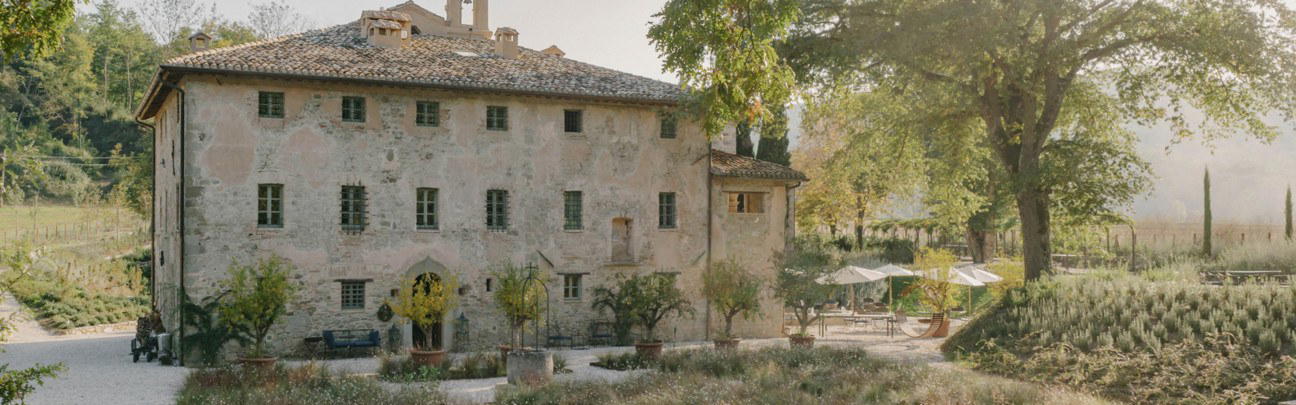
Bars in Gubbio
Browse all →
Restaurants in Gubbio
Browse all →

Details
- Romantic
- Quiet
- Elegant
- Scenic
- Classic
- Romantic Getaway
- Wellness Retreat
- Weekend Escape
- Historic Building
- Panoramic View
- Terrace
- Wi Fi
- Pool
- Spa
- Fitness Center
- Room Service
- Concierge
- Business Center
- Garden
- Mountain
- Wheelchair Accessible
- Elevator
- Step Free Entrance
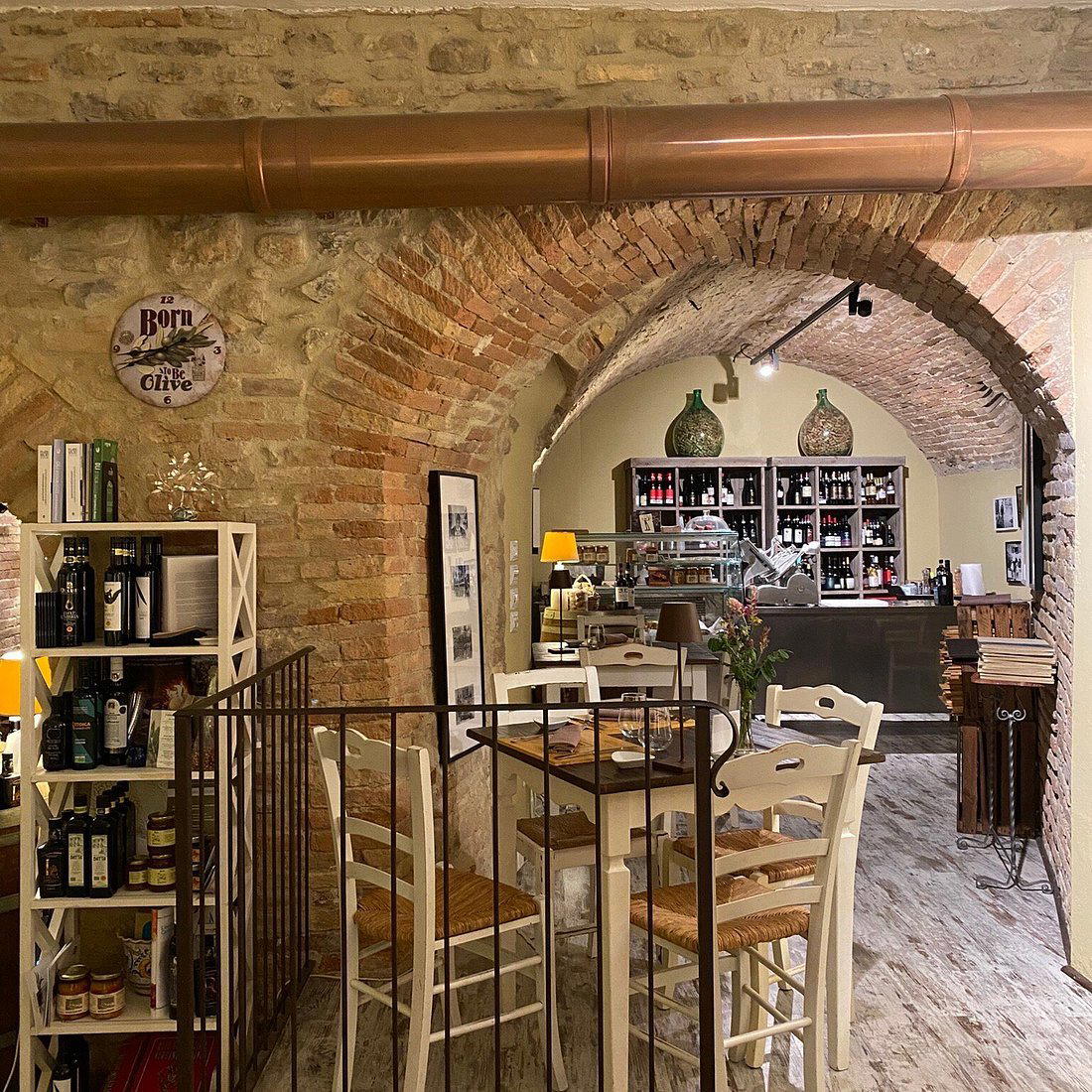
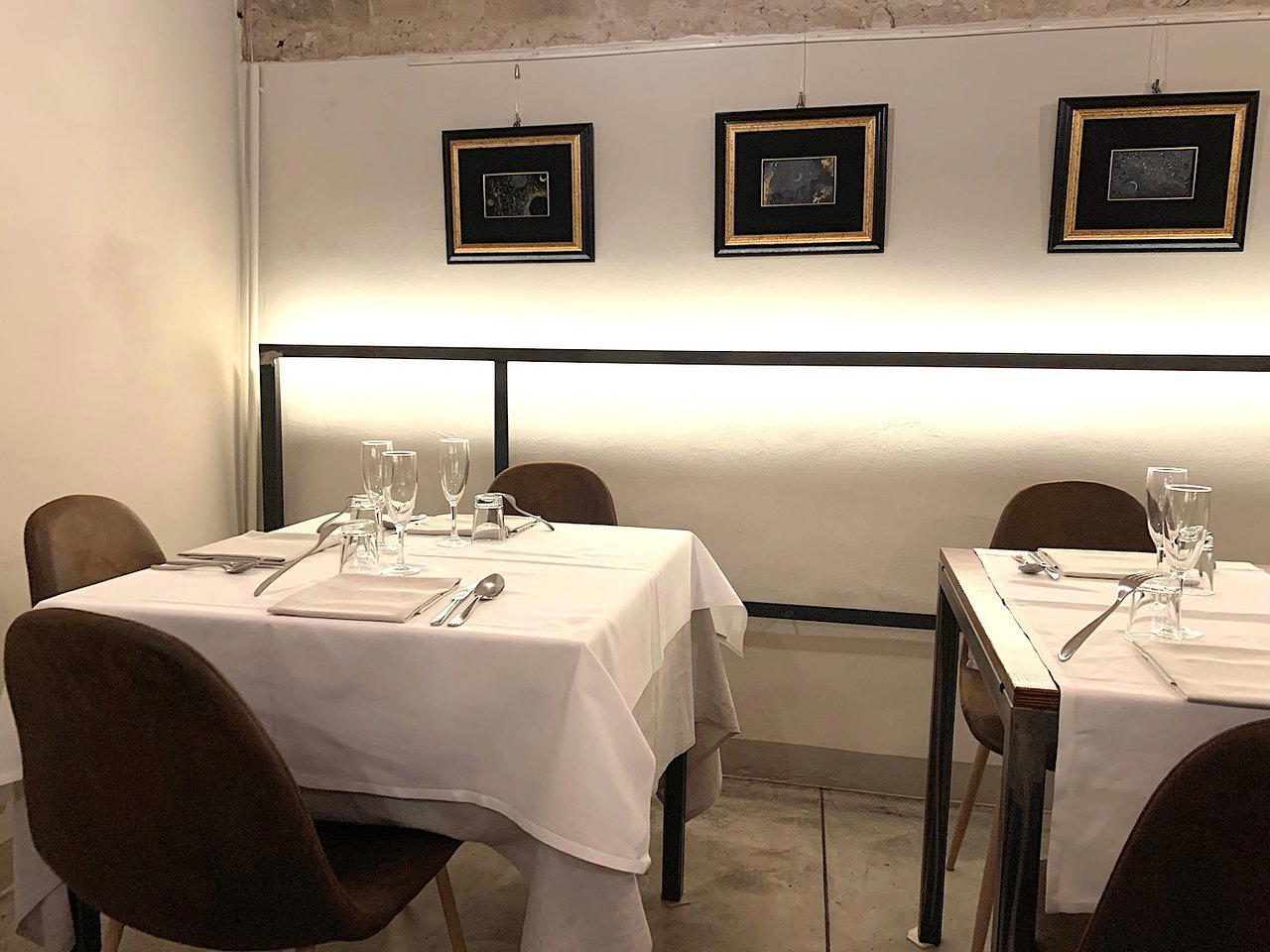
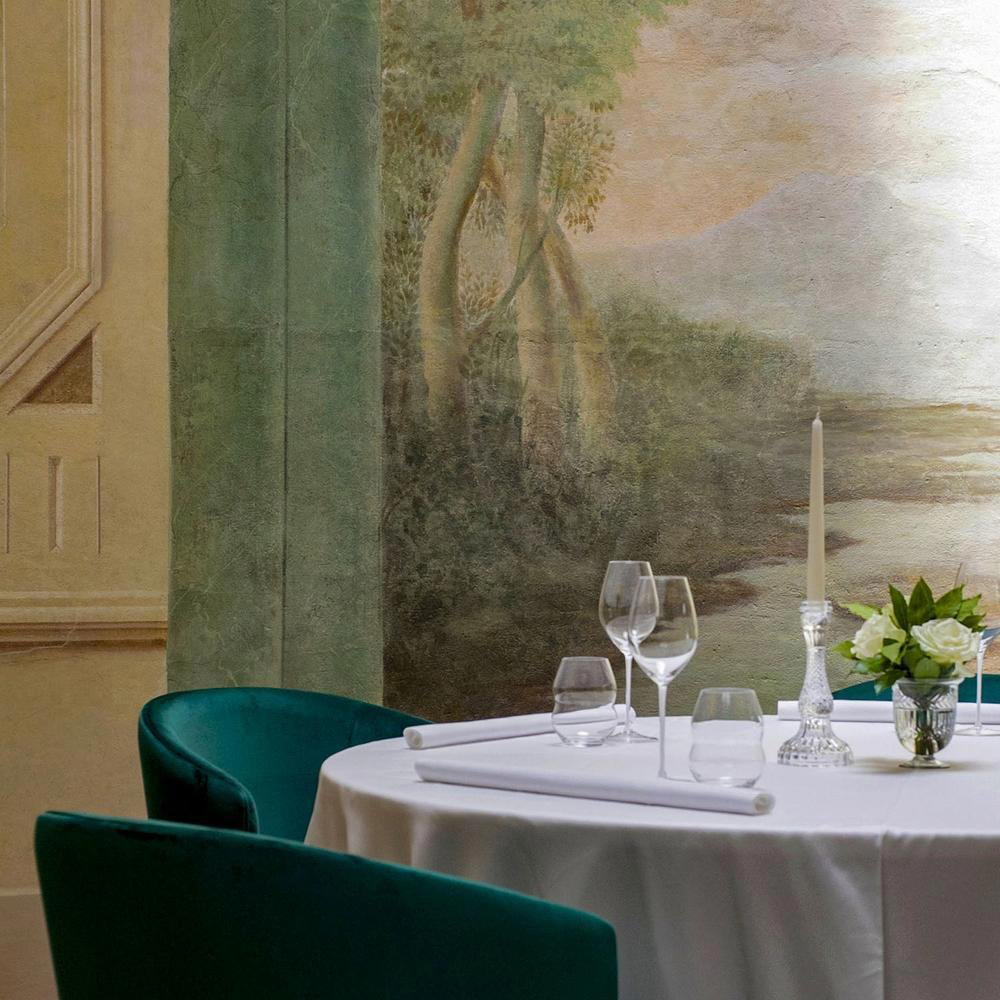
Quiet and relaxing with soundproofed rooms, serene spa areas surrounded by olive groves, and a cozy restaurant with beamed ceilings.