Emidio Pepe
Emidio Pepe, situated in Torano Nuovo in Abruzzo's Teramo hills, is one of Italy's most discussed addresses for Montepulciano d'Abruzzo produced with minimal intervention and extended cellaring.
Pearl is the En Primeur Club membership app — saves, bookings, and concierge access live there. Same editors, same standards.
- Address
- Contrada Chiesi, 10, 64010 Torano Nuovo TE, Italy
- Phone
- +39 0861 856493
- Website
- emidiopepe.com
- Directions
- Get directions
 Saves & bookings on Pearl
Where Abruzzo's Hill Soils Do the Talking
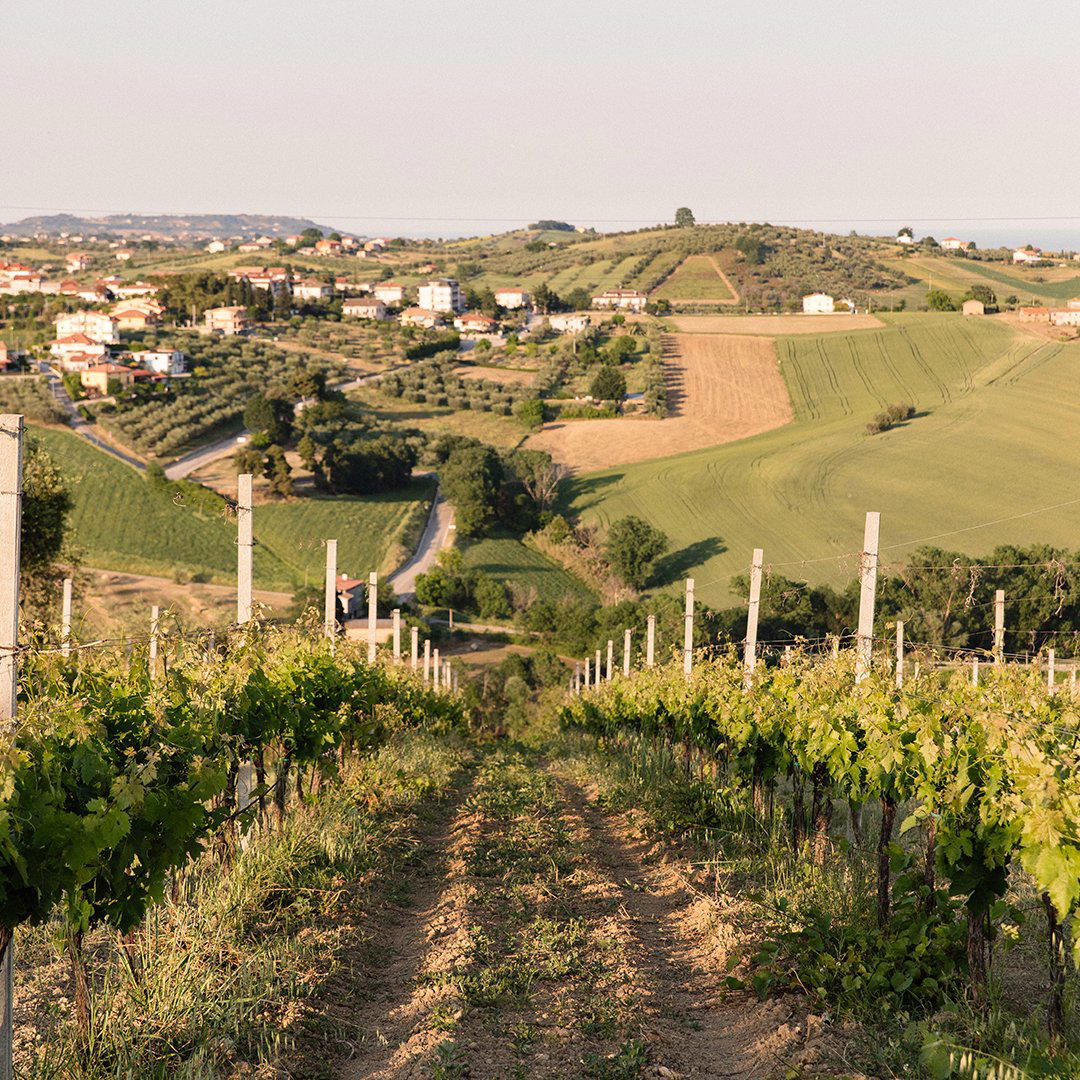
The drive into Torano Nuovo prepares you for nothing and everything. The Teramo hills roll in dry, chalky undulations that bear little resemblance to the volcanic drama of Campania or the slate-heavy river valleys of the Moselle. What they offer instead is a particular combination of clay-limestone soils, altitude variation, and the thermal swing between warm Adriatic afternoons and cool Apennine nights, conditions that, in the right hands, produce Montepulciano d'Abruzzo with structural grip and longevity that can rival the peninsula's most recognised reds. Emidio Pepe, at Contrada Chiesi 10, sits in this terrain with a long-running farming tradition that shapes the estate's wines.
Montepulciano d'Abruzzo and the Terroir Argument
Montepulciano d'Abruzzo is not a grape that travels easily in reputation. For decades it sat in the shadow of Sangiovese-dominated Tuscany and the Nebbiolo estates of Piedmont, the kind of varietal that appeared on restaurant lists as an affordable supporting act rather than a headline. That positioning has shifted, and the shift is largely about terroir specificity. The grape itself is capable of producing wines with deep colour, firm tannin, and a savoury character that improves considerably with time, but only when the producer resists the temptation to over-extract or over-oak in an attempt to mimic more fashionable styles.
The approach at Emidio Pepe sits within the minimal-intervention tradition that has been gaining traction across Italian premium production, from the limestone ridges of the Langhe, where estates like Aldo Conterno in Monforte d'Alba have long argued for restraint in cellar management, to the Chianti Classico zone, where Castello di Volpaia in Radda in Chianti applies similar thinking to Sangiovese. What differentiates Abruzzo in this conversation is the grape's particular response to that restraint: Montepulciano's natural tannin structure means that wines produced without aggressive intervention often close down in youth and require years, sometimes decades, to show their full range. This is not a style for the impatient collector.
The clay-limestone blend of the Teramo hills adds a mineral edge that more alluvial soils cannot replicate. Producers working similar terrain in Central Italy, including those managing estates in Umbria such as Lungarotti in Torgiano, have demonstrated that this band of Central Apennine geology can produce reds with a distinctive austerity at release that becomes complexity over time. At Emidio Pepe, the site's specific microclimate reinforces this tendency.
The Estate in Its Competitive Set
Italian wine operates on a prestige tier system that is harder to read than France's, partly because it is less codified and partly because it relies more heavily on producer reputation than on appellation classification. Within the Abruzzo category, a small number of estates have established allocation-driven demand and collector attention. The winery sits at the summit of that group and has received one award.
To understand what that positioning means in practice, it helps to look at how comparable Central and Southern Italian estates have built similar reputations. Estates in Montalcino, including L'Enoteca Banfi and Poggio Antico, achieved international recognition partly through appellation prestige and partly through consistent critical attention over multiple vintages. Sicily's Planeta in Menfi represents a different path, large-scale, export-oriented, appellation-building. The winery's model is closer to the first category: small output, long-aged bottlings, and a collector market that treats older vintages as the primary currency.
The comparison also extends to production philosophy rather than just geography. Estates in Franciacorta such as Ca' del Bosco in Erbusco have built prestige through technical precision and methodical quality control. The winery's prestige rests on a different axis: the argument that minimum intervention across farming and cellar work produces wines that express soil and vintage variation more faithfully than technically managed alternatives. Whether that argument resolves in the glass depends on the vintage and the age at which you open the bottle, which is, in itself, a significant part of the estate's identity.
Visiting: What the Experience Involves
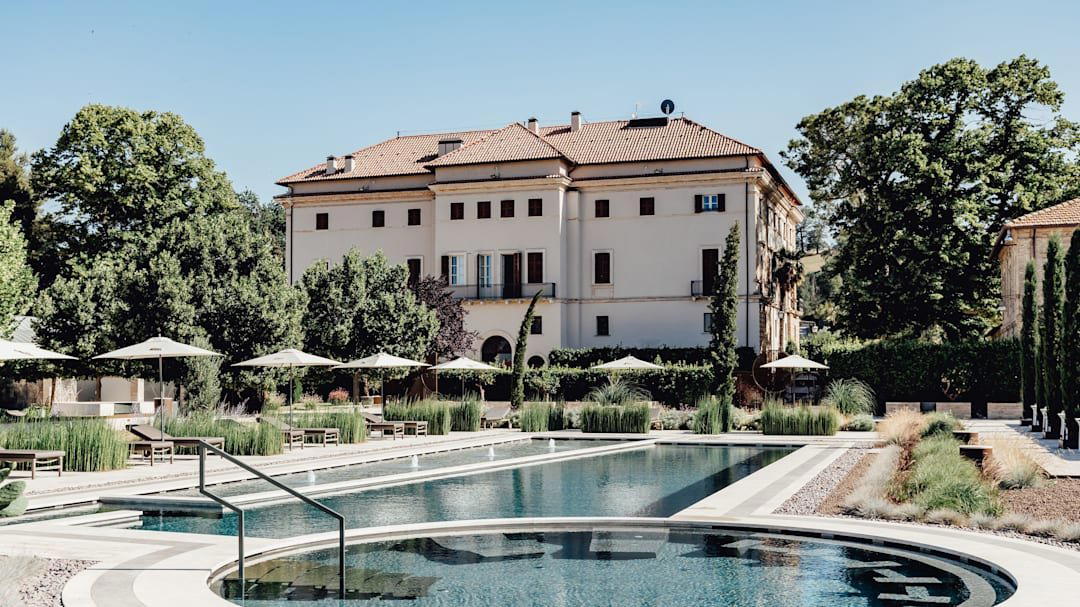
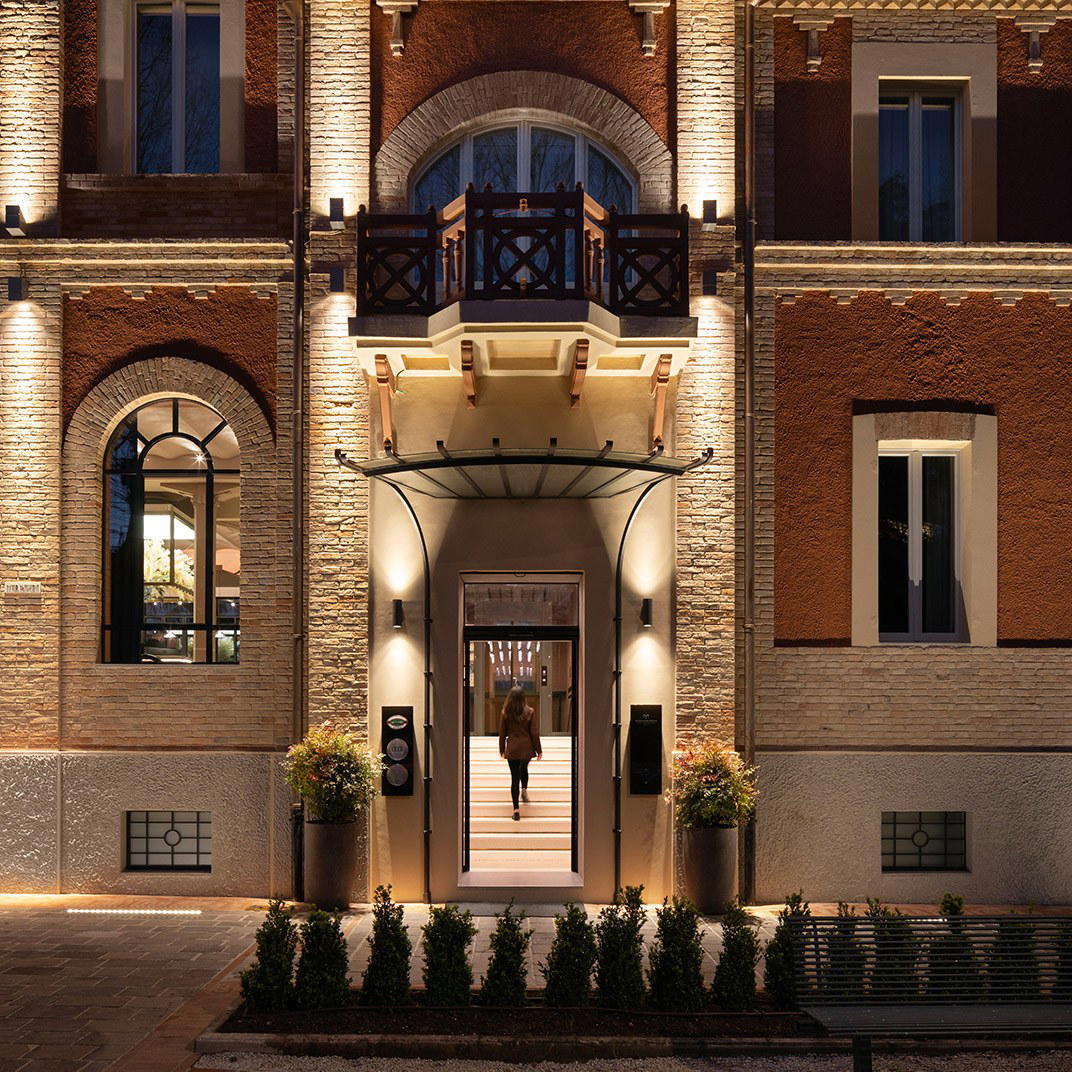
Torano Nuovo sits in the Teramo province of Abruzzo, between the Adriatic coast and the Gran Sasso massif, roughly 30 kilometres from Pescara. The estate's address at Contrada Chiesi 10 places it in agricultural surroundings with little of the polished agritourism infrastructure that has developed around more visited wine zones. This is part of the point. Visits here are not structured around the tasting room theatrics that characterise high-traffic wine tourism in Tuscany or the Langhe. The experience is one of direct, low-ceremony engagement with the producer and the wines, the kind of format where the quality of the conversation and the age of the bottles opened matters more than the design of the space.
Practical planning should account for the estate's location away from major rail connections; driving from Pescara or Teramo is one direct approach. Visits require direct contact in advance. Collectors building wine-focused travel around specific producer visits, similar in approach to how one might plan around Accendo Cellars in St. Helena or Campari in Milan, will find the winery most rewarding as a dedicated stop rather than a passing detour.
The Long-Ageing Question
Abruzzo's Montepulciano producers who commit to extended ageing before release are making a commercial argument as much as a stylistic one: that the wines are not ready at two or three years, and that releasing them too early would misrepresent what they are capable of. This is not uncommon among Italy's most rigorous estates, but it is relatively rare in Abruzzo, where much of the regional production volume is positioned at accessible, early-drinking price points. The gap between the entry tier and the prestige tier in Montepulciano d'Abruzzo is therefore wider in qualitative terms than in, say, Barolo, where the denominational framework enforces minimum ageing across the appellation. At the winery, the estate's own standards for release timing are part of the proposition, and part of what the estate's recognition reflects.
Quick Comparison
Comparable venues nearby, for context on price, style, and recognition.
| Venue | Cuisine | Price | Notes |
|---|---|---|---|
| Emidio PepeThis venue — the venue you are viewing | Winery | Not listed | Not listed |
| Garofoli | Verdicchio, Montepulciano | $$ | Castelfidardo |
| Distilleria Varnelli | Marche | $$ | Muccia, Macerata Province |
| Liquoreria Sarandrea | Winery | $$ | Collepardo |
| Molinari | Winery | Not listed | Rome |
| Antoniotti Odilio | Nebbiolo, Croatina | $$ | Casa del Bosco (Sostegno) |
Continue exploring
More in Montepulciano
Wineries in Montepulciano
Browse all →
Bars in Montepulciano
Browse all →
Restaurants in Montepulciano
Browse all →
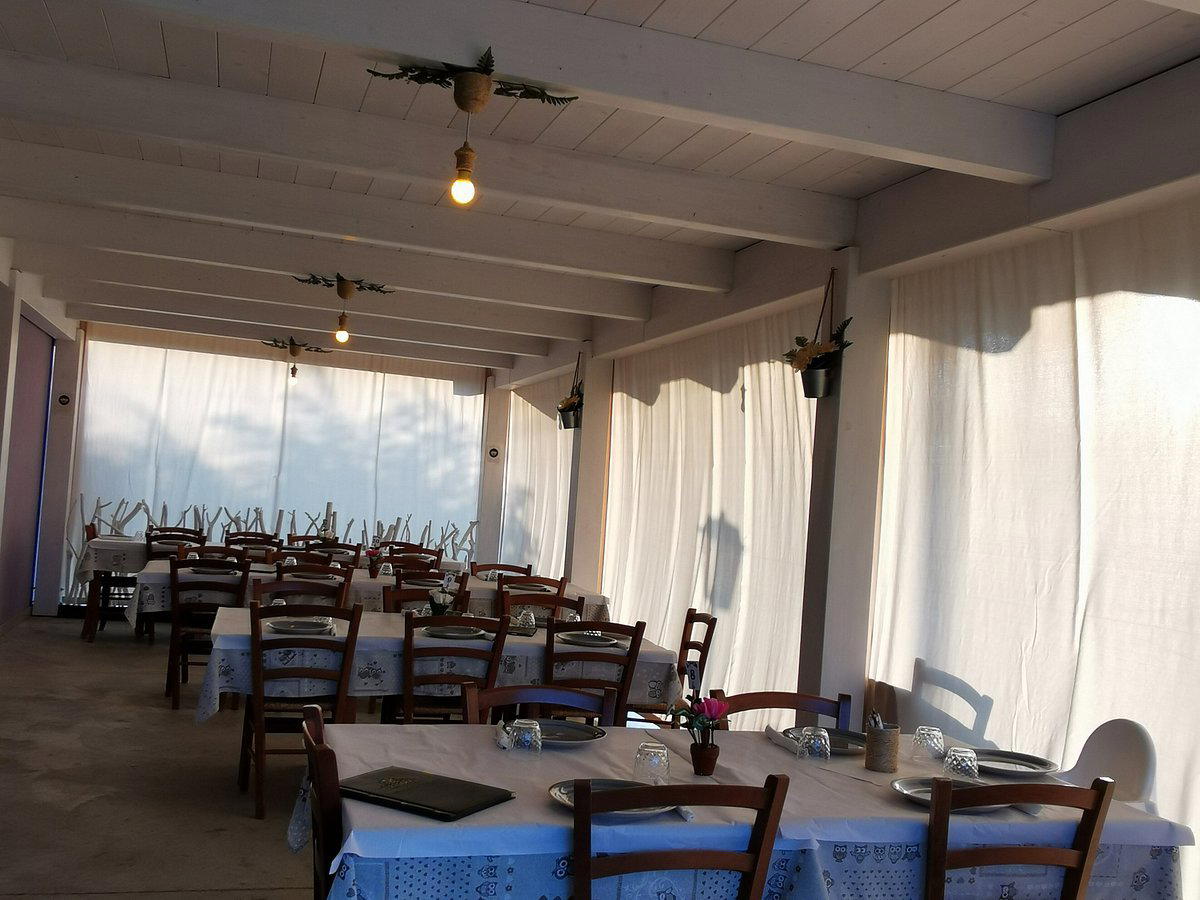
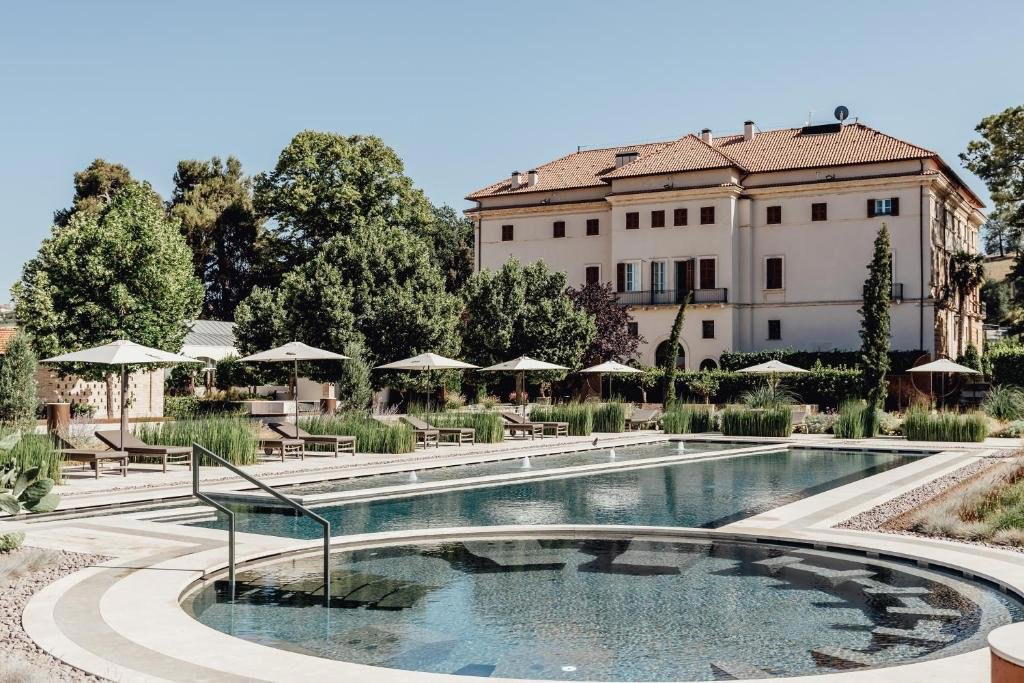
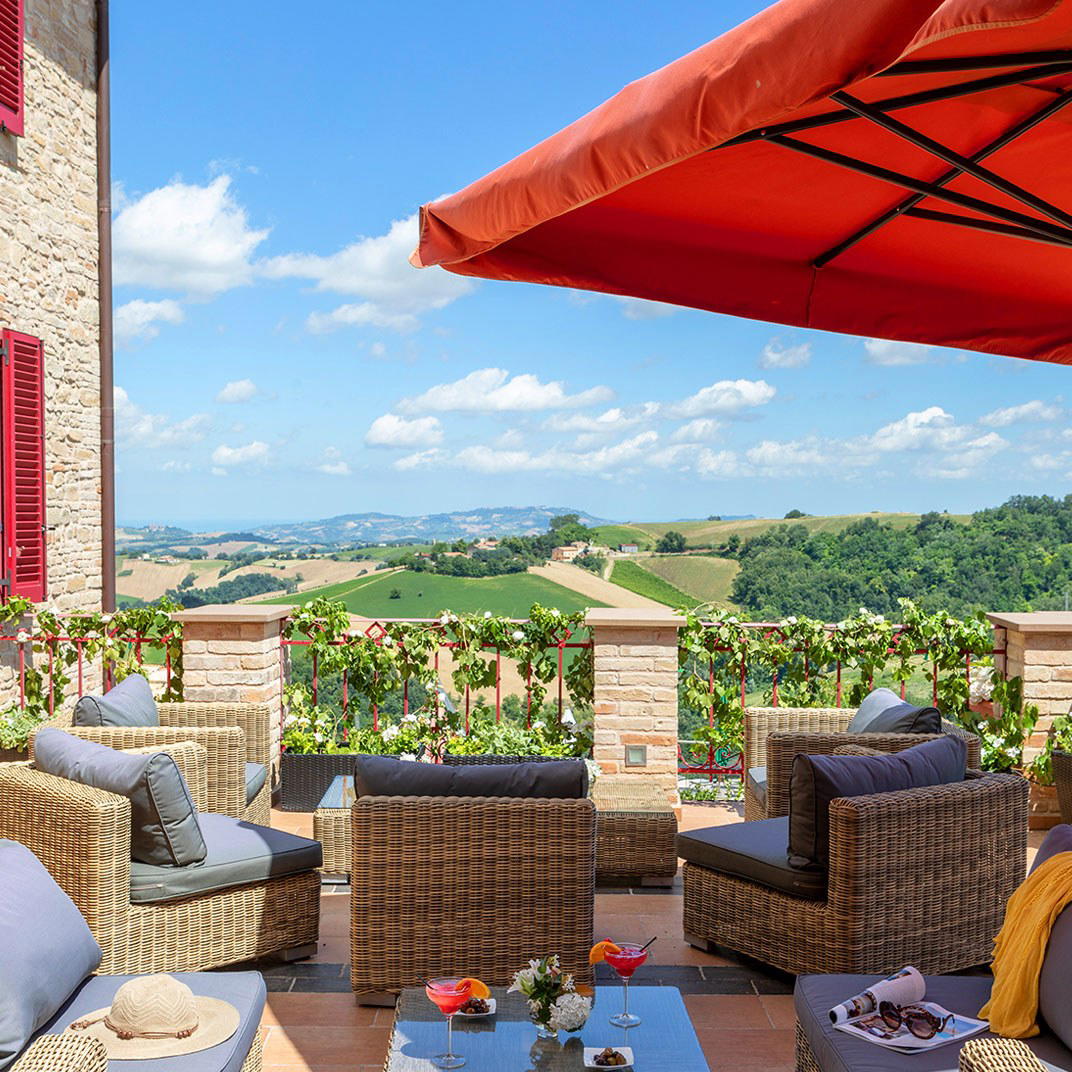
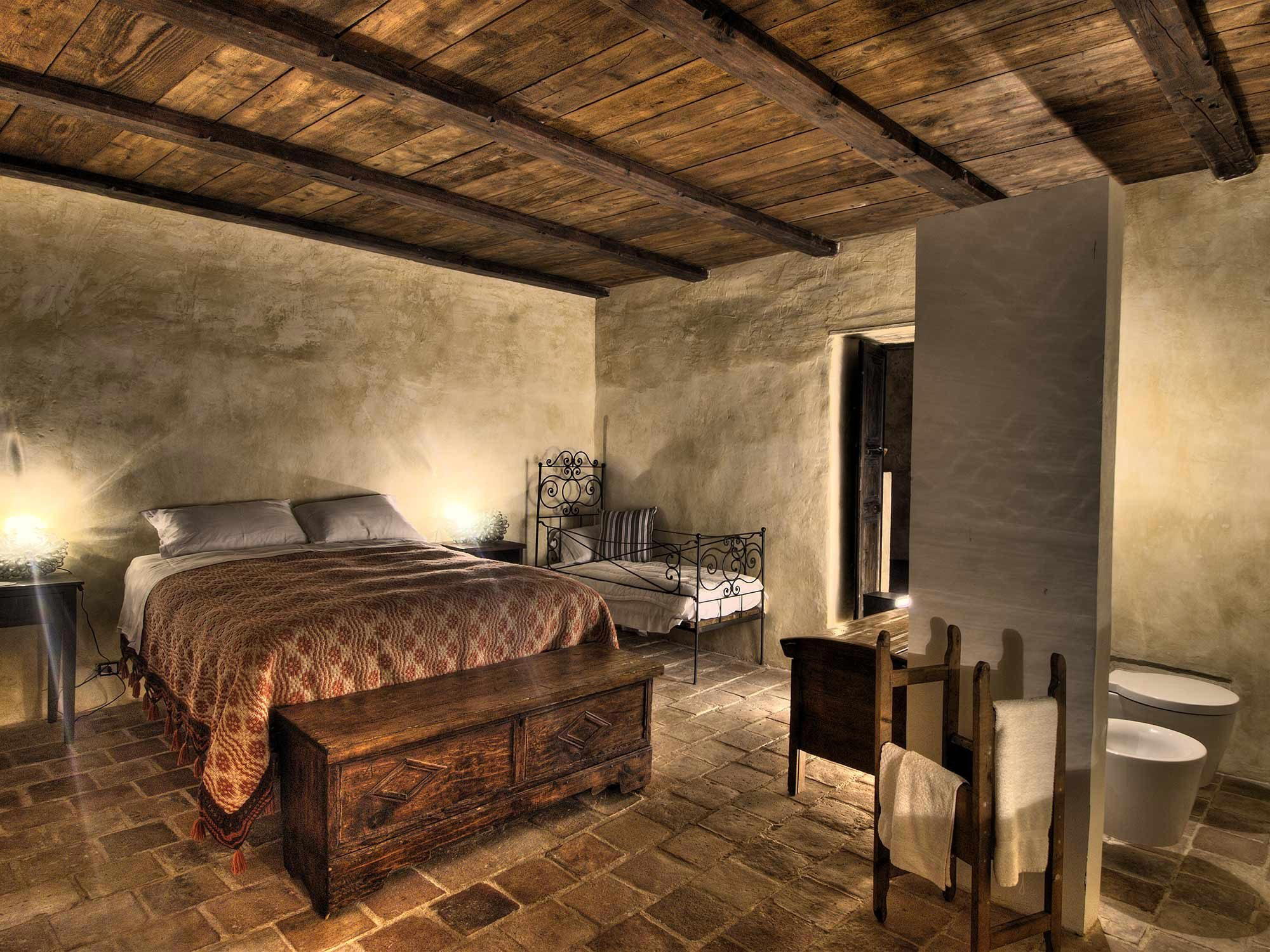
At a Glance
- Rustic
- Classic
- Quiet
- Scenic
- Cozy
- Wine Education
- Special Occasion
- Romantic Getaway
- Group Outing
- Historic Building
- Estate Grounds
- Vineyard Tour
- Private Tasting
- Biodynamic
- Organic
- Vineyard
- Mountain
- Montepulciano D'abruzzo DOC
- Montepulciano
- Trebbiano
- Pecorino
- Cerasuolo D'abruzzo
- Still Red
- Still White
- Still Rosé
- Cellar Tasting
- Wine Tasting
- Paired Tasting
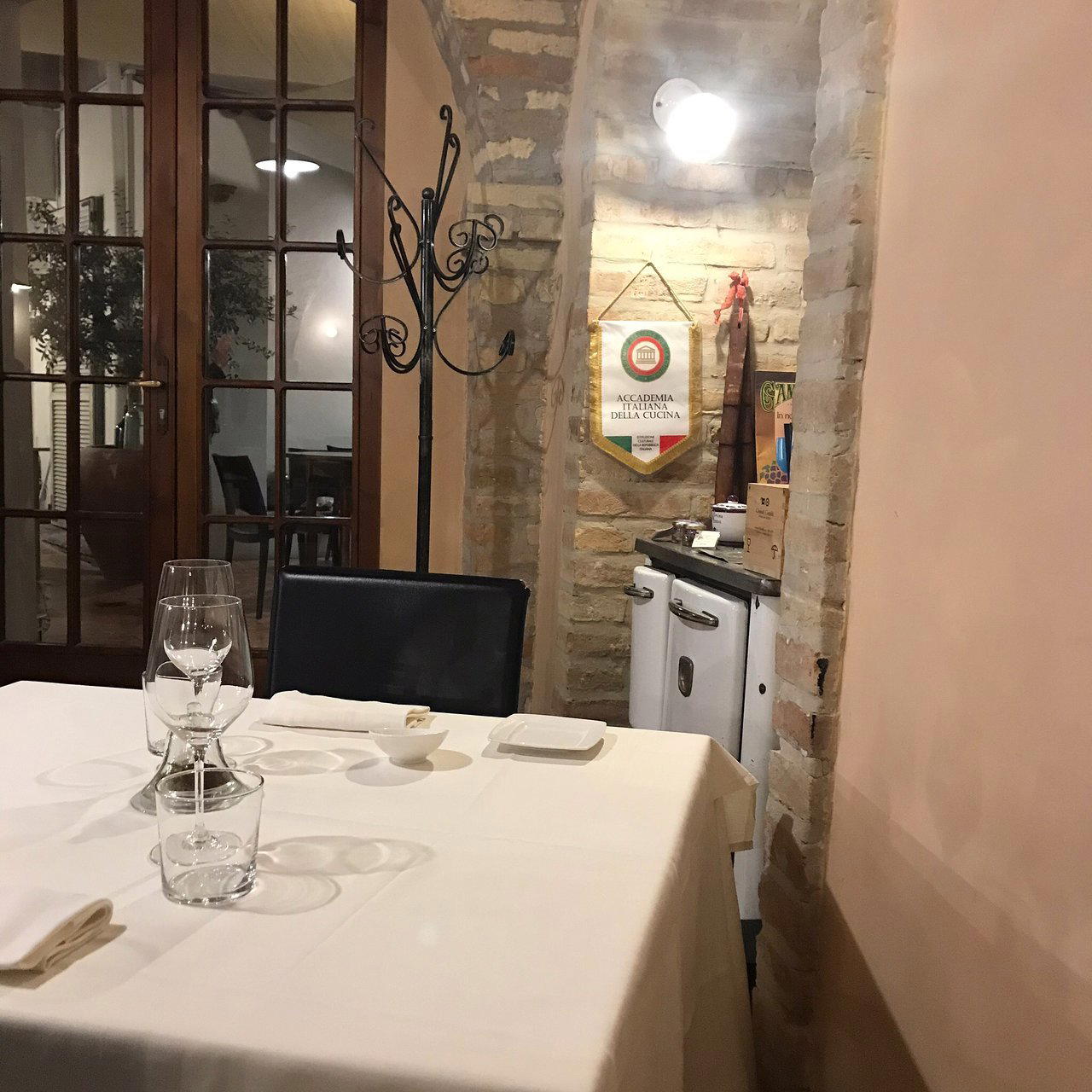
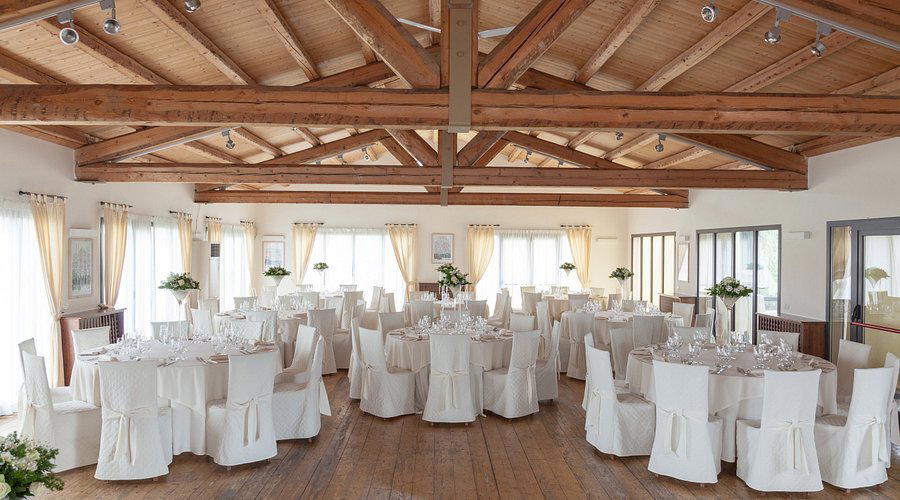
Rustic, historic, and contemplative, with a slow countryside rhythm that reflects a traditional family winery and agriturismo setting.