Tenuta Brancalupo
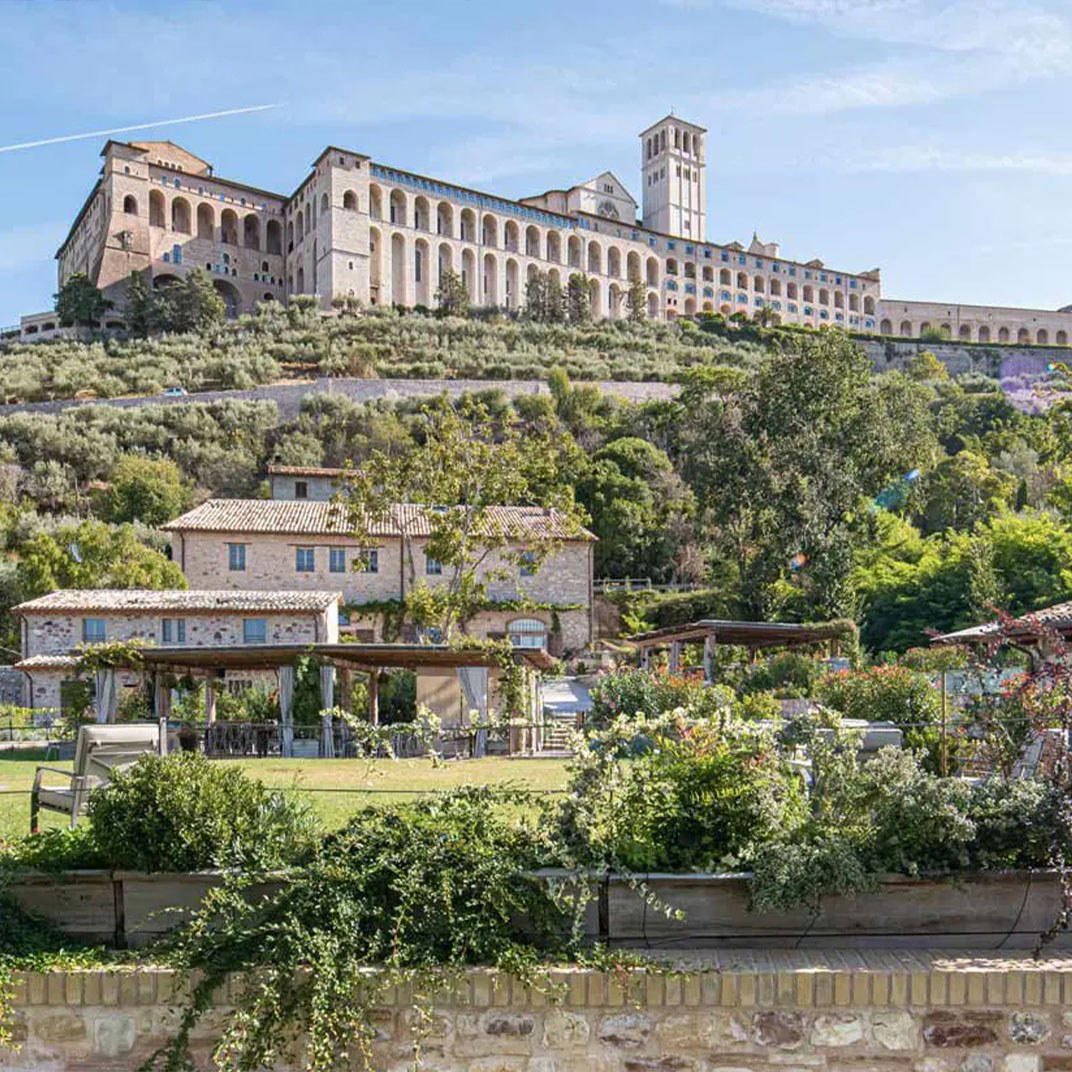
Tenuta Brancalupo is a winery estate in Montefalco, the Umbrian hill town that produces Sagrantino di Montefalco, one of Italy's most tannic and age-worthy red wines. The estate sits within a designation where small producers increasingly define the conversation around native grape varieties and terroir-led viticulture.
Pearl is the En Primeur Club membership app — saves, bookings, and concierge access live there. Same editors, same standards.
- Address
- Montefalco, Italy
- Directions
- Get directions
 Saves & bookings on Pearl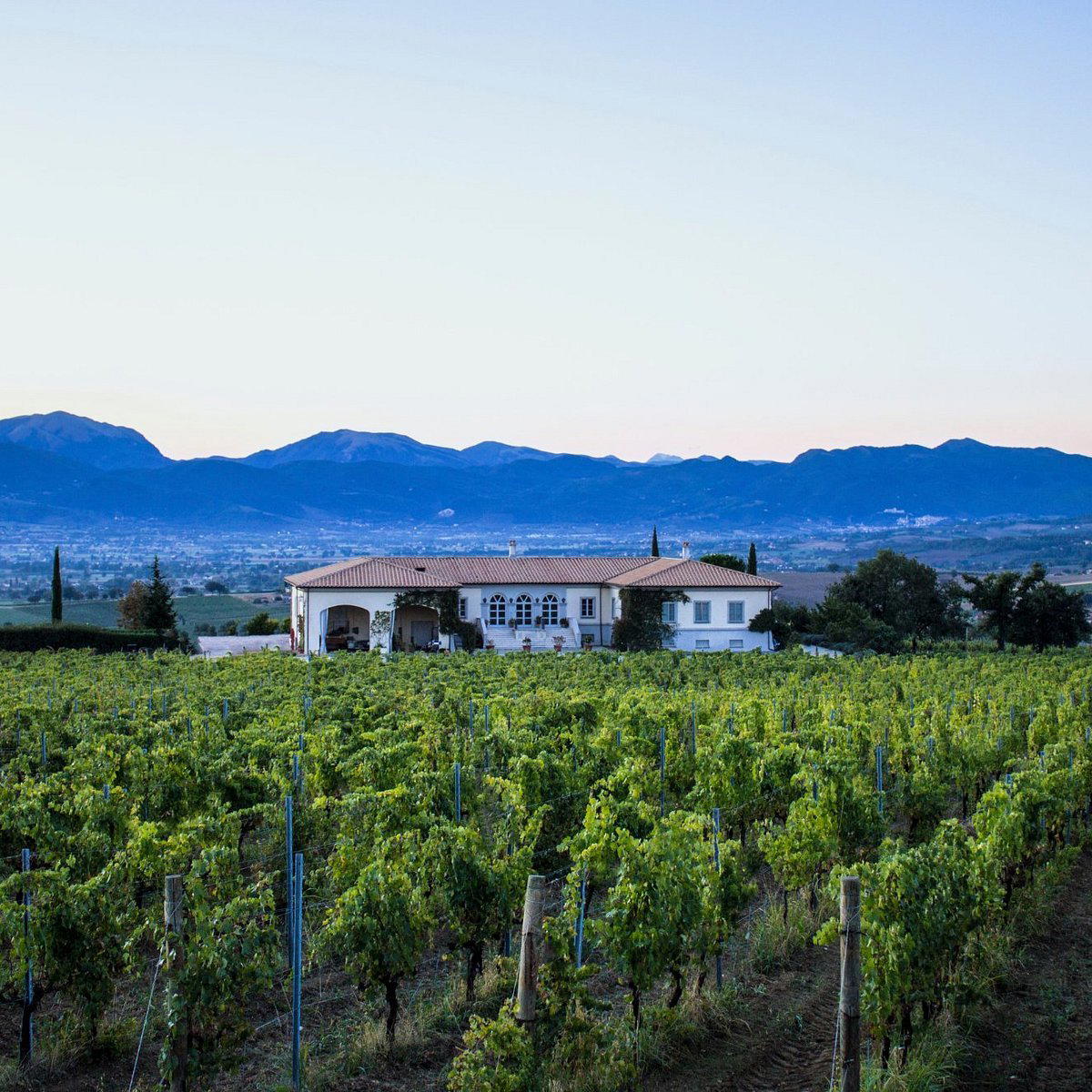
Montefalco and the Sagrantino Question
Umbria's wine identity has long been secondary to Tuscany in the minds of international collectors, but the gap has narrowed considerably over the past two decades, driven almost entirely by a single grape: Sagrantino. The variety is grown in a tightly drawn zone around Montefalco, a fortified hill town in the province of Perugia, and it produces wines with tannin structures that require serious cellar time to resolve. The DOCG designation, Montefalco Sagrantino, covers a small area, and the estates within it range from large, export-oriented producers like Arnaldo Caprai, who effectively rebuilt the denomination's international profile in the 1990s, to smaller family properties working at a different scale and tempo.
Tenuta Brancalupo operates in this latter space. The estate is in Montefalco, positioned within a designation where the underlying philosophy of production, how much extraction to pursue, how long to age before release, whether to push oak influence or pull back, matters as much as the vineyard address itself. That question is not rhetorical in Sagrantino country. The grape's phenolic load demands a position on it.
The Setting: Hill Town Viticulture
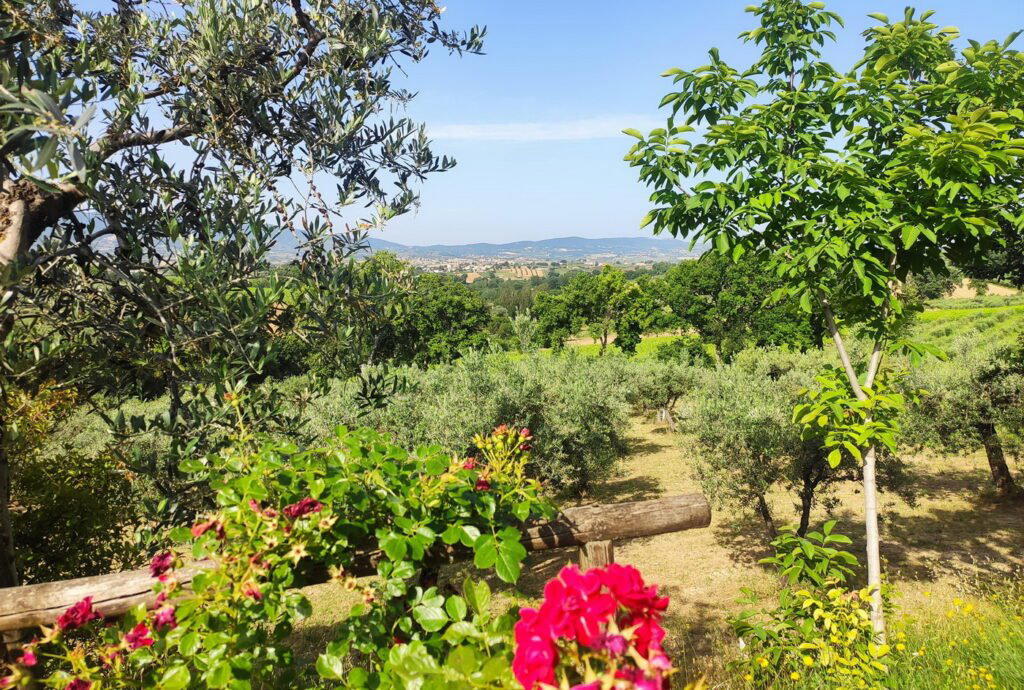
Approaching Montefalco from the Valle Umbra, the town reads as a classic Umbrian fortification: compact, stone-built, refined above olive groves and vineyards that spread across the surrounding slopes. The agricultural geography here is less dramatic than the Tuscan hills associated with Brunello or Chianti Classico, properties like Castello di Volpaia in Radda in Chianti or the estates around Montalcino where L'Enoteca Banfi operates, but the Montefalco zone has its own coherence. Elevations generally sit between 220 and 450 metres, with clay-rich soils that retain moisture and contribute to the structural weight characteristic of Sagrantino.
Estate visits in this part of Umbria tend to be direct and agricultural rather than theatrical. There is little of the visitor infrastructure you find at larger operations in Franciacorta, where Ca' del Bosco in Erbusco has developed an almost resort-scale hospitality offer. Montefalco's smaller producers, Tenuta Brancalupo among them, invite a different kind of engagement: vineyard-level, appointment-based, focused on wine rather than experience design.
Sagrantino as a Winemaking Position
Across the Montefalco DOCG, winemaking decisions around Sagrantino have become almost philosophical dividing lines. The variety accumulates tannin at a rate that exceeds virtually every other Italian red grape, higher even than Barolo's Nebbiolo, the benchmark for structural intensity among Italian reds. Producers at Aldo Conterno in Monforte d'Alba have spent generations calibrating Nebbiolo's phenolic structure; Sagrantino presents an analogous challenge in a zone that has had far fewer decades to develop a settled consensus.
The debate in Montefalco runs roughly between two approaches. One school pursues long maceration and extended oak aging, producing wines that can require a decade of cellaring before their tannins integrate. The other favours shorter skin contact and less new wood, seeking drinkability at an earlier stage without abandoning the variety's structural character. Neither is categorically correct; both produce serious wine. What matters, for a property like Tenuta Brancalupo, is consistency of position across vintages. Terroir-led winemaking in a high-tannin variety only reads as intentional if the approach is repeatable.
The Montefalco Rosso DOC, a lighter, Sangiovese-dominant blend permitted within the same zone, functions as a secondary tier for most estates, offering an accessible entry point while Sagrantino ages in barrel and bottle. This two-tier structure echoes what you find in Brunello production, where the Rosso di Montalcino fills a comparable role, or in Barolo, where Langhe Nebbiolo serves similar commercial and stylistic purposes. The approach gives properties in the zone a more complete portfolio without compromising the premium identity of the DOCG flagship. Poggio Antico in Monte San Vito operates in a parallel fashion in Montalcino.
Umbria in the Broader Italian Wine Context
Montefalco is not the only Umbrian appellation with serious ambitions. Torgiano, anchored by the Lungarotti family operation, established Umbria's credentials with international markets earlier, and its DOCG covers a broader stylistic range. But Sagrantino's concentration of identity in a single grape and a single town gives Montefalco a clarity of proposition that Torgiano, with its more varied production, does not always project. For collectors accustomed to the logic of a single-appellation, single-variety narrative, the structure that makes Brunello, Barolo, or Amarone legible internationally, Montefalco Sagrantino presents itself on familiar terms.
The comparison extends beyond Italy. In regions where native varieties and small appellations have built premium reputations through a combination of production discipline and critical attention, the pattern is consistent: a founding producer establishes credibility, a cohort of smaller estates develops alongside, and the designation acquires a collective identity. In Montefalco, Caprai played the founding role. The smaller properties, the winery among them, constitute the cohort.
Planning a Visit
Montefalco sits roughly 50 kilometres south of Perugia, with the nearest airport connections running through either Perugia or Rome. The town itself is compact and walkable, with several producers accessible by arrangement from the centre. Estate visits in the Montefalco zone are typically appointment-based; arrival without prior contact is unlikely to yield a meaningful tasting at most properties. The harvest period, running from late September into October for Sagrantino, draws visitors interested in seeing the variety's thick-skinned clusters before picking. Spring visits, with the vineyards in growth before summer heat, offer a quieter alternative.
For those building a wider Umbrian or central Italian itinerary, the region pairs naturally with Spoleto to the south or Assisi to the north. Dedicated wine itineraries might extend across the Apennines into Tuscany for the Montalcino or Chianti Classico zones, though Montefalco's character is sufficiently distinct from both to merit treatment as a separate destination rather than an adjunct to a Tuscan trip.
Budget Reality Check
Comparable venues nearby, for context on price, style, and recognition.
| Venue | Cuisine | Price | Notes |
|---|---|---|---|
| Tenuta BrancalupoThis venue — the venue you are viewing | Not listed | $$$ | Not listed |
| Arnaldo Caprai | Montefalco, Sagrantino, Sangiovese | $$$ | Not listed |
| Tasca d’Almerita | Not listed | $$$ | Sclafani Bagni, Nero d'Avola, Nerello Mascalese |
| Planeta | Menfi, Chardonnay, Nero d’Avola | $$$ | Not listed |
| Barone Ricasoli (Brolio) | Gaiole in Chianti, Sangiovese, Merlot | $$$ | Not listed |
| Distillerie Buton (Vecchia Romagna) | Bologna, Trebbiano | $$$ | Not listed |
Continue exploring
More in Montefalco
Wineries in Montefalco
Browse all →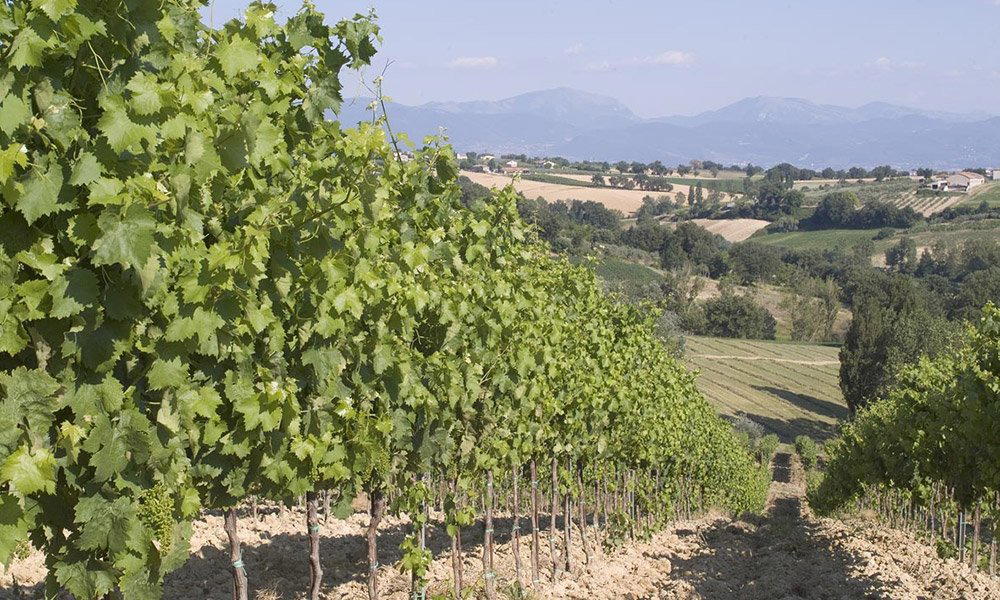
Bars in Montefalco
Browse all →
Restaurants in Montefalco
Browse all →
At a Glance
- Quiet
- Rustic
- Scenic
- Elegant
- Wine Education
- Solo Exploration
- Vineyard Tour
- Estate Grounds
- Sustainable
- Vineyard
- Montefalco
- Sagrantino
- Trebbiano Spoletino
- Still Red
- Still White
- Guided Tasting
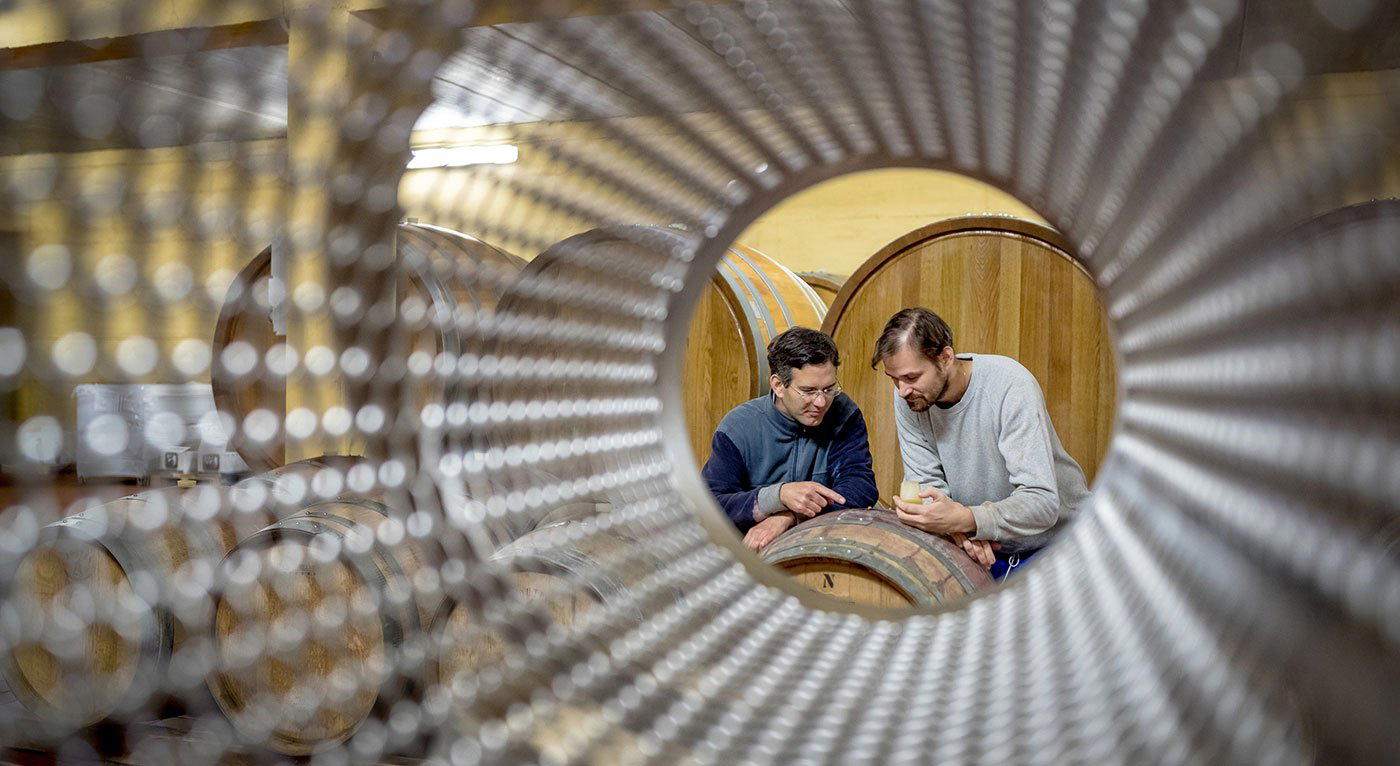
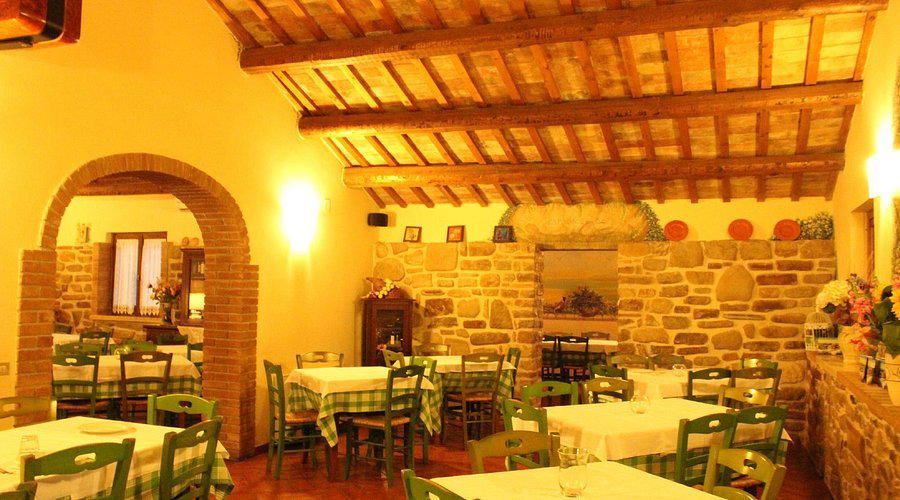
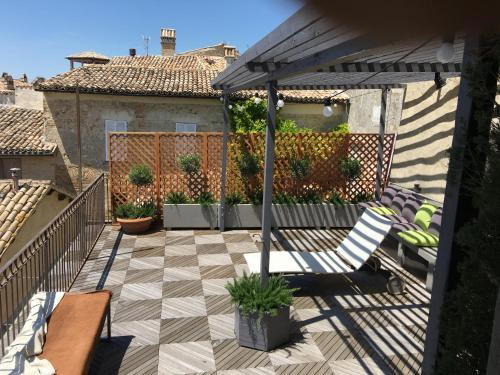
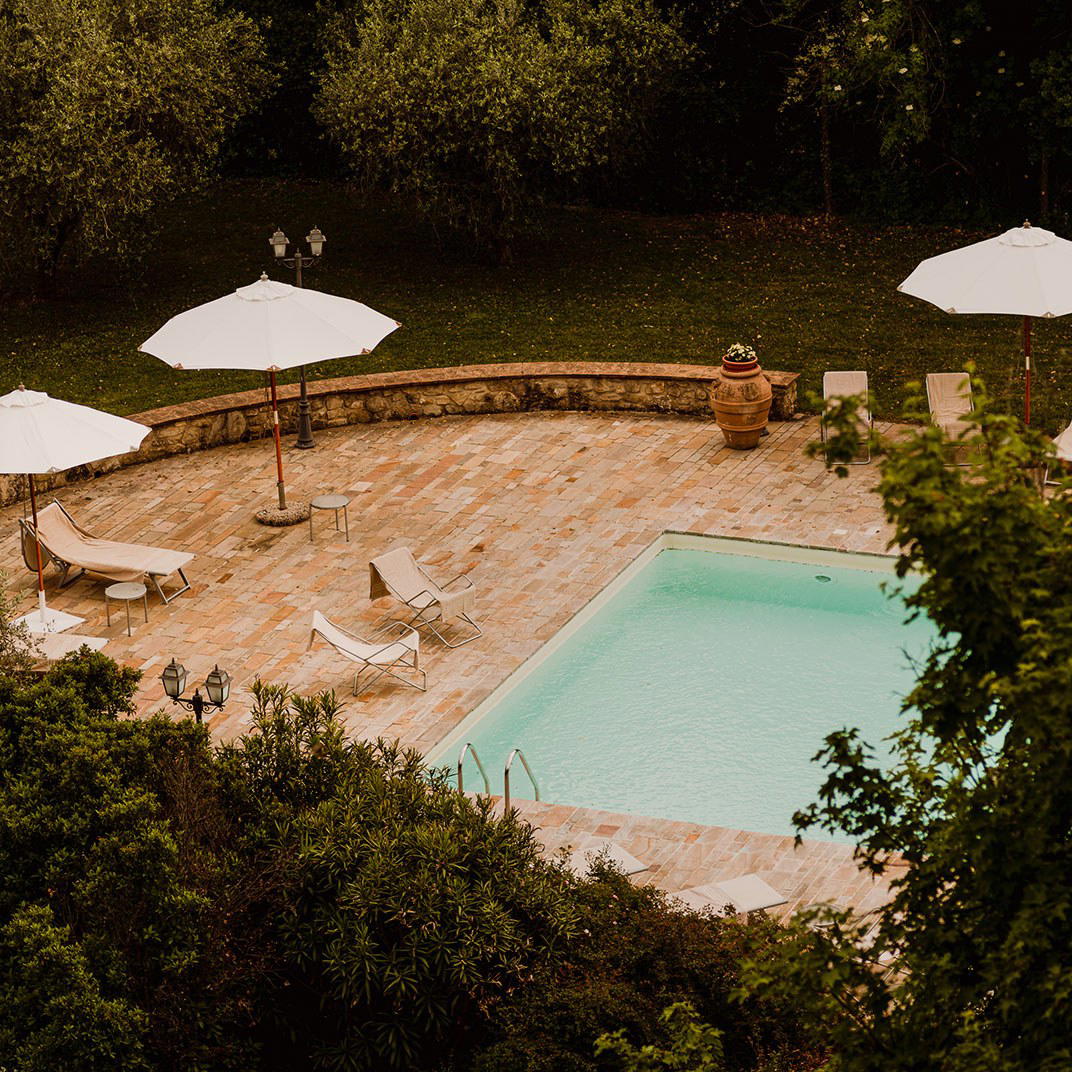
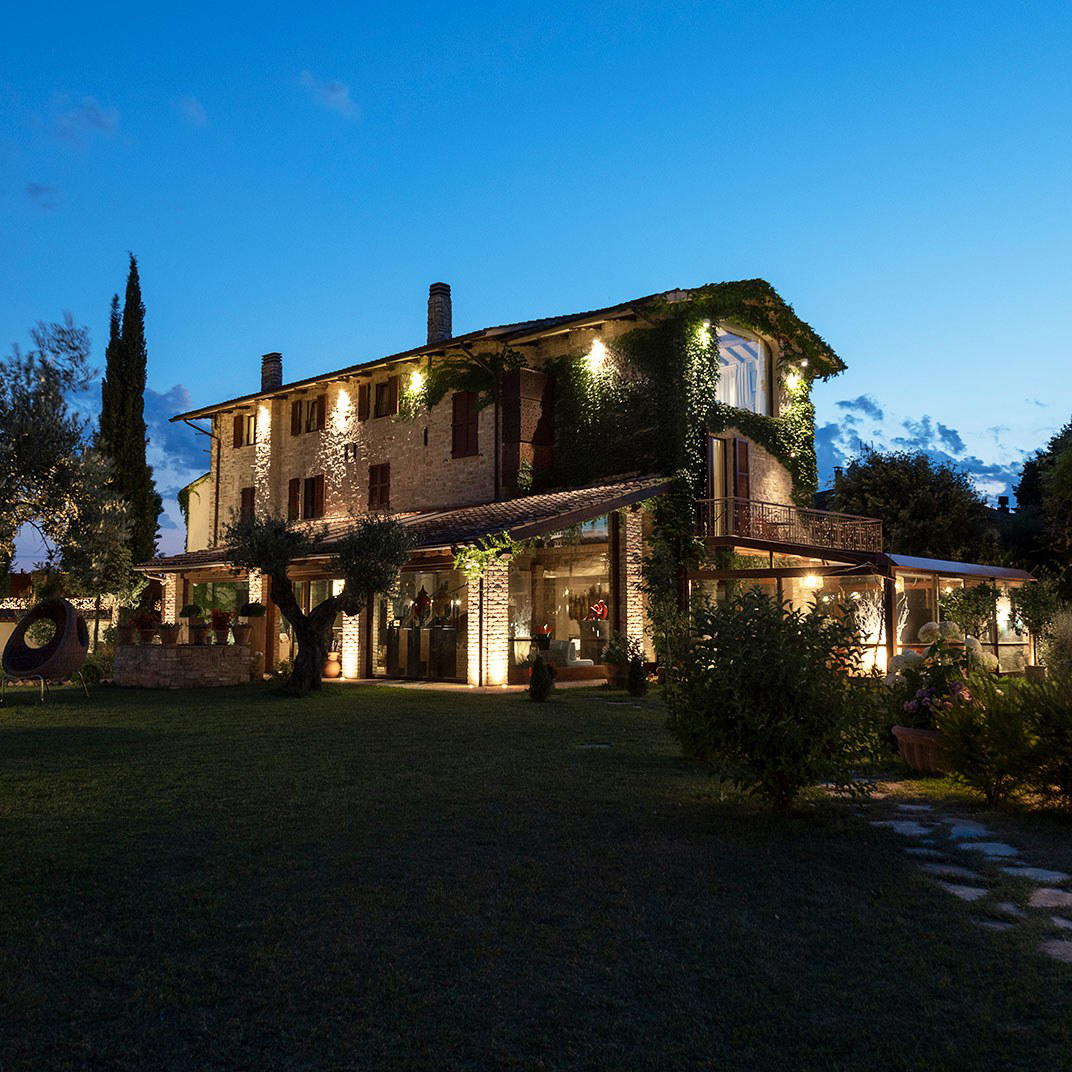
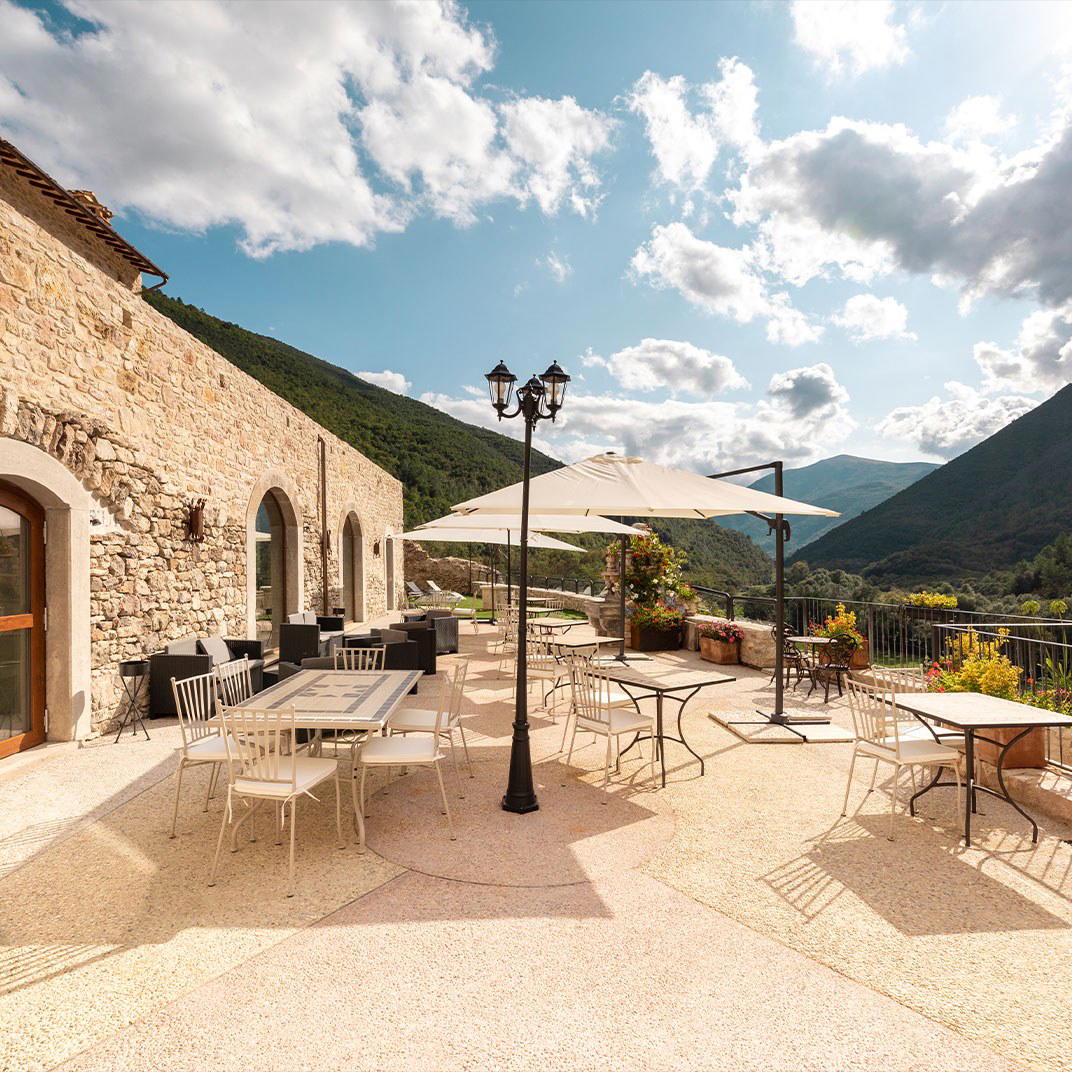
Calm and contemplative atmosphere in a villa cellar surrounded by vineyards, promoting serenity and connection to nature.