




2 Michelin Keys · La Liste Top Hotels · Virtuoso Luxury Hotel Partner
A neoclassical villa built for Baron Oppenheim in the 1870s, Villa Cora sits above the Boboli Gardens on Florence's quieter southern edge. Forty-three rooms furnished with period antiques and Persian rugs, a year-round heated pool, and a complimentary shuttle to the city centre place it at a distinct remove from the tourist density of the historic core. Awarded two Michelin Keys in 2024 and rated 92 points on La Liste Top Hotels 2026.

Pearl is the En Primeur Club membership app, where members save venues, book tables and use the concierge.
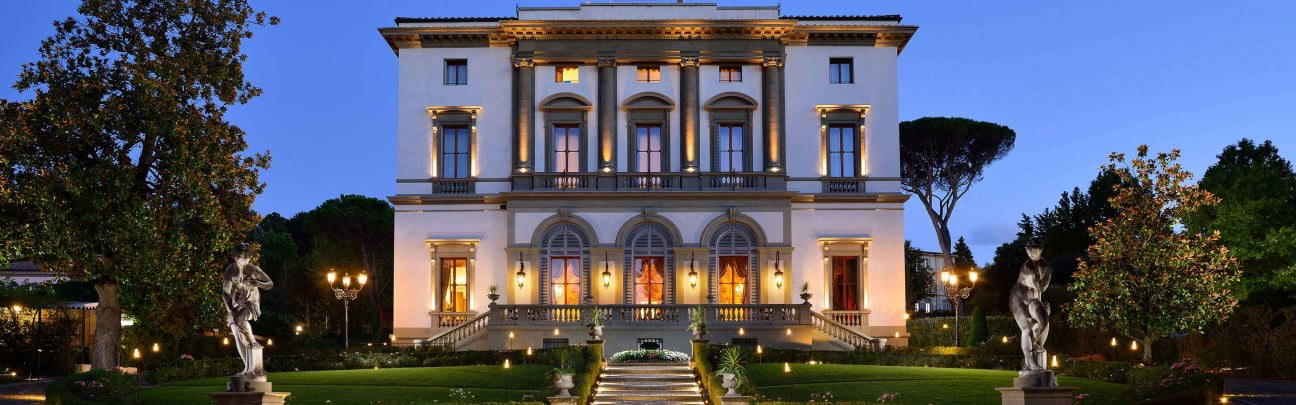
A Villa at the Edge of the City
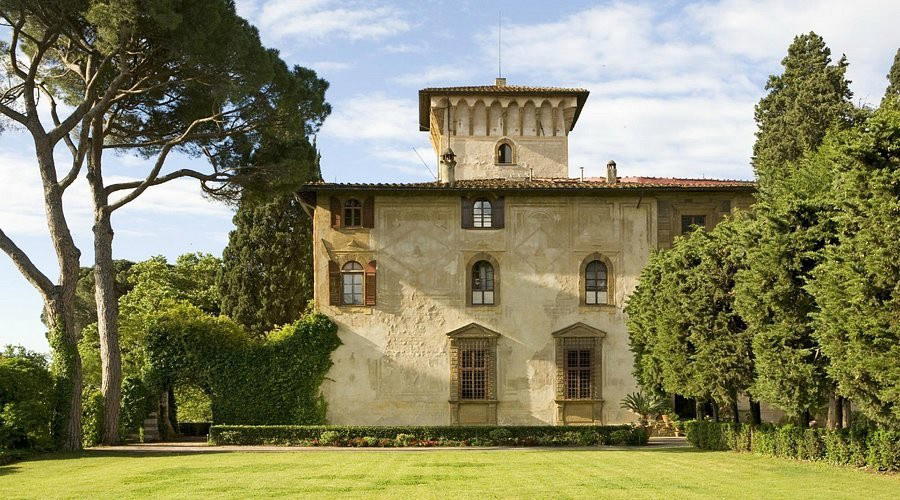
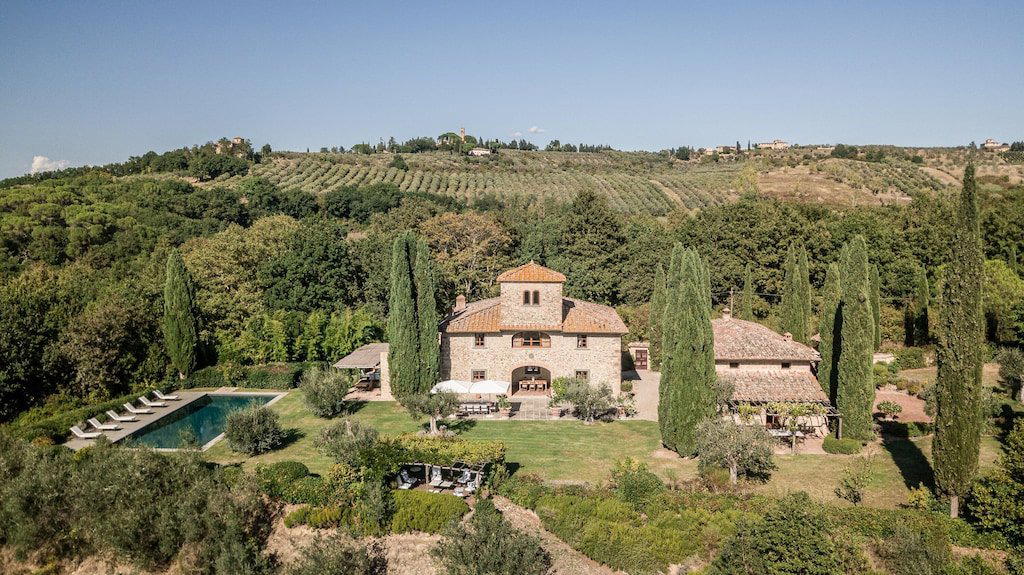
Approaching Villa Cora along Viale Machiavelli, with the Boboli Gardens stretching out below and the rooftops of Florence visible through the cypress line, the distance from the city's centre feels deliberate rather than incidental. The villa sits on the hills just south of the historic core, a position that gives it something most Florence addresses cannot offer: quiet. Florence draws more visitors per square metre than almost any other Italian city, and the major hotels along the Arno absorb the volume. Up here, the pace is different.
The building itself dates to the late nineteenth century, commissioned by Baron Oppenheim during the period when Florence served briefly as the capital of the newly unified Kingdom of Italy. The architectural brief was eclectic in the manner of the era, pulling from neoclassical, baroque, and ornamental traditions simultaneously. What results is a villa that feels deliberately layered rather than stylistically pure, which is precisely the point. Florence's own built heritage is itself an accumulation of centuries rather than a single period statement, and Villa Cora fits within that tradition of accumulated grandeur. The property was inaugurated into that cultural moment and went on to receive guests including Princess Eugenia, wife of Napoleon III, and the Russian composer Tchaikovsky before eventually becoming a grand hotel at the end of the 1960s. A four-year restoration completed in 2010 returned it to operating condition without stripping the residence of its character.
The Experience Inside
Across Italy's premium hotel tier, the split between large international footprints and smaller historically rooted properties has widened over the past decade. Four Seasons Hotel Firenze occupies a former convent complex with 116 rooms and a recognisable global brand framework. Villa Cora takes the opposite position: 43 rooms, membership in the smaller collection of independently minded luxury houses, and an atmosphere that reads closer to a private residence than a hotel operation. Both approaches attract high-end travellers; they attract different types.
The interiors carry through the villa's eclectic origin story. Rooms are furnished with antiques and reproduction pieces, Persian and Oriental rugs, and period artworks. The scale of the property means the ratio of detail to guest is higher than in larger competitors. At 43 rooms, the public spaces do not need to manage the same volume as a 200-key city hotel, which shapes everything from the noise level in corridors to the staffing ratio at the front desk. Leading Hotels of the World membership, which Villa Cora holds as of 2025, applies a consistent set of service standards across its global portfolio, giving independent properties like this one a framework for guest experience without flattening their character.
The outdoor heated pool, open year-round, is an operational detail that carries more weight than it might initially appear. Florence's climate makes it usable across an extended season, and the presence of manicured gardens and a solarium with garden views means the grounds function as a genuine retreat rather than a decorative backdrop. For a city where most premium hotels position their service entirely around access to the historic centre, Villa Cora offers a counter-argument: that the experience of staying somewhere can be a primary reason to book, not just a base from which to operate.
Service and the Guest Relationship
Editorial angle on service at properties of this scale and category is not primarily about amenities. It is about ratio and pace. A 43-room property operating within the Leading Hotels of the World framework, with a guest profile that skews toward travellers who have stayed in the city before and are looking for something less exposed, is structurally positioned to deliver a more attentive and less transactional version of hospitality. The staff-to-guest ratio at a property this size tends to allow for recognition, anticipation, and continuity across a stay in ways that are harder to systemise at larger operations.
Complimentary shuttle to the city centre is a practical example of this logic. The villa sits approximately twenty minutes on foot from the Piazzale Michelangelo and the Oltrarno neighbourhood, which is a walkable distance along a genuinely scenic route. The shuttle removes any friction for guests who prefer not to walk, but the walk itself, through cypress-lined roads above the Arno valley, is the kind of approach to a city that Florence's larger central hotels simply cannot replicate. Hotel Lungarno and Brunelleschi Hotel are embedded in the historic core, which is an advantage in terms of immediate proximity to the Uffizi or the Duomo; Villa Cora trades that proximity for separation, and for guests who value it, the trade is direct.
Where It Sits in the Florence Market
Florence's premium hotel market clusters around a handful of positioning types: the grand palazzo conversion (Palazzo Portinari Salviati), the design-forward urban boutique (Hotel Calimala), the river-facing luxury address (Hotel Lungarno), and the hillside villa. Villa Cora occupies the last category with relatively few competitors at its price and credential level. The La Liste Leading Hotels score of 92 points for 2026 and the two Michelin Keys awarded in 2024 place it in a verifiable upper bracket, assessed by two separate credentialing bodies using different criteria. The Michelin Key system, introduced to the hotel sector in 2024, evaluates architecture, interior design, service quality, and overall guest experience rather than food alone. Two keys at a 43-room hillside villa in Florence is a meaningful signal about how the property performs against properties at larger scales and more prominent addresses.
Rates from $623 per night put Villa Cora in the same price band as Villa La Massa and the upper tier of Florence's independent luxury market. Within Italy more broadly, this positioning sits below properties like Aman Venice or Rosewood Castiglion Del Bosco in Montalcino and closer to peers such as Castello di Reschio in Umbria, Casa Maria Luigia in Modena, and Il Pellicano in Porto Ercole, all of which operate in the category of historically grounded Italian properties where the building and its setting are core to the proposition. For Italian coastal comparisons, Borgo Santandrea and Il San Pietro di Positano occupy a similar emotional tier with a different geographic character. Internationally, properties like Passalacqua in Moltrasio or Borgo Egnazia in Fasano demonstrate how Italy's villa and masseria category has developed a distinct identity that travels well with a global luxury audience. See our full Florence hotels and restaurants guide for the broader city picture.
Planning a Stay
Villa Cora is located at Viale Machiavelli 18, on the hillside south of the Arno, within walking range of Piazzale Michelangelo and the Oltrarno. The complimentary shuttle handles transfers to the city centre for guests who prefer not to walk. The property operates 43 rooms across the restored villa, with rates from $623 per night. Booking through the Leading Hotels of the World platform or direct with the property is the standard approach for this category. For context on comparable Italian properties at different price points, Riva Lofts Florence and Portrait Milano represent the design-led boutique alternative, while Bulgari Hotel Roma, JK Place Capri, and Corte della Maestà in Civita di Bagnoregio show how Italy's small luxury hotel category spans a wide range of settings and building types. For travellers who extend their itinerary beyond Europe, The Fifth Avenue Hotel in New York, Aman New York, and Amangiri in Canyon Point occupy a comparable position in the conversation about historically informed or architecturally distinct luxury properties.
Credentials Lens
Comparable venues nearby, for context on price, style, and recognition.
| Venue | Cuisine | Price | Awards | Notes |
|---|---|---|---|---|
| Villa CoraThis venue (the venue you are viewing) | Restored 19th-century aristocratic villa blending opulence with Tuscan serenity | $300–500 | 2 Michelin Keys · La Liste Top Hotels | Not listed |
| Collegio alla Querce | Timeless urban retreat blending Renaissance villa with Tuscan country estate charm. | $500–750 | 3 Michelin Keys · Virtuoso Luxury Hotel Partner | San Gervasio |
| Villa La Massa | Restored 16th-century Tuscan villas furnished in traditional Florentine style | $300–500 | 2 Michelin Keys · La Liste Top Hotels | Nave A Rovezzano |
| Palazzo Portinari Salviati Residenza D'Epoca | Historic Renaissance palace with modern luxury services | $500–750 | 2 Michelin Keys · Virtuoso Luxury Hotel Partner | San Niccolo |
| THE PLACE Firenze | Luxury boutique townhouse hotel designed as a sophisticated private residence with curated Italian character and contemporary refinement. | Not listed | 1 Michelin Key · La Liste Top Hotels | Santo Spirito |
| Brunelleschi Hotel | Historic boutique in medieval tower with modern luxury. | Not listed | 1 Michelin Key · Virtuoso Luxury Hotel Partner | San Niccolo |
Recognition history
Dated appearances from independent guides and award organizations, with the underlying list record or original source where available.
Michelin 2 Keys
Michelin
La Liste Top Hotels
La Liste
Mr & Mrs Smith Seal of Approval
Mr & Mrs Smith
Virtuoso Luxury Hotel Partner
Virtuoso
Leading Hotels of World Member
Leading Hotels of World
Full recognition history (7 entries)
Michelin 2 Keys
Michelin
Michelin 2 Keys
Michelin
Villa Cora
Featured Guides
Continue exploring
More in Florence
Hotels in Florence
All hotels in Florence →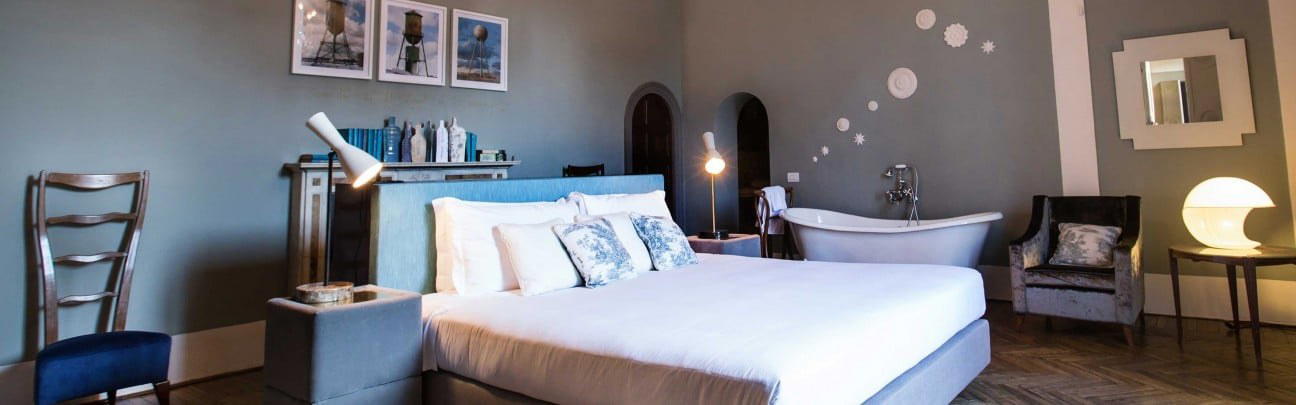
Bars in Florence
All bars in Florence →
Restaurants in Florence
All restaurants in Florence →

Details
- Romantic
- Elegant
- Ornate
- Sophisticated
- Classic
- Honeymoon
- Romantic Getaway
- Anniversary
- Historic Building
- Panoramic View
- Garden
- Terrace
- Pool
- Spa
- Fitness Center
- Room Service
- Concierge
- Sauna
- Restaurant
- Valet Parking
- Garden
- Skyline
- Wheelchair Accessible
- Elevator
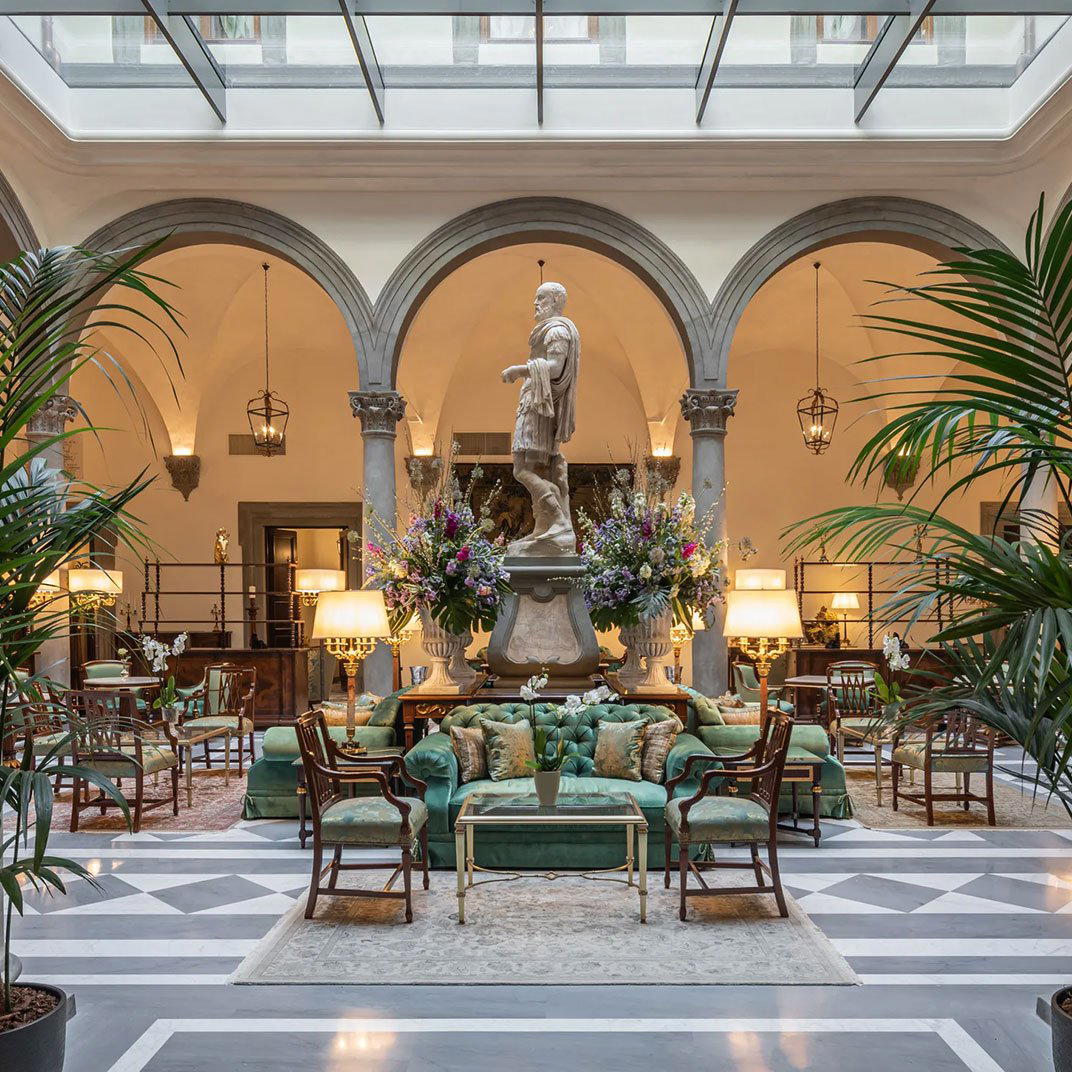
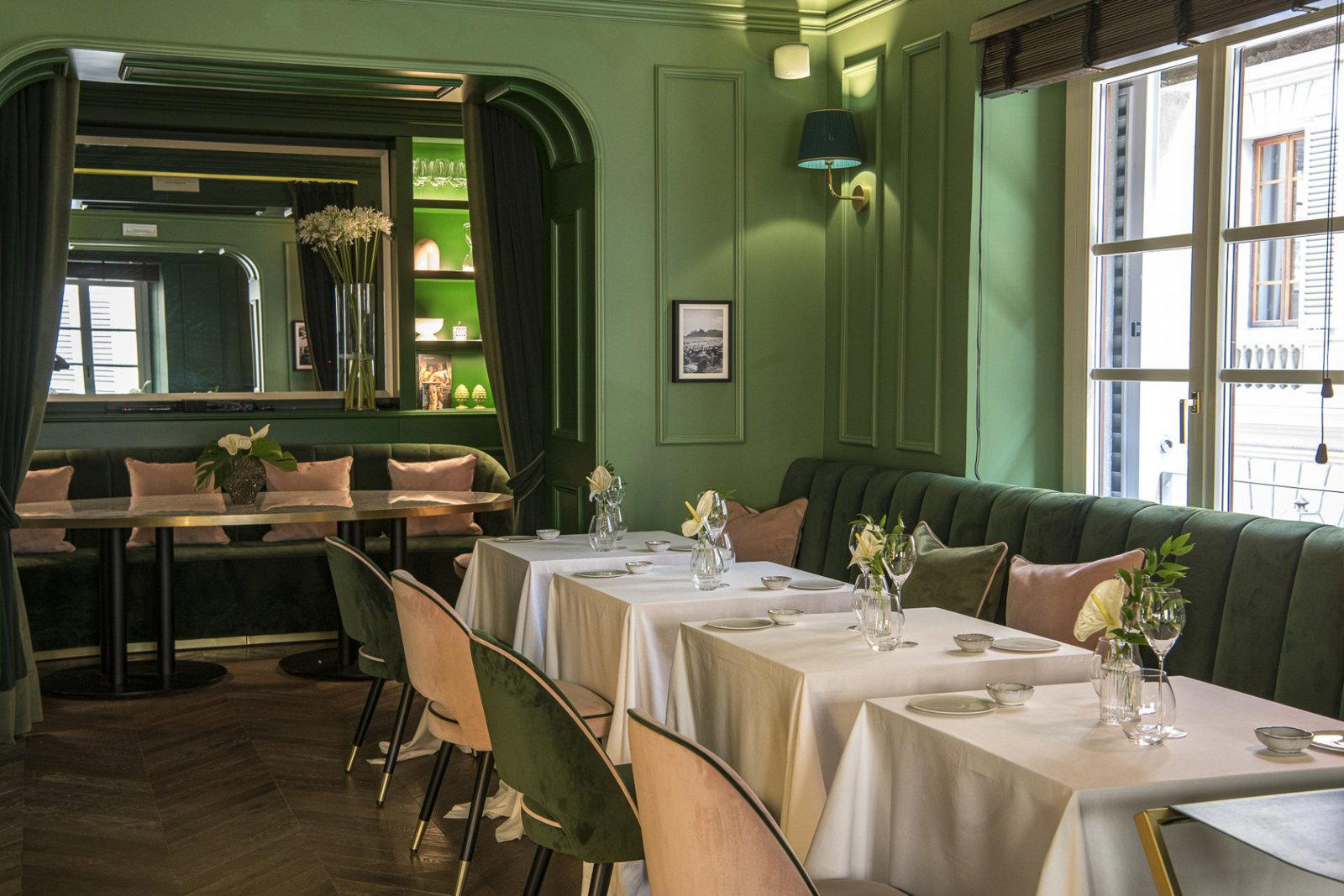
Timeless ornate elegance with gilded ceilings, intricate frescoes, marble floors, soft lighting, and serene garden serenity.