
Star Wine List
In the hillside village of Lamole, above Greve in Chianti, Ristoro di Lamole has been a benchmark for Chianti Classico-country cooking since Filippo Masini and Paolo di Mantovanelli took over in 1992. Come for the food, stay for the Sangiovese.

Pearl is the En Primeur Club membership app — saves, bookings, and concierge access live there. Same editors, same standards.
- Address
- Via Lamole, 6, 50022 Greve in Chianti FI, Italy
- Phone
- +39 055 854 7050
- Hours
- Mon–Tue 12–2:30 PMWed ClosedThu–Sun 12–2:30 PM
- Website
- ristorodilamole.it
- Directions
- Get directions
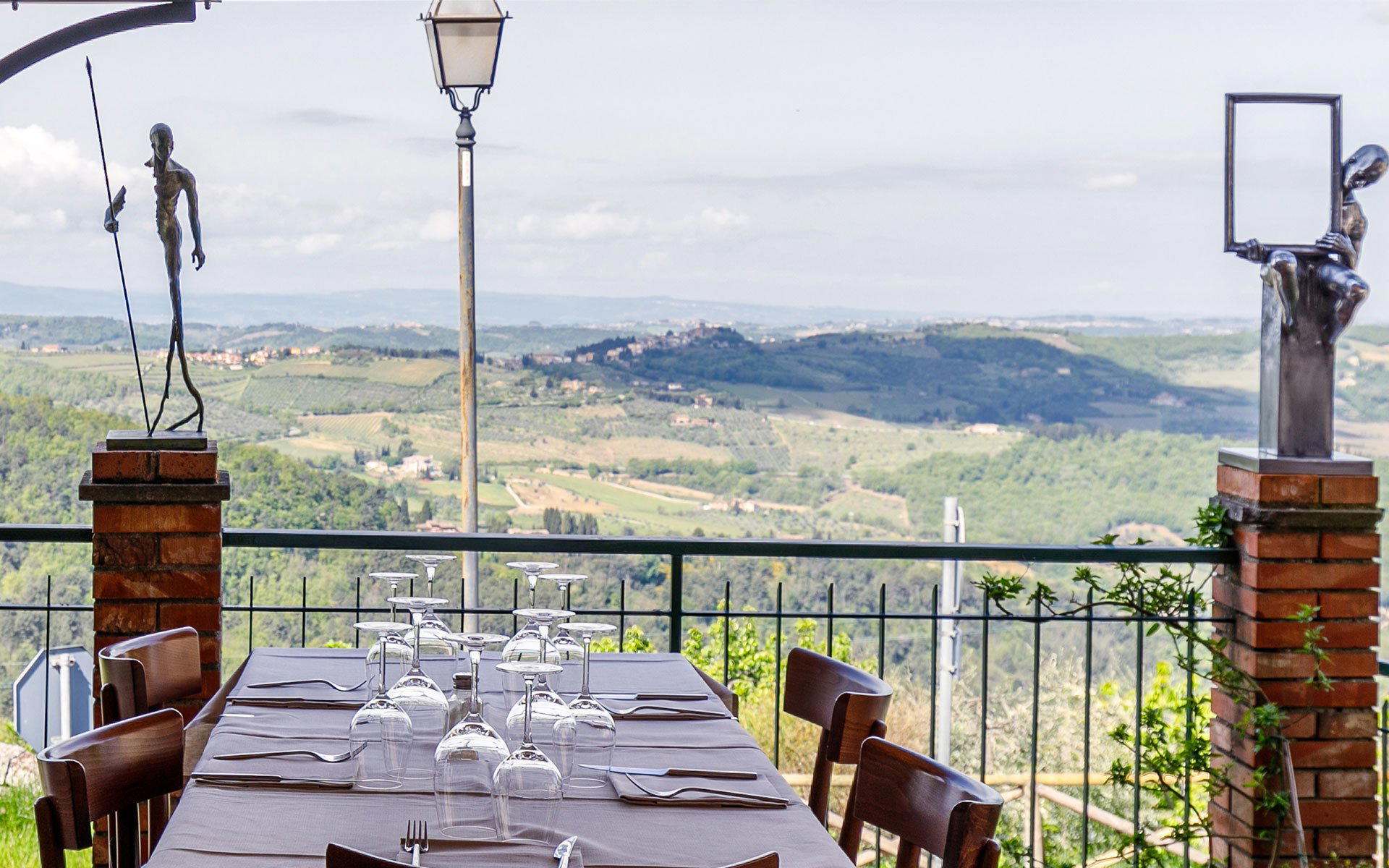
Up in the Vines: Dining at Altitude in Chianti Classico Country
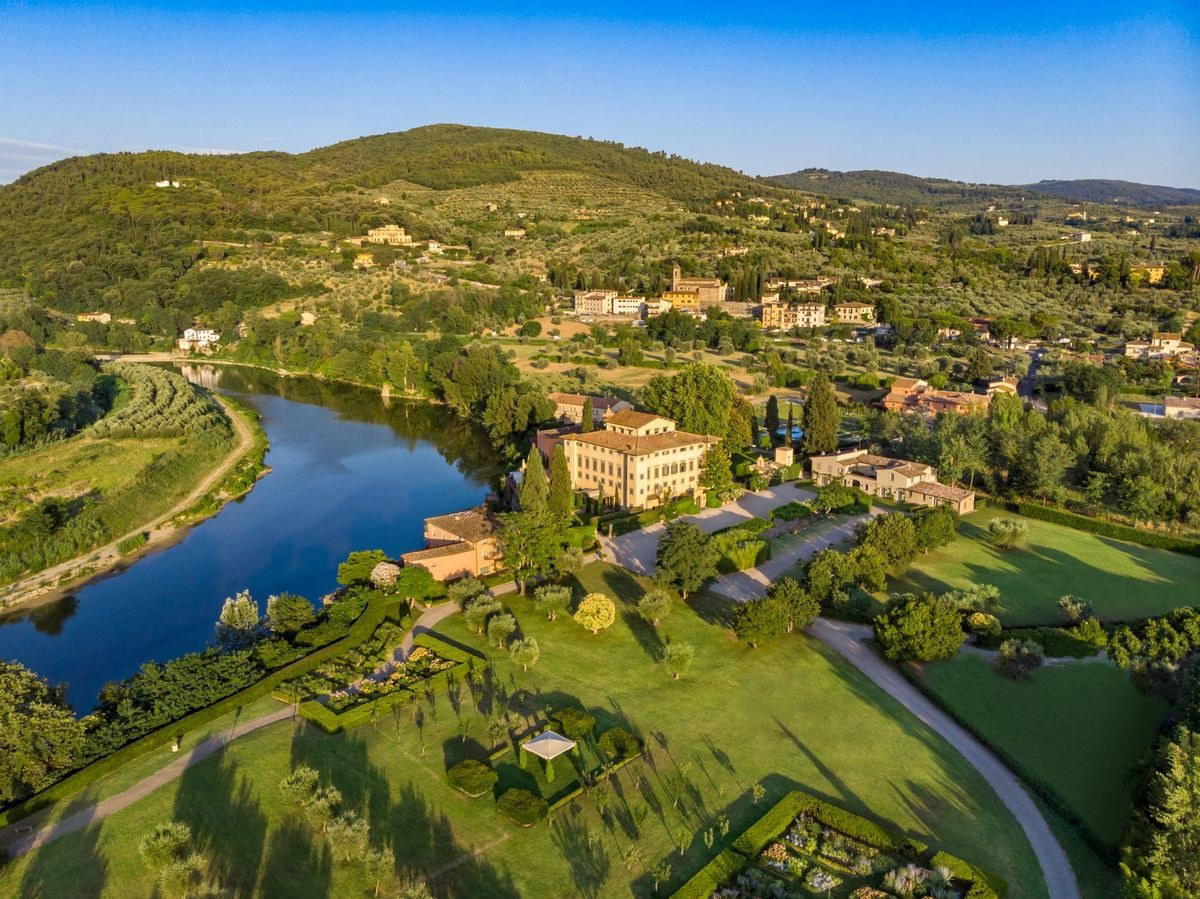
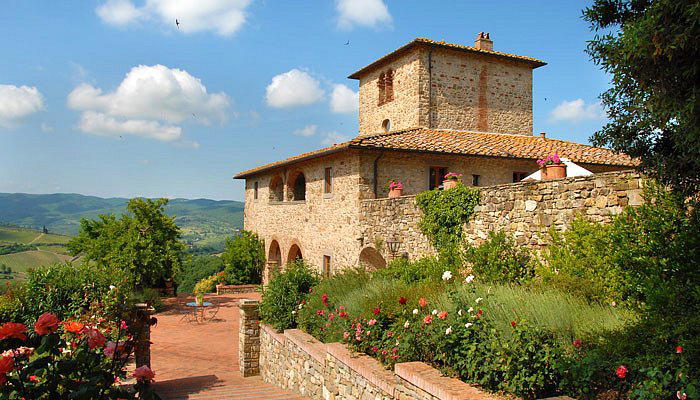
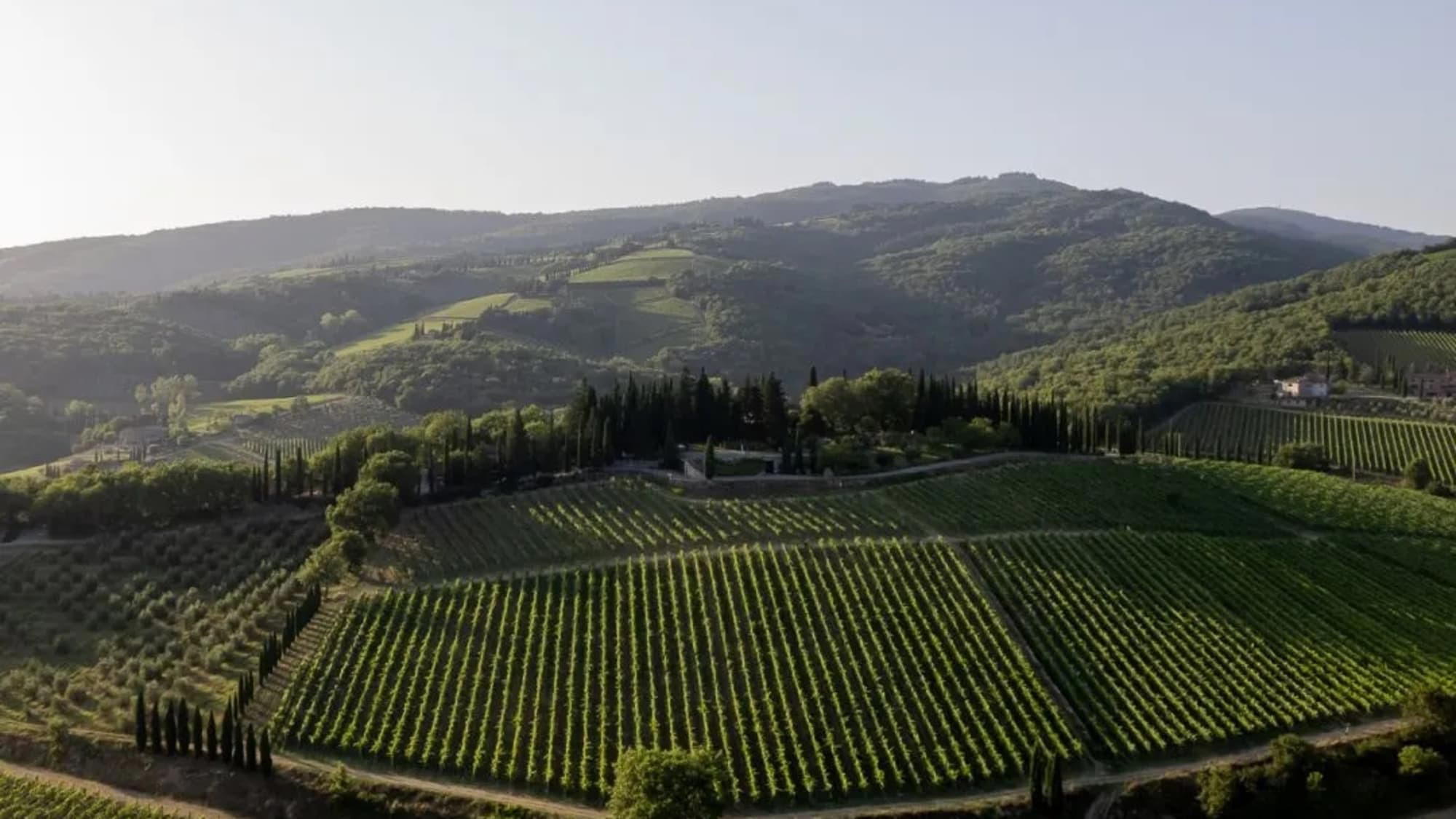
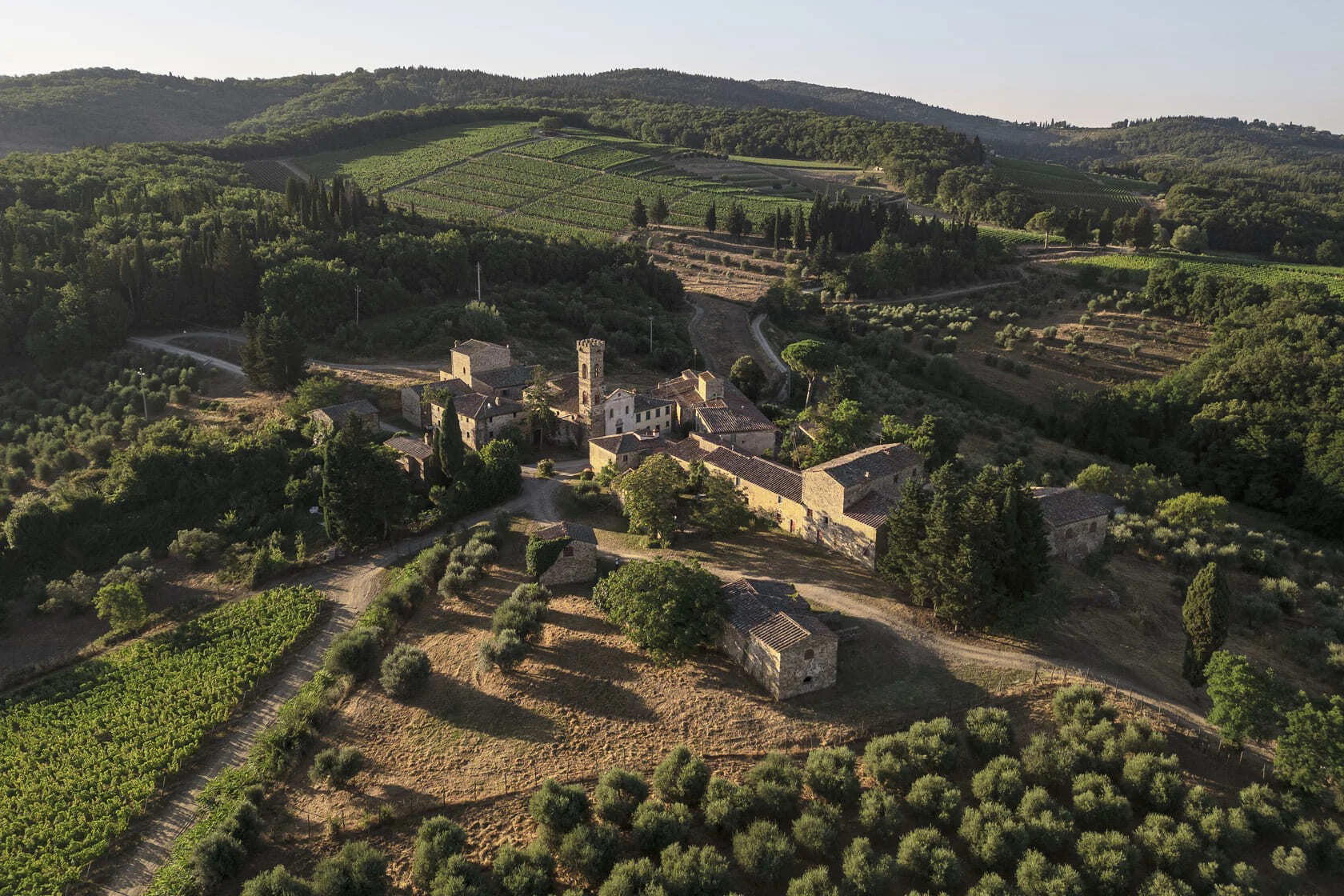
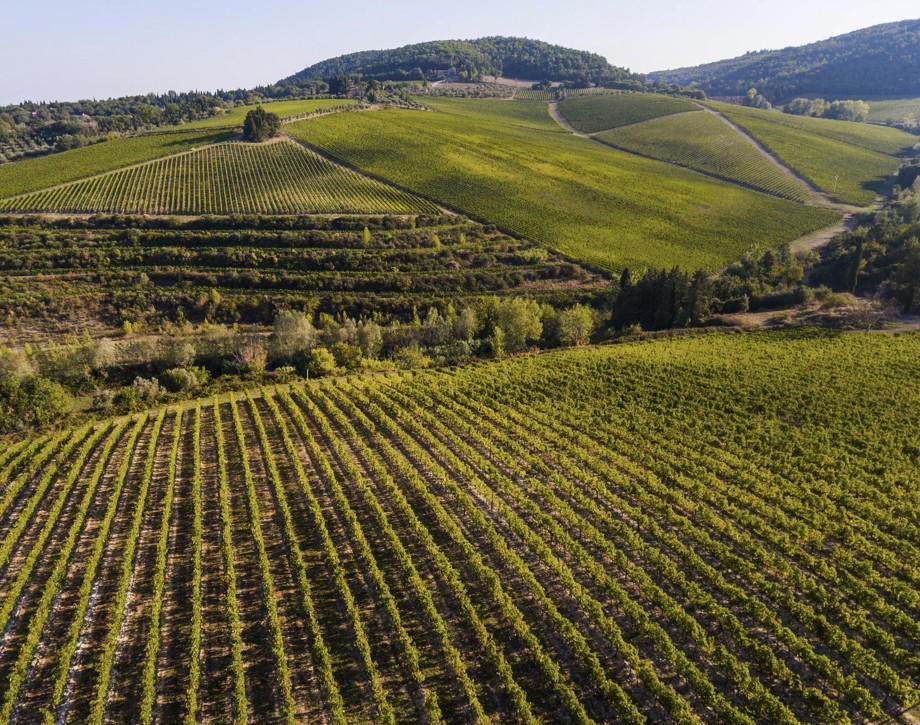
The road to Lamole climbs sharply off the main Greve road, switchbacking through dense oak and chestnut until the vineyards open up and a clutch of stone buildings appears against the ridgeline. At around 600 metres above sea level, this is one of the higher hamlets in the Chianti Classico zone, and the thinness of the air is matched by a thinness of traffic. Lamole receives visitors who mean to be there. It is not a place you pass through. That self-selecting quality shapes everything about eating here, including the atmosphere at Ristoro di Lamole, which has occupied this spot since Filippo Masini and Paolo di Mantovanelli took over in 1992. For more on what else the area offers, see our full Lamole restaurants guide.
Three Decades of Consistency in a Village of a Few Dozen Houses
Longevity in rural Tuscan dining is not, by itself, a credential. Plenty of country trattorias run on inherited recipes and tourist goodwill for decades without ever earning serious attention. What separates Ristoro di Lamole is the qualifier attached to its tenure: since 1992, the kitchen has maintained what observers describe as one of the region's most consistently accomplished eating experiences. That kind of sustained assessment, applied to a restaurant in a hamlet with no hotel, no spa, and no wine-tourism apparatus around it, points to something structural rather than circumstantial. The food is the reason people drive up the hill.
Chianti Classico has a well-documented split between its wine identity and its food identity. The wine zone is among Italy's most scrutinised, with a classification system (Gran Selezione at the leading, Annata at the entry point) that gives visitors clear quality signals. The food culture is less codified but no less serious in its leading expressions: seasonal produce anchored to the Arno valley and the surrounding hills, game from the forests, legumes from the clay soils, olive oil pressed from the groves that share the slopes with Sangiovese. Ristoro di Lamole sits within that culinary tradition rather than working against it, which is a meaningful editorial point in a region where some restaurants have drifted toward a pan-Italian crowd-pleasing menu.
The Wine at the Table
The editorial angle for any serious eating destination in Chianti Classico must address the glass as well as the plate. Italy's most technically developed cocktail programmes are concentrated in its major cities: 1930 in Milan operates from a Prohibition-era conceptual frame; Drink Kong in Rome runs a spirits-led programme that has placed it among Europe's most-discussed bars; Gucci Giardino in Florence blends fashion-house aesthetics with serious drink-making; and L'Antiquario in Naples maintains the kind of archive-deep spirits selection that takes years to build. At a rural Tuscan ristoro at altitude, the drink programme works differently. The cellar is the cocktail programme. In Lamole, that means Sangiovese-dominant wines from producers whose vineyards are, in some cases, visible from the terrace. The conversation at the table, between food and wine, is the technical exercise.
Chianti Classico's higher-altitude producers, including those around Lamole itself, are increasingly associated with wines of notable freshness and structural tension, qualities that amplify rather than compete with food. That terroir argument is not abstract at this table: it is the context in which every dish is served. Visitors who spend time researching wine bars before a Tuscany trip, from Al Covino in Venice to Enoteca Storica Faccioli in Bologna, will find a different but equally considered relationship with Italian wine at Lamole, one grounded in geography rather than curation.
The Setting and What It Demands of the Visitor
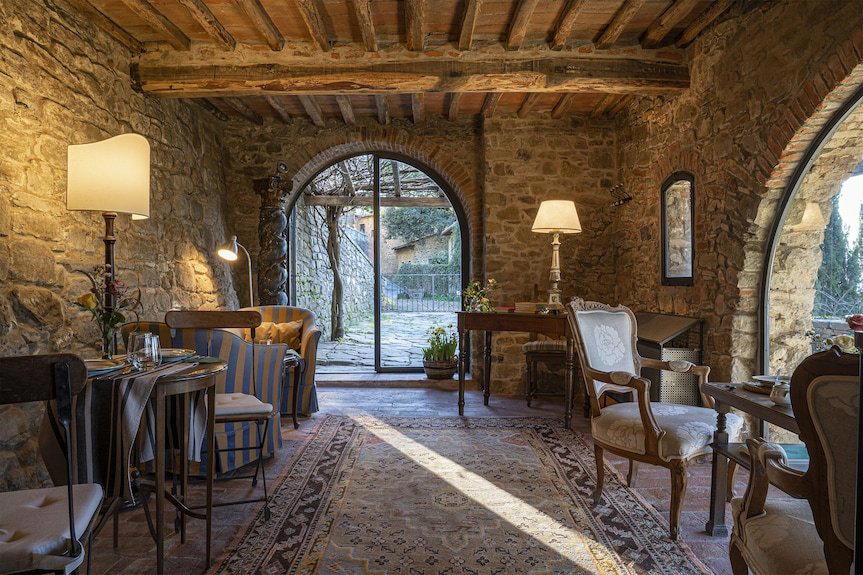
There is a category of Italian dining experience that requires the visitor to do some work: drive an unmarked road, arrive without certainty about parking, accept that the menu changes with what is available, tolerate a slower pace than a city restaurant would impose. Ristoro di Lamole sits in that category. The village of Lamole, part of the commune of Greve in Chianti, is small enough that its name does not appear on many maps at standard zoom. Getting there from Florence takes roughly an hour by car, longer if the approach from Greve is underestimated. There is no train connection. This is a destination that rewards planning over spontaneity.
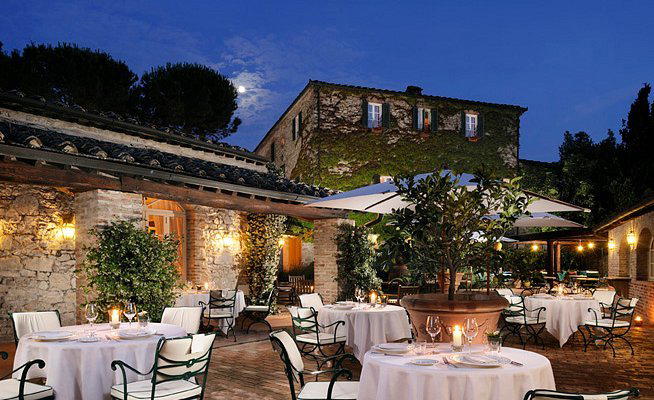
The terrace views over the Chianti hills, at this elevation, carry the kind of visual clarity that lower-valley restaurants cannot replicate regardless of design budget. Early evening in late spring or early autumn, when the light drops across the vineyards and the temperature at 600 metres is noticeably cooler than in Florence, is the window when the physical experience of the place is at its most coherent. Visitors timing a Tuscany itinerary around cellar visits in Panzano or Radda would do well to schedule Lamole as a lunch stop rather than a dinner destination, given the driving conditions after dark on the approach roads. That is a logistics point as much as an aesthetic one. Compare the approach with a bar like Cascate del Mulino in Manciano or Lost & Found in Nicosia: destinations that require deliberate travel reward that effort with an experience unavailable in passing.
Planning Your Visit
A restaurant of this reputation, in a village of this size, will have limited covers; arriving without a reservation on a summer weekend carries real risk of disappointment. The address is Via Lamole, 6, 50022 Greve in Chianti, Firenze. Approach from Greve in Chianti via the SP16 and follow signs for Lamole. The final section of road is narrow. For reference on what serious walk-in bar culture looks like elsewhere in Italy, Fauno Bar in Sorrento and Bistrot Torrefazione Samambaia in Turin operate on different urban logics; Lamole requires a different kind of preparation. Equally, the spontaneous drop-in model that works at Bar Leather Apron in Honolulu does not translate to a 30-seat rural trattoria in the Chianti hills.
At-a-Glance Comparison
Comparable venues nearby, for context on price, style, and recognition.
| Venue | Cuisine | Price | Awards | Notes |
|---|---|---|---|---|
| Ristoro di LamoleThis venue — the venue you are viewing | wine_bar | $50–100 | Star Wine List | Not listed |
| Mysterium Cocktail Bar Firenze | cocktail_bar | $20–30 | Not listed | San Frediano |
| Tenuta di Capezzana | wine_bar | Not listed | Not listed | Capezzana |
| Procacci 1885 | wine_bar | $20–30 | Not listed | Santo Spirito |
| Caffè Gilli | lounge | $20–30 | Not listed | Santo Spirito |
| Drinx at Il Gusto di Xinge | cocktail_bar | $50–100 | Top 500 Bars Best Bars #443 | San Jacopino |
Recognition history
Dated appearances from independent guides and award organizations, with the underlying list record or original source where available.
Star Wine List
Star Wine List
Continue exploring
More in Lamole
Bars in Lamole
Browse all →
Restaurants in Lamole
Browse all →
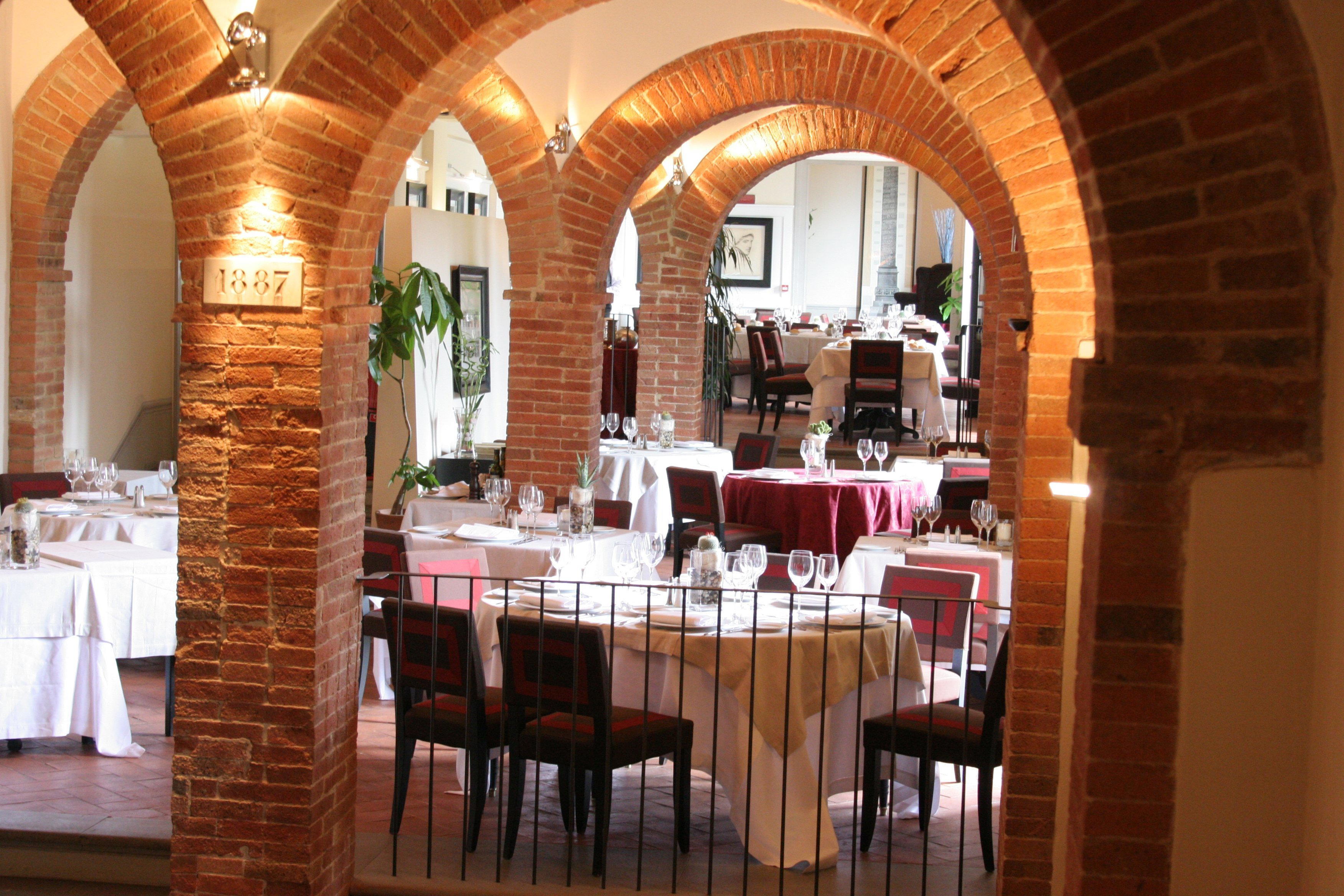
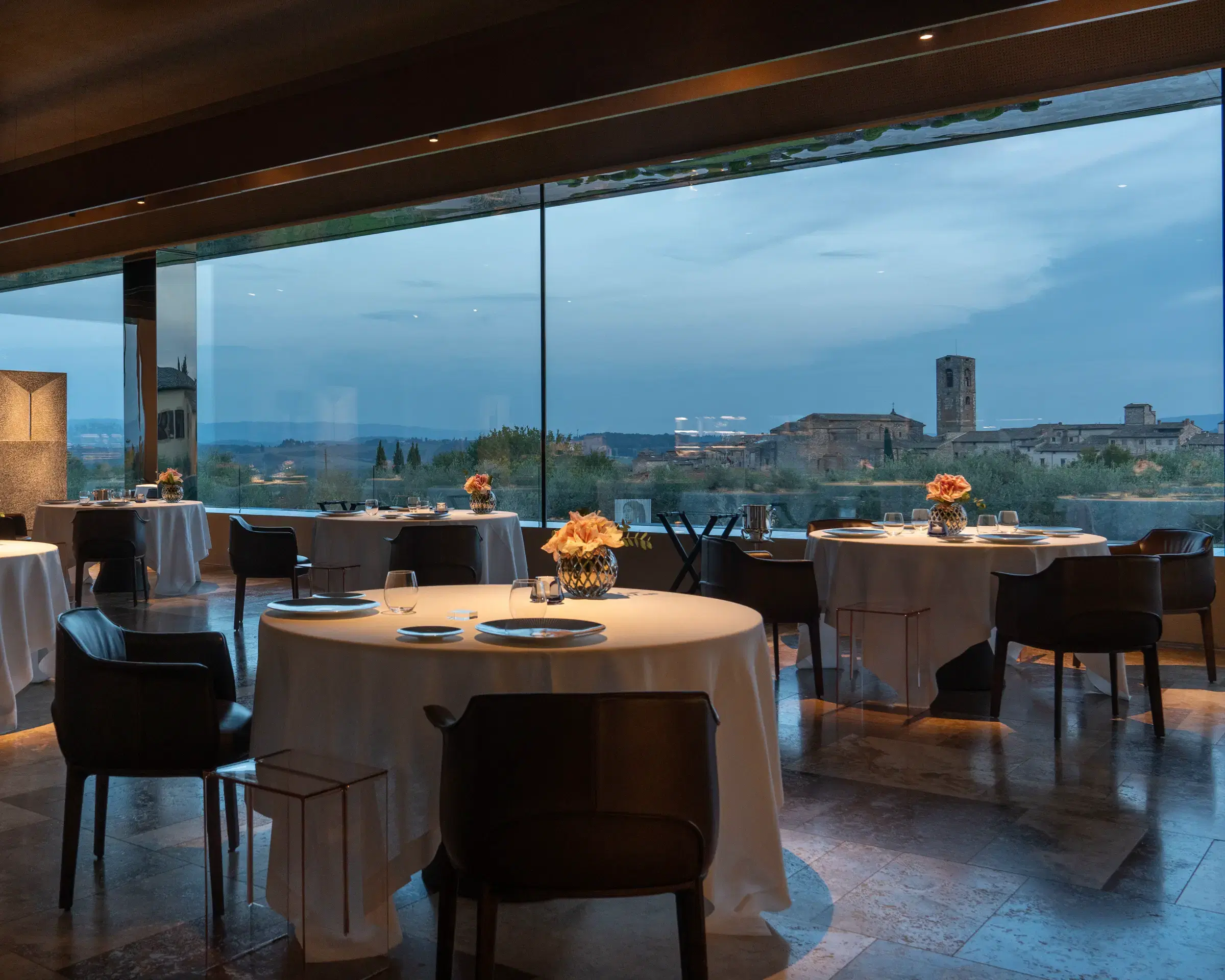
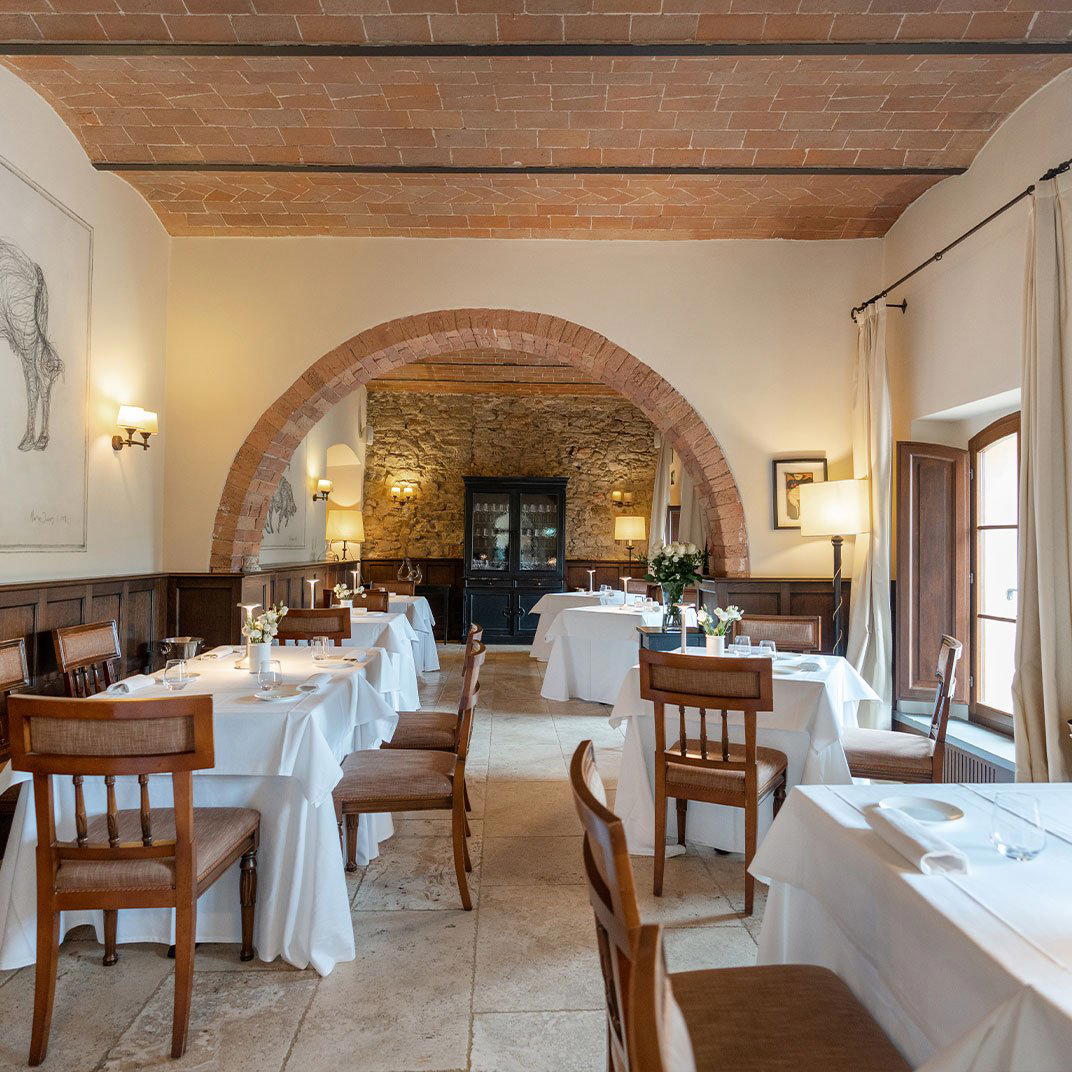
Hotels in Lamole
Browse all →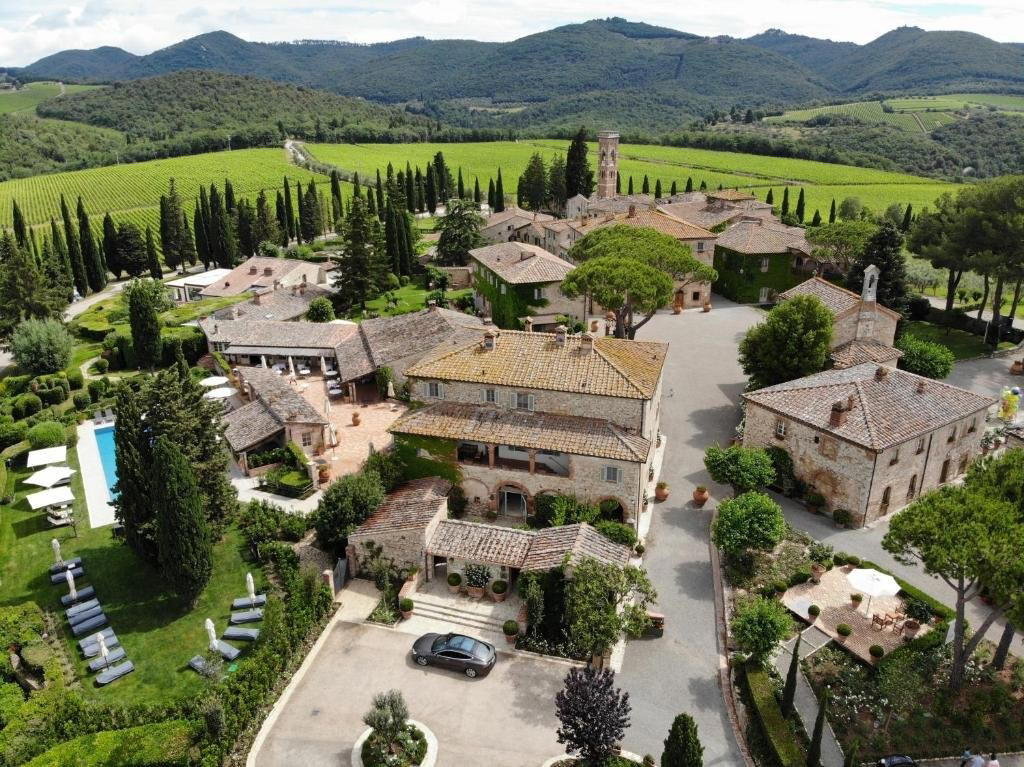
Details
- Rustic
- Scenic
- Elegant
- Cozy
- Romantic
- Date Night
- Special Occasion
- Casual Hangout
- Terrace
- Panoramic View
- Historic Building
- Outdoor Terrace
- Lounge Seating
- Conventional Wine
- Mountain
- Vineyard
Current opening hours
- Monday
- 12–2:30 PM
- Tuesday
- 12–2:30 PM
- Wednesday
- Closed
- Thursday
- 12–2:30 PM
- Friday
- 12–2:30 PM
- Saturday
- 12–2:30 PM
- Sunday
- 12–2:30 PM
Hours can change for holidays and private events. Last verified .
Relaxed and elegant Tuscan atmosphere with warm hospitality, tasteful art decor, and dramatic sunset views from the terrace.